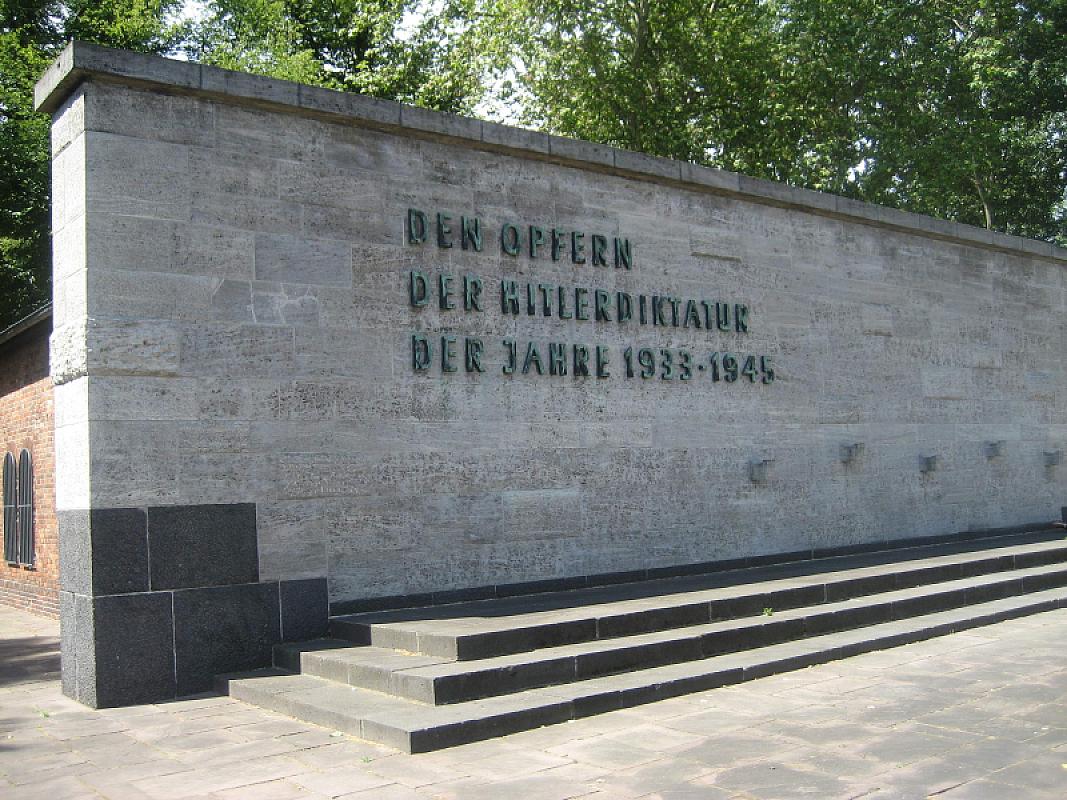
Memorial to the Victims of the Kielce Pogrom
Upamiętnienie ofiar pogromu kieleckiego
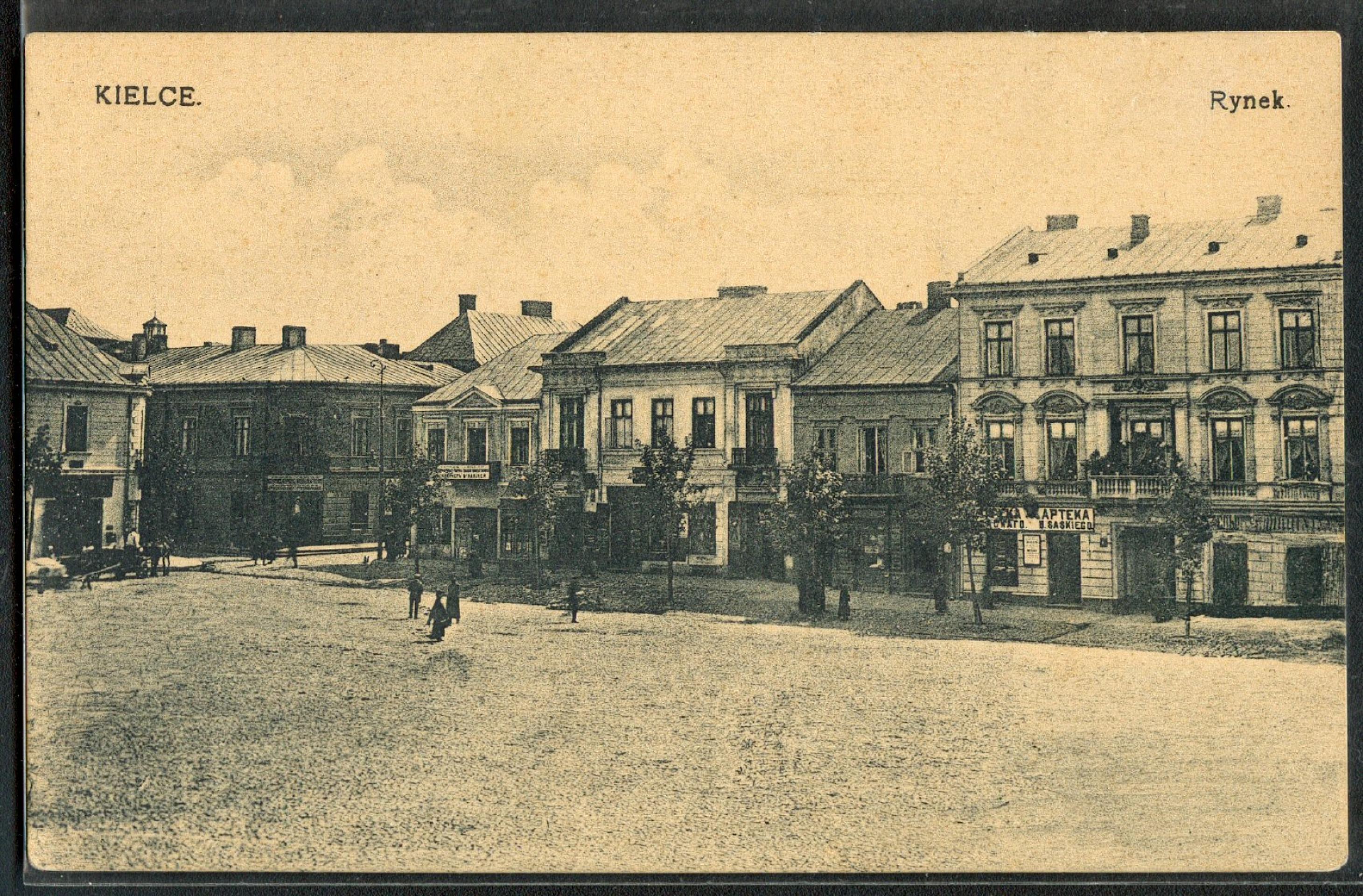
The Kielce pogrom was the most violent anti-Semitic excess in post-war Poland. Most Jews took it as a signal that there was no future for them in Poland and shortly afterwards left the country.
History
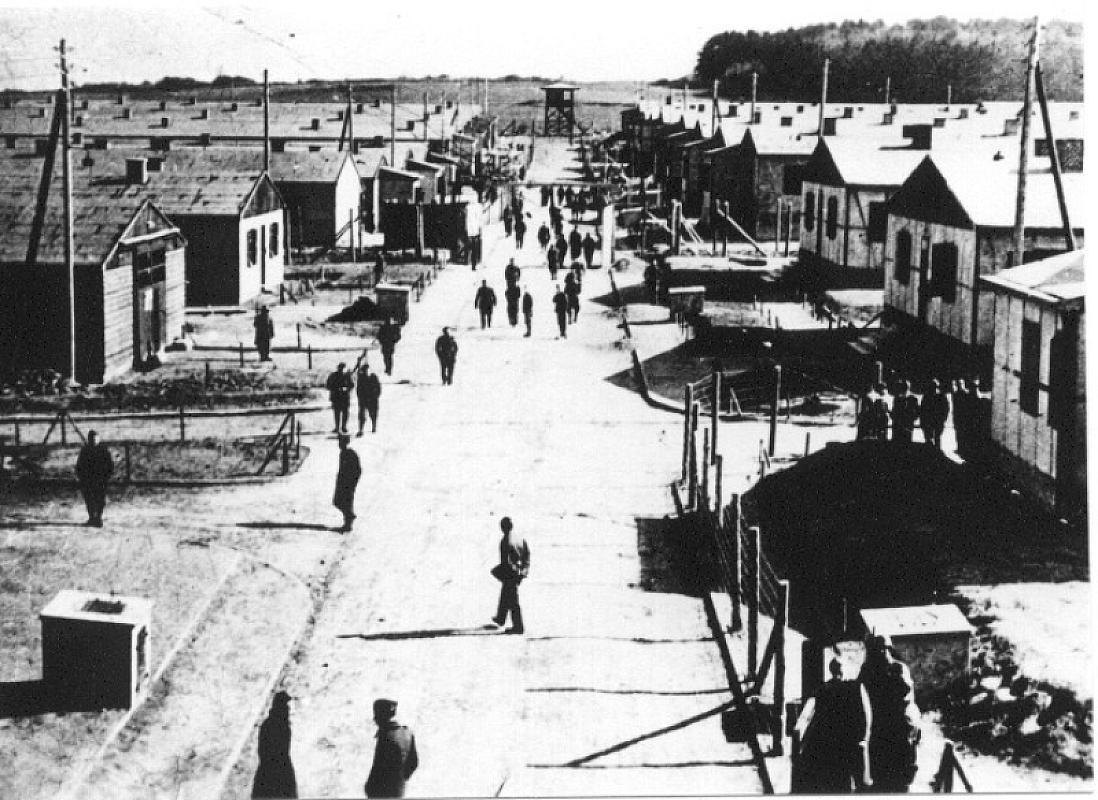
Kielce is a major city halfway between Warsaw and Cracow. Prior to the First World War the city was part of the Russian Empire. Shortly before the outbreak of the Second World War, 25,000 of the 71,500 inhabitants were Jews, a share of almost 35%. During the German occupation almost all Jewish inhabitants of Kielce were murdered, most of them in August 1942 in the Treblinka extermination camp, after having been confined to a ghetto for more than a year.
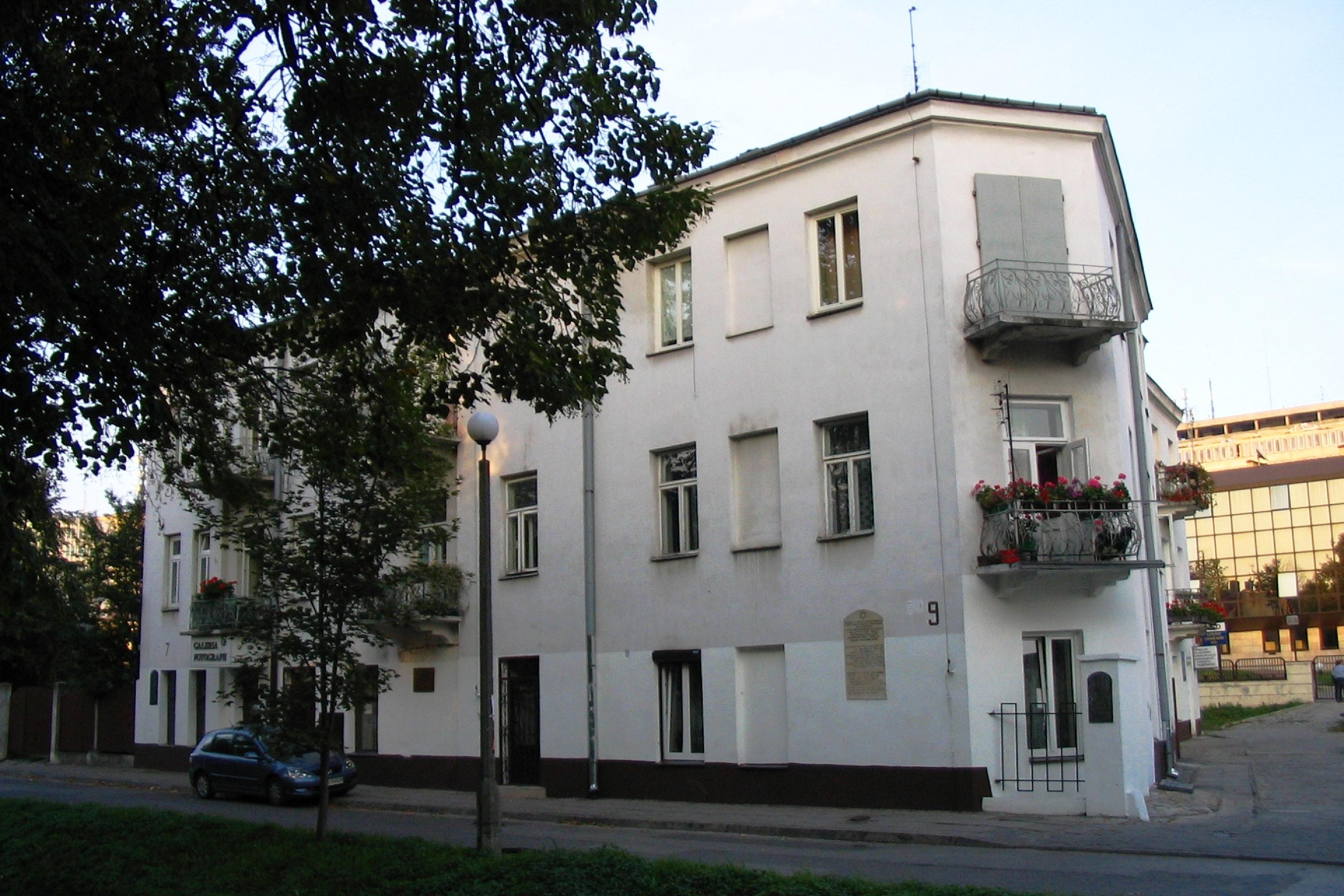
After the war approximately 200 Holocaust survivors resided in Kielce, some of them had their roots in other regions. A number of Jews lived in a building in Ulica Planty 7, where several Jewish organisations were housed. On July 4, 1946 the lingering anti-Semitism of large parts of the Polish erupted in violence. When the allegation – which was made up out of thin air – made the rounds that the Jews held Christian children captive, a furious crowd gathered in front of the building in ul. Planty. After uniformed services (militia and army) arrived on site, the situation escalated. Instead of helping the Jews or maintaining law and order they surrendered many Jews to the crowd which lynched them. Many Jews died of bullet wounds proving they were murdered by members of the militia or the army. The excesses lasted for hours, among the dead were women and children. Towards the evening more security forces arrived on site and ended the pogrom. About 100 perpetrators were arrested, including dozens of members of the militia and the army.
The violence was not confined to the city of Kielce but spread to the whole area. Especially on trains and in train stations at least 30 Jews were lynched.
Victims
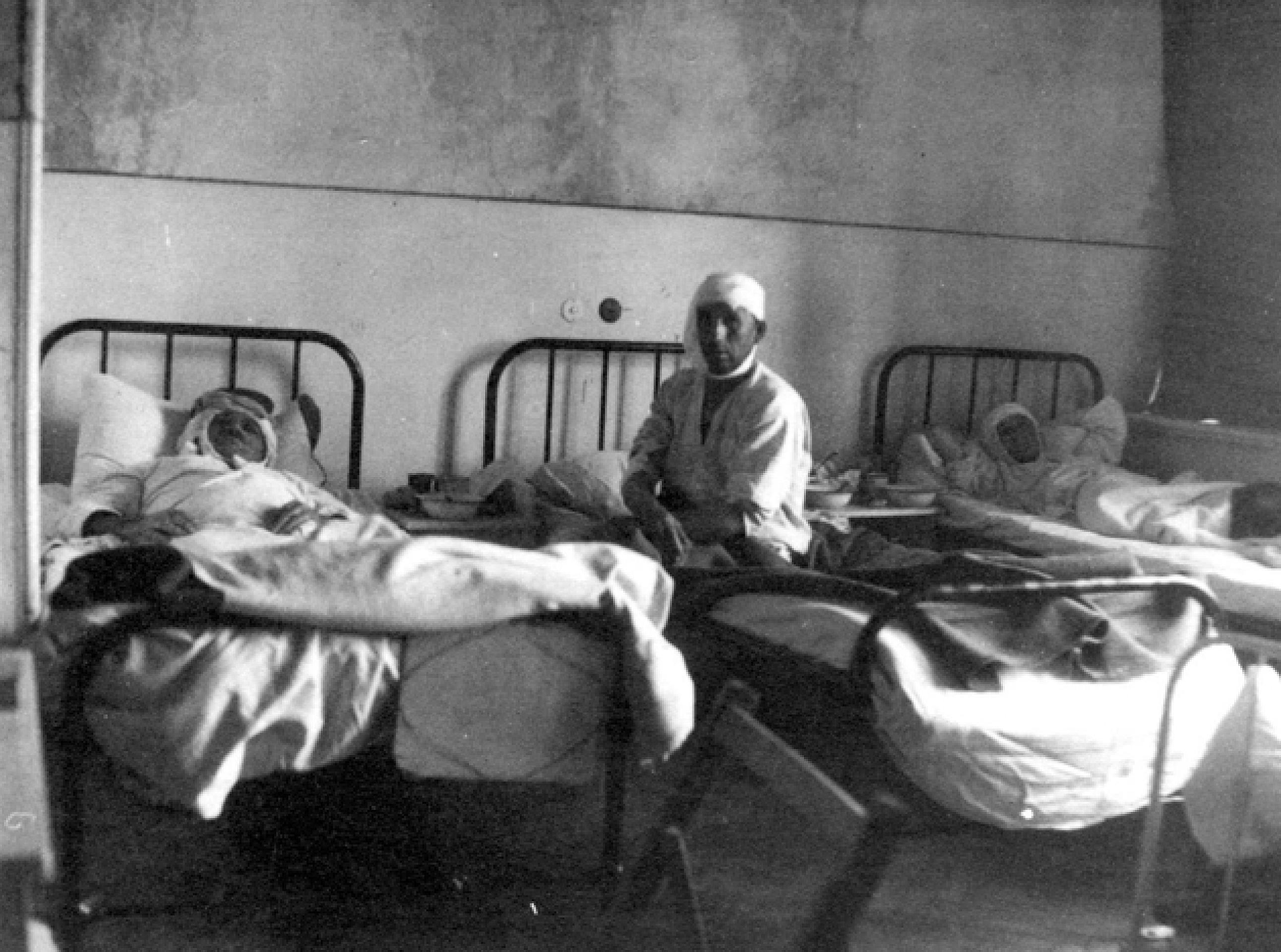
During the anti-semitic excesses in Kielce 42 persons were murdered – children, women and men. Among the victims were three Poles, they were probably killed because they tried to protect the Jews. Another 30 Jews were killed along the railway line in the surroundings of Kielce. More than 30 Jews survived the pogrom injured, some of them seriously. The injured were evacuated the next day to Warsaw when it became clear that they did not receive proper treatment in the city hospital.
Remembrance
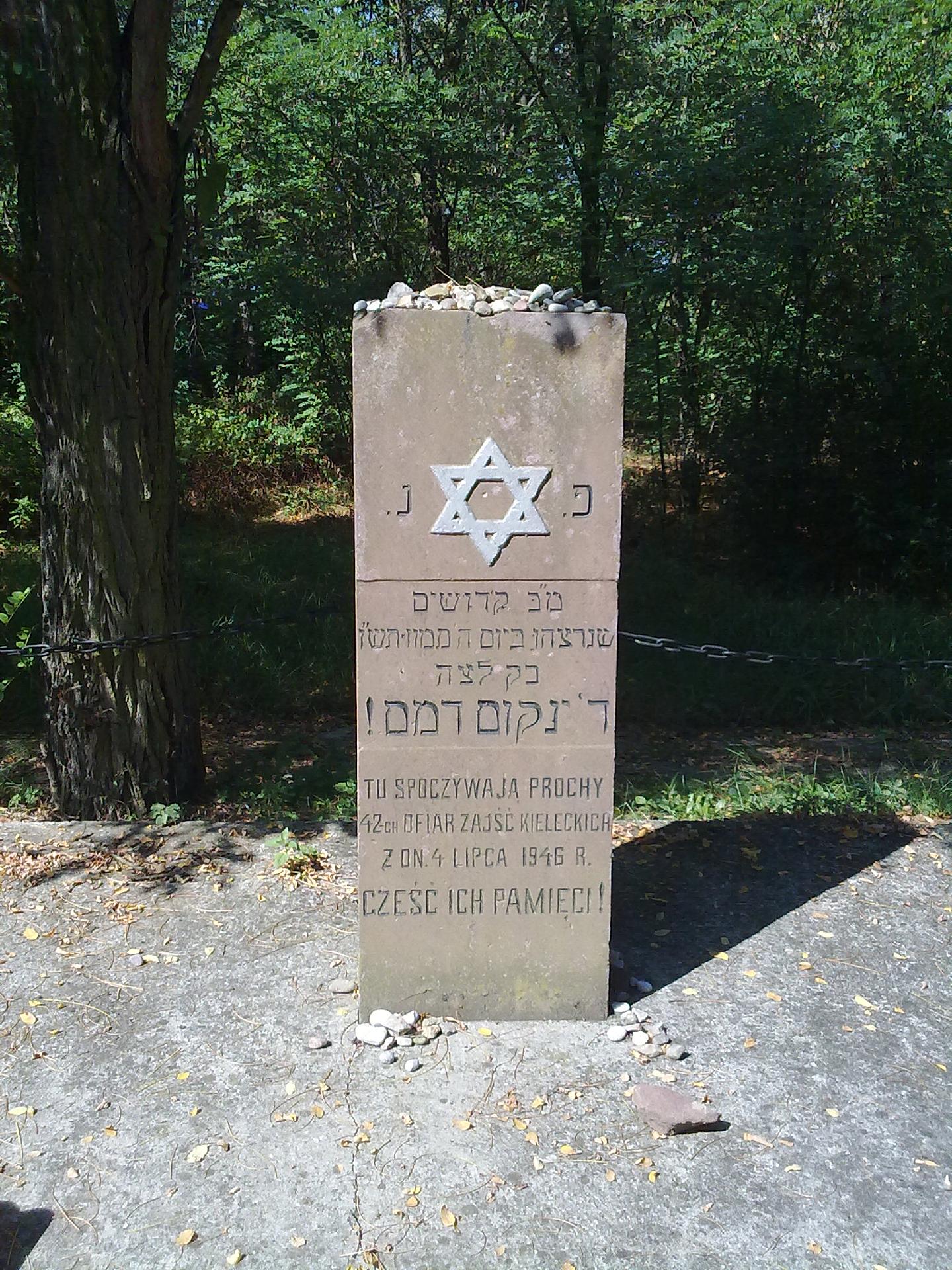
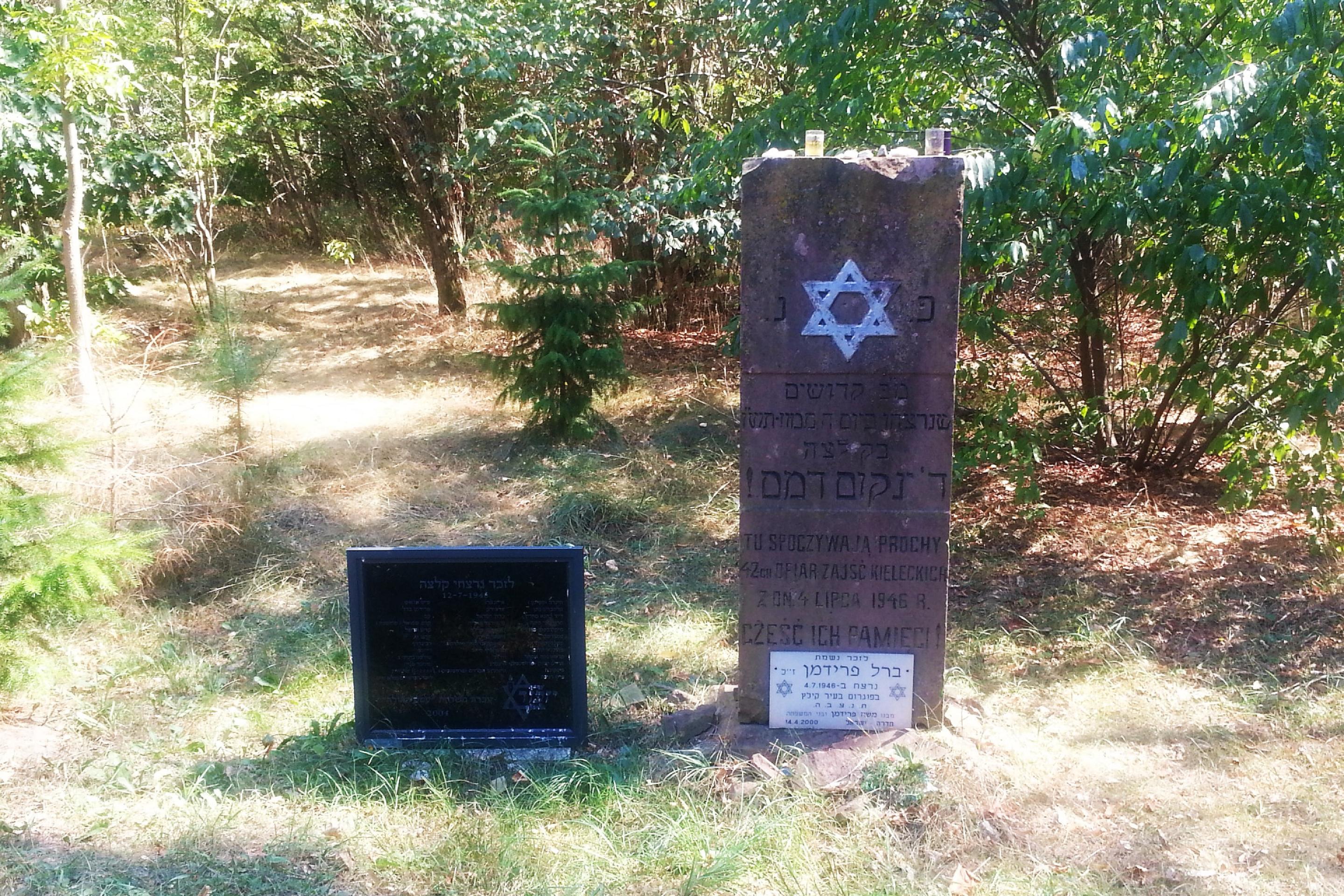
The victims were buried four days after the pogrom in a common grave on the Jewish cemetery. The funeral, attended also by government officials from Warsaw, resembled a political demonstration.
Most of the about 100 arrested participants of the pogrom were released shortly afterwards. 12 perpetrators were brought before a military tribunal, three were sentenced to long prison terms, nine were sentenced to death. The death sentences were executed already on July 12, 1946.
Despite the seemingly severe reaction of the communist government the pogrom had enormous consequences regarding the further development of Jewish life in Poland. Most of the Jews took it as a signal that there was no future for them in Poland and did their utmost to emigrate. It is estimated that only some tens of thousands stayed in the country.
In the following decades the Kielce pogrom was cloaked in silence, only after the breakdown of communism books and documentaries on this subject were published. In 2006 the Polish Institute of National Remembrance (IPN) presented an investigative report on the subject. The same year »Fear«, a book by the Polish-American historian Jan T. Gross that dealt with the Kielce pogrom in great length was published, causing heated discussions in Poland. Many Poles thought their nation was generally discredited as being anti-Semitic.
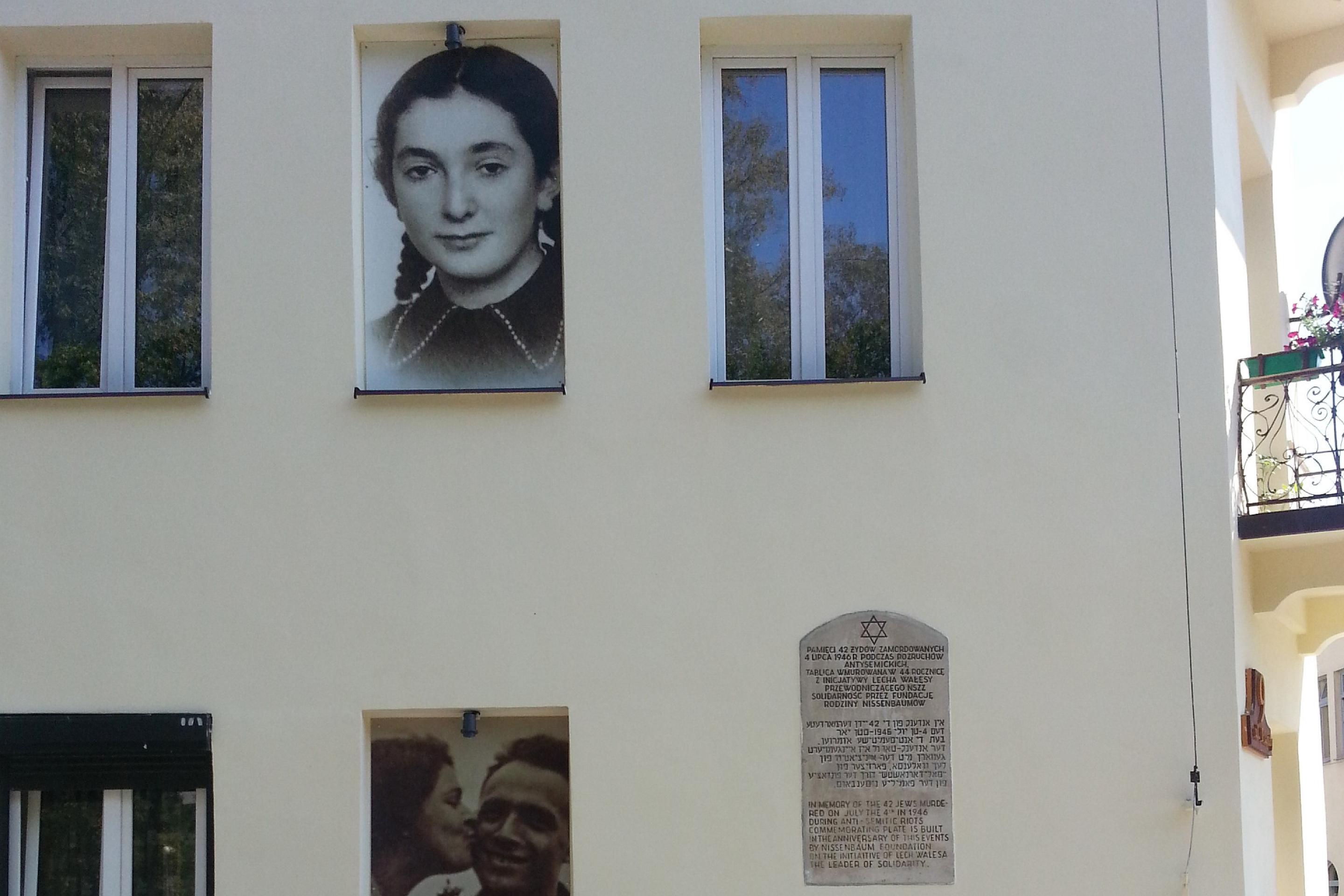
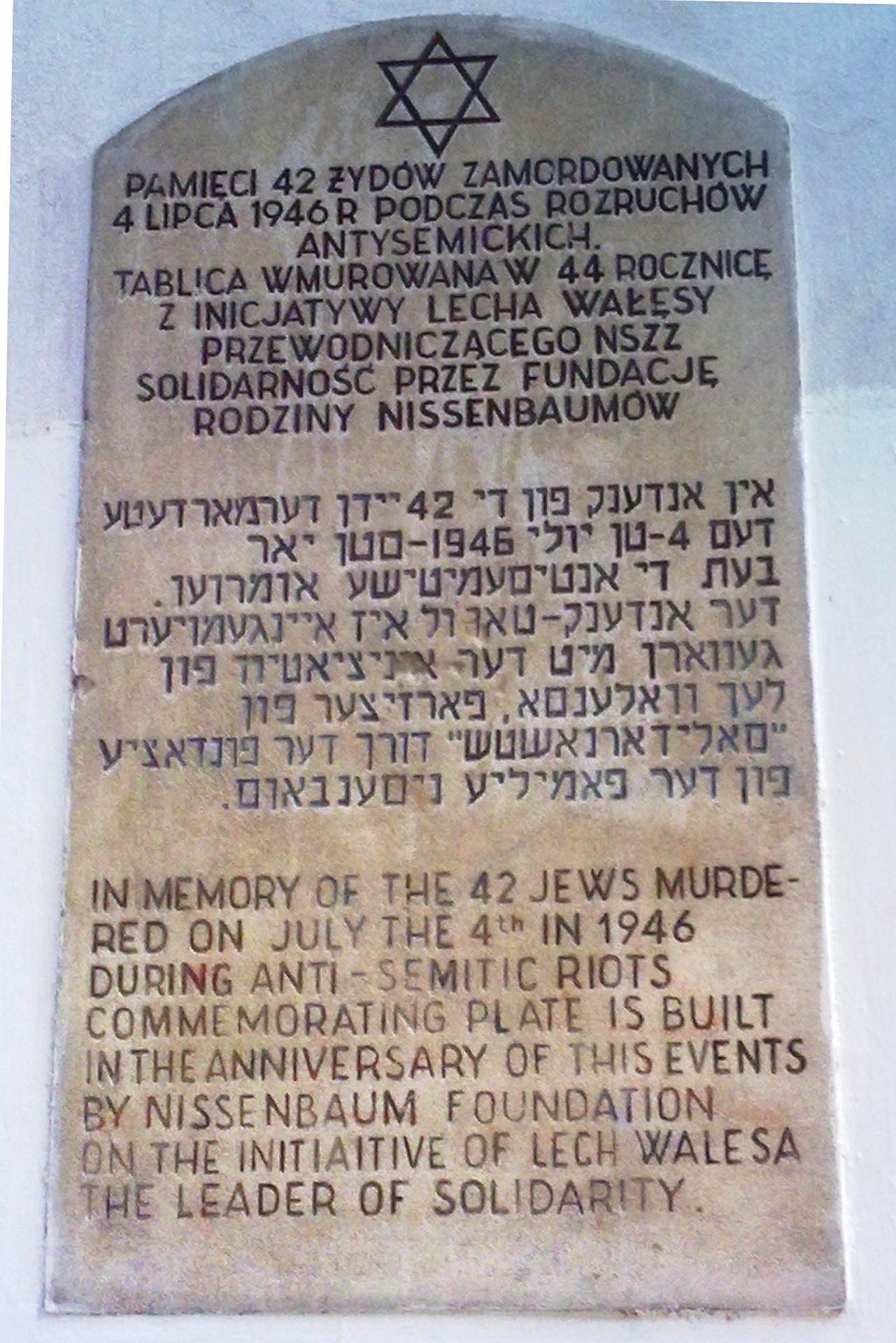
In Kielce there are several places where the victims of the pogrom are remembered. Since 1990 there is a memorial plaque on the building in ul. Planty that was initiated by Lech Wałesa, leader of the Solidarity movement. Since around 2015, there are large portaits of victims mounted on the building.
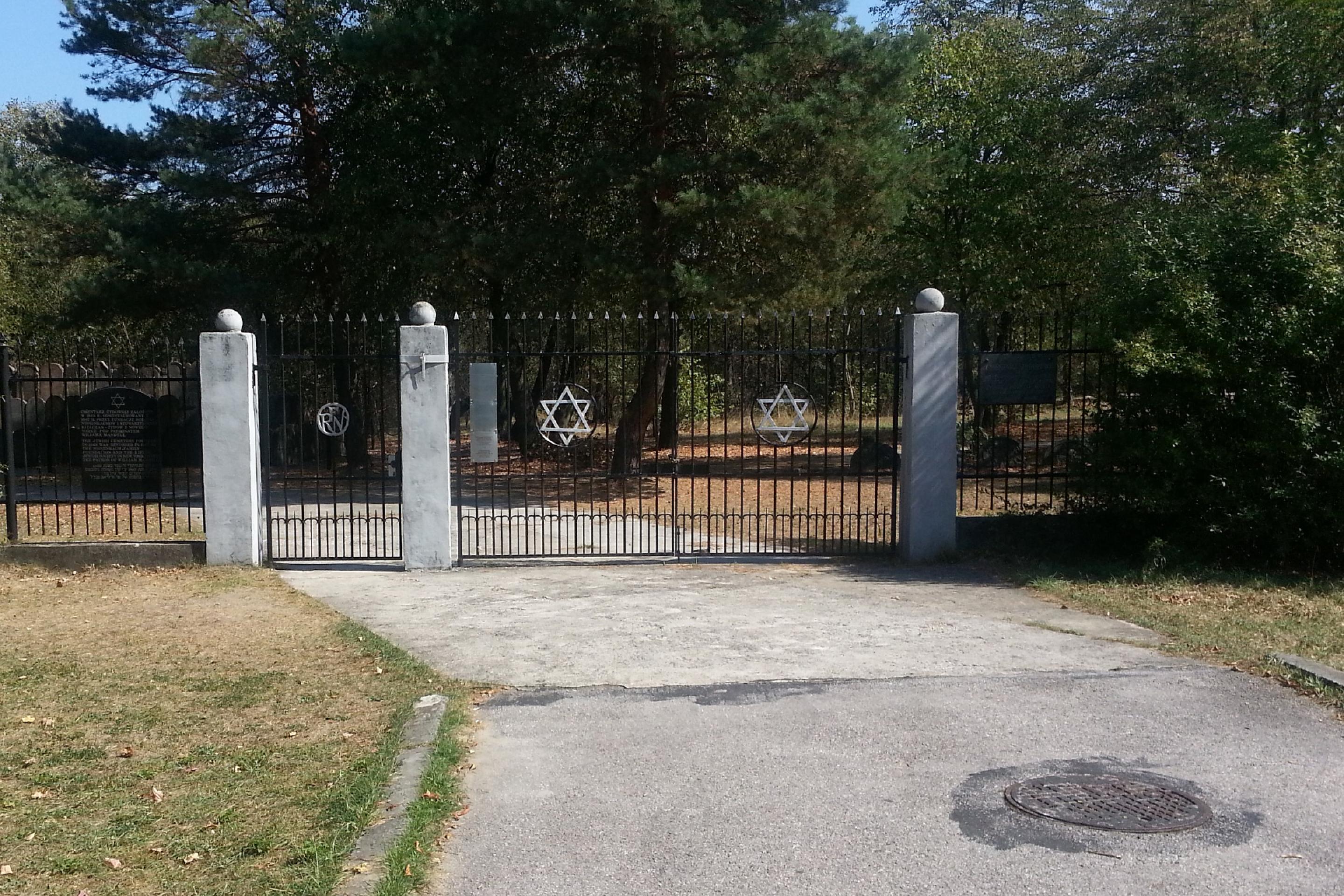
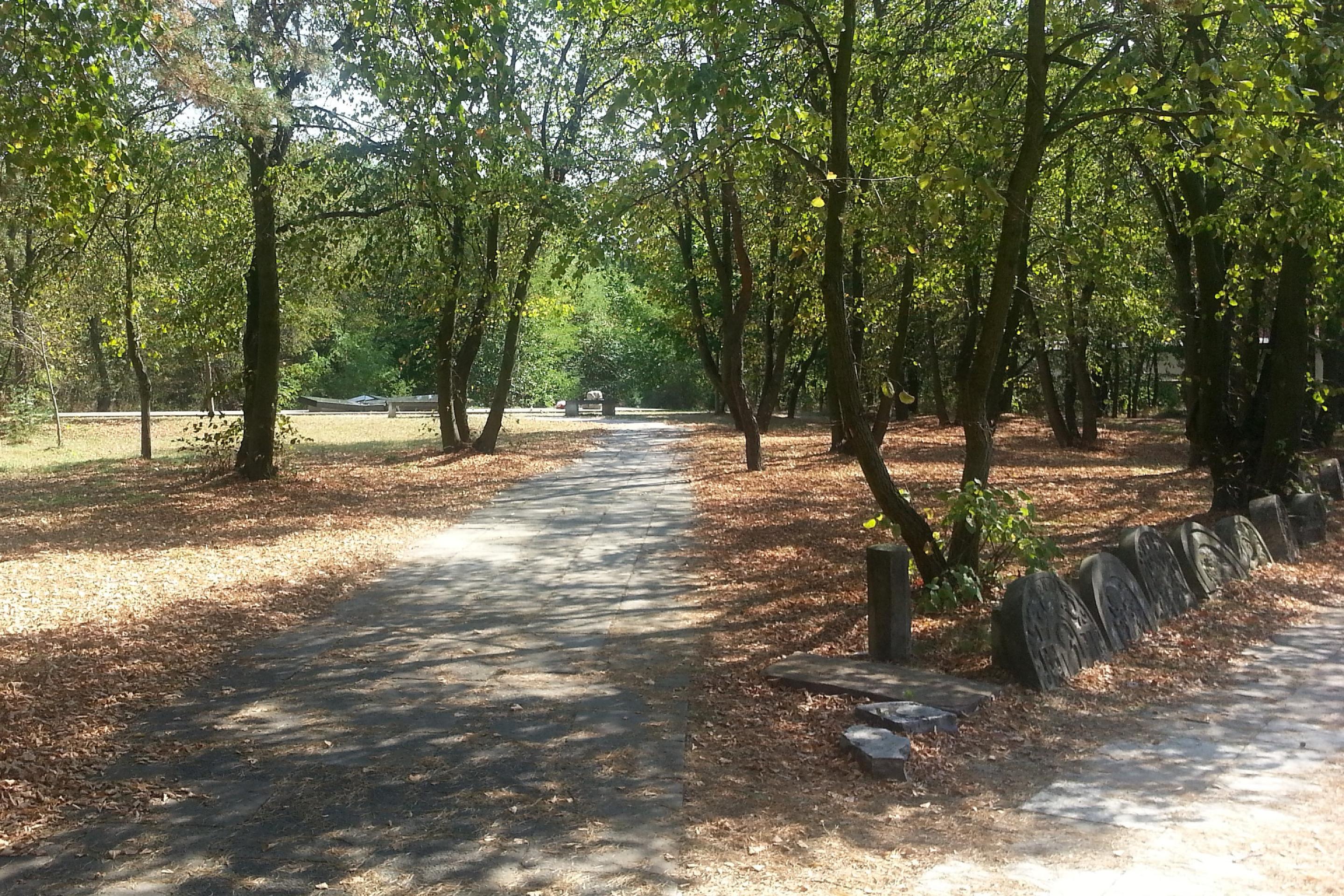
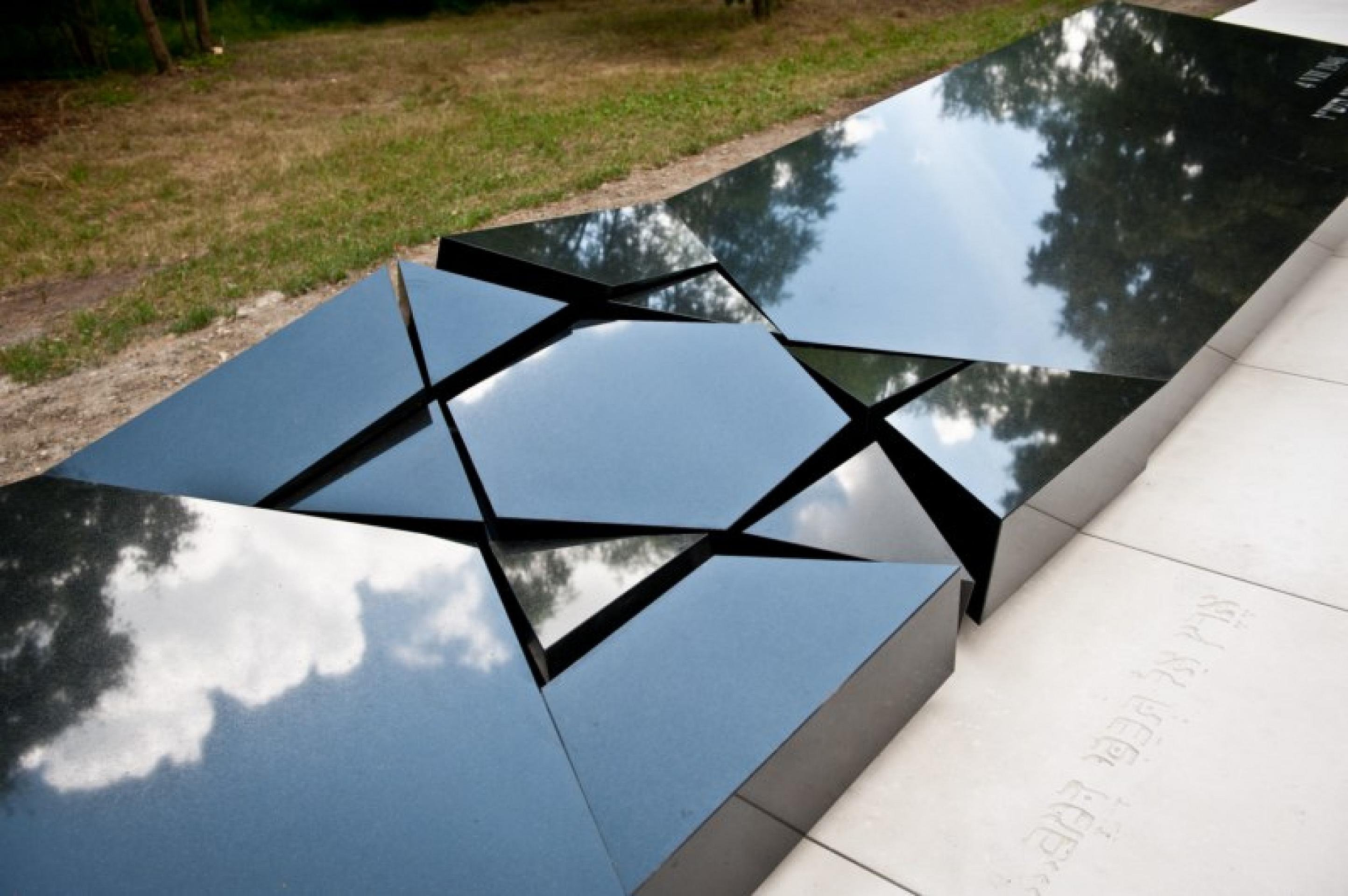
Not very far from the house there is a memorial which was erected in 2006 on the initiative of an American organisation. In 2010 a new memorial was erected next to the victims' grave on the Jewish cemetery. It consists of a broken granite slab, its lines of fracture forming a Star of David. Responsible for the realisation of the memorial and the care for the cemetery is the local Jan Karski Society (Polish: Stowarzyszenie im. Jana Karskiego).
The 70th anniversary of the pogrom was commemorated in 2016 with a ceremony attended by Polish President Andrzej Duda.
Possibilities
Guided tours of the Jewish cemetery
Open
The memorials in the municipal area are accessible at all times. A visit to the Jewish cemetery can be organised by the Jan Karski Association (Polish: Stowarzyszenie im. Jana Karskiego). Further information at www.jankarski.org.pl/kontakt
Contact
bogdan.bialek@charaktery.com.pl
+48 (0) 41 343 28 40
ul. Planty 7
25-508 Kielce