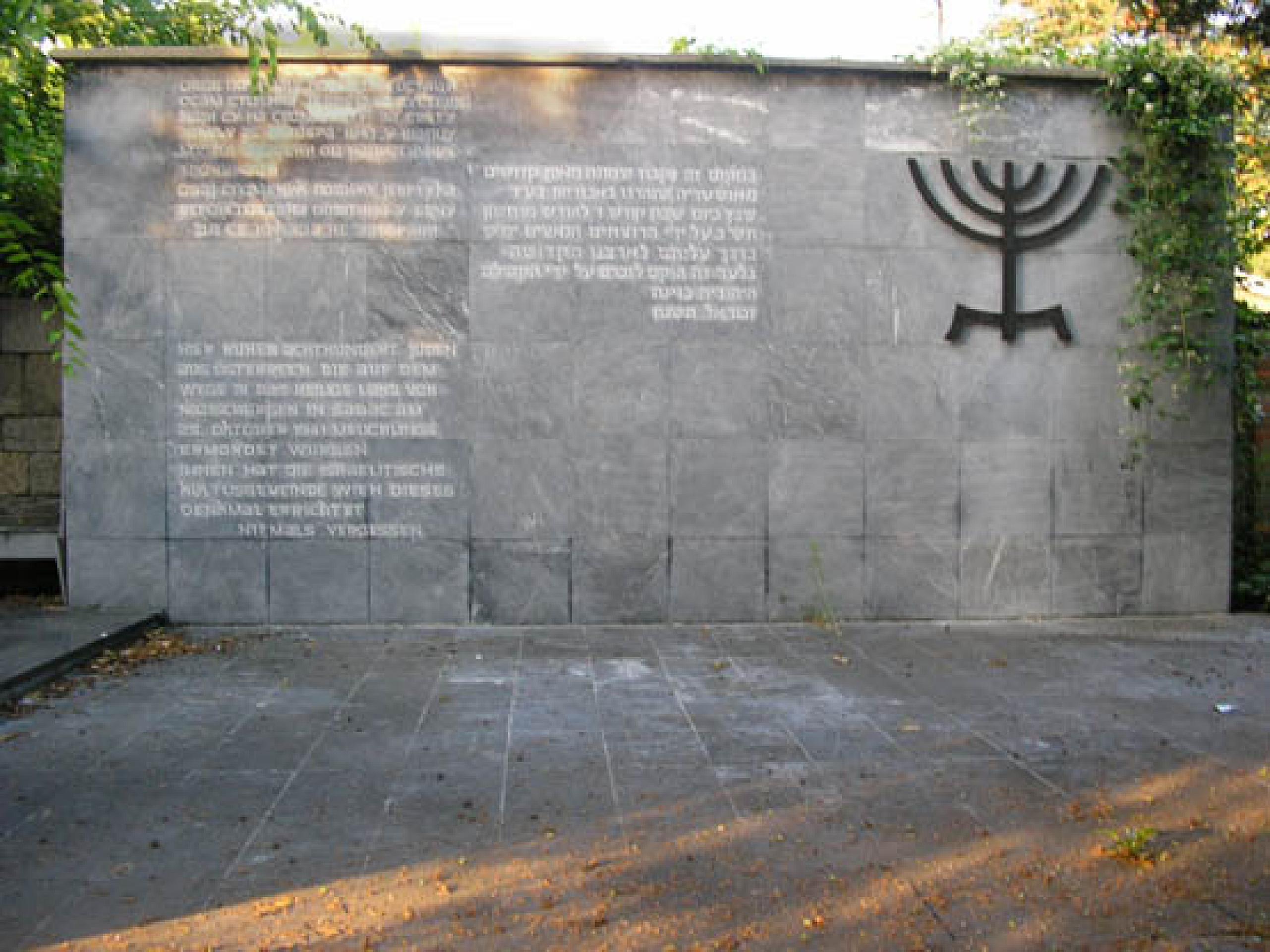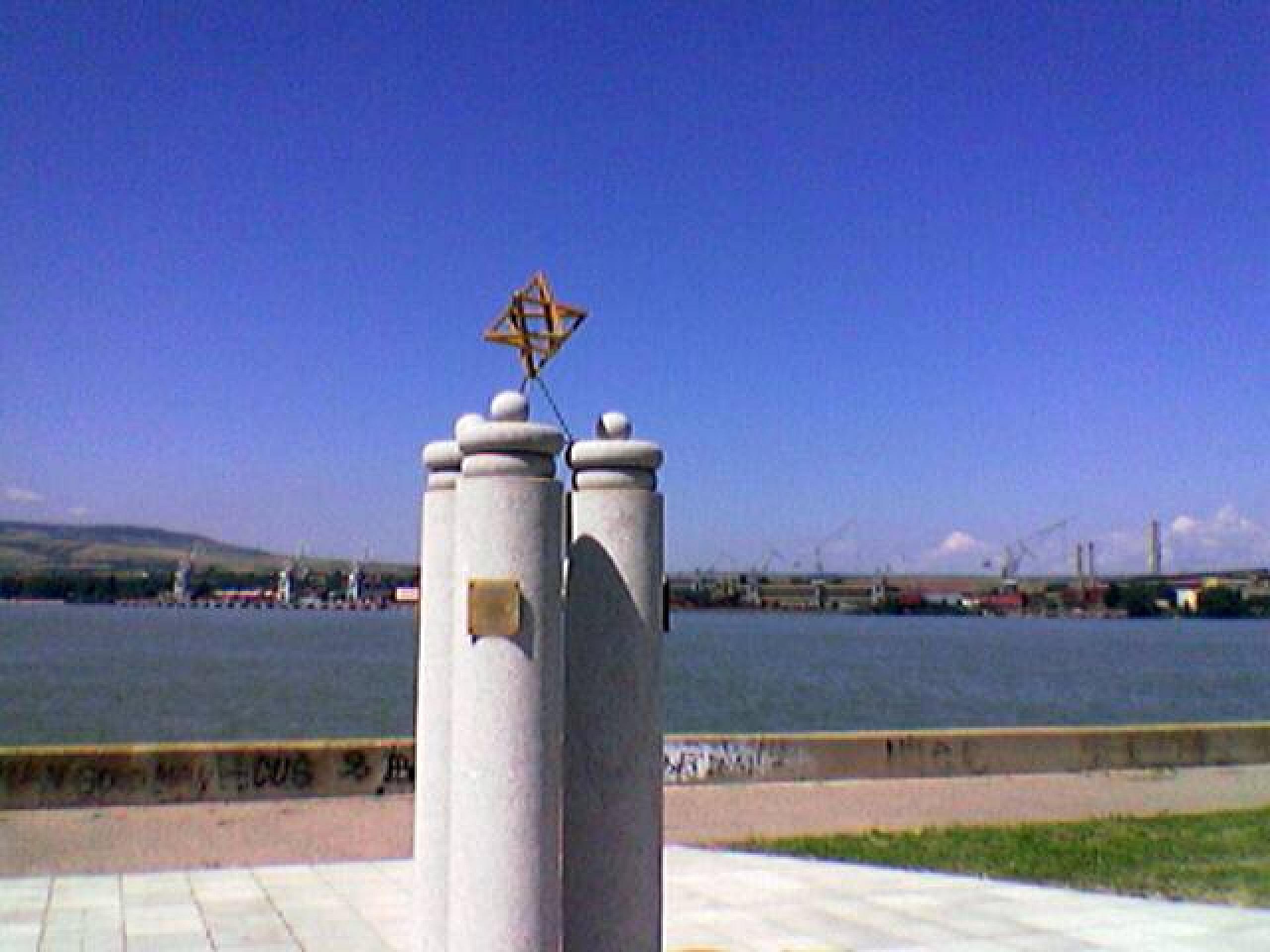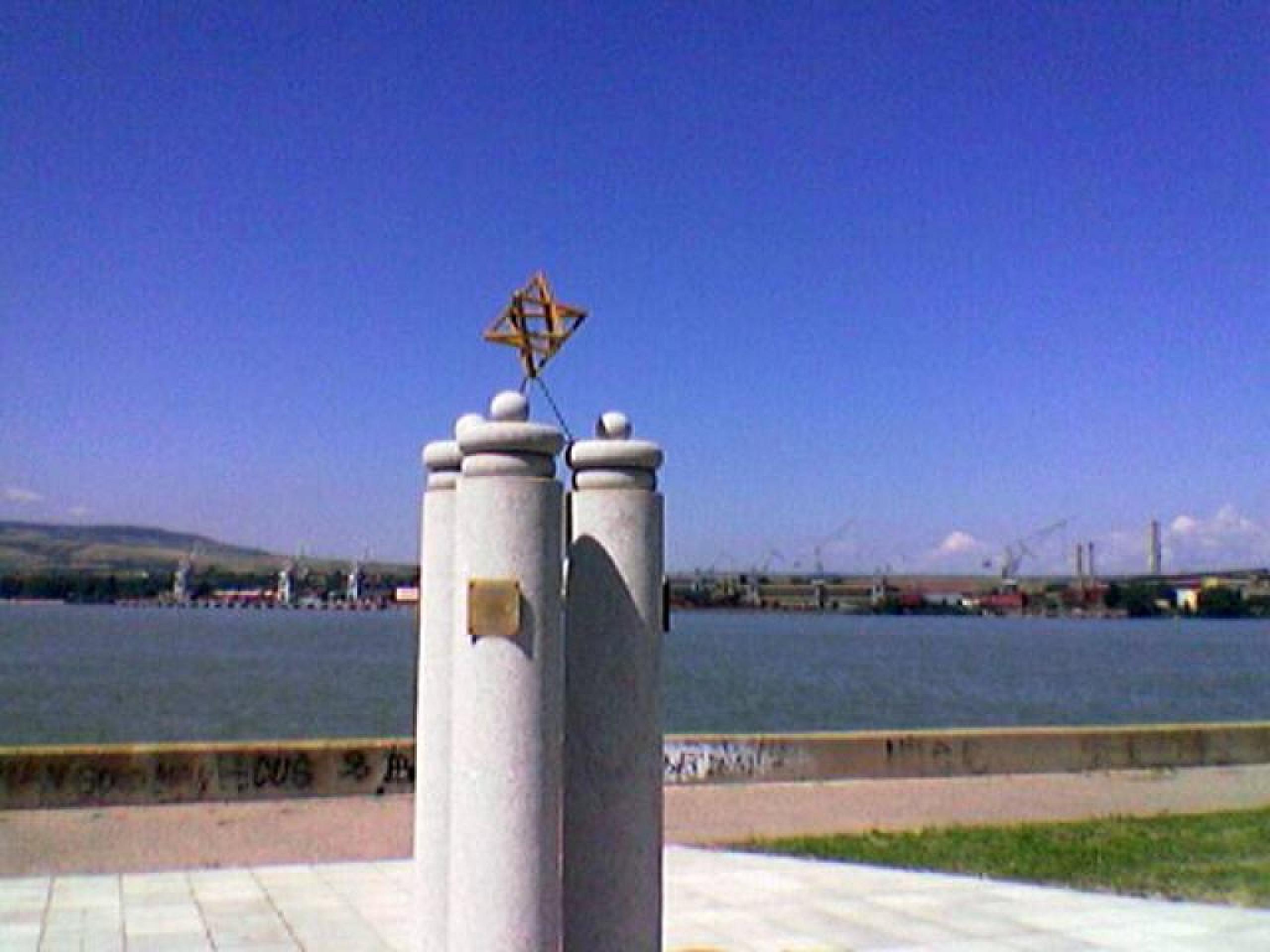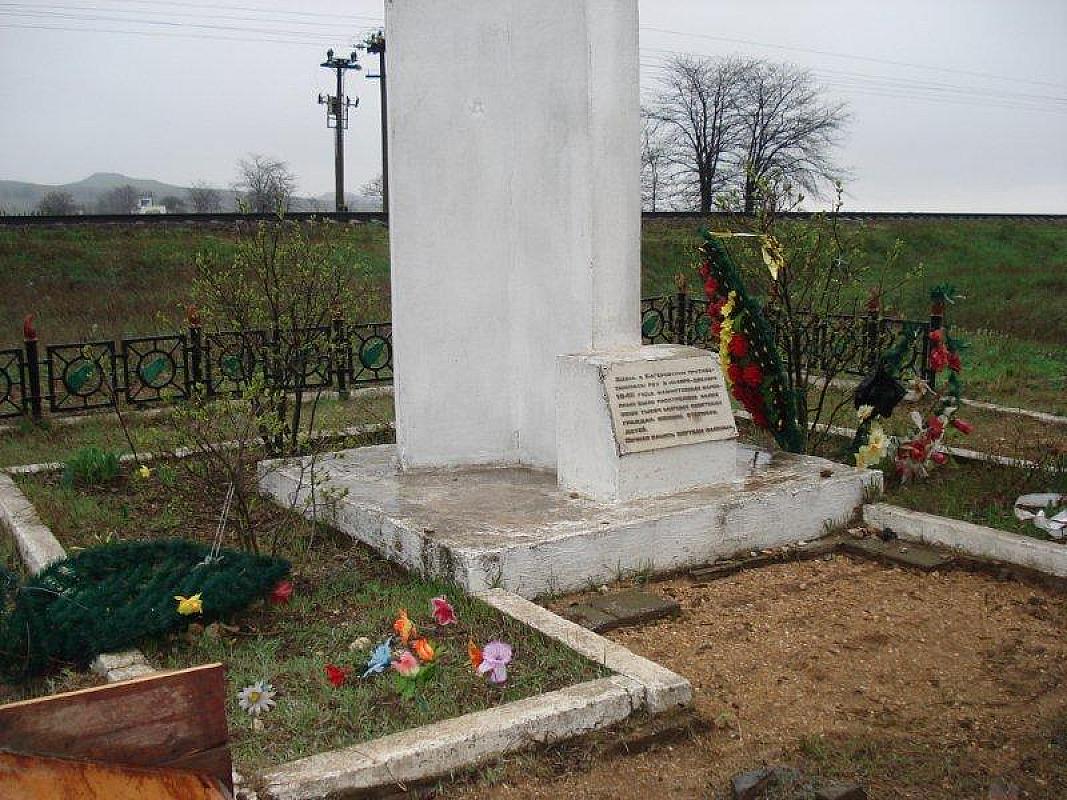
In 2005, a memorial in the small Serbian port town of Kladovo was dedicated to the 1,200 Jewish refugees who landed here in 1939 and later perished in camps of the German occupation forces.
History
The small port town of Kladovo is located in the east of Serbia, on the bank of the Danube which demarcates the border to Romania. This landscape is known as the »Iron Gate«.
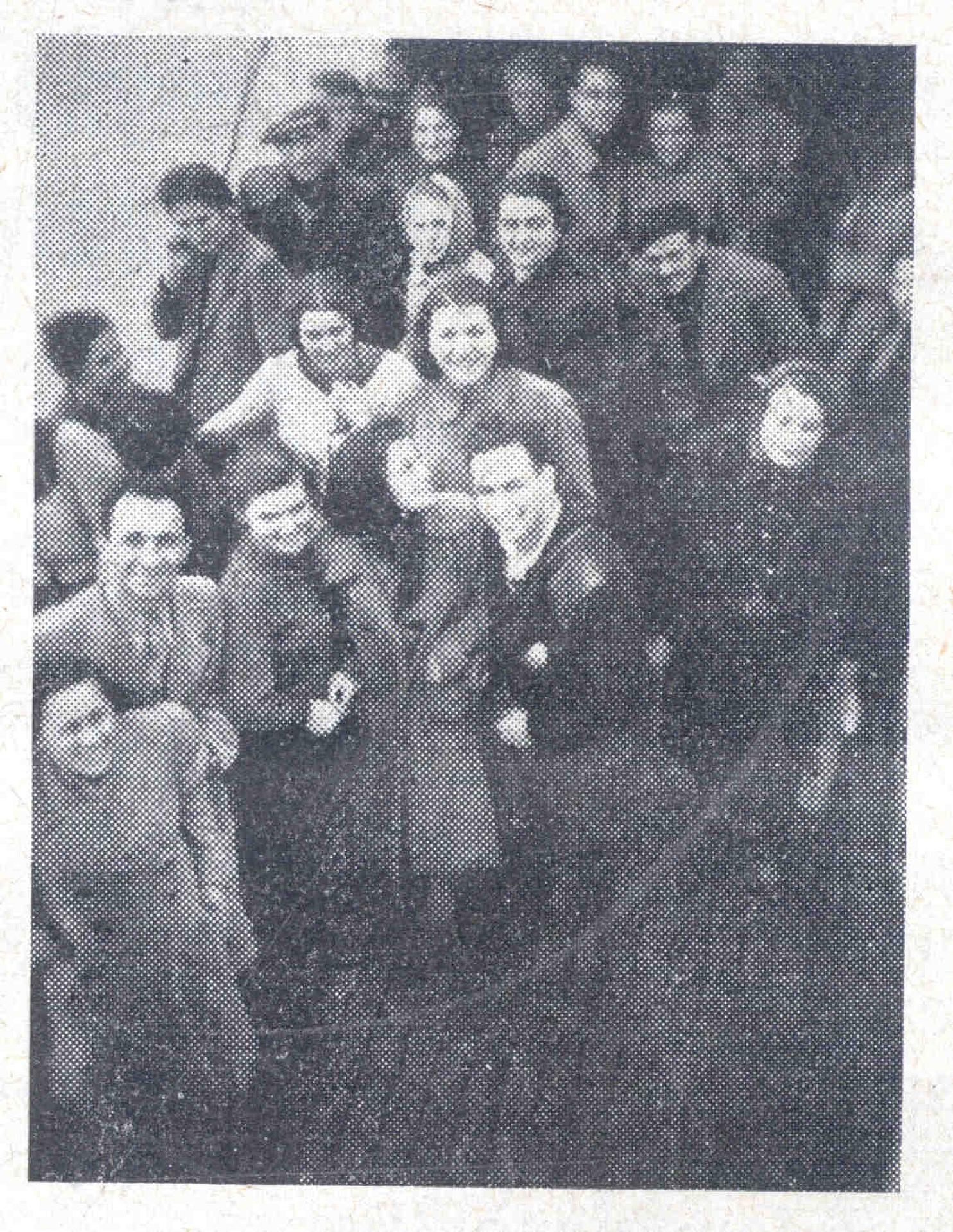
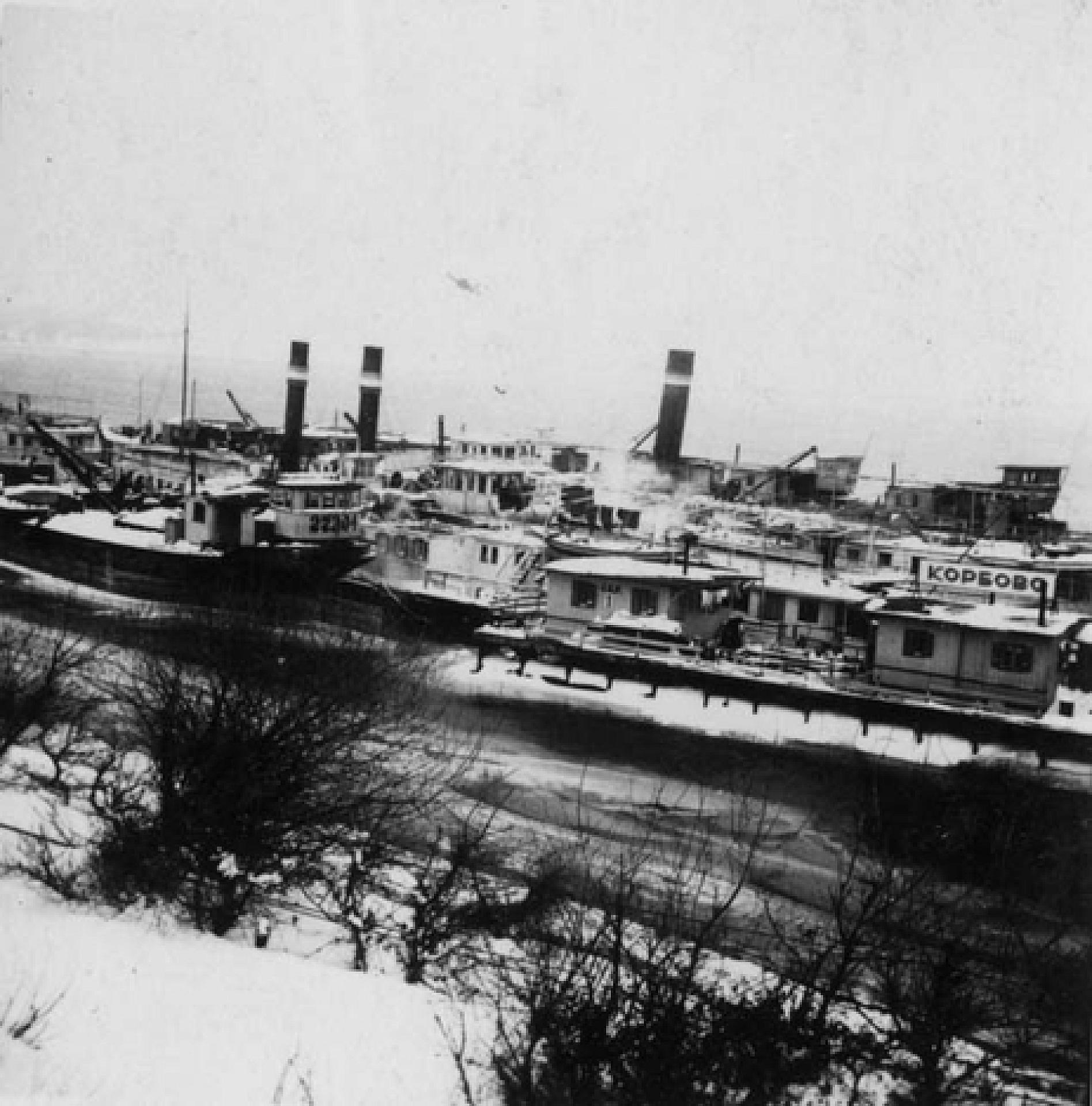
In December 1939, several ships carrying about 1,200 Jewish refugees primarily from Austria and Germany landed in the port of Kladovo. They had departed from Vienna in November 1939, travelling down the Danube, heading towards the Black Sea in order to reach Palestine. However, in December the ships were halted in the Serbian harbour of Kladovo as Romanian authorities refused them passage on the Danube. The Jewish refugees were forced to stay in Kladovo. Until September 1940, they lived onshore and aboard the ships, until they were resettled to Šabac on the river Sava, near Belgrade. The refugees, now about 1,400, received help from the local Jewish community. Jewish aid organisations kept trying to help the refugees immigrate to Palestine, yet they were not allowed to continue their journey. In March 1941, the Youth Aliyah organisation managed to attain immigration papers to Palestine for about 200 young refugees. The children and youths were brought to safety in Palestine, the rest of the group remained in Šabac. In April 1941, when the Germans took Serbia, the refugees were captured by the new occupation authorities. The Germans incarcerated the Jews of the so-called Kladovo transport and Jews from Šabac in an internment camp close to the town in July 1941. In October 1941, Wehrmacht execution squads shot the Jewish men of the Kladovo transport in »retaliation« for partisan attacks on Wehrmacht soldiers in Serbia. The women and children who remained in Šabac were deported to the Sajmište concentration camp in January 1942, where the SS murdered them by asphyxiation in gas vans, together with Jewish women and children from all over Serbia.
Victims
Approximately 1,200 Jewish children, women and men of the so-called Kladovo transport were murdered by Wehrmacht soldiers or asphyxiated in gas vans by the SS. Almost all of the Serbian Jews met this fate. The Jews of the Kladovo transport mostly came from Austria and the German Reich. About 200 youths managed to emigrate to Palestine.
After the First World War, the Kingdom of Serbia became part of the Kingdom of Serbs, Croats and Slovenes. In 1929, King Alexander I (1888–1934) from the Serbian Karađorđević dynasty established a dictatorship with the overall support of Serbian officers. The state was now known as Yugoslavia. In April 1941, it was occupied by German troops and their Italian, Hungarian and Bulgarian allies and split into a number of annexed and occupied territories serving as puppet states of the Nazi regime.
The Bačka region of Serbia was occupied by Hungary and southern Serbia by Bulgaria, with the remaining Serbian territory falling under German occupation. The resistance was led by the Communist Party of Yugoslavia (partisans) and the royalist Serbian militia (Chetniks) led by General Dragoljub Mihailović (1893–1946); there was also fighting between these two groups. From autumn 1941, the German military administration extended its campaign against these underground groups by launching a full-scale war against the civilian population. A hundred Serbs were to be killed for every murdered German soldier and fifty for every wounded German soldier. Within a few weeks, Wehrmacht soldiers had killed nearly all of the Jewish men and thousands of male Roma in these »reprisal measures«. The communist resistance in Serbia was also destroyed or driven out, with the result that the Chetniks now fought alone against the enemy regime.
The Red Army entered Serbia in October 1944, closely followed by units of the »People’s Liberation Army« led by Marshal Josip Broz Tito (1892–1980). Serbia became one of the six states in the new Socialist Federal Republic of Yugoslavia. As the communist leader of Yugoslavia, Tito had tens of thousands of former opponents and civilians – including Chetniks – persecuted and murdered. State commemoration of the Second World War focused on the partisan campaign. Monuments to the partisans were put up all over the country, also at the sites of mass shootings of civilians such as Kragujevac. At the same time, Tito used national commemoration to bridge the differences between the various ethnic groups in Yugoslavia as well as between different forms of resistance, terror and collaboration. The memorialization of the victims of the Holocaust and the mass murder of Roma is still incomplete.
After the death of Tito, and especially under the regime of President Slobodan Milošević (1941–2006) between 1989 and 2000, the »Croat« Tito fell out of favour in Serbian memory. Monuments dedicated to Tito and his communist partisans were removed and streets were renamed. Instead, there was a strong revival of support for the royalist Chetniks and their leader Mihailović, who had been shunned since 1944-45. In summer 1991, whilst the break-up of Yugoslavia was still underway, the Serb-dominated Yugoslavian People’s Army launched a war against Croatia, which was to last until th e end of 1995. During this war, the Croatian memorial site at Jasenovac was occupied and badly damaged by Serbian troops and the museum was looted. January 2009 saw the first Serb-organised seminar on the history of the Holocaust. This event was held in conjunction with a commemoration at which Christians and Jews remembered the massacre of at least 3,775 Jews, Roma and Serbs by Hungarian units in Novi Sad at the end of January 1942.
The most important historical site of the Holocaust in Serbia is the former fairgrounds Sajmište in Belgrade, where up to 7,500 Jews had been murdered in 1942 and later the »Anhaltelager Semlin« had its premises. In 2020, Serbian parliament voted to create an adequate memorial site on the decrepit compound.
Remembrance
In October 2002, representatives of the Federation of Jewish communities in former Yugoslavia, the Jewish community of Belgrade, the community of Kladovo as well as the ambassadors of Austria and Germany dedicated a memorial in remembrance of the victims of the transport. The monument by architect Mimi Bihaly–Vučković, which symbolises three Torah scrolls, is situated on the Danube promenade in Kladovo. Memorial plaques in Hebrew, German and Serbian have been affixed to the monument. A further memorial to the Jews of the Kladovo transport can be found on the Jewish cemetery in Belgrade.