Memorial to the victims of the Langenstein-Zwieberge concentration camp
Gedenkstätte für die Opfer des KZ Langenstein-Zwieberge
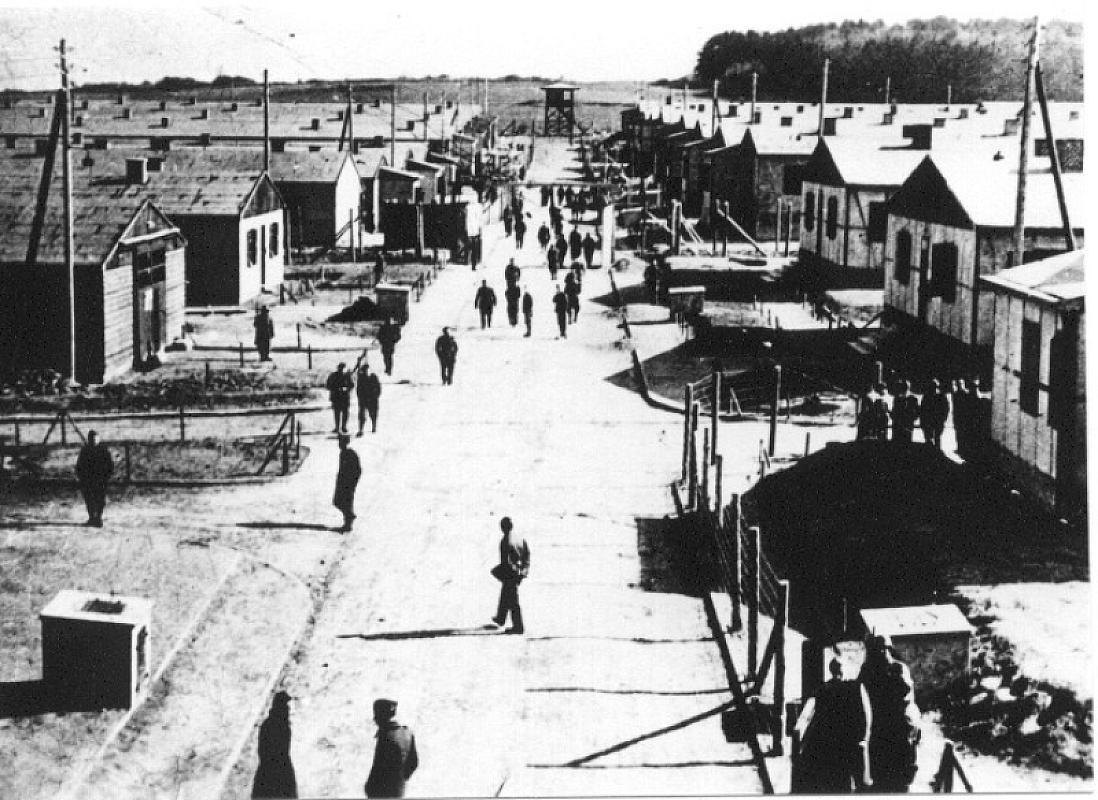
Since 1949 a memorial remembers the victims of the Langenstein-Zwieberge concentration camp, which was established in April 1944 as a satellite camp of the Buchenwald concentration camp. The memorial has been redesigned and expanded several times.
History
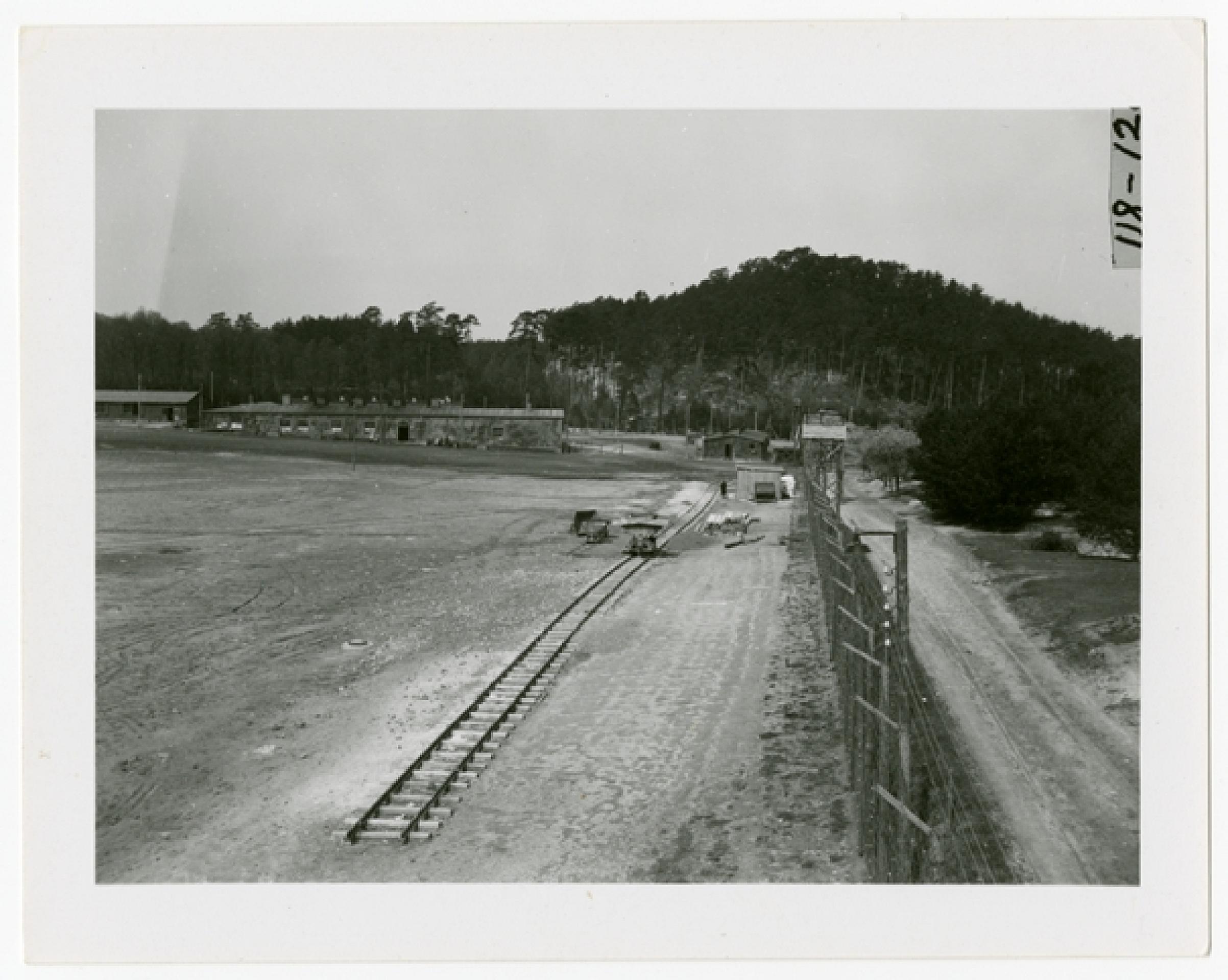
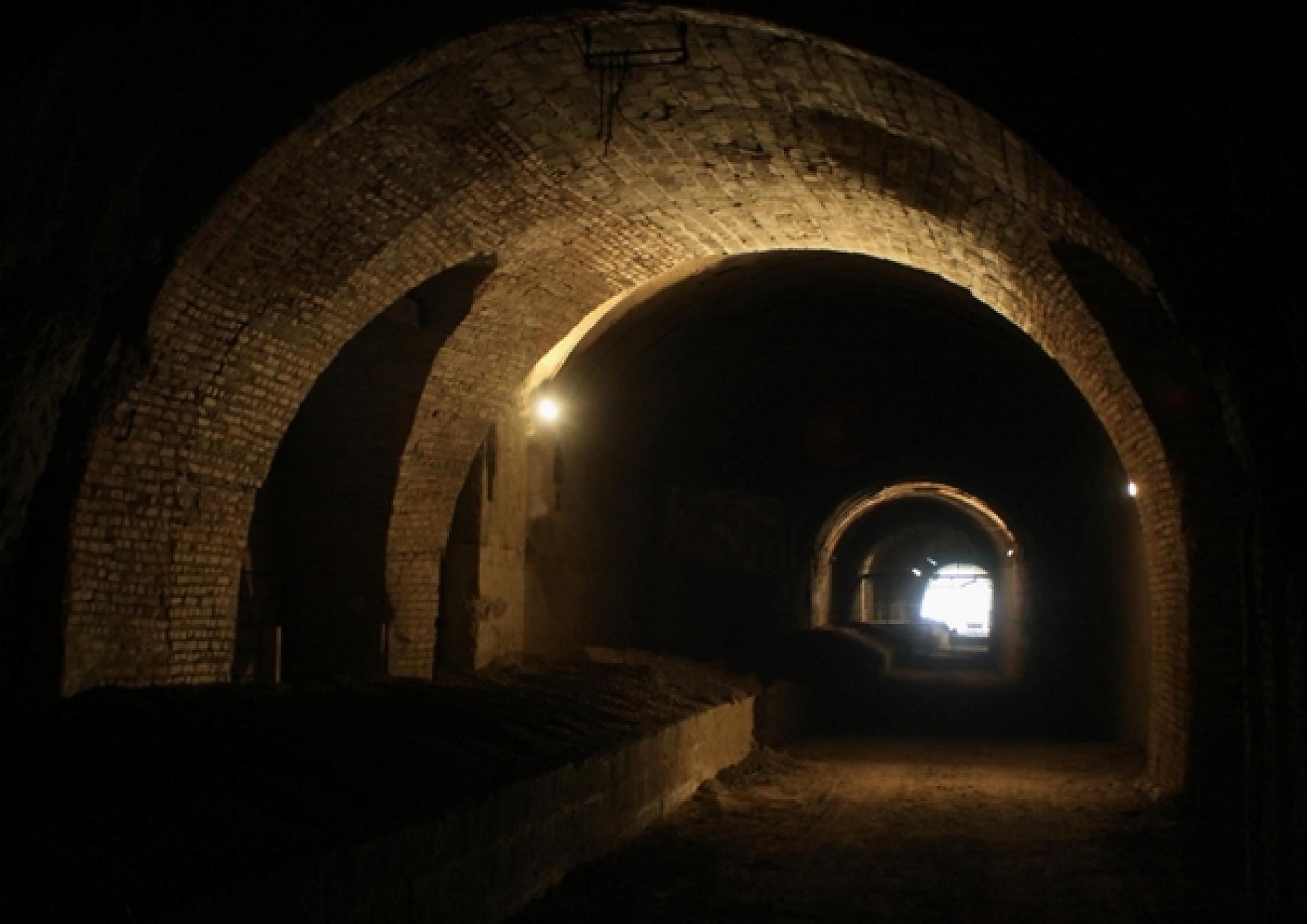
Due to the targeted air raids of the Allies, the German leadership was anxious to move large parts of the armament production to underground facilities. Also in the Thekenberge between Halberstadt and Langenstein the construction of a tunnel system with a floor area of up to 60,000 m² was prepared in order to produce parts for fighter planes. For this purpose, the SS set up the Langenstein-Zwieberge camp in April 1944 as a satellite camp of the Buchenwald concentration camp located about 100 kilometres away. The camp was guarded by about 500 members of the SS and the Luftwaffe.
It consisted of three commandos. The largest, »Malachit«, consisted of about 6,000 prisoners aged between 13 and 70 years, who had to work under the most difficult conditions on the construction of the tunnel system. Many lost their lives in the process. A second command, »Junkers«, consisted of about 900 prisoners, who were also deployed in the construction of the tunnel. The third detachment, »Maifisch«, was to drive a tunnel into the Hoppelberg hill. This project was later abandoned, so that the approximately 200 prisoners of this group were assigned to the Malachit Commando in January 1945.
Maltreatment and public executions of prisoners were the order of the day. A great many prisoners perished due to the hard physical work and insufficient rations. Of the approximately 7,000 prisoners who passed through the camp, about 2,000 died there. On April 9, 1945 the camp was evacuated. Six columns of 500 prisoners each, thjose who were still able to walk, were marched out of the camp. The remaining approximately 1,400 seriously ill prisoners were left behind and were liberated two days later by US troops. During the death march, which lasted for almost two weeks, about 2,500 prisoners were shot by the guards when they collapsed or tried to escape. Only a small number of the prisoners survived.
Victims
Out of about 7,000 prisoners, approximately 2,000 died in the camp because of the murderous working and living conditions. Only about 500 survived the death marches that 3,000 prisoners had to take up in April 1945. The prisoners came from 23 different nations, including France, Poland, the Soviet Union and Hungary.
Remembrance
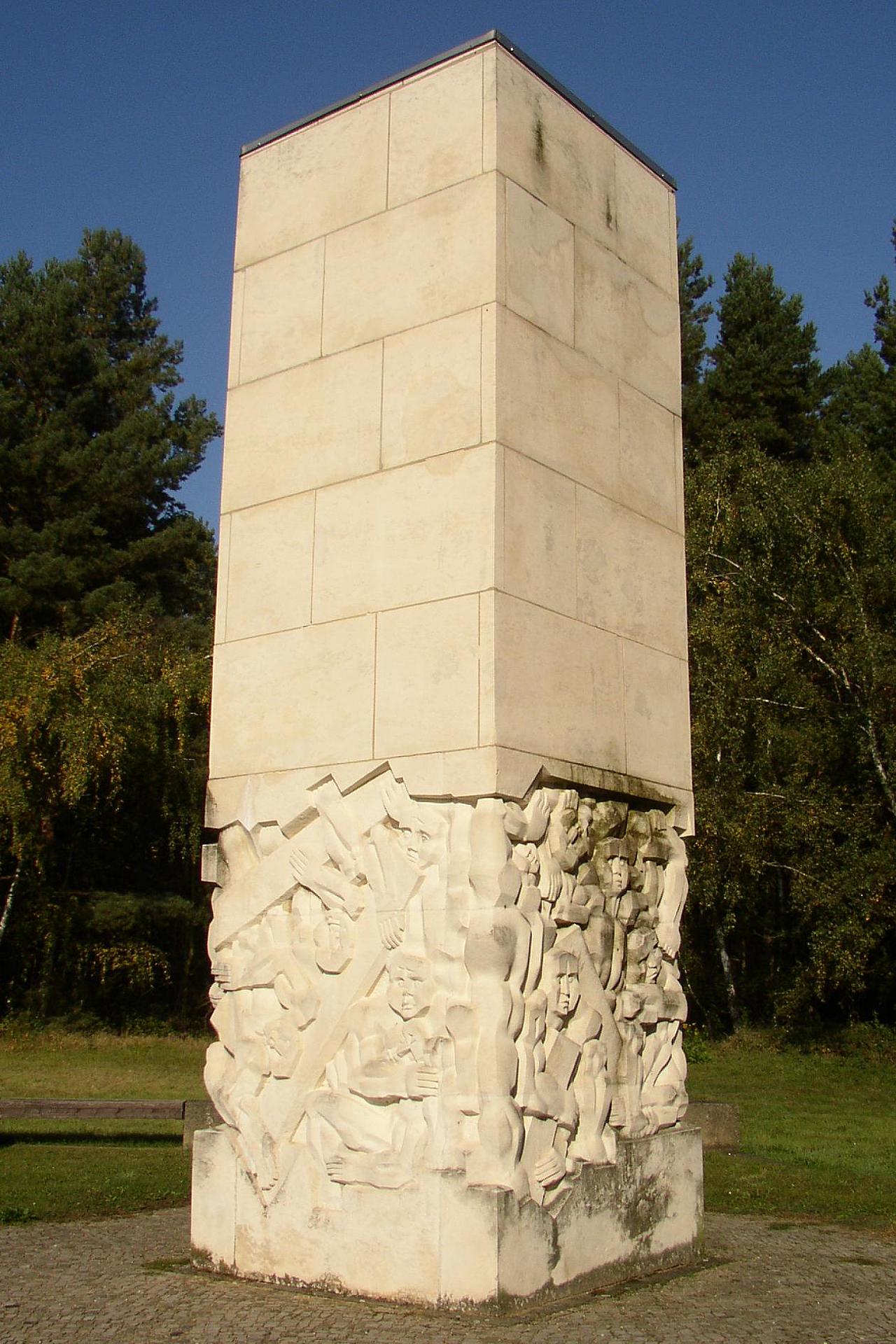
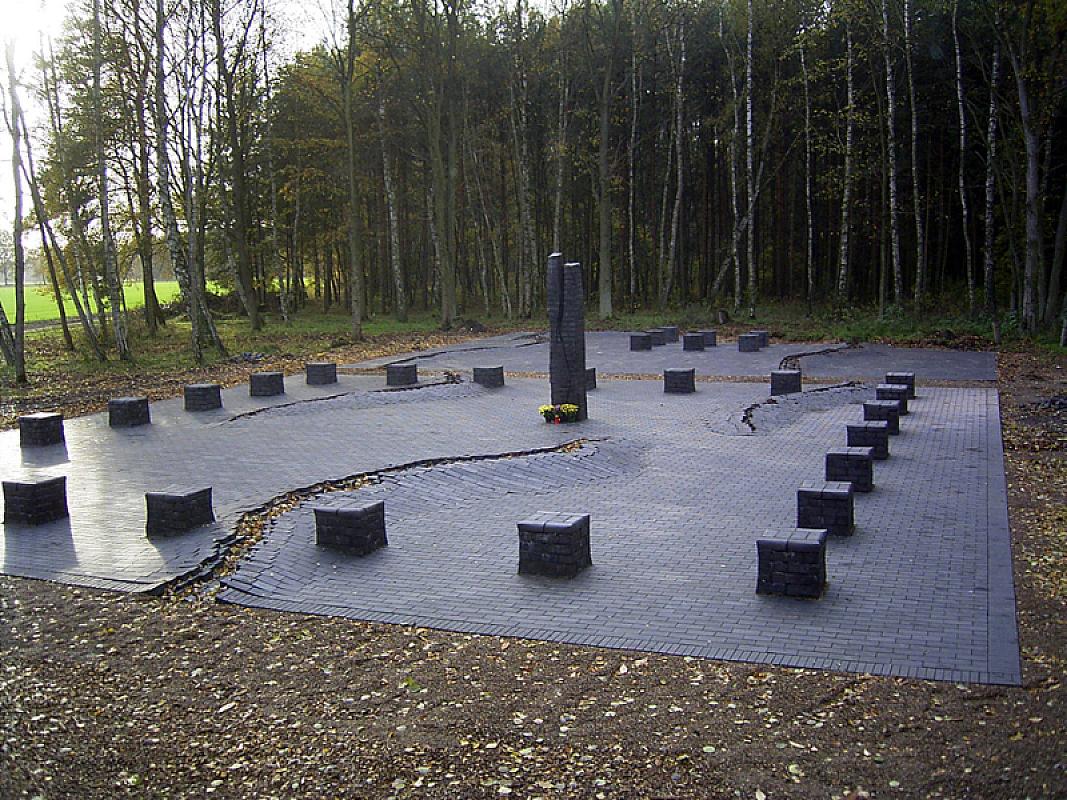
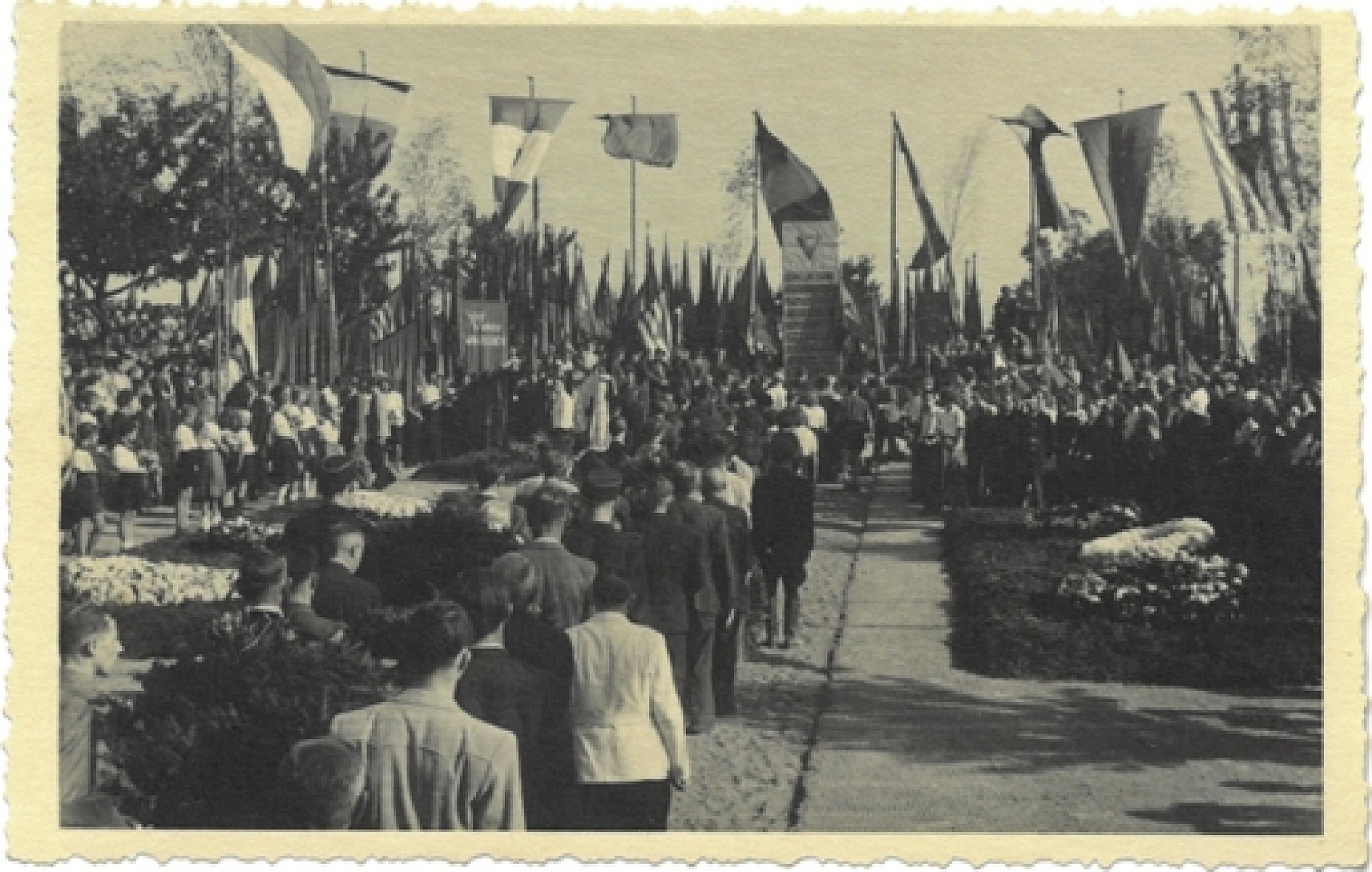
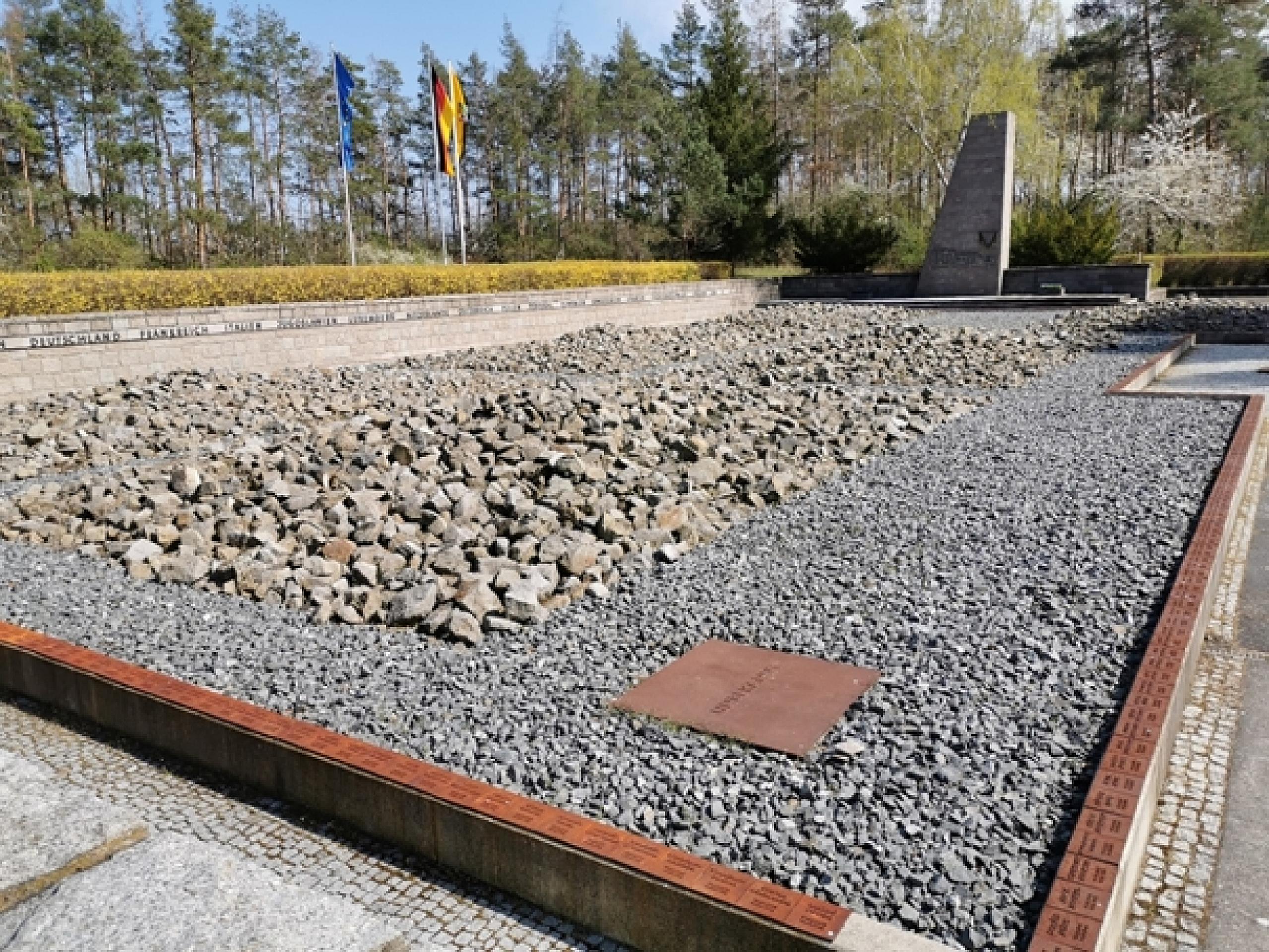
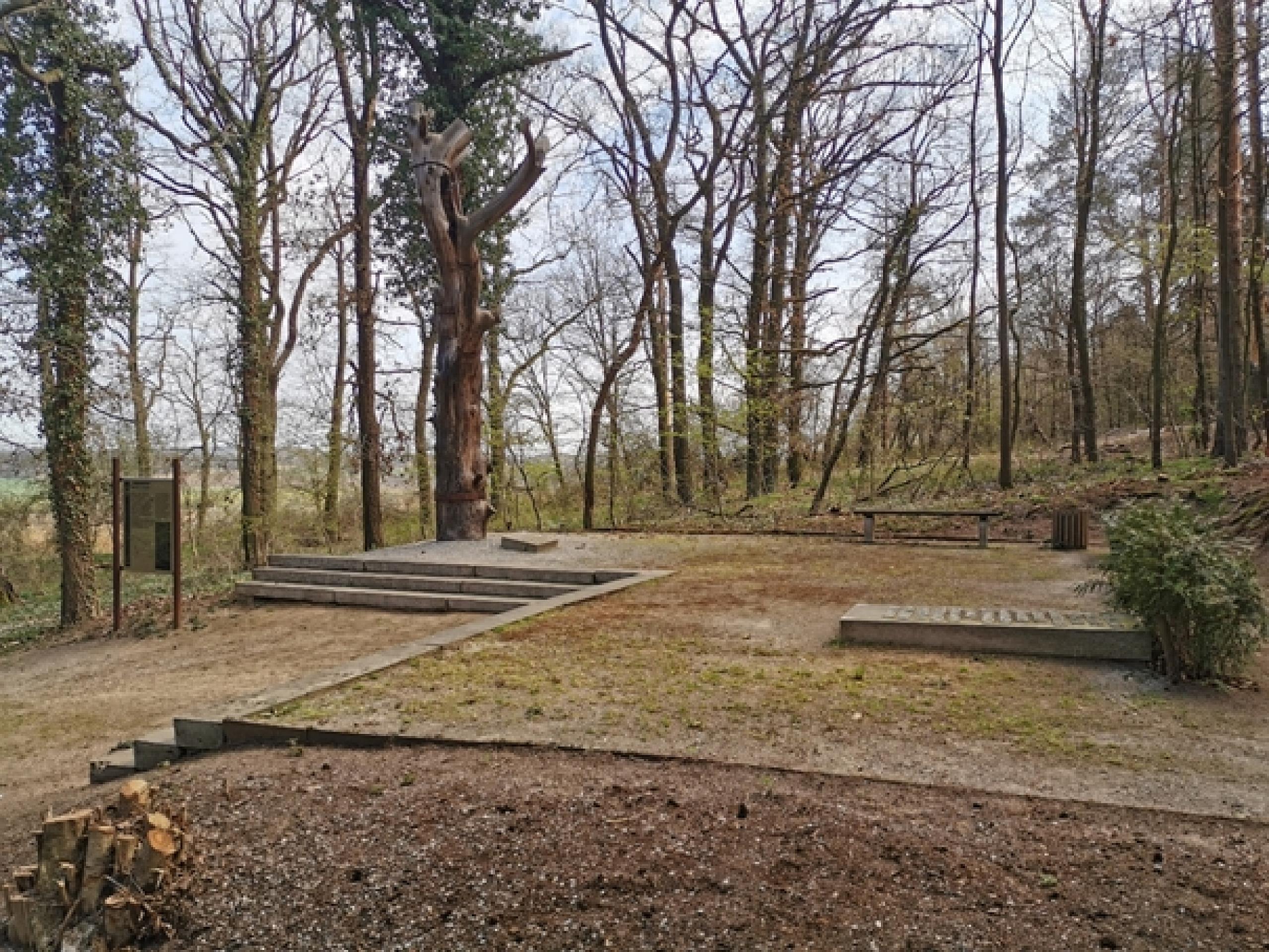
Already in September 1949 a first memorial was inaugurated at the mass graves. In the 1960s the area was redesigned and in 1968 it was opened to the public as the Langenstein-Zwieberge memorial. The site includes the camp grounds and the site of the mass graves. Since 1976, a museum has also been part of the site. In the 1980s, the sculpture »Extermination Through Labour« by the Magdeburg artist Wolfgang Roßdeutscher (*1945) was placed near the entrance. Another striking element of the memorial is the »Death Pine«, a tree from which several prisoners were hanged. The tree died in the 1960s, but its trunk has been preserved.
For decades, the work of the memorial was shaped by international cooperation with former prisoners. Over the decades, the site and the memorial have been redesigned several times. In 2011, name plaques were attached to the memorial.
Today, the memorial belongs to the Saxony-Anhalt Memorials Foundation. It is both a place of research and historical-political education. Individual sections of the tunnels can also be visited as part of guided tours.
Possibilities
Permanent exhibition on the planned arms production; guided tours on the site of the former camp; inspection of a section of the tunnel (seasonal); memorial educational offers for groups; library, archive, video library
Open
The former camp site can be visited during the day without advance notification.
Permanent exhibition in the administration and exhibition building:
Tuesday to Friday 9 a.m. to 3.30 p.m.
April to October: every last weekend of the month 2 a.m. to 5 p.m.
For registered groups by appointment.
Tunnel section: April to October every last weekend of the month 2 a.m. to 5 p.m.
For registered groups by appointment.
Closed from November to March.
Contact
https://gedenkstaette-langenstein.sachsen-anhalt.de/aktuelles/
info-langenstein@erinnern.org
+49 (0)3941 567 326