Lety u Písku. Memorial to the Holocaust of the Roma and Sinti in Bohemia
Lety u Písku. Památník holokaustu Romů a Sintů v Čechách
Located near the Bohemian town of Lety near Písek is a memorial complex dedicated to the former prisoners of the forced labour camp at Lety and later the »Lety Gypsy Camp« as well as the fate of the murdered Roma and Sinti.
History
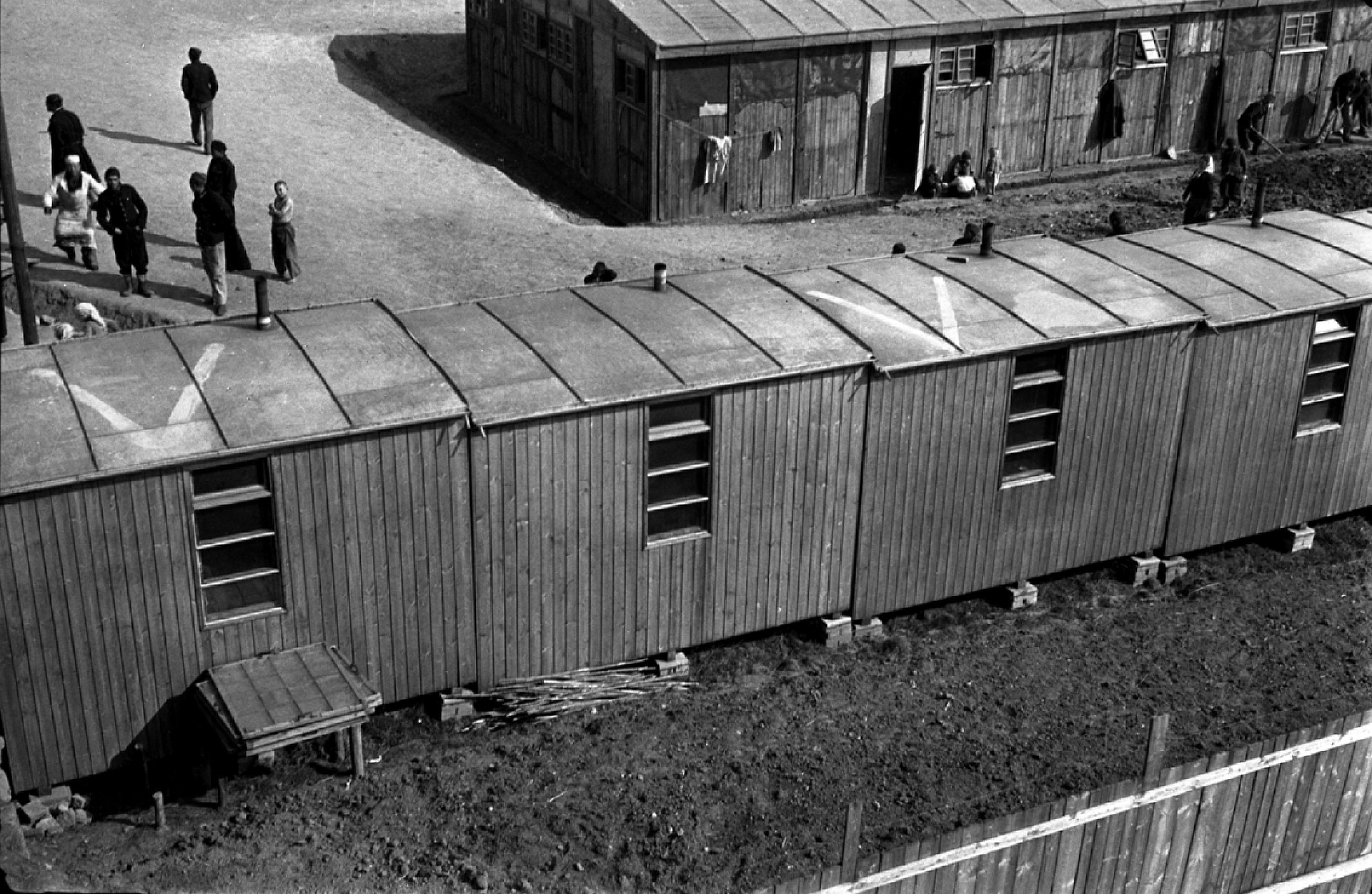
On March 15, 1939, the German Wehrmacht occupied what remained of Czechoslovakia and on the following day, it was incorporated into the German Reich as the »Protectorate of Bohemia and Moravia«. Shortly afterwards, persecution of Jews and of Sinti and Roma began in the Protectorate. According to a census, there were 6,540 »Gypsies« living in the Protectorate in 1940. The Protectorate Ministry of Interior began enforcing their settlement from November 1939 on. Beginning August 1940, Protectorate authorities set up a total of six forced labour camps for »asocials«, among other places in Lety u Písku and Hodonín u Kunštátu. Among the inmates were many Roma without steady work or permanent residence - they made up about 14 per cent of the prisoners at Lety. After the »fight against the Gypsy plague« had been decreed on July 10, 1942, the entire Roma population of Bohemia and Moravia was persecuted on racial grounds. In August 1942, the Roma were registered by local authorities. Roma who had not settled were taken to the camps at Hodonín and Lety, which had now been converted to »Gypsy camps«. At the time, there were over 1,250 Roma held captive in Lety, which was guarded by Czech constabulary and administered by the Protectorate Ministry of Interior. About a quarter of the Roma inmates died of the harsh conditions in the camp. On December 3, 1942, the German criminal police (Kripo) in the Protectorate deported about 93 prisoners from Lety to the main camp at Auschwitz. As decreed by Heinrich Himmler on December 16, 1942, mass deportations of Roma to Auschwitz-Birkenau began and in early 1943, a »Gypsy family camp« was set up there. On May 7, 1943, about 400 Lety prisoners were deported to Auschwitz-Birkenau. At the same time, about 400 prisoners were released after they were no longer deemed to be »Gypsies«. The deportations were planned by the German Kripo and executed by Protectorate authorities and local constabulary. The camp at Lety was closed in December 1943.
Victims
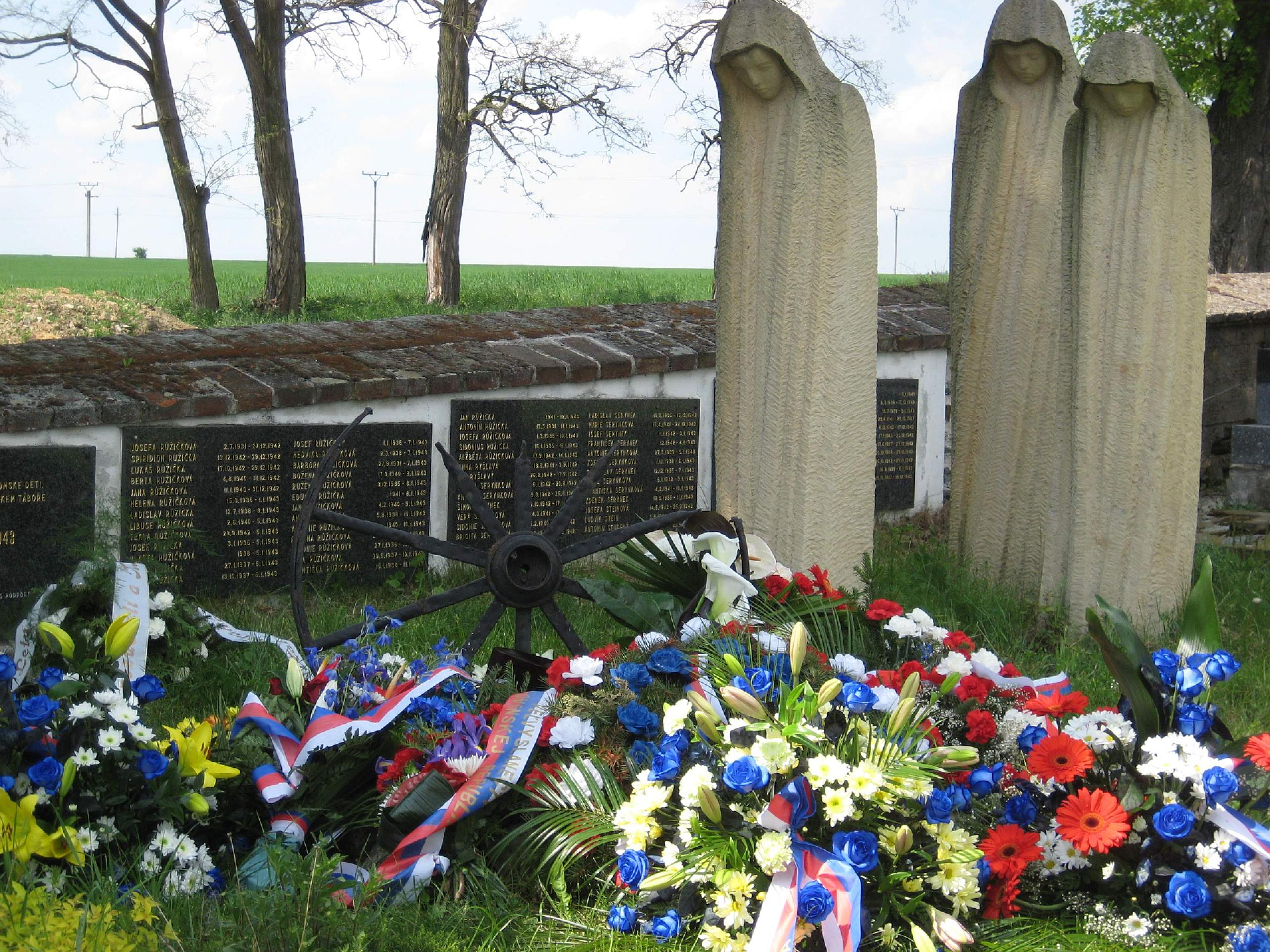
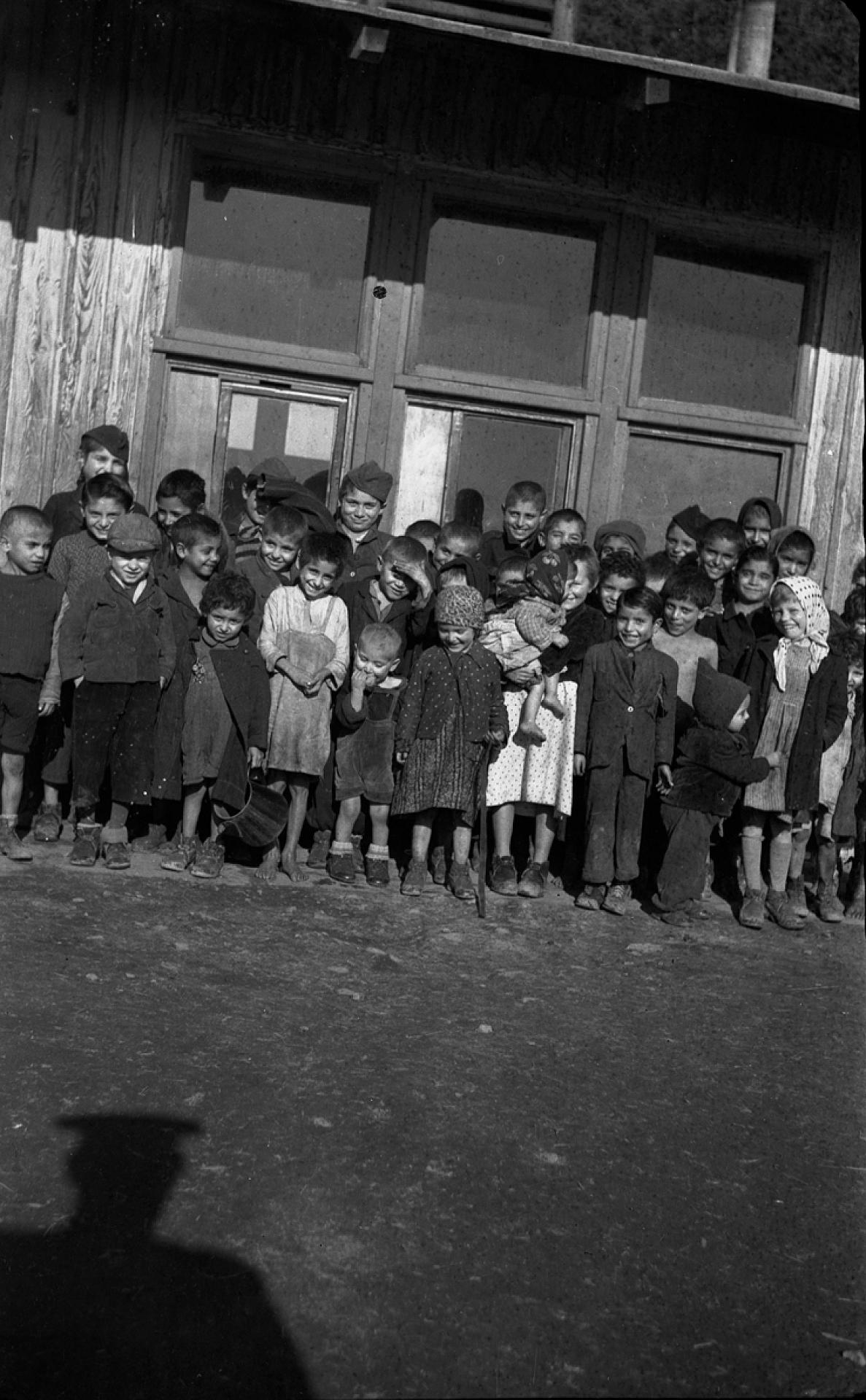
About 1,300 people were held captive at Lety u Písku. Roma prisoners constituted the large majority. Over 300 people died at the camp, over 240 of them children. More than 800 Roma were deported from Lety to Auschwitz, where almost all were murdered by the SS.
Remembrance
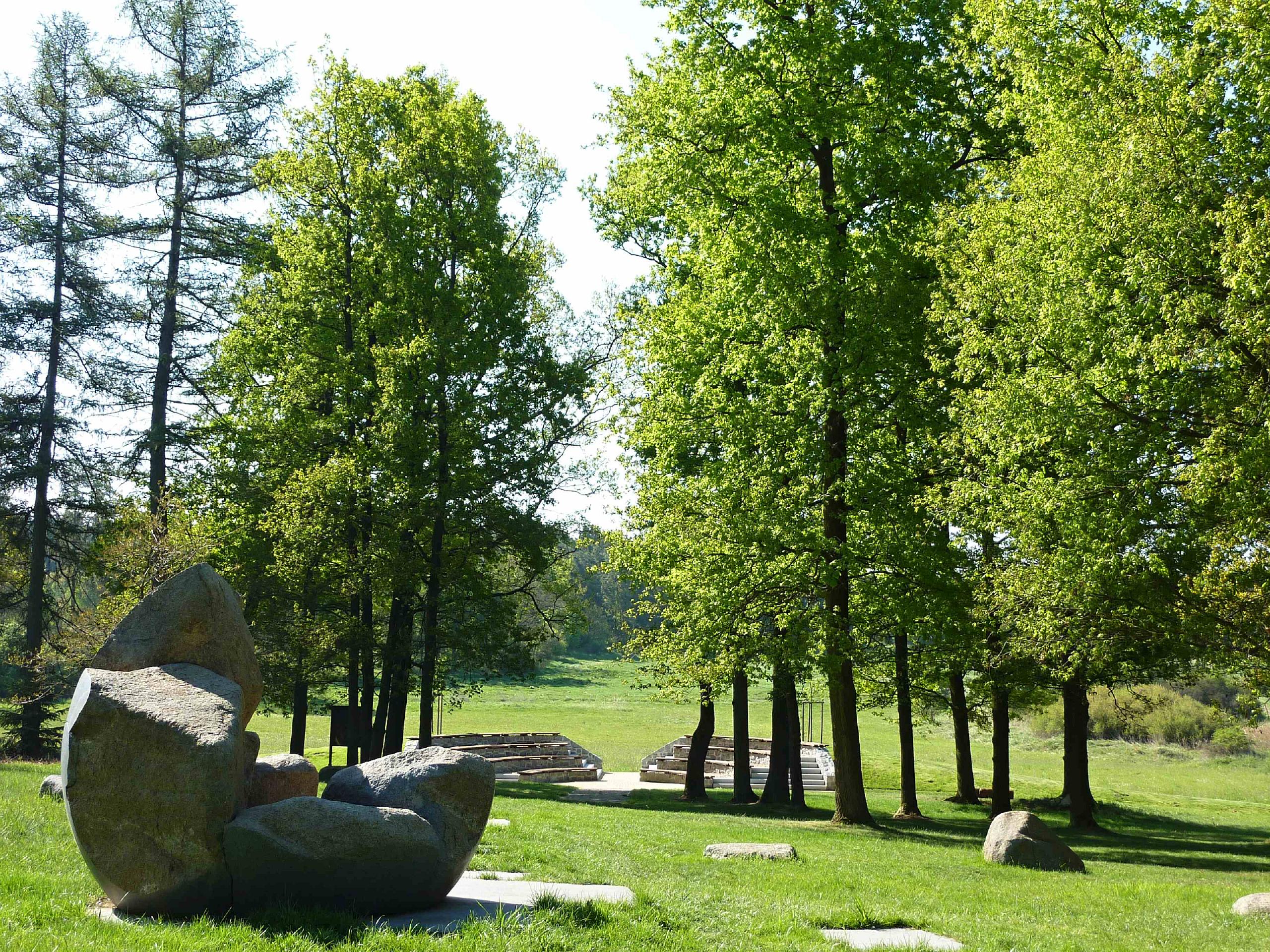
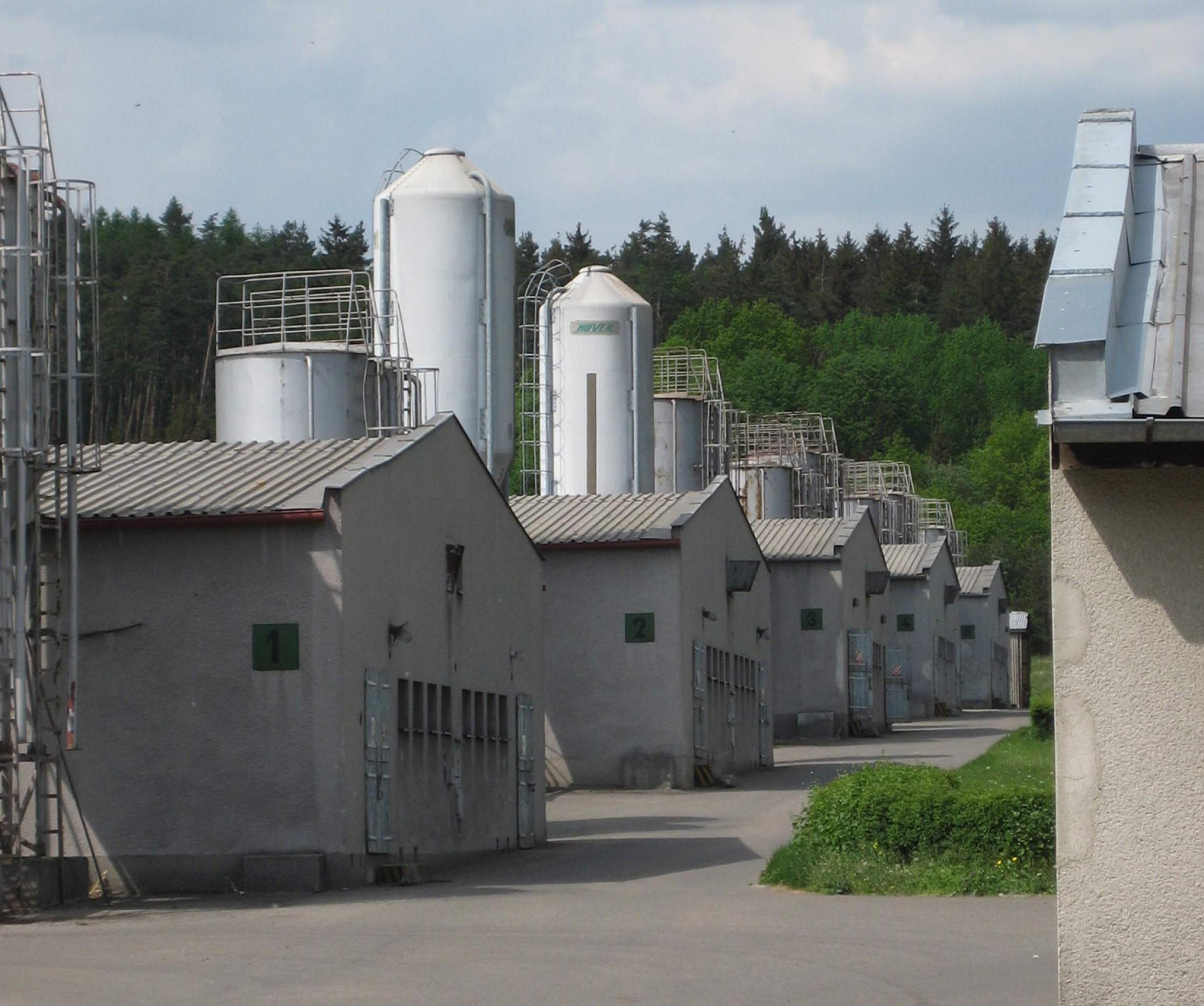
After the war, the memory of the genocide of the Sinti and Roma was suppressed in communist Czechoslovakia. Visible traces of the former camp near Lety were eradicated shortly after the war. In 1972, a pig farm was even built on the former camp site. It was not until after 1989 that groups were able to organize themselves to campaign for a dignified memorial to the victims of the genocide. In May 1995, Czech President Václav Havel (1936–2011) inaugurated the first memorial in Lety to the victims of the camp, a granite stone created by the artist Zdeněk Hůla (1948–) at the site of the emergency burial ground. The genocide of the Sinti and Roma slowly began to enter the public consciousness. However, the pig farm, which continued to operate on the former camp grounds, remained the main obstacle to a dignified memorialization at the historic site for decades, partly because the Czech state long refused to provide the funds necessary to purchase the land and to compensate the owners of the facility. The long dispute also attracted international attention. It was not until 2022 that the pig farm was closed and the site transferred to the Museum of Romani Culture in Brno.
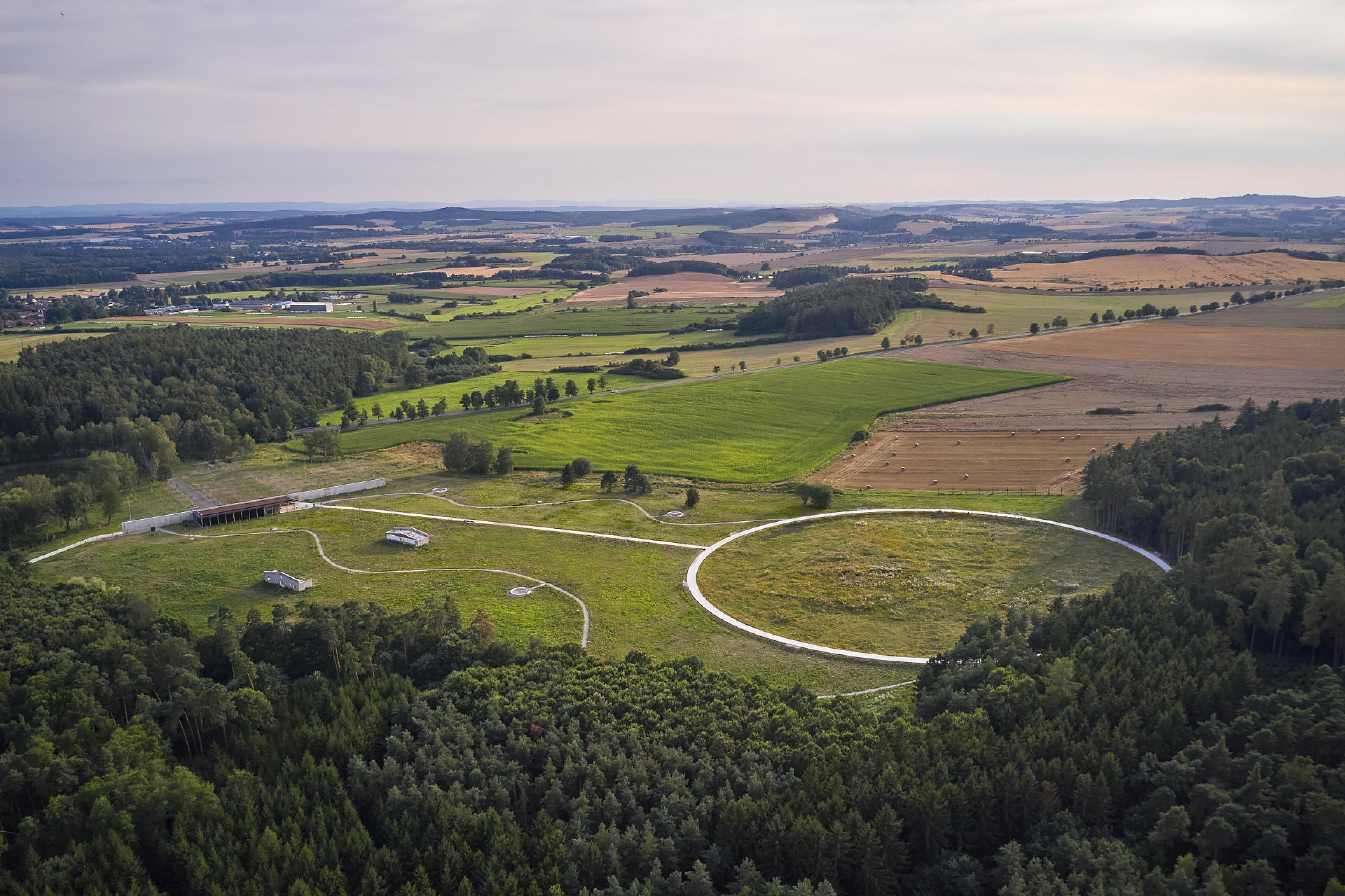
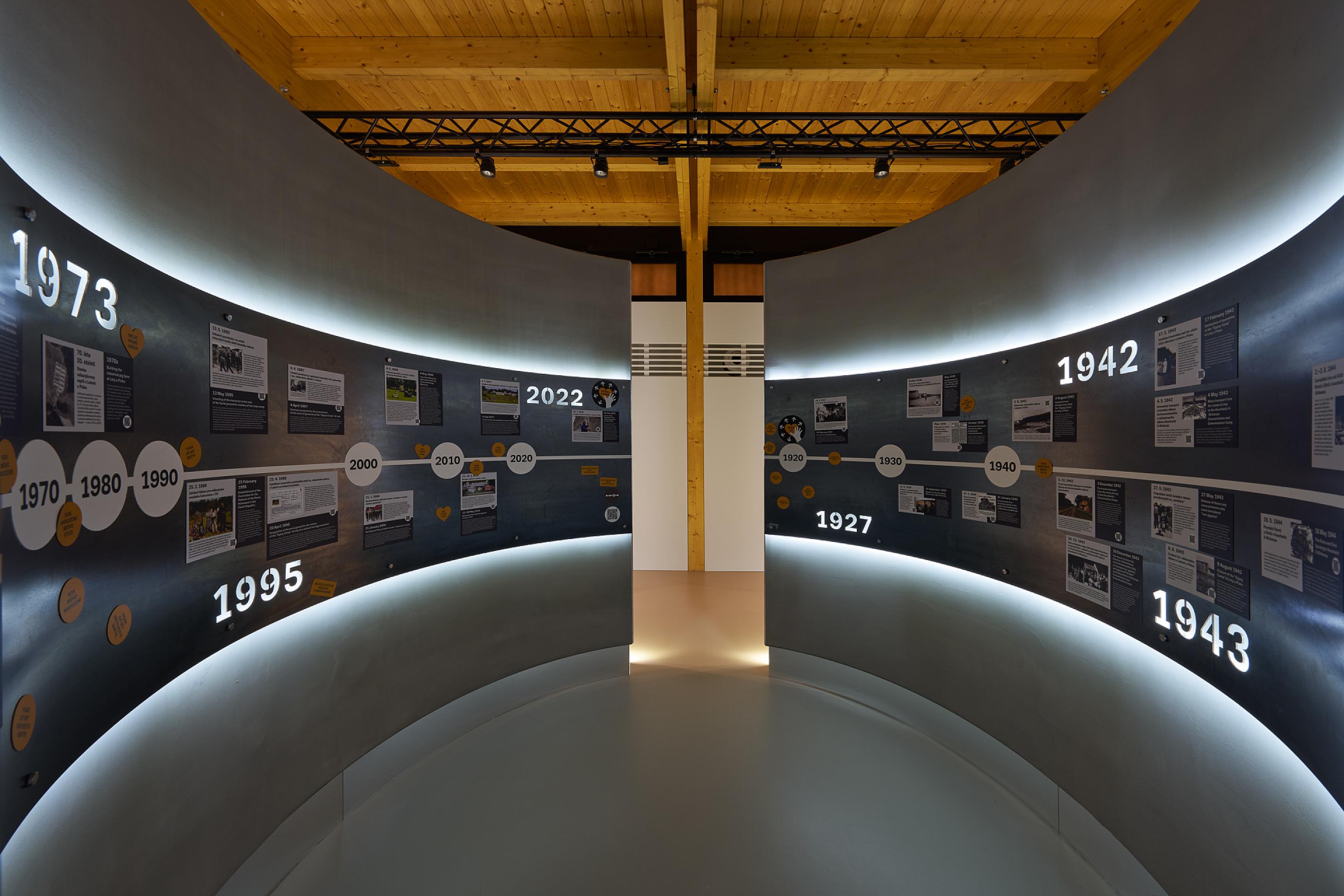
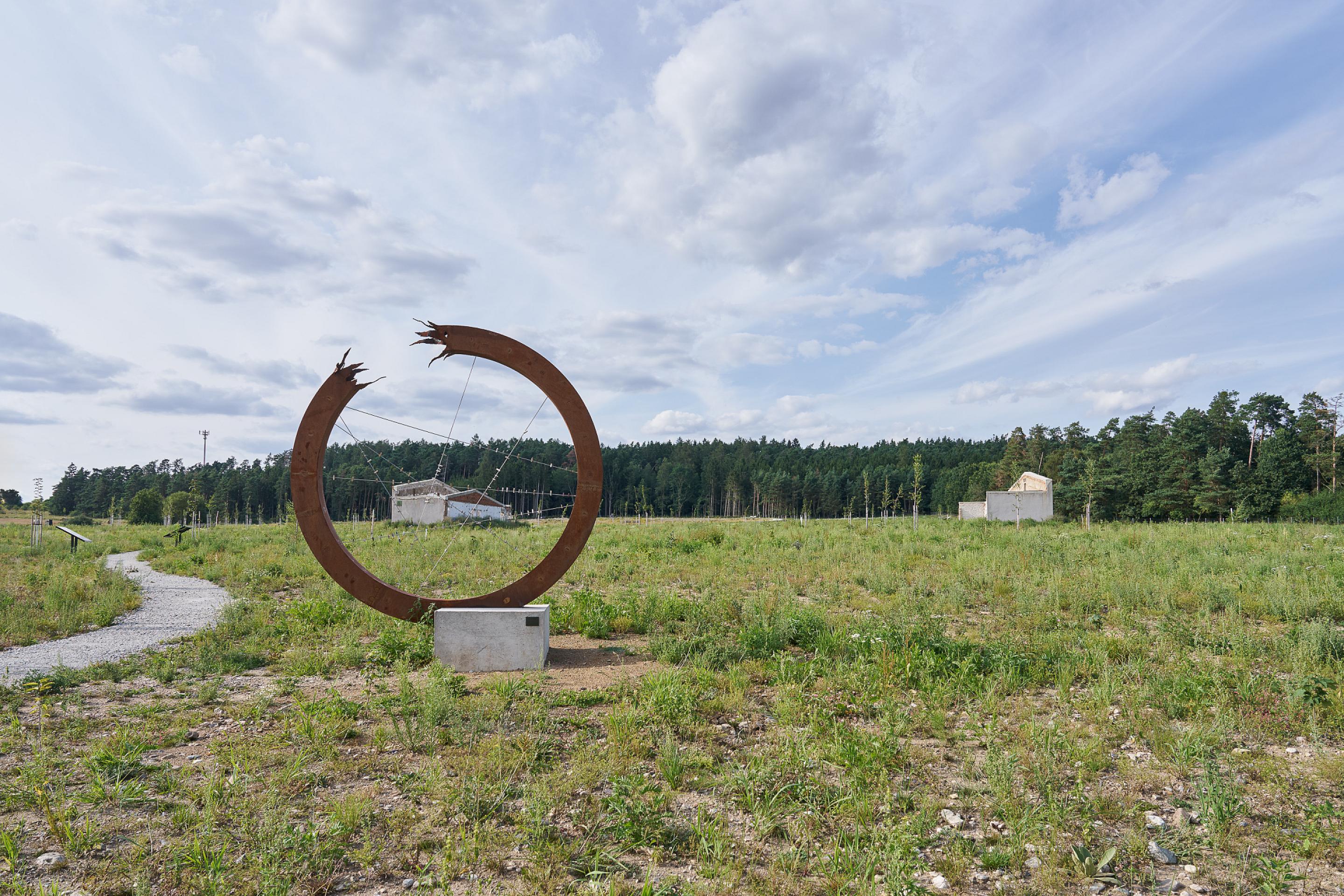
On 23 April 2024, the completely redesigned memorial was finally opened with a state ceremony. The site has been transformed into a natural landscape where a forest will grow over the years. The site is separated from the car park by a high wall. Visitors first enter the visitor centre, which houses a permanent exhibition on the persecution of the Roma, the history of the camp and the difficult path to establishing the memorial. From there, a path leads through the grounds, where the remains of two buildings from the former pig farm are still preserved. An open-air exhibition here displays individual biographies, among other things. The centrepiece of the memorial is the ‘memorial circle’ with a diameter of 150 metres, which is surrounded by a circular walkway. Along the route, visitors can read the names of victims engraved in the ground. There are several works of art on the grounds.
Possibilities
Annual commemoration on May 13, on the anniversary of the last deportation from Lety to Auschwitz-Birkenau
Open
Visitors’ Center with the permanent exhibition April to October Thursday to Sunday 10 a.m. to 17 p.m. Last admission at 4.15 p.m.
The outdoor elements of the memorial site are accessible daily 8 a.m. to 8 p.m.
Contact
pamatniklety@rommuz.cz
+420 (0)778 483 310
398 04 Lety 124