Memorial to the Victims of the Massacre at Novi Sad
Споменик жртвама рације у Новом Саду
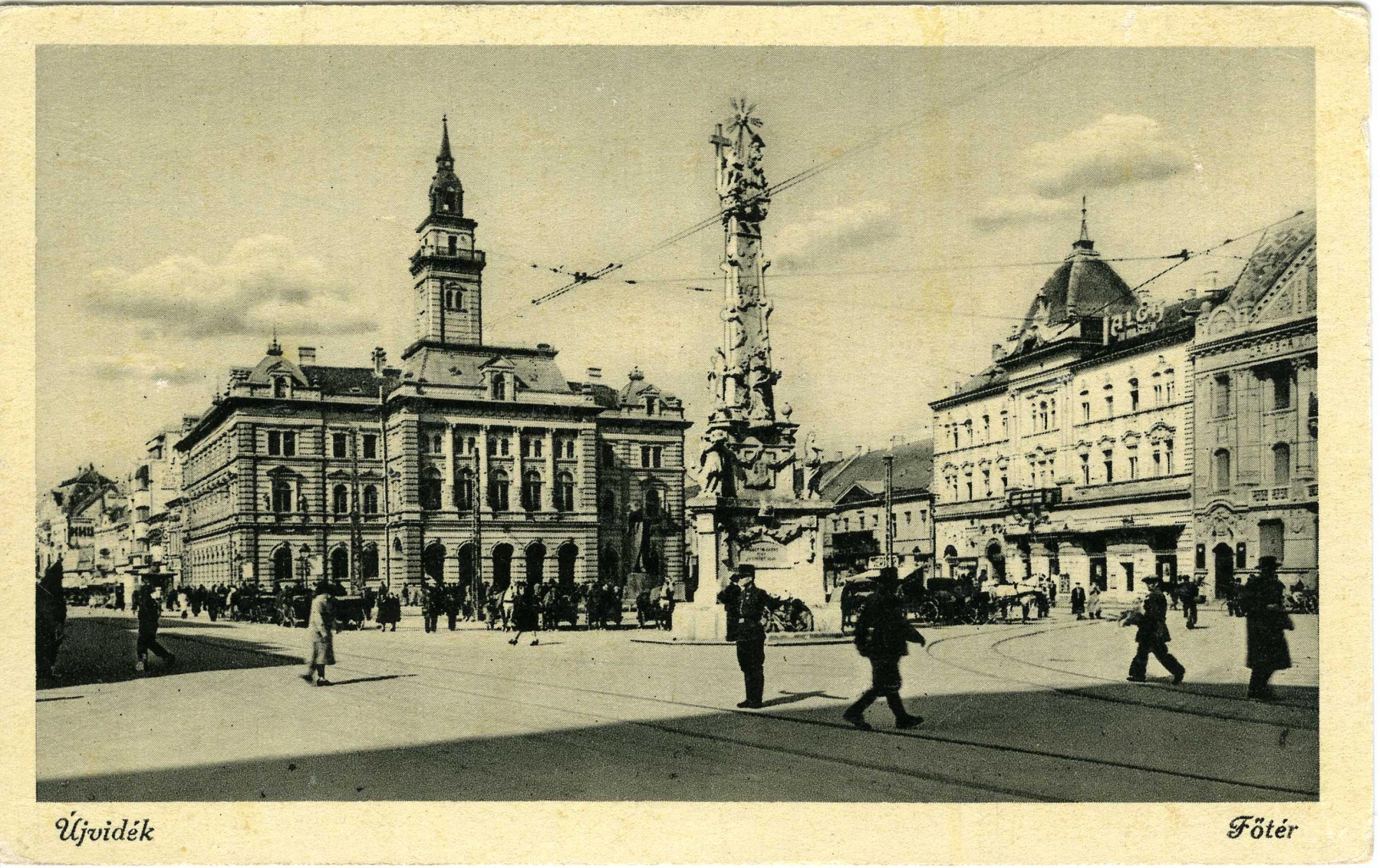
Since 1971, a memorial on the banks of the Danube in the Serbian city of Novi Sad (German: Neusatz an der Donau, Hungarian: Újvidék) has commemorated the approximately 800 Jews and 700 Serbs, who were murdered by Hungarian units in January 1942.
History
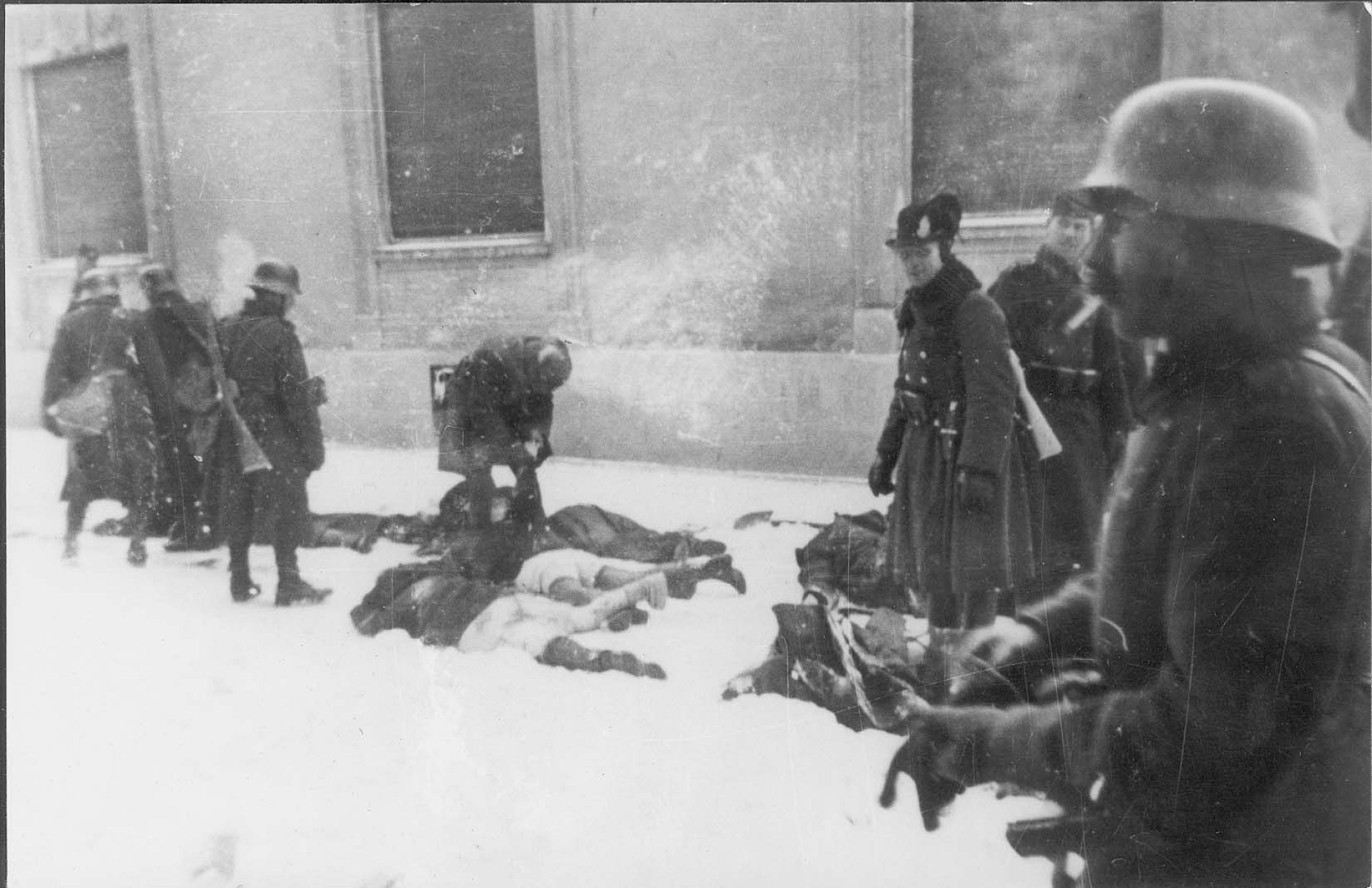
Novi Sad is the capital of the autonomous province of Vojvodina, which lies between the river Danube and the river Sava. After the First World War, Hungary had to cede this region to the Kingdom of Serbs, Croats and Slovenes. In 1940, Novi Sad had a population of 68,500, including 4,300 Jews. In April 1941, German, Italian and Hungarian troops invaded Yugoslavia and divided it into occupation zones. Hungary occupied the region of Bačka in the Vojvodina, and annexed the formerly Hungarian territories. Shortly after occupation began, the Hungarian administration began persecuting Jews. In January 1942, commandant general Feketehalmy-Czeydner began ordering retaliation measures following attacks by Serbian partisans in the area of Novi Sad. On January 22, 1942, Hungarian constabulary chased several hundred Jews and Serbs - men, women and children - from their houses to the Danube at a temperature of about -25 degrees Celsius. There, they had to line up in a bathing area on the banks of the Danube. Soldiers and constabulary shot the people one after the other and pushed the bodies into the river. The murders continued until the following day. Similar massacres took place in the entire region.
Victims
Hungarian constabulary and soldiers shot at least 879 people, including many Serbs and at least 550 Jews, in January 1942 in the course of the so-called razzia. Other sources cite higher victim numbers, placing the death toll at over 3,200, the majority of the victims being Serbs and about 820 Jews. The exact number of victims has not been determined.
After the First World War, the Kingdom of Serbia became part of the Kingdom of Serbs, Croats and Slovenes. In 1929, King Alexander I (1888–1934) from the Serbian Karađorđević dynasty established a dictatorship with the overall support of Serbian officers. The state was now known as Yugoslavia. In April 1941, it was occupied by German troops and their Italian, Hungarian and Bulgarian allies and split into a number of annexed and occupied territories serving as puppet states of the Nazi regime.
The Bačka region of Serbia was occupied by Hungary and southern Serbia by Bulgaria, with the remaining Serbian territory falling under German occupation. The resistance was led by the Communist Party of Yugoslavia (partisans) and the royalist Serbian militia (Chetniks) led by General Dragoljub Mihailović (1893–1946); there was also fighting between these two groups. From autumn 1941, the German military administration extended its campaign against these underground groups by launching a full-scale war against the civilian population. A hundred Serbs were to be killed for every murdered German soldier and fifty for every wounded German soldier. Within a few weeks, Wehrmacht soldiers had killed nearly all of the Jewish men and thousands of male Roma in these »reprisal measures«. The communist resistance in Serbia was also destroyed or driven out, with the result that the Chetniks now fought alone against the enemy regime.
The Red Army entered Serbia in October 1944, closely followed by units of the »People’s Liberation Army« led by Marshal Josip Broz Tito (1892–1980). Serbia became one of the six states in the new Socialist Federal Republic of Yugoslavia. As the communist leader of Yugoslavia, Tito had tens of thousands of former opponents and civilians – including Chetniks – persecuted and murdered. State commemoration of the Second World War focused on the partisan campaign. Monuments to the partisans were put up all over the country, also at the sites of mass shootings of civilians such as Kragujevac. At the same time, Tito used national commemoration to bridge the differences between the various ethnic groups in Yugoslavia as well as between different forms of resistance, terror and collaboration. The memorialization of the victims of the Holocaust and the mass murder of Roma is still incomplete.
After the death of Tito, and especially under the regime of President Slobodan Milošević (1941–2006) between 1989 and 2000, the »Croat« Tito fell out of favour in Serbian memory. Monuments dedicated to Tito and his communist partisans were removed and streets were renamed. Instead, there was a strong revival of support for the royalist Chetniks and their leader Mihailović, who had been shunned since 1944-45. In summer 1991, whilst the break-up of Yugoslavia was still underway, the Serb-dominated Yugoslavian People’s Army launched a war against Croatia, which was to last until th e end of 1995. During this war, the Croatian memorial site at Jasenovac was occupied and badly damaged by Serbian troops and the museum was looted. January 2009 saw the first Serb-organised seminar on the history of the Holocaust. This event was held in conjunction with a commemoration at which Christians and Jews remembered the massacre of at least 3,775 Jews, Roma and Serbs by Hungarian units in Novi Sad at the end of January 1942.
The most important historical site of the Holocaust in Serbia is the former fairgrounds Sajmište in Belgrade, where up to 7,500 Jews had been murdered in 1942 and later the »Anhaltelager Semlin« had its premises. In 2020, Serbian parliament voted to create an adequate memorial site on the decrepit compound.
Remembrance
The massacres, which came to be known as »Razzias« (Serbian: Racija), led to a political scandal in Hungary as a result of which the perpetrators were prosecuted already during the war. However, most of them managed to flee and seek refuge in Germany. After the war, general Feketehalmy-Czeydner was extradited from Soviet-occupied Hungary to Yugoslavia and executed there in 1946.
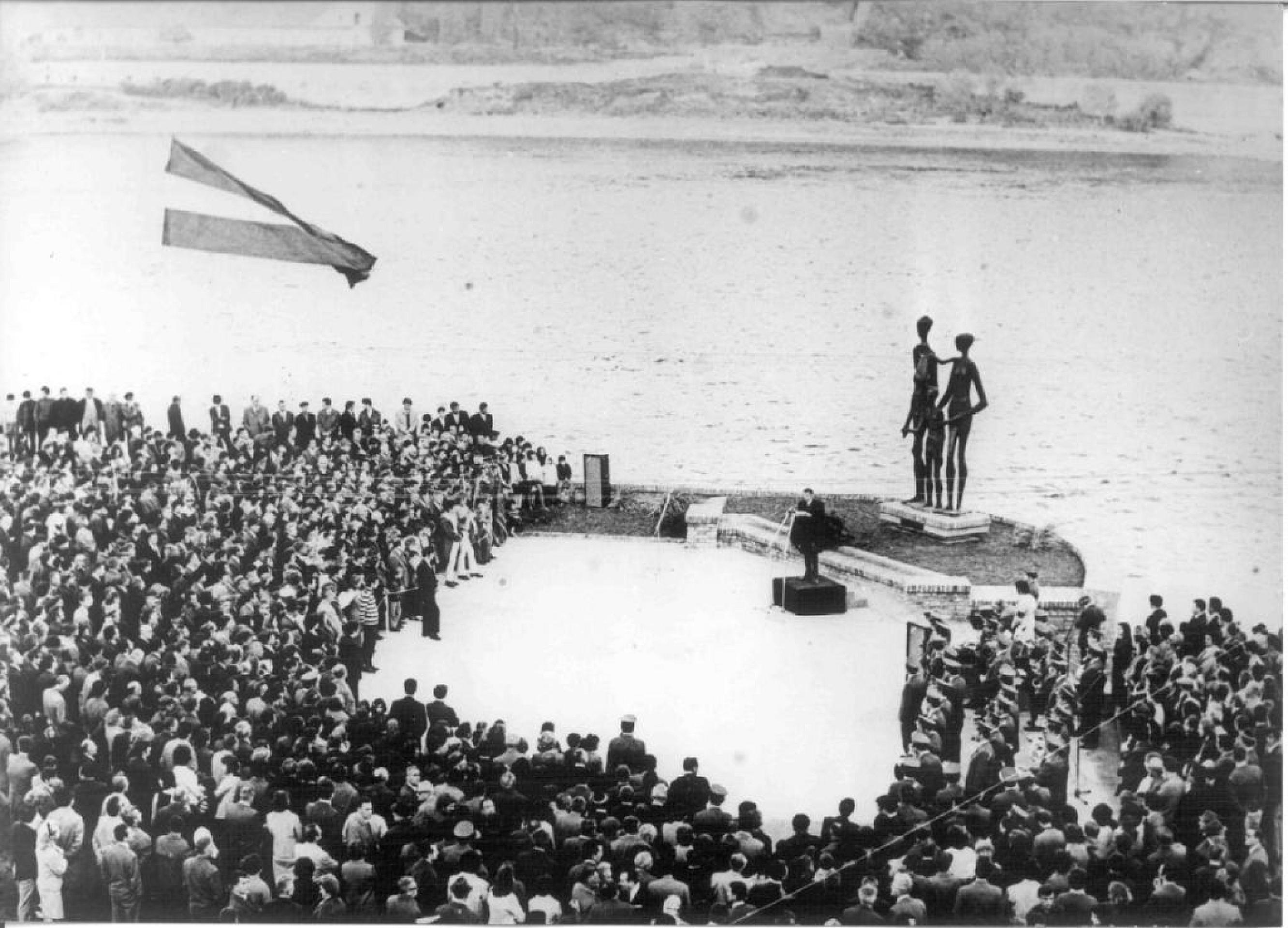
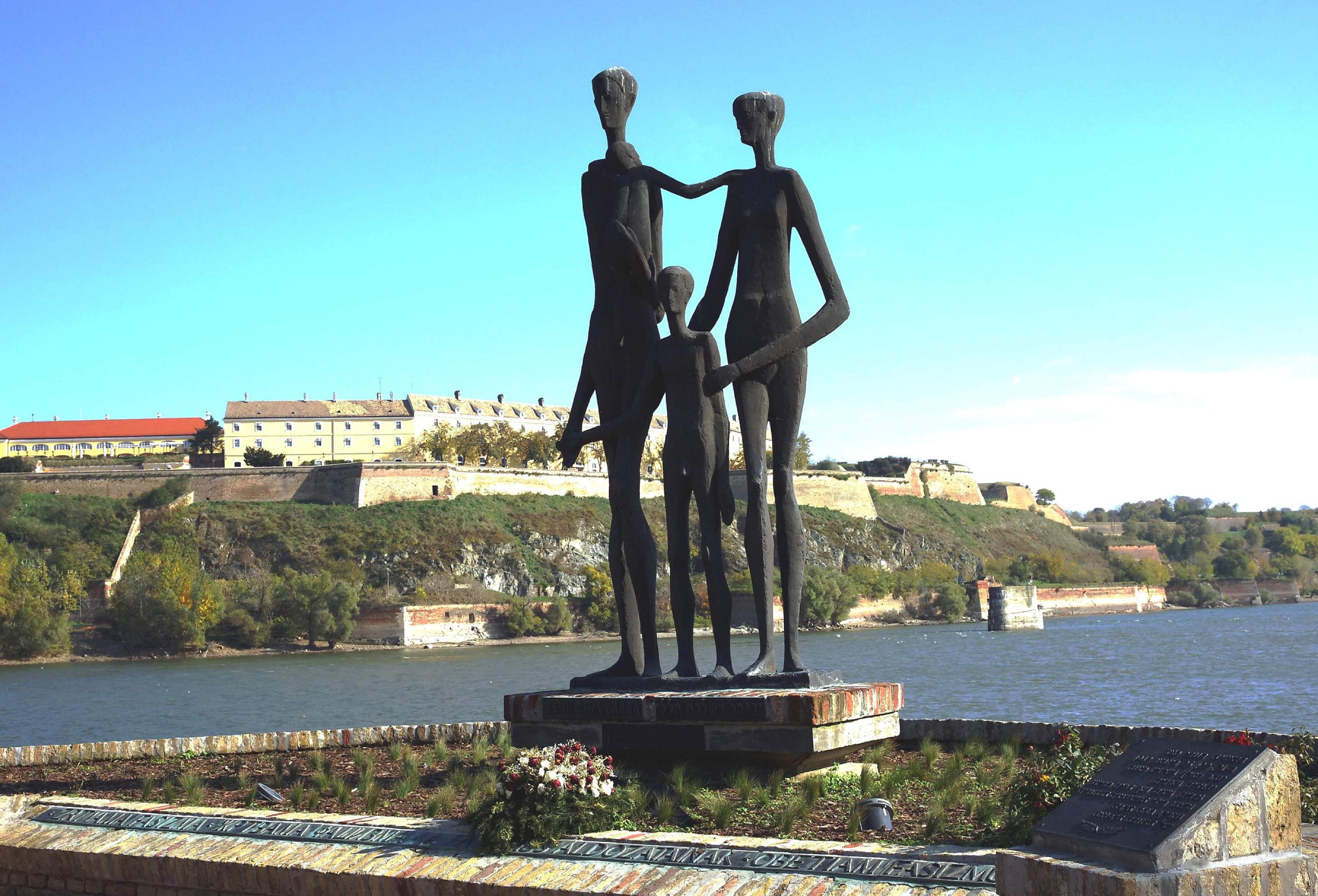
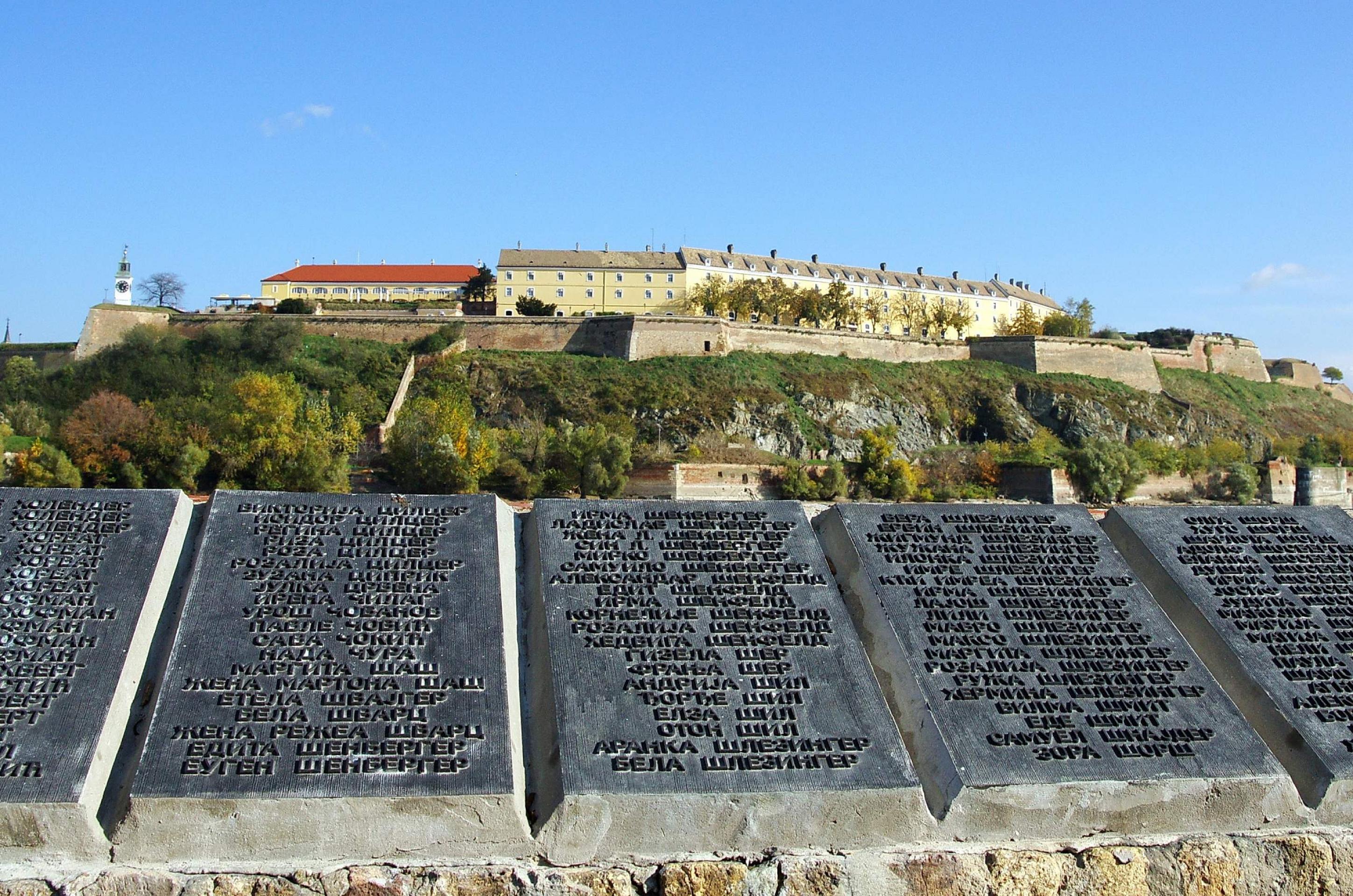
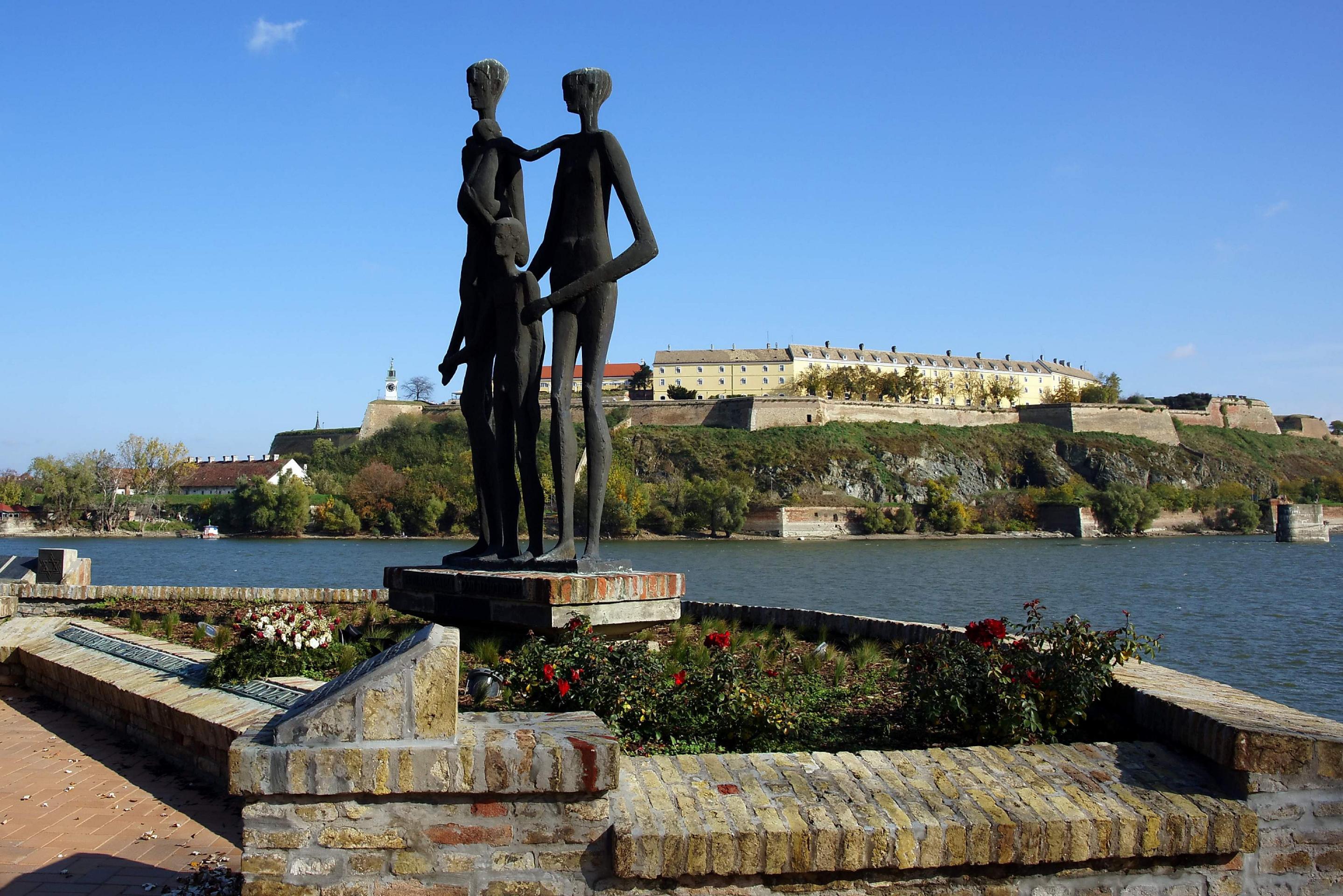
In 1971, a sculpture by Serbian artist Jovan Soldatović from Vojvodina was erected on the bank of the Danube river. The memorial entitled »The Family« (Serbian: Porodica) commemorates the men, women and children who were murdered in January 1942. Later, information boards in various languages and memorial plaques bearing the names of victims were added.