Memorial to the Victims of the Ozarichi Camps
Мемориальный комплекс узникам Озаричского лагеря смерти / Мемарыяльны комплекс вязням Азарыцкага лагера смерці
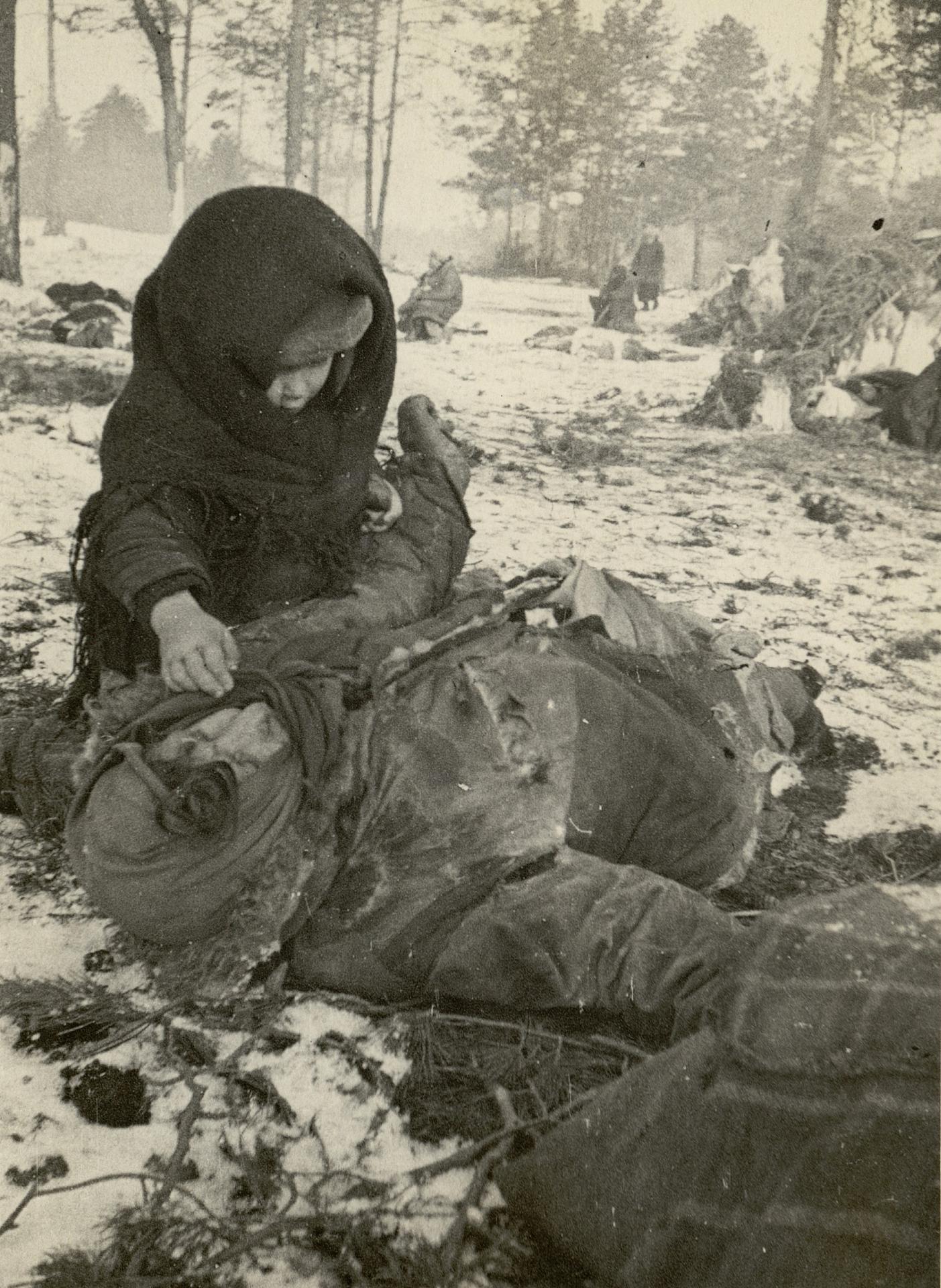
A memorial complex near the Belarusian village of Ozarichi honours the over 9,000 civilian victims who perished in three camps of the German Wehrmacht in the area from March 1944 on; they died of typhus, hunger and cold.
History
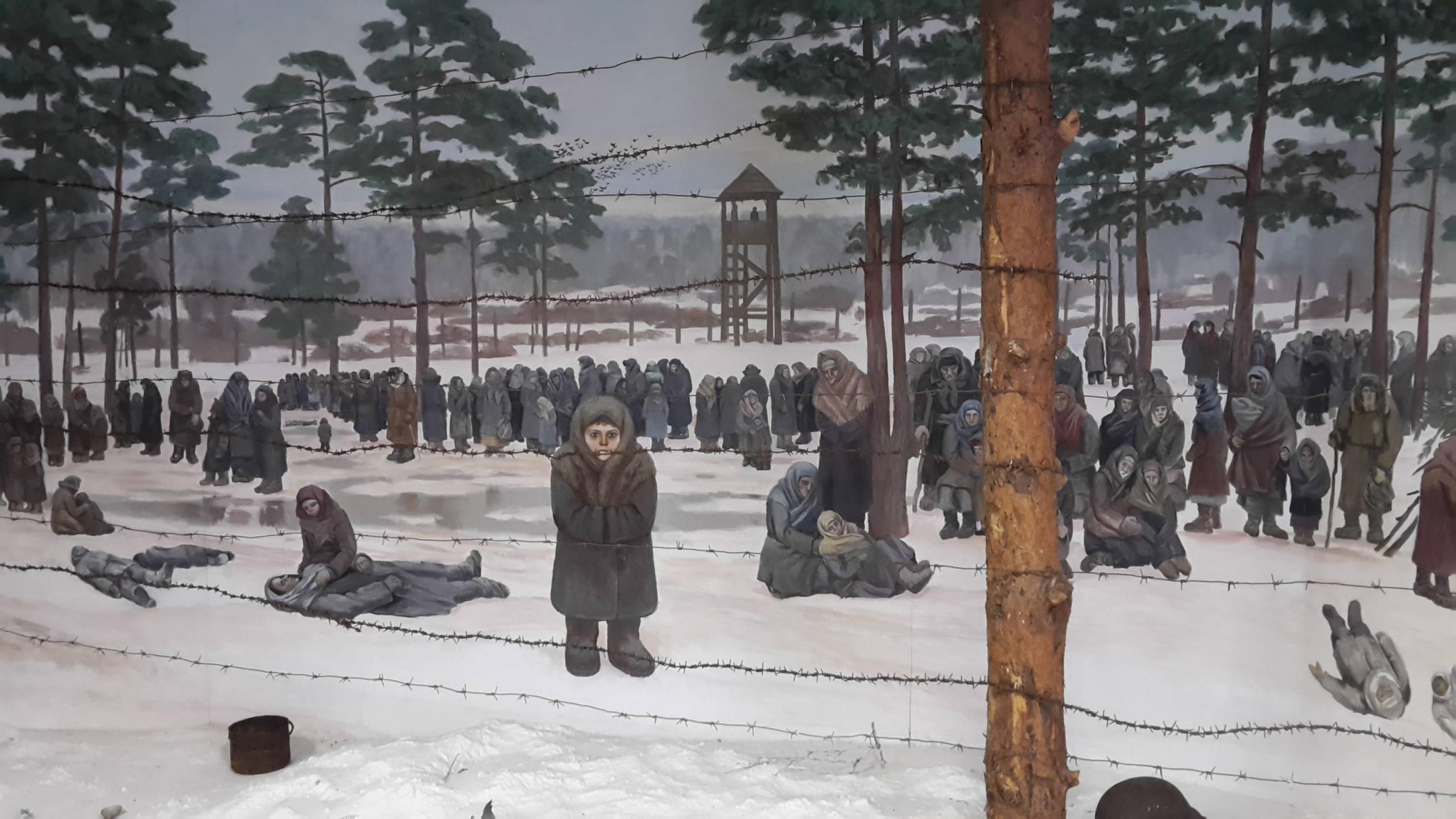
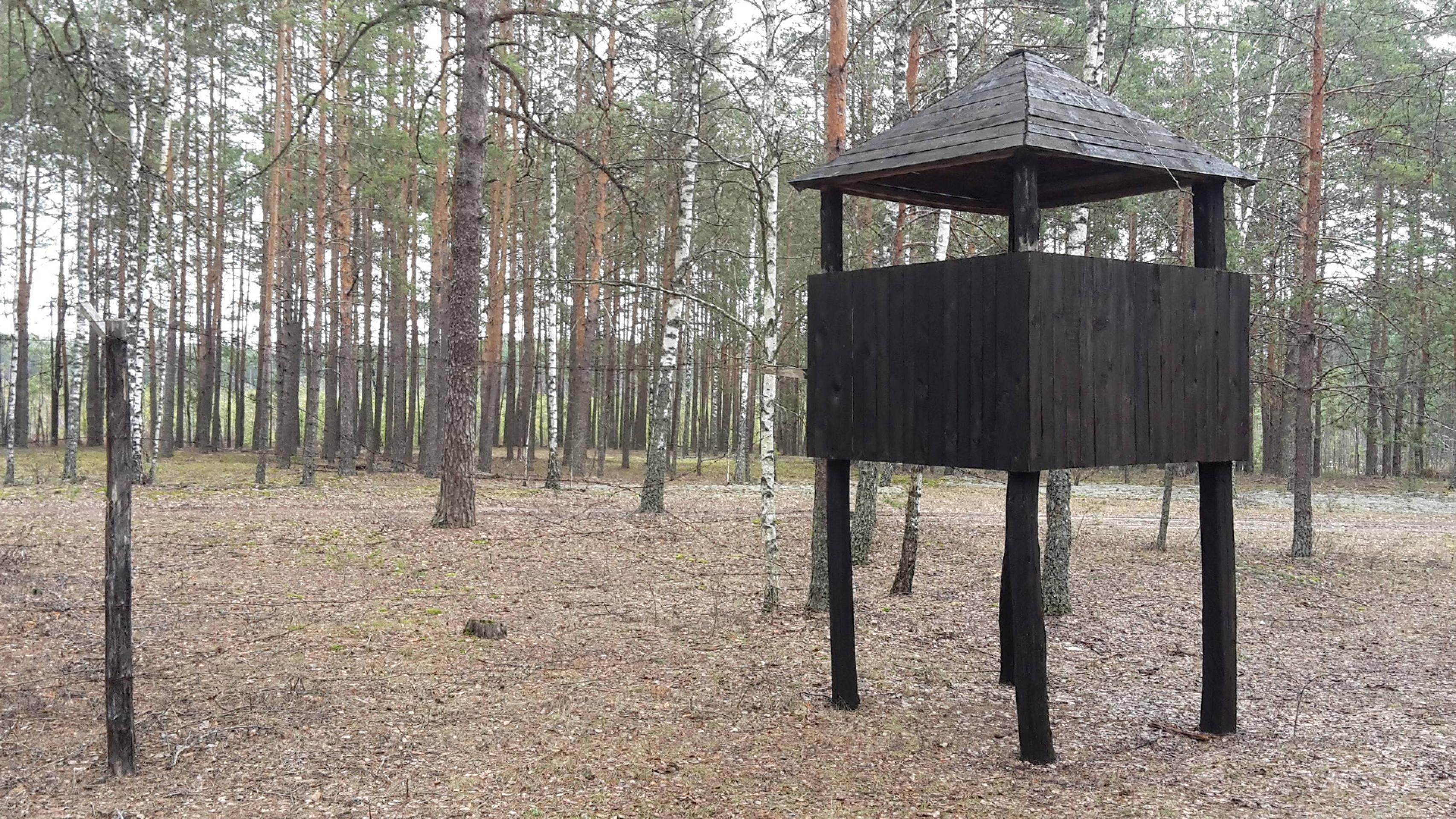
At the beginning of March 1944, the 9th German army under Josef Harpe established three temporary camps on their retreat: near Ozarichi, Dert' and Podosinnik. The camps, set up on marshland, were surrounded by barbed wire and meant to hold »diseased people, cripples, the elderly and women with more than two children under the age of 10 as well as other people not capable of working«. The 35th infantry division, the 110th infantry division and Sonderkommando 7 of SS Einsatzgruppe B (mobile killing unit) forcibly gathered until March 12 at least 40,000, possibly over 50,000, tired and helpless civilians from the Belarusian regions of Gomel, Mogilev, Palyes'sye and the Russian areas of Smolensk and Orel at those camps. One of the aims of the Wehrmacht in producing this humanitarian catastrophe was to slow the advance of the Red Army and to contaminate their ranks with diseases.
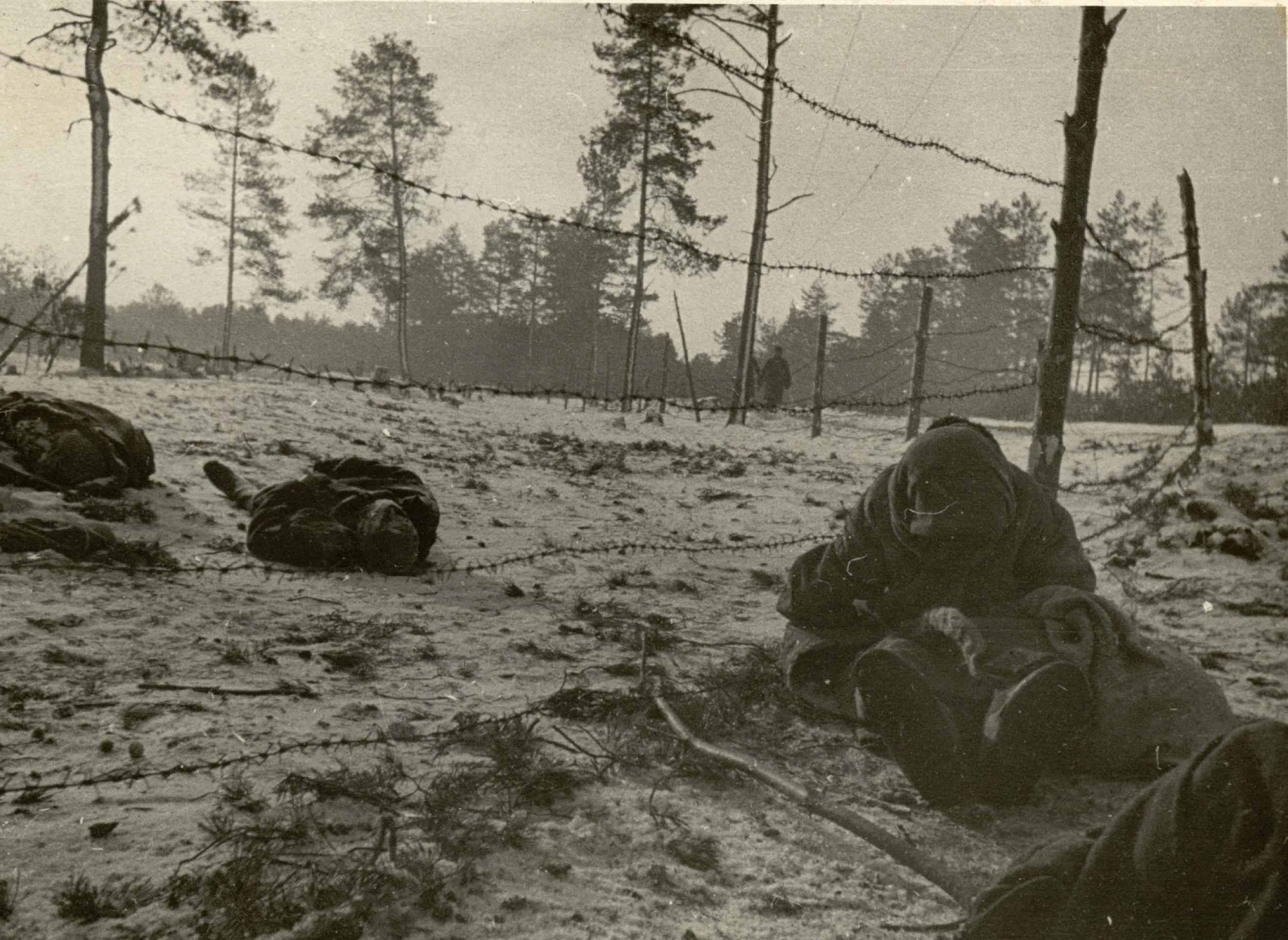
Until the arrival of the 65th Army of the 1st Belarusian Front on March 18/19, 1944, between 9,000 and 13,000 children, women and men perished at the camps, deprived of shelter, water and food. The calculated mass death by typhus, hunger and cold is considered one of the gravest crimes of the Wehrmacht committed on civilians in the course of the war of extermination against the Soviet Union.
Victims
Between 9,000 and 13,000 of the up to 50,000 imprisoned Belarusian and Russian men, women and children did not survive their incarceration at the camps near Ozarichi. There were over 15,000 children under 13 years of age among the liberated, many of them gravely ill.
Remembrance
Already after the recapture of the area by the Red Army, the soviet Special Commission began to gather evidence in the Ozarichi, Dert and Podosinnik camps. The results of their investigation were used for anti-German propaganda purposes, but also as evidence in the Nuremberg trials against war criminals in 1945/46. General Richtert was put on trial and executed in 1946 in Minsk for his involvement in creating the camps around Ozarichi, but the main perpetrators were never charged with these crimes.
In 1965, a first memorial was set up, but the victims never received much attention during Soviet times. It was not until the independence of Belarus that they could speak publicly about what they went through.
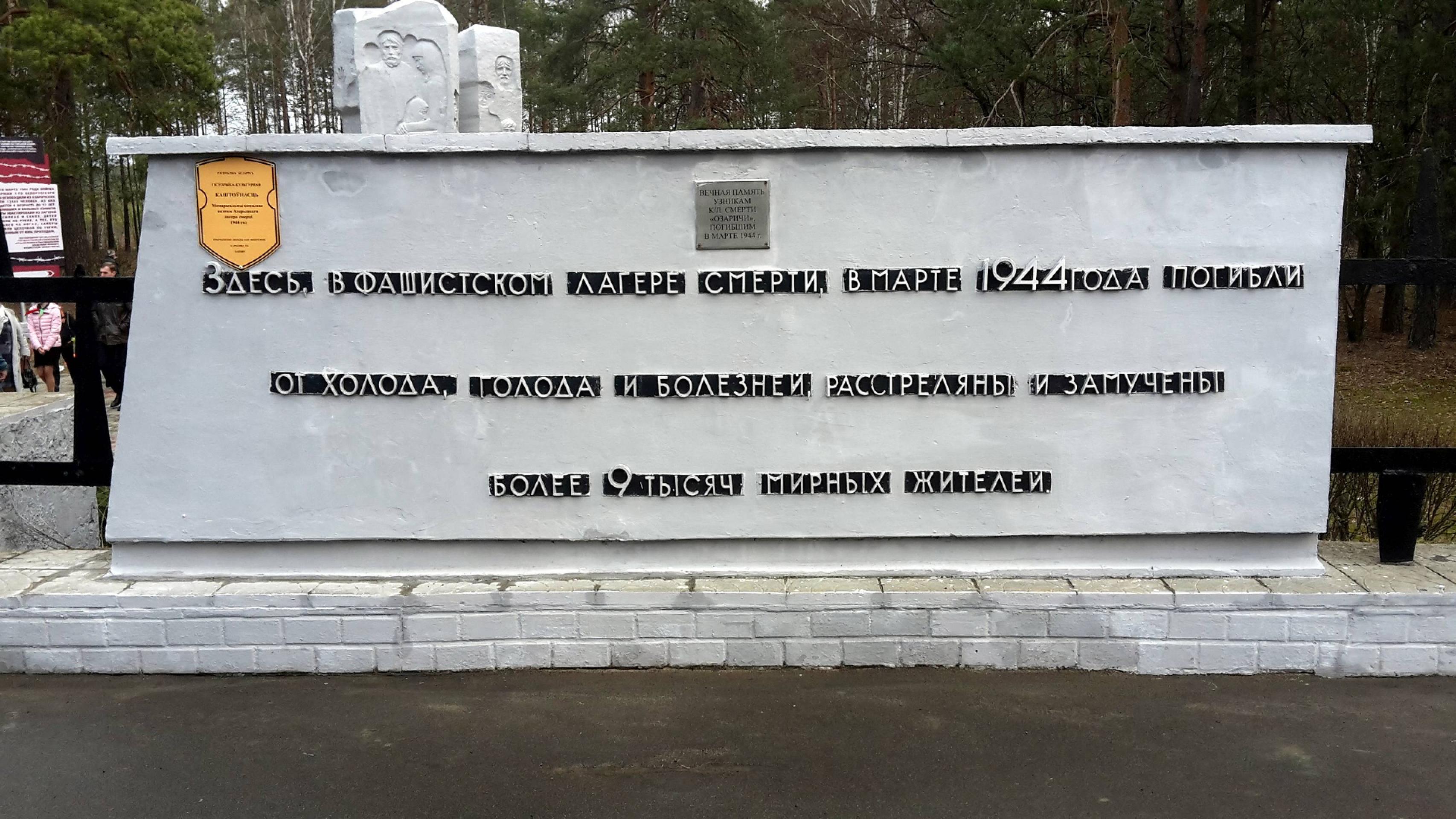
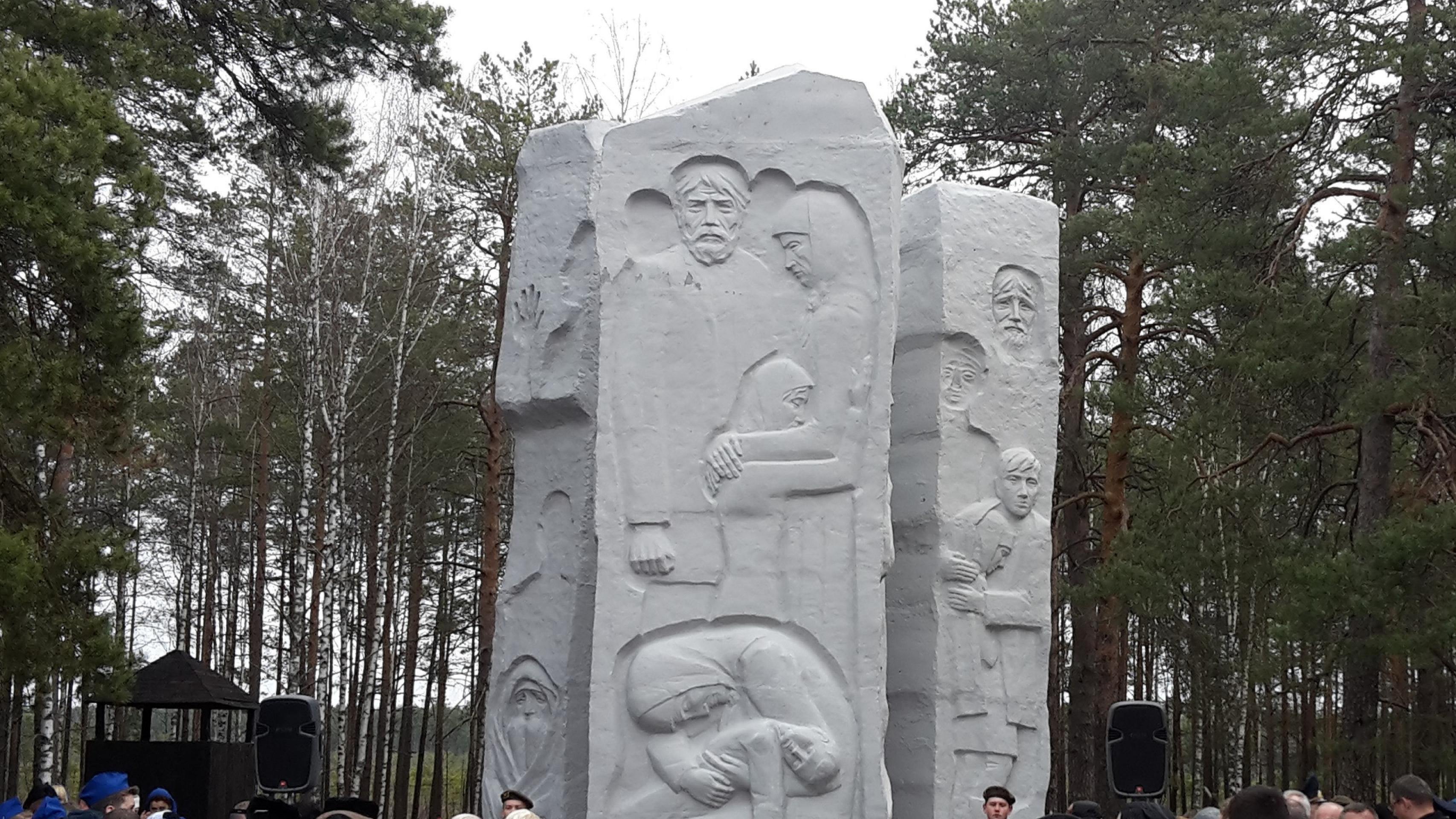
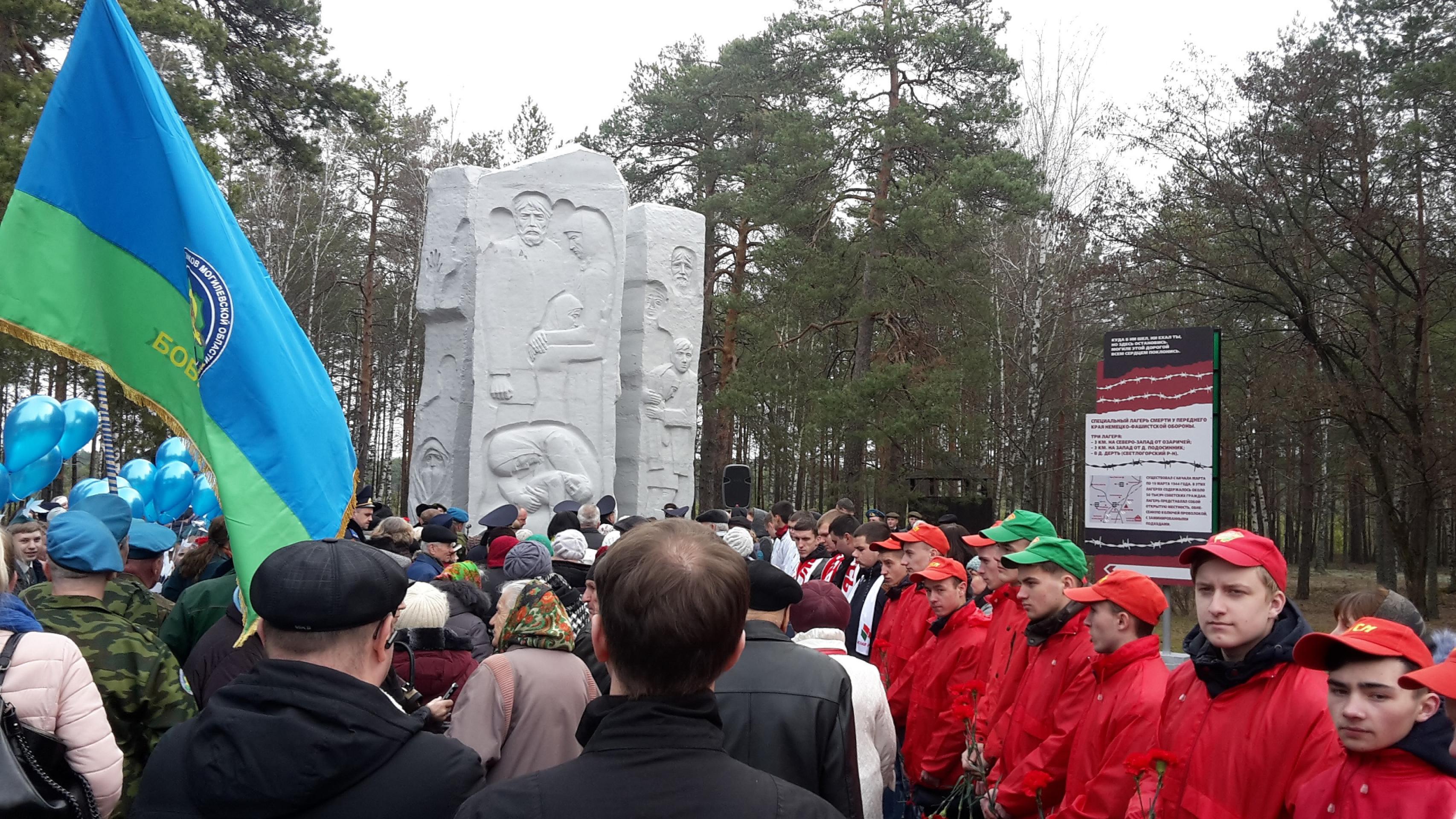
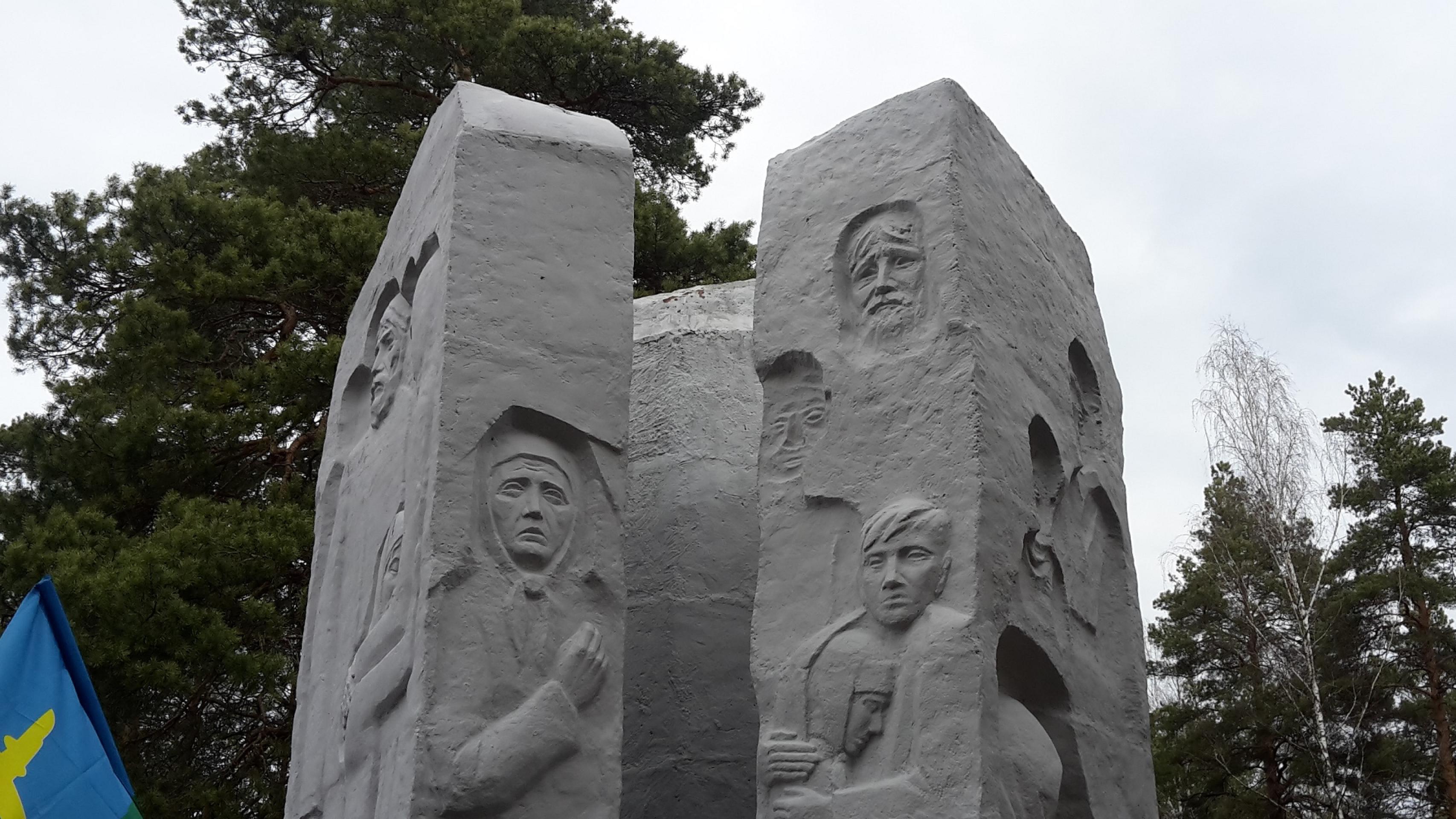
In 1994, a new memorial was inaugurated that emphasizes the suffering of the victims. It is in the forest not far from the village of Ozarichi. At this place the Wehrmacht had indeed created some structures, but the camps in which the civilians were held were at other, much less accessible locations. The Russian inscription reads »Here, in the fascist death camp, over 9,000 peaceful residents died of cold, hunger and diseases, were shot and tortured in March 1944.«
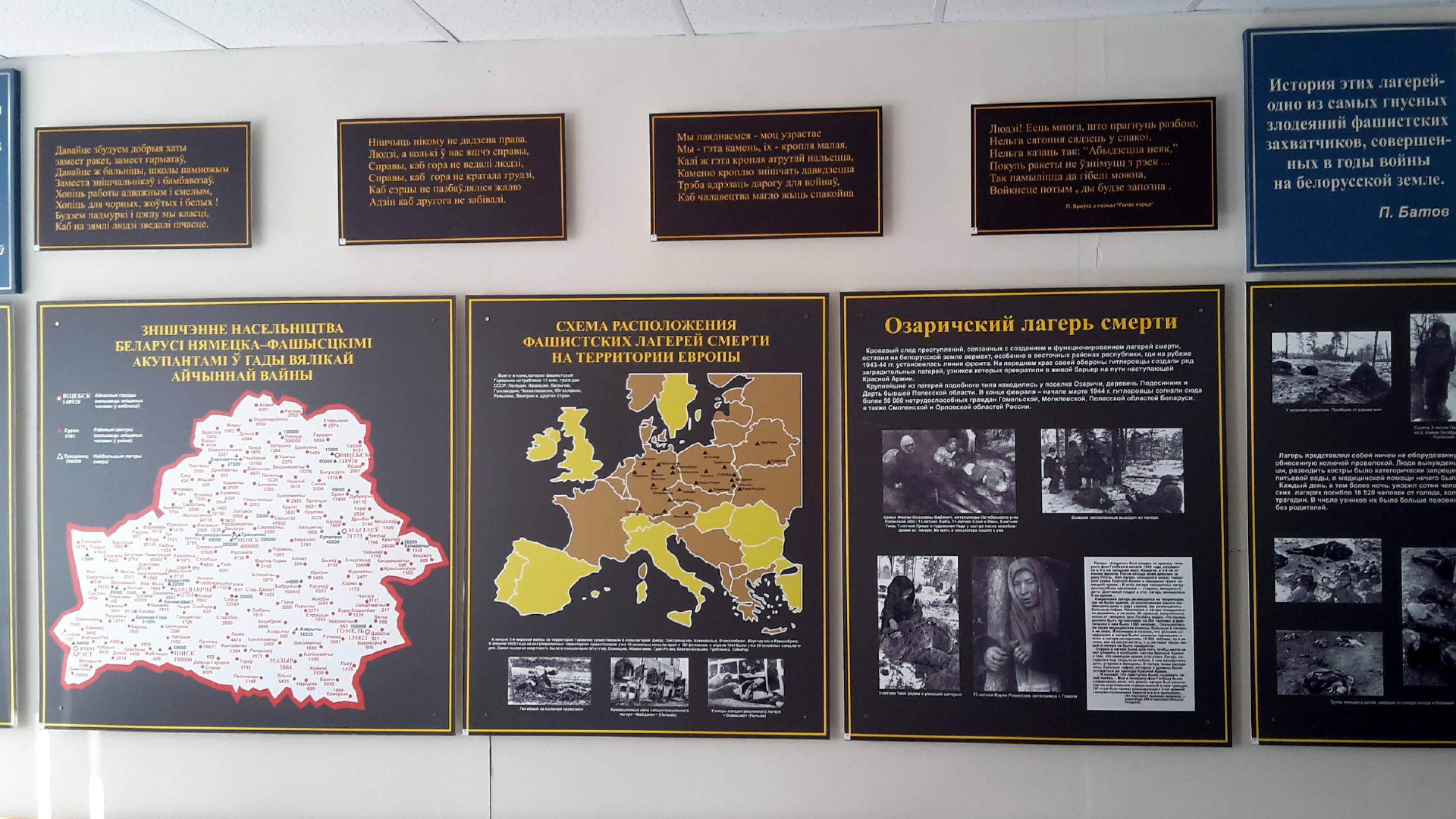
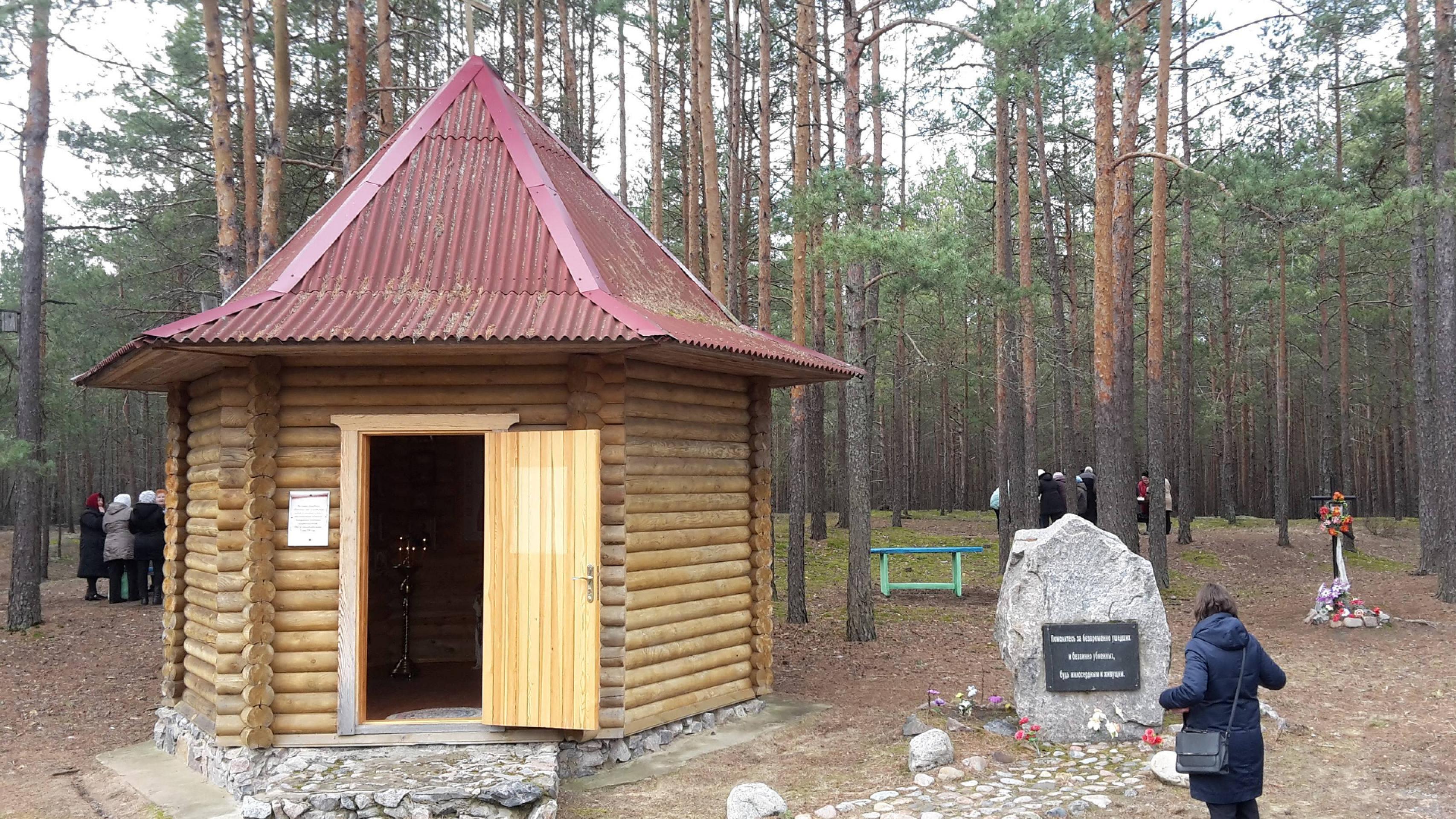
In the centre of Ozarichi, a small »Museum for the victims of the death camp Ozarichi« opened in 2004. Every year on March 19, the anniversary of the liberation, commemorative ceremonies are held at the memorial organized by the state and the church. In 2010, the Orthodox church dedicated a small wood chapel across the street from the memorial.
The German-Belarusian travelling exhibition »Extermination site Maly Trostenets. History and Remembrance« that was co-produced by the Foundation Memorial to the Murdered Jews of Europe was supplemented by an extra section about the Ozarichi camps for the occasion of the 75th anniversary of their liberation.
Open
The memorial complex is accessible at all times.
Contact
247742 Osaritschi