Memorial to the Victims of the Płaszów Concentration Camp
Pomnik Ofiar Obozu Koncentracyjnego w Płaszowie
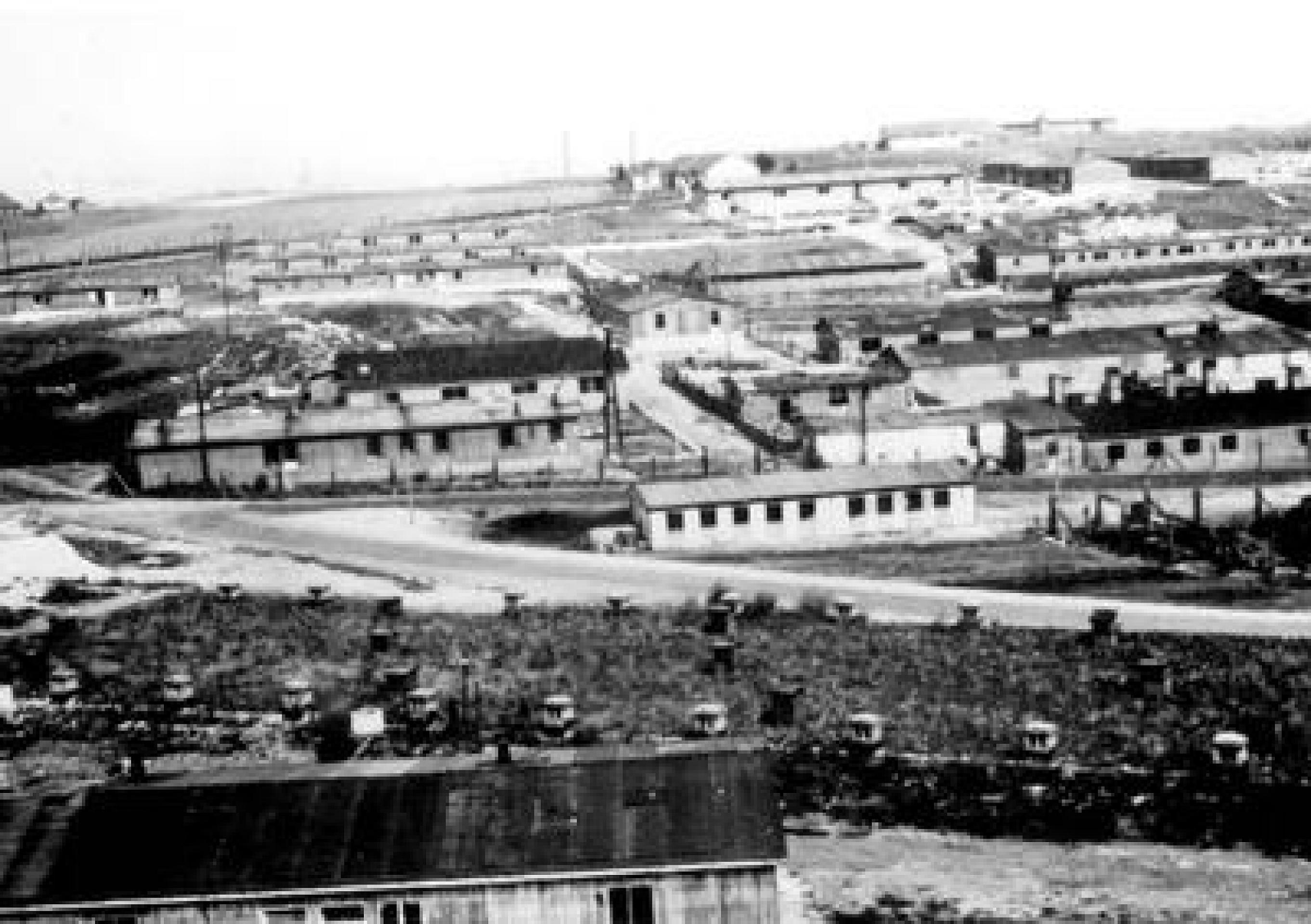
In December 1942, the SS set up one of several hundred forced labour camps in occupied Poland in the Płaszów district of Cracow. At first, Jews were incarcerated in Płaszów, later non-Jewish Poles and several Roma were also among the inmates. From January 1944, about a year before the camp was dismantled, Płaszów was administered as a concentration camp.
History
Cracow was home to one of the oldest Jewish communities in Poland. At the beginning of September 1939, the German Wehrmacht invaded Poland; on September 6, Cracow was occupied. Hans Frank set up headquarters in the Wawel complex, once the royal castle, as Governor General of the occupied Polish territories which had not been incorporated into the German Reich. In May 1940, about half of the 65,000 Jewish residents of Cracow were expelled from the city to nearby villages. Those who remained were forcibly resettled to a ghetto in March 1941.
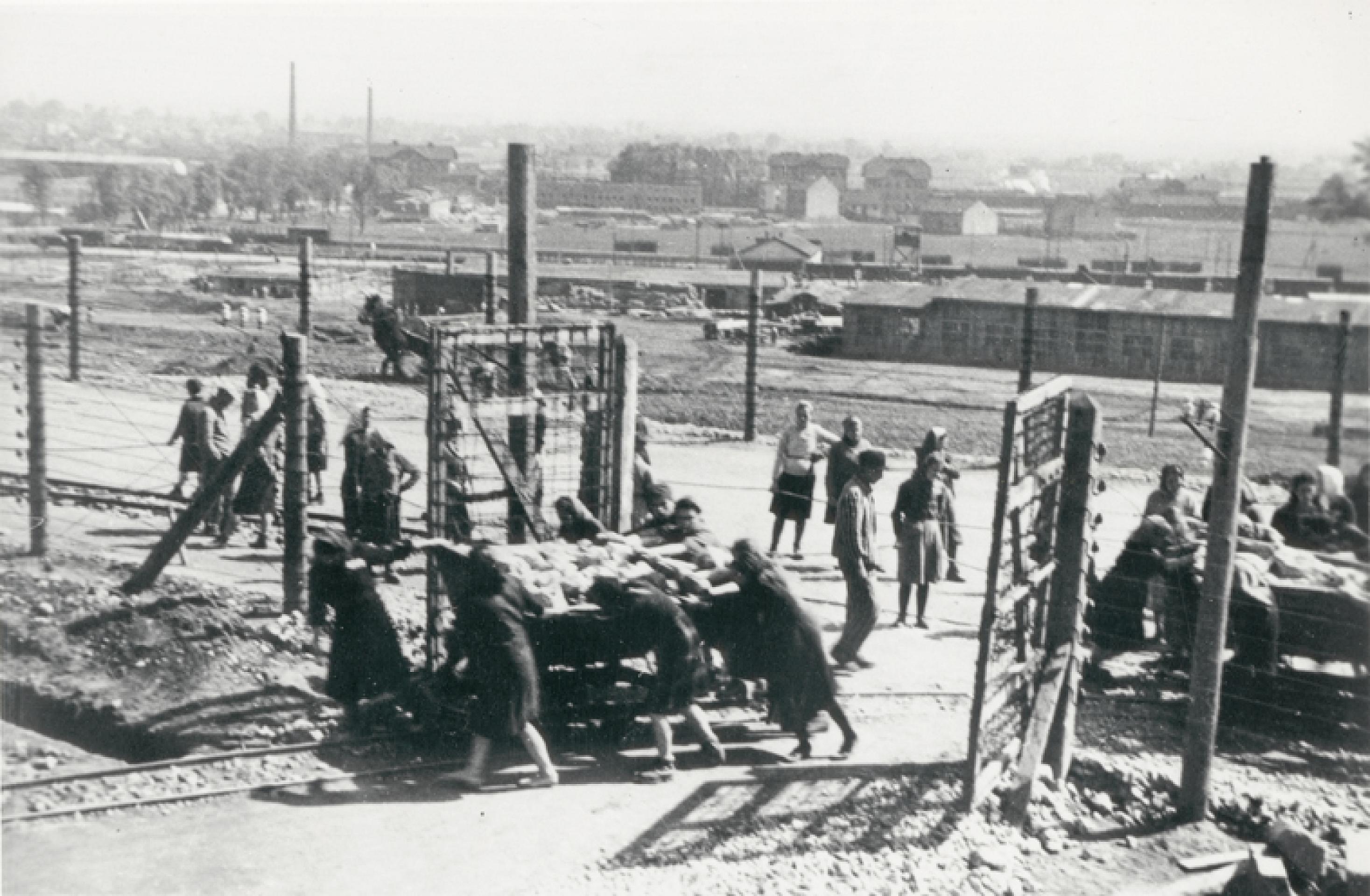
At the end of 1942, Jewish labourers from the ghetto had to build a forced labour camp on the premises of two Jewish cemeteries in the Płaszów district. In mid-February 1943, about 2,000 Jews were incarcerated in the Płaszów camp. After the dissolution of the Cracow ghetto, the number of inmates rose to 12,000 by autumn 1943. In July 1943, the SS established a »labour education camp« for non-Jewish Poles on the site. All of the prisoners, men and women, had to conduct heavy labour. The Jewish prisoners first worked in factories in Cracow outside of the camp, being forced to march there everyday guarded by the SS. From September 1943 on, they were forced to work in the camp and its satellite camps. The inmates were undernourished and constantly in danger of being murdered or abused by the SS. Camp commandant Amon Göth punished even the smallest offences and single-handedly murdered about 500 prisoners.
In January 1944, Płaszów became an independent concentration camp. In late summer 1944, when the Red Army was advancing, the approximately 24,000 prisoners were deported to other concentration camps. Beginning August 1944, the last prisoners had to partially take down the barracks and exhume corpses from mass graves in order to burn them. On January 14, 1945, the last prisoners of the Płaszów concentration camp, about 625 men and women, were forced to march to Auschwitz.
Victims
Most of the prisoners at Płaszów were Cracow Jews as the camp was first used by the SS as a forced labour camp for Jews from the Cracow ghetto. In the course of 1943, prisoners from other ghettos in the district of Cracow were also held here. The number of prisoners at the camp was subject to strong fluctuations due to transfers to and from other camps. At the end of July 1944, there were over 20,000 inmates at Płaszów. In May 1944, SS officers selected about 900 ill, weak and elderly prisoners for deportation to the Auschwitz-Birkenau death camp, which lay only about 60 kilometres away. Children were also sent to Auschwitz and killed there. In June 1944, a transport of 5,000 to 6,000 Hungarian Jewish women from Auschwitz arrived in Płaszów; at the beginning of August, they were sent back to Auschwitz to their deaths.
From July 1943 on, there was a separate camp area for non-Jewish Poles. Poles who had been arrested for small offences were incarcerated for a relatively brief period, political prisoners on the other hand were sentenced to indefinite imprisonment. In March 1944, there were about 1,400 Poles in the camp. There were three execution sites at the camp. Two of them were regularly used for the execution of Polish prisoners of the Gestapo, mostly resistance fighters. A total of 3,000 people were murdered at Płaszów – about 1,700 Poles and 1,300 Jews.
Remembrance
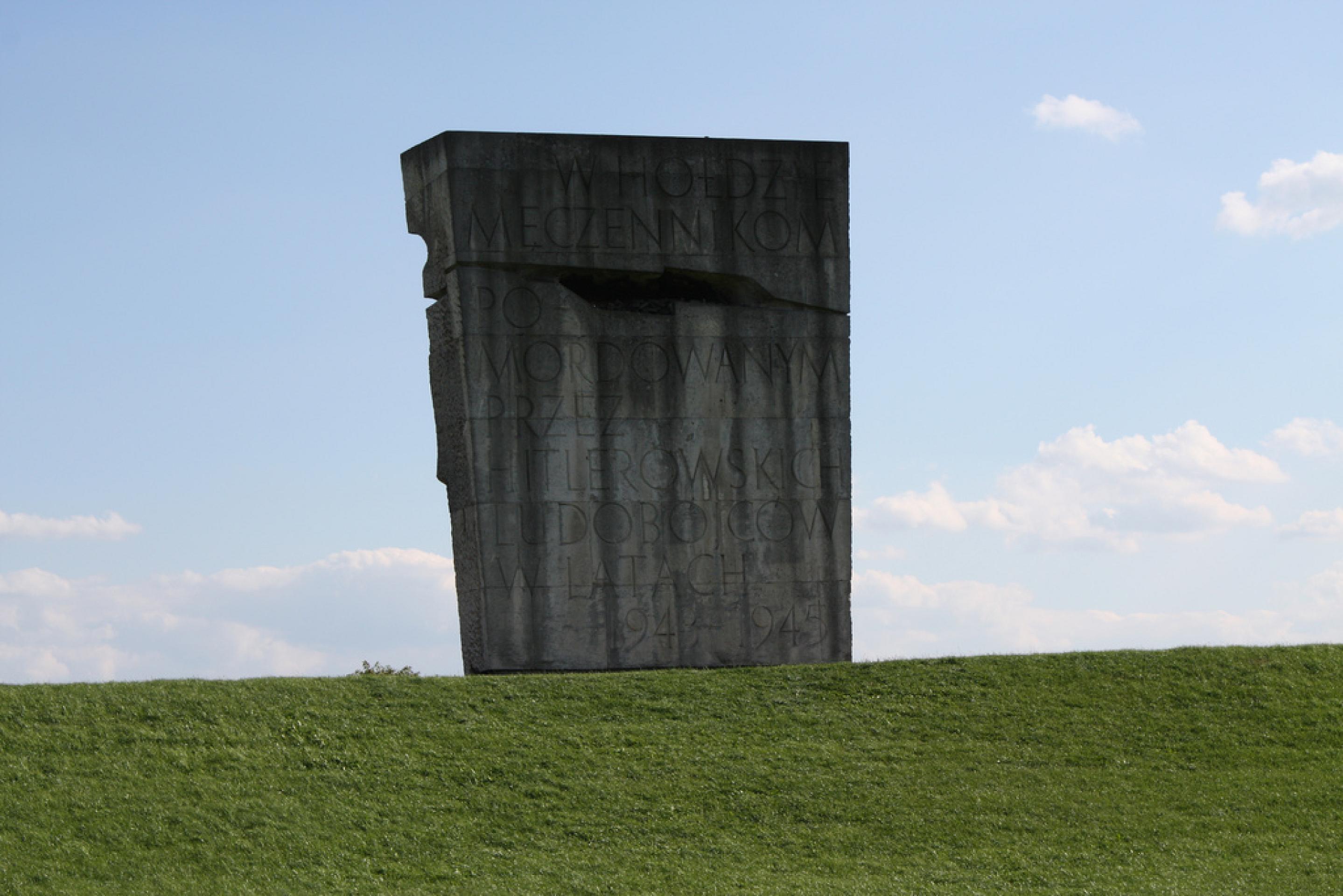
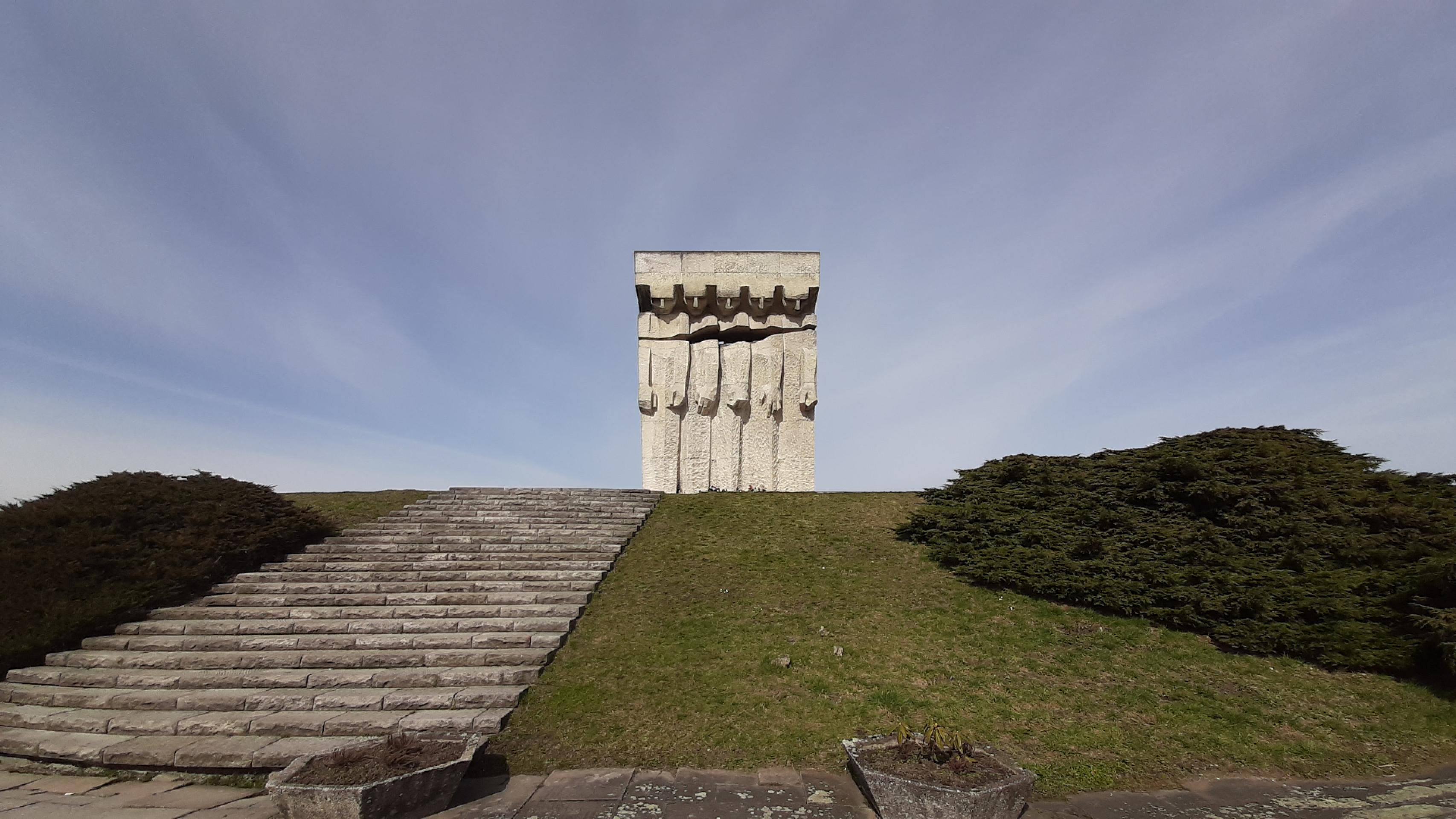
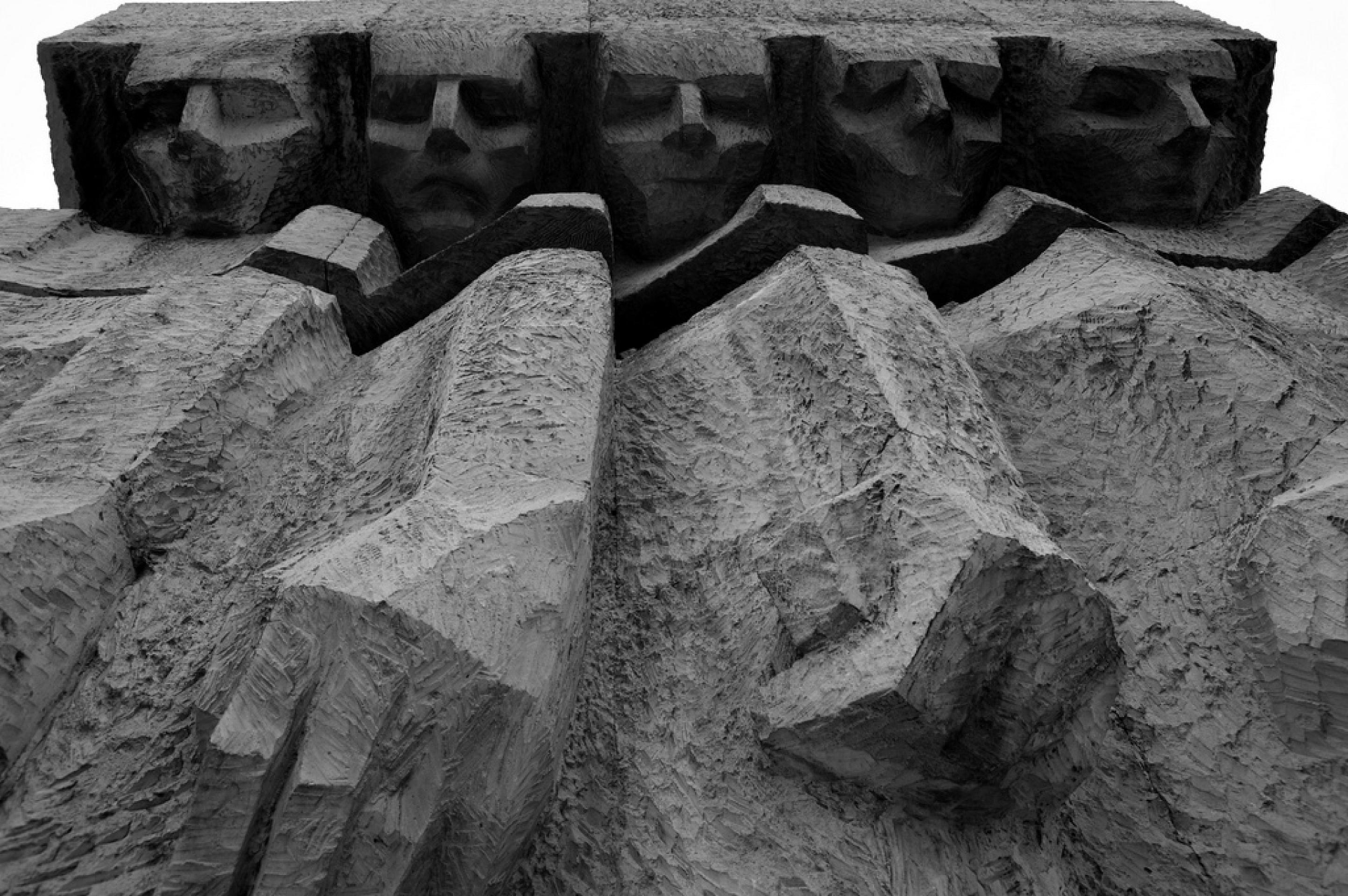
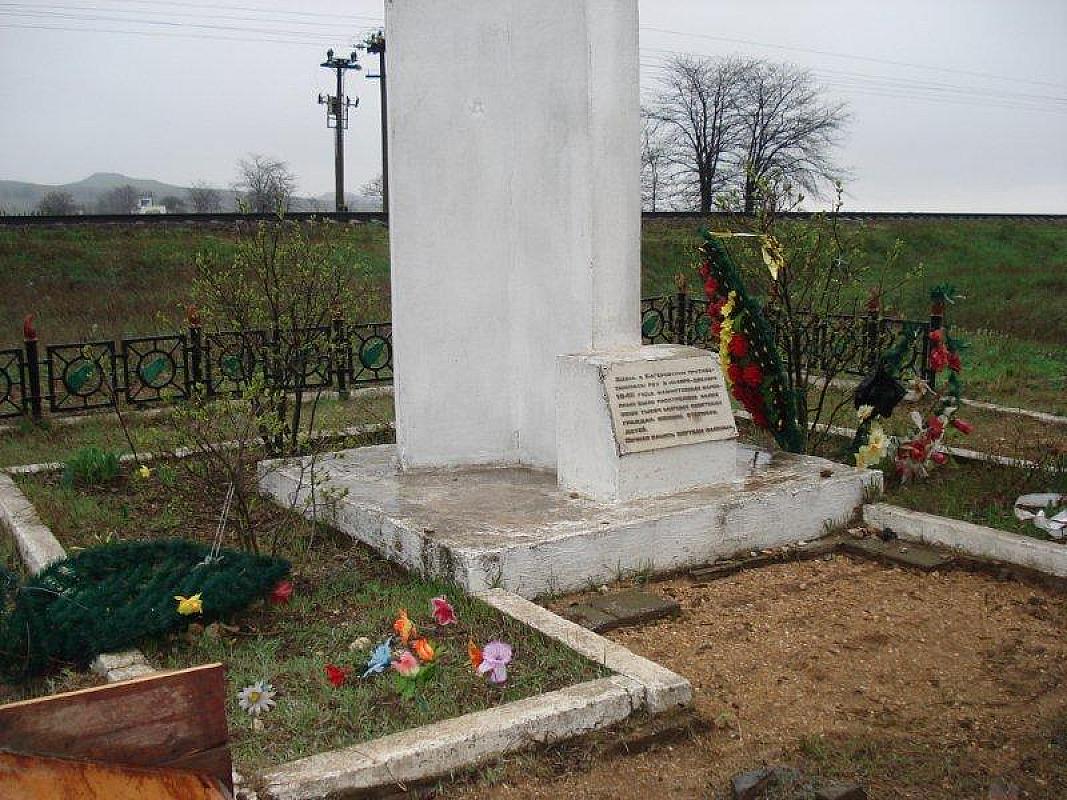
In 1964, a 7-metre high »Memorial to the Victims of Fascism in Cracow« (Polish: Pomnik Ofiar Faszyzmu w Krakowie) designed by Witold Cęckiewicz was unveiled. It is dedicated in general to the victims of fascism.
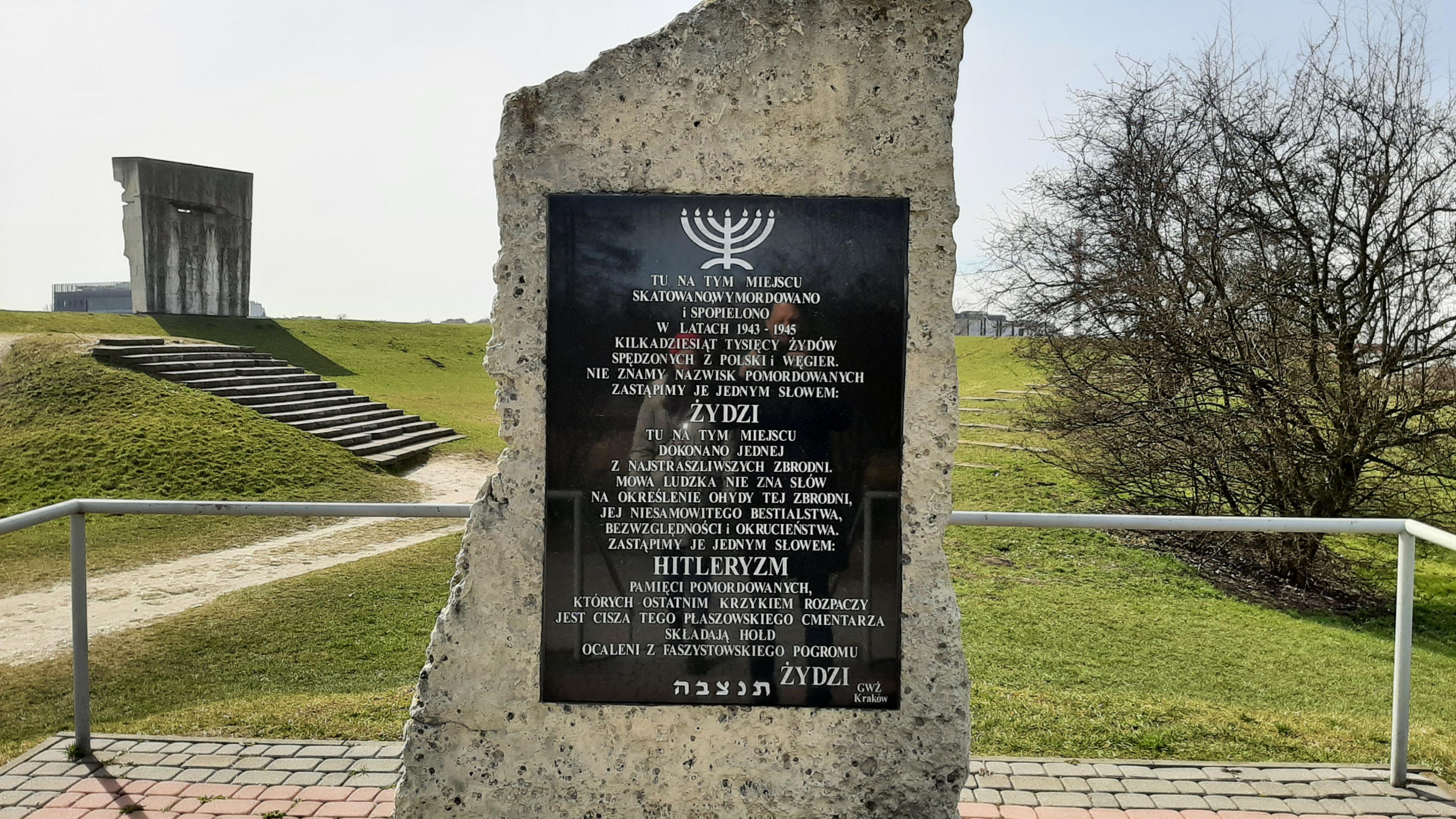
Near the monument there are two memorial stones. One of them was dedicated in 2000 to the Hungarian Jewish women who were deported from Płaszów to Auschwitz and murdered there. Another memorial stone, one which honours all of the victims of Płaszów, was donated by the Jewish community of Cracow.
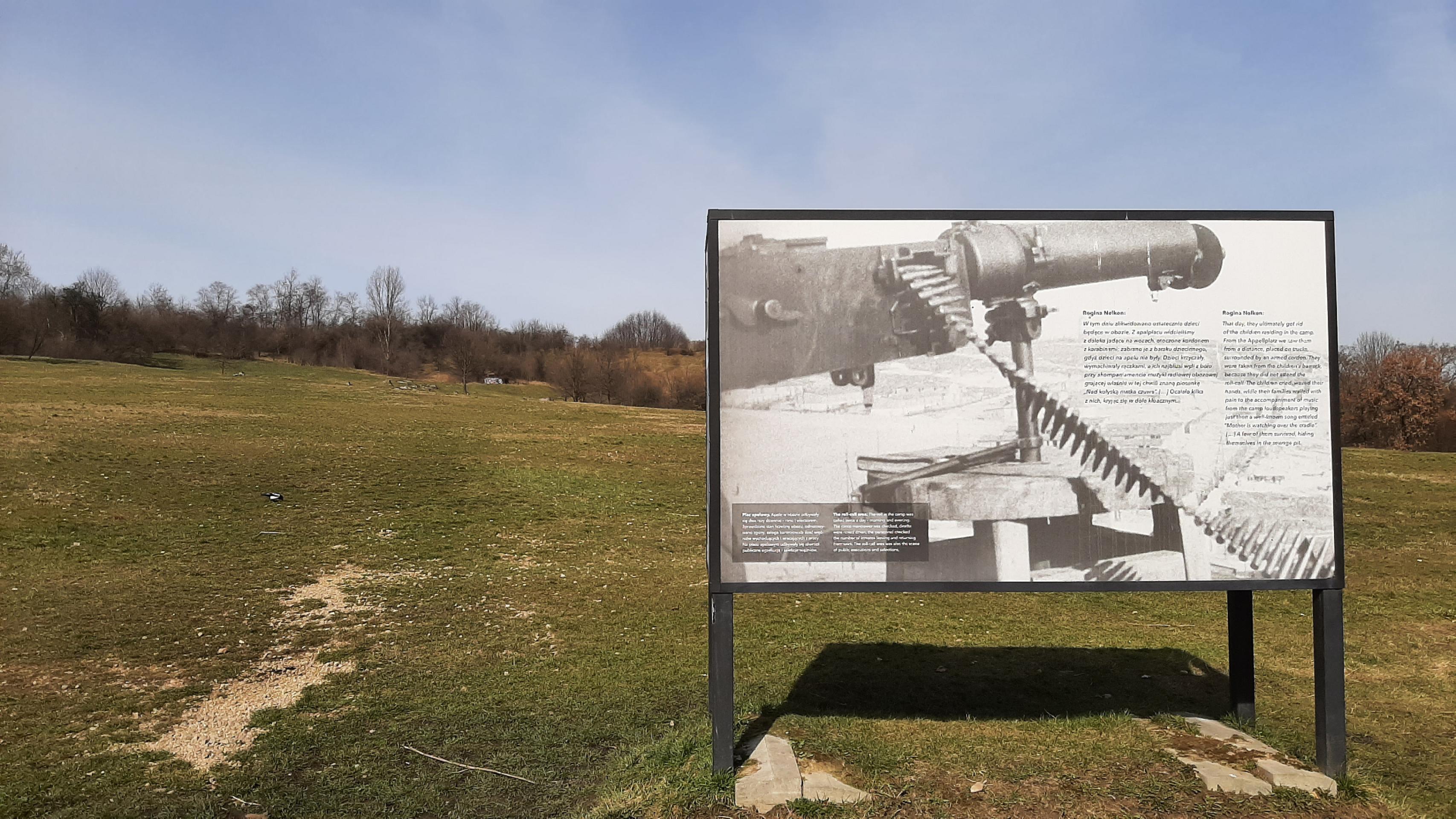
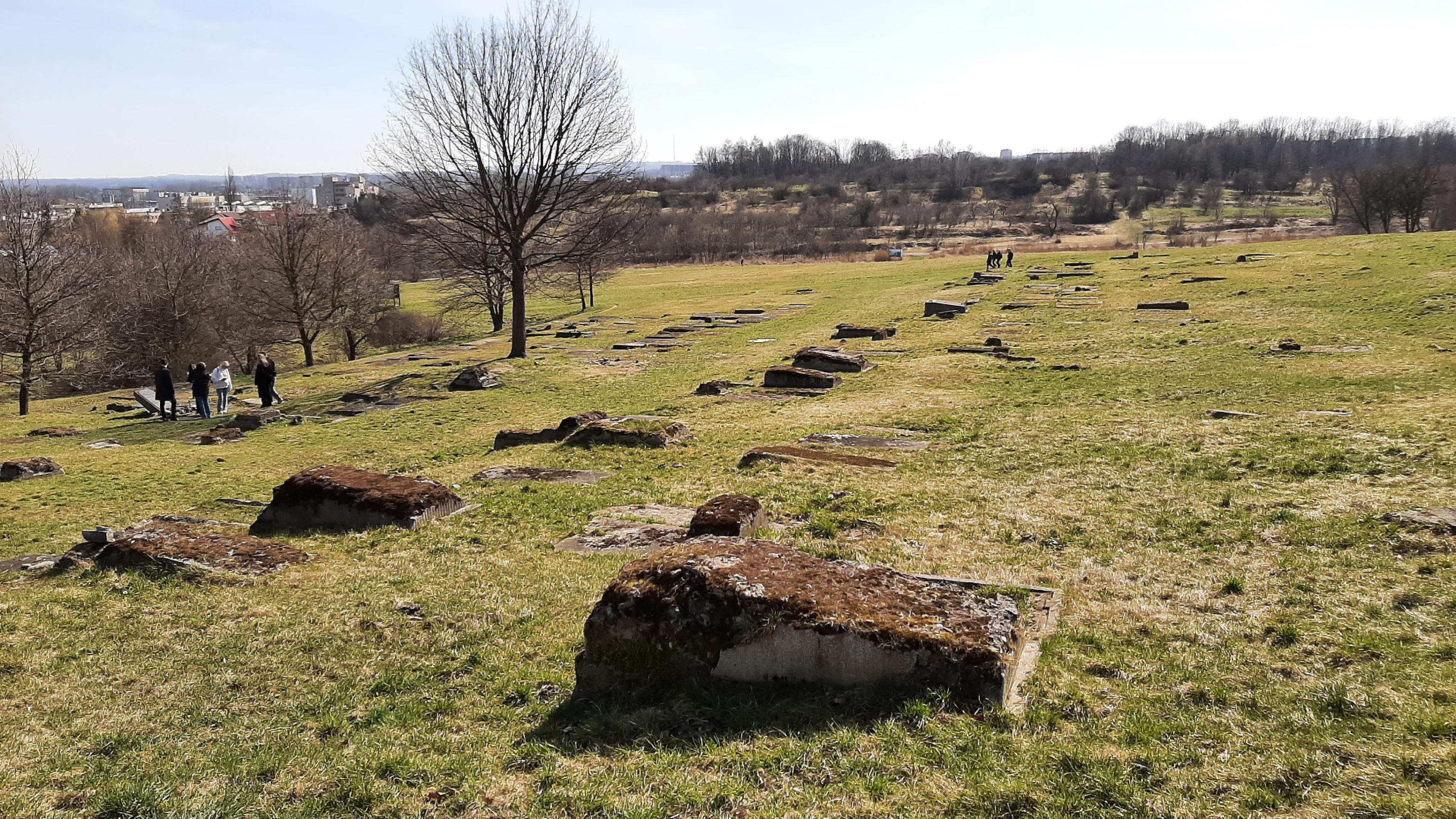
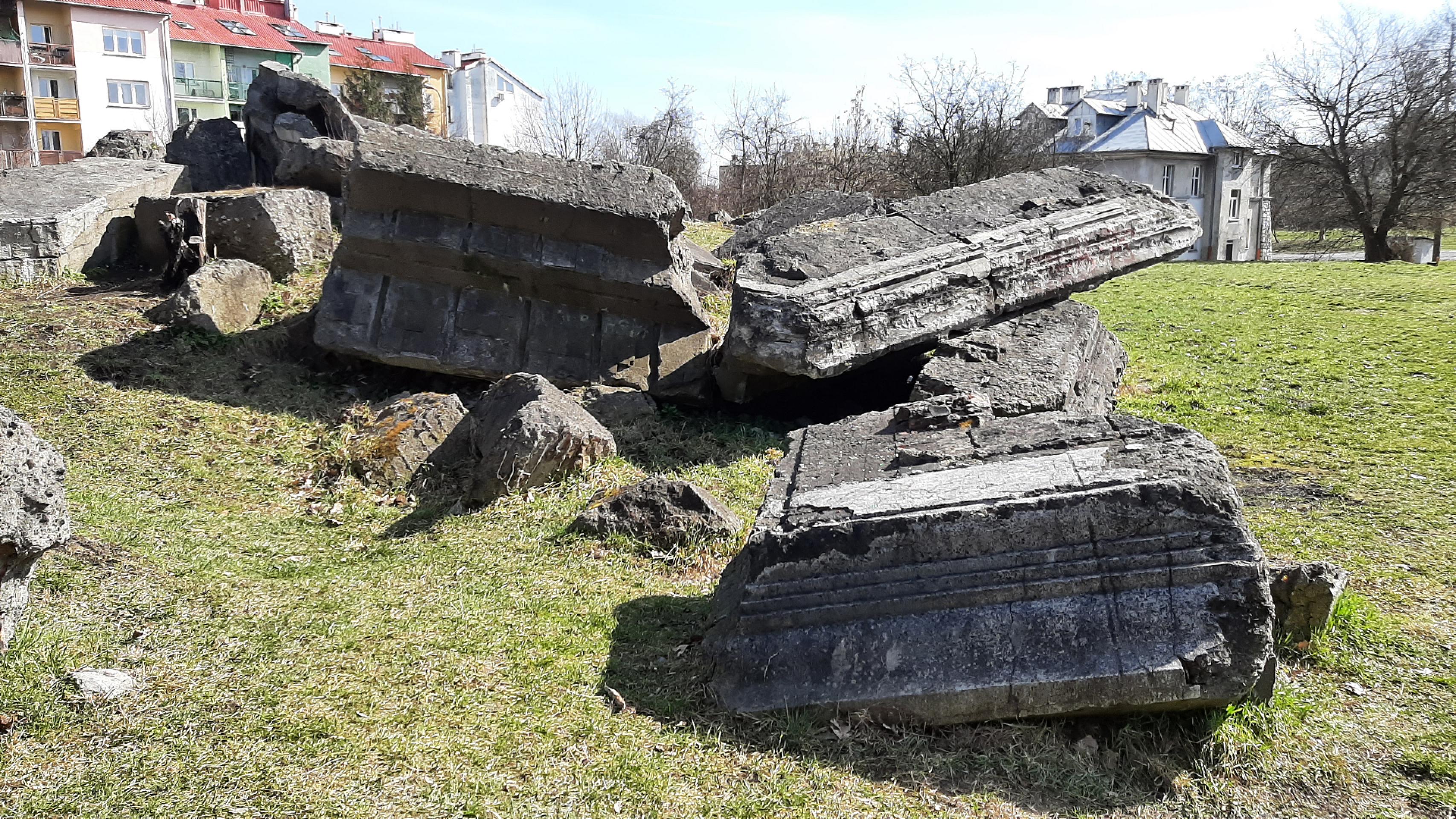
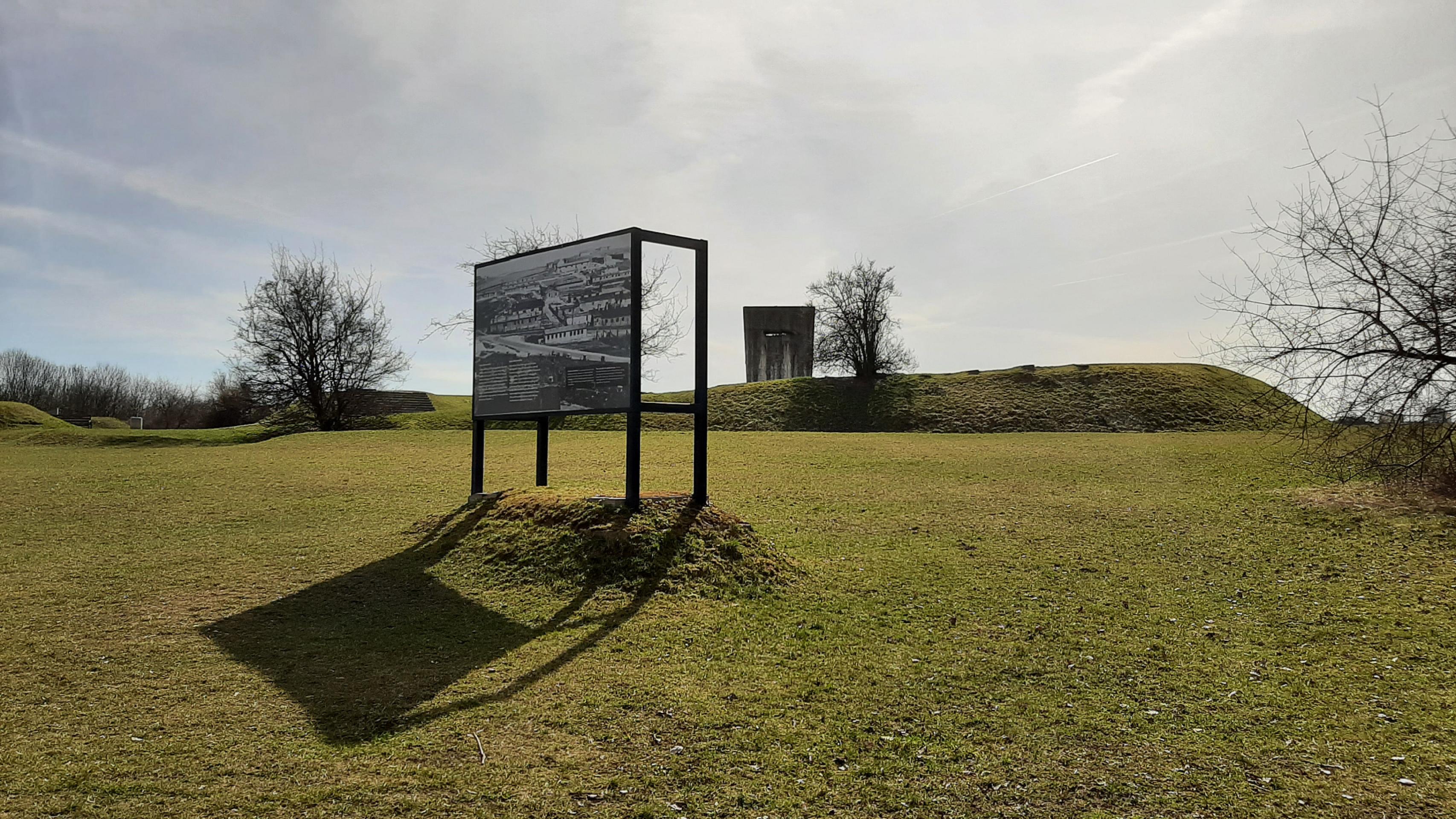
Few traces of the former camp remain. On the well-kept grounds, which are always accessible, there are now 19 information boards dealing with the history of the camp.
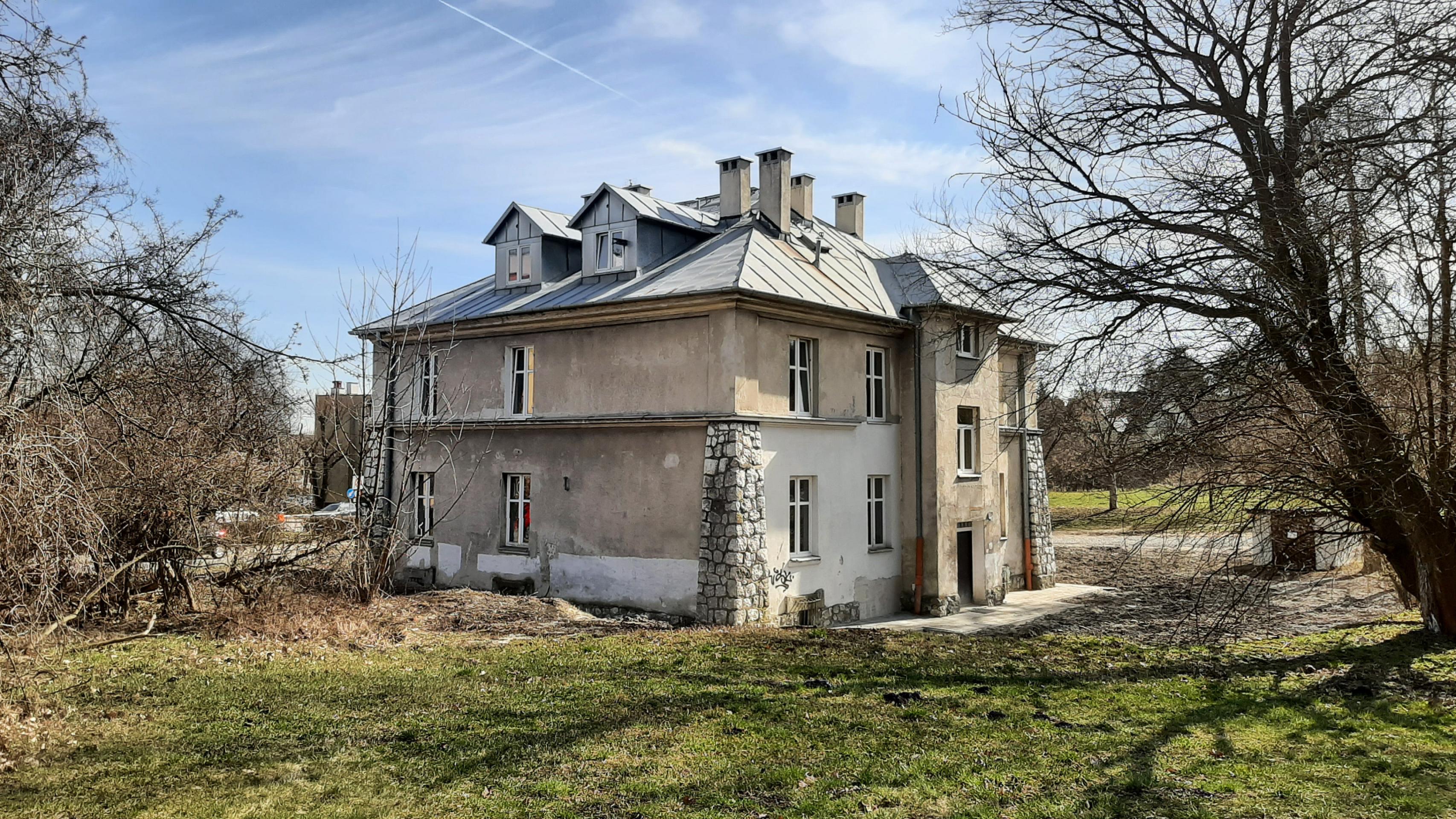
There are also gravestones of the former Jewish cemetery on the site. The Grey House, which functioned as the administrative building of the cemetery and later of the concentration camp, is also still preserved. A permanent exhibition is to be created here as part of a future museum, due to open in 2025.
The history of the camp is also dealt with in the permanent exhibition on the history of Cracow during World War II at the »Schindler's Factory« museum (Polish: Fabryka Schindlera). The museum was opened in 2008 in the former administration building of Oskar Schindler's enamelware factory. Prisoners from Płaszów worked here, and Schindler could save about 1,200 of them from being transported to death camps. The story gained world renown thanks to Steven Spielberg's 1993 movie »Schindler's List«.
Possibilities
Guided tours (as a part of the Memory Trail of the Museum of Crakow)
Open
The memorial is always accessible.
Contact
info@plaszow.org
ul. Henryka Kamieńskiego
30-555 Kraków