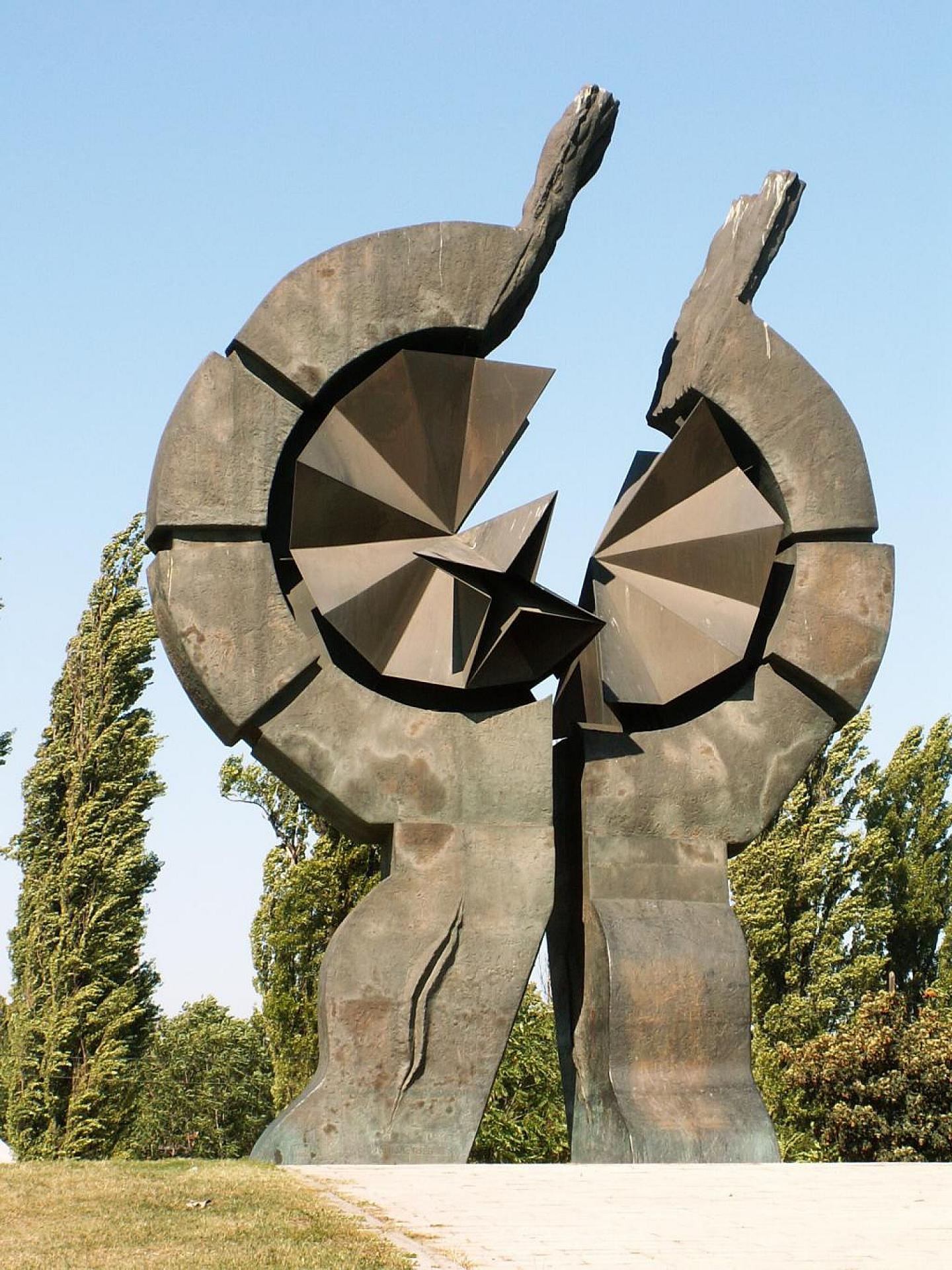
Memorial to the Victims of the Sajmište Concentration Camp
Споменик жртвама логора Сајмиште
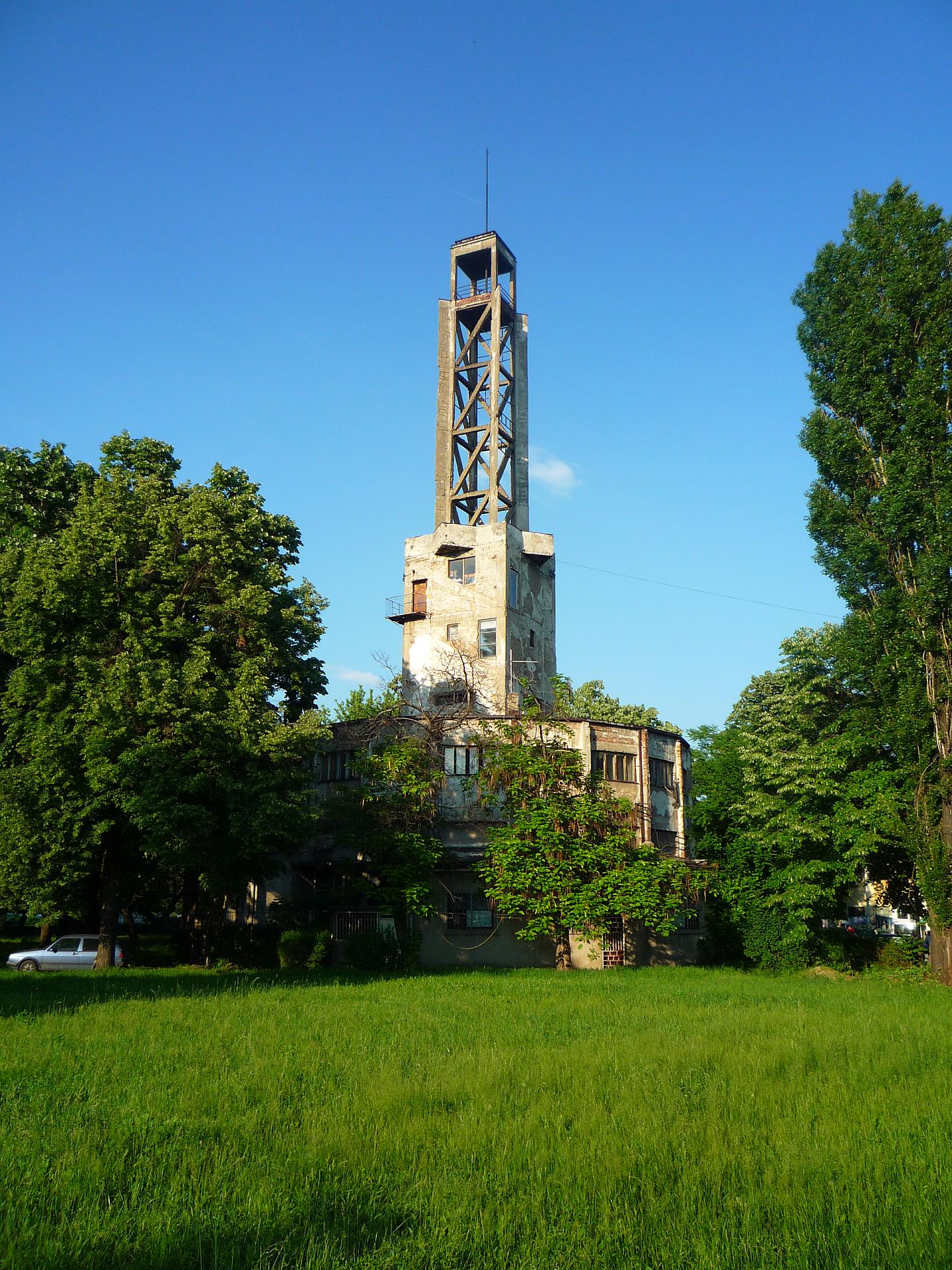
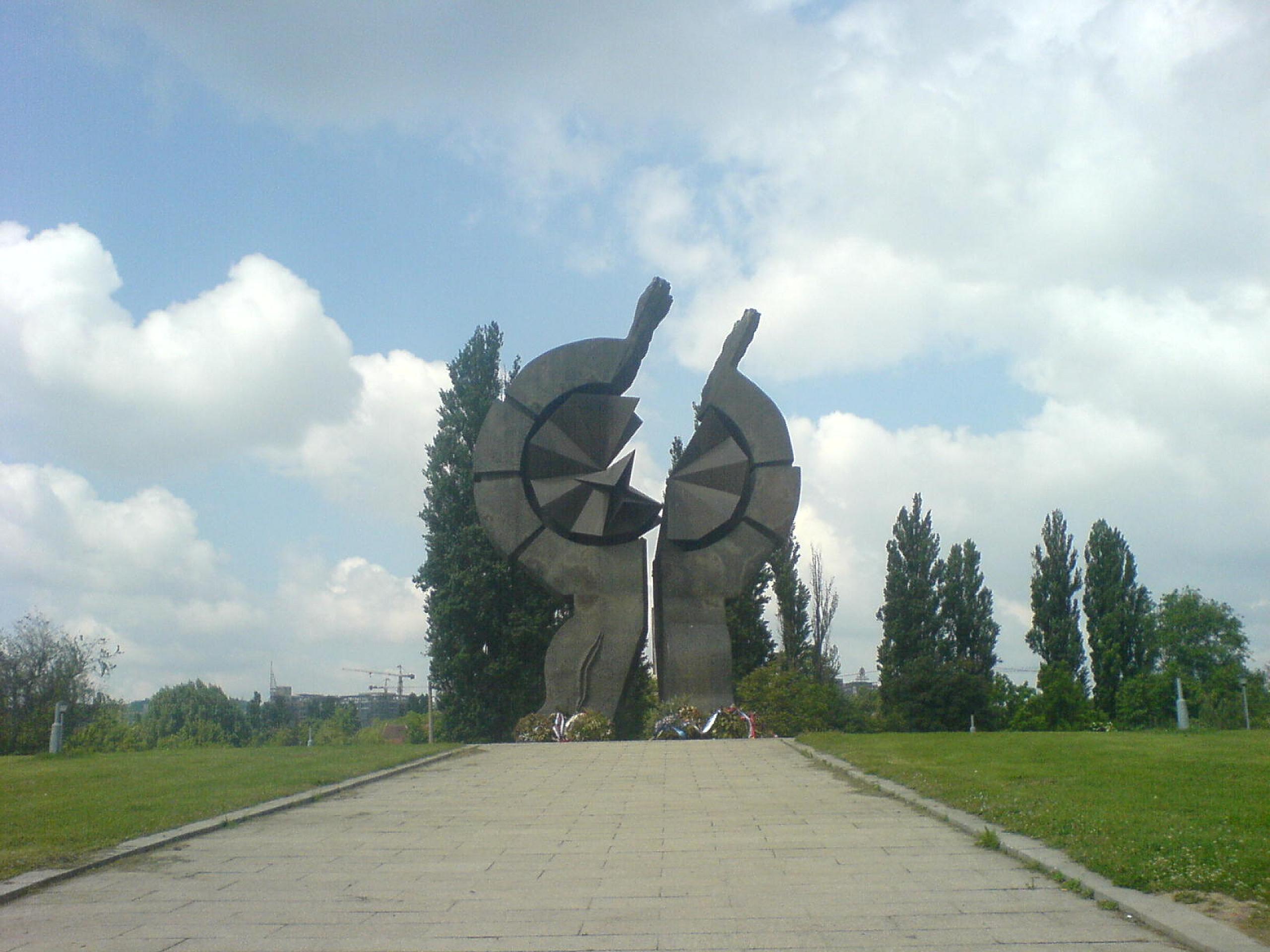
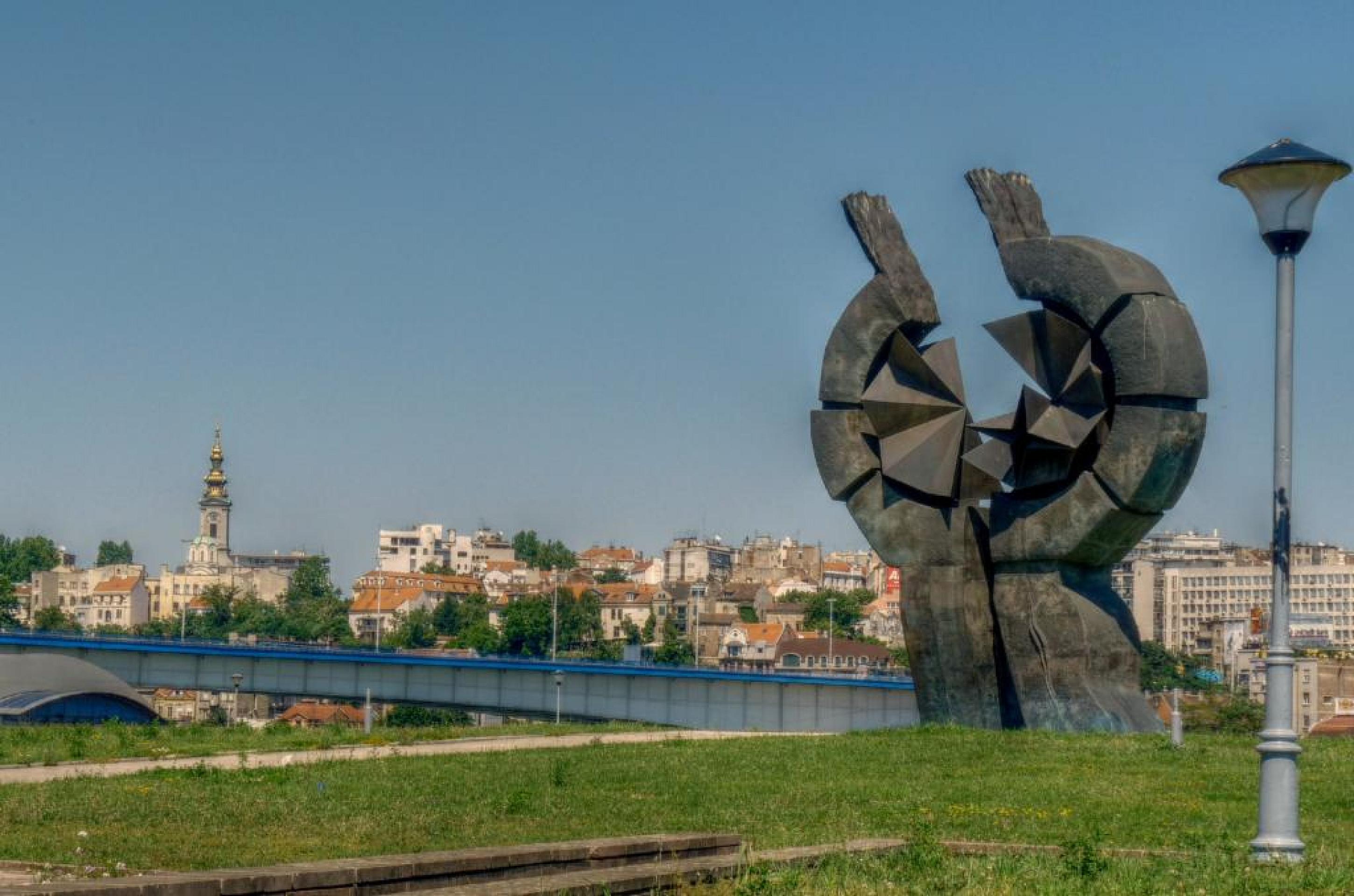
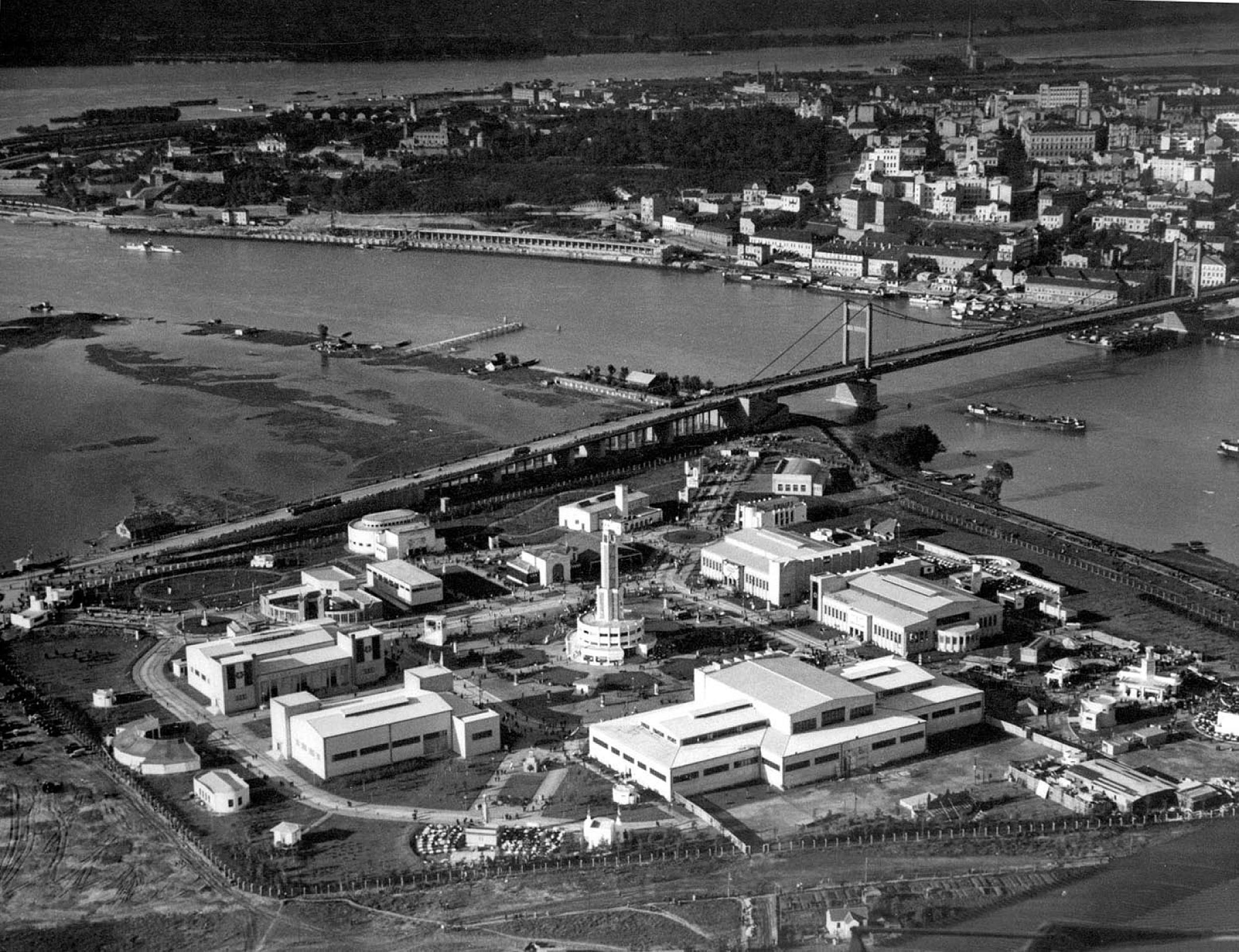
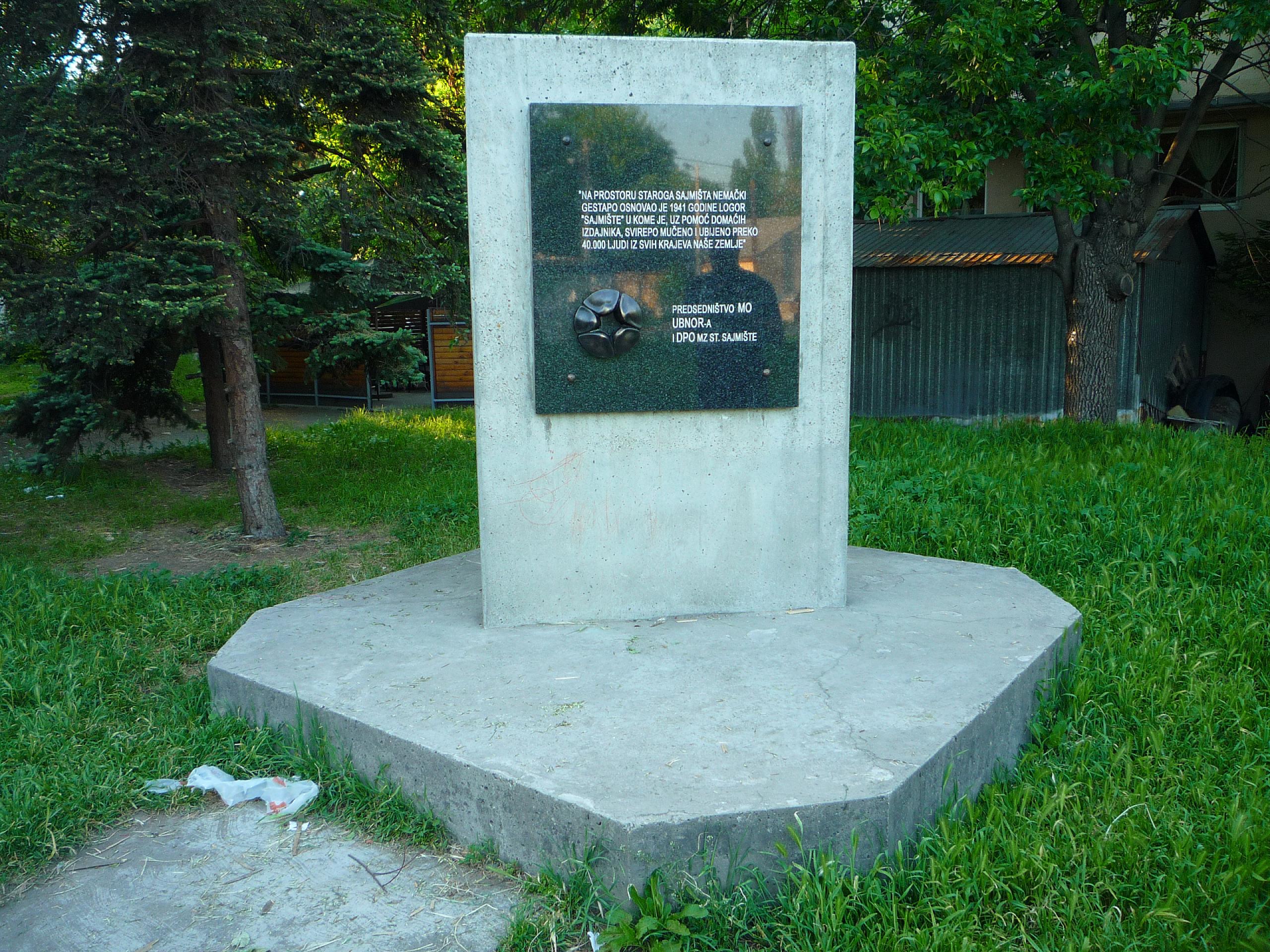
A memorial in Novi Beograd, a municipality of Belgrade on the left bank of the river Sava, honours the approximately 8,000 Jewish women and children who were held at the Sajmište concentration camp (German: »Judenlager Semlin«) in 1941/42 and murdered in gas vans in the spring of 1942. The camp was established on trade fair grounds located near the municipality of Zemun (German: Semlin), hence the name. Novi Beograd was founded only after the war.
History
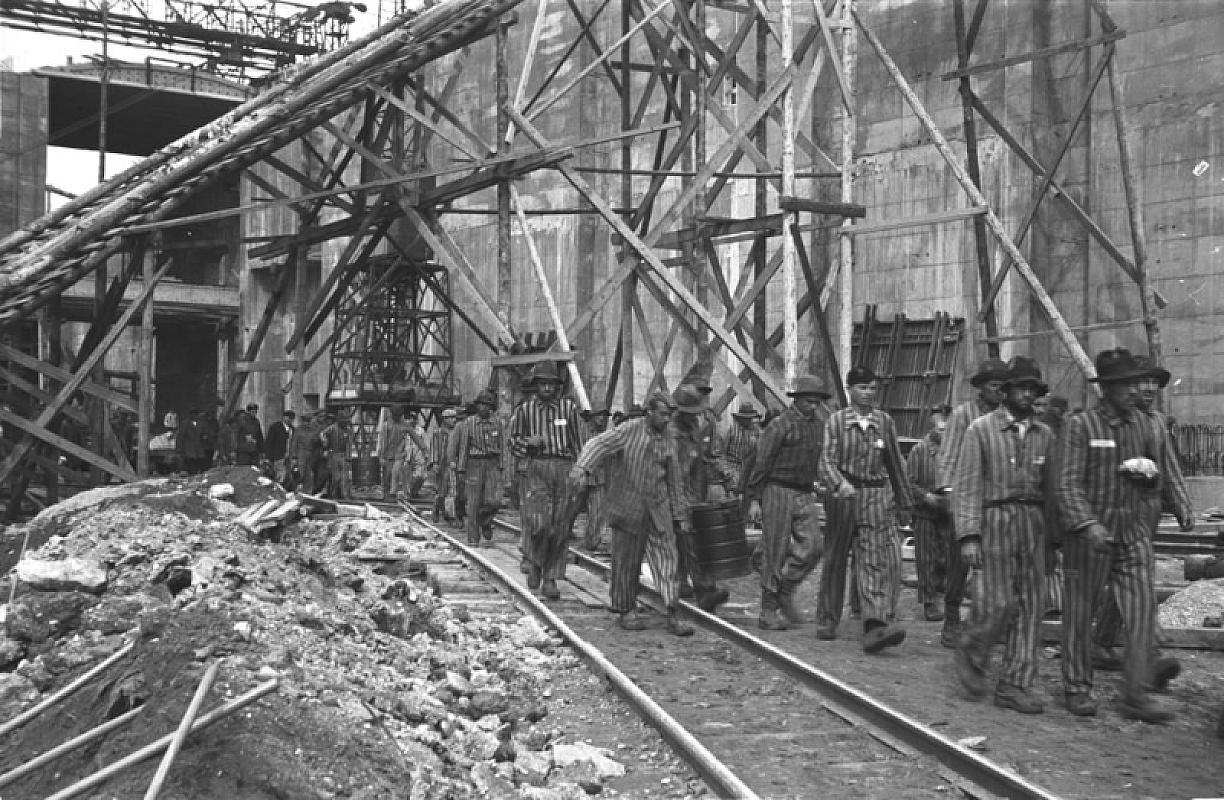
In 1931, about 7,900 Jews lived in Belgrade. In April 1941, the German Wehrmacht and its allies conquered Yugoslavia. The country was divided among the invaders, and German units occupied the Serbian heartland. Immediately, they began taking measures against the Jewish population: Jews were registered, expropriated and drafted for forced labour. In the summer of 1941, Serbian partisans revolted against the Germans, who in turn carried out »retributive measures« directed primarily against Serbian Jews. They shot 100 Jews for every killed Wehrmacht soldier; 50 for every wounded soldier. By the end of October 1941, the Wehrmacht had shot almost all Jewish men in Serbia. The remaining Jewish men, women and children were incarcerated in a camp, which the SS and the Wehrmacht established near Belgrade on trade fair grounds (Serbian: Sajmište) in December 1941. On December 8, 1941, the first prisoners arrived at the »Judenlager Semlin«, which was formally part of the Independent State of Croatia. Jewish women and children, but also Sinti and Roma were forced to live on the fair grounds in unheated buildings which had been severely damaged in air raids.
The Reich Main Security Office refused to deport the Jews from Sajmište, so the Belgrade SS, under the command of Harald Turner, ordered a gas van in February 1942. Every day except Sundays, the gas van drove through Belgrade carrying Jewish women and children. After a stop, a pipe was brought on which directed the exhaust fumes into the interior of the truck, asphyxiating the people inside. After another twenty-minute drive, the van held at a firing range about ten kilometres outside of Belgrade. There, the victims were buried in previously prepared pits. Later, the Sajmište camp served as a so-called detention camp for prisoners from all over Yugoslavia, who were held there prior to being deported to other regions and deployed in forced labour.
Victims
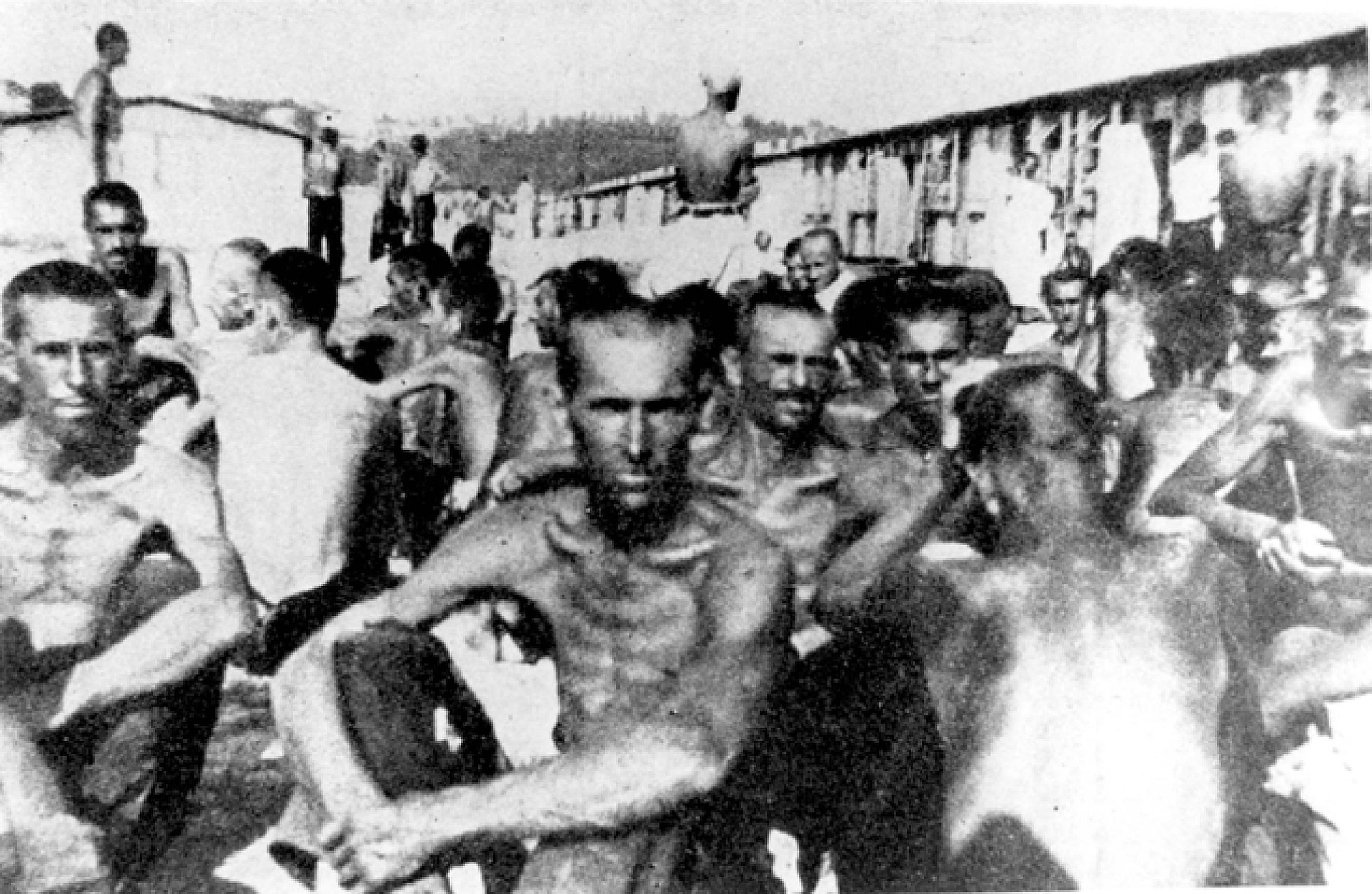
Wehrmacht execution commandos shot about 4,200 Jewish men in the course of »retributive actions« in Serbia. Nearly 6,800 people were held at the Sajmište concentration camp at one time, mostly Jewish women and children, but also about 600 Sinti and Roma as well as several Jewish men. The SS murdered about 7,500 Jews in Sajmište by asphyxiation in gas vans.
Between May 1942 and May 1944, up to 32,000 prisoners passed through the »detention camp« which was located on the premises. The prisoners - most of them men from all over Yugoslavia - were deported from Sajmište to forced labour details in other regions. At least 10,000 of them died due to the living conditions at the Sajmište camp.
Remembrance
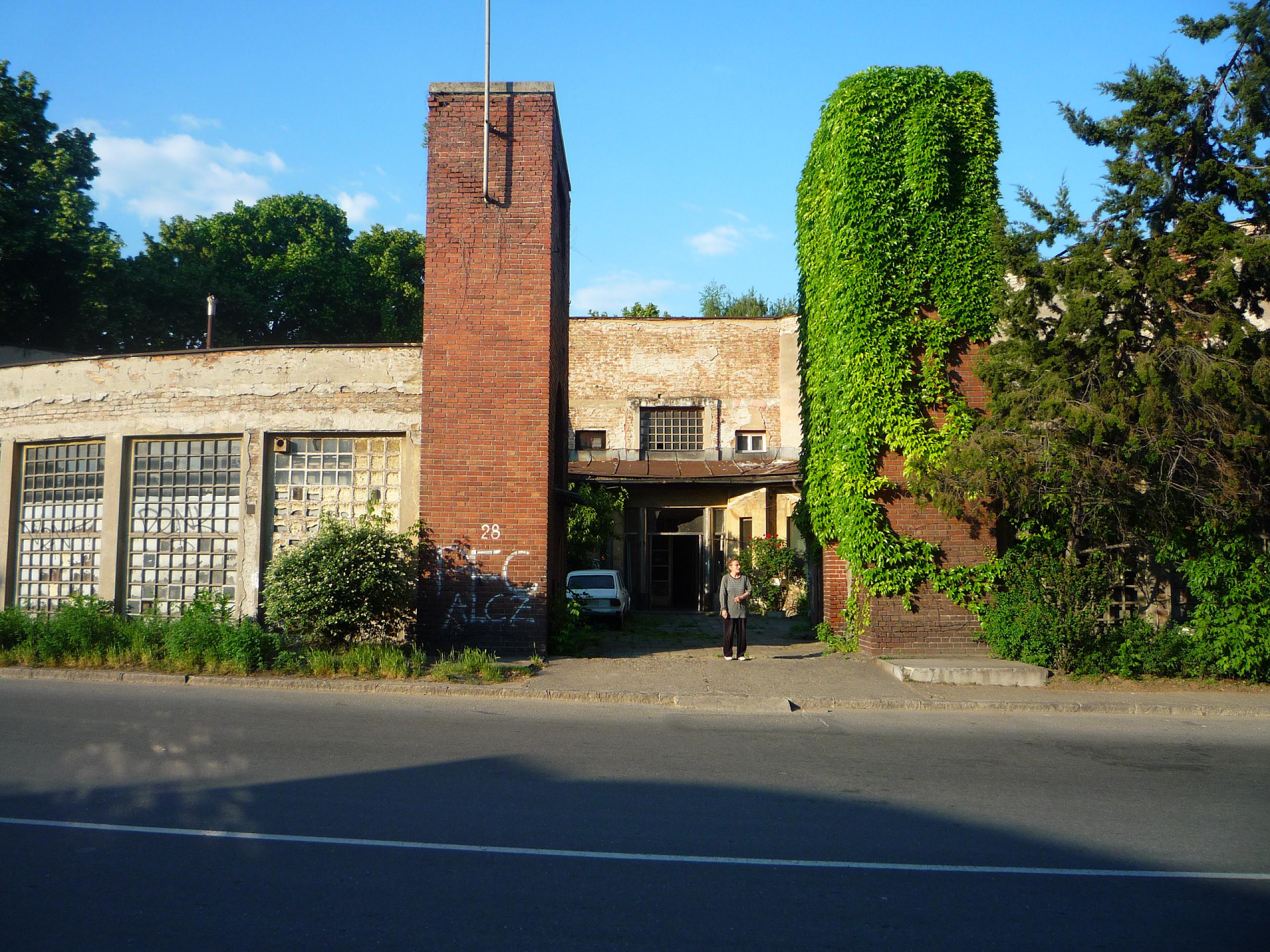
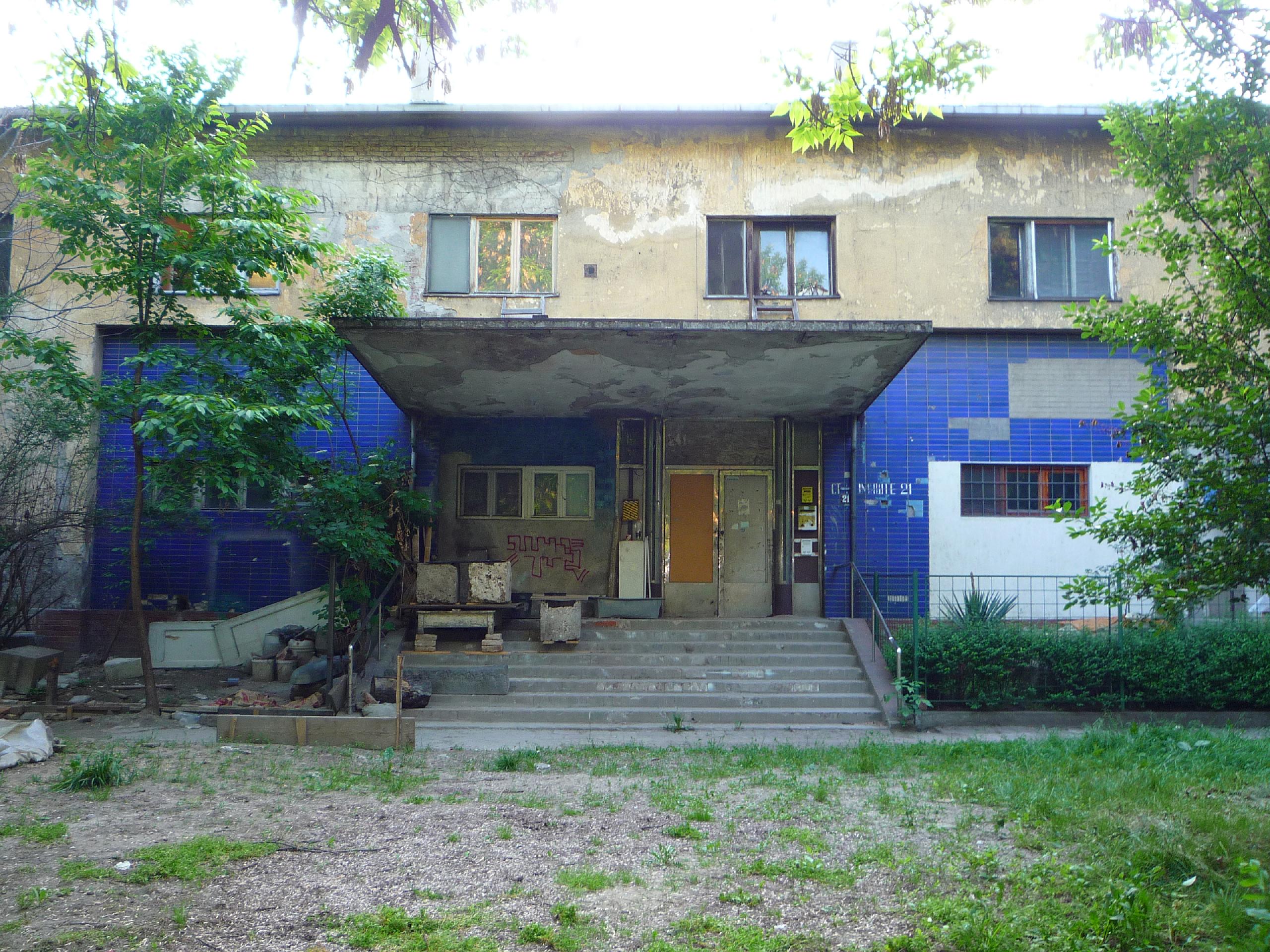
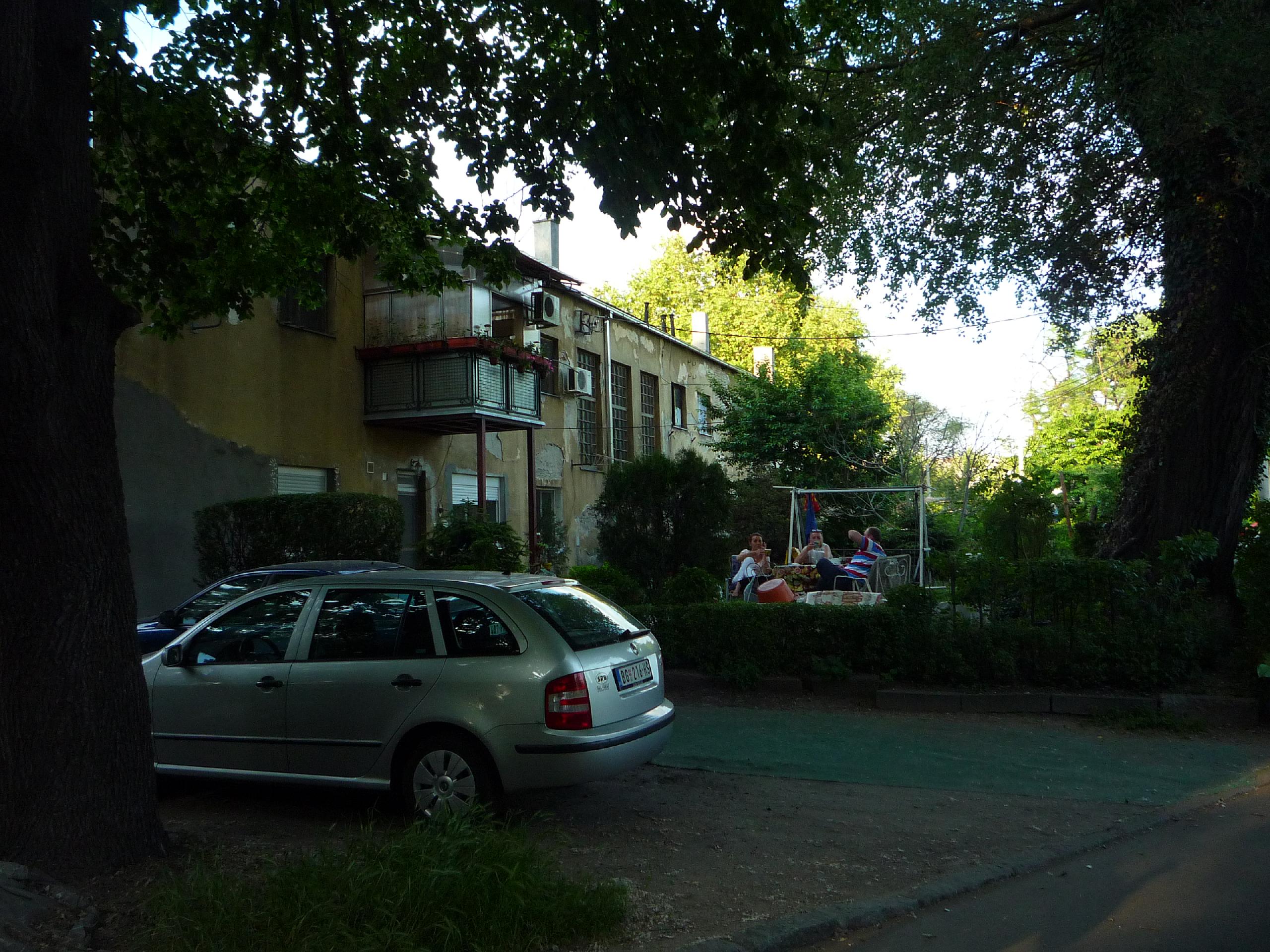
In May 1944, the prisoners of the Sajmište camp were transferred to other camps and the »detention camp« was dissolved. Three years after the end of the war, labour details deployed in the construction of Novi Beograd, a new district of Belgrade, were accommodated in the empty buildings on the former camp premises. From 1952 on, artists moved to the area, having been allocated studios on-site by the Belgrade Academy of Arts. In the following years, the premises became increasingly run-down; in 2002, there were 2,250 people living there.
In 1974 and 1984, two memorial plaques were dedicated in Zemun, and in 1987, the premises were granted cultural heritage landmark status by the Yugoslav state. A further, 10-metre high memorial by the artist Miodrag Popović was erected on the bank of the river Save in 1995. It bears no inscription, and the other existing memorials also fail to mention Jews as the primary victims of the camp. Since 2007, the private television channel B92 has advocated the creation of a central Serbian Holocaust memorial site at Zemun as well as the establishment of a »Museum of Tolerance«.
Open
The memorial is accessible at all times.
Contact
http://www.starosajmiste.info/
starosajmiste.info@gmail.com