Memorial to the victims of the Shoah
Monument en mémoire de la Shoah
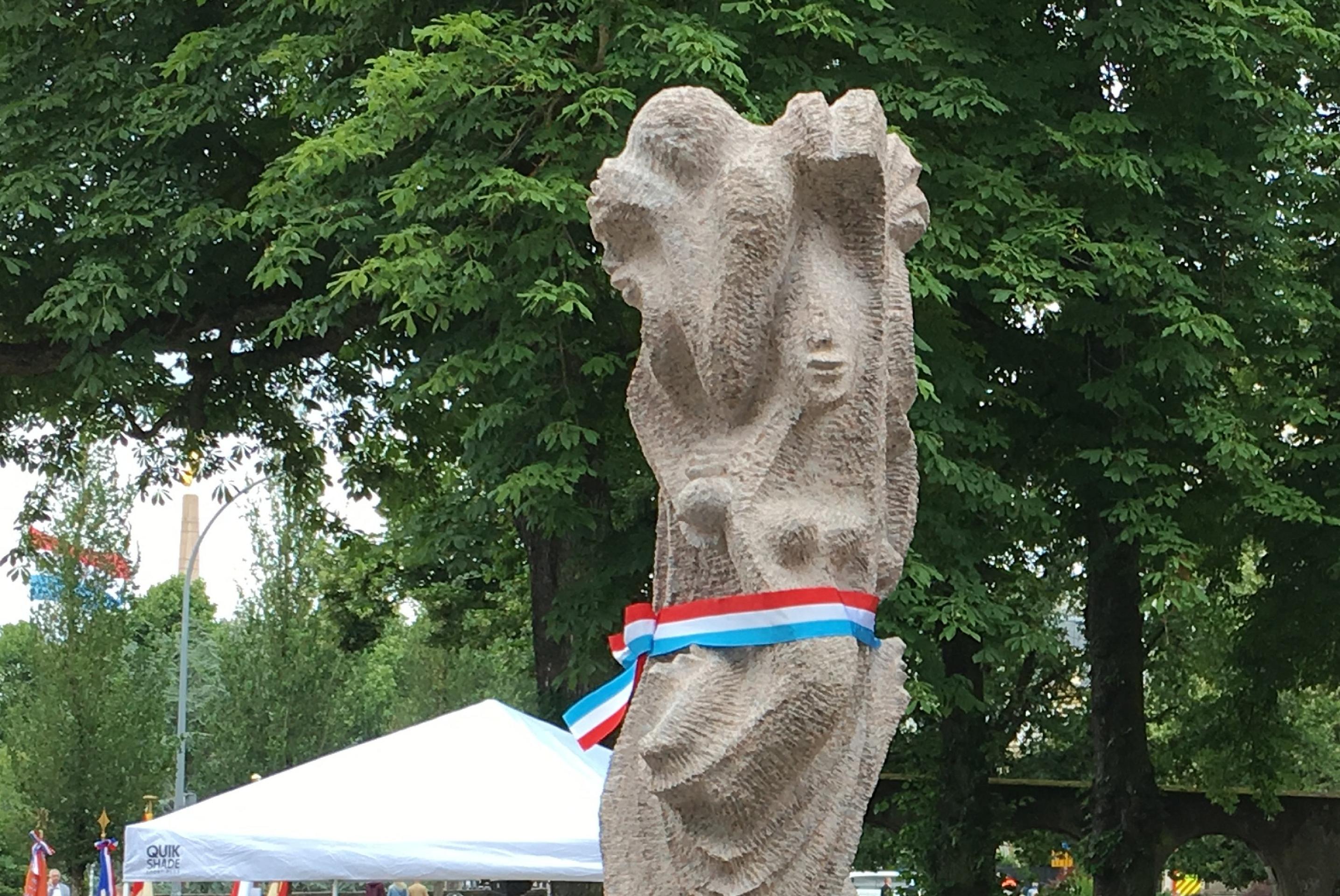
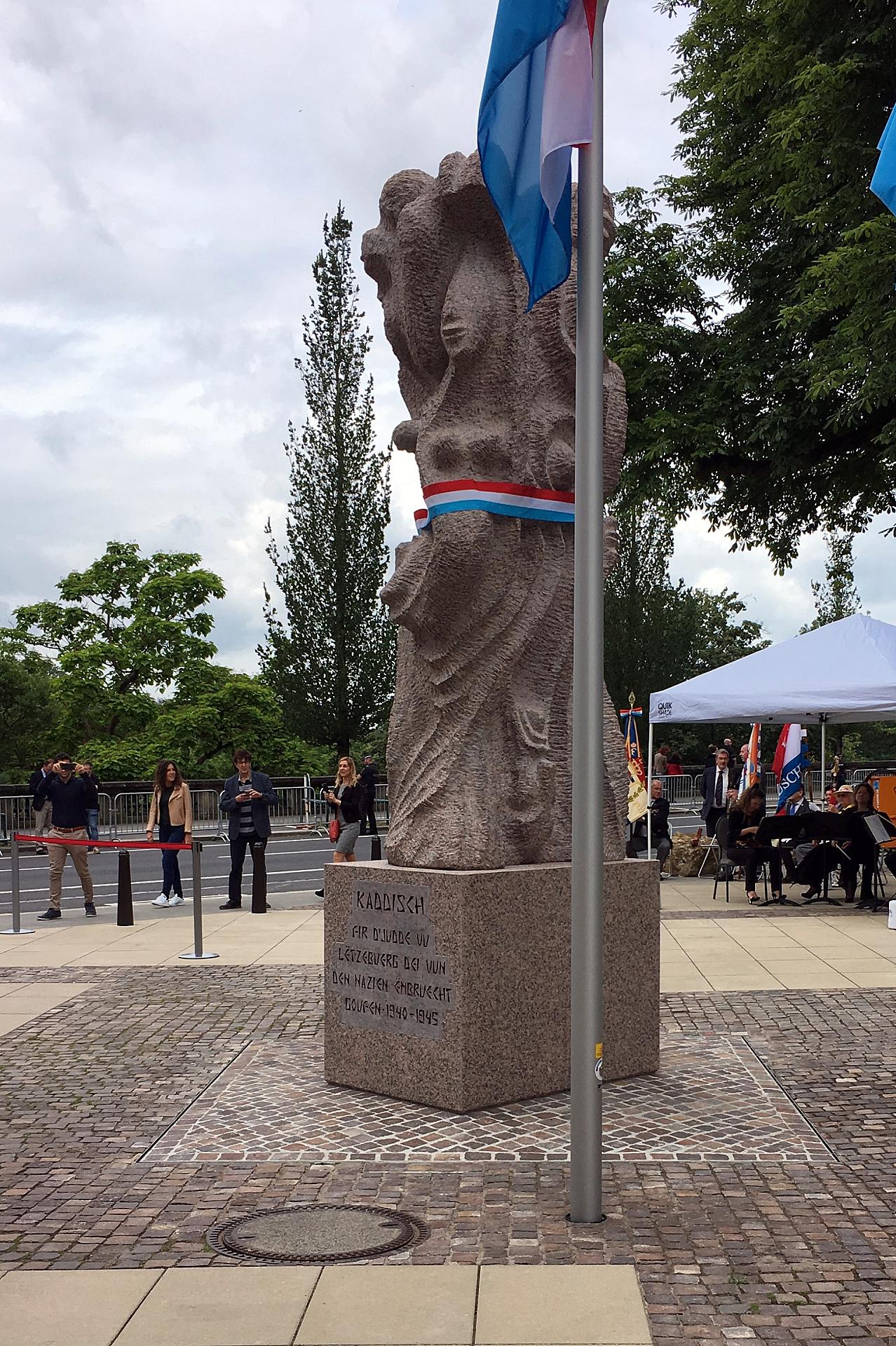
Since the summer of 2018, a monument in the centre of the city of Luxembourg commemorates the Jews deported from Luxembourg.
History
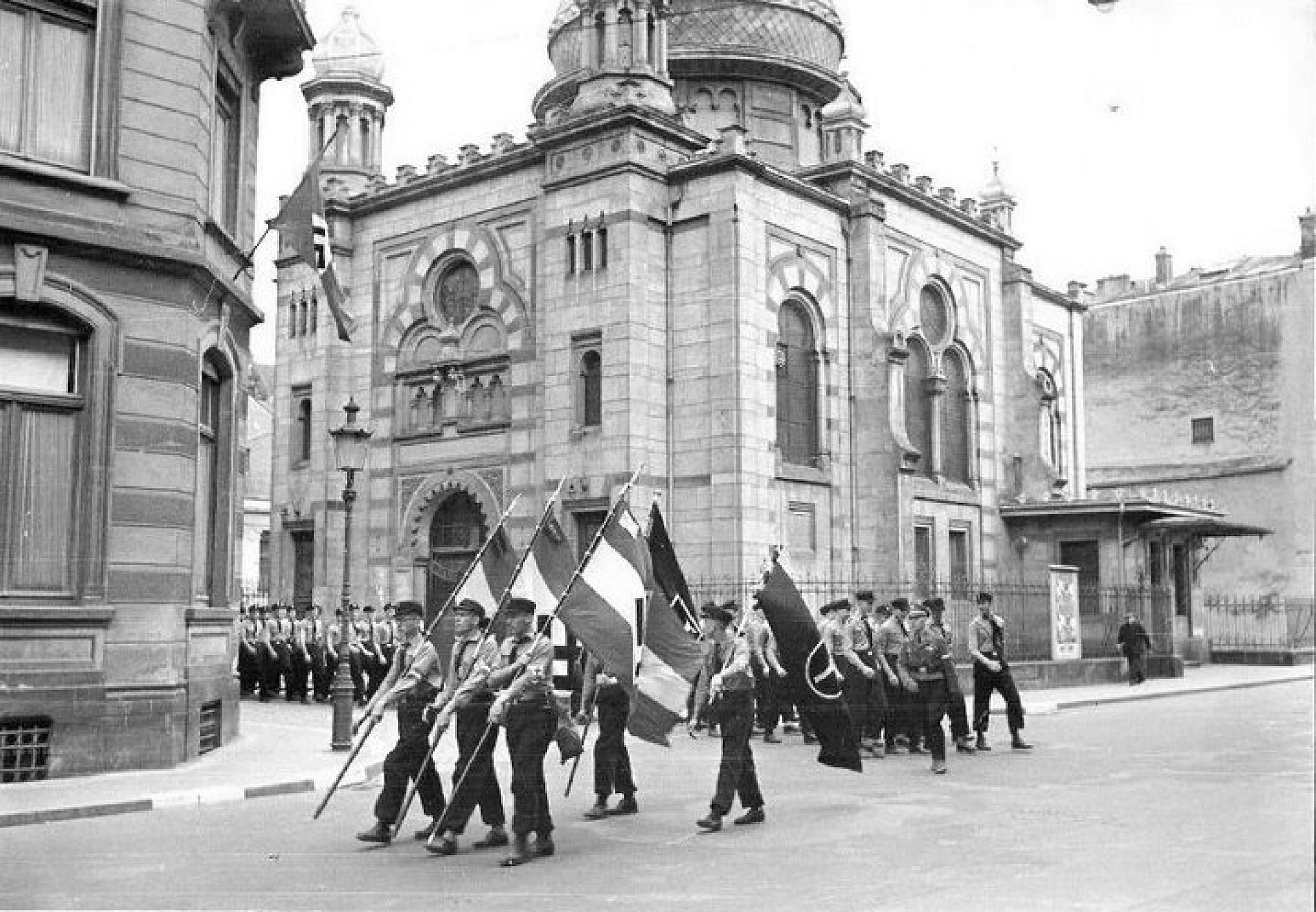
On May 10, 1940, the German Wehrmacht attacked neutral Luxembourg and occupied the country. Adolf Hitler appointed the Gauleiter of Koblenz-Trier, Gustav Simon, as head of administration in Luxembourg. The occupying forces soon began to persecute Jews. Many Jews had fled the German Reich only a few years earlier. Hundreds of Jews tried to flee to France, many later fell into German hands again. The Jews in Luxembourg were disenfranchised, expropriated and forced to conduct slave labour, and the synagogues were taken away from their congregations.
The first deportation train with Jews left Luxembourg in October 1941 for the Łódź ghetto. This was the first deportation of Jews from an occupied country in Western Europe. Up to June 17, 1943 another six transports followed. They were attached to larger transports in the German Reich. The destinations of the transports were the Izbica transit ghetto, the Auschwitz-Birkenau extermination camp and the Theresienstadt ghetto.
Victims
The National Socialists deported 658 (676 according to other information) Jews from Luxembourg to ghettos and camps in the occupied East. Only 36 of them survived. Before the war, 3,600 Jews lived in Luxembourg, of whom about 1,500 survived on the run, in hiding or in camps.
Remembrance
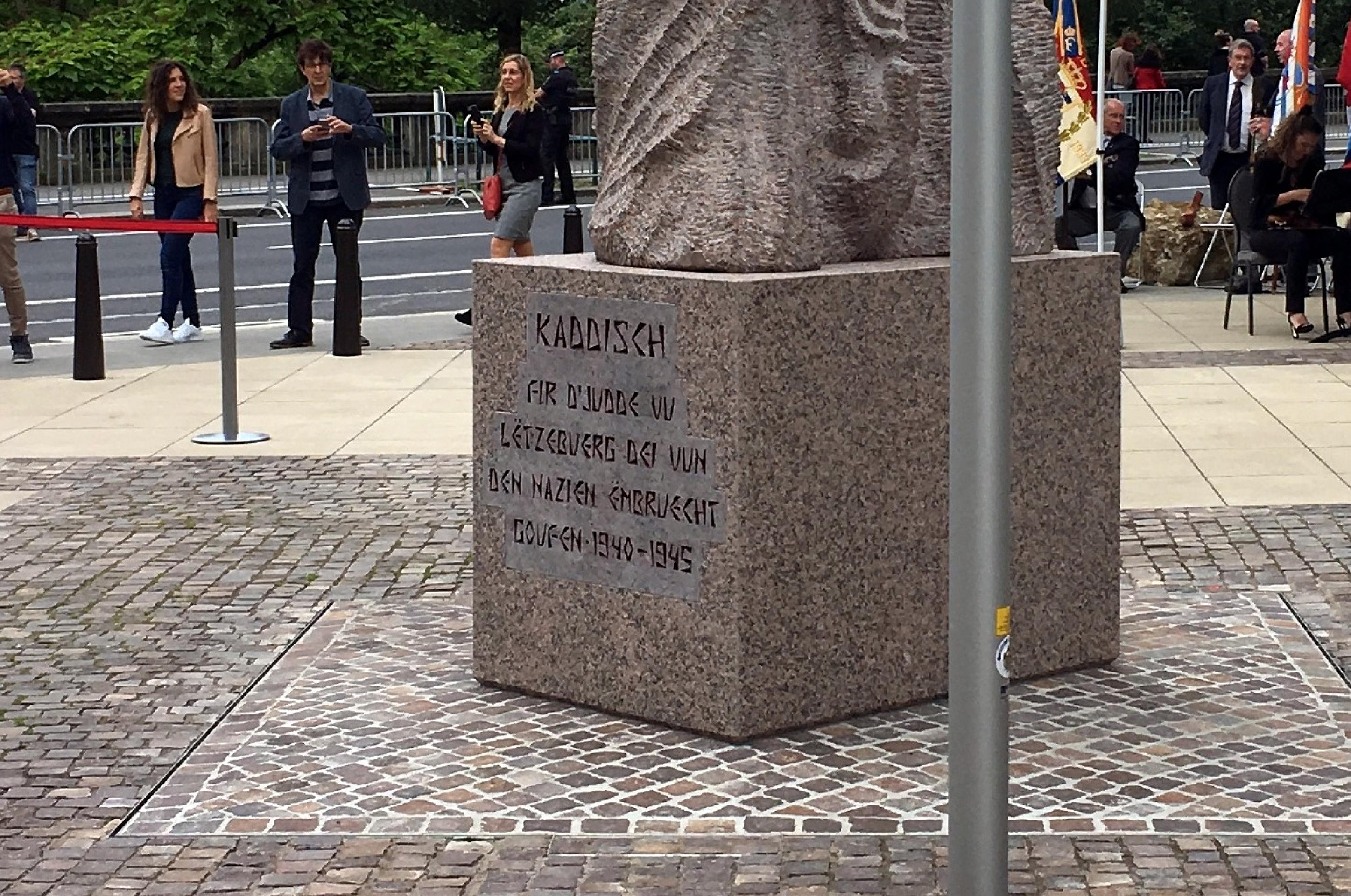
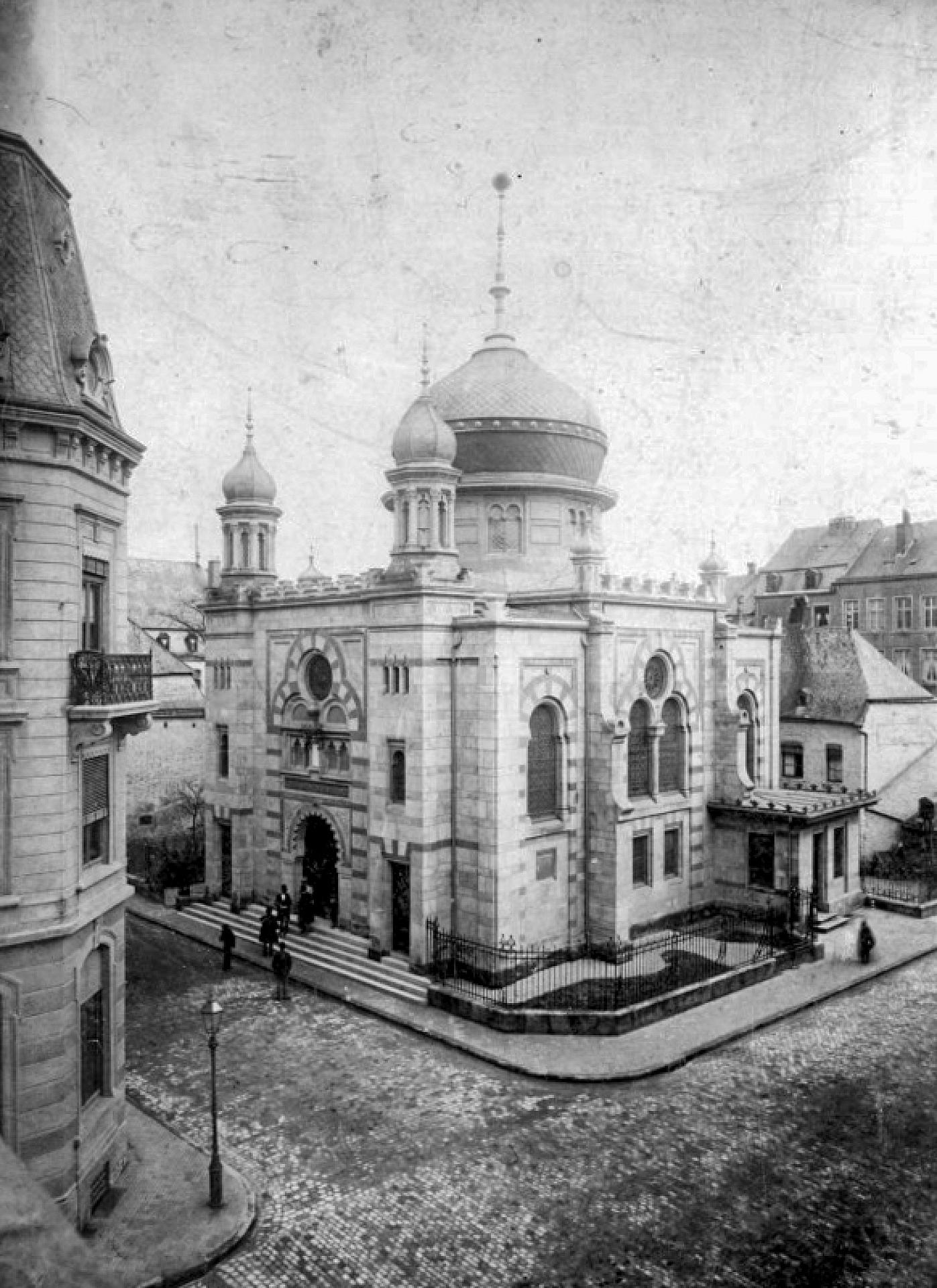
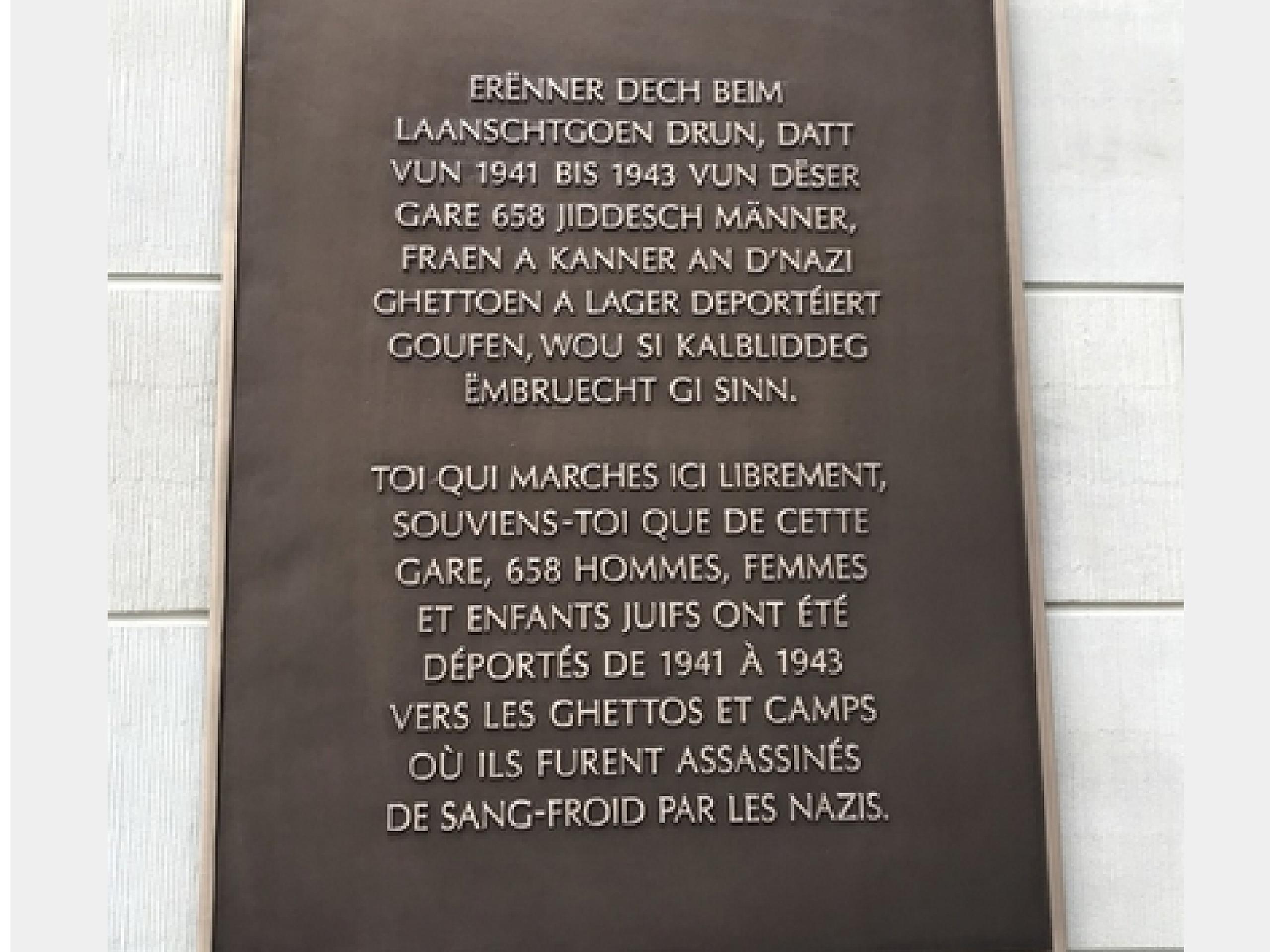
On June 17, 2018, exactly 75 years to the day after the last deportation train from Luxembourg left for Auschwitz and Theresienstadt, a Holocaust memorial was inaugurated in the centre of Luxembourg. Nearby was the Old Synagogue, destroyed during the German occupation in 1943. Henri, Grand Duke of Luxembourg and Prime Minister Xavier Bettel took part in the unveiling. The cost of the monument was shared by the City and the State of Luxembourg. The sculpture was designed by the French-Israeli sculptor Shlomo Selinger (*1928), who had also designed the memorial of the Shoah memorial complex Drancy near Paris in 1976. On the pedestal of the monument it reads in French and Luxembourgish: »Kaddish for the Jews of Luxembourg murdered by the Nazis in 1940-1945«. On the same day, a commemorative plaque was unveiled at the Luxembourg station in memory of the 658 Jewish children, women and men who had been deported from that station between 1941 and 1943.
Open
The memorial is accessible at all times.
Contact
http://www.ons-jongen-a-meedercher.lu