Since 2013 the Memoriale della Shoah at Milan's main station commemorates the Jews deported from here between 1943 and 1945.
History
The commercial and industrial centre Milan is the second largest city in Italy after Rome. Jews already lived in Milan at the time of the Roman Empire but they were expelled again and again in medieval times. Since about the middle of the 19th century, a bourgeois Jewish community developed which continued to grow. In the Kingdom of Italy, founded in 1861, Jews enjoyed full civil rights. Around 1910 there were already about 4,500 Jews living in Milan, in the 1930s their numbers rose to 10,000. From 1939 to 1941 several thousand Milanese Jews emigrated.
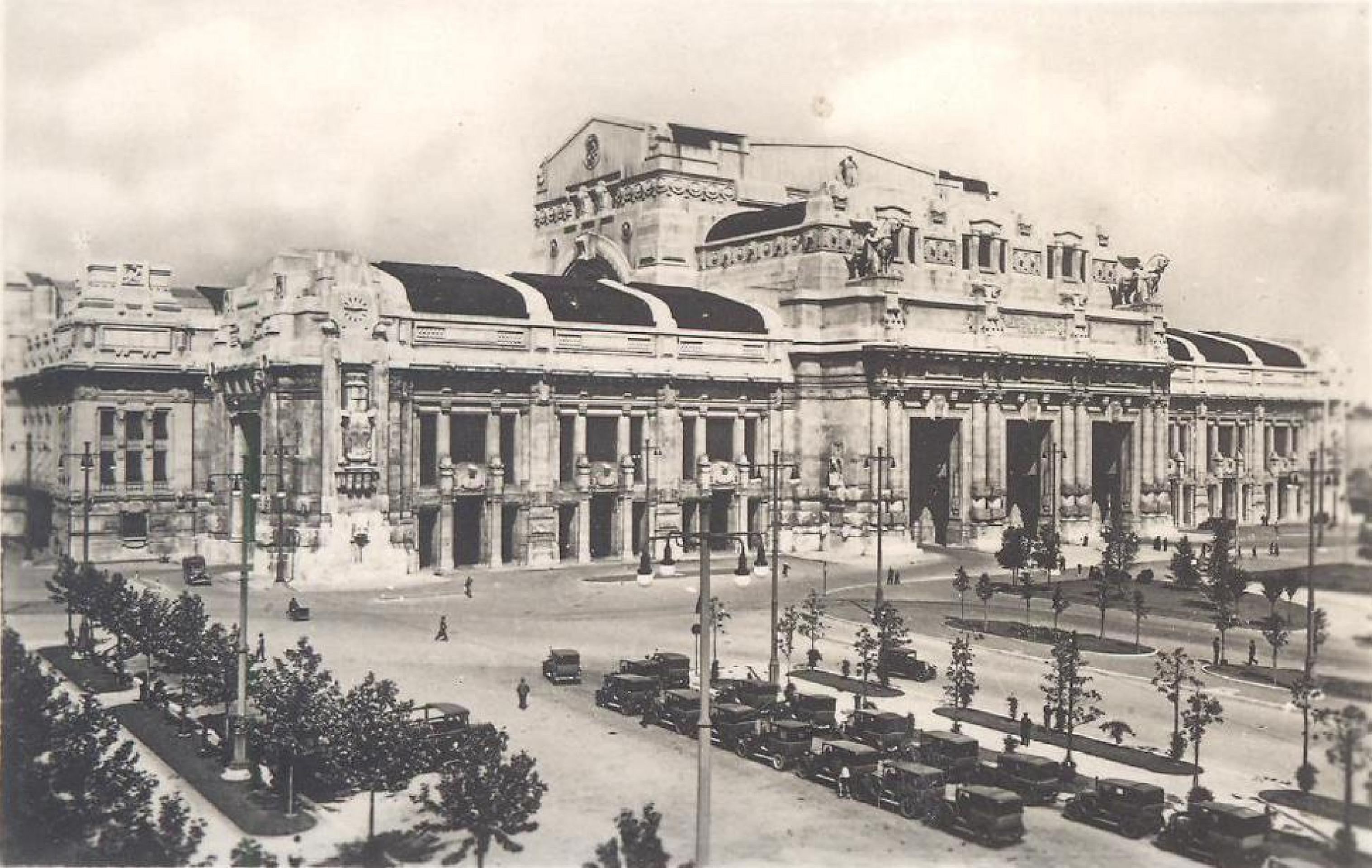
After Italy's capitulation Milan was occupied by German troops on September 10, 1943. At that time there were still about 4,500 Jews living in the city. About 1,500 of them managed to flee to Switzerland. Coordinated by the Reich Main Security Office (RSHA), persecution of the Jews in the occupied Italian territory began immediately after the German invasion. In Milan's San Vittore prison, the occupying forces set up a collection camp for Jews. Between September 6, 1943 and January 15, 1945 a total of 15 deportation trains left Milan from the main station. The first two transports with a total of almost 900 Jewish children, women and men, went directly to the Auschwitz-Birkenau extermination camp, another transport to the Bergen-Belsen concentration camp. The remaining 12 transports were bound for the two police transit camps in Bolzano and Fossoli, from where most Jews were deported after a few days to Auschwitz together with other prisoners.
Victims
Between September 1943 and January 1945, the German occupation authorities deported several thousand Jews from Milan Central Station. The exact number of deportees is unclear.
Remembrance
For a long time Italy – and Milan too – struggled with coming to terms with the memory of the deported and murdered Jews. The participation of Italians in the discrimination and subsequent deportation of Italian Jews was not discussed for a long time, they were regarded as purely German crimes. Only since the 1990s there have been public debates about a shared responsibility of Italians' for the Holocaust.
For decades the Jewish community of Milan fought for a place of remembrance for the Jews deported from Milan but there was hardly any movement until a Catholic group began demanding the realization of the plans. In 2007, the then President of the Republic and former resistance fighter Giorgio Neapolitano declared himself in favour of such a memorial in Milan.
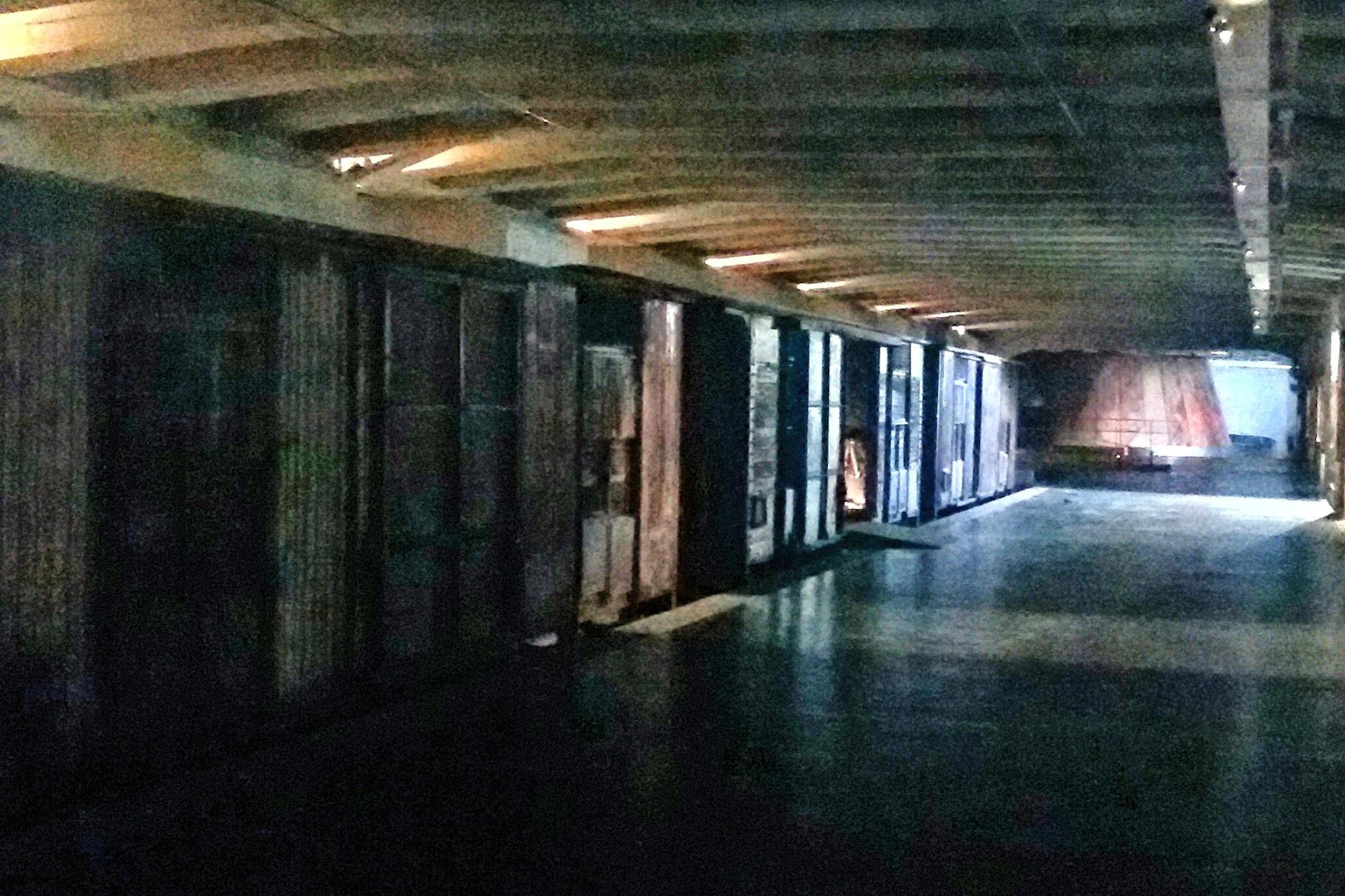
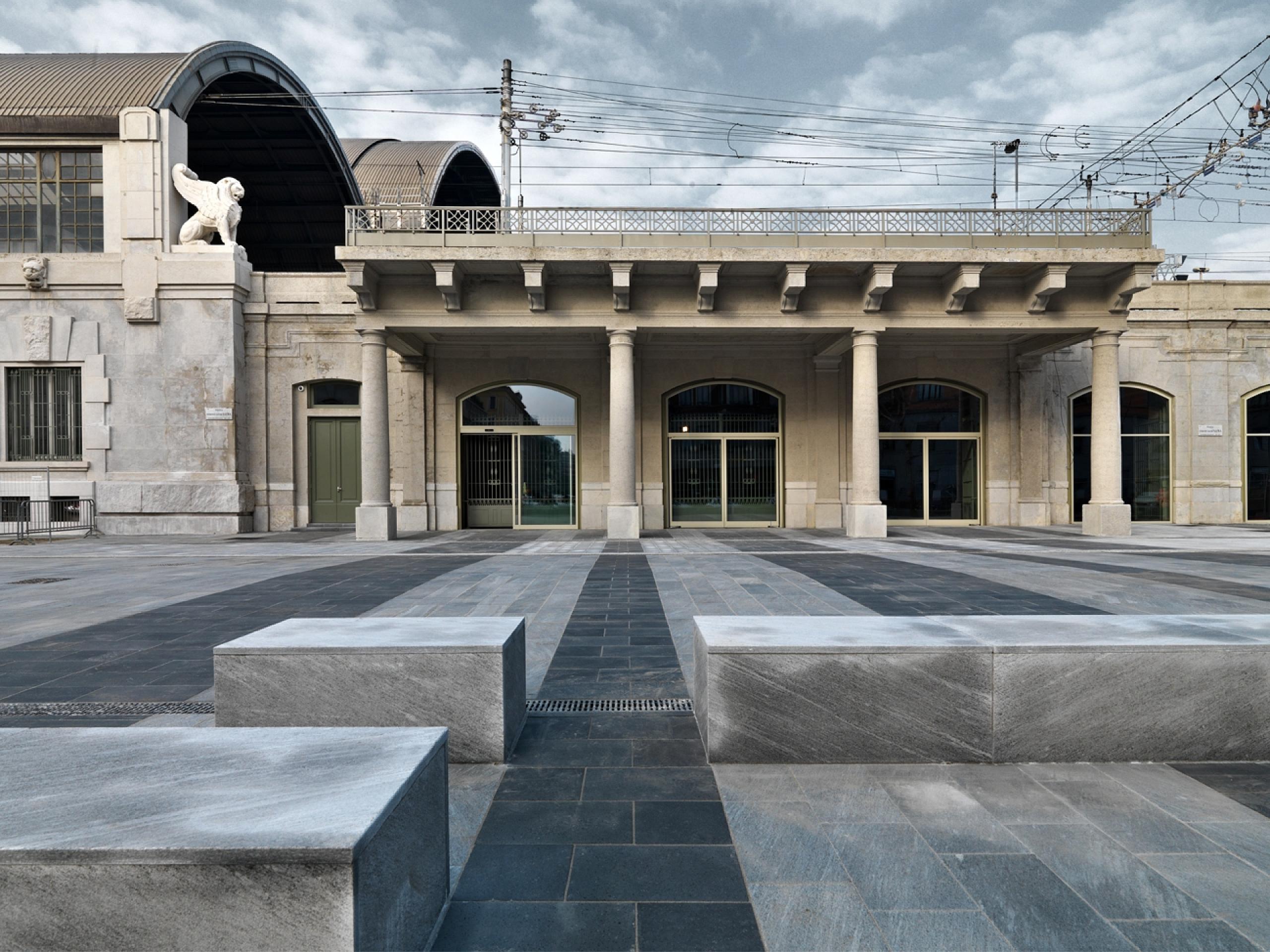
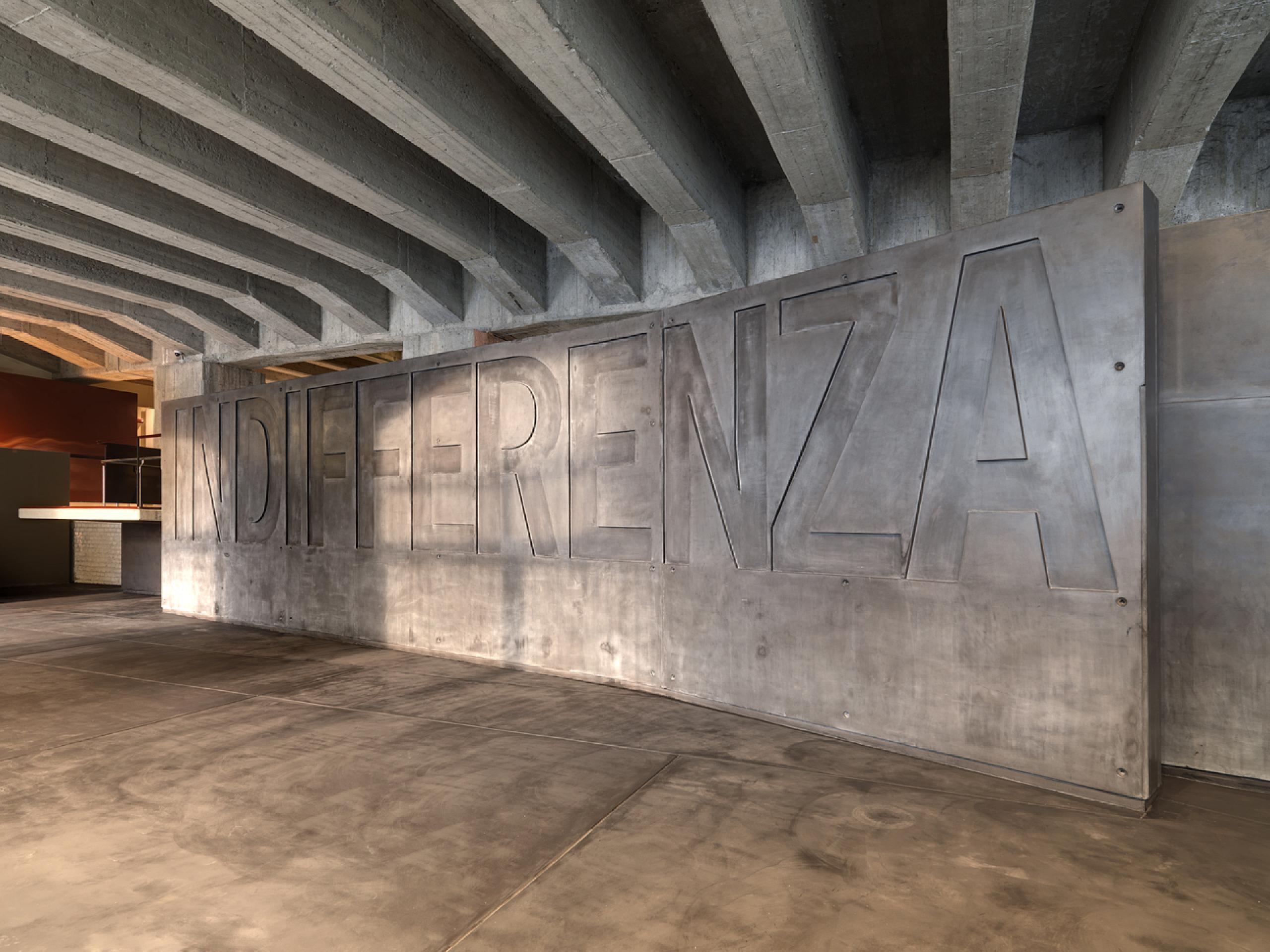
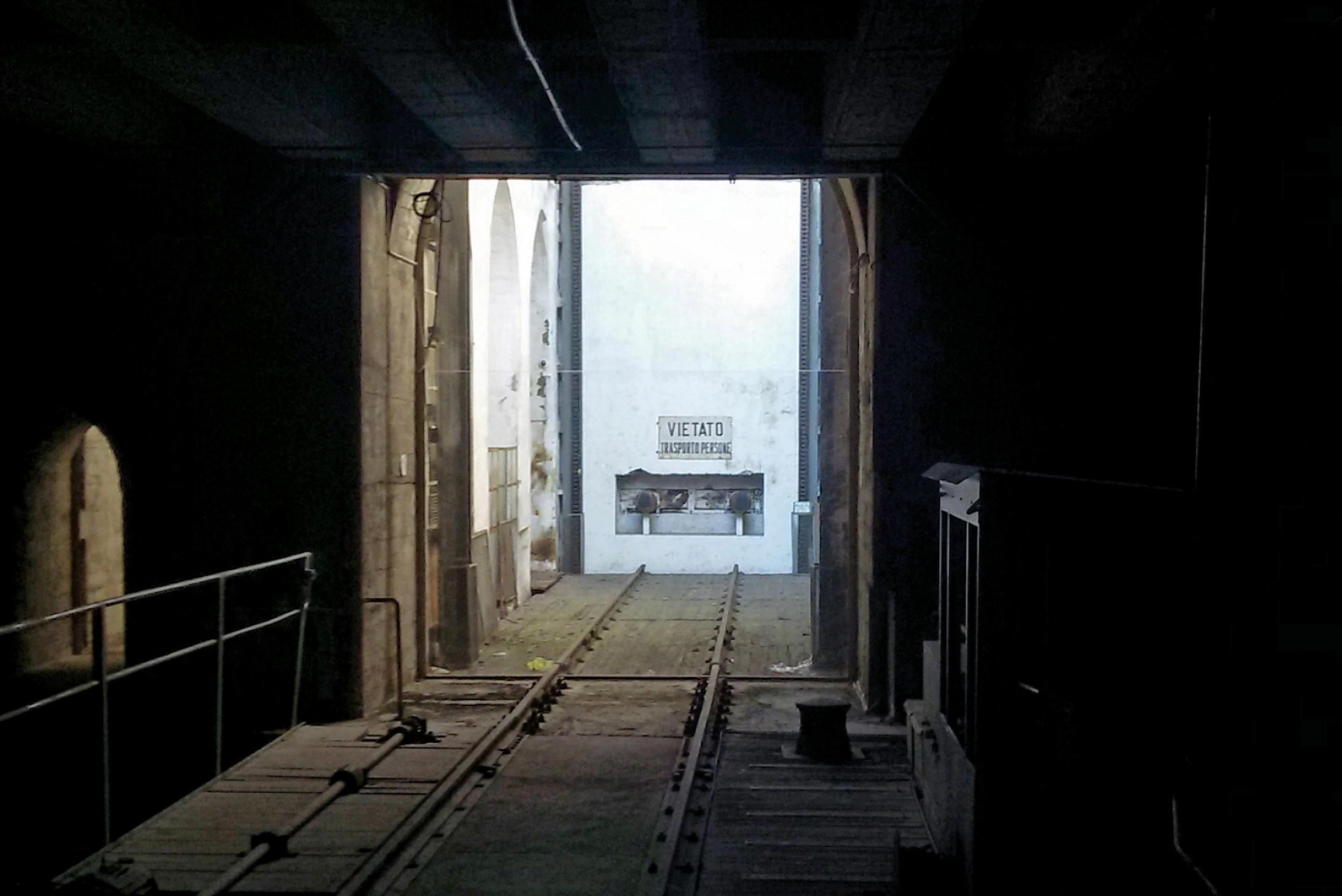
The memorial was erected on the so-called Platform 21 of the Milan railway station, famous for its monumental architecture. The track is located in a subterranean depot, which used to be used as a major distribution point for mail and is not visible from the outside. From this depot, the deportees, who had previously had to walk several kilometres from the San Vittore prison, were driven into the trains and transported to the German camps. The memorial, inaugurated in 2013, consists of several parts. There is a wall with names of deportees on it. On the track are freight cars of the same type used for the deportations. Another central element is a wall with the large Italian slogan »Indifferenza« (»indifference«), which is intended to remind of the lack of solidarity on the part of the Italian population during the Holocaust. The memorial also has a cinema theatre and a well-equipped library.
Possibilities
Permanent exhibition, library, educational programmes, cinema theatre
Open
Monday 9.30 a.m. to 7.30 p.m.
Tuesday to Thursday 9.30 a.m. to 2.30 p.m.
Contact
coordinamento.memoriale@memorialeshoah.it
+39 (0) 02 282 0975
1, Piazza Edmond J. Safra
20125 Milano