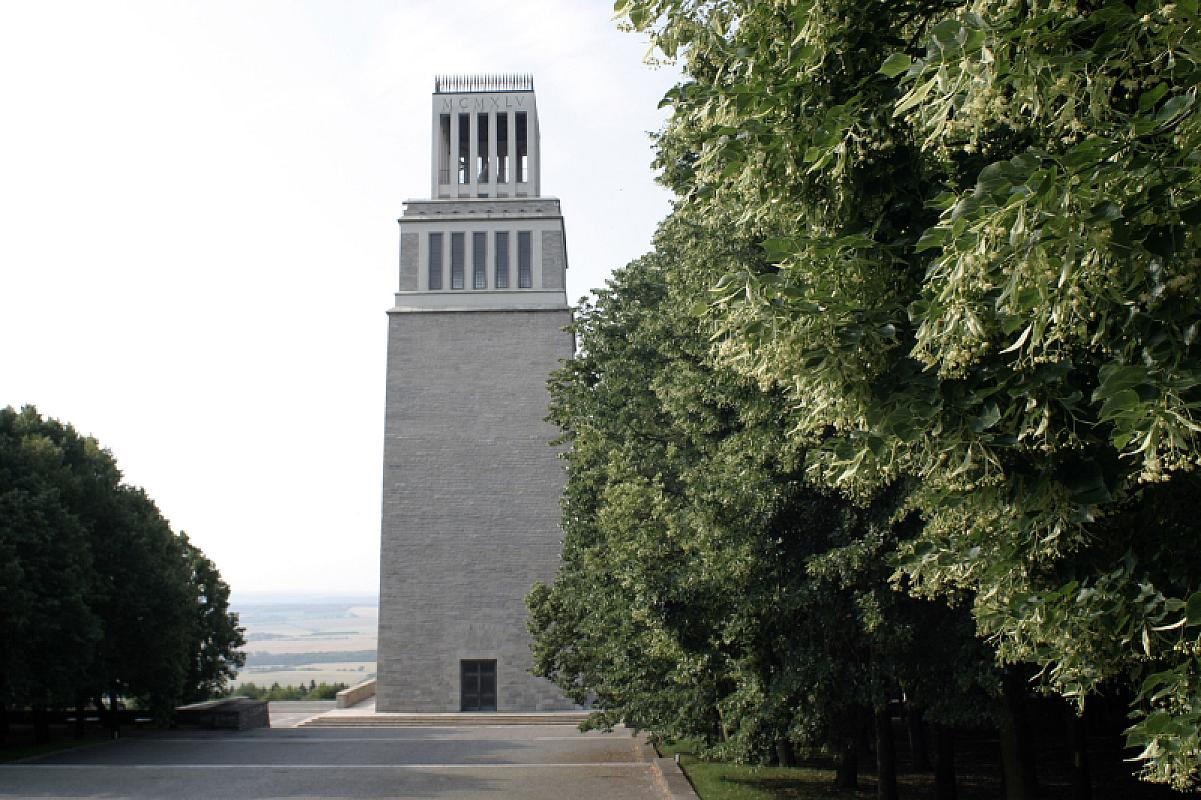
Memorials to the murdered Jews of Liubar
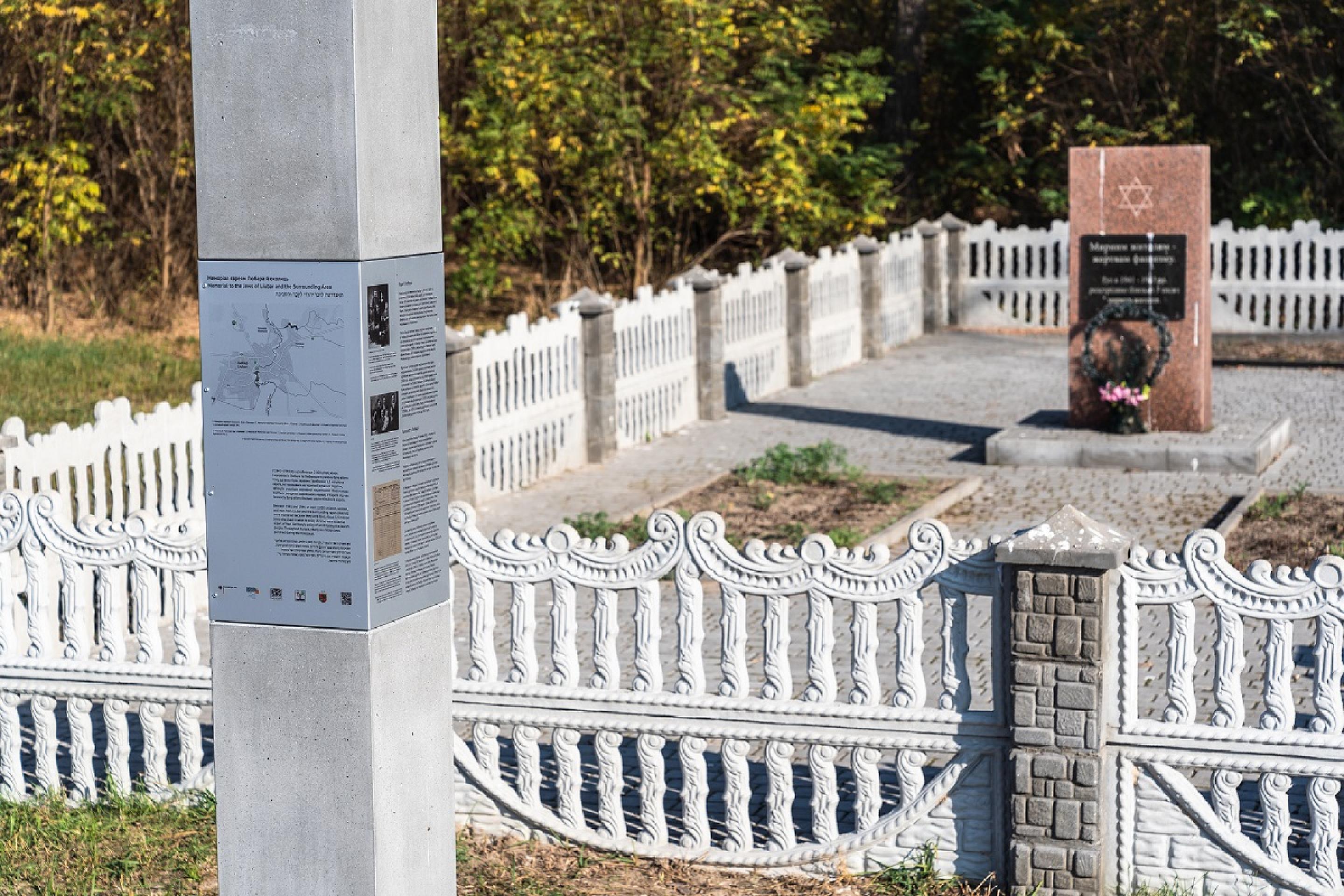
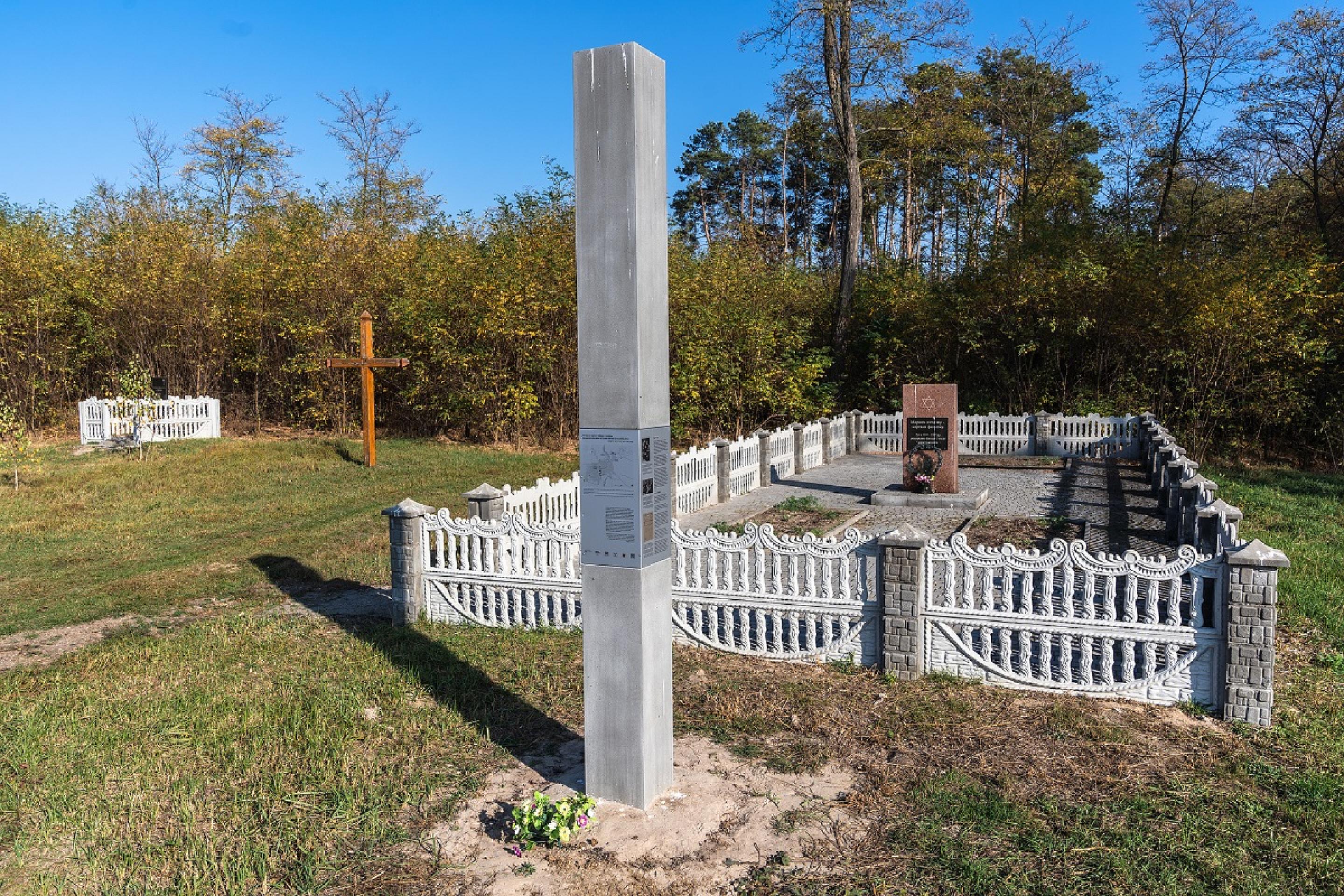
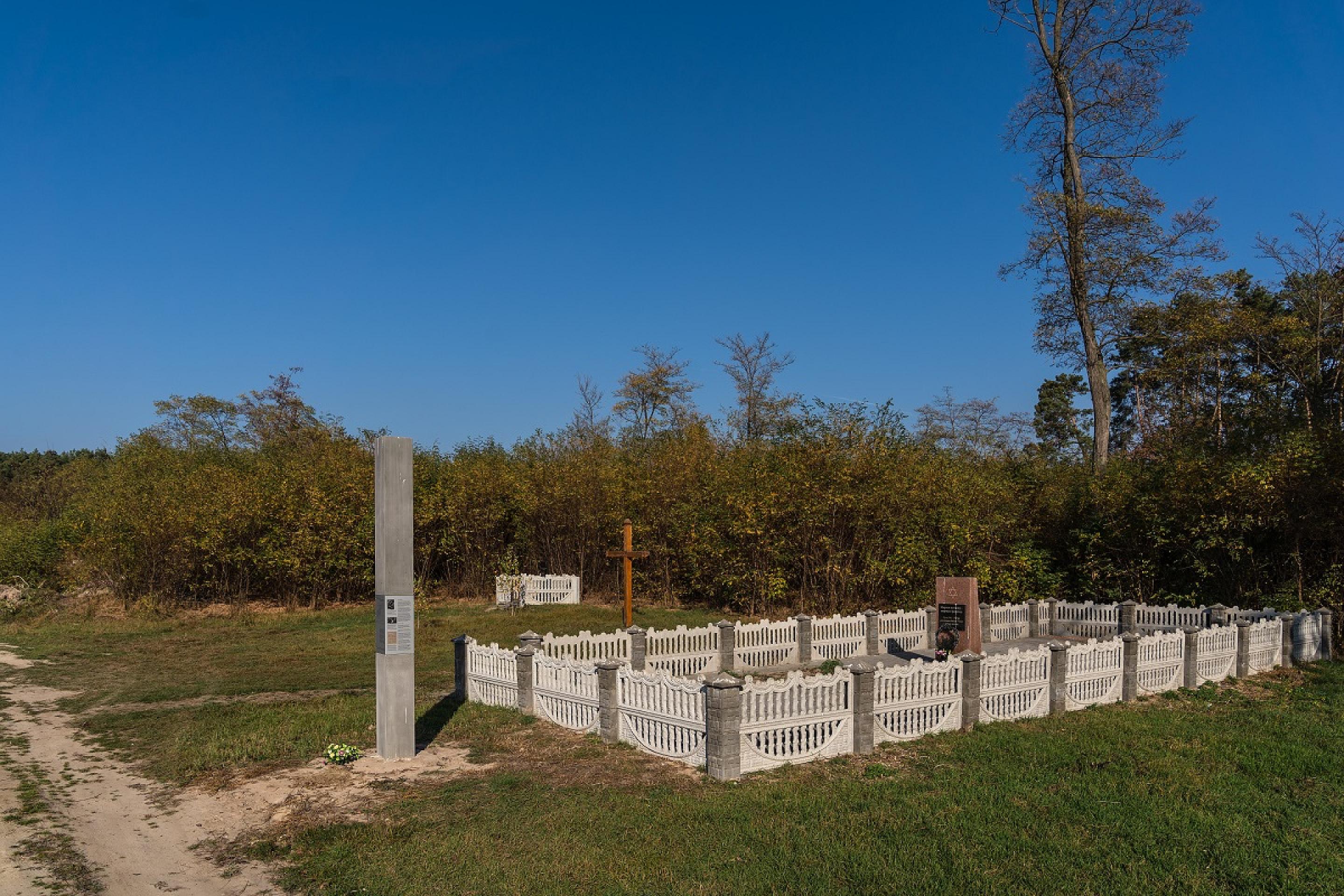
Меморіал жертвам Голокосту біля с. Громада
In 1941 German units murdered all of the approximately 1,700 Jews who had lived in the small Ukrainian town of Liubar. At the sites of the largest mass shootings, memorials and information steles remember the victims.
History
Liubar is a small town about 60 kilometers west of Berdychiv, and was founded in the 12th century. Jews lived here with interruptions since the 15th century. After 1793 Liubar was part of the Russian Empire. Around 1900 the almost 5,500 Jews of Liubar made up about 43 percent of the population. This number decreased steadily thereafter. In autumn 1920 the Red Army raged in Liubar for three weeks. Its soldiers killed 60 Jews and wounded another 300. Most of the Jews were completely penniless afterwards.
When the German Wehrmacht occupied Ljubar on July 9, 1941 there were about 1,700 Jews in Liubar, approximately 180 of them refugees from other cities. The Germans set up a Ukrainian militia and harassed the Jewish population from day one. A ghetto was set up in the city, to which all Jews had to move. Individual Jews were already shot during the first days of German occupation. On July 9, German police units shot a group of about 200 Jewish men near the village of Yurivka. At the end of August they shot another 200 men at the same place. On September 13, 1941 the ghetto was dissolved by force. All about 1,000 Jews were arrested and their property confiscated. They were then loaded onto trucks and taken to a sand quarry near the settlement of Hromada north of Liubar, where they were shot by German units. In the following days and weeks, German police and their local accomplices repeatedly arrested Jews who had previously gone into hiding. Many of them were severely maltreated. A total of about 250 of them were shot in the sand pit near Hromada on October 20. After that, there were officially no more Jews living in Liubar.
Victims
Already in the first months of the occupation German units murdered the entire Jewish population of Liubar, a total of 1,700 children, women and men.
Remembrance
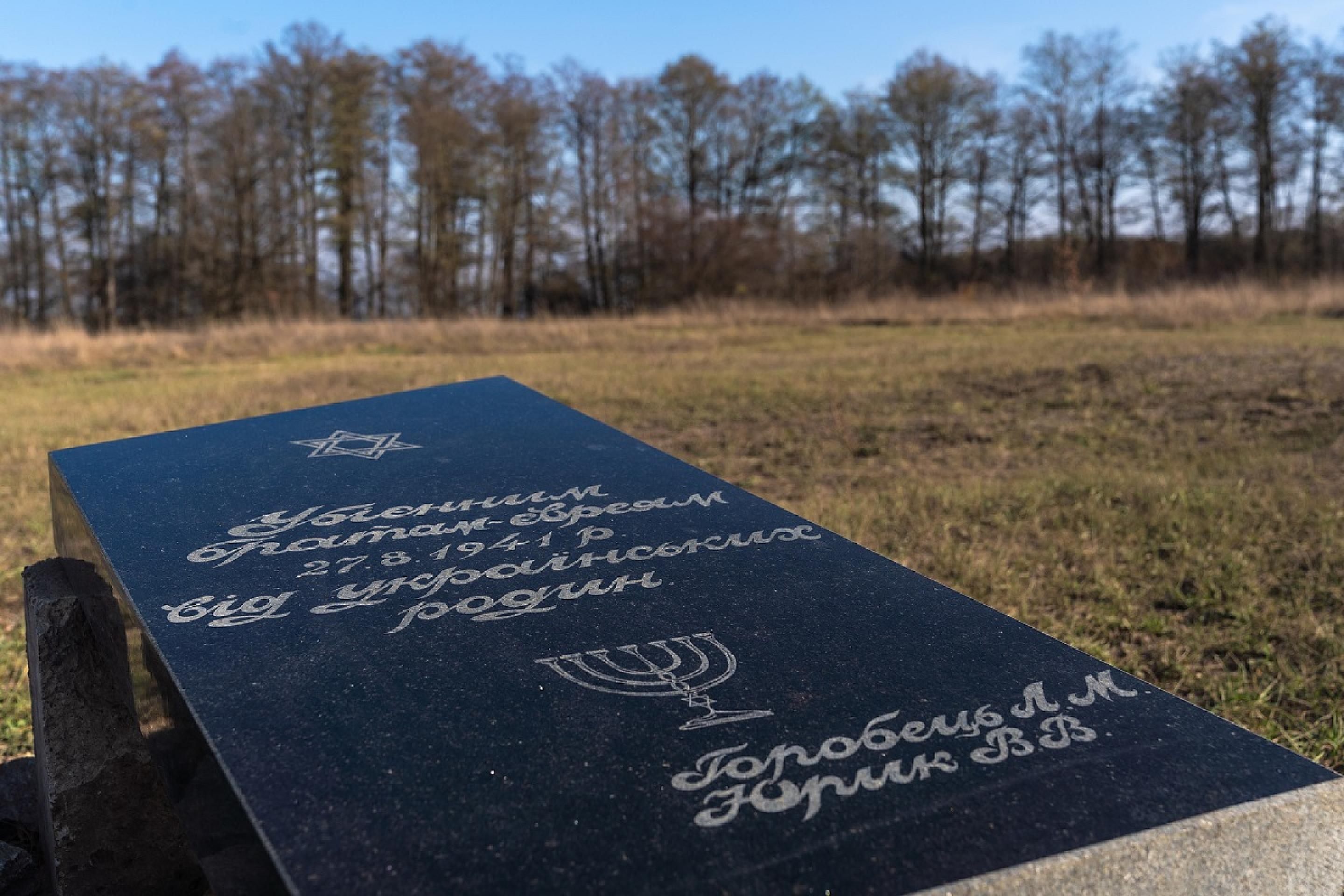
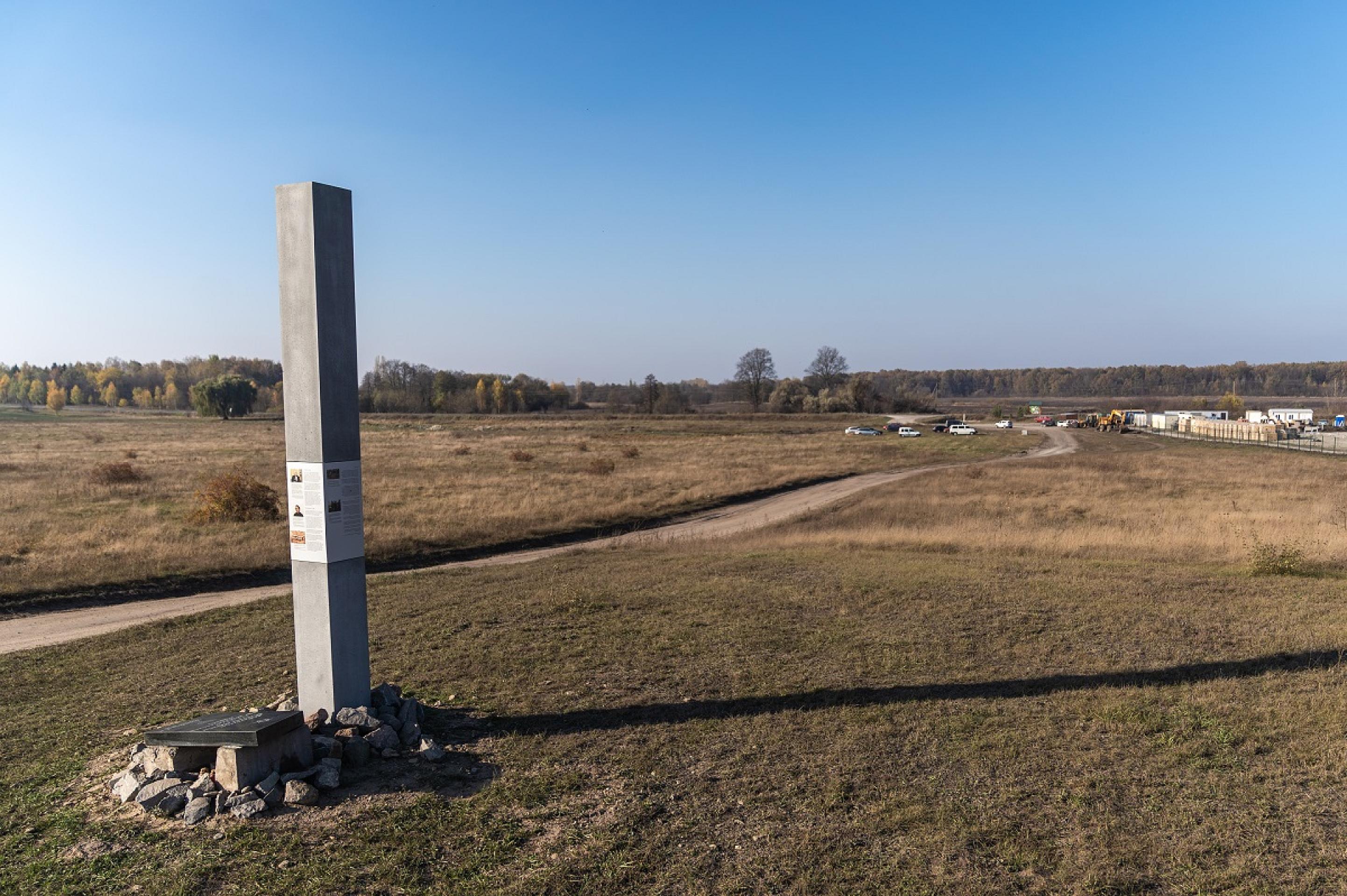
The Soviet army liberated Liubar on January 8, 1944. Only a few Jews from Liubar had survived the Holocaust in hiding. A few days later, two reports appeared in a Red Army newspaper about the murder of the Jews of Liubar. One year later, a Soviet investigative commission investigated on site. In the Soviet Union, the commemoration of Jewish victims was usually made difficult by the authorities, but survivors in Liubar were nevertheless committed to the memory of the victims. In 1958 they organized a memorial event at the sand quarry of Hromada. Later they initiated the construction of a memorial there. The memorial was finally approved by the authorities and inaugurated in 1972. As was customary in the Soviet Union at the time, the Russian inscription spoke of »peaceful citizens« without mentioning the Jewish identity of the victims. Only in the 1990s was a Star of David engraved in the stone. At the mass execution site near Yurivka no memorial was erected until 2018. The initiative for this came from two Ukrainian inhabitants of Liubar.
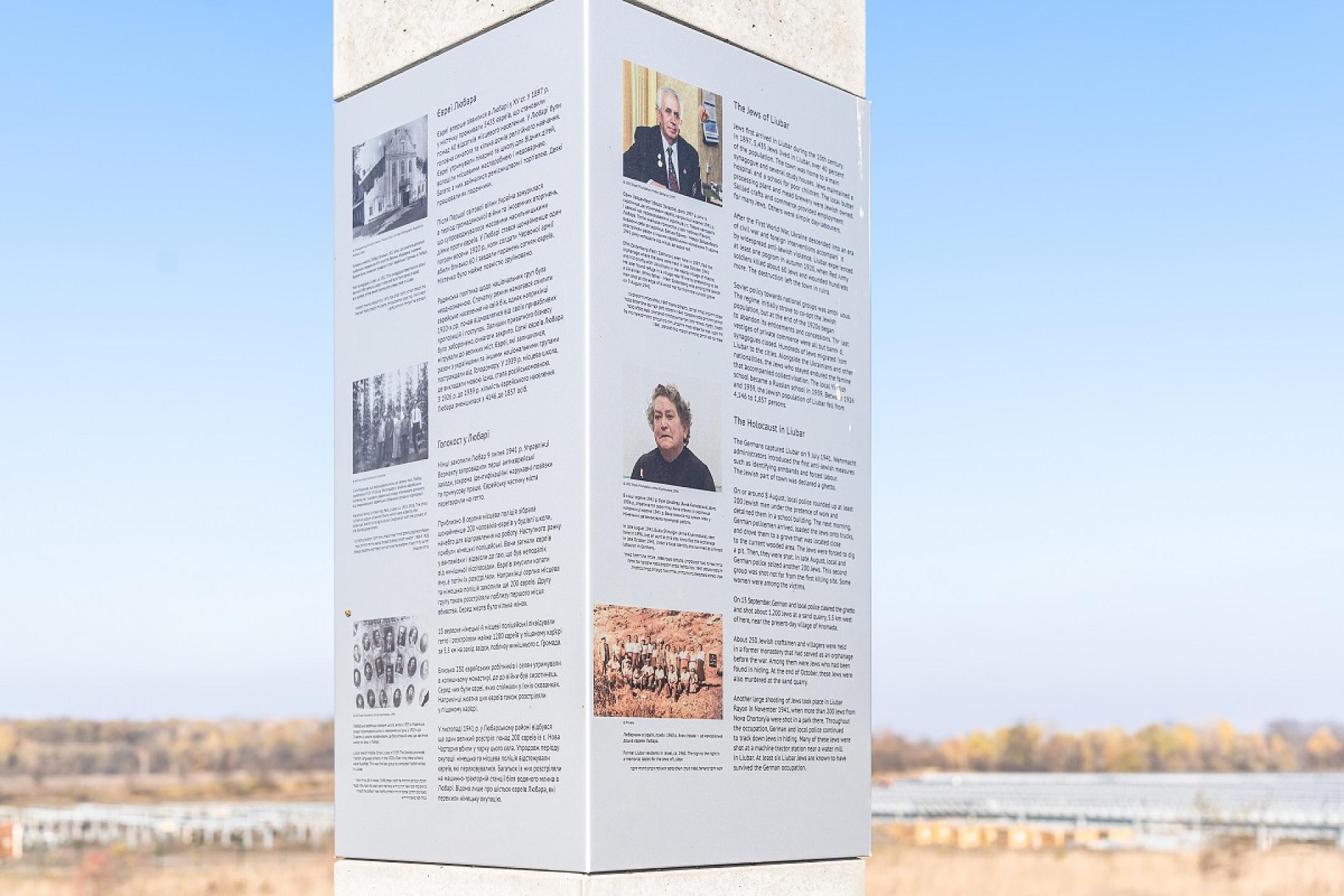
As part of the »Protecting Memory« project the area where the mass graves were suspected was forensically examined, but they could not be found. In a further step within the same project, information steles were erected both near Yurivka and at the older monument near the sand quarry of Hromada. The steles tell about the fate of the Jews of Liubar in Ukrainian, English and Hebrew. The »Protecting Memory« project is based at the Berlin office of the Foundation Memorial to the Murdered Jews of Europe.
Open
The memorials are accessible at all times.
Contact
https://www.erinnerungbewahren.de/ljubar/
info@erinnerung-bewahren.de
Ljubar