Only a few hundred Jews of Radom survived the Holocaust. Today there is little to remind us of the town's Jewish inhabitants who made up almost one third of the population prior to the Second World War.
History
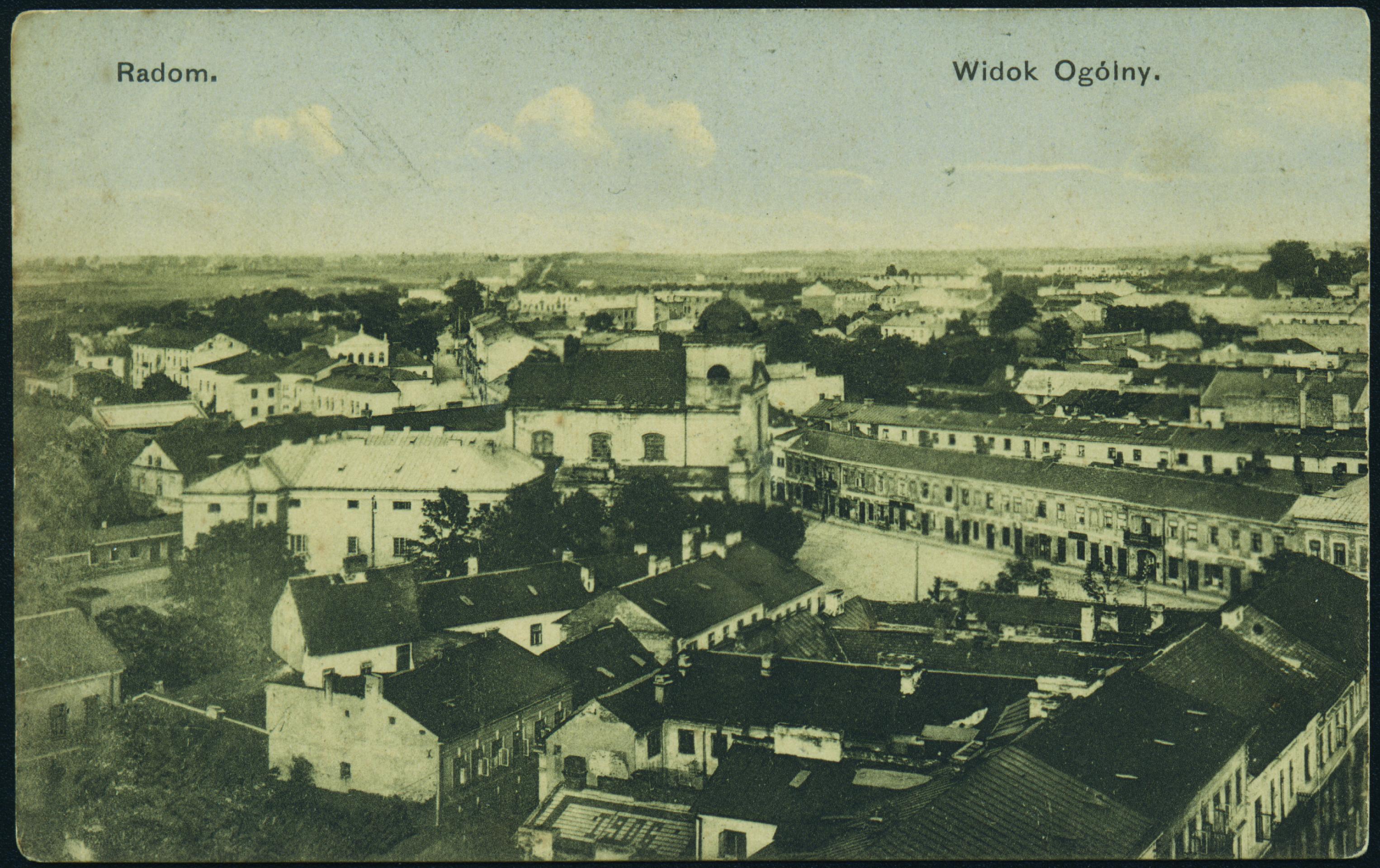
Prior to the Second World War almost one third of the 85,000 inhabitants of Radom, a town in central Poland about 100 km south of the capital Warsaw, were Jewish. The first Jews settled in Radom presumably in the 16th century but only since 1850 the Jewish community grew rapidly. The Jews of Radom were comparatively unassimilated, among themselves they mainly spoke Yiddish. Centre of their religious and cultural life was the synagogue built in 1844.
The German Wehrmacht conquered Radom in September 8, 1939. In the followings months the town had to accommodate many thousands of Jews, deported by the German administration from around Poznań, a region which was immediately annexed by Germany. In the course of the year 1940 thousands of Jews were deported from Radom to labour camps, many of them were murdered.
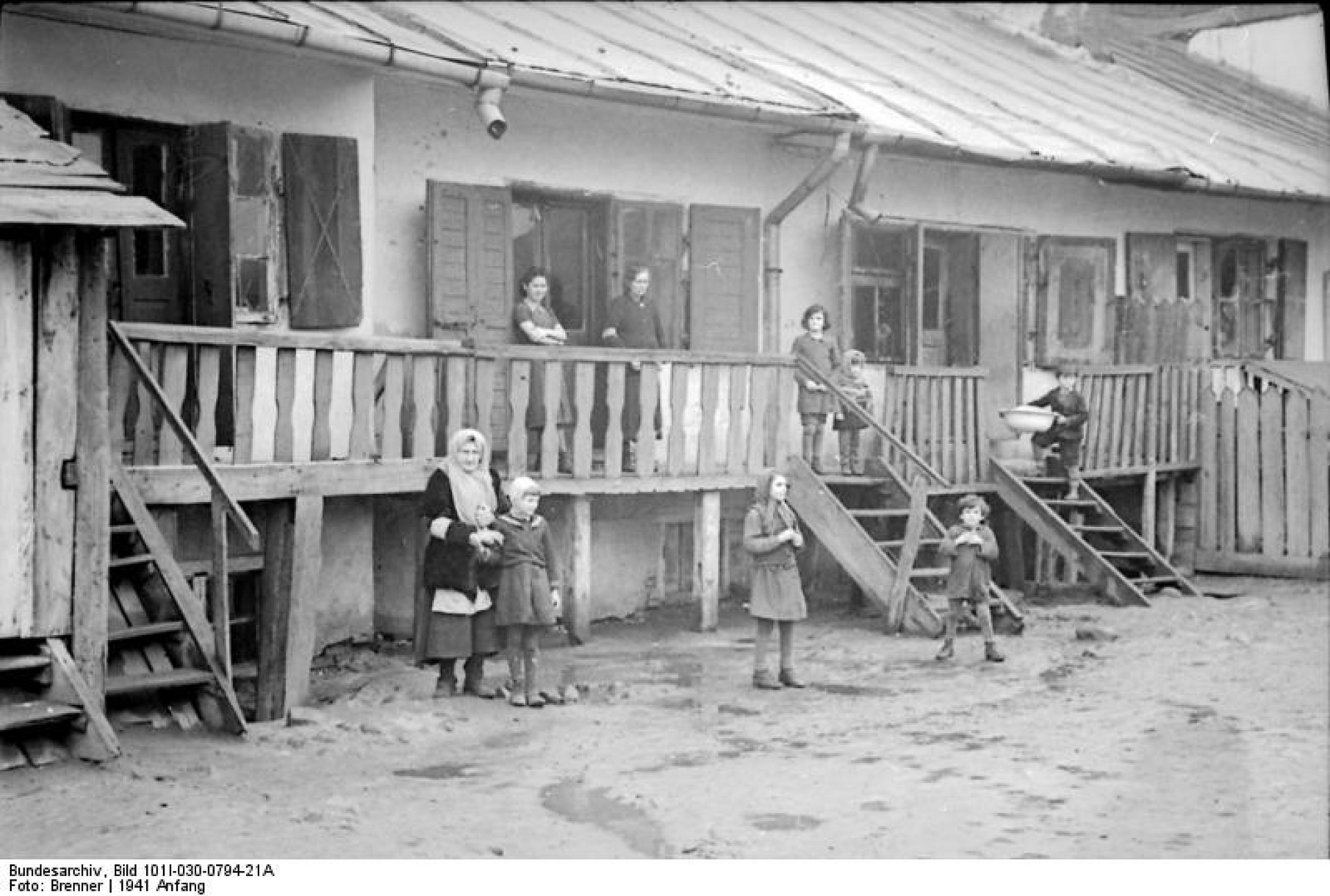
In April 1941 the German administration set up two ghettos: a large one for approximately 25,000 Jews in the town centre and a small one in the suburb of Glinice, which about 8,000 Jews were confined to. The living conditions in both ghettos were catastrophic, the population, crammed into a very confined area, was starving. In the following months the SS carried out »actions« in both of the ghettos where many Jews were shot dead or deported to camps. In August both ghettos were dissolved after each other with utmost brutality. Hundreds of Jews, above all elderly and children and those who tried to offer resistance or tried to hide, were murdered on the spot. All in all the SS deported approximately 24,000 Jews to the extermination camp of Treblinka, where they were murdered upon their arrival by poison gas. About 4,800 men and women were assigned for forced labour, only very few of them survived to see the end of war.
Victims
Of the approximately 30,000 Jews living in Radom immediately after the occupation by the German Wehrmacht only a few hundred survived the Holocaust. The SS murdered most of the Radom Jews in the gas chambers of the Treblinka extermination camp in August 1942: 6,000 from the small and 18,000 from the large ghetto. Thousands more were shot during various »actions«, many died in the ghettos and work camps of starvation and diseases.
The Second World War began in September 1939 with the invasion of Poland and the occupation of the west of the country by German troops and the east of the country by the Red Army. Persecution and terror directly followed the invasion in both parts of the country. German units massacred members of the intelligentsia, Jewish and non-Jewish civilians as well as hospital patients.
At the end of 1939 the German administration established ghettos where the Jewish population was forced to live in cramped and horrendous conditions. Following the invasion of the Soviet Union in 1941, eastern Poland also fell under German control. SS Einsatzgruppen started to systematically murder Jewish men, later also women and children. In autumn 1941, local German authorities in the former west of the country began to prepare for the mass murder of Jewish ghetto prisoners using poison gas. By 1945, some three million Polish Jews had been murdered in the extermination camps at Chelmno, Belzec, Treblinka, Sobibor, Majdanek or Auschwitz, starved to death in the ghettos or shot dead. In 1943 the Jews living in the Warsaw ghetto staged an uprising, which was brutally crushed by the SS.
Polish soldiers fought with the Allies on all fronts during the Second World War. Polish partisan groups, including the patriotic »Armia Krajowa« (Home Army), formed the largest resistance movement in occupied Europe. August 1, 1944 saw the start of the Warsaw Uprising, the most extensive civilian campaign against the Germans in occupied Europe. It failed also because the Red Army, already standing on the opposite side of the Vistula River, chose not to intervene. It is estimated that up to 250,000 people lost their lives in the uprising. A total of around three million non-Jewish Poles met a violent death during the German occupation.
Once the Red Army had arrived on (East) Polish soil in January 1944, the troops of the Armia Krajowa were stripped of their weapons by the Soviet secret service and the officers were either shot or deported. The millions of deaths during the occupation, the permanent Soviet annexation of eastern Poland, the incorporation of former eastern German territories and the ensuing population transfers all left a traumatic political and social legacy in Poland.
Remembrance of the murder of European Jews in German extermination camps was initially marginalised in the Polish culture of memory. Although Auschwitz soon became an international symbol of the Holocaust, in Poland it was viewed for decades above all as a »site of Polish martyrdom«. However, the start of the 21st century brought about changes in this respect, due in part to the fierce debates over the Jedwabne massacre in eastern Poland. The massacre of around 340 Jews on July 10, 1941 was originally attributed to the »Gestapo and Hitler police« but had in fact been carried out by Polish »neighbours« without orders from the Germans. Debates in Poland and abroad on Polish perpetration resulted in the Polish President Aleksander Kwaśniewski (*1954) issuing an apology to the victims in 2001. There were increasing calls from experts, such as those from Poland’s Institute for National Remembrance, for the country to confront the most difficult chapters in its history, which also include the anti-Jewish pogroms in 1946-47 and state anti-semitism in communist Poland during the post-war period.
The Polish invests extensively in memorial culture, including grand projects with international ambition. The Warsaw Rising Museum was opened already in 2004. The POLIN Museum of the History of Polish Jews was opened in 2013 on the territory of the former Warsaw Ghetto, a new museum dedicated specifically to the Warsaw Ghetto will follow suit in 2024. Since 2017, there is a major Museum of the Second World War in Gdańsk. Since the turn of the millennium, the sites of the former German extermination camps have also been converted into modern memorial sites. An ever-growing preoccupation with Poland’s Jewish and multicultural heritage can be observed in the field of culture as well.
Remembrance
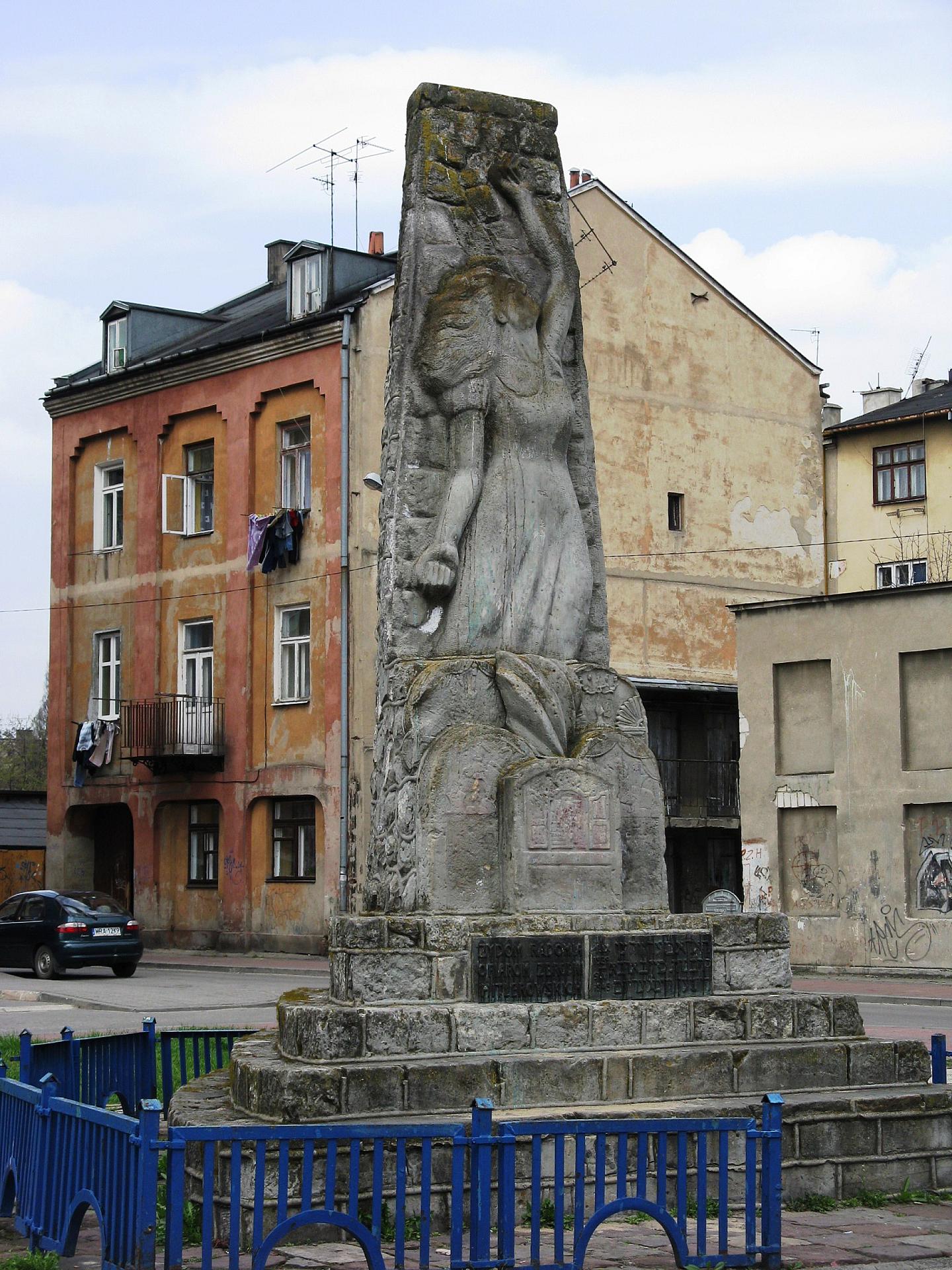
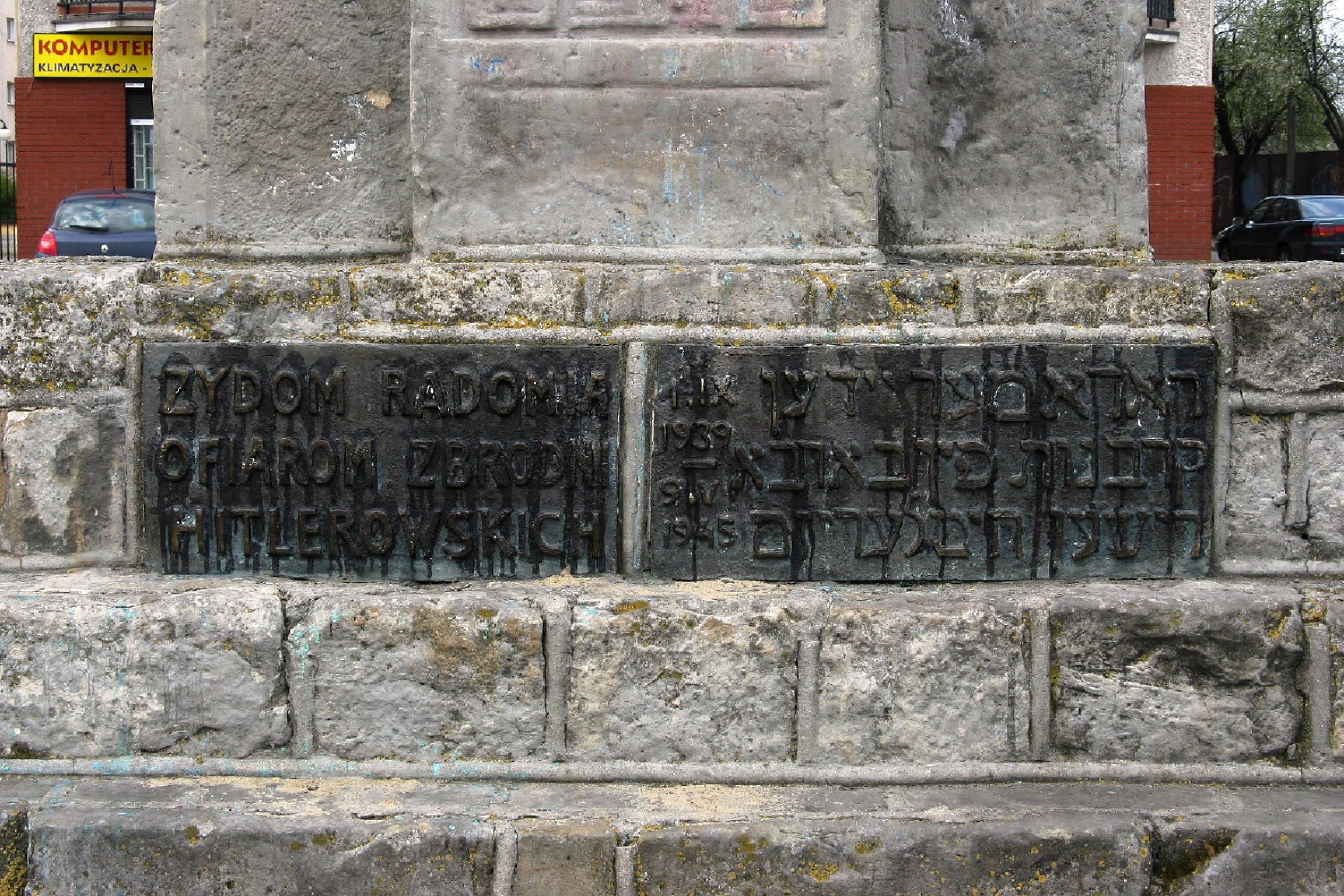
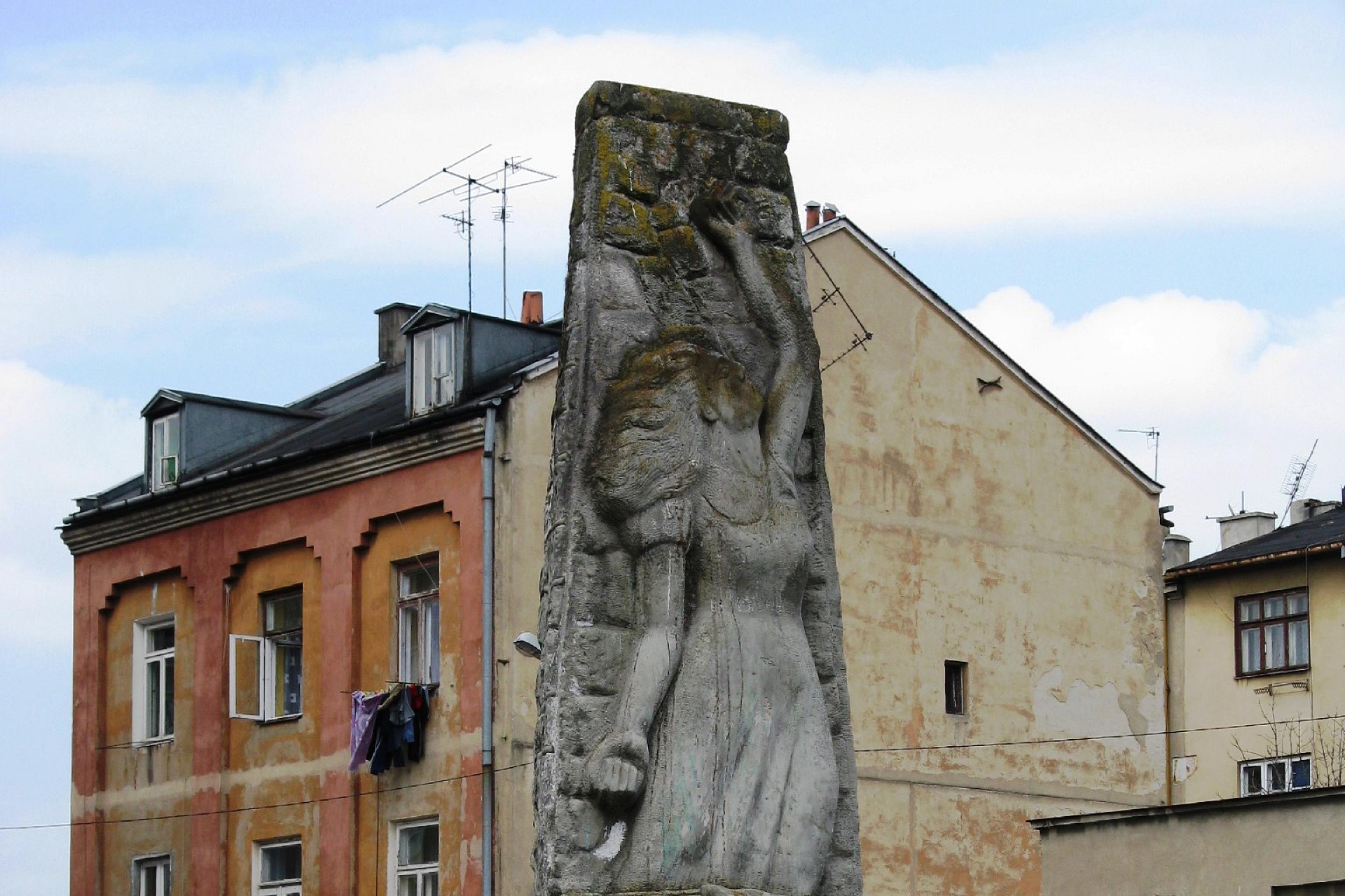
After the war about 400 Jews returned to Radom, however, they left the town shortly afterwards. The Jewish community was active until 1951, in 1965 the town's Jewish population was down to seven. Today there is little to remind of the once thriving Jewish life in Radom. The best known memorial is the »Memorial to the Jews of Radom« erected in 1950 on the site of the synagogue from 1844. The Polish and Yiddish inscription on it reads: »To the Jews or Radom – victims of Nazi crimes«.
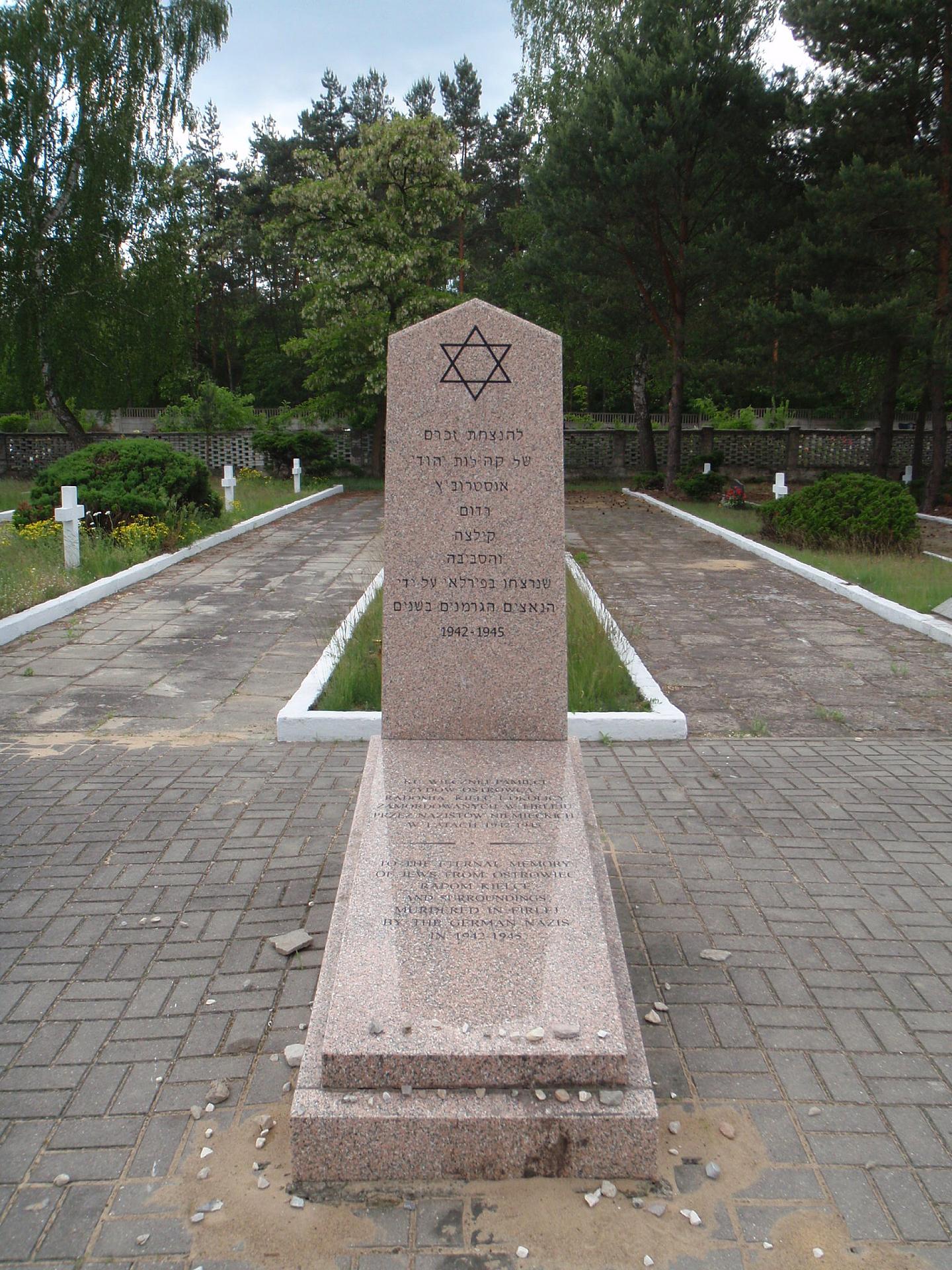
In the suburb of Firlej the SS murdered more than 15,000 people during mass shootings, apart from Jews also Polish intellectuals, freedom fighters and civilians. Since October of 201 there is a separate memorial to the Jewish victims. Another site of remembrance is the seemingly abandoned Jewish cemetery.