Skip to content

Memorials to the Murdered Jews of Vinnytsya

Меморіали вбитим євреям Вінниці


Several memorials in Vinnytsya, which is located on the banks of the Southern Bug river, are dedicated to the Jews murdered by German Einsatzgruppen (mobile killing squads) in 1941/1942.

History

Vinnytsya, located on the banks of the Souther Bug river, was established in the 15th century. The first Jews came to Vinnytsya in the 16th century. In 1897 there were 11,690 Jews living in Vinnytsya, amounting to over 35 per cent of the town's total population. At the beginning of the 20th century, several Jews were murdered in anti-Jewish pogroms.
Around 33,000 Jews lived in Vinnytsya before the Second World War. The German Wehrmacht occupied the city on July 19, 1941. Around 17,000 Jews had previously been able to flee from Vinnytsya. Units of Einsatzgruppe C (mobile killing squad) marched into the city together with the Wehrmacht. Shortly afterwards, the occupiers established a ghetto for the Jewish population of Vinnytsya. In September 1941, the first mass shootings took place in Vinnytsya: Police battalion 304 shot 2,200 Jews on September 5, 1941, and police battalions 45 and 314 shot at least 18,000 Jews on September 19 and 20. At the end of 1941, the area was declared to be »judenfrei« (»free of Jews«). However, countless numbers of Jewish craftsmen from Vinnytsya had to conduct forced labour building the Führerhauptquartier »Wehrwolf« in close vicinity of the city. Many of them were shot by the SS. Those who survived the selections were deported to labour camps.
Victims

The exact number of victims from Vinnytsya cannot be established; the times of the murder operations and responsible units cannot be determined in all cases. According to estimates, at least 20,000 Jews were murdered in Vinnytsya, according to the Israeli memorial Yad Vashem it could have been as many as 26,000.

Ukraine, the second-largest Republic in the European part of the former Soviet Union, was at the centre of the Second World War and the Holocaust. It is estimated that five to six million Ukrainians died during the war, including around 630,000 Jews. In mid-September 1939, following the Soviet occupation of eastern Poland in accordance with the Hitler-Stalin Pact – a secret German-Soviet agreement –, the south-east of Poland became part of the Soviet Ukraine. The oppression of the local population was now an everyday occurrence. In summer 1941, the German attack on the Soviet Union initially affected these very regions. Right from the start of the invasion the Jewish population was accused of supporting the Soviet powers and became the target of brutal attacks. These attacks were often the work of nationalist Ukrainians, who initially welcomed the advance of the Wehrmacht. German SS Einsatzgruppen and allied Rumanian units soon began to carry out mass shootings of Jews. The Babyn Yar ravine near Kiev, where German units and Ukrainian militia murdered over 33,700 Jews over two days in September 1941, has since become a global symbol of the genocide of Jews. The non-Jewish population was also a target for persecution. National Socialist racist ideology classed Ukrainians, as all »Slavs«, as »subhuman«. The occupiers looted the country, deported way over one million civilians to carry out forced labour and publicly executed hostages. By 1943 a partisan war against the Wehrmacht was raging along with the campaign of the nationalist »Ukrayinska Povstanska Armiya« (Ukrainian Rebel Army or UPA) against the Soviets and the Polish population in western Ukraine. The number of Poles to die in the process lies way over 100,000. From 1944 the Ukraine was again part of the Soviet Union and also encompassed former territories in eastern Poland. The UPA continued its campaign until the mid-1950s. The Soviet authorities deported around 300,000 Ukrainians to Siberia to counter the resistance. The Ukrainian culture of memory was aligned with the symbolic forms of remembrance found in the Soviet Union. Monumental sites of memory were constructed to celebrate the »victory« in the Great Patriotic War. It is only recently that victims have been remembered alongside the venerated heroes. In addition, a culture of memory centred on the campaign of the UPA has emerged in western Ukraine, with the UPA’s legacy being interpreted as a struggle for independence. Confrontation with anti-semitism and the collaboration with the German occupiers has only begun around 2000. With just a few exceptions, the mass shootings of Jews were ignored until the 1980s. It was not until 1991 that the government of independent Ukraine acknowledged Babyn Yar as a »symbol of Jewish martyrdom«. Long after gaining independence, Ukraine was still on the search for its national identity. The documentation of Soviet crimes – for example the state’s responsibility for the Great Famine (Holodomor) in 1922-23 that led to millions of deaths – has more significance in the establishment of a Ukrainian identity than learning about the Holocaust. Nevertheless, new memorial sites for the murdered Jews were established throughout the country, such as Drobitskiy Yar in Kharkiv or the Holocaust Museum in Odessa. On many mass grave sites new memorials were created, partially with German support. In Kiev, a new grand memorial site with global relevance was planned at Babyn Yar. These plans were put on hold with the beginning of the full-scale Russian invasion of Ukraine on February 24, 2022. What impact the current defensive war will have on Holocaust remembrance in the future remains to be seen.

Remembrance

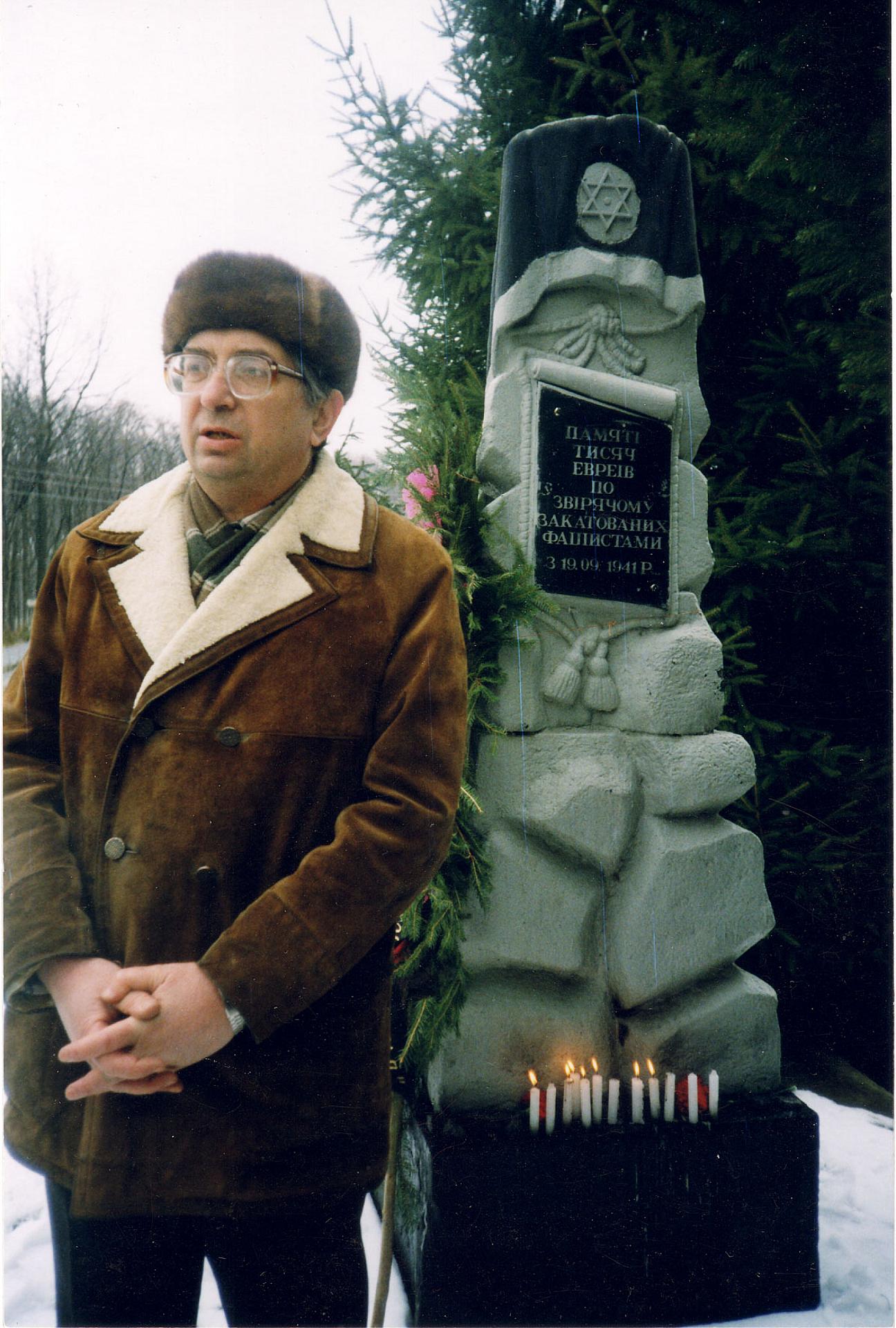
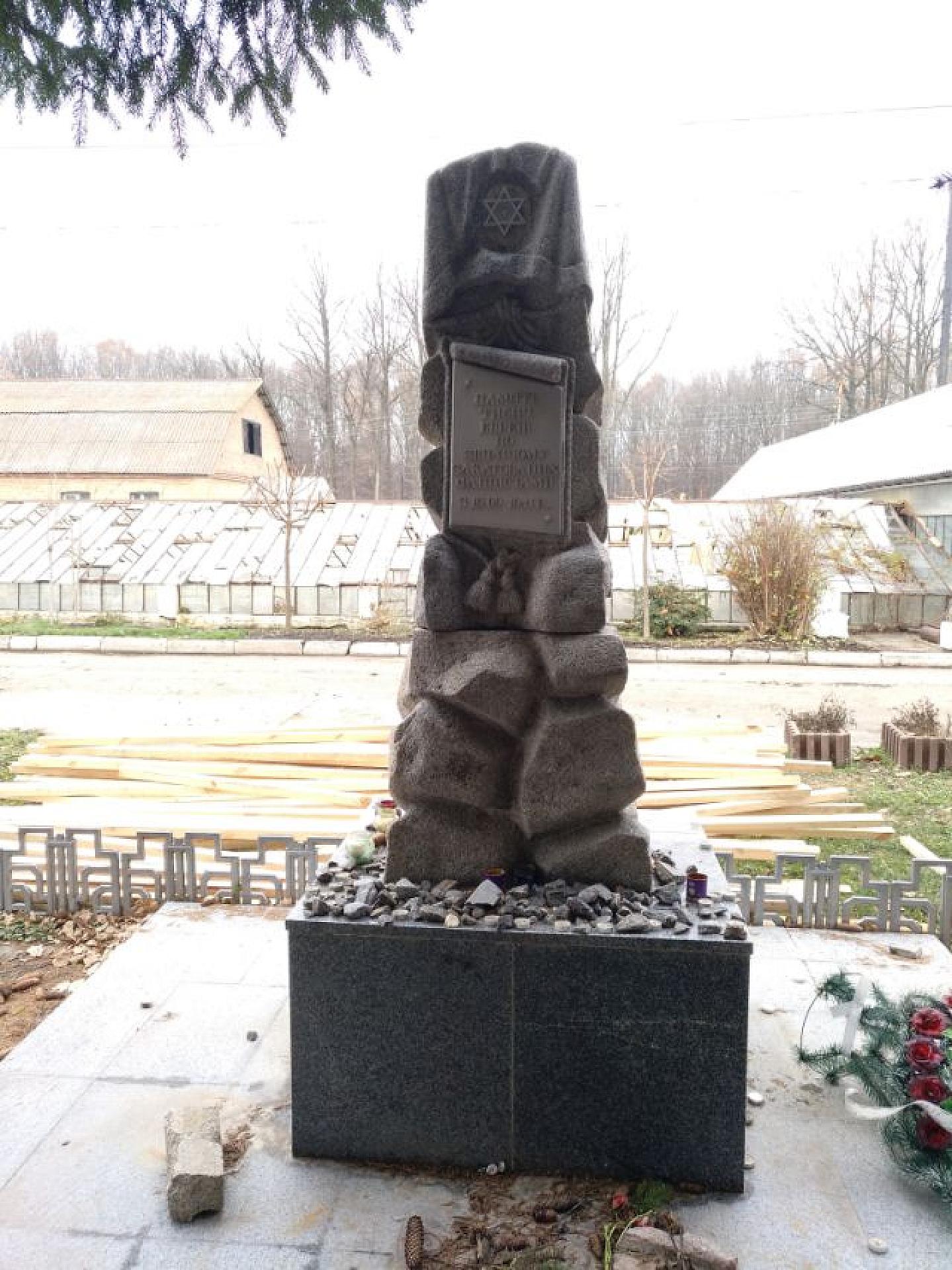
After the end of the Second World War, surviving relatives of murdered Vinnytsya Jews raised a first memorial in the memory of the victims in the Maximov-Street. It has been altered since and today there is a Star of David on its top and a Ukrainian inscription that reads: »In the memory of the thousands of Jews who were tortured to death by the Fascists beginning September 19, 1941.
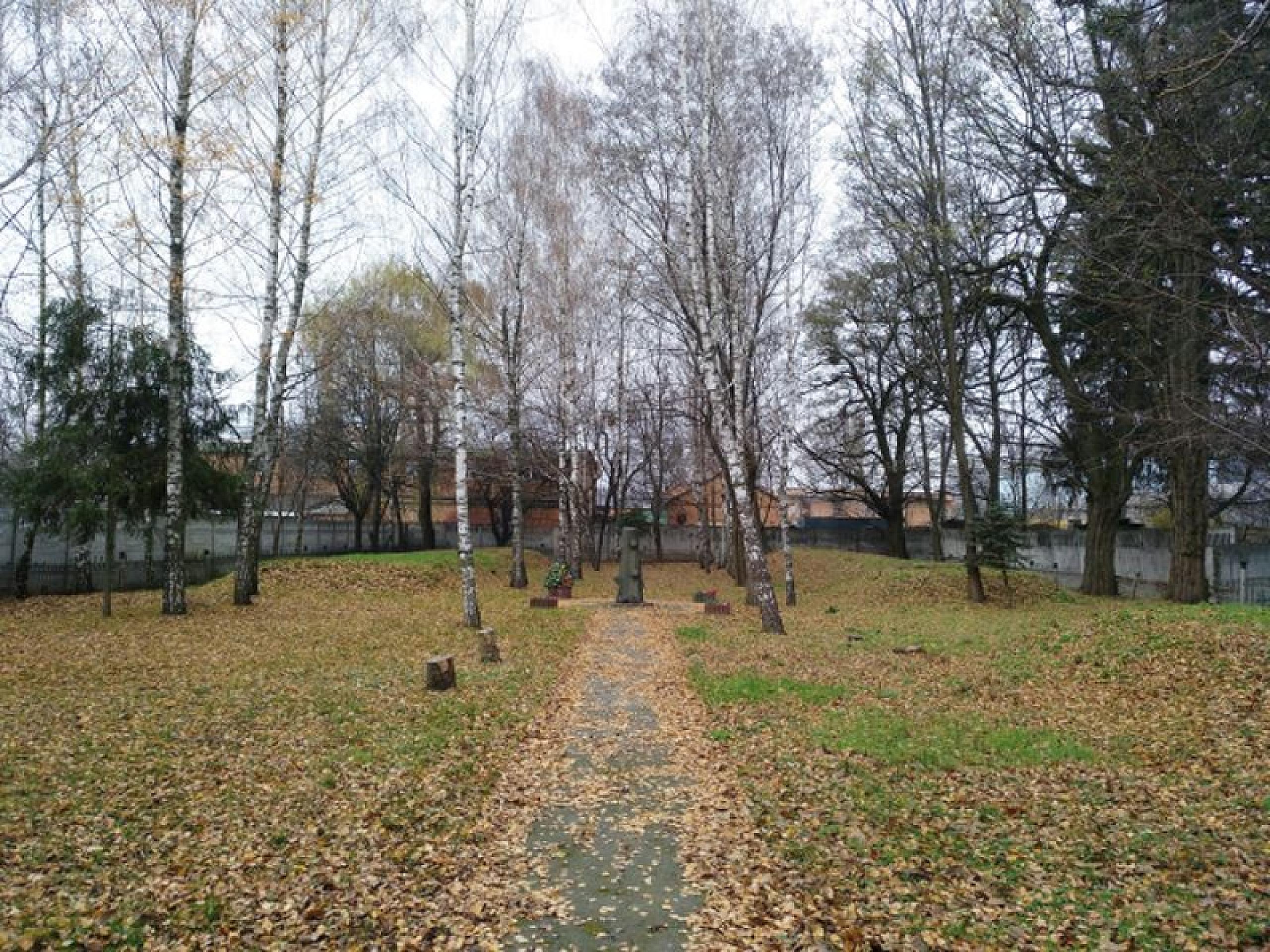
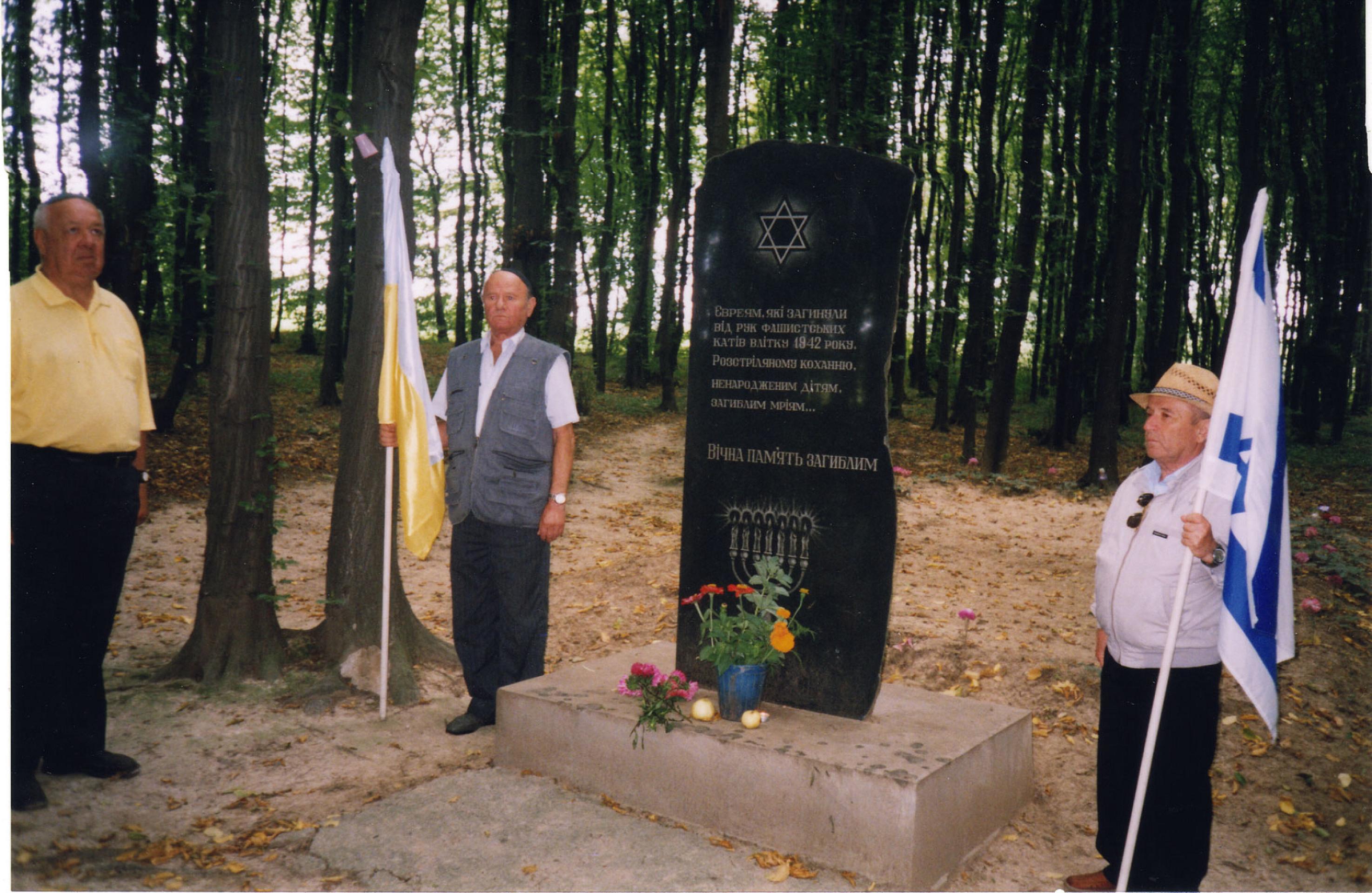
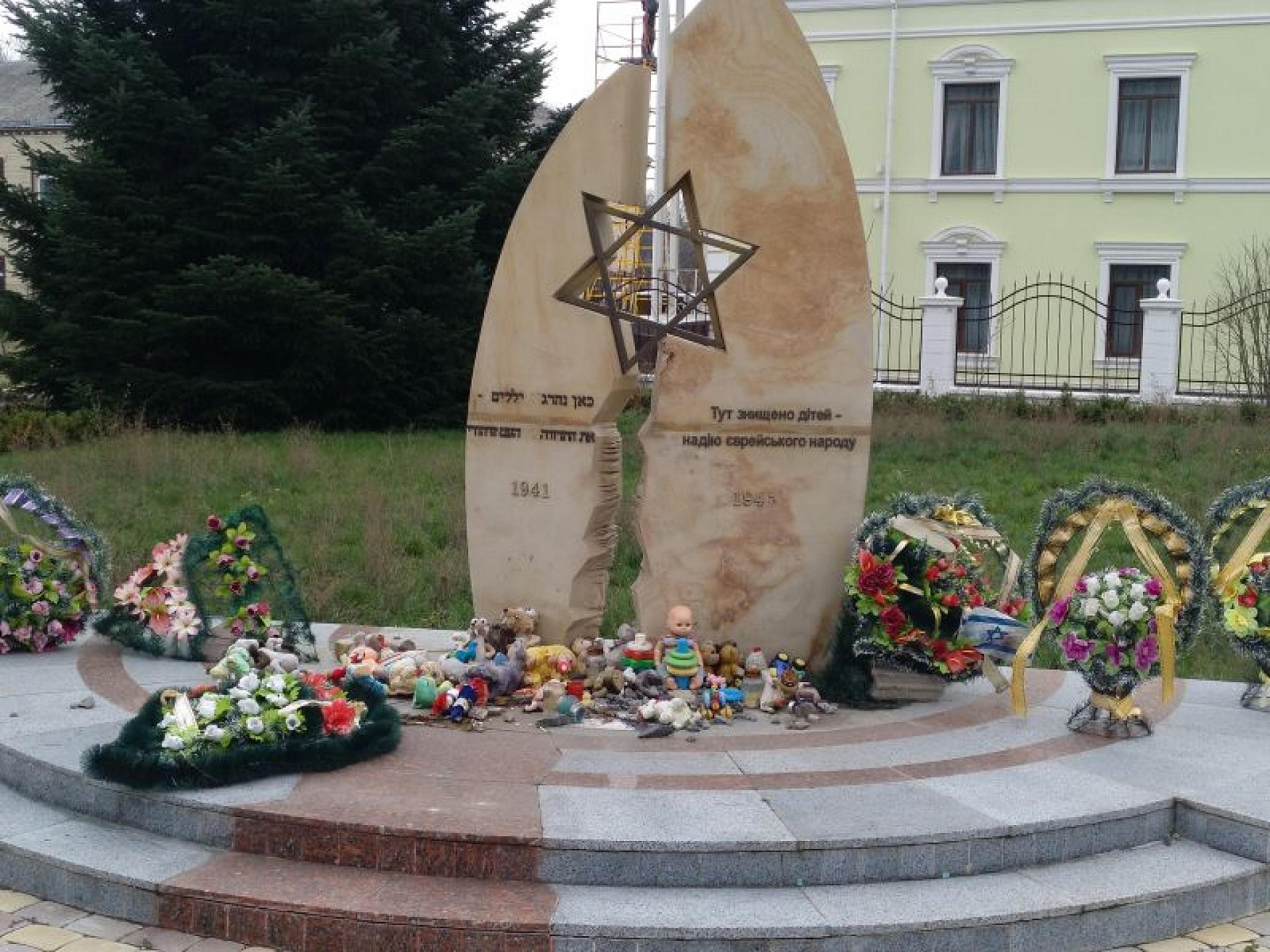
The memorial is now part of a larger memorial complex consisting of several memorials and mass graves. Two of the memorials are dedicated to children who were murdered. The older one carries the Ukrainian inscription: »During the war years the fascist executioners destroyed the hope of the Jewish people – the children – 1941–1945«. The newer memorial is made of marble, split in the middle and has a void in the form of a Star of David. The left side bears a Hebrew and a Ukrainian inscription. During the last years, yet another memorial was erected on the premises, a black stone with a Star of David and Russian and Ukrainian texts. It is dedicated to Jews from towns and villages surrounding Vinnytsya. There are annual memorial services here to honour the victims.
On the premises of the municipal brickyard a museum was established in 2008 by the organisation »Sochnut Ukraina«. One of its rooms deals with the destruction of the Vinnytsya Jews.
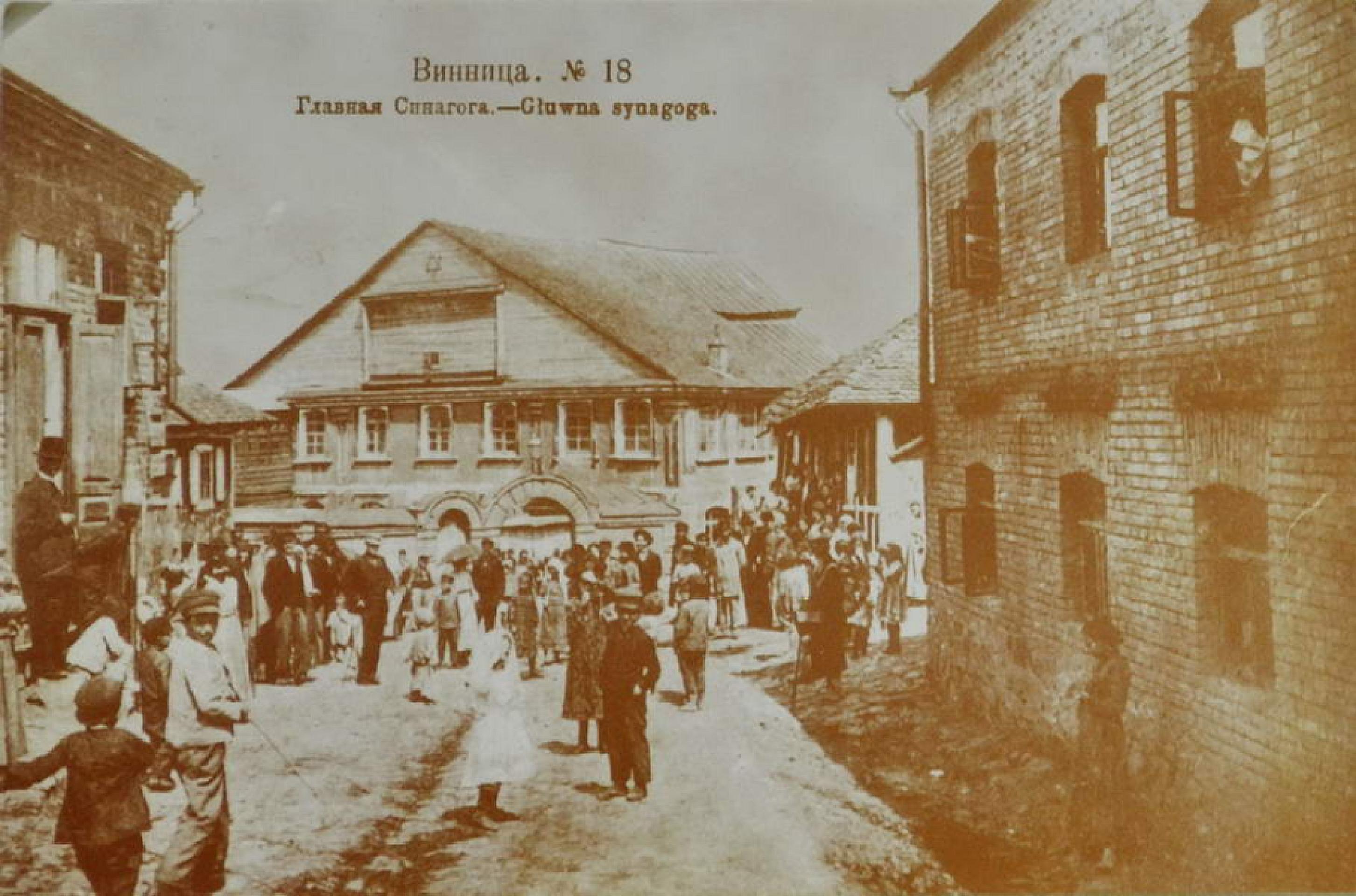
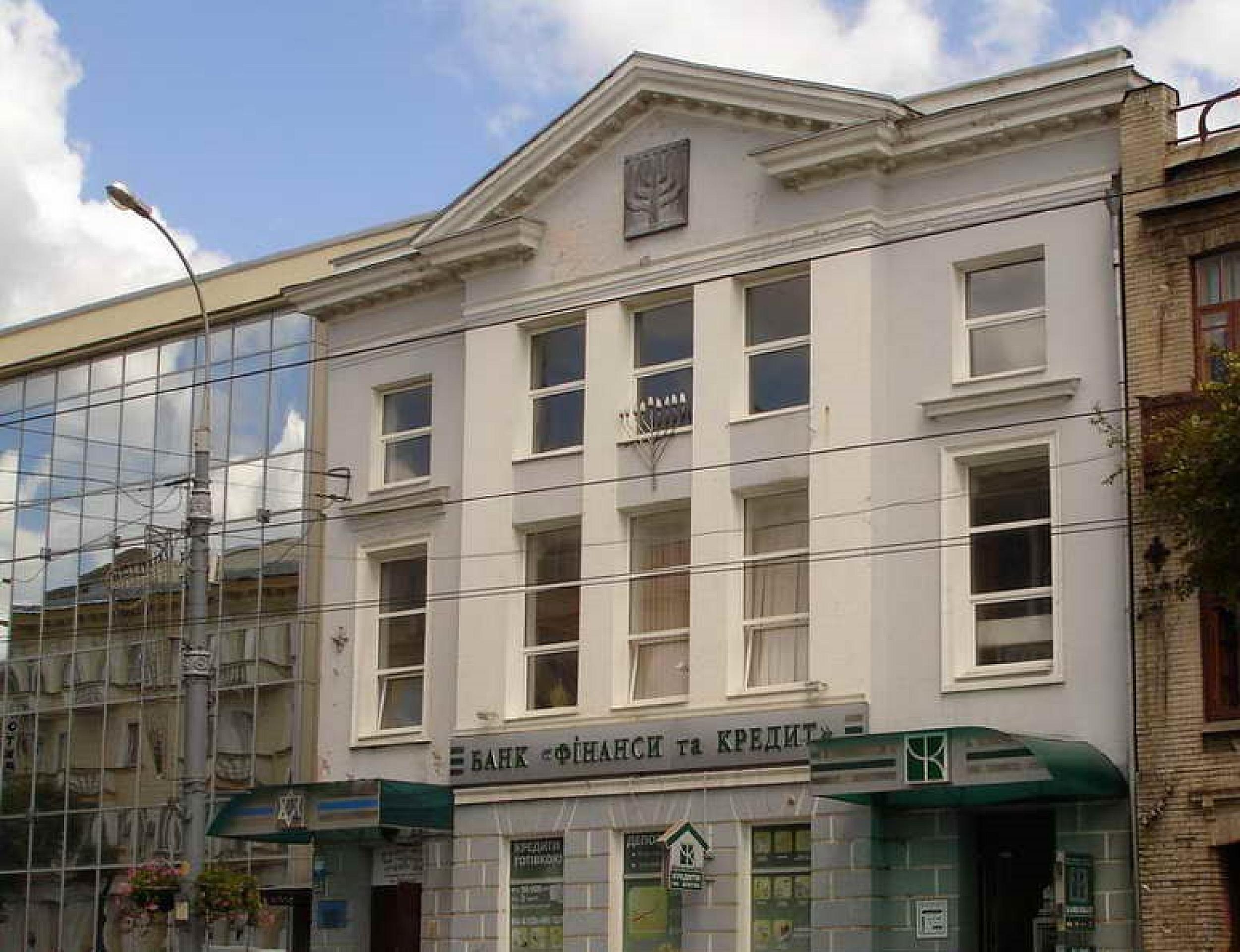
At the beginning of the 20th century there were still 17 synagogues working in Vinnytsya, of which only two are left today: the »Lifchitsa« synagogue, built in 1897 and another one in Chervonohrestivska-Street.
Open

The memorials are accessible at all times

Contact

https://ujew.com.ua/search-objects-by-tags?tag=vinnicza