Memorials to the Victims of the »Lost Transport«
Denkmäler für die Opfer des »Verlorenen Transports«
On April 23, 1945, Red Army soldiers came across an abandoned train in the countryside in southern Brandenburg. Over 2,000 Jewish prisoners from the Bergen-Belsen concentration camp were aboard the train. The train - which came to be known as the »Lost Transport« - had come to a halt near Tröbitz after travelling through German territory for two weeks. Several memorials in Tröbitz and nearby townships as well as a Jewish cemetery commemorate the many victims of the »Lost Transport«.
History
When the Allies were approaching the Bergen-Belsen concentration camp, the SS ordered the evacuation of the camp's approximately 6,700 Jewish prisoners to the Theresienstadt concentration camp. The transport was divided among three trains. The prisoners aboard the first train were liberated by US troops near Magdeburg. The second train reached the Theresienstadt concentration camp following a two-week journey. The last of the three trains left Bergen-Belsen on April 9, 1945, carrying about 2,500 Jewish men, women and children. Many of them were suffering of epidemic typhus, having become infected in Bergen-Belsen. The journey ended after two weeks in the vicinity of Tröbitz after the SS guards had abandoned the train in order to escape the invading Red Army. The train had made several stops in order to unload the many dead prisoners and bury them along the train tracks. Many had succumbed to typhus or died of the inhumane conditions in the crowded train cars. In the early hours of April 23, 1945, Soviet troops discovered the train. When the soldiers opened the train doors they discovered many dead among the sick and exhausted prisoners. The Red Army accommodated the survivors in nearby houses in Tröbitz and neighbouring Schilda. Despite the rescue efforts, many more died of typhus in the following days.
Victims
Jewish men, women and children from over ten countries were part of the »lost transport«. In the weeks following liberation, about 320 of the survivors died. In total, over 500 of the prisoners who had been aboard that train died of starvation, exhaustion and epidemic typhus. Some of the victims of the »lost transport« were buried in mass graves along the railway line. Many more were buried later on the Jewish cemetery in Tröbitz.
Remembrance
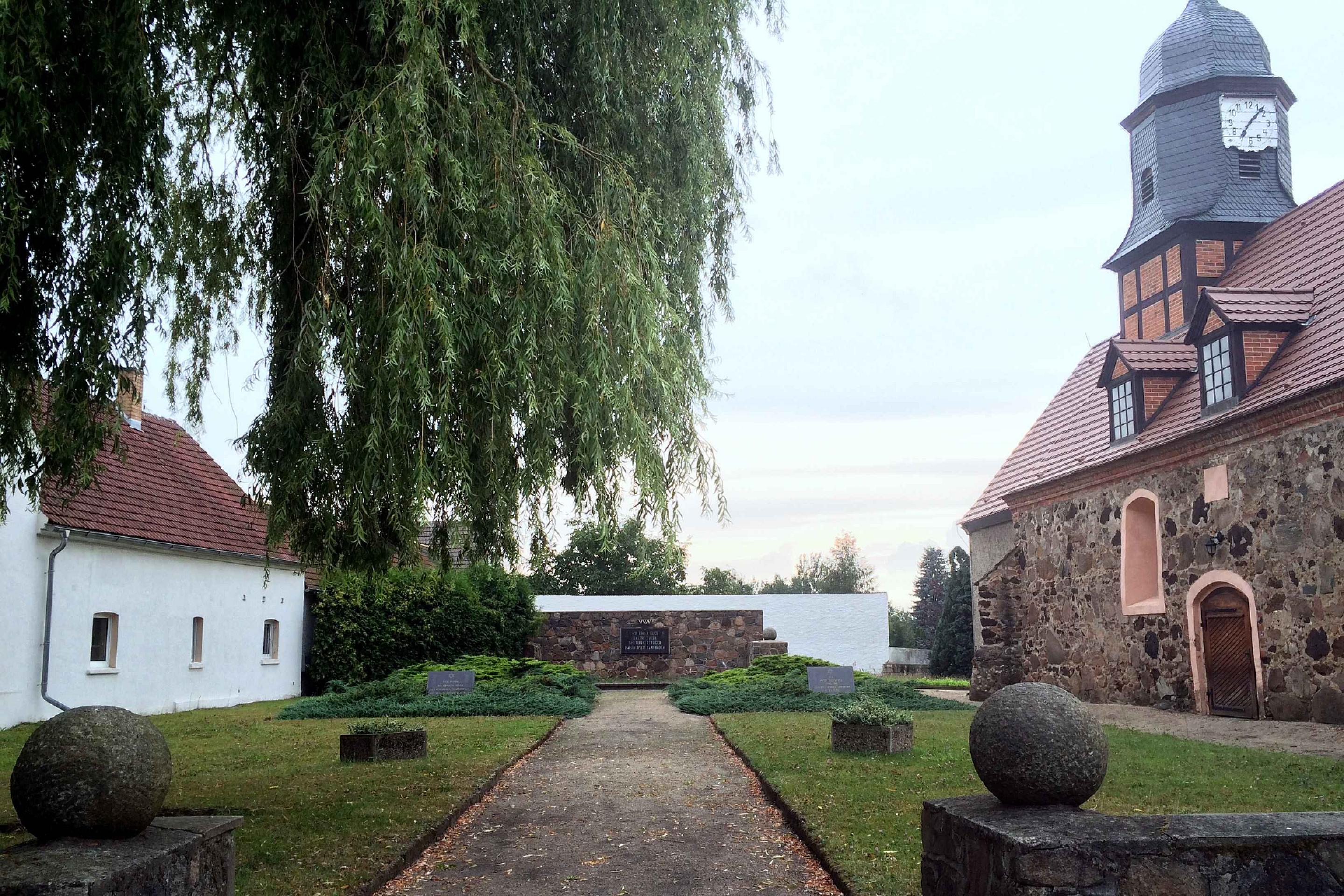
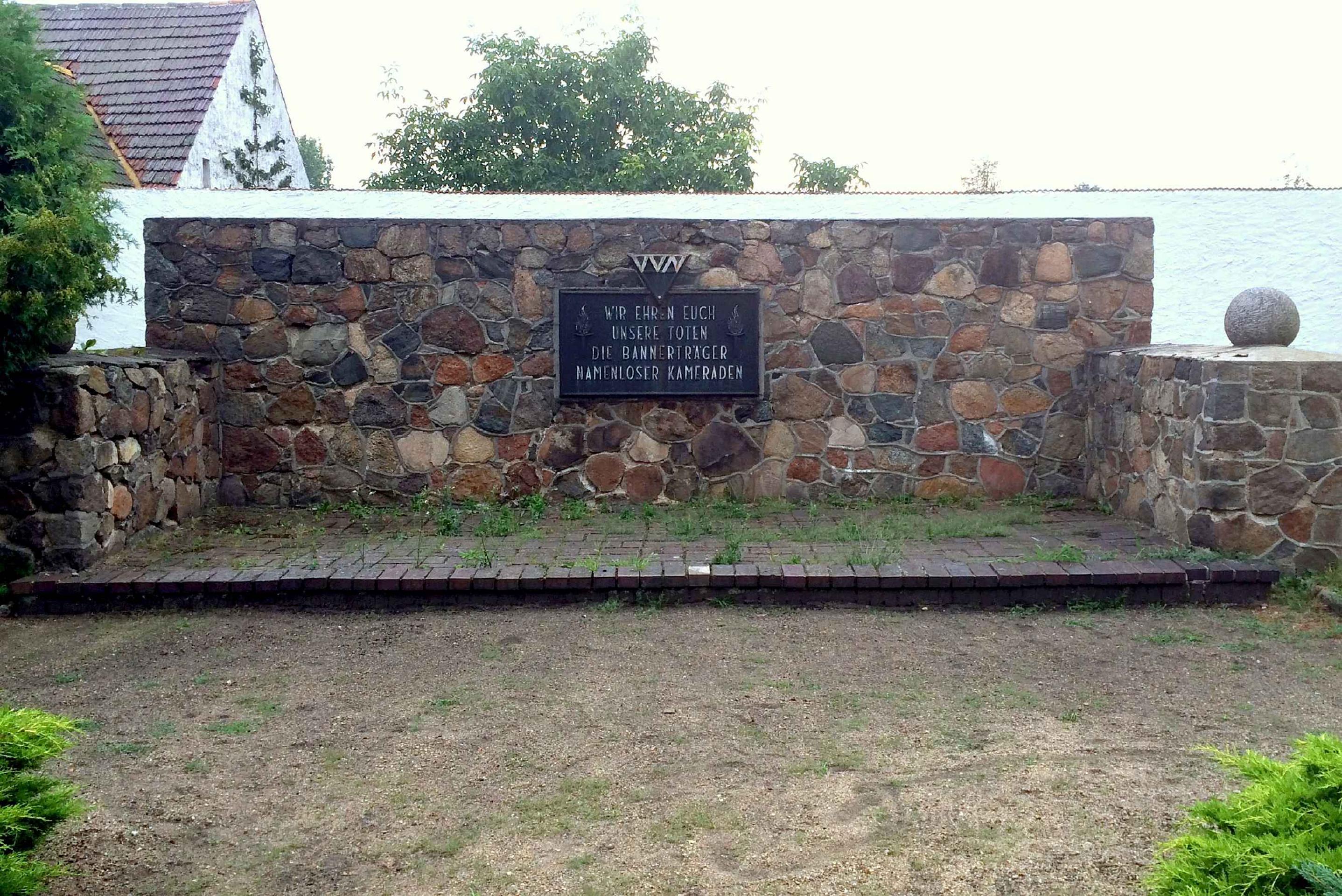
An association of victims of National Socialist persecution set up a memorial in Tröbitz in 1952, close the the graves into which the remains of some of the dead had been transferred from mass graves in 1951. It is located at the local church in the centre of town. The inscription of 1952 made ne reference to the fact that the victims were Jews. In 1995, two new plaques in German and Hebrew finally changed that.
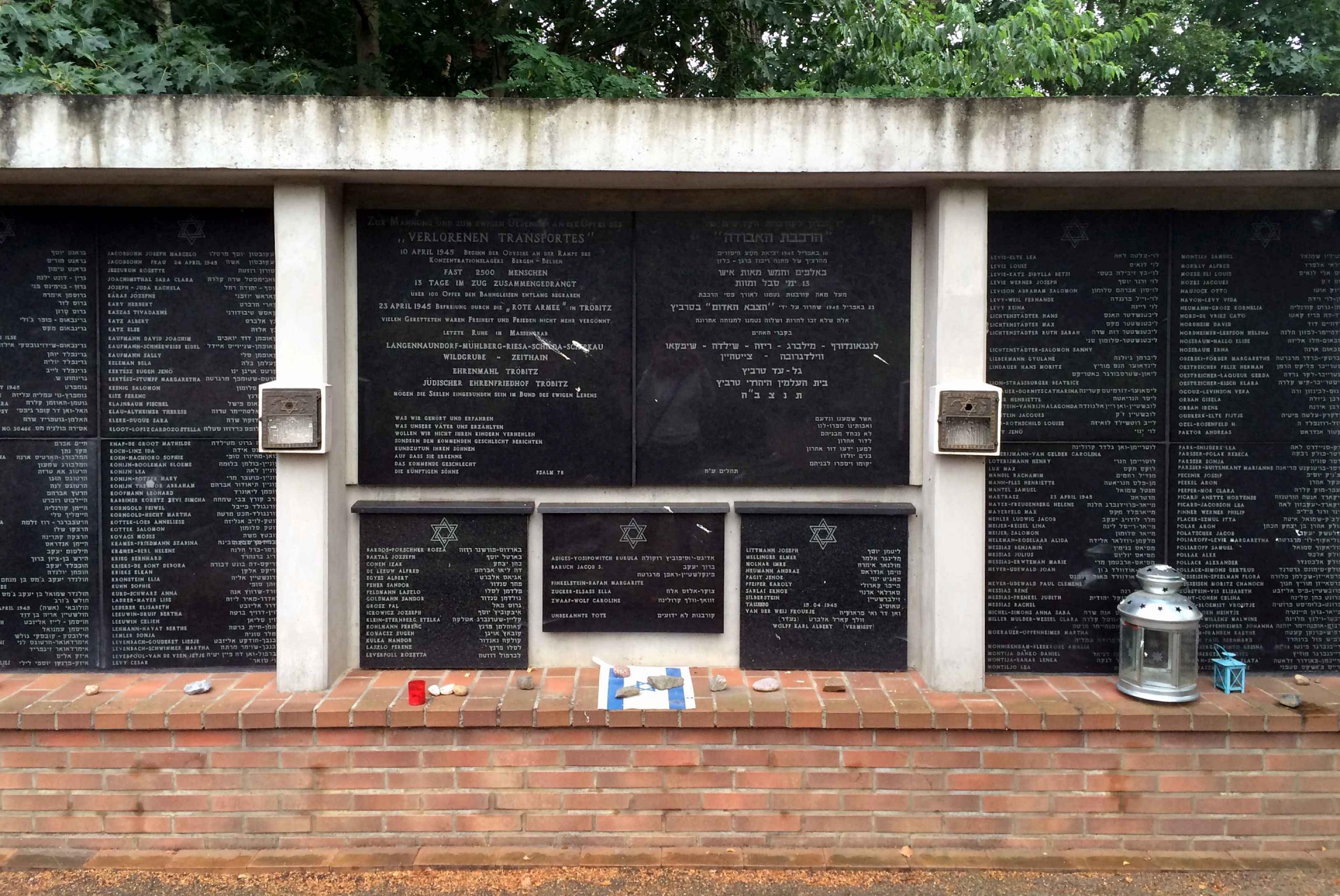
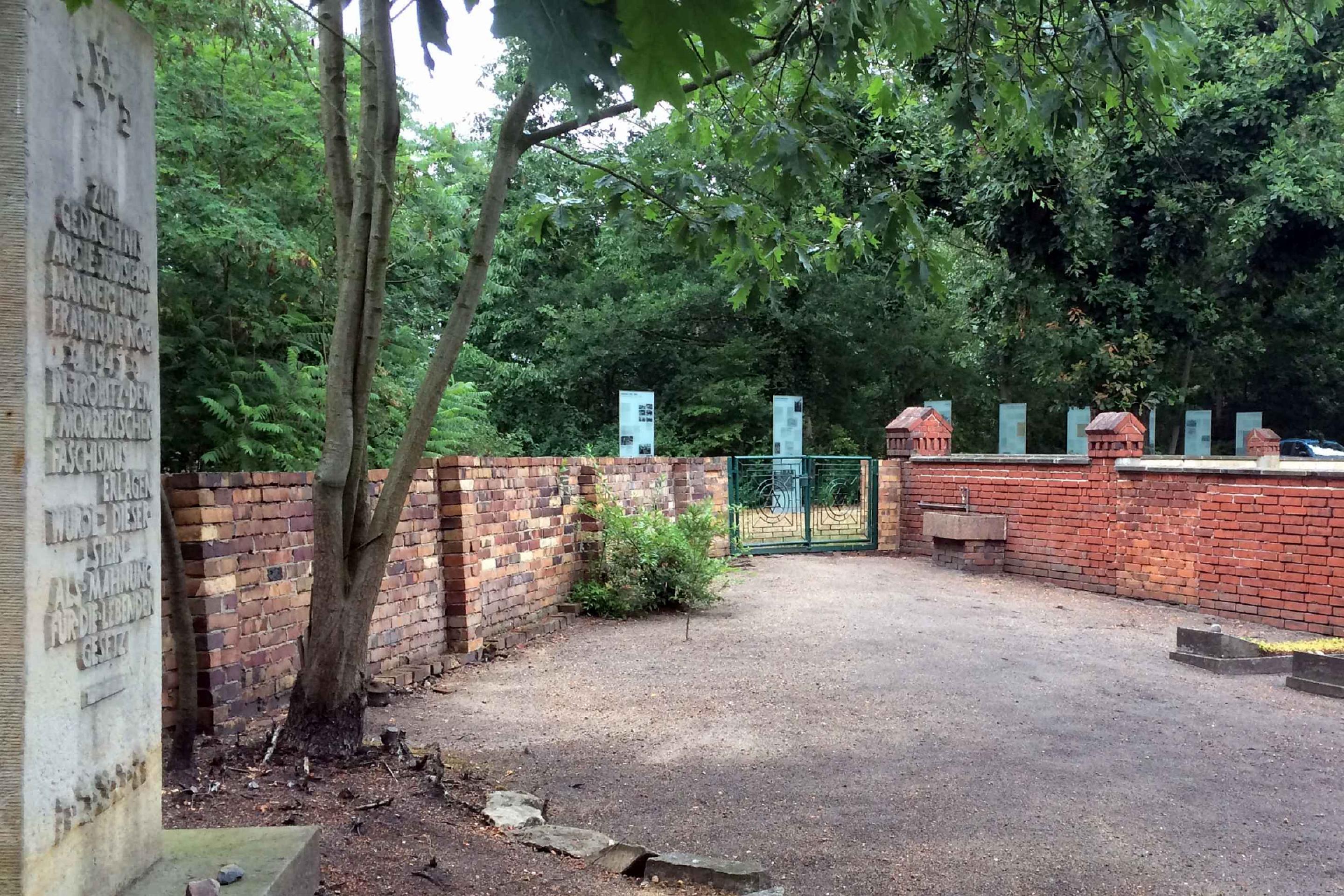
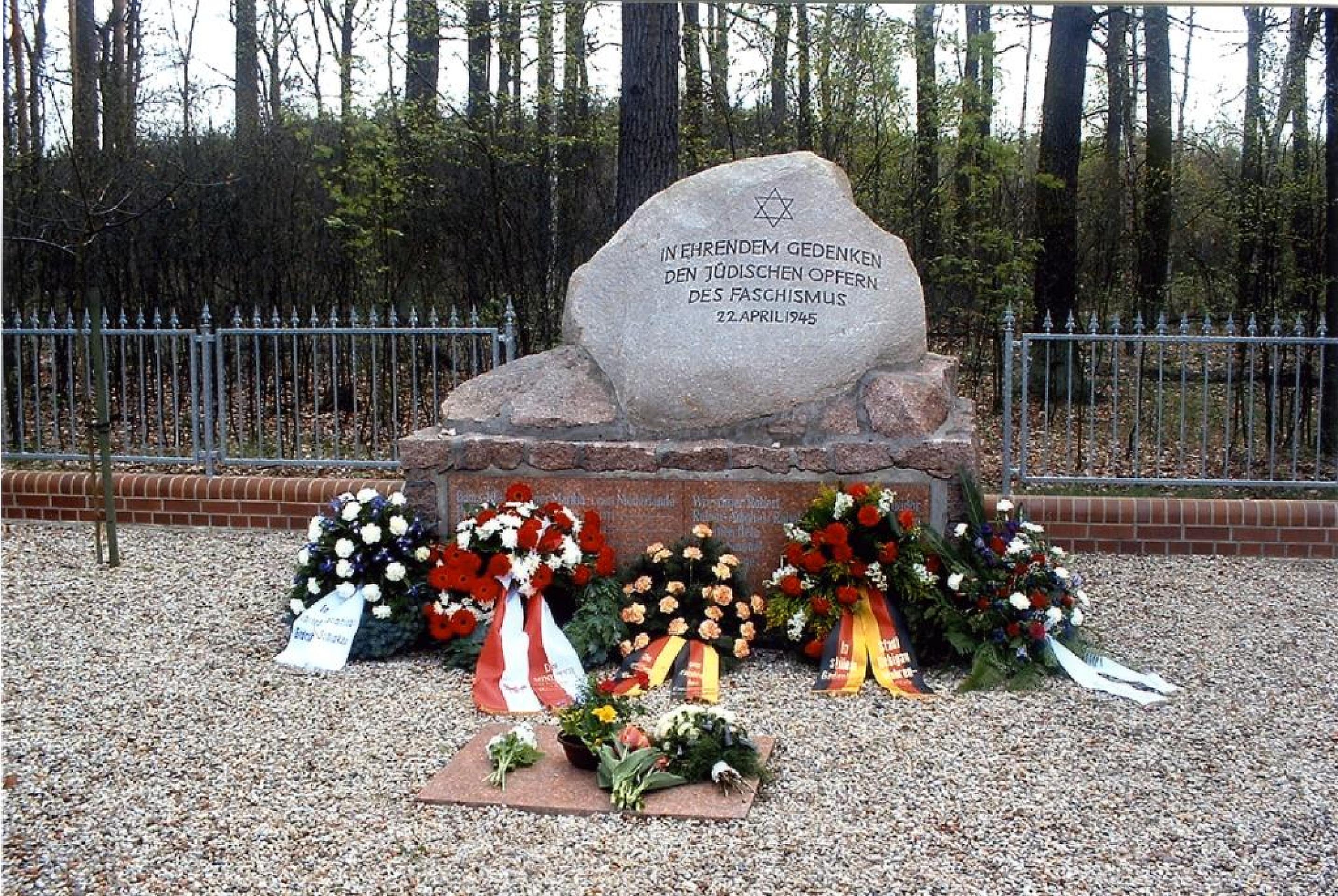
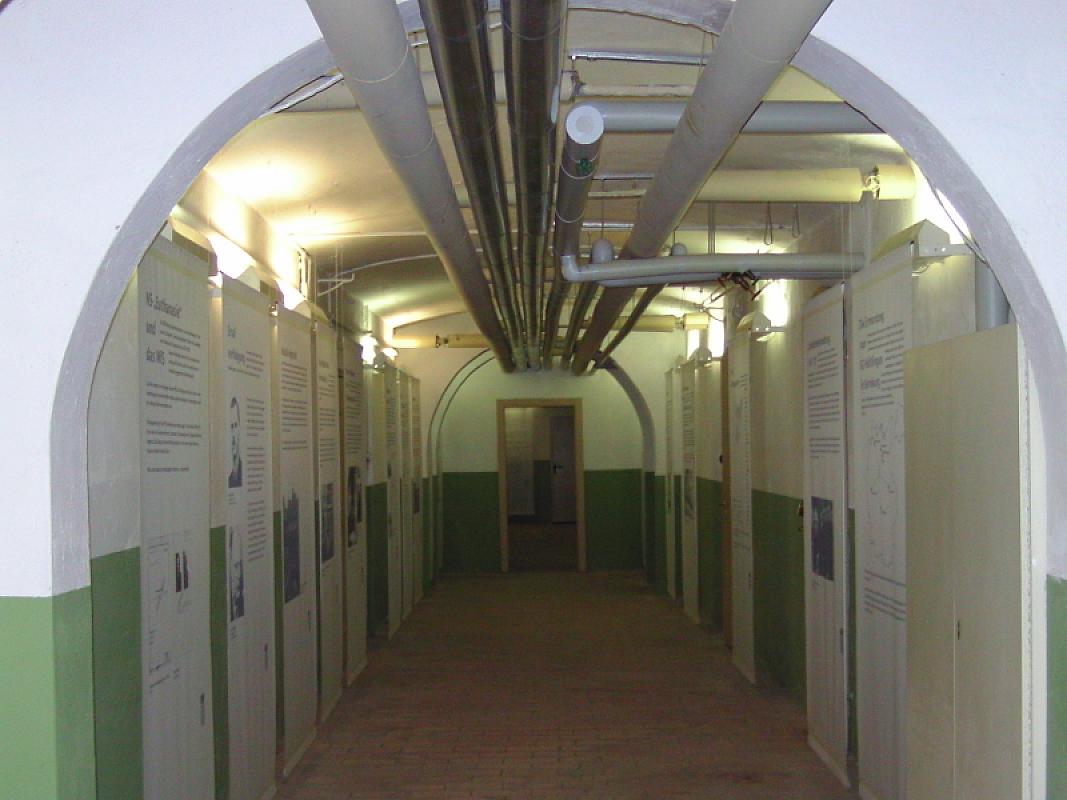
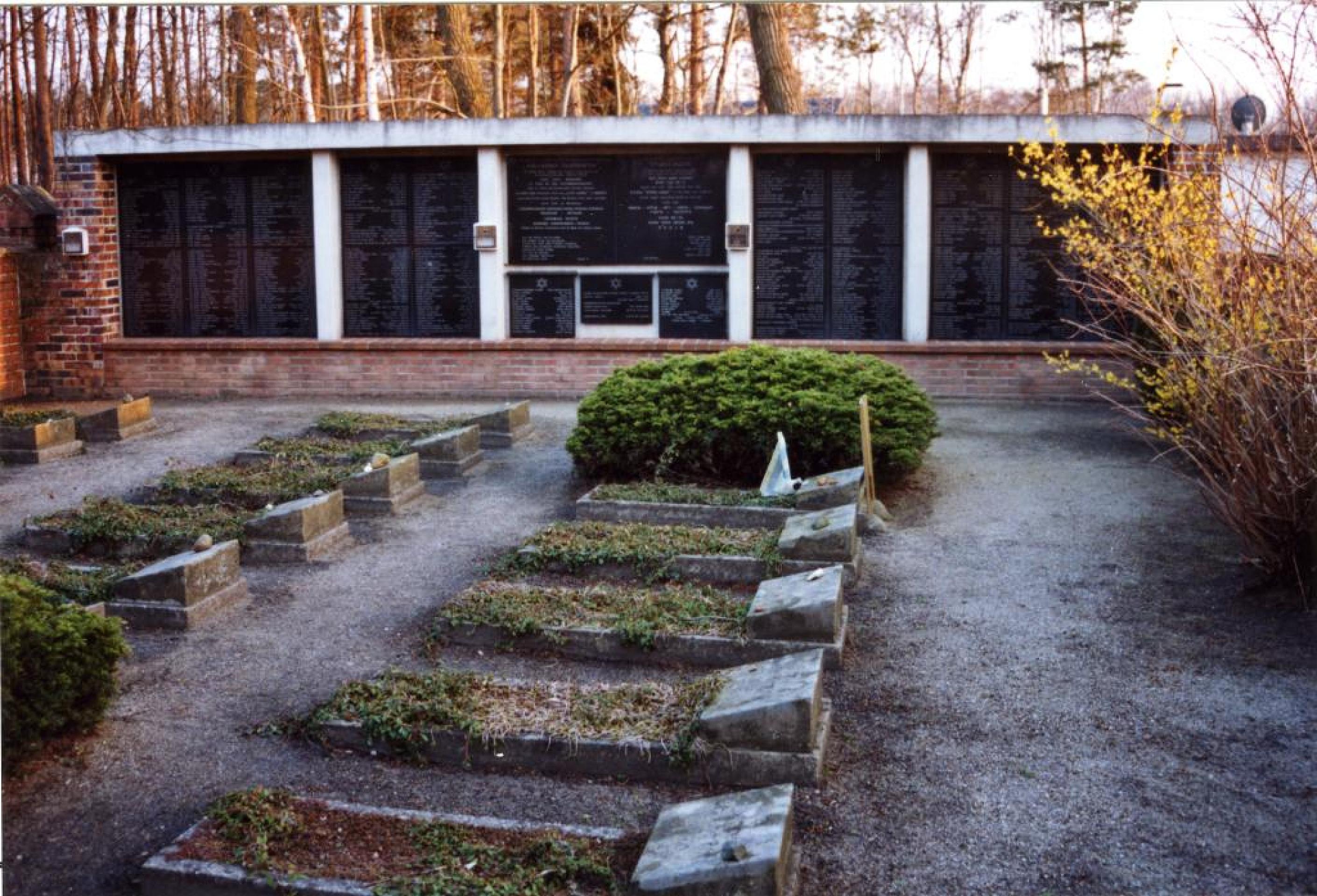
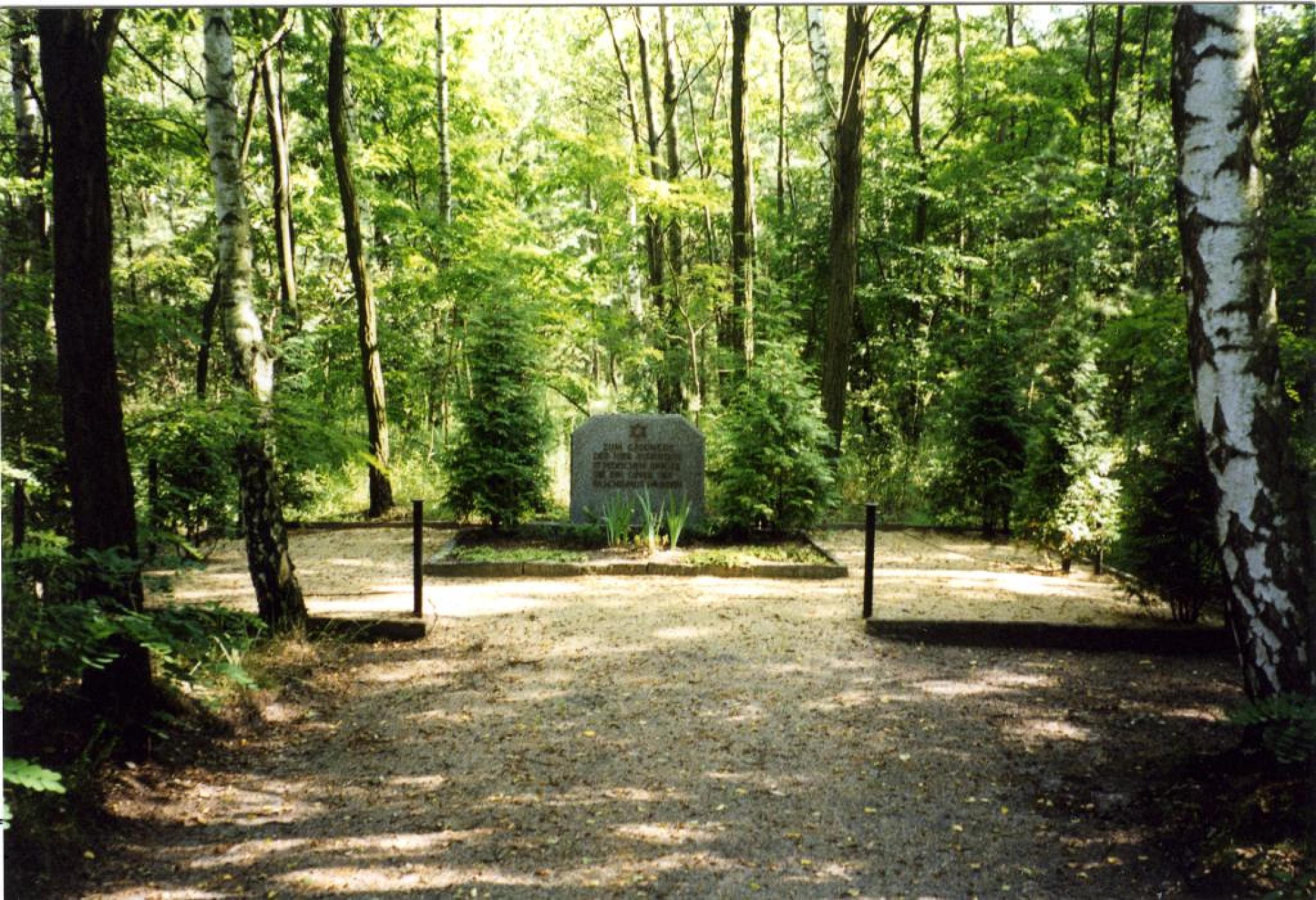
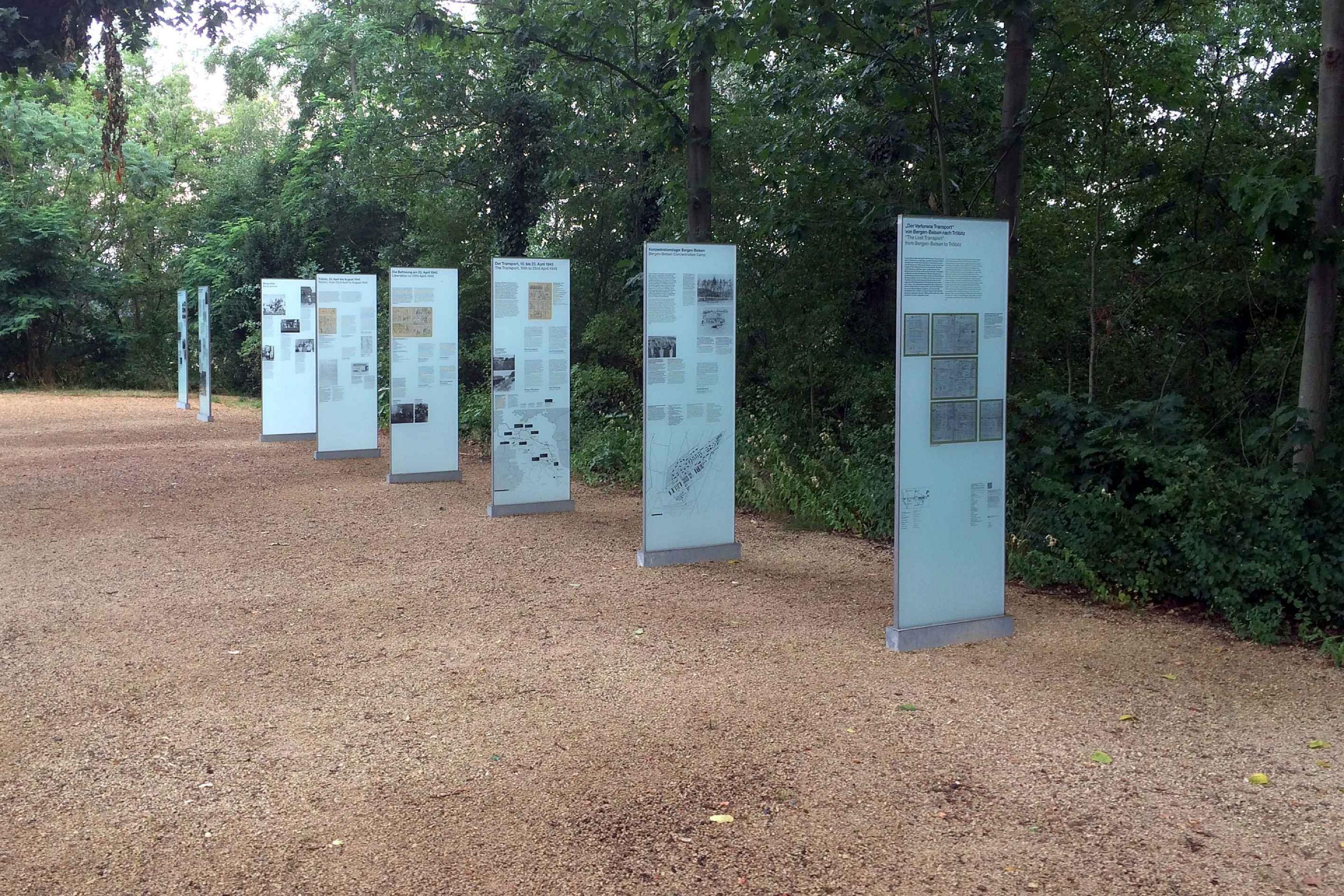
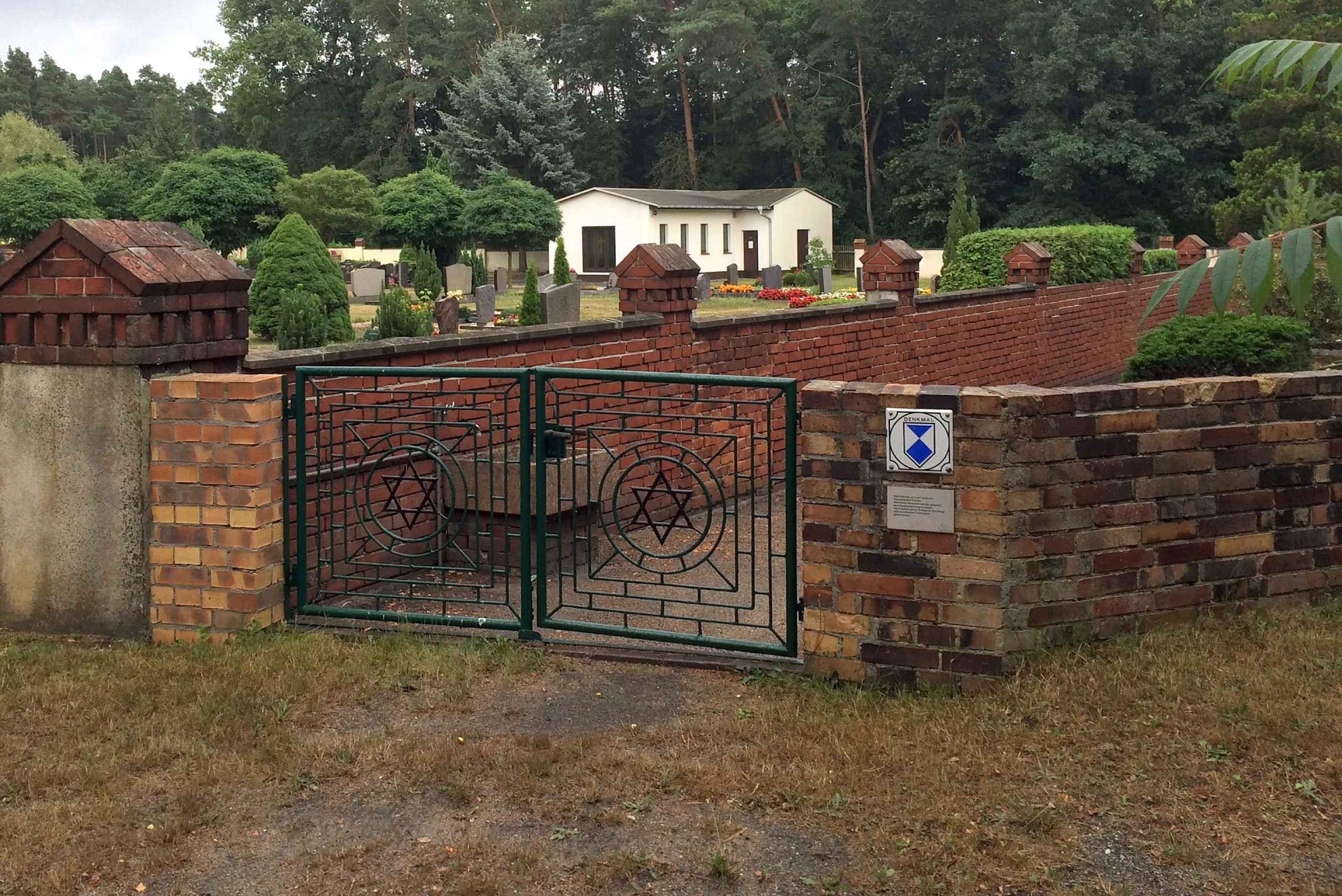
In 1966, a Jewish cemetery was established and consecrated by rabbis. Located here are the graves of 125 Jews who died in Tröbitz in the days and weeks after liberation. At the same time, a memorial stone was erected. In 1995, a ten meter long black granite wall was inaugurated on the Jewish cemetery with many survivors and their relatives present. It bears the names of 550 victims of the »lost transport«. The memorial wall was initiated by the »Lost Transport, Victims Memorial Society; Bergen Belsen-Tröbitz 1945« organisation which is mostly active in Israel. At the cemetery, there is now also an open air exhibition informing on the »lost transport« and the fate of the victims.
Monuments along the railway line were set up in memory of the victims buried at those sites in mass graves: at kilometre 101.6 in Langennaundorf, dedicated to 16 victims, and at kilometre 106.7 in Wildgrube, honouring 28 victims. A documentary by Hans-Jürgen Hermel, which was released in 1999, deals with the history of the »lost transport«. It is entitled »The Lost Train. Through Hell on the Wheels of the Reichsbahn«.
Open
The Tröbitz Jewish Cemetery and the memorials are accessible at all times.
Contact
+49 (0)35326 381
03253 Tröbitz