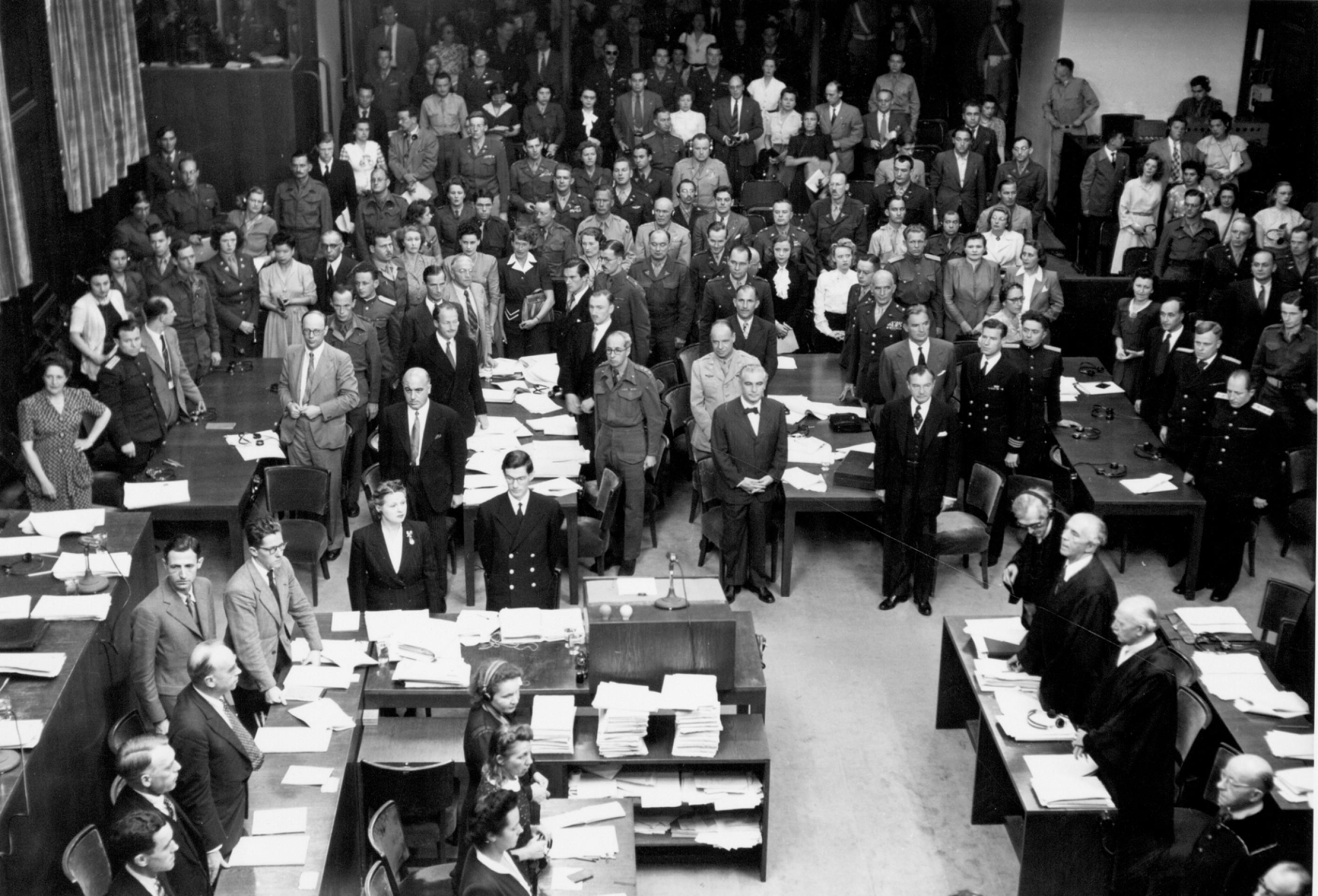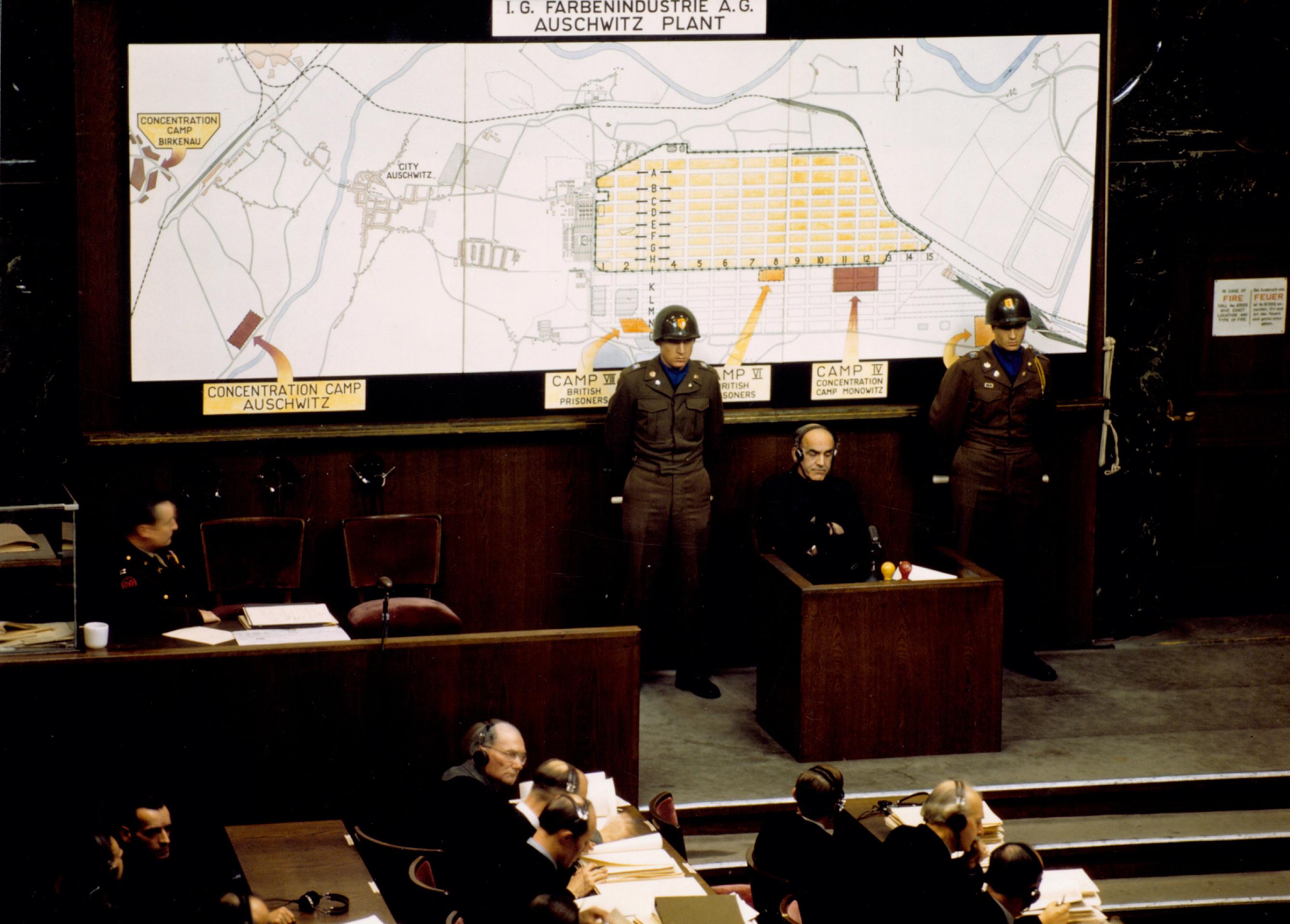
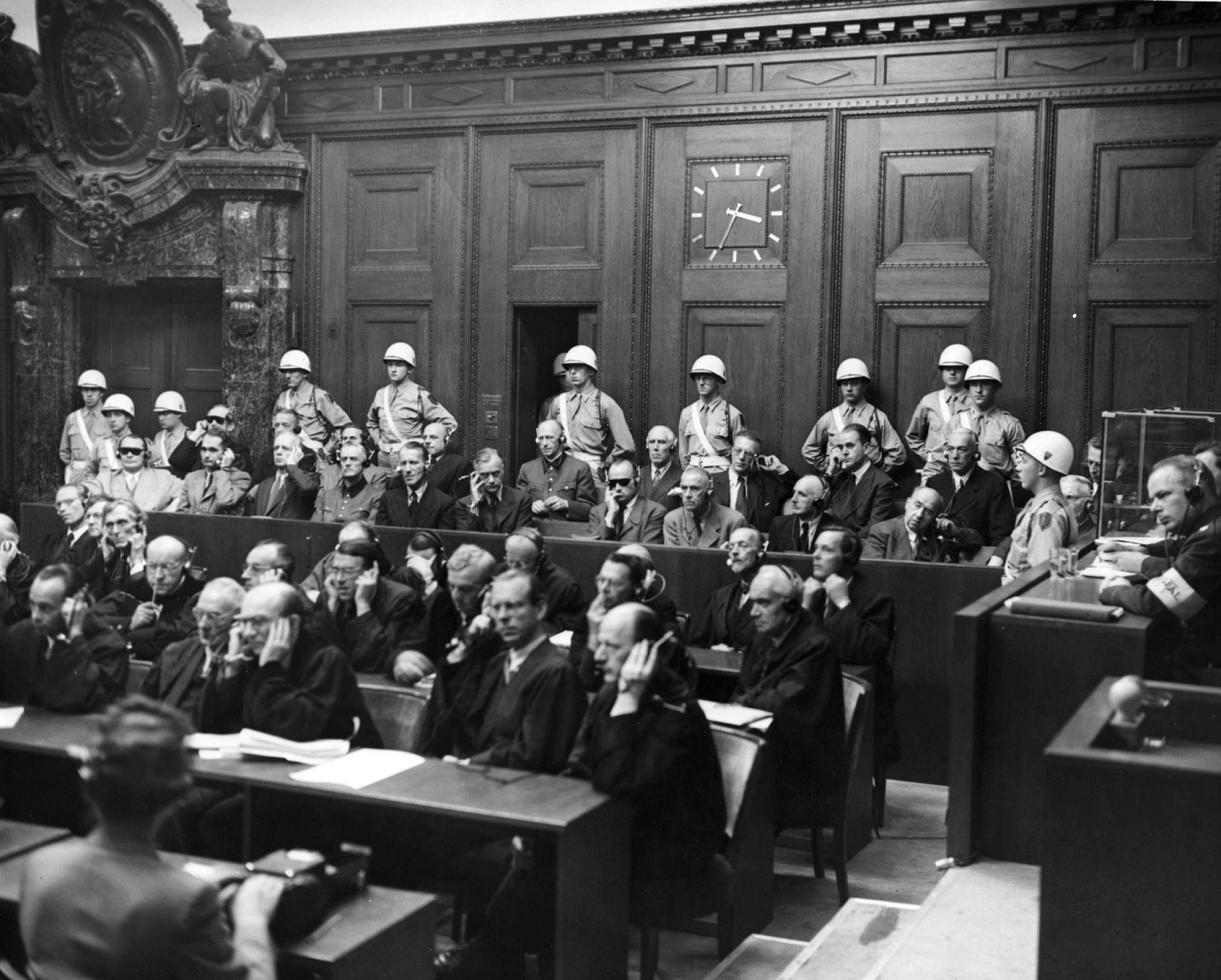
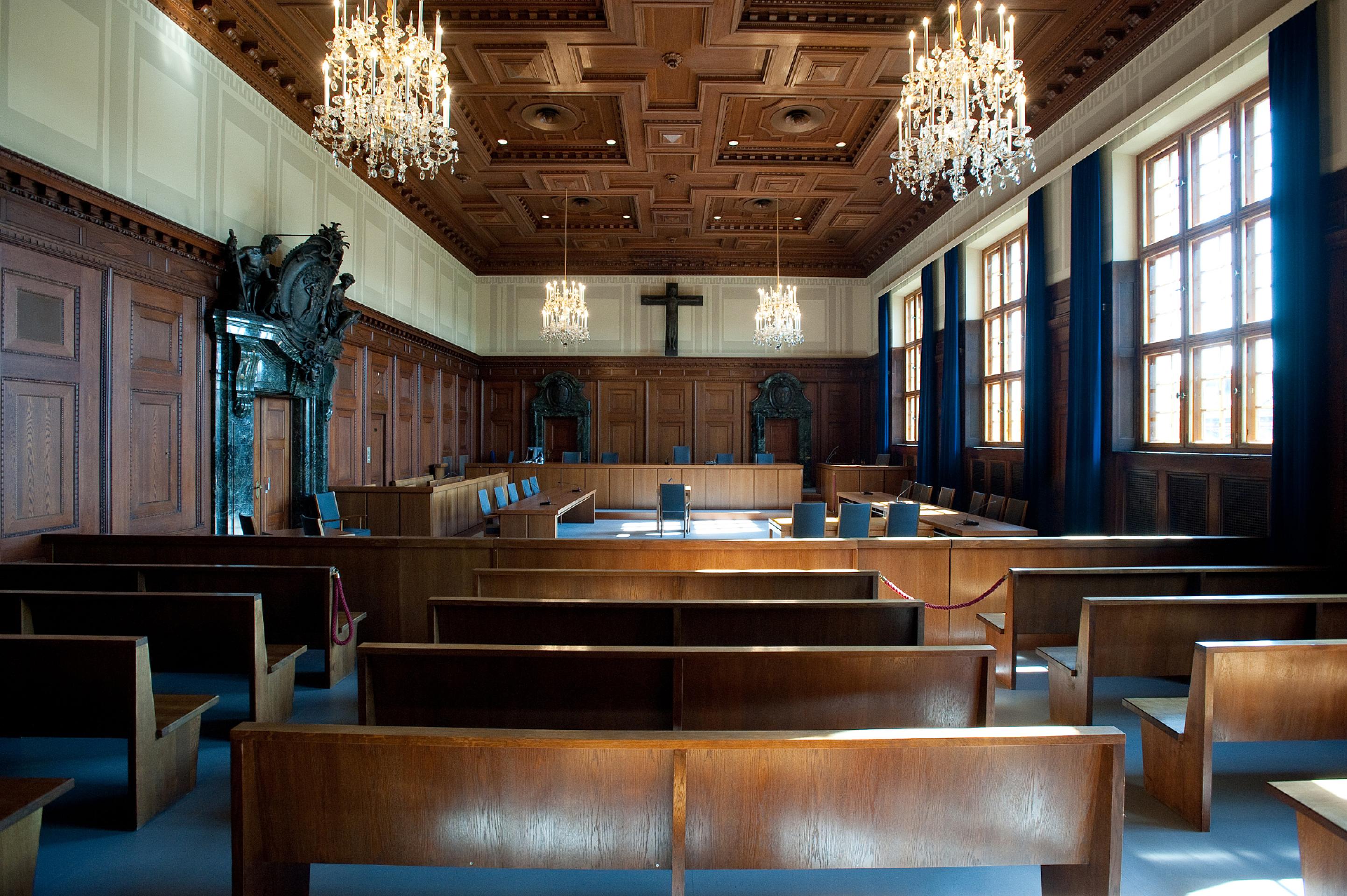
From 20 November 1945 to 1 October 1946, leading figures of the National Socialist regime had to stand trial before the International Military Tribunal in Courtroom 600 of the Nuremberg Palace of Justice. The »Memorium Nuremberg Trials« provides information about the trial at the historical site, but also extends the focus to the subsequent Nuremberg Trials held in 1946-49 and their impact on the development of international criminal law.
History
At the beginning of August 1945, the Allies established an International Military Tribunal to try war crimes, crimes against humanity and crimes against peace. The Military Tribunal was initially supposed to sit in Berlin, but was moved to Nuremberg in the US occupation zone at the insistence of the USA. The Nuremberg Trials are regarded as the most important part of the Allied punishment programme against leading representatives of the Nazi regime. They took place from 20 November 1945 to 14 April 1949 and comprised the Nuremberg Trial against the main war criminals as well as several so-called subsequent Nuremberg Trials.
After almost a year of hearings, the verdicts against 22 defendants in the Main War Crimes Trial were announced on 30 September and 1 October 1946: Twelve defendants were sentenced to death, seven received long-term or life sentences and three were acquitted. Ten of the twelve death sentences were carried out on 16 October. Among those sentenced to death were the former Foreign Minister Joachim von Ribbentrop and the Nazi chief ideologue Alfred Rosenberg. Hermann Göring evaded the judgement by committing suicide.
By 1949, twelve further trials of German doctors, lawyers, industrialists, SS and police leaders, military officers, ministers, civil servants and diplomats had taken place before American military courts in Nuremberg. 177 verdicts were handed down on 185 charges, 142 of which were prison sentences or death sentences. Four people committed suicide and four were declared unfit to stand trial due to illness. In addition to the Nuremberg Trials, further trials against war criminals took place in all four occupation zones.
Victims
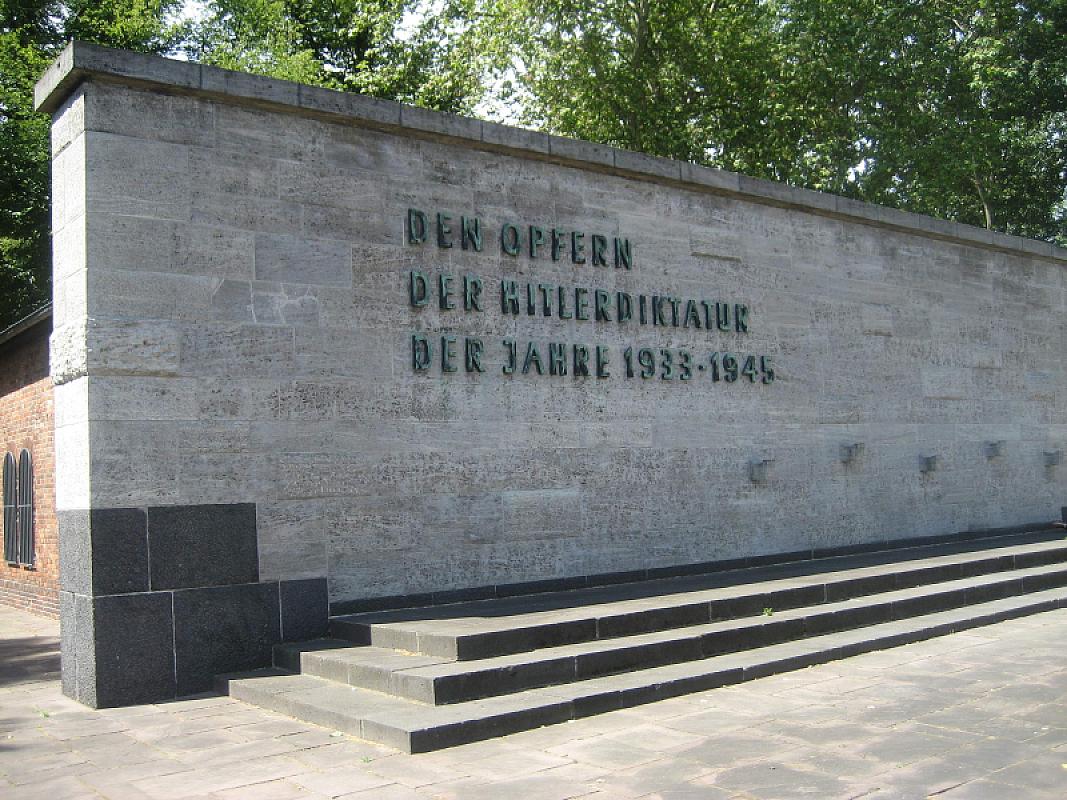
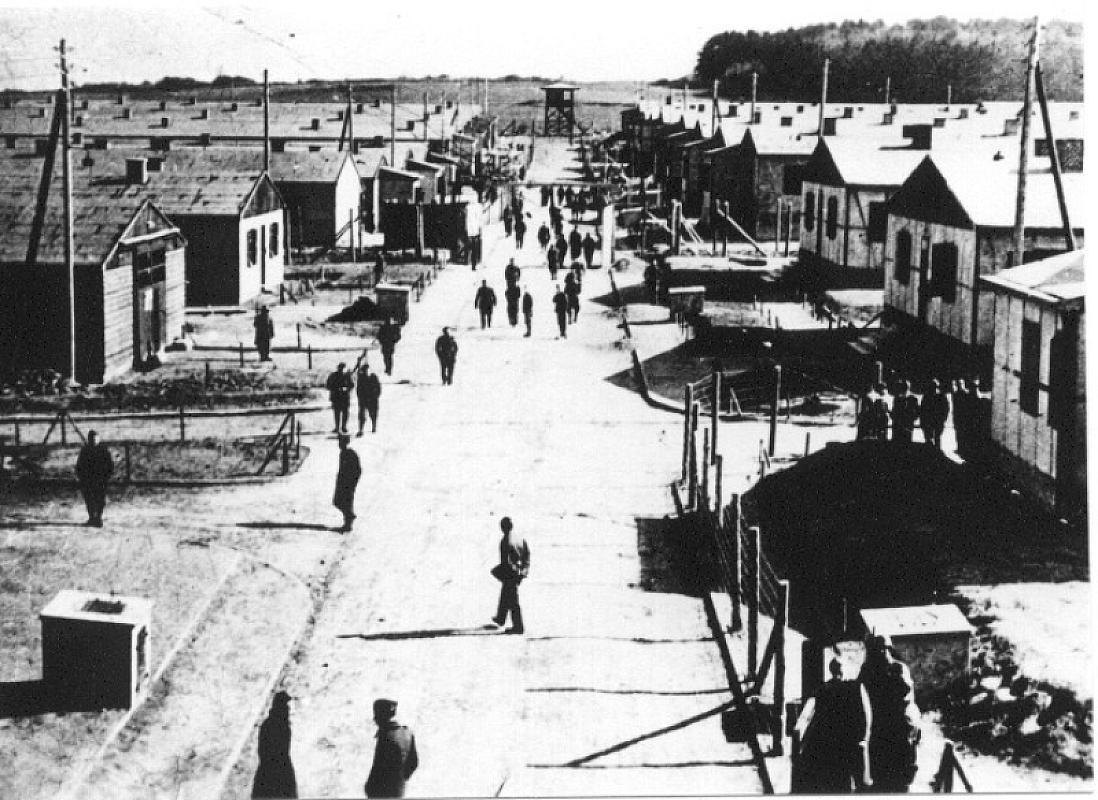
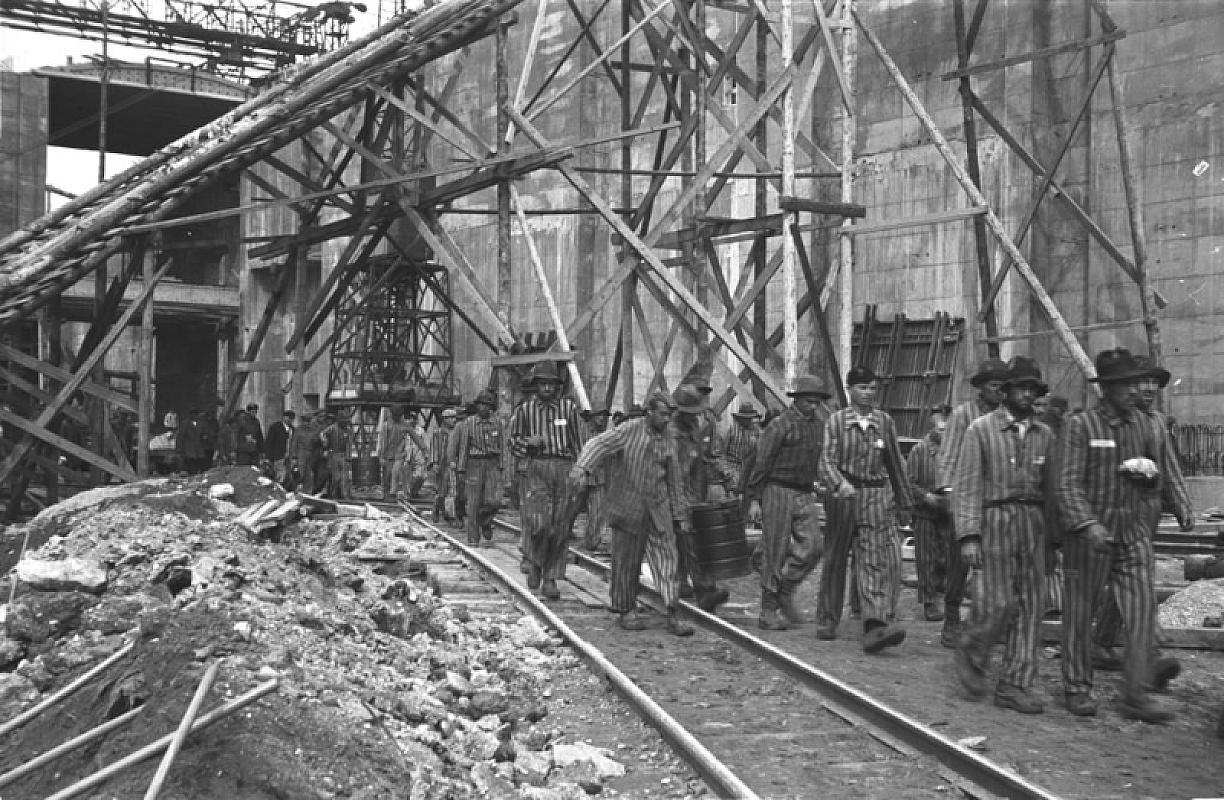
The Nazi reign of terror and the Second World War brought suffering and destruction to Europe and the world. The National Socialists committed countless war crimes and murdered six million Jews and hundreds of thousands of Sinti and Roma. Other social groups were also victims of persecution and murder, including people with disabilities, homosexuals, Jehovah's Witnesses and political opponents. Over 50 million people – soldiers and civilians alike – lost their lives during the Second World War as a result of acts of war and their consequences.
Remembrance
The Nuremberg Trials not only occupy a prominent position in dealing with the crimes of National Socialism, but also mark a milestone in international jurisprudence. The fact that the offence of »crimes against humanity« was tried before an international court for the first time had a decisive influence on the prosecution of human rights violations under international criminal law in the decades that followed. In 1948, the United Nations General Assembly adopted the Universal Declaration of Human Rights and a Convention on the Prevention and Punishment of the Crime of Genocide.
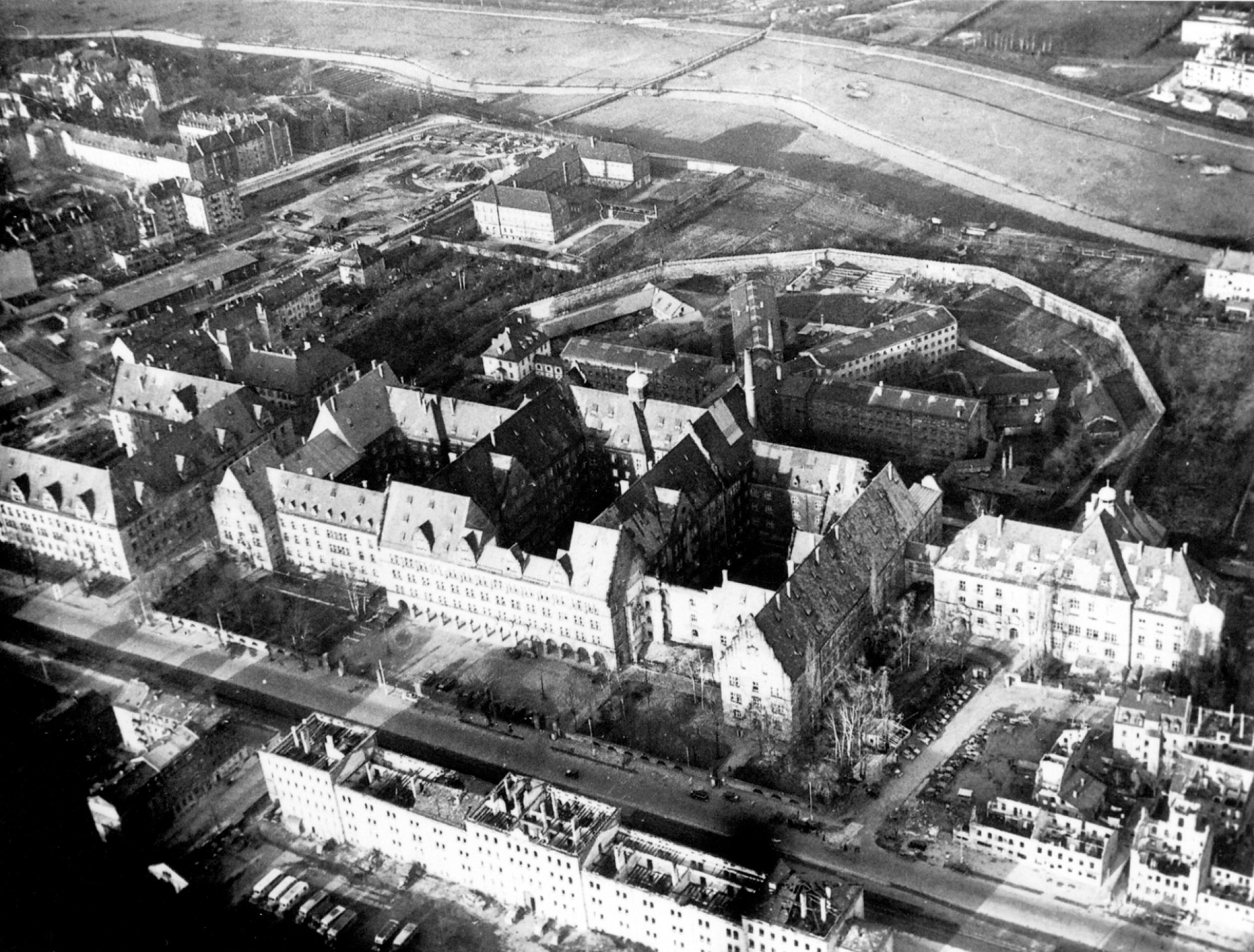
Today, the Palace of Justice houses the Nuremberg Higher Regional Court, the Nuremberg-Fürth Regional Court, the Nuremberg District Court and the Nuremberg-Fürth Public Prosecutor's Office. In May 2000, the museums of the city of Nuremberg offered public guided tours of the historic Courtroom 600 at weekends for the first time. The number of visitors has increased from year to year. Particularly in connection with the numerous events to mark the 60th anniversary of the start of the trial, it became clear how strongly Courtroom 600 is anchored in international cultural memory as a place of justice for immeasurable injustice.
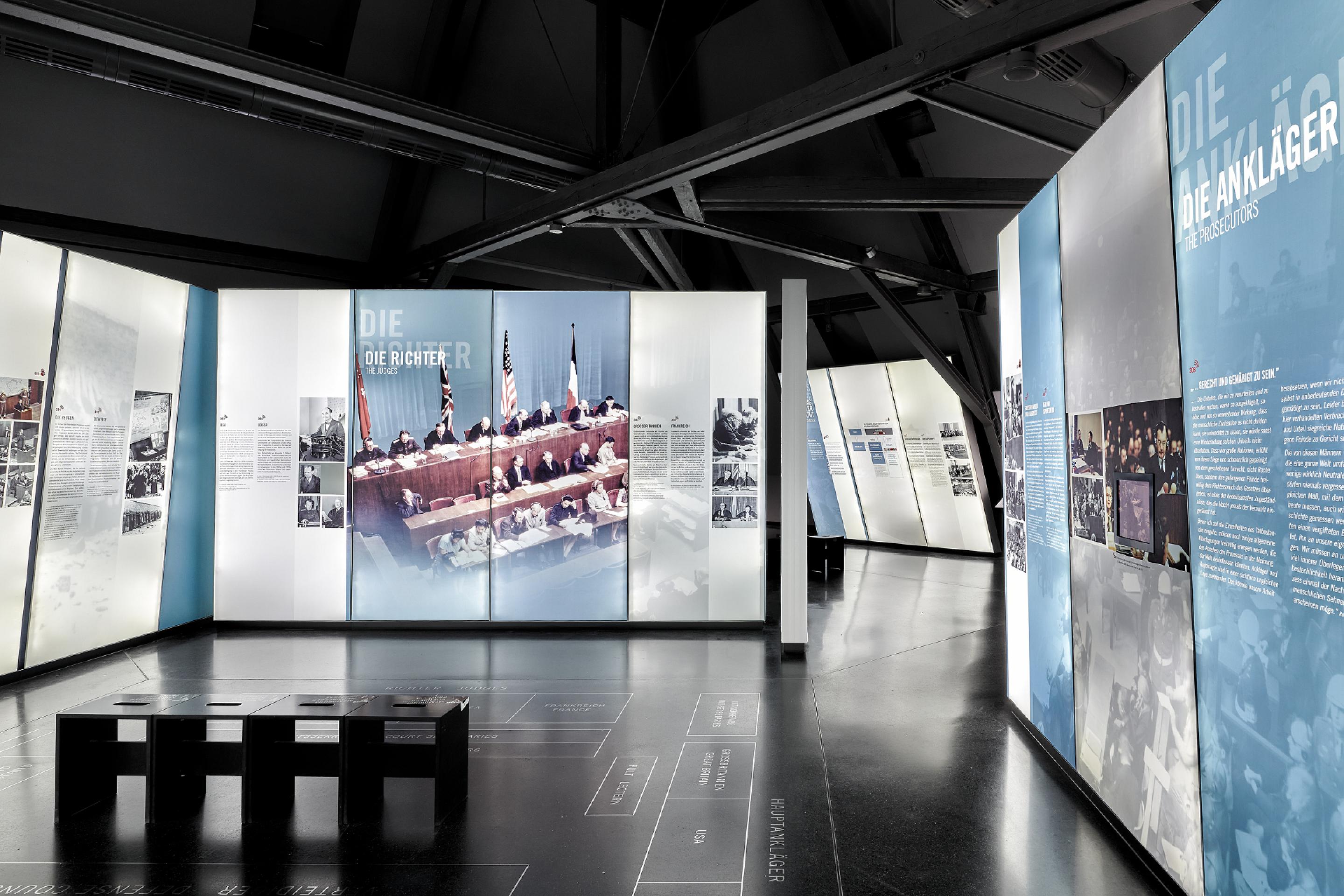
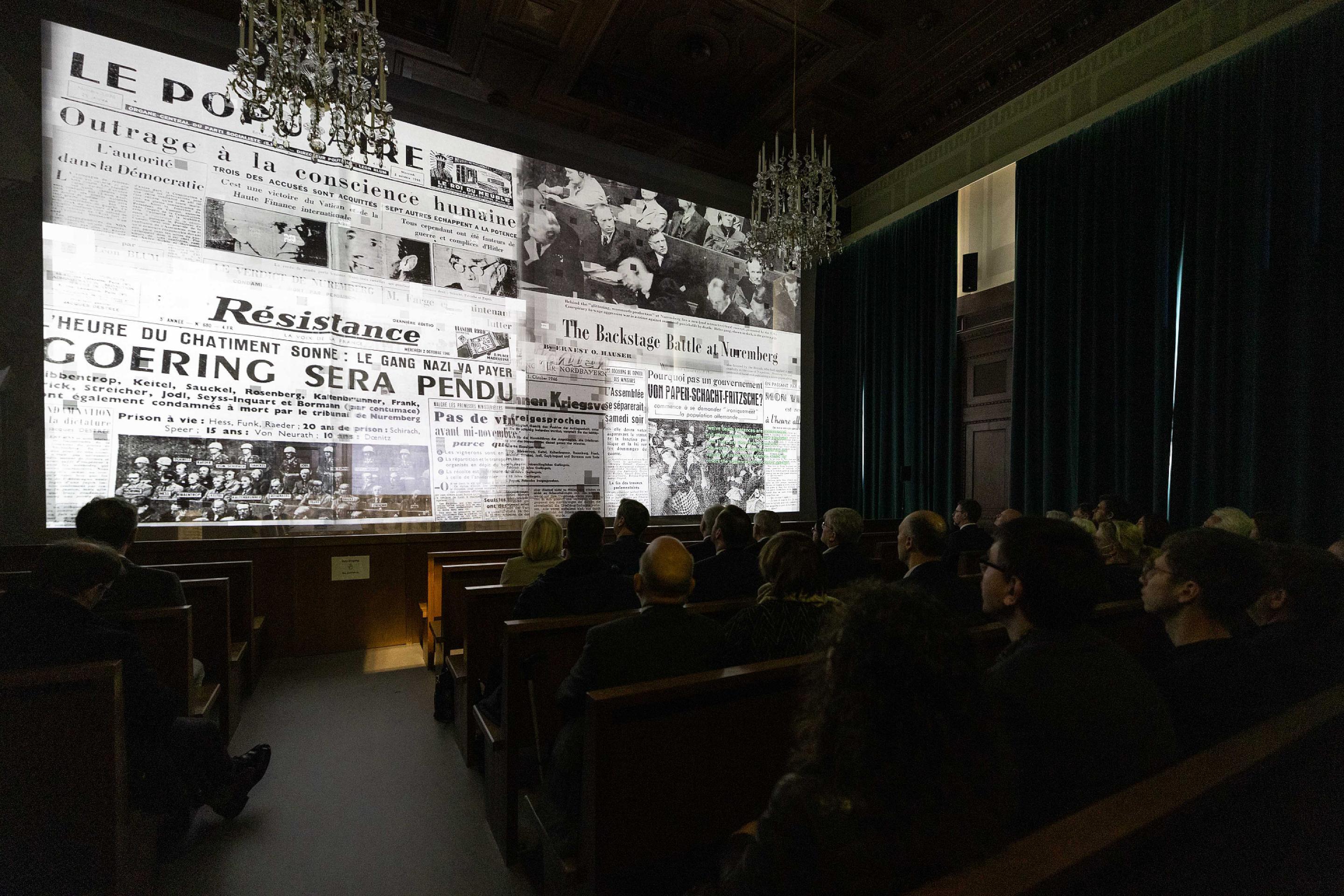
In October 2005, the Board of Trustees of the Documentation Centre Nazi Party Rally Grounds presented the »Memorium Nuremberg Trials« project to the public for the first time. In December 2008, the entire East Building of the Nuremberg Palace of Justice was cleared, and in January 2009, the first demolition work began. Construction work on the Memorium began in March. This was followed by the construction of the exhibition, which was opened on 21 November 2010 as part of a ceremony with national and international political participation.
Possibilities
Permanent exhibition and temporary exhibitions, public guided tours, educational programmes for schools and groups, regular events, publications, digital services
Open
Monday and Wednesday to Friday 9. a.m. to 6 p.m.
Saturday and Sunday 10 a.m. to 6 p.m.
Tuesday closed
Contact
https://museen.nuernberg.de/memorium-nuernberger-prozesse
memorium@stadt.nuernberg.de
+49 (0)911 231 - 28 614
Bärenschanzstraße 72
90429 Nürnberg