Memory of murdered Jews in Glubokoye
Память убитых евреев Глубокого / Памяць забітых яўрэяў Глыбокага
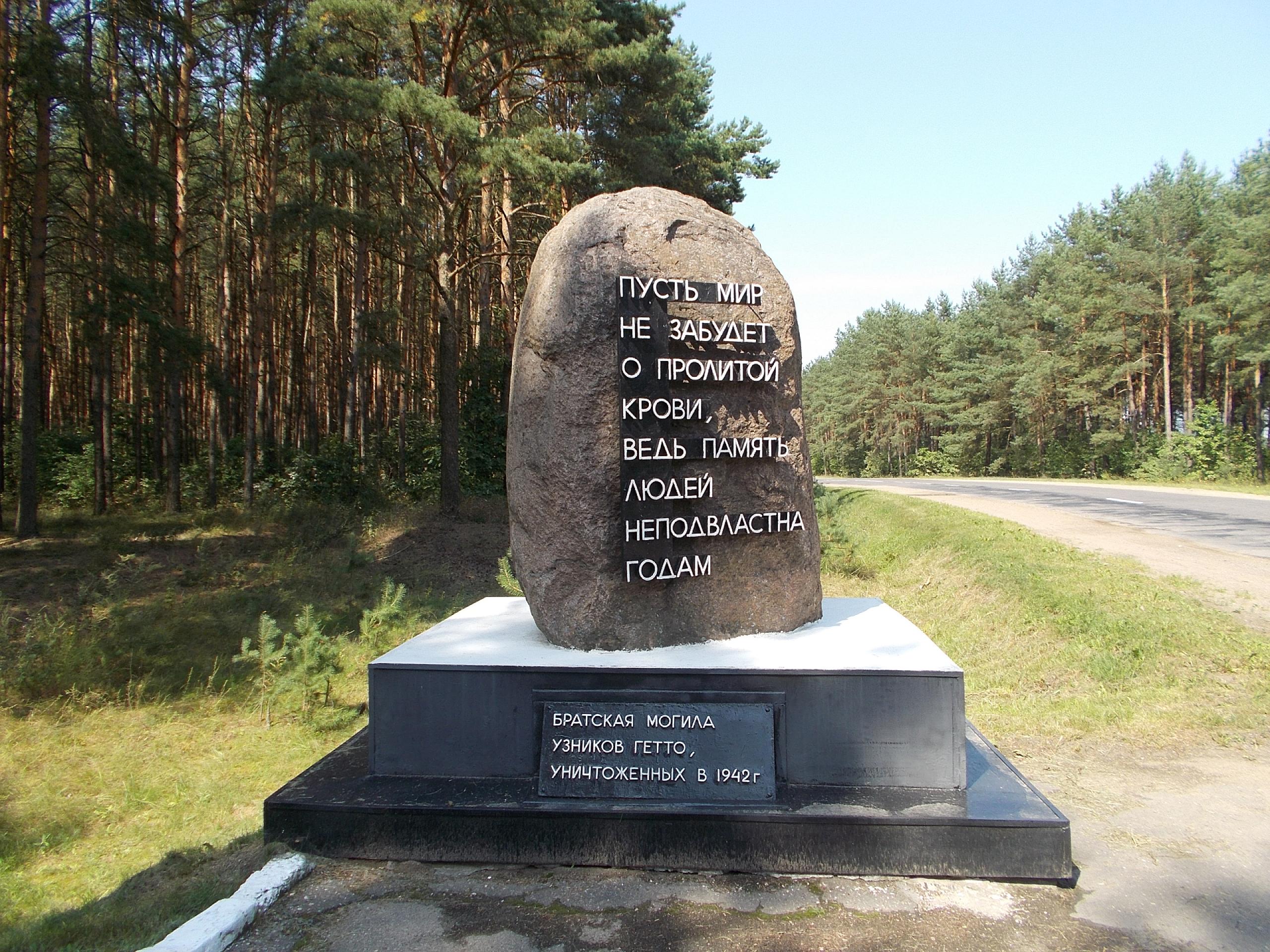
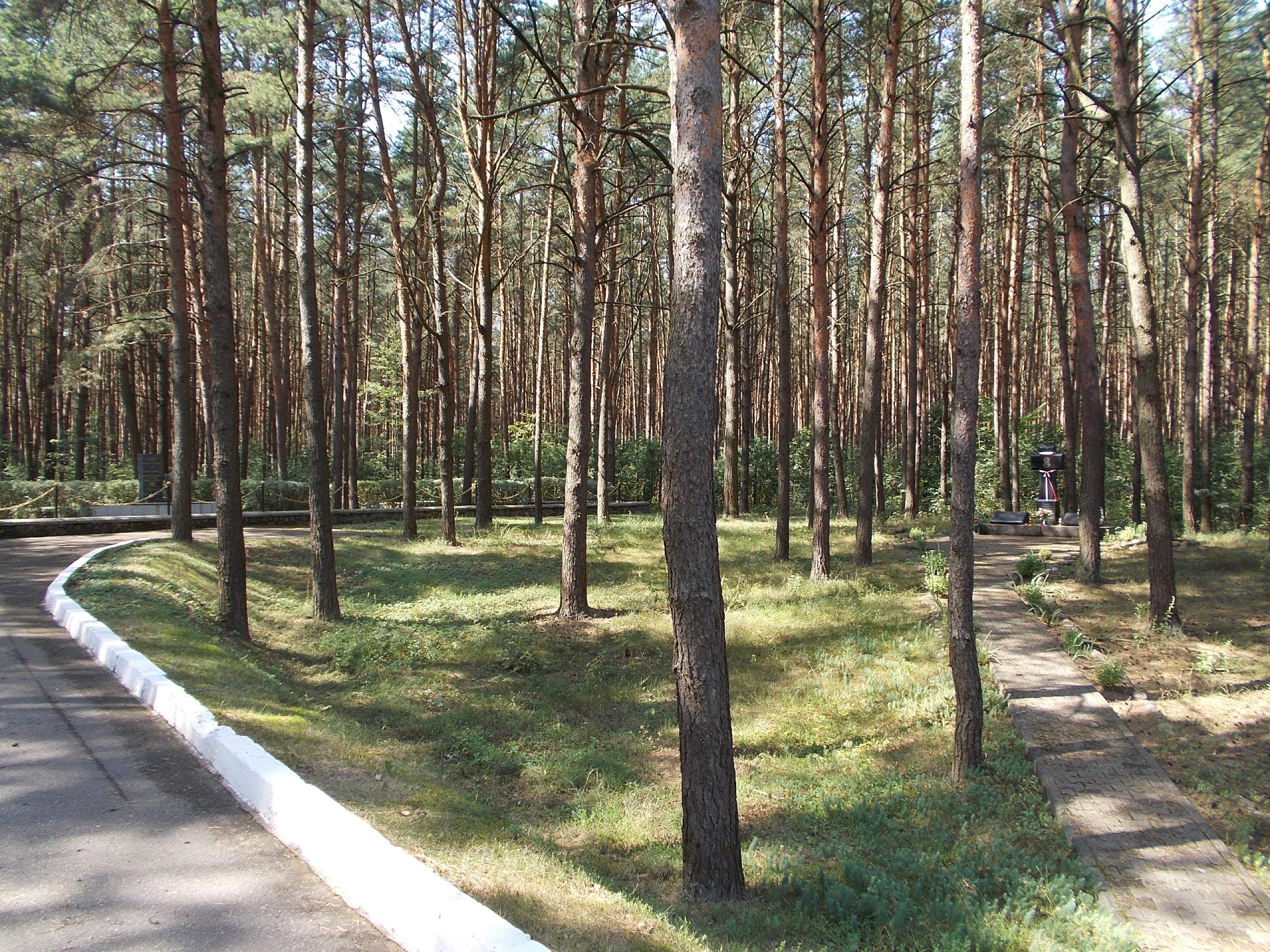
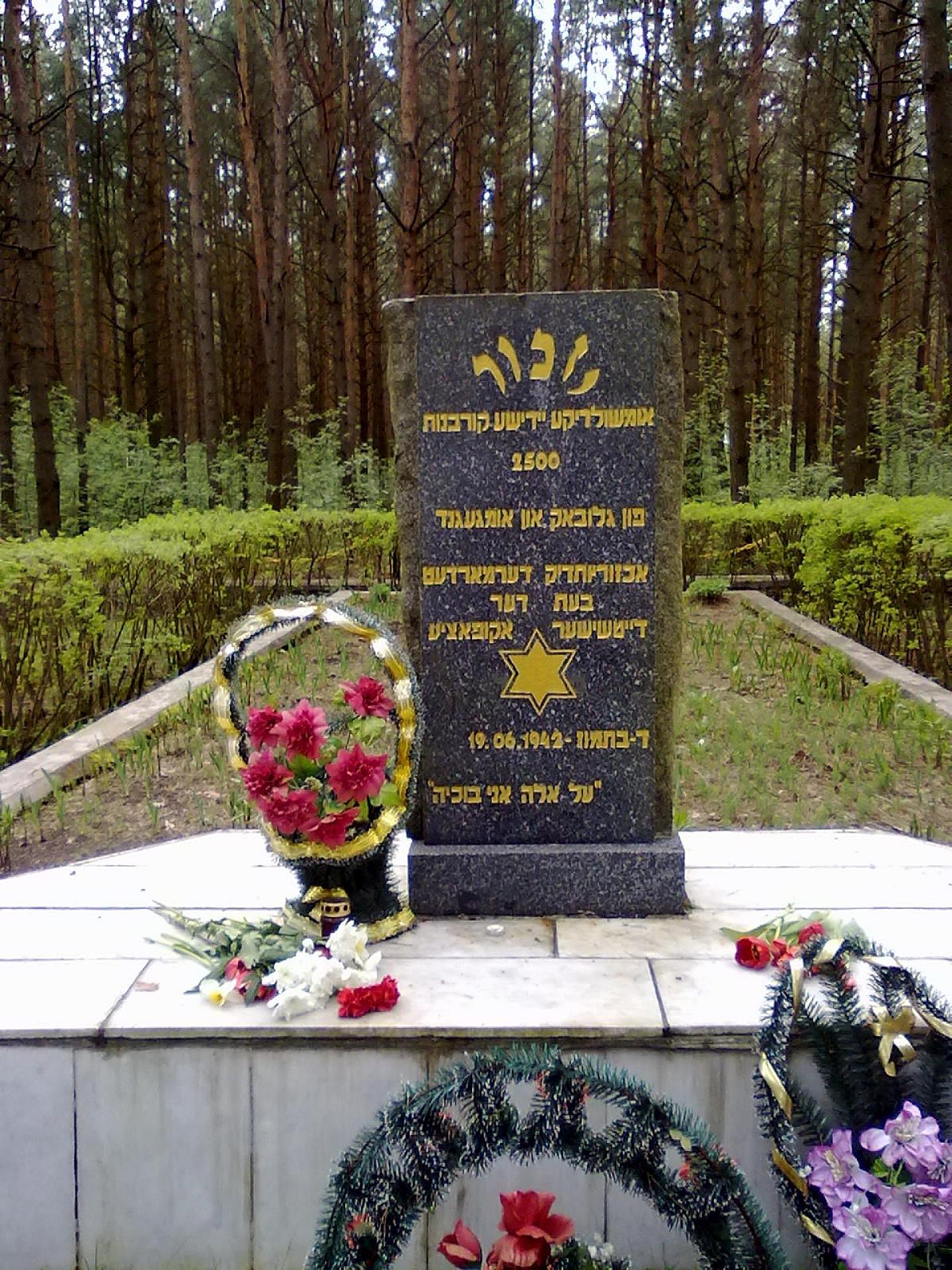
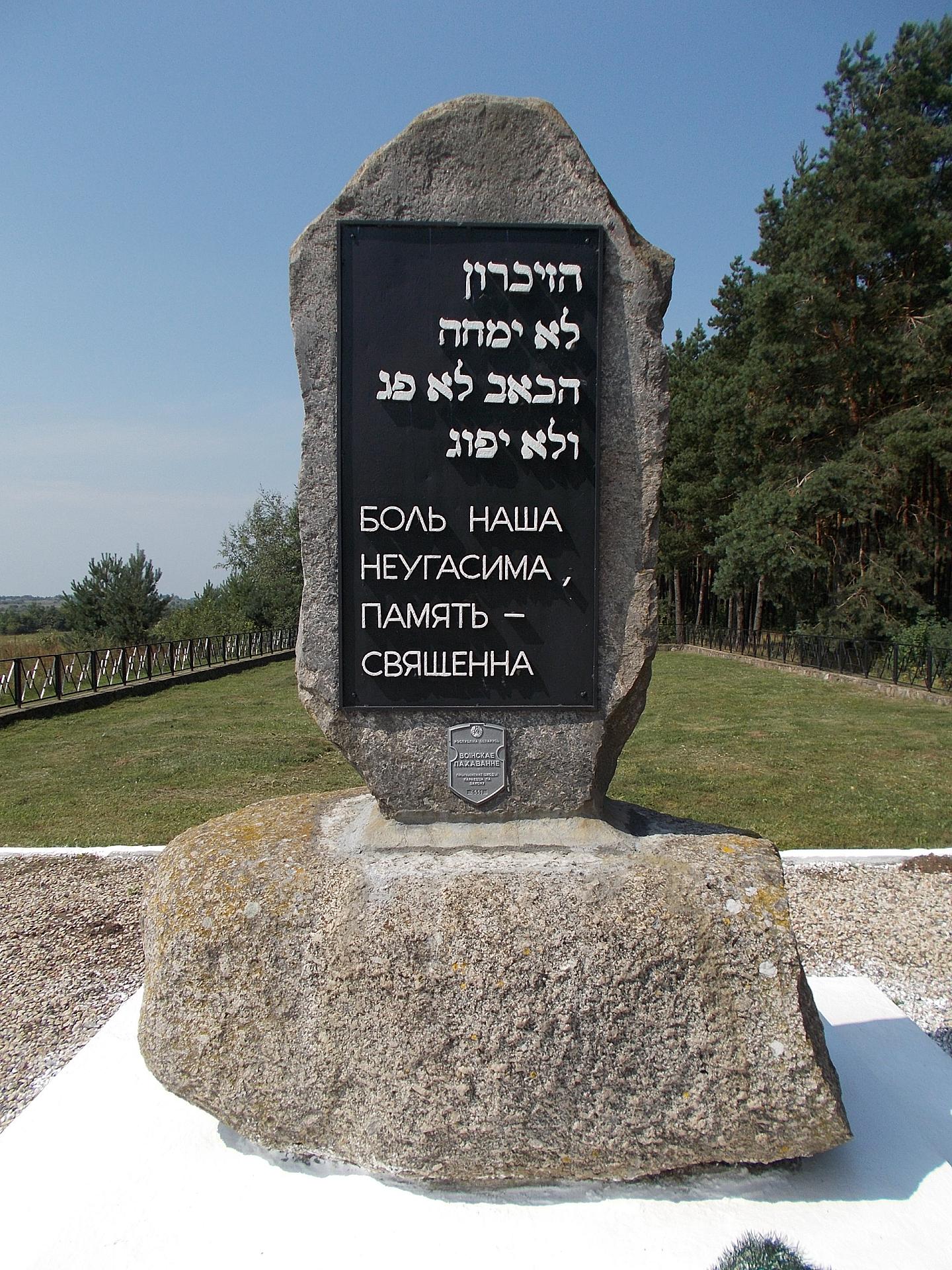
In the Belarusian city of Glubokoye several memorials commemorate the Jews of the ghetto who were murdered there between 1941 and 1943 by German units and their accomplices. One of the mass shooting sites is in the small forest of Borok, where there is also a memorial remembering the Soviet and Italian prisoners of war who perished in nearby German camps.
History
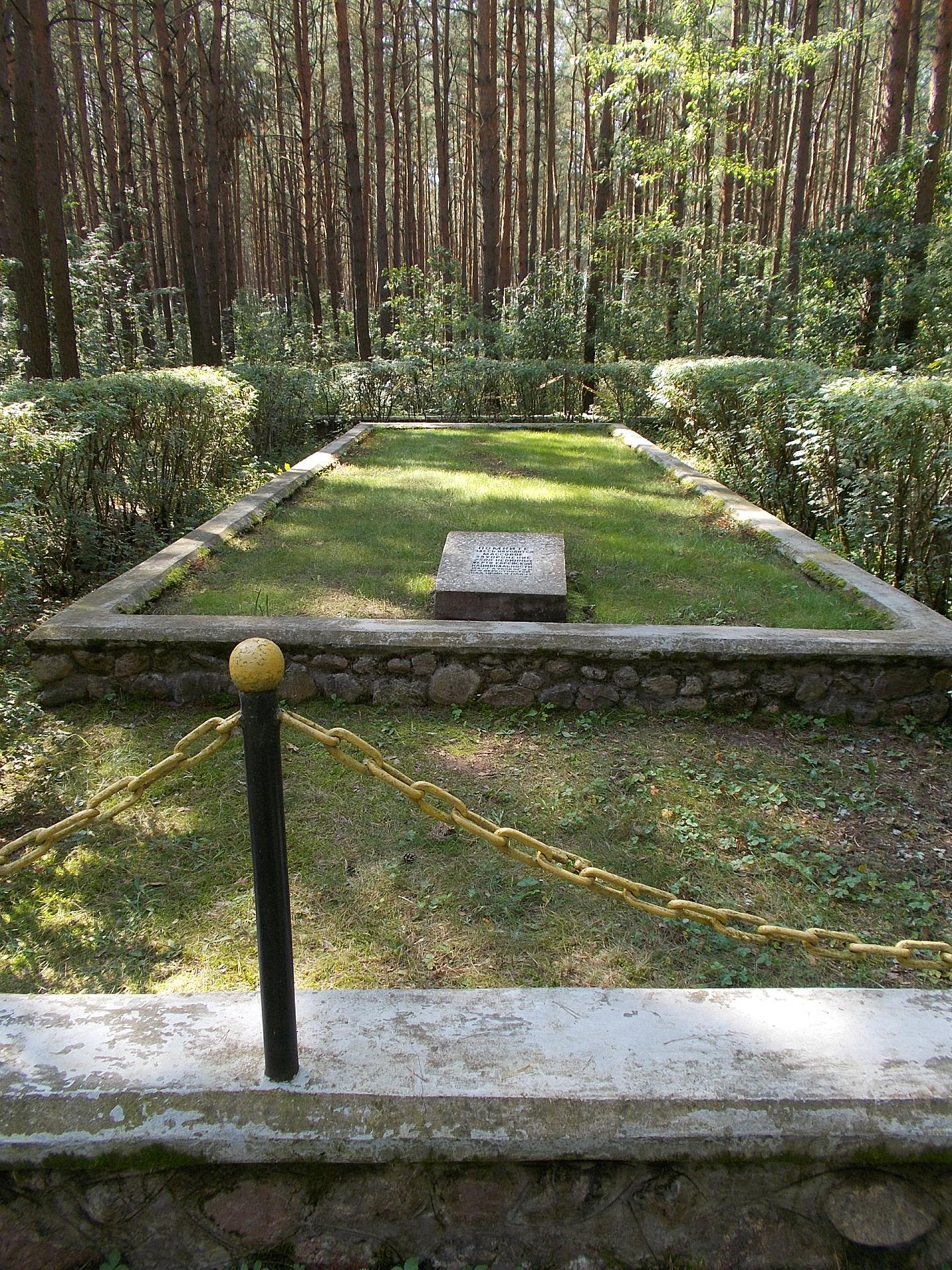
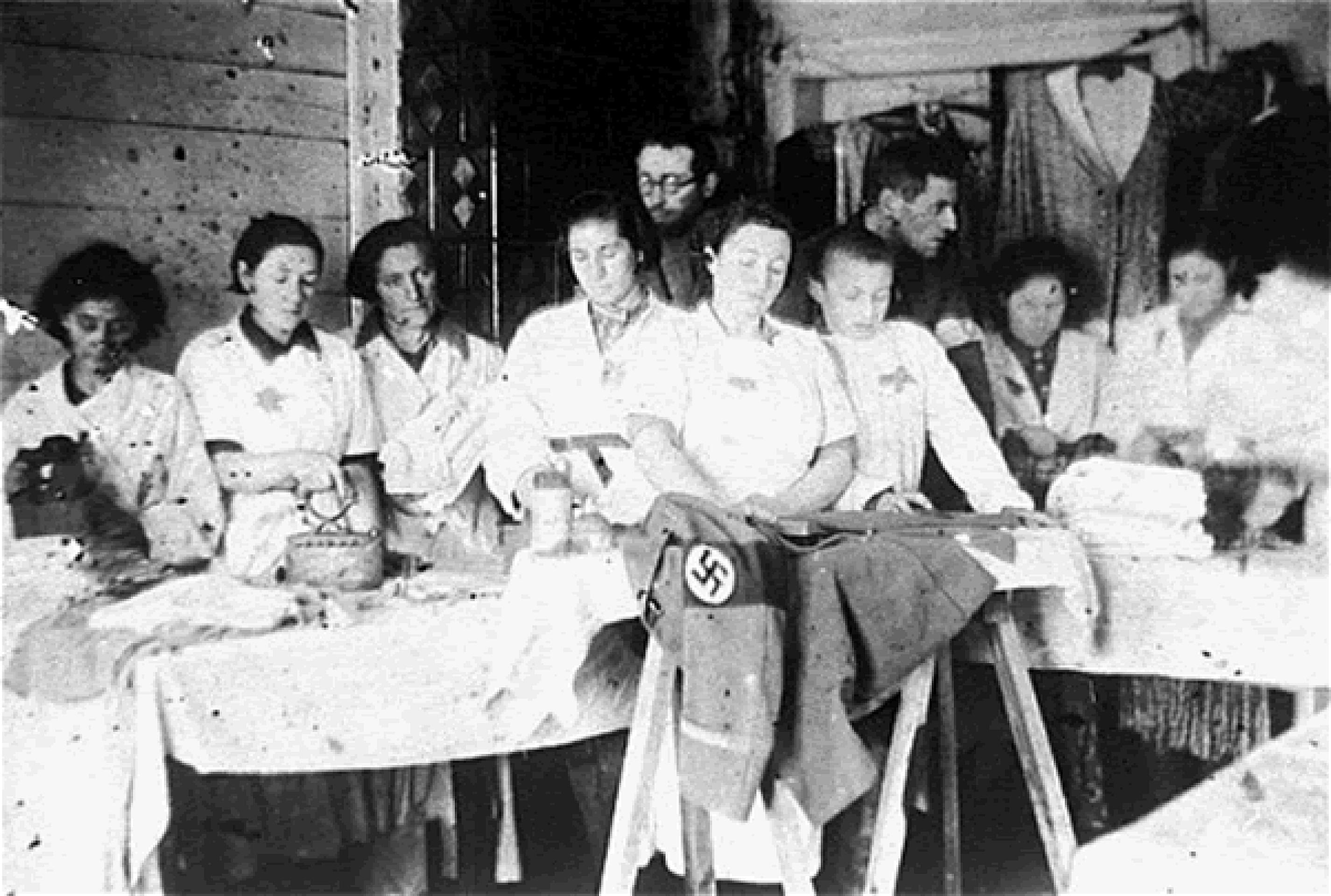
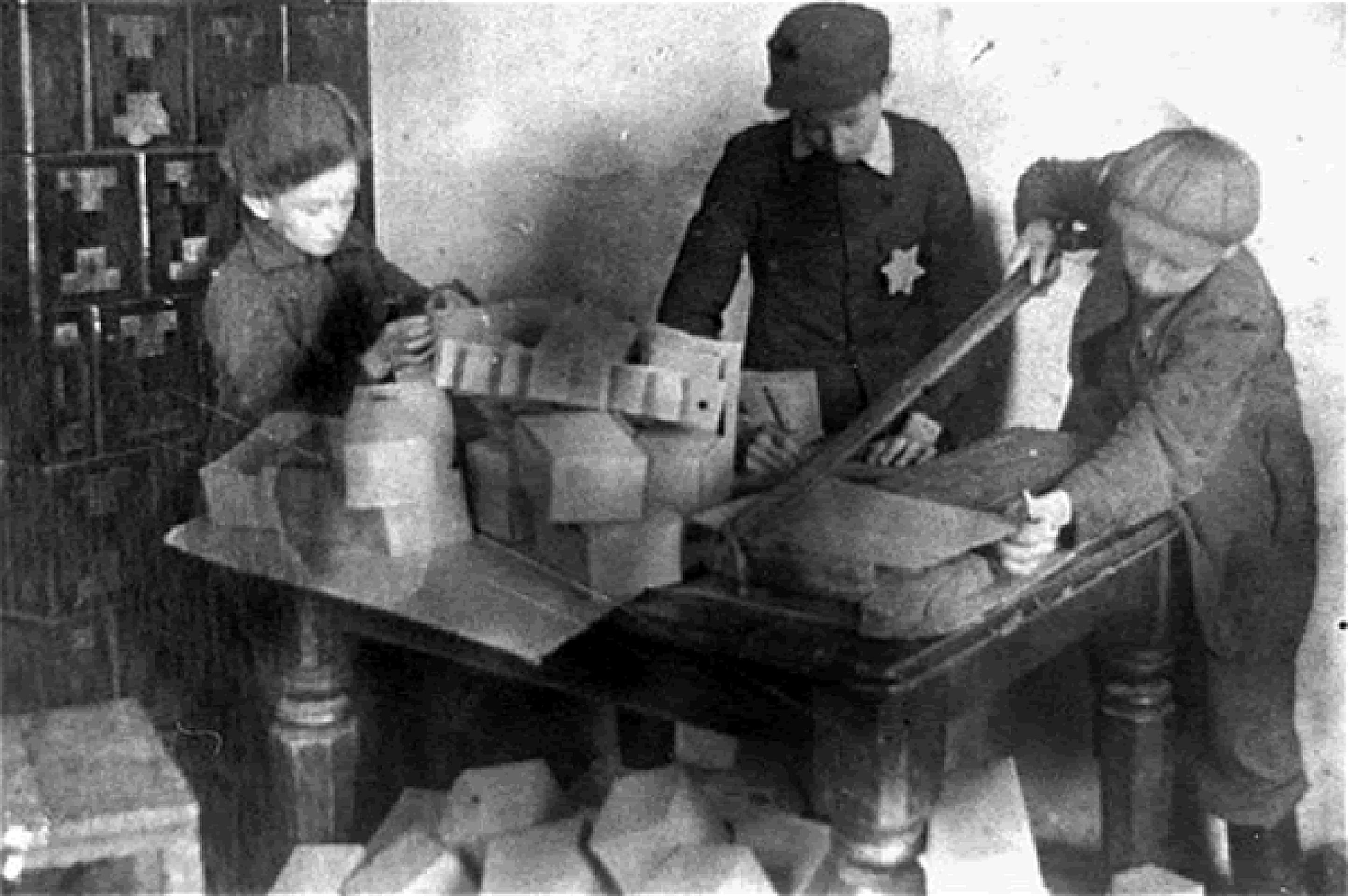
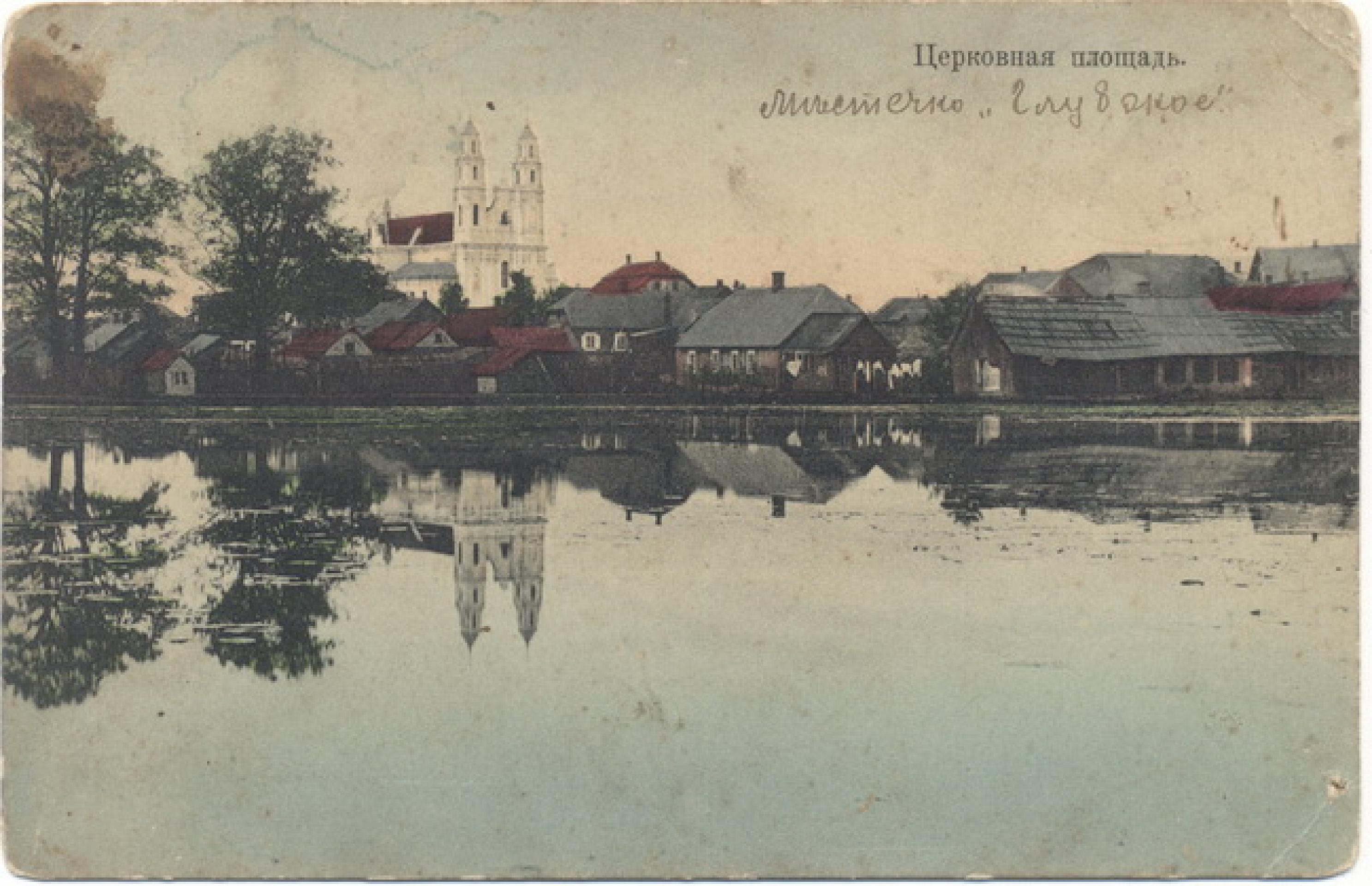
The small town of Glubokoye (Belarusian: Hlybokaje, Polish: Głębokie), located in the northern part of Belorussia, belonged to the Russian Empire before the First World War and to Poland between the two World Wars. According to the Molotov-Ribbentrop Pact, Glubokoye was occupied by the Soviets in September 1939. Jews have lived in the city since the 18th century and made up the majority of the approximately 9,000 inhabitants at the outbreak of the Second World War. After the German attack on the Soviet Union, the Wehrmacht occupied Glubokoye on July 2, 1941. At that time there were approximately 5,000 Jews in the city, many of them refugees. On October 22, 1941 the Germans set up a ghetto in Glubokoye, where all Jews from Glubokoye and surroundings had to live together in a very confined space. Only on work missions were Jews allowed to leave the cordoned off area. Again and again Jews were murdered in groups. On May 27, 1942, Einsatzkommando 9 (Sub-group of Einsatzgruppe) of Einsatzgruppe B (mobile killing unit) under the command of SS-Untersturmführer (2nd Lieutenant of the SS) Heinz Tangermann carried out the first of two »Großaktionen« against Jews. The commando shot about 2,500 Jews who they considered unfit for work in a piece of woodlands called Borok about a kilometre from the ghetto. The remaining Jews stayed in the ghetto which initially grew further due to the relocation of Jewish forced labourers from other ghettos. At the same time, a resistance movement was formed in the ghetto that in collaboration with Soviet partisans succeeded in killing 70 Germans on August 17, 1943. As a result, the occupation authorities decided to liquidate the ghetto and murder the Jews. While the houses in the ghetto were set on fire and the inhabitants were shot, about one hundred Jews were initially able to escape to the forest. Many of them were later re-captured and subsequently murdered.
Victims
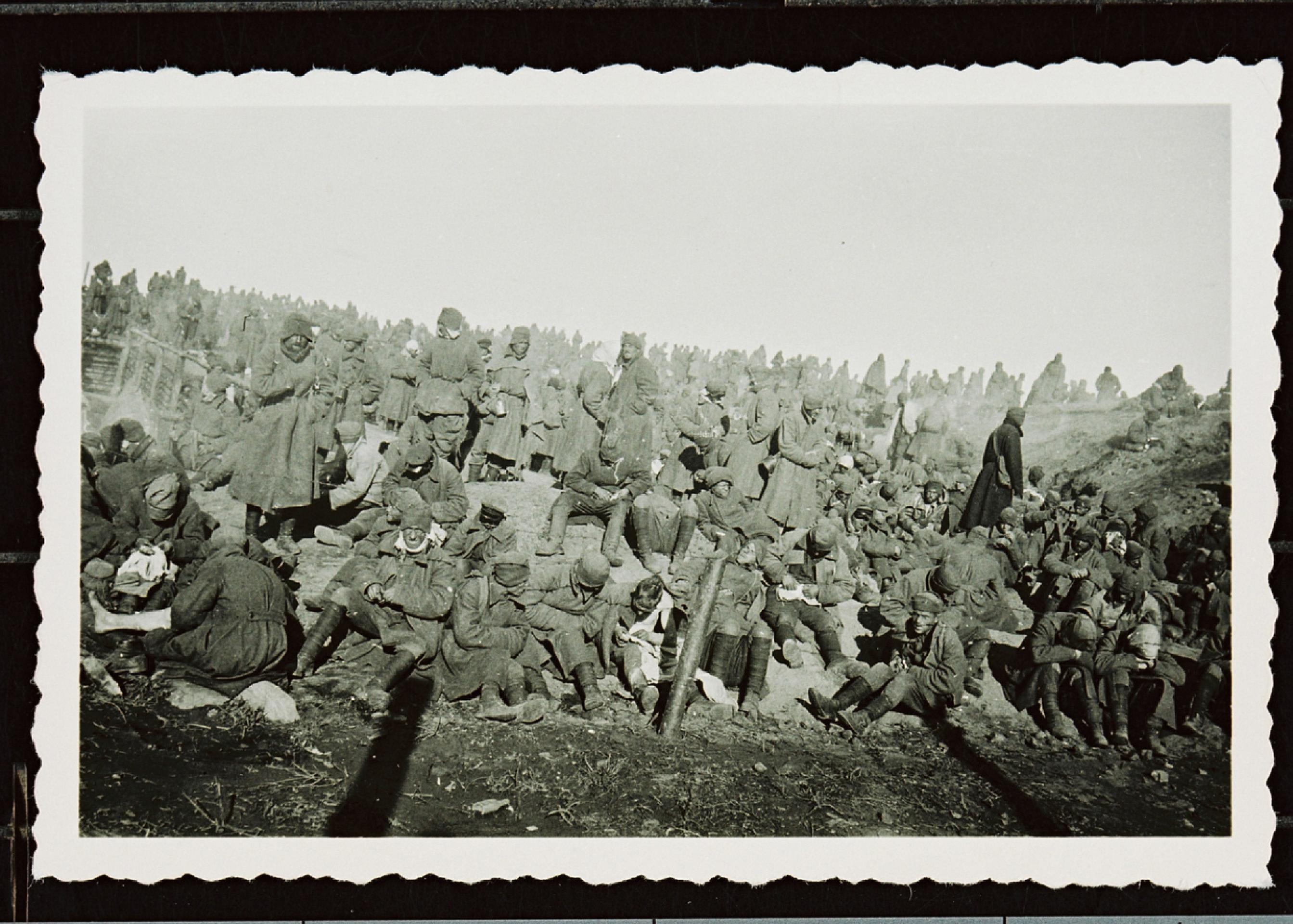
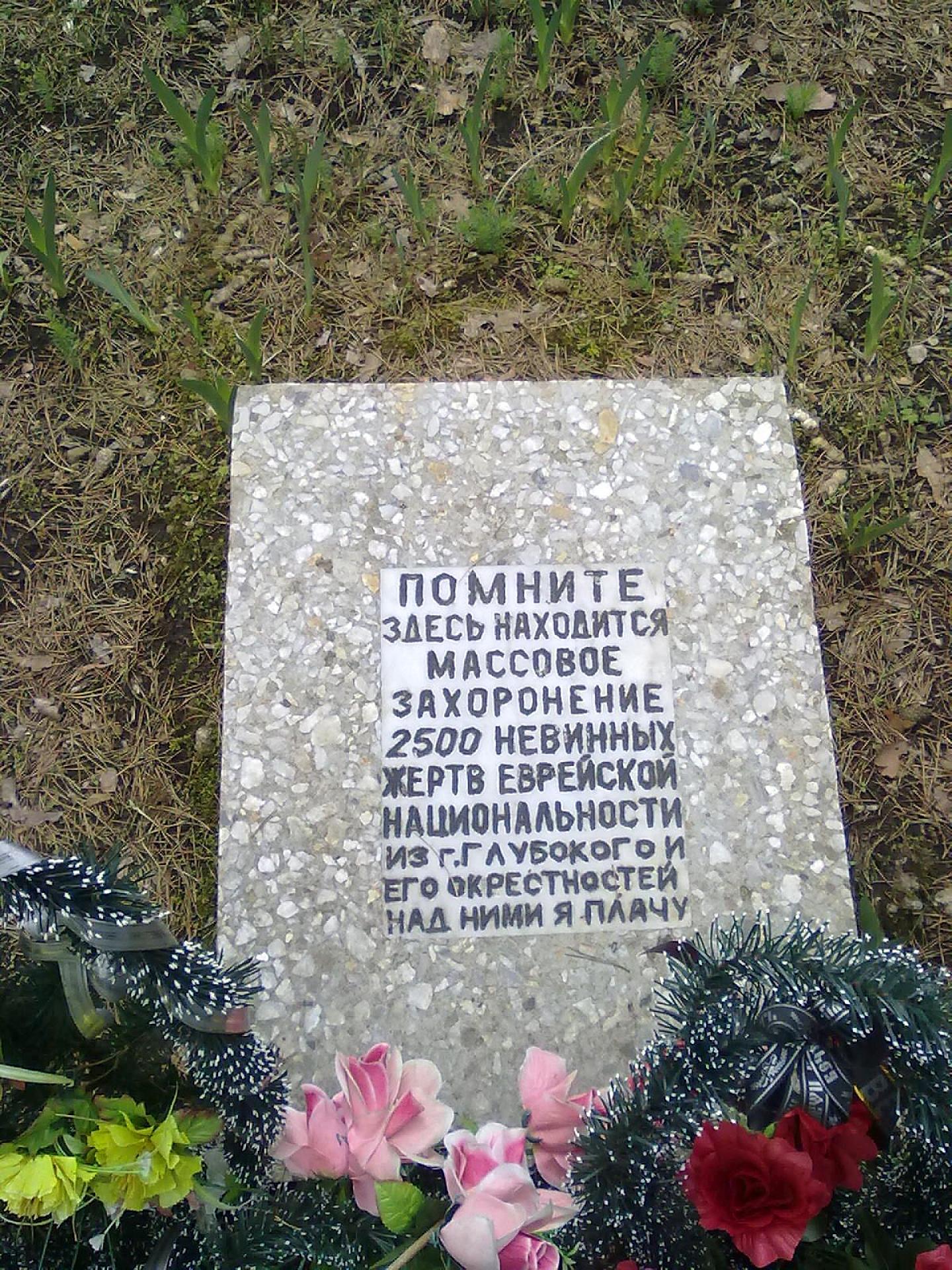
Already shortly after taking Glubokaye, German units repeatedly murdered Jews. On March 25, 1942, the German gendarmerie, supported by local auxiliary policemen, shot approximately 110 inhabitants of the ghetto. On May 27, 1942 Einsatzkommando 9 of Einsatzgruppe B murdered about 2,500 Jews in the Borok forest. During the liquidation of the ghetto on August 17, 1943 German units, supported by local accomplices, murdered almost all of the approximately 3,000 remaining inhabitants of the ghetto. Thereafter no Jews lived in Glubokaye. All in all about 7,000 Jews passed through the ghetto in Glubokaye. Only a few of them survived by fleeing and joining Jewish or Soviet partisans. Between 1941 and 1944 the POW camp Stalag 351, from 1942 Stalag 342/Z Glebokie was located in Glubokaye. In 1941 tens of thousands of Soviet prisoners of war were hold captive in the open under miserable conditions. Mortality was extremely high. After Italy's surrender in 1943, Italian soldiers, so-called military internees, were deported here. At least 27,000 soldiers died in these camps, among them approximately 200 Italians.
Remembrance
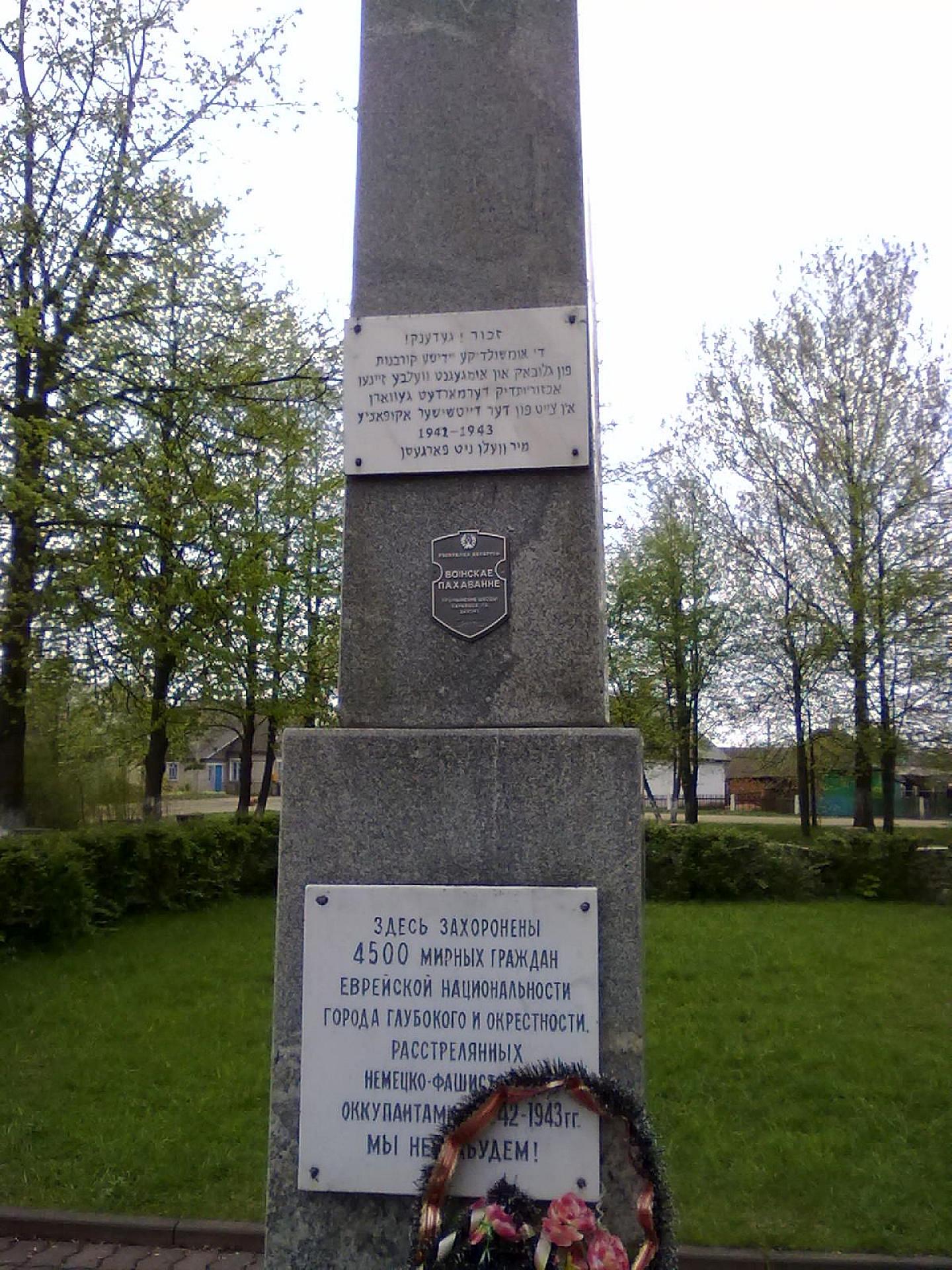
The Red Army liberated Glubokaye on July 3, 1944. Only a few surviving Jews returned to the city afterwards. The first memorial was erected after the war at one of the mass shooting sites in today's Chkalova Street. The Russian inscription on the obelisk recalls »4,500 peaceful citizens of Jewish nationality« who are said to be buried here.
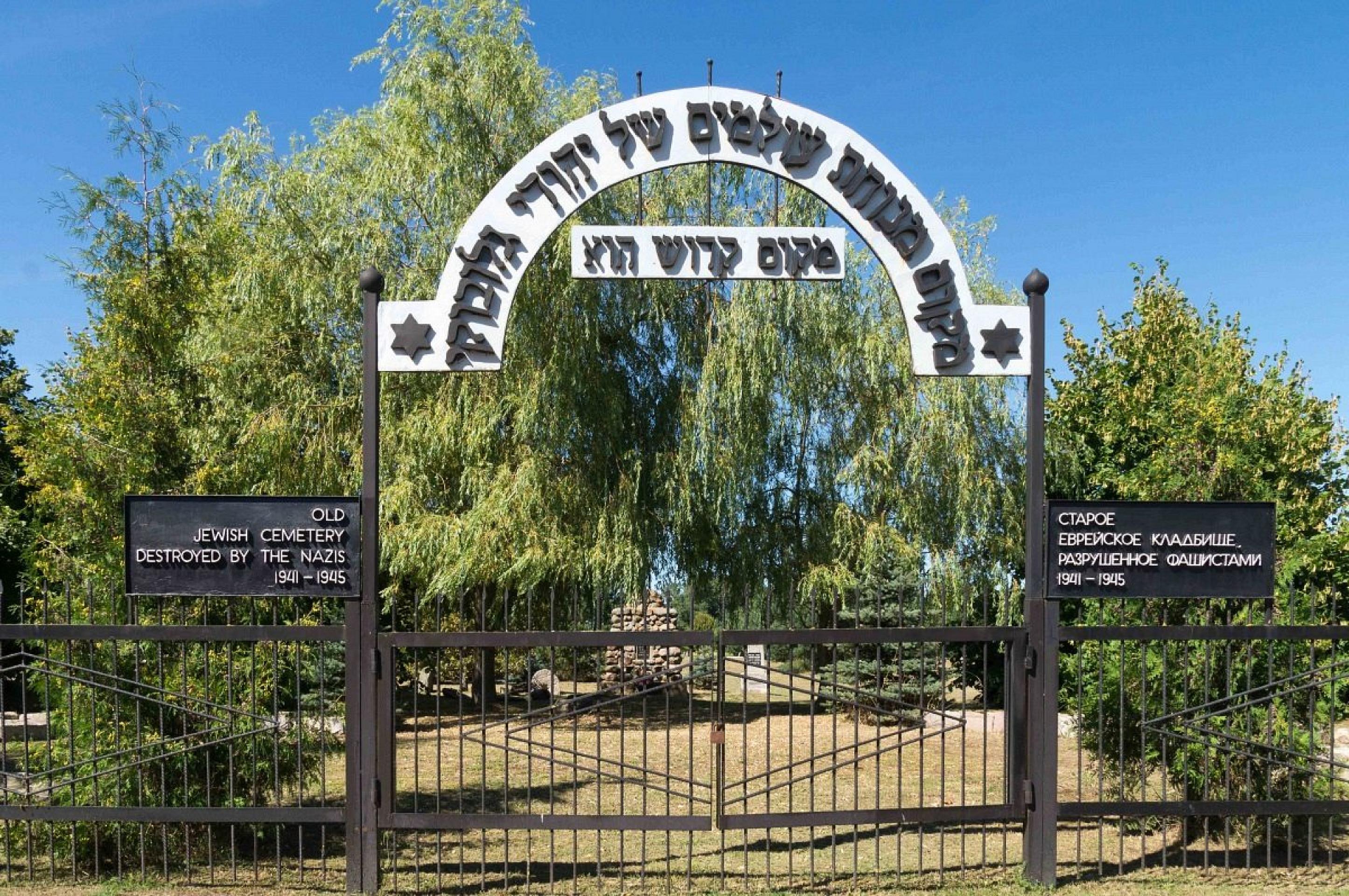
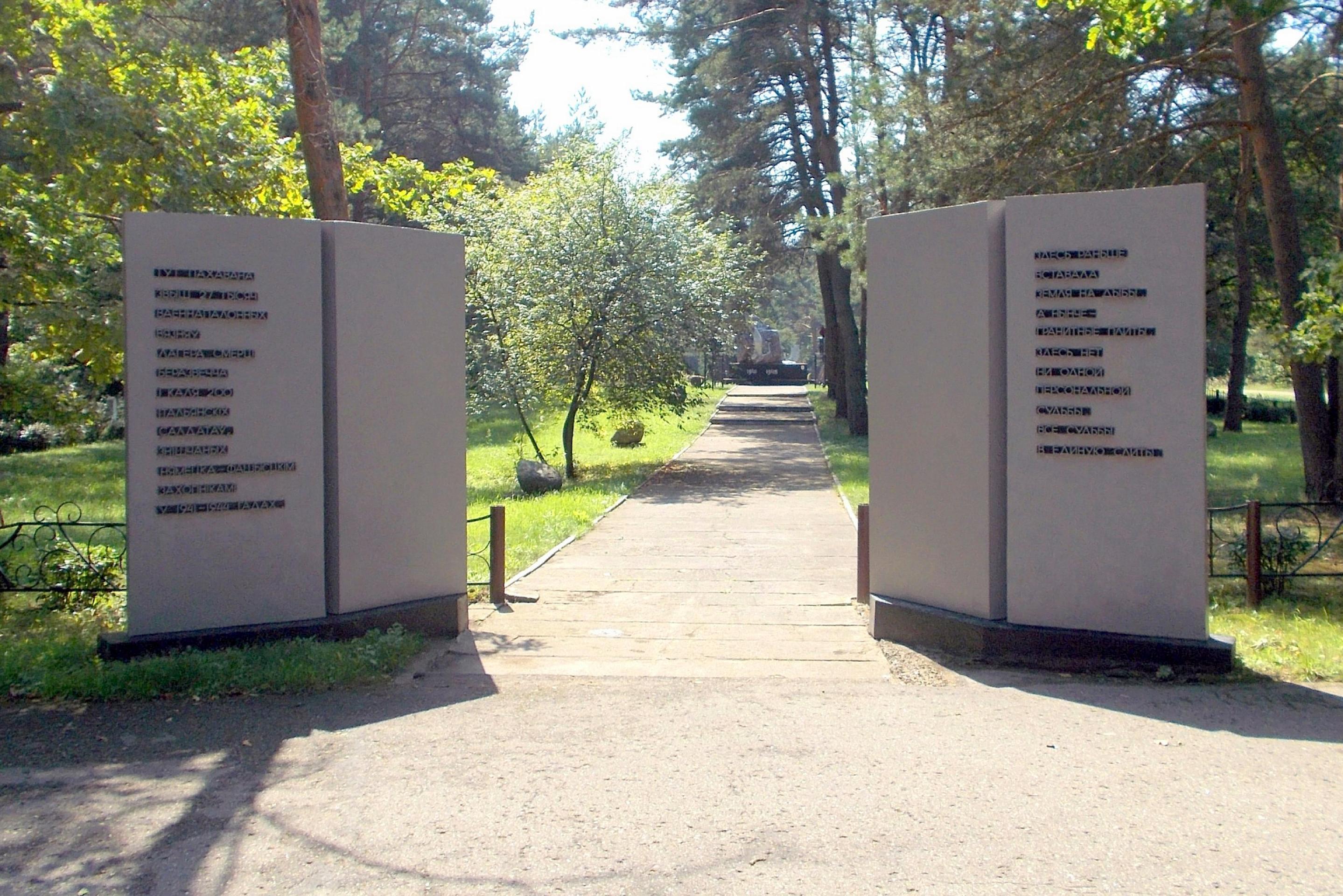
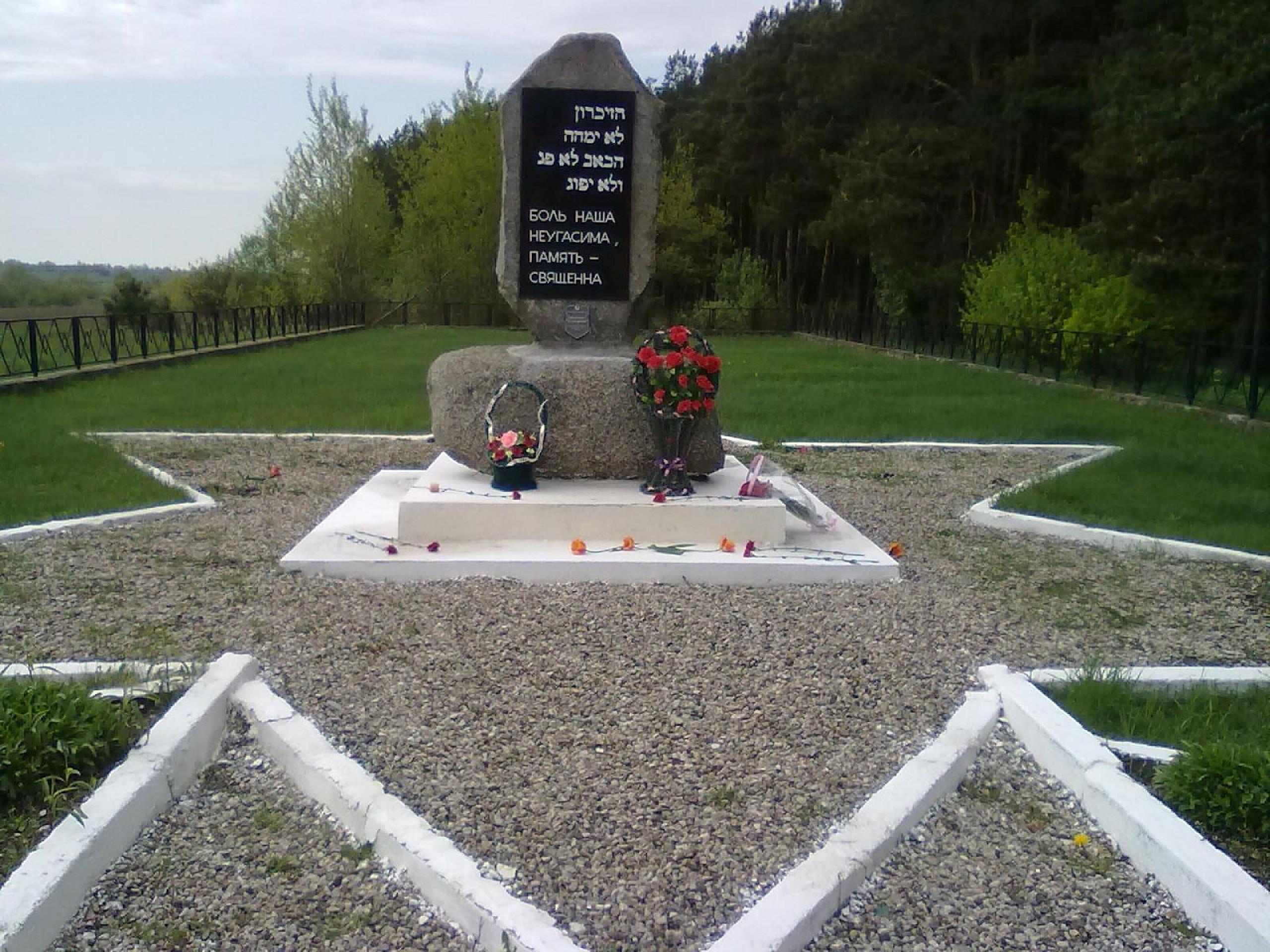
After the war, several memorials and memorial stones were erected in the Borok forest further north. Borok is located west of the lakes Velikoye and Podlushnoye and is crossed by Krasnoarmeyskaya Street. To the left of the street are three monuments remembering the approximately 2,500 Jews from the ghetto who were murdered at this site in May 1942. Further north, next to Lake Podlushnoye, is another mass shooting site and other memorials commemorating the approximately 27,000 Soviet and Italian prisoners of war who were killed in the area. The POW camp itself was located 500 metres to the east on the site of a former monastery which is now used as a prison. At the entrance gate of the unused Jewish cemetery next to Lake Velikoye there are two memorials and an information board. The latter bears the English and Russian inscription: »Old Jewish cemetery. Destroyed by fascists 1941-1945«. There are only a few gravestones left in the cemetery. Today, relatives of the victims work together with the local authorities to preserve the memorials. Every year in August there is a memorial service, which is regularly attended by survivors and their relatives and descendants travelling there from abroad.
Open
The memorials are accessible at all times.
Contact
http://www.eilatgordinlevitan.com/glubokoye/glubokoye.html
kotz@k-techav.com
Ulitsa Krasnoarmejskaja
211800 Hlubokoje