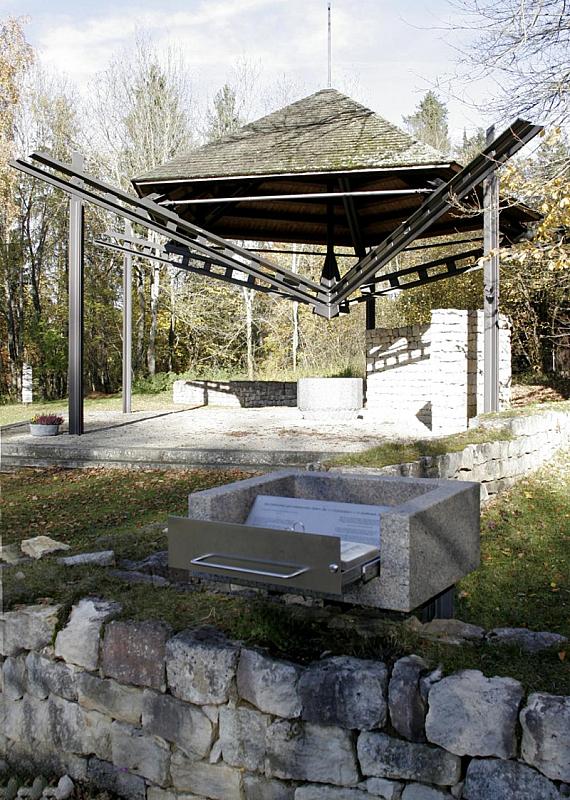
Memory of the murdered Jews of Drohobych
Пам'ять вбитих євреїв Дрогобича
In the centre of the Ukrainian town of Drohobych (polish: Drohobycz), , located in Galicia, a memorial commemorates the victims of the German occupation of the town. Between 1941 and 1943, the SS murdered almost all the Jewish residents of Drohobych. The former Jewish history of the city is visible to this day in various ways.
History
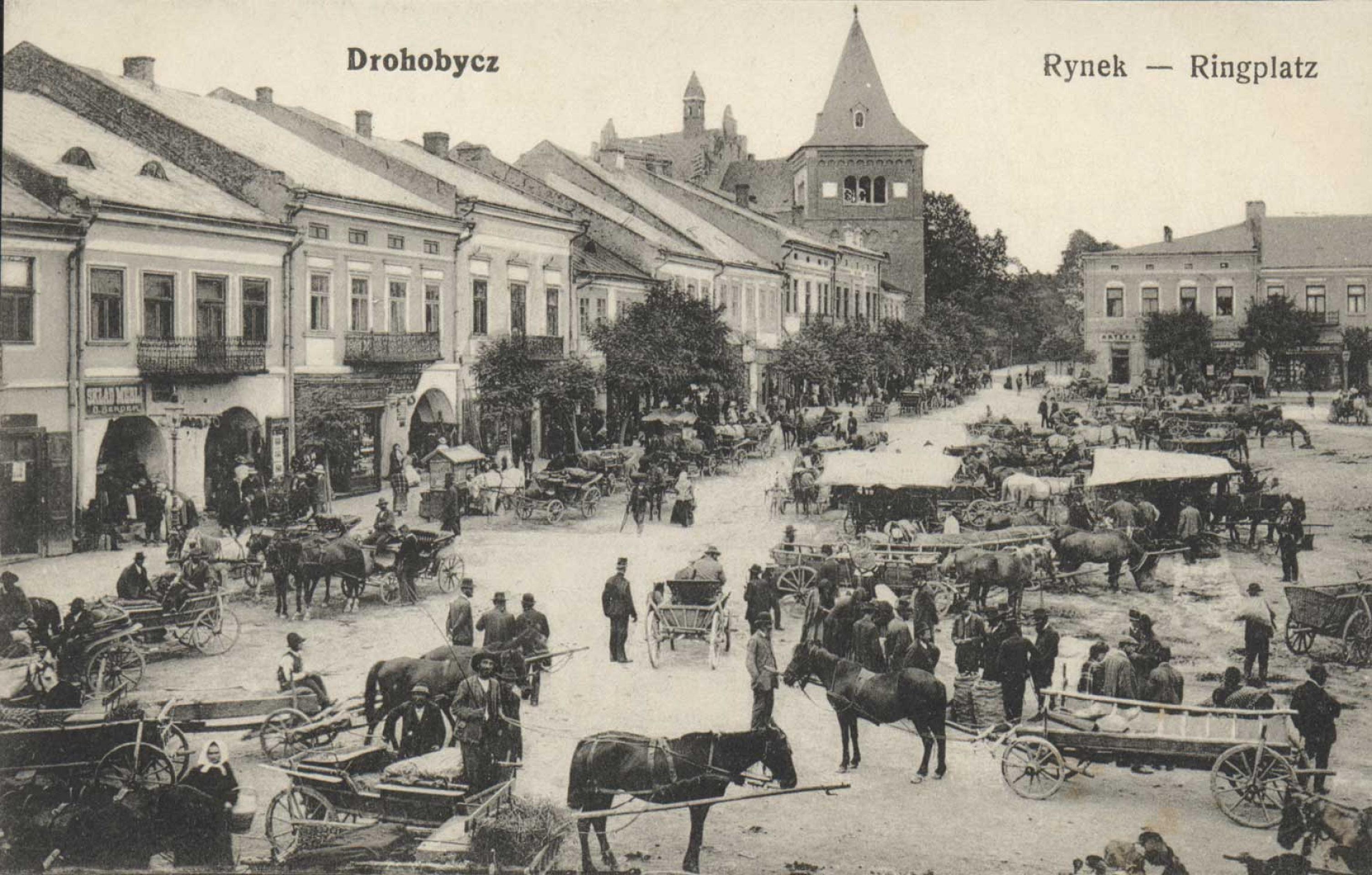
Drohobych, then part of the Galicia province of the Austro-Hungarian Empire, experienced its heyday at the end of the 19th century when oil had been discovered in the region. After the First World War, Drohobych belonged to Poland. Shortly before the outbreak of the Second World War, about 15.000 Jews lived in Drohobycz, constituting around 40 percent of the total population. The other two large ethnic groups were Poles and Ukrainians. In September 1939, following the Molotov-Ribbentrop Pact, Drohobych was occupied and then annexed by the Soviet Union. After that, several hundred Jews from the German occupied territories of Poland seeked refuge in Drohobych.
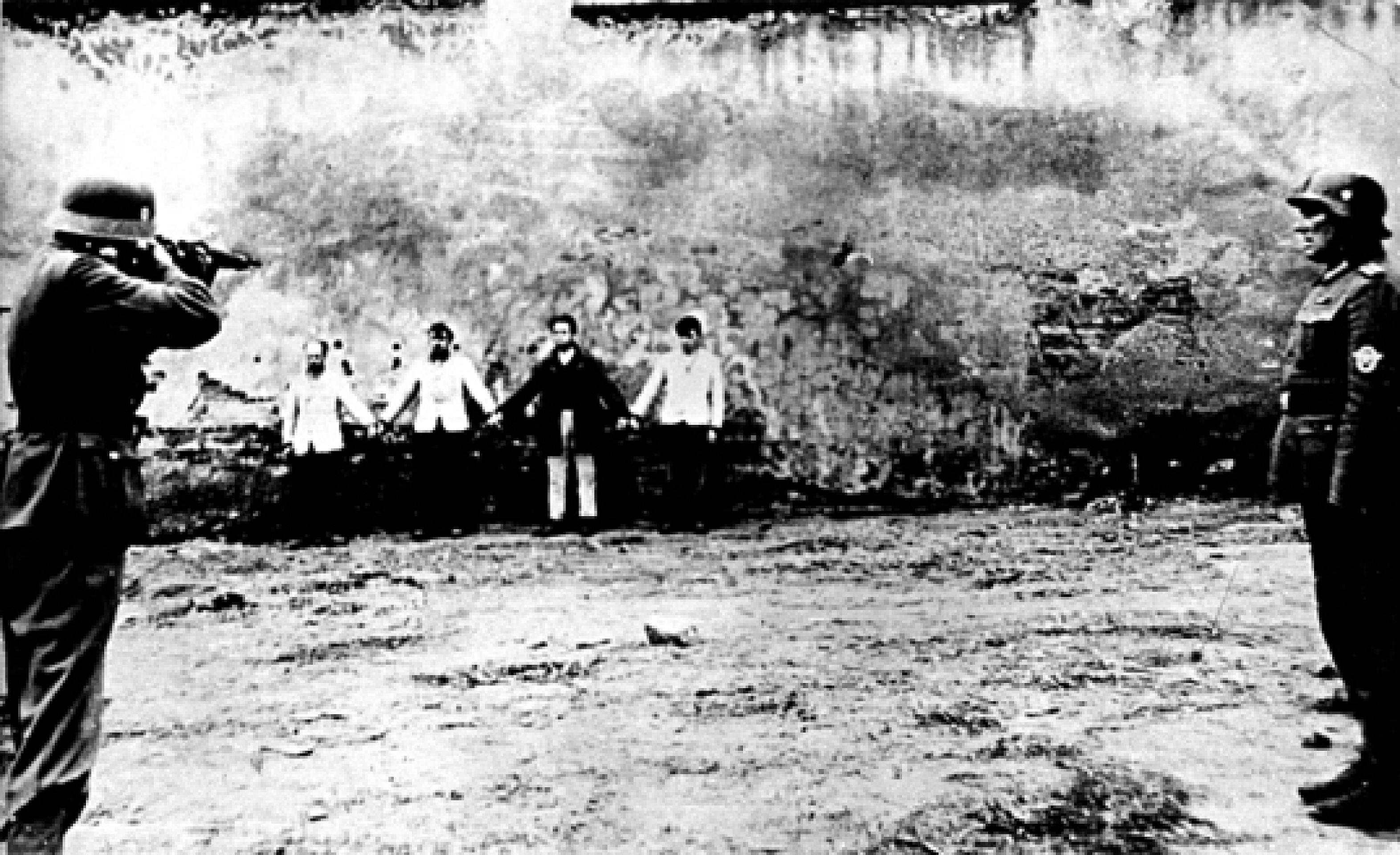
After the German invasion of the Soviet Union, the German Wehrmacht occupied Drohobych on June 30, 1941. As soon as on the following day, Ukrainians from Drohobych staged a pogrom in which they murdered 300 Jews. The occupied territories came under civil administration and were from hereon referred to as »Distrikt Galizien«. In July 1941, the German administration begann introducing restrictions agains the Jewish population: they had to wear arm bands with a Star of David, their freedom of movement was restricted and they received lower food rations than the rest of the Drohobych population. At the same time a Judenrat was established. On November 30, 1941, the Sicherheitspolizei (security police) and units of the Schutzpolizei (municipal police) murdered around 300 Jews in Bronitsa forest outside the town. In March and August 1942, the SS and Ukrainian auxiliary police deported at least 4,500 Jews to the Bełżec extermination camp. At the beginning of October 1942, a ghetto was established - around 10,000 Jews were forcibly relocated into it. The ghetto residents had to perform forced labour at industrial sites in the vicinity. Jews were regularly arrested and shot or deported from the ghetto to the Belzec extermination camp. Between May 23 and June 10, 1943, Sicherheitspolizei and Schutzpolizei dissolved the ghetto: they set fire to the buildings, chased the Jews outside of the town and shot them there.
Victims
Members of the Sicherheitspolizei (security police) and the Schutzpolizei (municipal police) murdered around 10,000 Jews in Drohobych. Thousands were deported to Bełżec extermination camp. Only about 400 Jews lived to see the liberation by the Red Army in 1944. The total number of Jewish victims is around 15,000.
Remembrance
After the war, Drohobych remained within the Soviet Union, where it was not customary to commemorate Jewish victims explicitly. Memorialization of Jewish victims specifically only became possible with the end of communism and the independence of Ukraine.
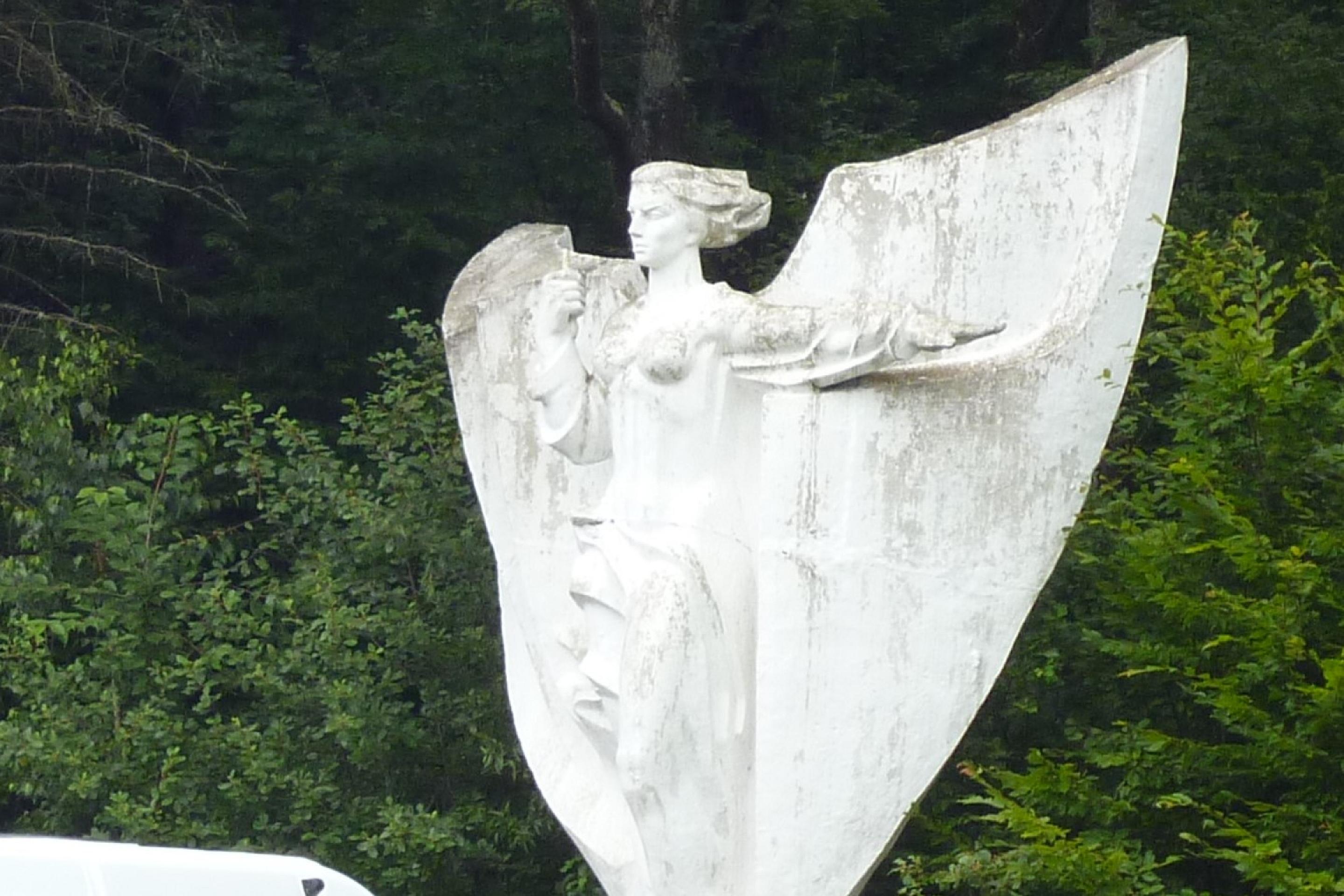
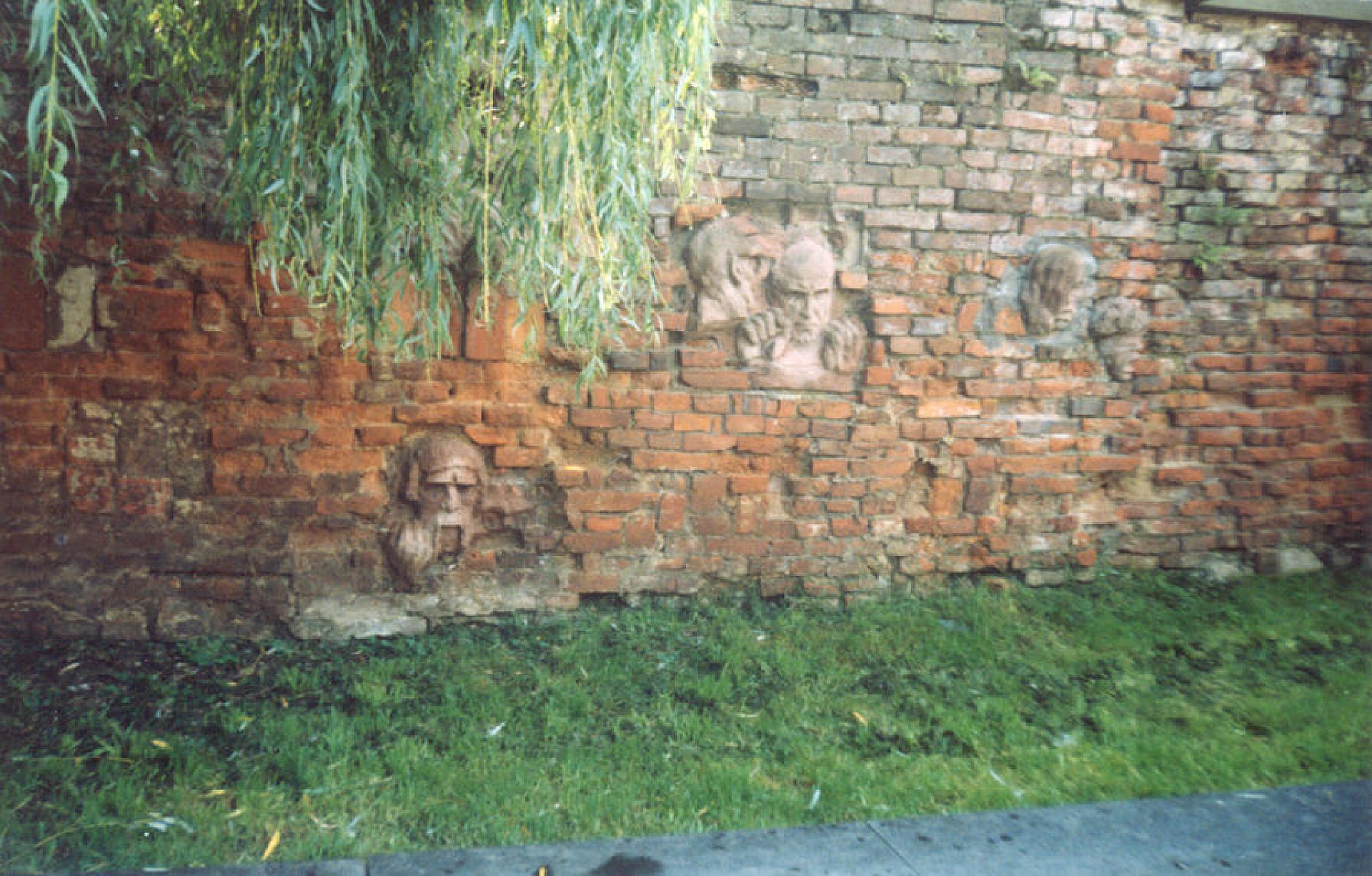
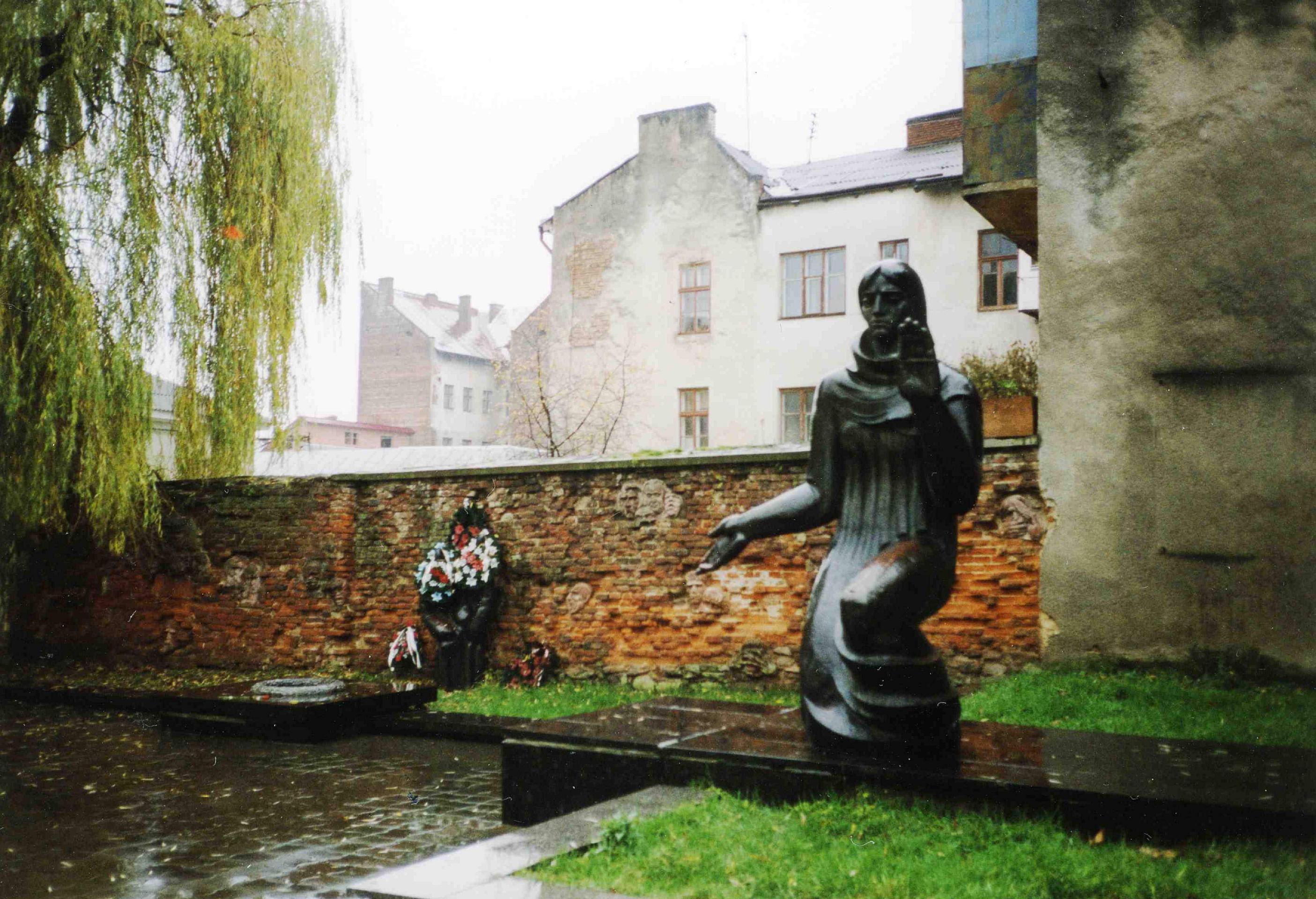
Since 1974, a memorial complex dedicated to the victims of the German occupation is located at one of the former shooting sites at a wall in the city centre. At this wall, across the street from Hotel Europe where the Gestapo established its local headquarters, people were executed regularly in public during the German occupation. The memorial consists of several elements: a sculpture of two arms stretched upwards and a stone relief in the wall depicting faces. Among the executed there were many Jews, but also members of other victim groups such as Ukrainian nationalists who turned against the German occupiers. At the memorial itself the victims are not specified, and there is no information plaque explaining the monument's background.
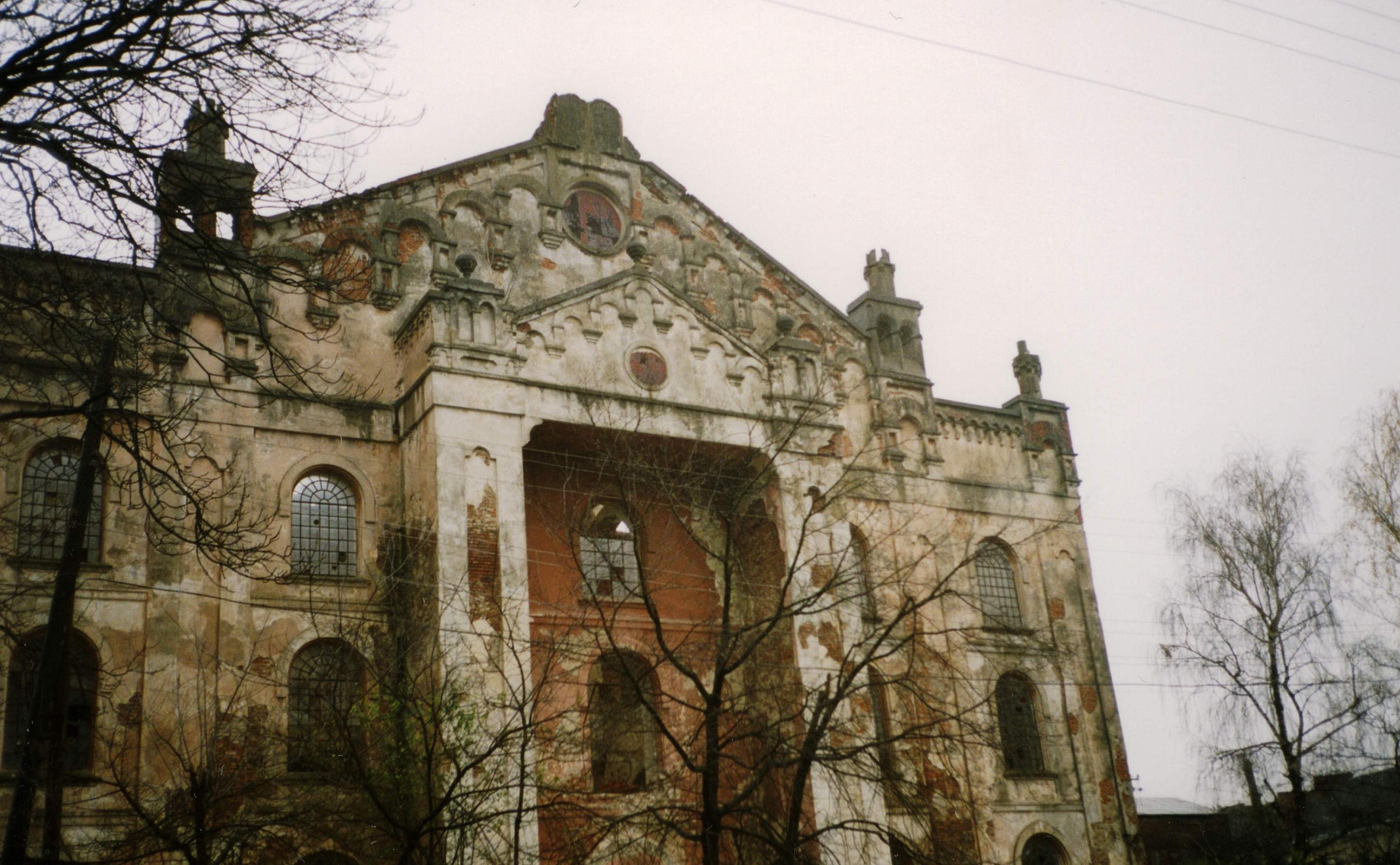
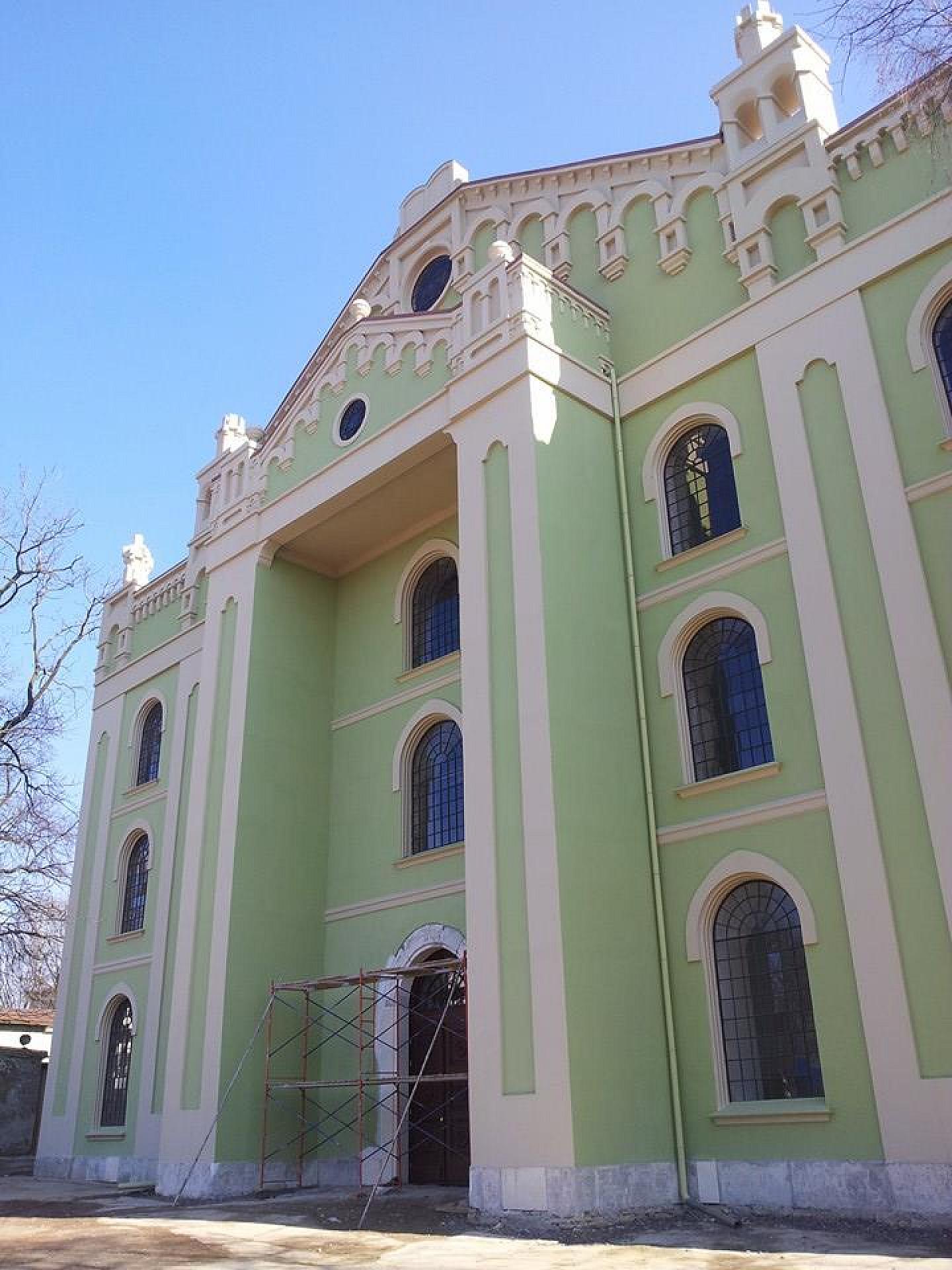
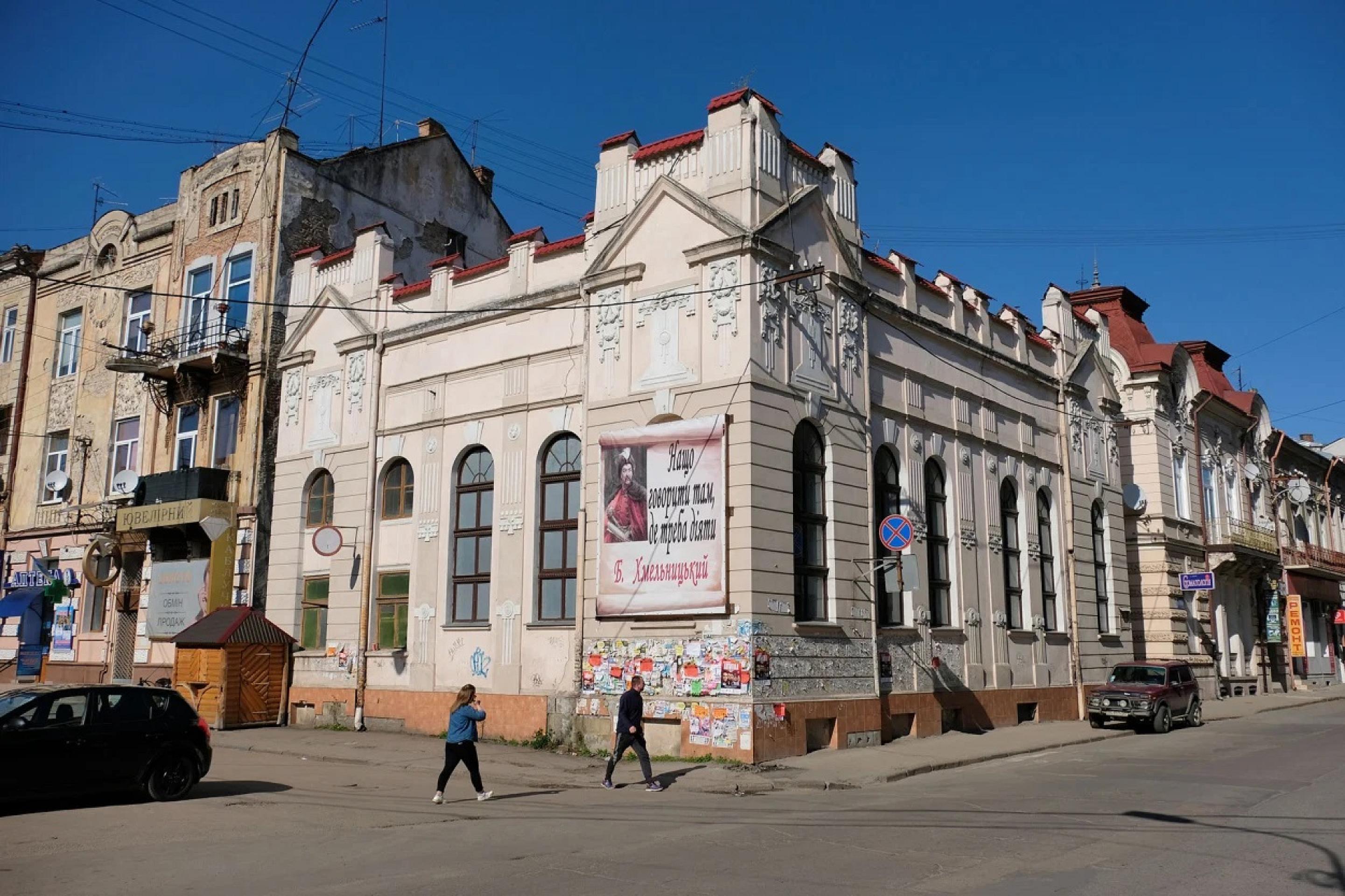
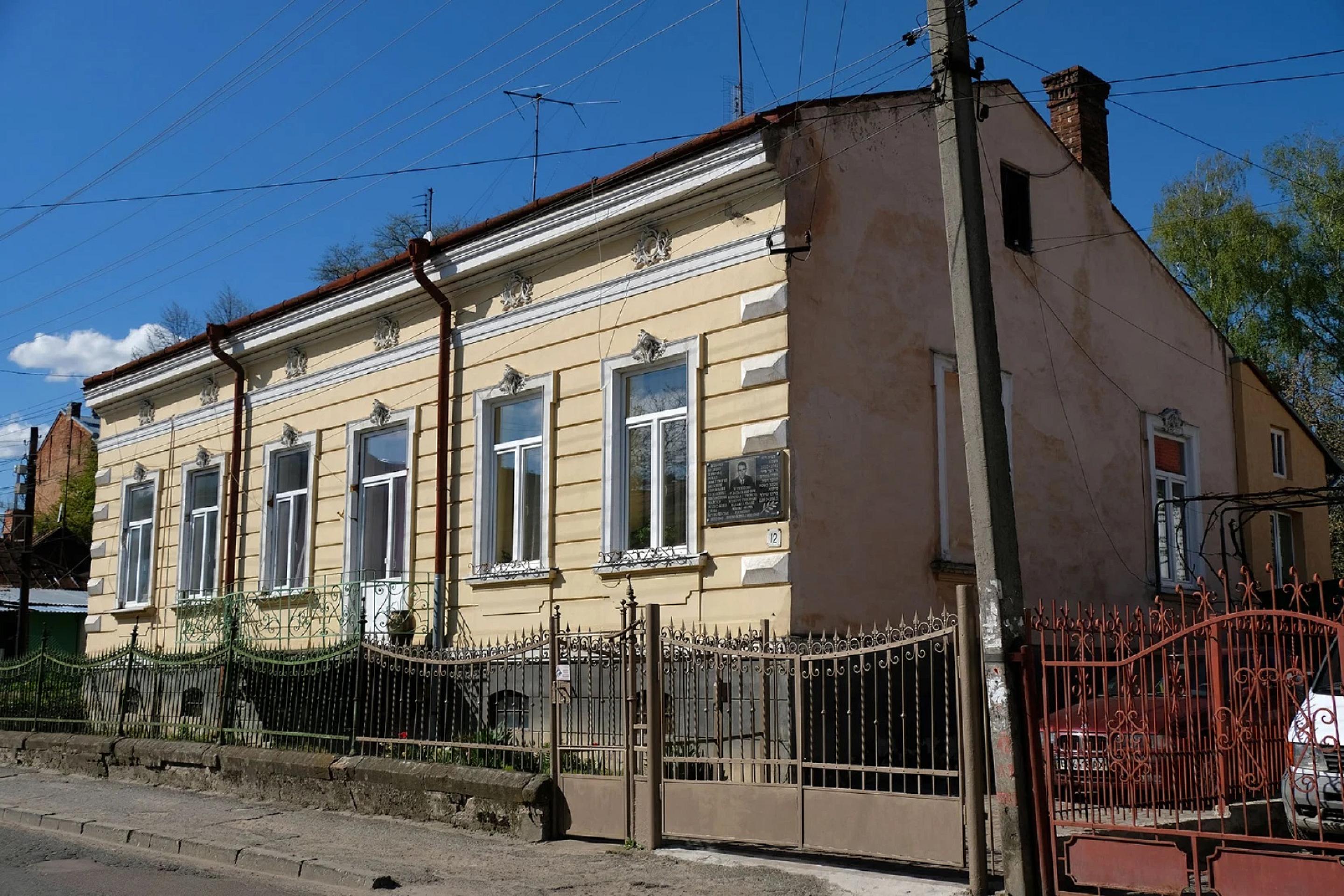
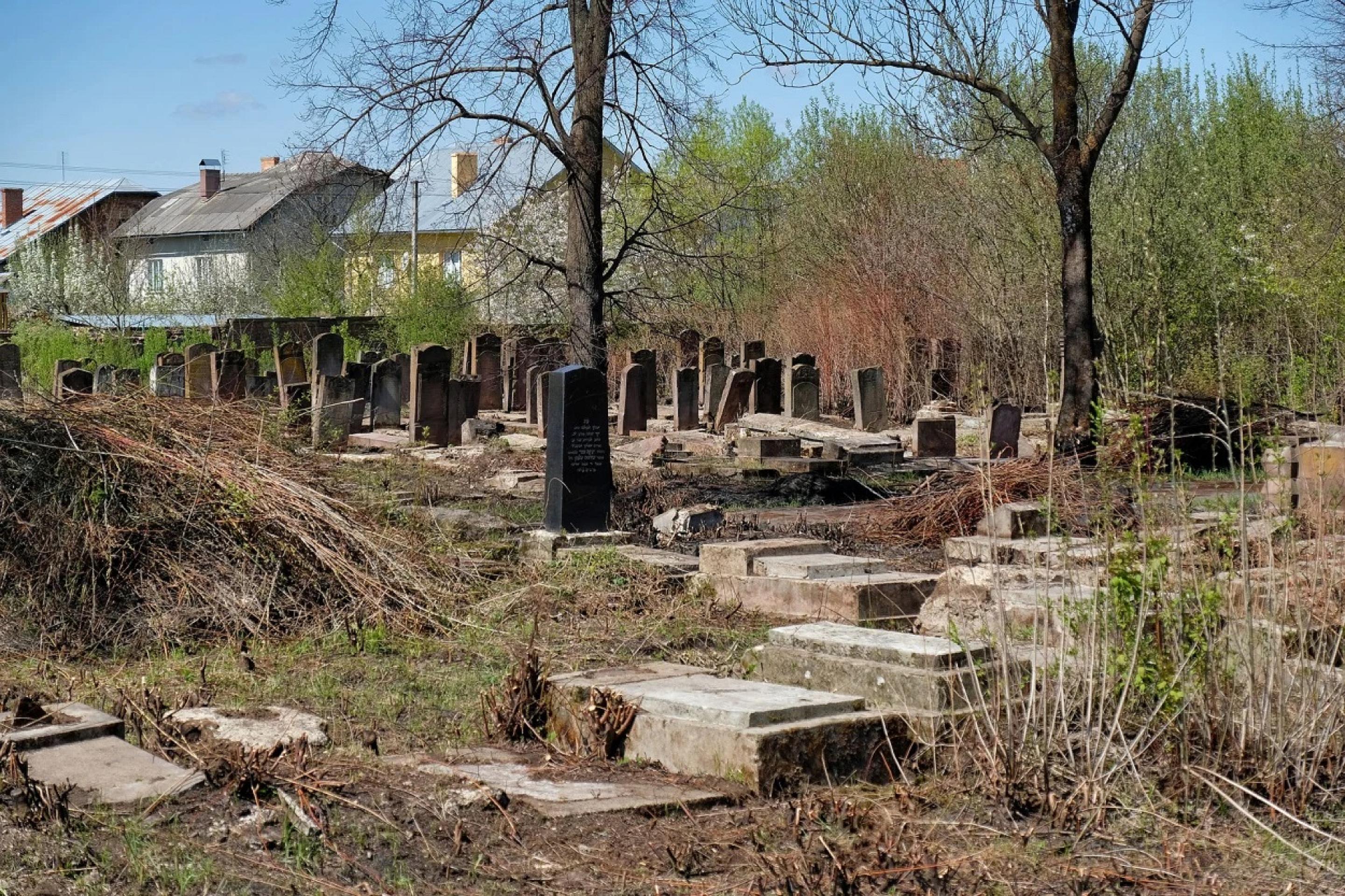
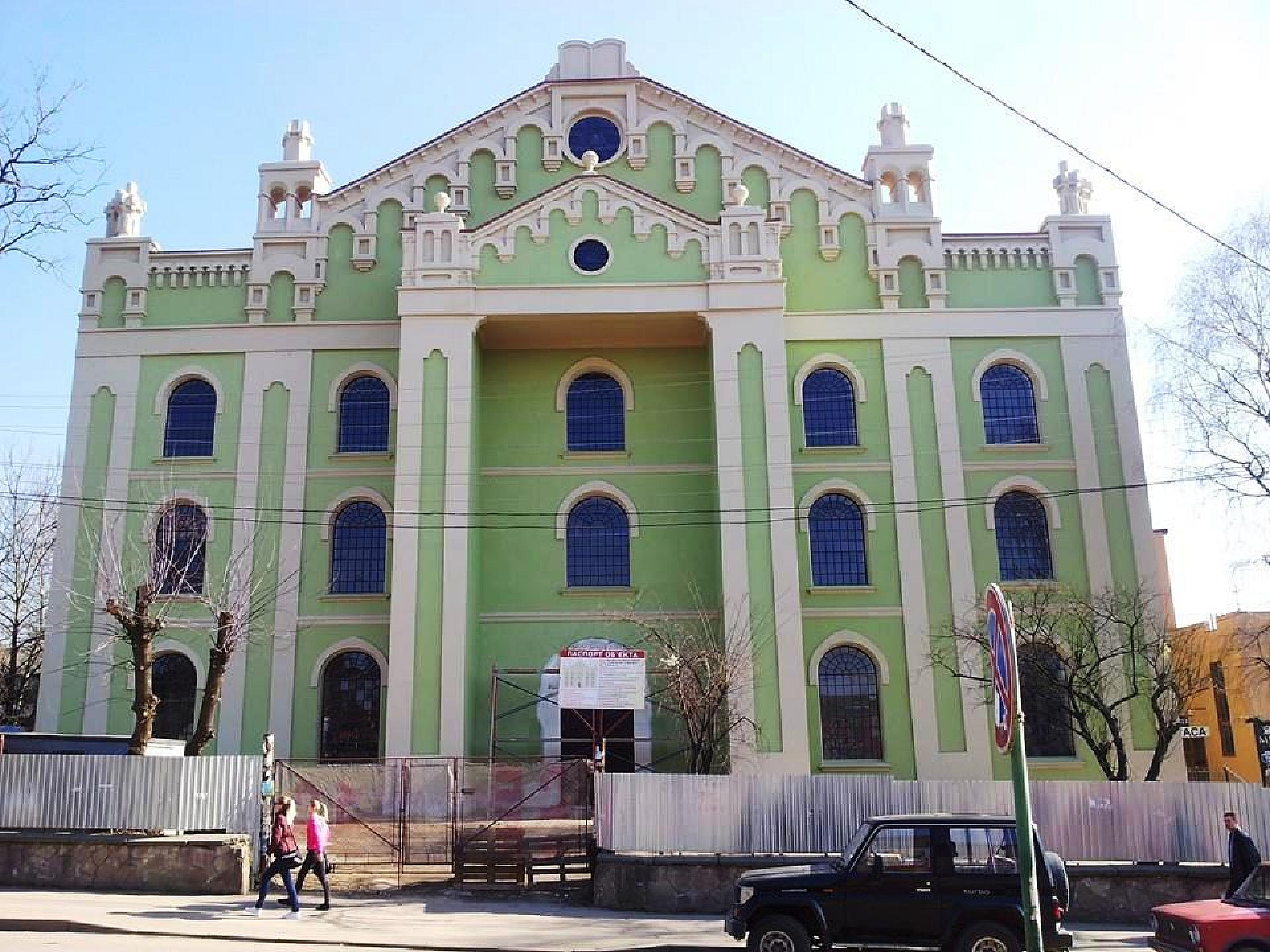
In Drohobych's centre the main reminder of the city's Jewish history is the Great Synagogue, built in the 1860s. After the Second World War, the gradually strongly run-down building was used as a furniture store. After decades of decay, the building was extensively renovated from 2014 onwards. Other Jewish sites of memory include the Jewish cemetery (another Jewish cemetery was destroyed during Soviet times and used as a construction site), the building of the former Jewish orphanage, another synagogue, the former villas of Jewish industrial entrepreneurs and the birth house of the Jewish-Polish writer and artist Bruno Schulz (1892–1942) who was murdered in the ghetto.
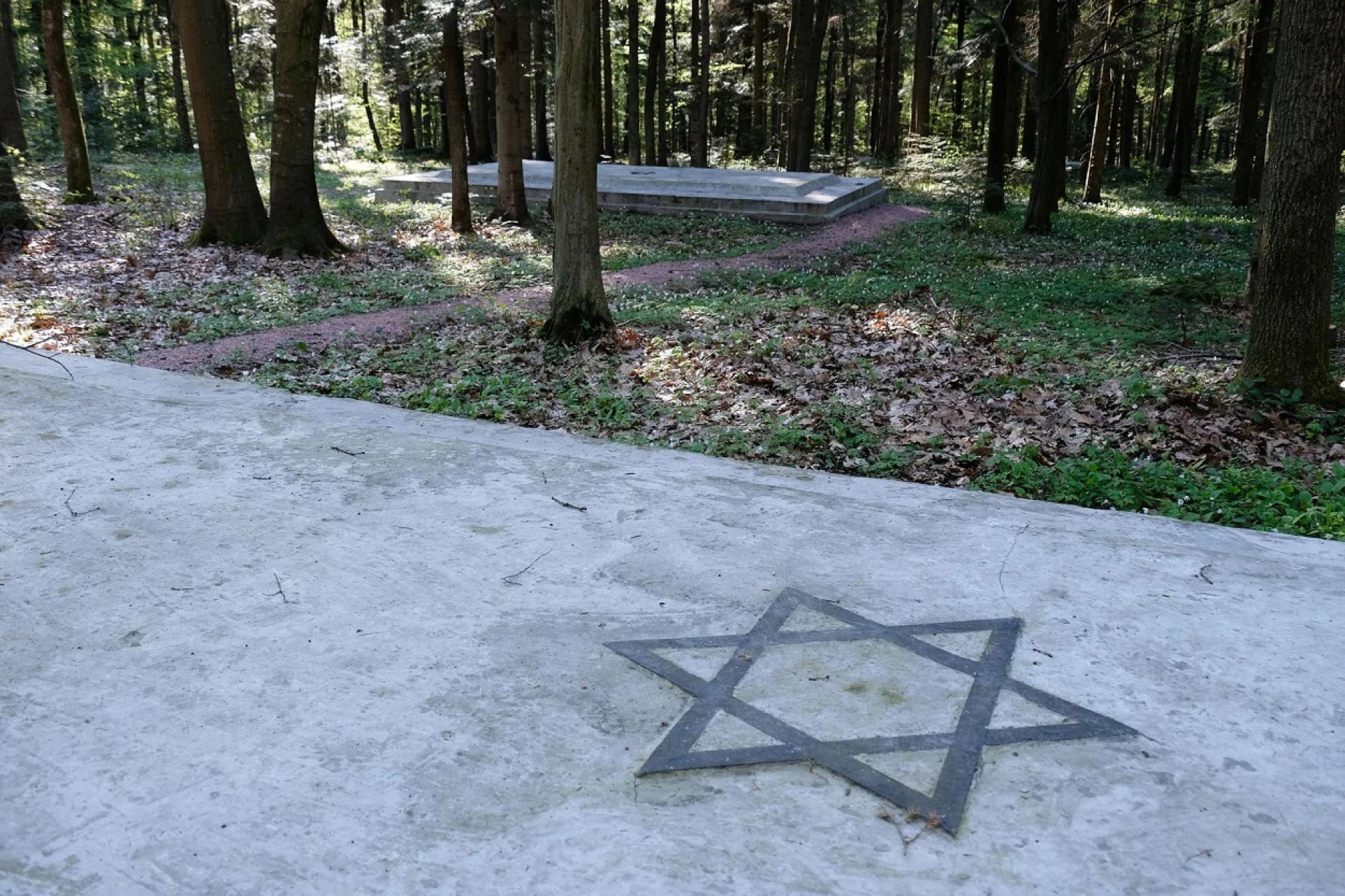
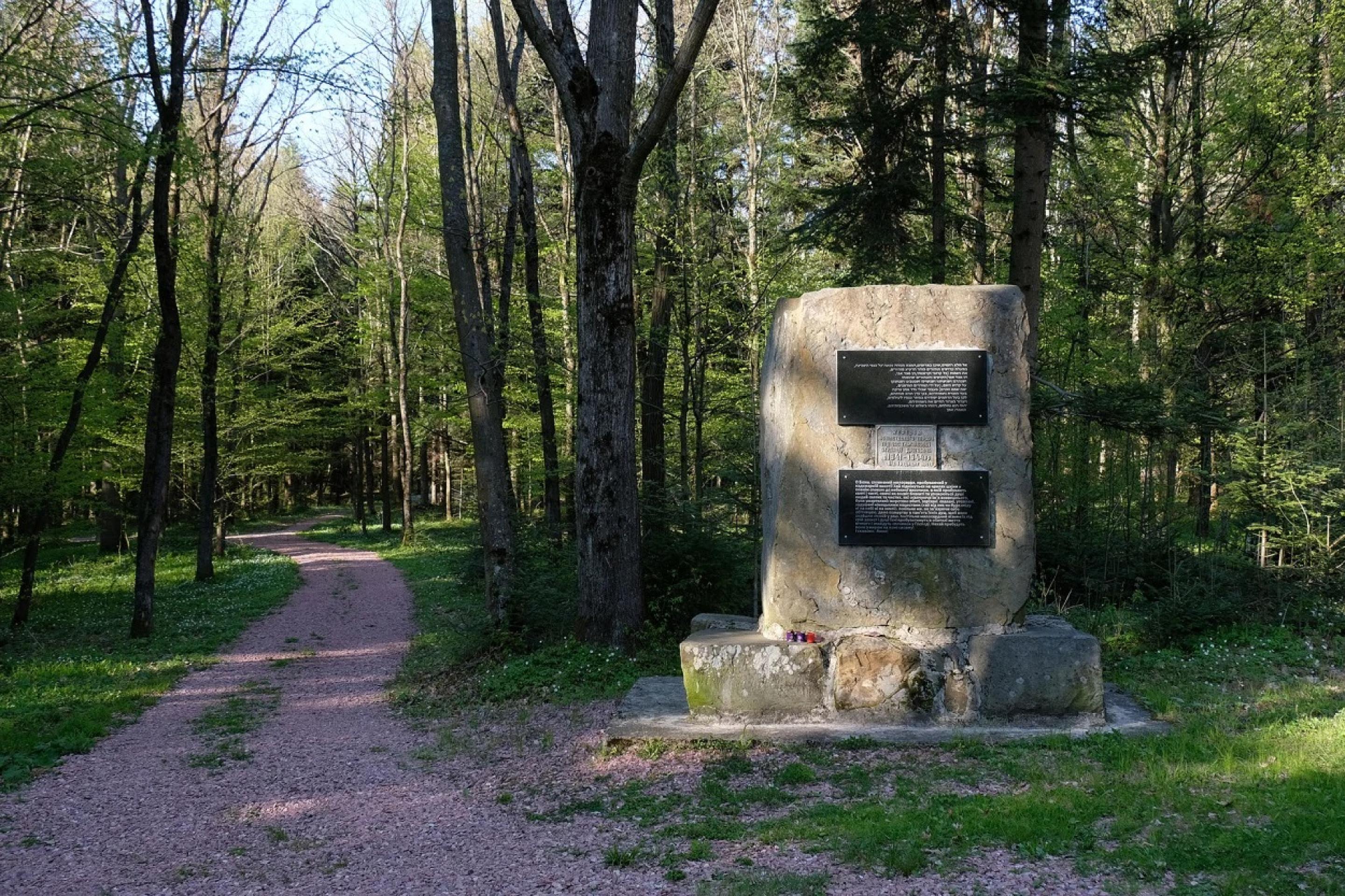
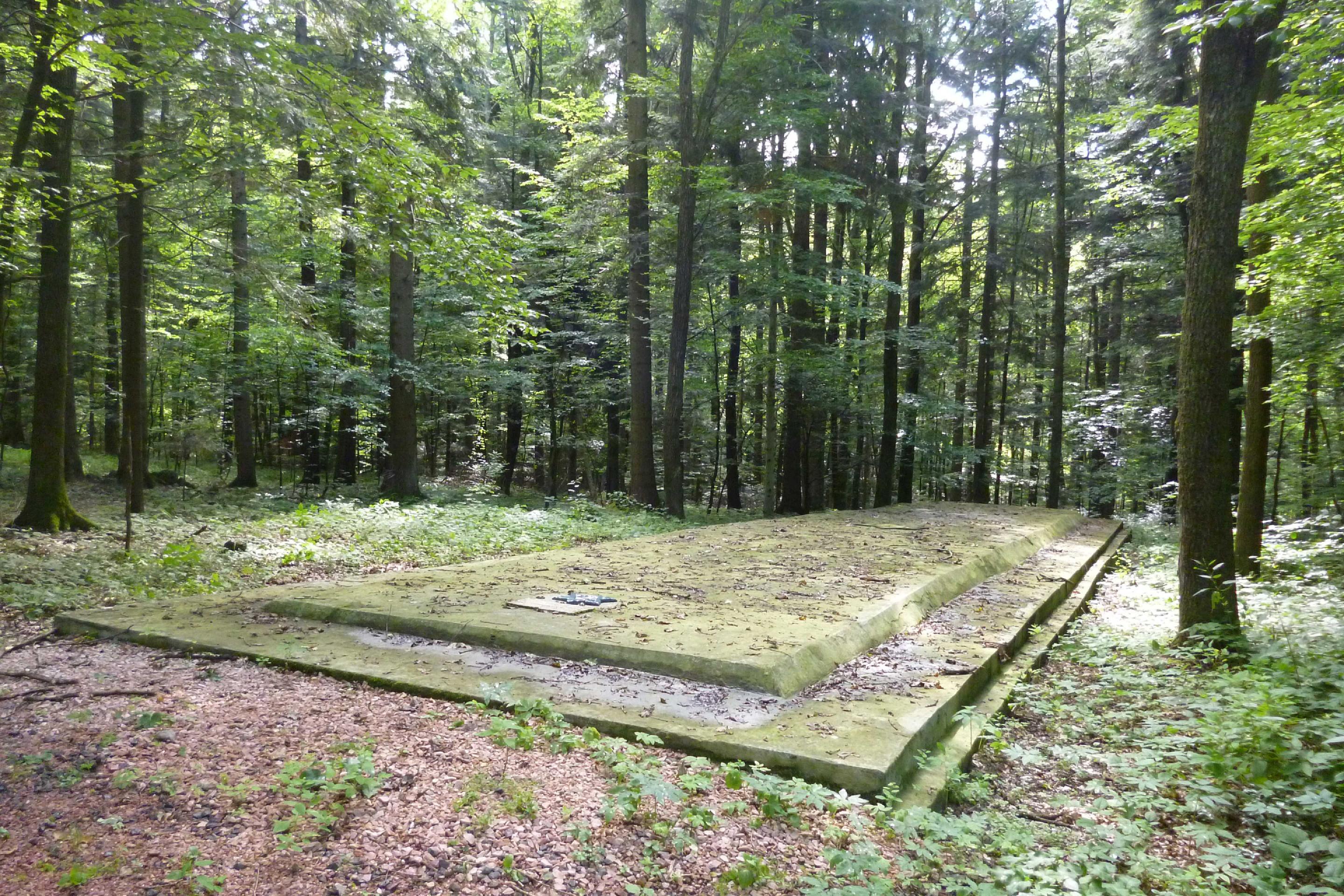
In the forest of Bronitsa are the mass graves of Jews who had been murdered there. The mass graves have been covered with concrete and decorated by a Star of David. Nearby there is a memorial stone dedicated in the 1990s.
Open
The memorials in the city centre and the Bronitsa forest are accessible at all times.
Contact
+38 (0)322 520 301
vul. Kowalska
82100 Drohobytsch