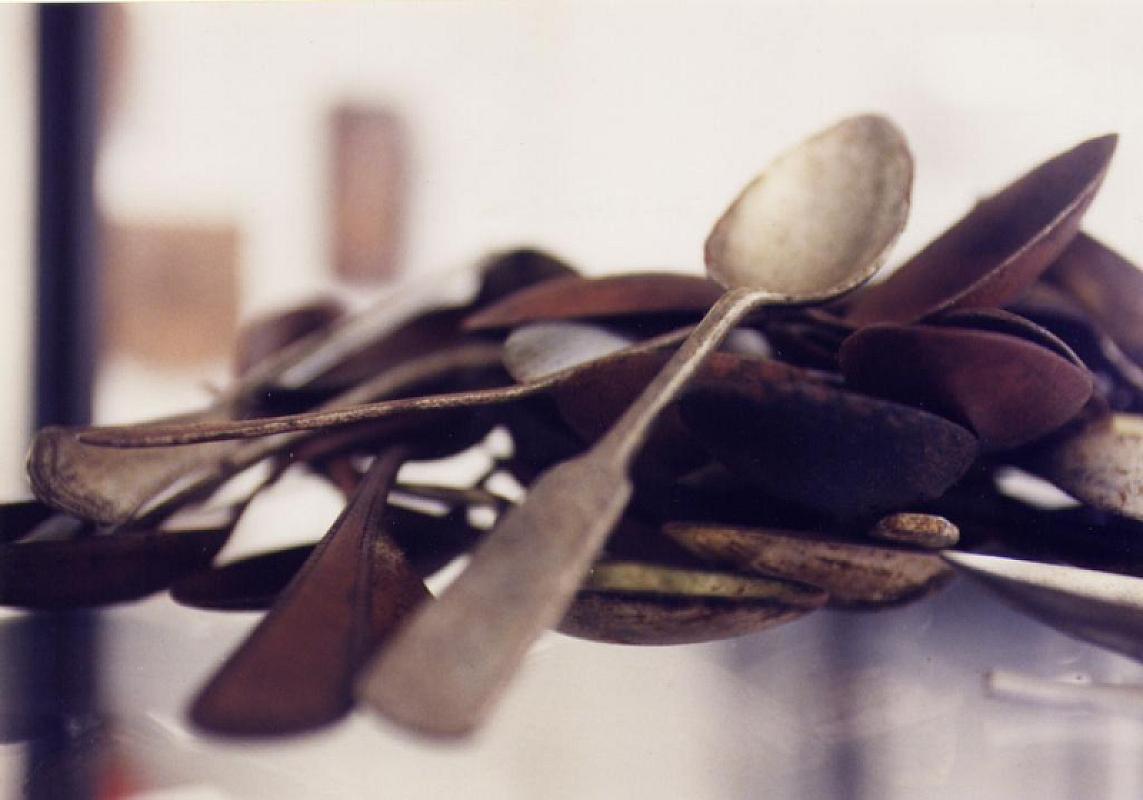
Memory of the murdered Jews of Rohatyn
Меморіали на місцях Масових Поховань у Рогатині
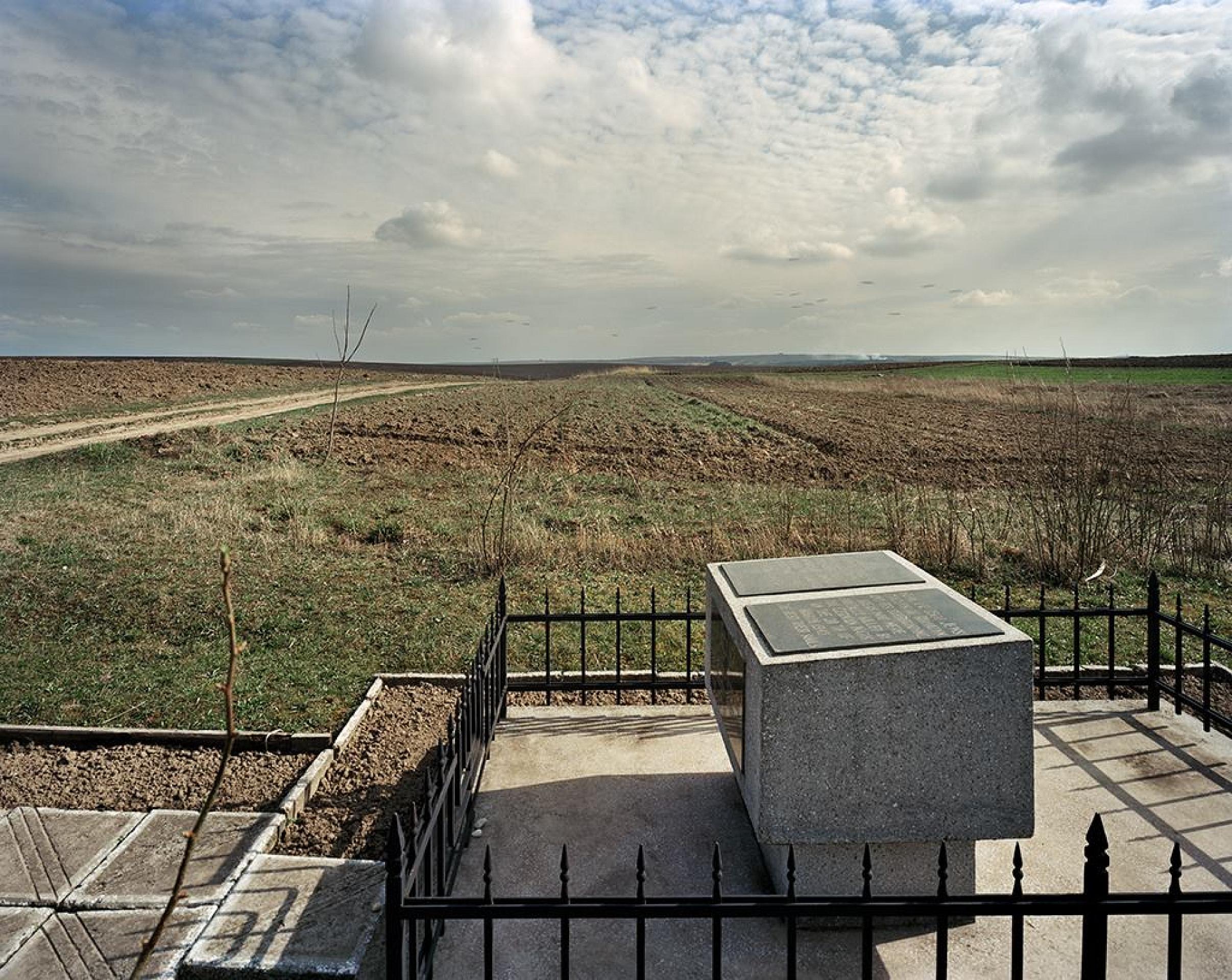
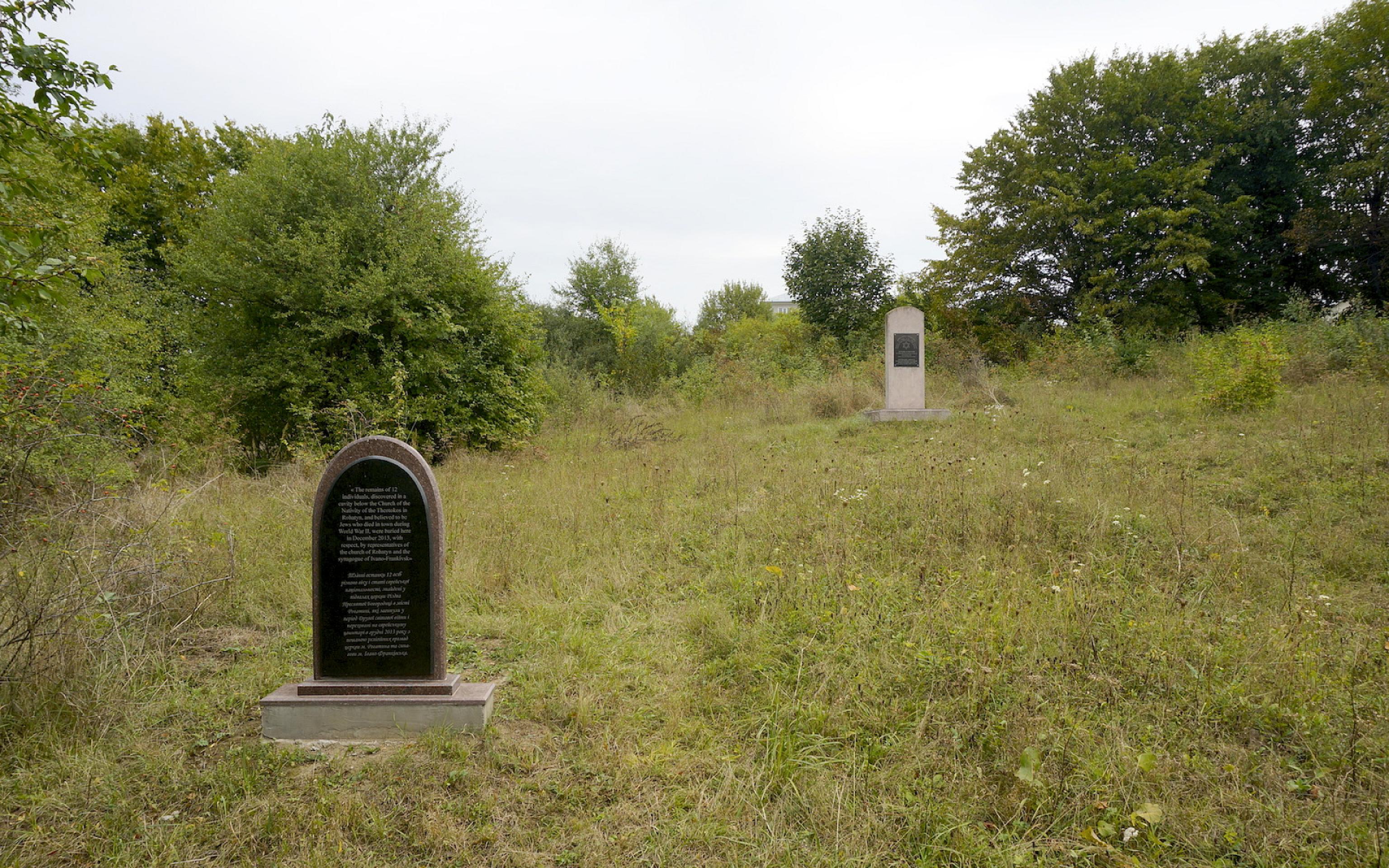
In the city of Rohatyn (Ukrainian: Rohatin, Rusian: Rogatin) two memorials and a memorial plaque remember the murdered Jews of Rohatyn and surroundings. The memorials are located at the presumed sites of the mass shootings.
History
Rohatyn, located in the historical region of Galicia, belonged to Austria-Hungary before the First World War, became Polish in 1919 and in 1939 fell to the Soviet Union in consequence of the Molotov-Ribbentrop Pact.
Jews settled there from the middle of the 16th century. In 1939 the Jewish community counted approximately 3,250 members, accounting for around 40% of the population. Prior to the German attack on the Soviet Union the number rose to approximately 4,000 because of the influx of Jewish refugees from the German occupied part of Poland. Some Jews fled to the interior of the Soviet Union or had already been forcibly resettled by Soviet authorities.
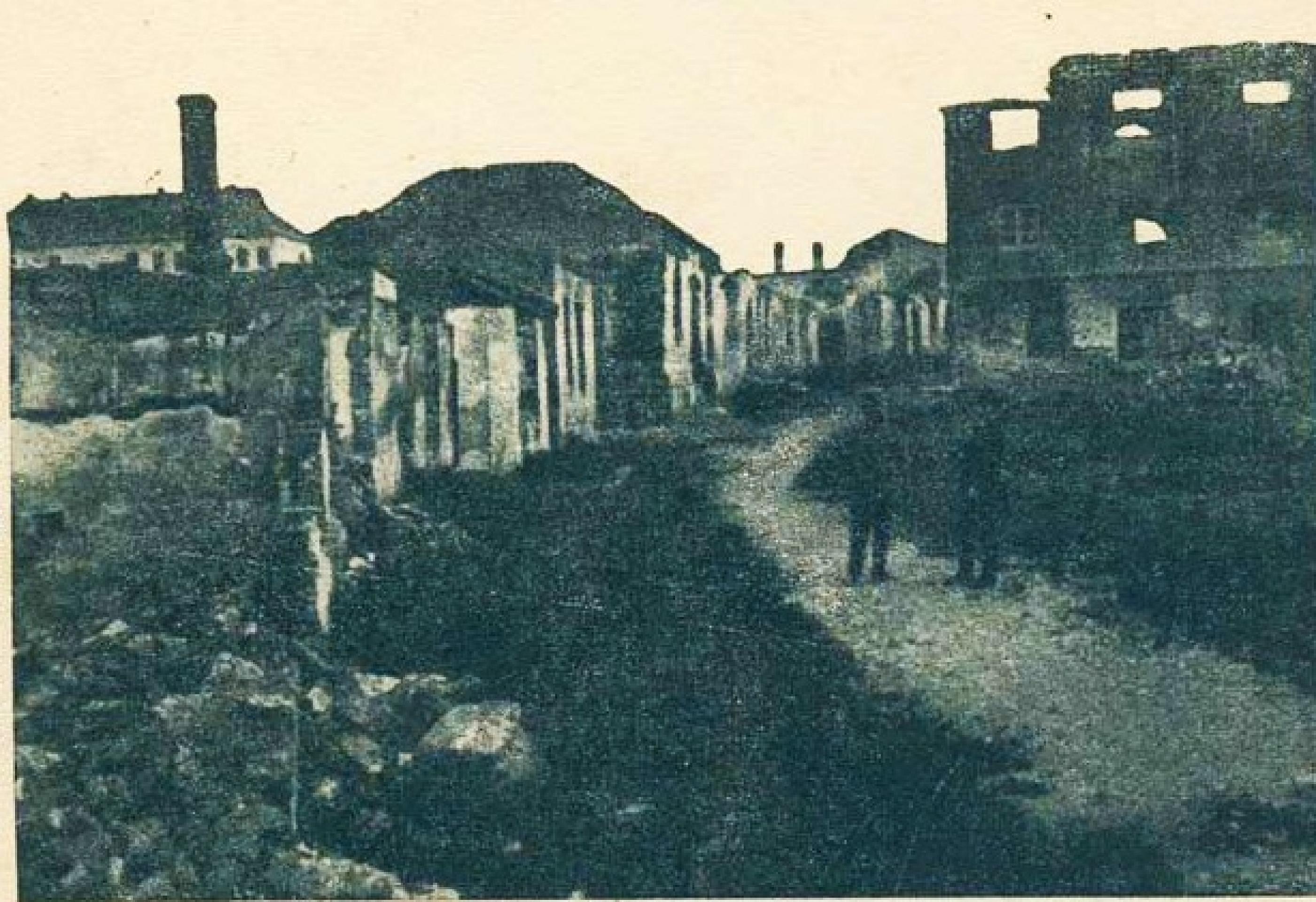
In early 1941 the German Wehrmacht occupied Rohatyn. Shortly afterwards Ukrainian policemen mistreated and killed some of their Jewish neighbours. First casualties were Orthodox Jews and their rabbi. In the surrounding villages there were anti-Jewish excesses with casualties as well. By the end of 1941 the Jews of Rohatyn and the surrounding villages were confined by the German authorities into an overcrowded ghetto in the western part of the city. Many died of typhus and other diseases which spread rapidly due to the atrocious conditions.
On March 20, 1942 members of the Einsatzkommando C (Subgroup of a mobile killing unit) and members of the Ivano-Frankivsk Gestapo aided by local auxiliaries murdered Jewish children, women and men near the railway station. On September 2, 1942 the Germans conducted another »Aktion« where they deported about 1,000 Jews to the extermination camp of Bełżec. In early December 1942 they murdered approximately 300 Jews, among them all staff and patients of the ghetto's hospital. At the end of the »Aktion« more than 1,000 were deported to Bełżec again. Afterwards 2,700 – 3,000 Jews still lived in the ghetto. In the beginning of May 1943 the Jews in the ghetto started to organise resistance. This was crushed by the Germans and their helpers on June 6, 1943 and the ghetto was set on fire. During the next three days they shot all surviving Jews and buried their corpses near the New Jewish Cemetery north of the city centre.
Victims
According to information provided by the official Soviet investigative commission 9,846 Jews were murdered in Rohatyn. As much as 3,000 further Jews were deported to the extermination camp of Bełżec. Almost the entire Jewish community was among the victims. There are at least two sites of mass shootings in Rohatyn.
Remembrance
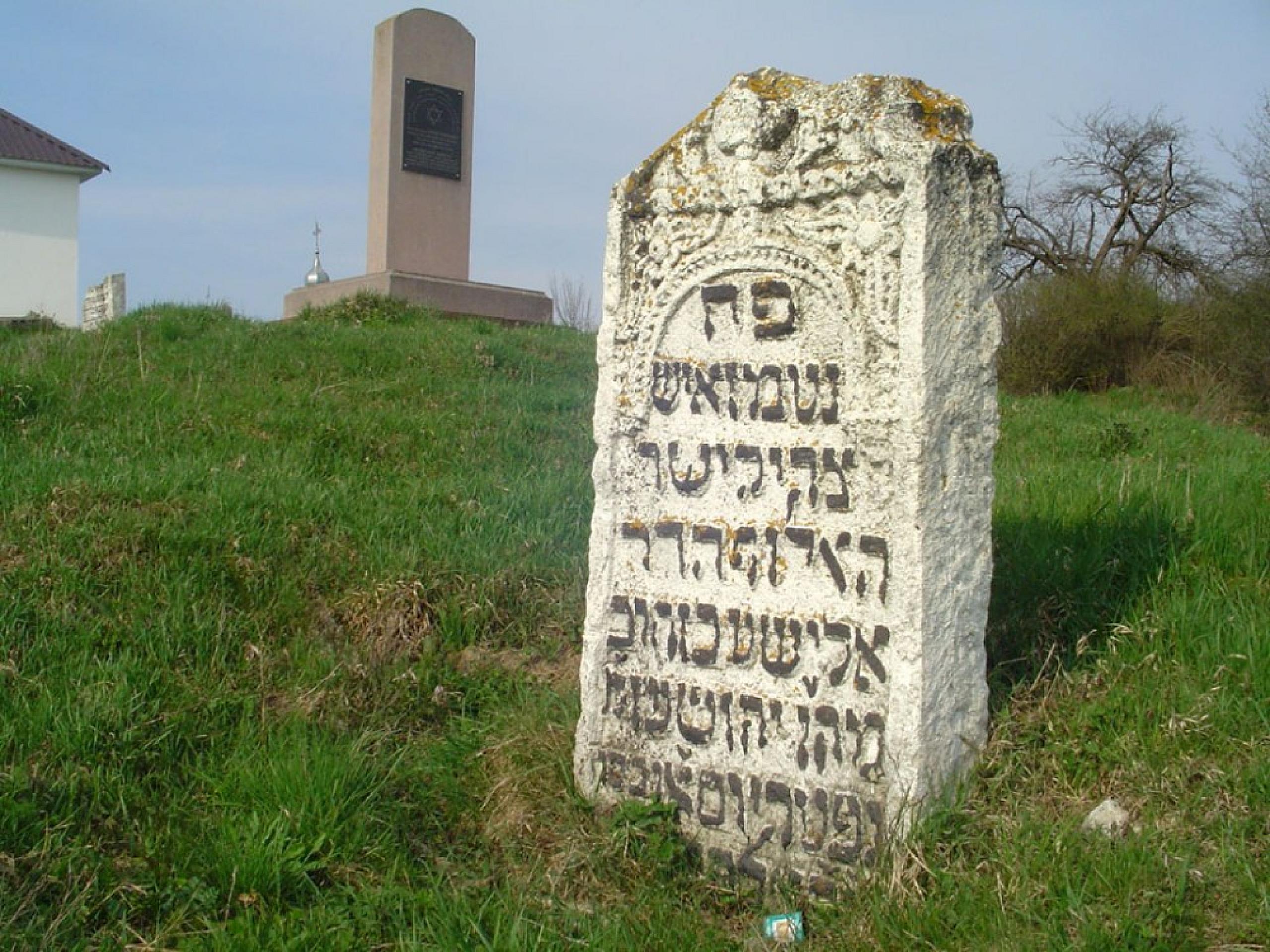
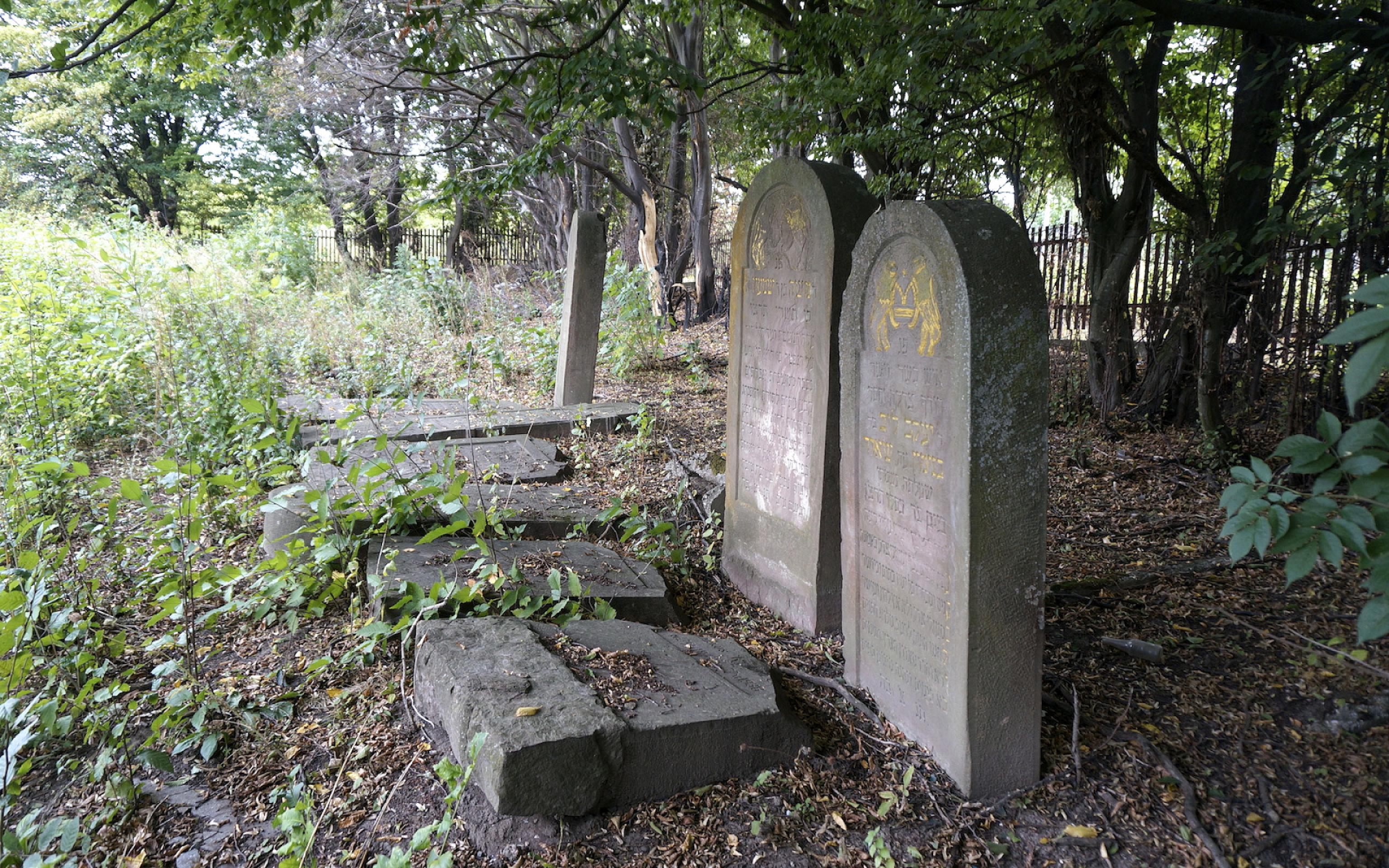
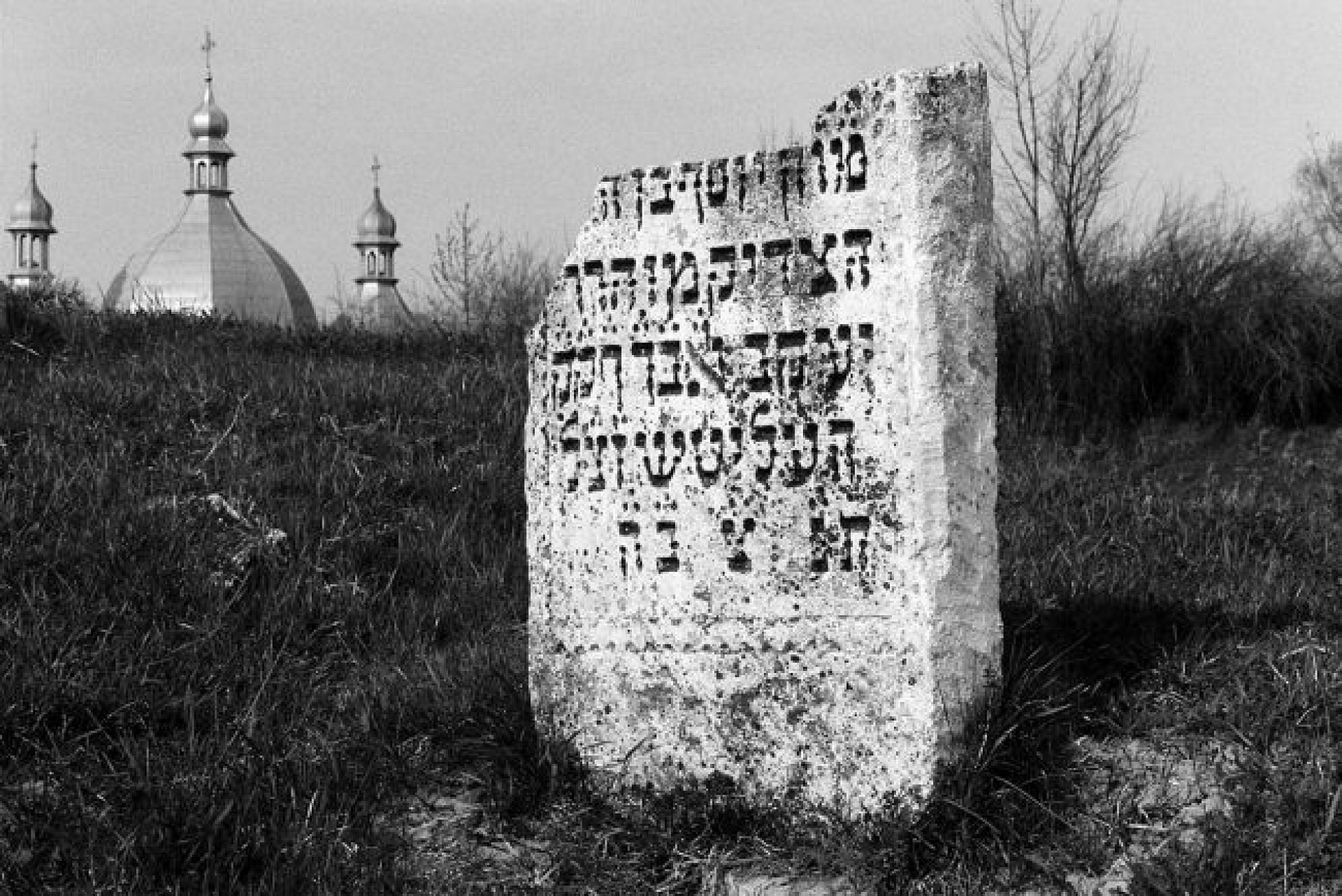
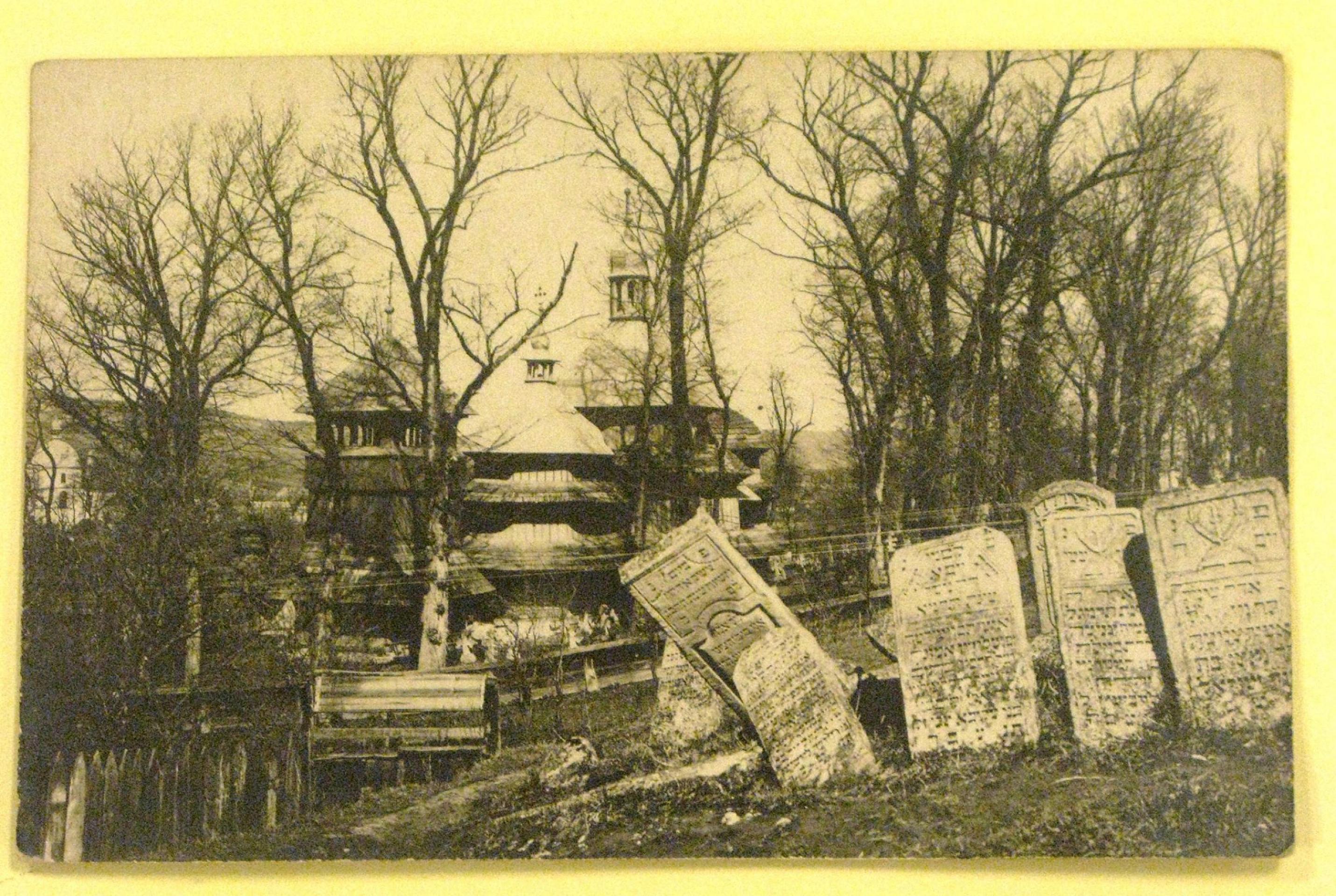
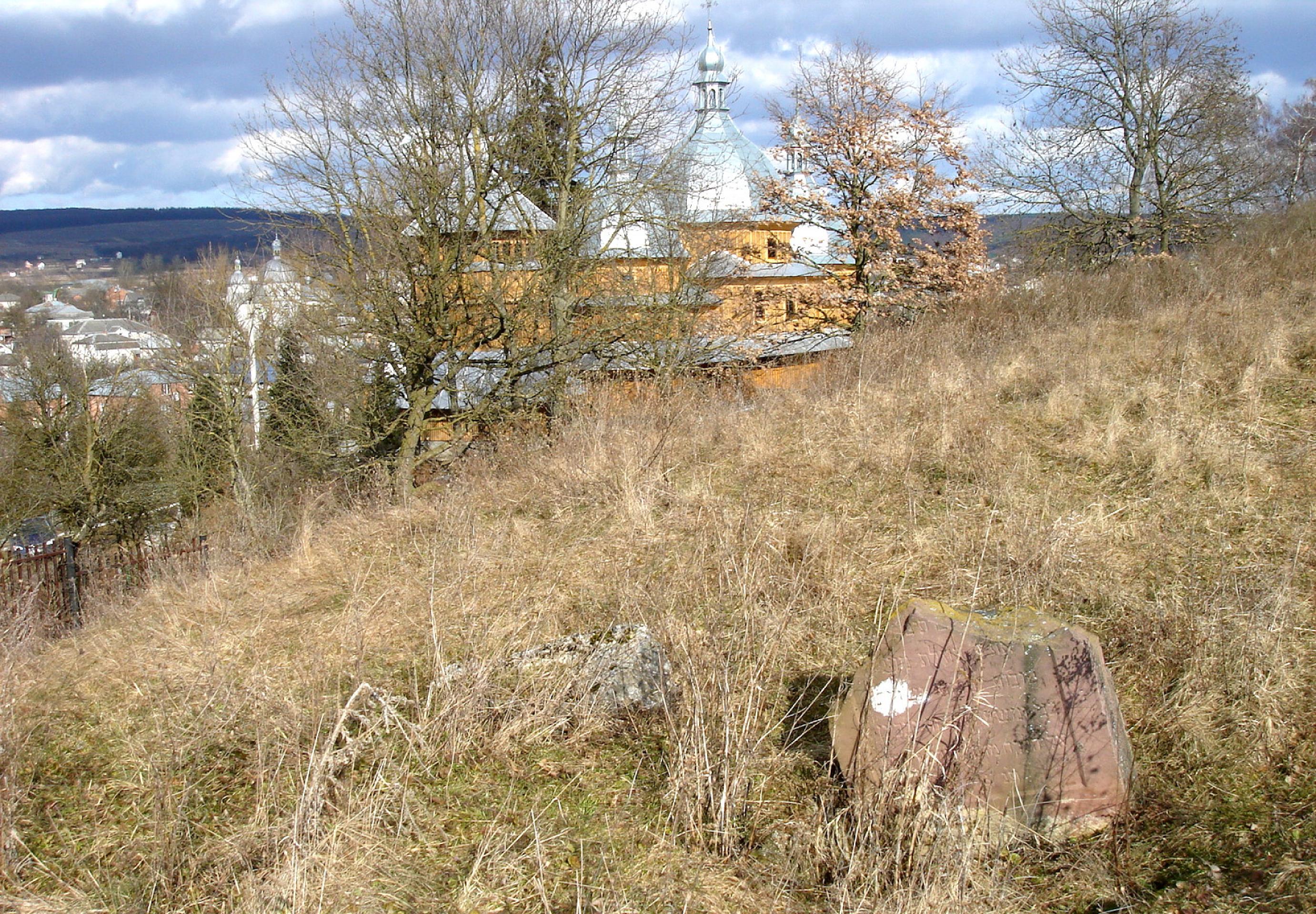
On July 24, 1944 the Red Army liberated Rohatyn. Only about 30 Jews from Rohatyn had survived the war. Most of them left the city. Today there is no Jewish community in Rohatyn, the descendants live abroad. Very little reminds of the once diverse Jewish life in Rohatyn. The Old Jewish Cemetery dating back to the 17th century and the New Jewish Cemetery opened in the early 20th century have almost fallen into oblivion.
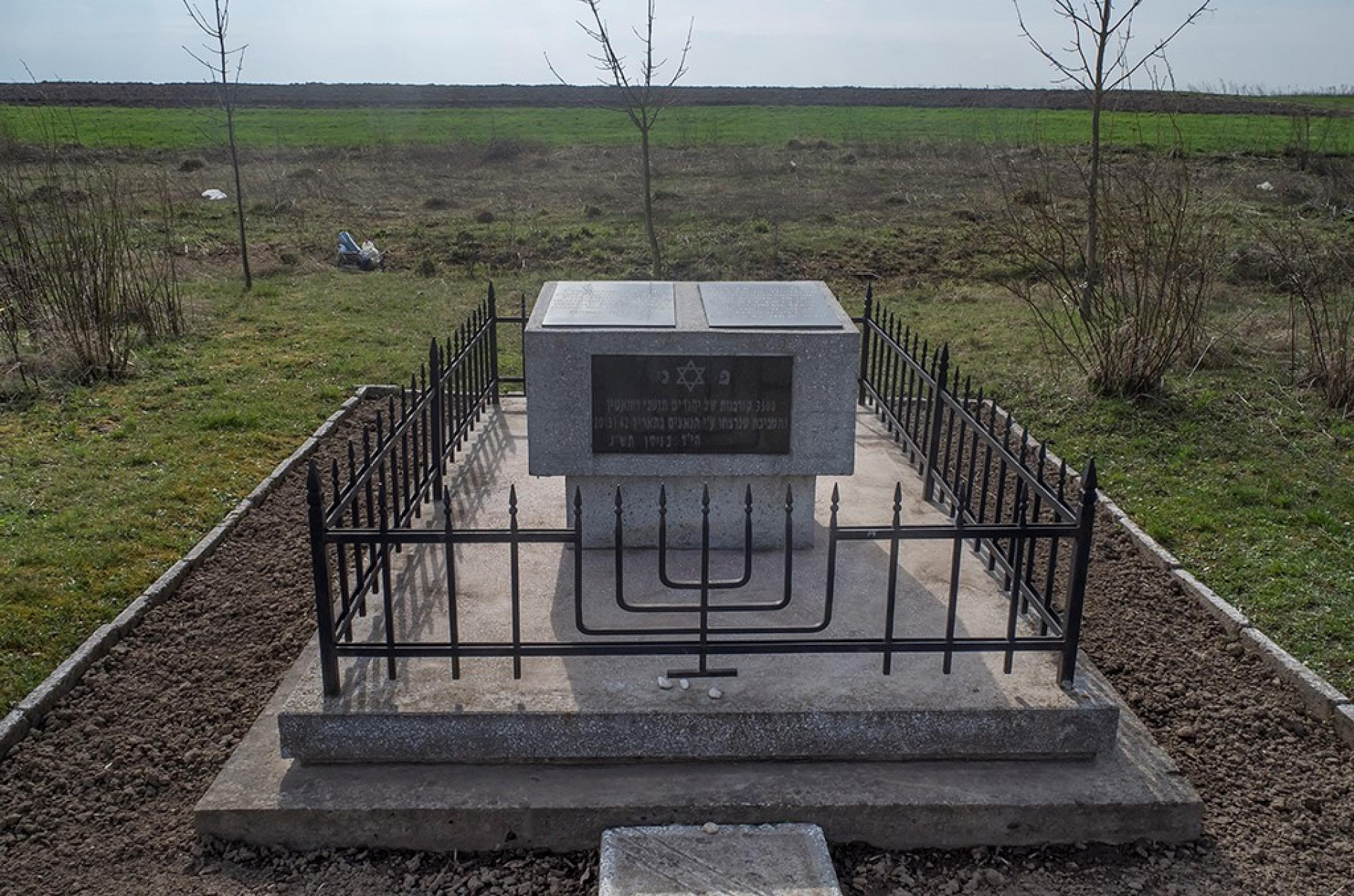
In the 1990s descendants of Jewish survivors erected a memorial at the New Cemetery to remember the murdered Jews. In 2015 a further memorial was erected. The organisation »Rohatyn Jewish Heritage« attempts to restore the cemeteries with the help of private donors. At the sites of the mass shootings two memorials remind of the annihilation of the Jewish community. These are located 1,5 km south and 1 km north of the city centre.
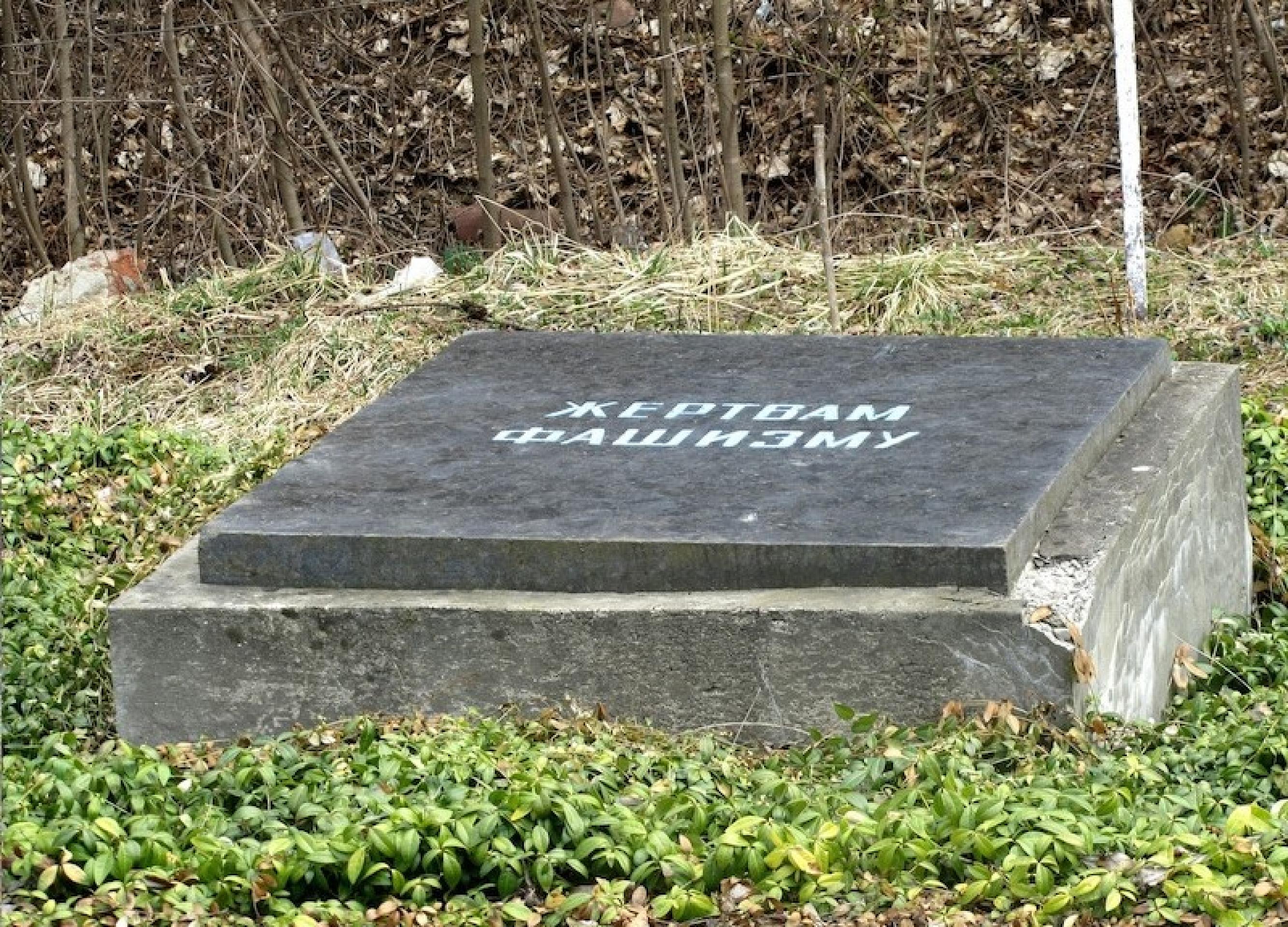
In 1987 the first two memorials dedicated to the »victims of Fascism« were erected by the Soviet administration. Here lie the victims of the first mass murder of March, 20, 1942. Two further memorials were erected at the same place in 1998 by descendants of Jewish survivors from Rohatyn. The inscriptions commemorate in three languages the Jewish victims who were murdered in the Rohatyn region in 1942 and 1943. The mass graves are not yet enclosed since to date their exact position hasn't been precisely established. In spring 2017 the organisation »Rohatyn Jewish Heritage« starts to determine their exact position with the help of forensic examinations. Another memorial plaque is located at the former building of the Judenrat (Jewish Council) in the Michail Kozobinskov Street. Today the building houses a school.
Open
The memorials are accessible at all times.
Contact
http://rohatynjewishheritage.org
marla.r.osborn@gmail.com