Memory of the murdered Jews of Szczebrzeszyn
Pamięć zamordowanych Żydów w Szczebrzeszynie
In the small town of Szczebrzeszyn in the Lublin region, the old synagogue and a Holocaust memorial in the Jewish cemetery serve as reminders of the once vibrant Jewish life there.
History
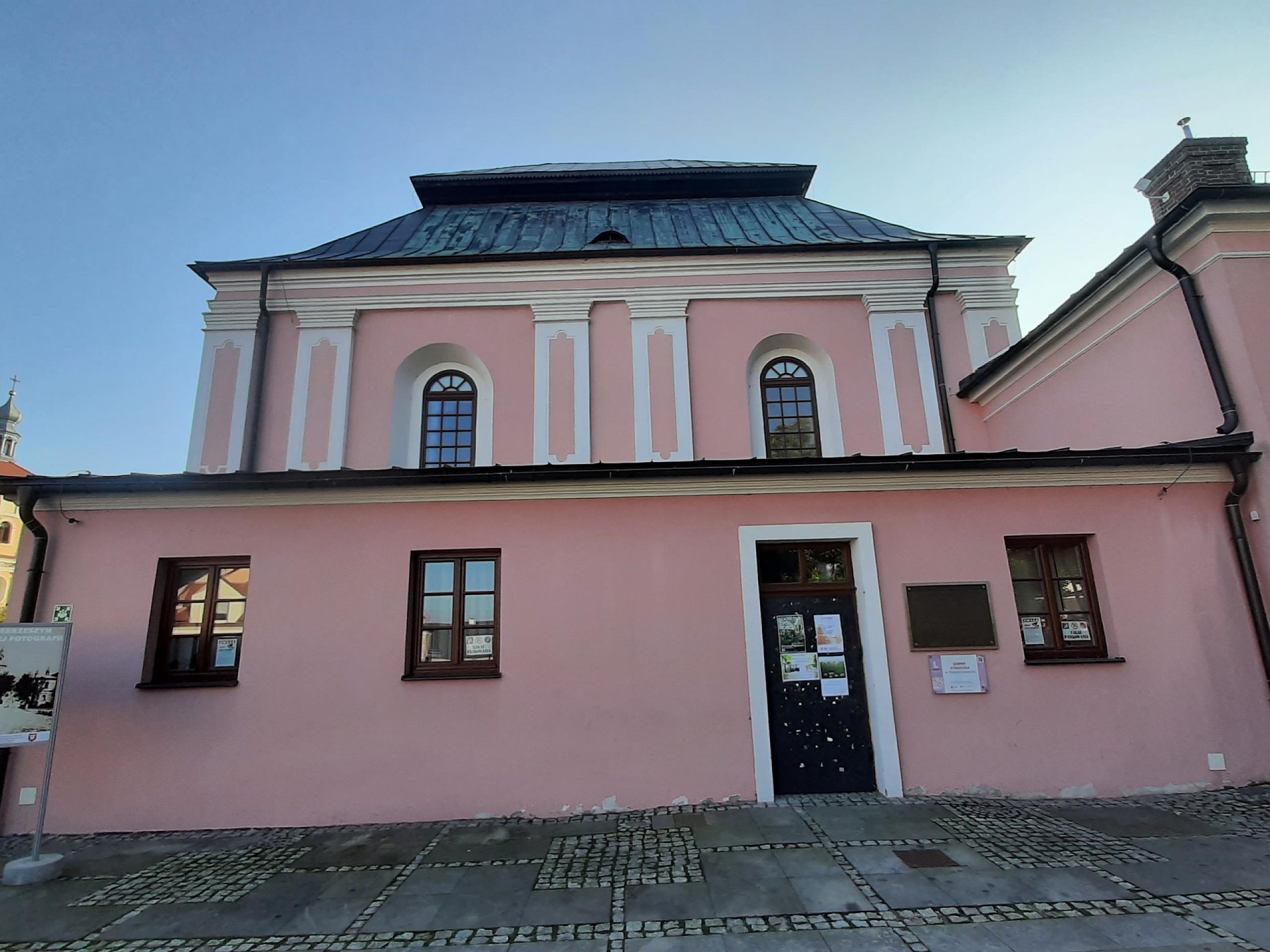
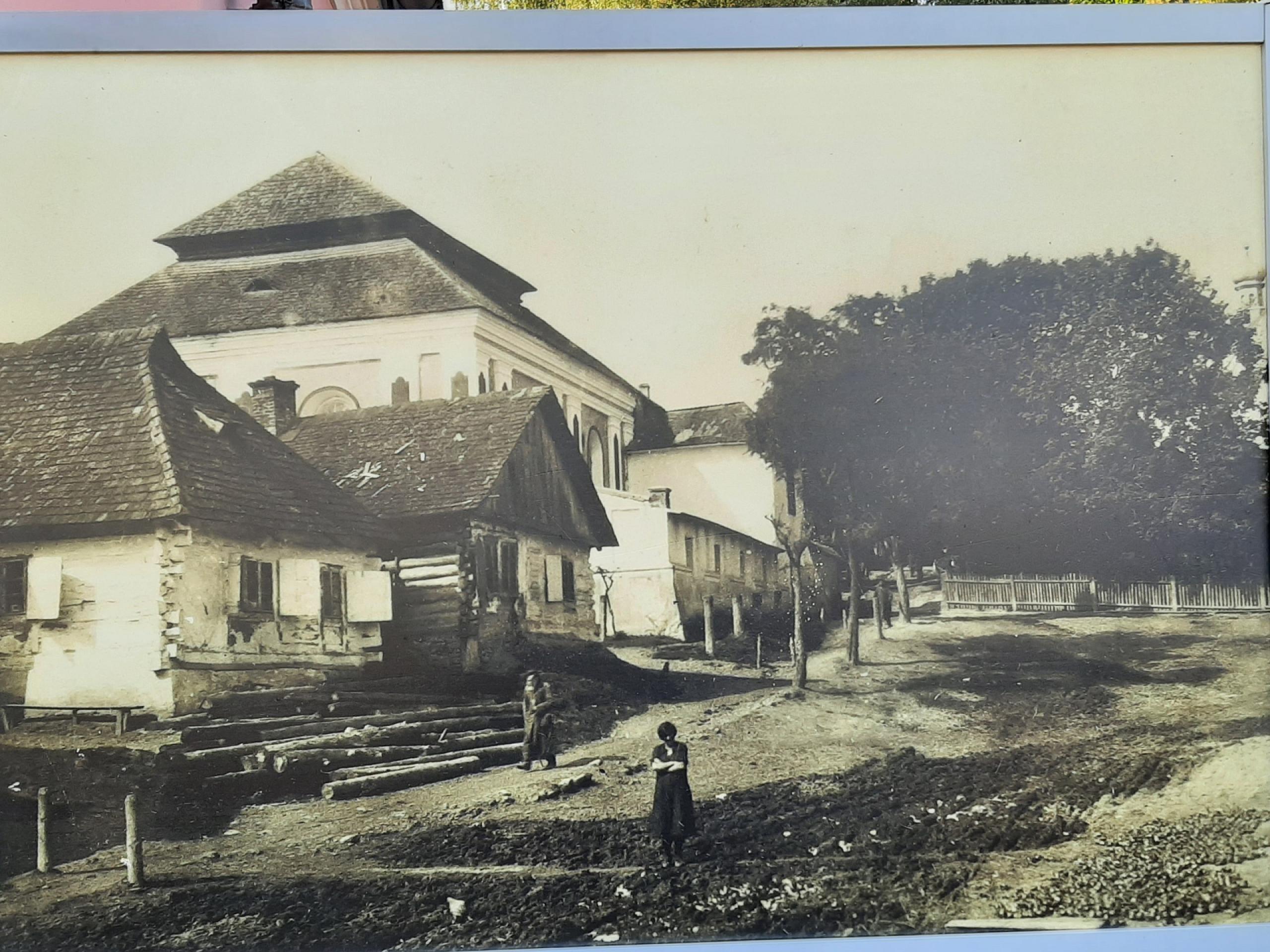
Szczebrzeszyn is a small town in the immediate vicinity of Zamość. It was first mentioned in the 14th century. Jews lived here as early as the 16th century. In the 17th century, the town was destroyed three times by wars, including during the Khmelnytsky Uprising in 1648, when the synagogue was burned down. The construction of a new stone synagogue probably began soon after, and it still stands today.
Before World War I, as a result of the partitions of Poland, Szczebrzeszyn belonged to the Russian Empire, and afterwards to the newly founded Polish Republic. On the eve of World War II, around 43 percent of the town's approximately 7,500 inhabitants were Jews.
Szczebrzeszyn was occupied in September 1939, first by German and then by Soviet troops, before finally falling under German control at the beginning of October 1939. The occupiers immediately began terrorizing the Jewish population with violence and forced labour. From December 1939, Jews were required to wear identification badges, and from 1940, Jews were repeatedly deported from the town for forced labor. From 1941, Jews were only allowed to stay in certain streets, creating a de facto ghetto in which many Jews died of a typhus epidemic in the winter of 1941/42.
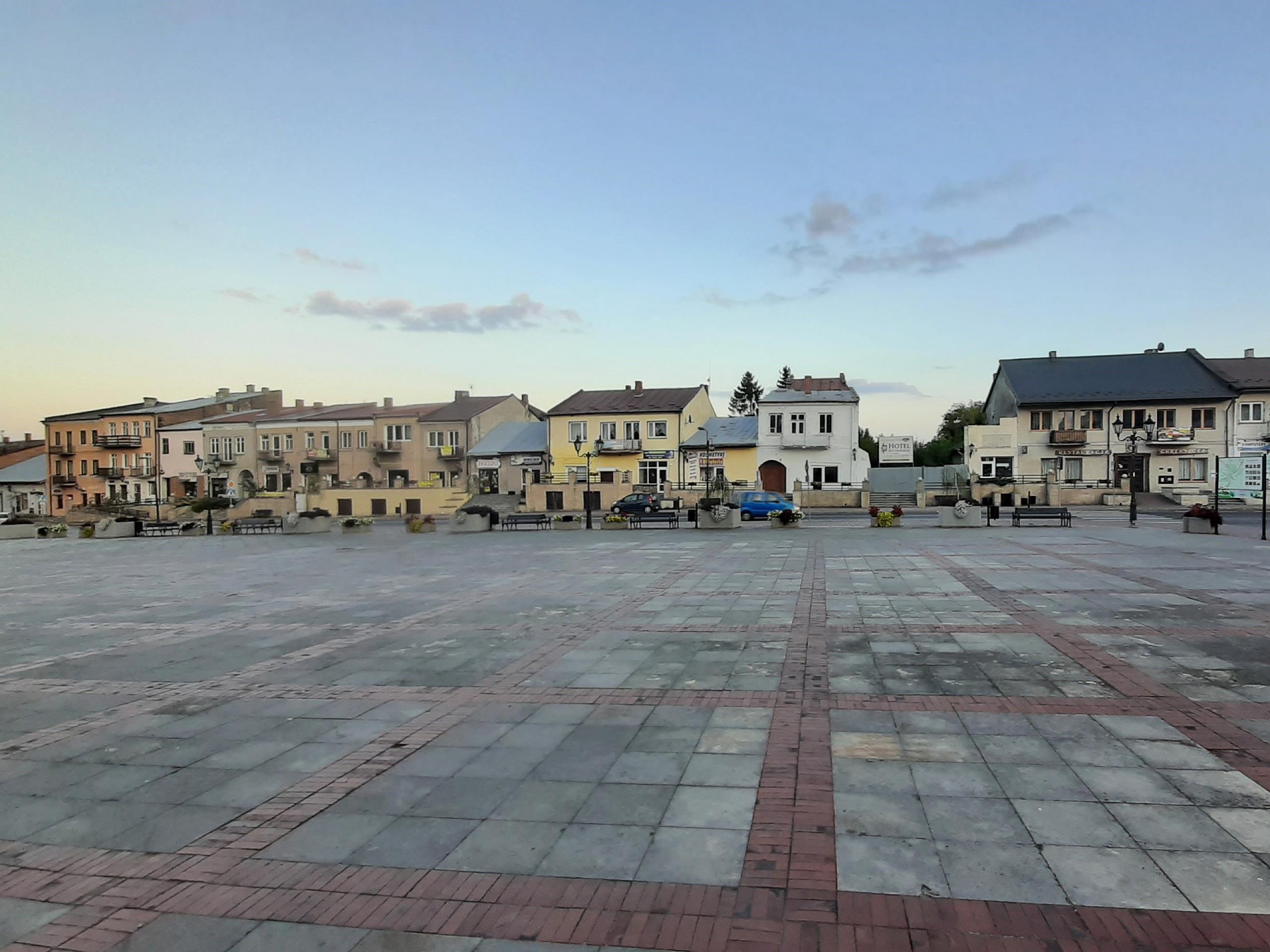
On May 8, 1942, German units rounded up 2,000 Jews in the market square and fired into the crowd. About 100 people were killed in the massacre, and another 280 were deported by the occupiers to the Bełżec extermination camp, about 65 kilometers away. On August 8, 1942, 200 elderly and frail Jews were shot outside the city and another 400 were deported to Belzec. Finally, between October 21 and 24, 1942, the ghetto was liquidated: around 2,000 Jews were deported to Belzec and murdered there, while up to 1,000 people who had initially escaped deportation by fleeing were tracked down and shot. Several mass shootings, in which Polish auxiliaries were involved alongside German units, also took place at the Jewish cemetery in Szczebrzeszyn.
Victims
Almost all of Szczebrzeszyn's approximately 3,000 Jewish residents fell victim to systematic murder. Most Jewish children, women, and men were suffocated with poison gas in the Belzec extermination camp, while many others were murdered in mass shootings. According to estimates, up to 1,000 Jews were shot at the Jewish cemetery alone.
Remembrance
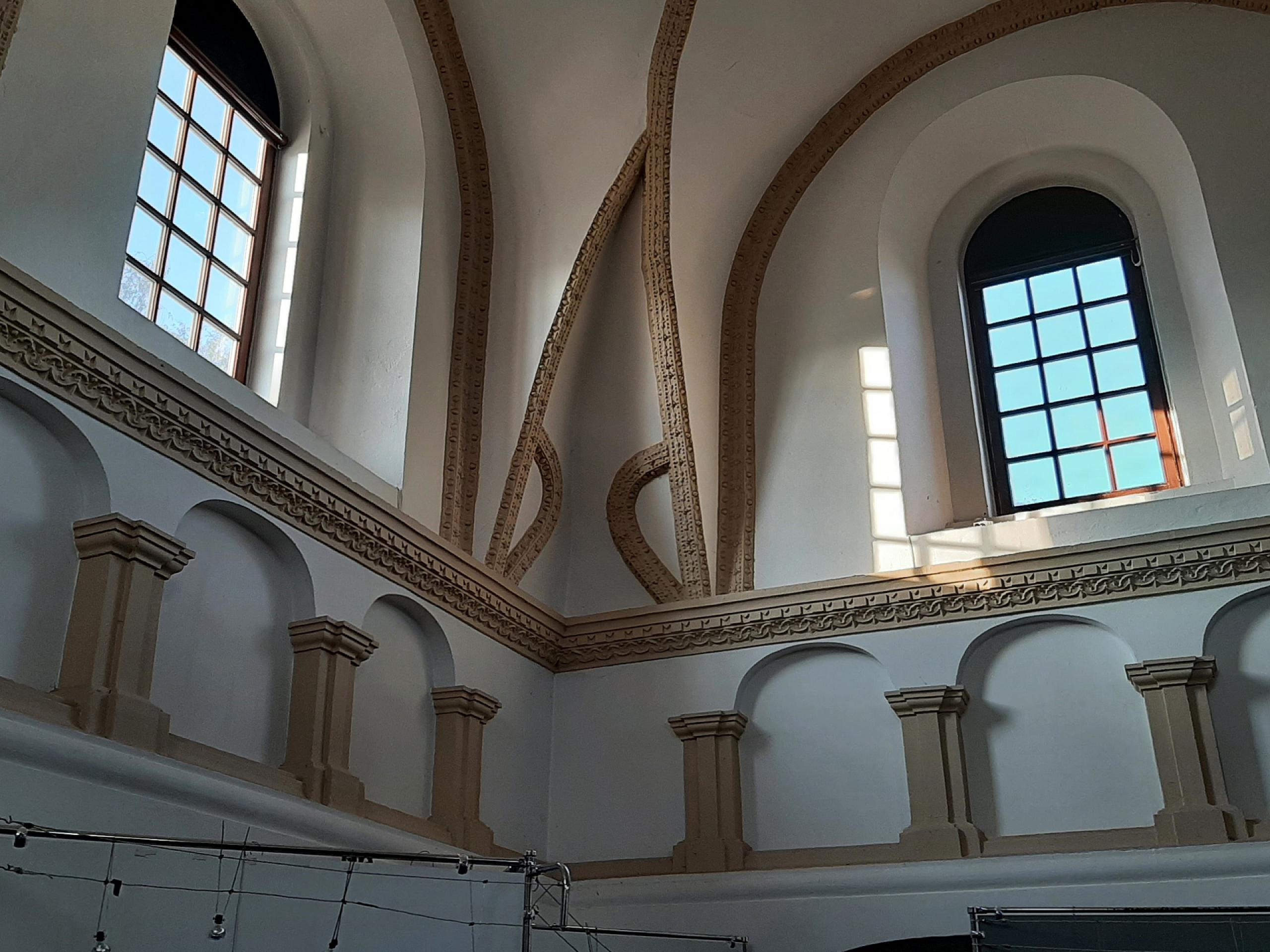
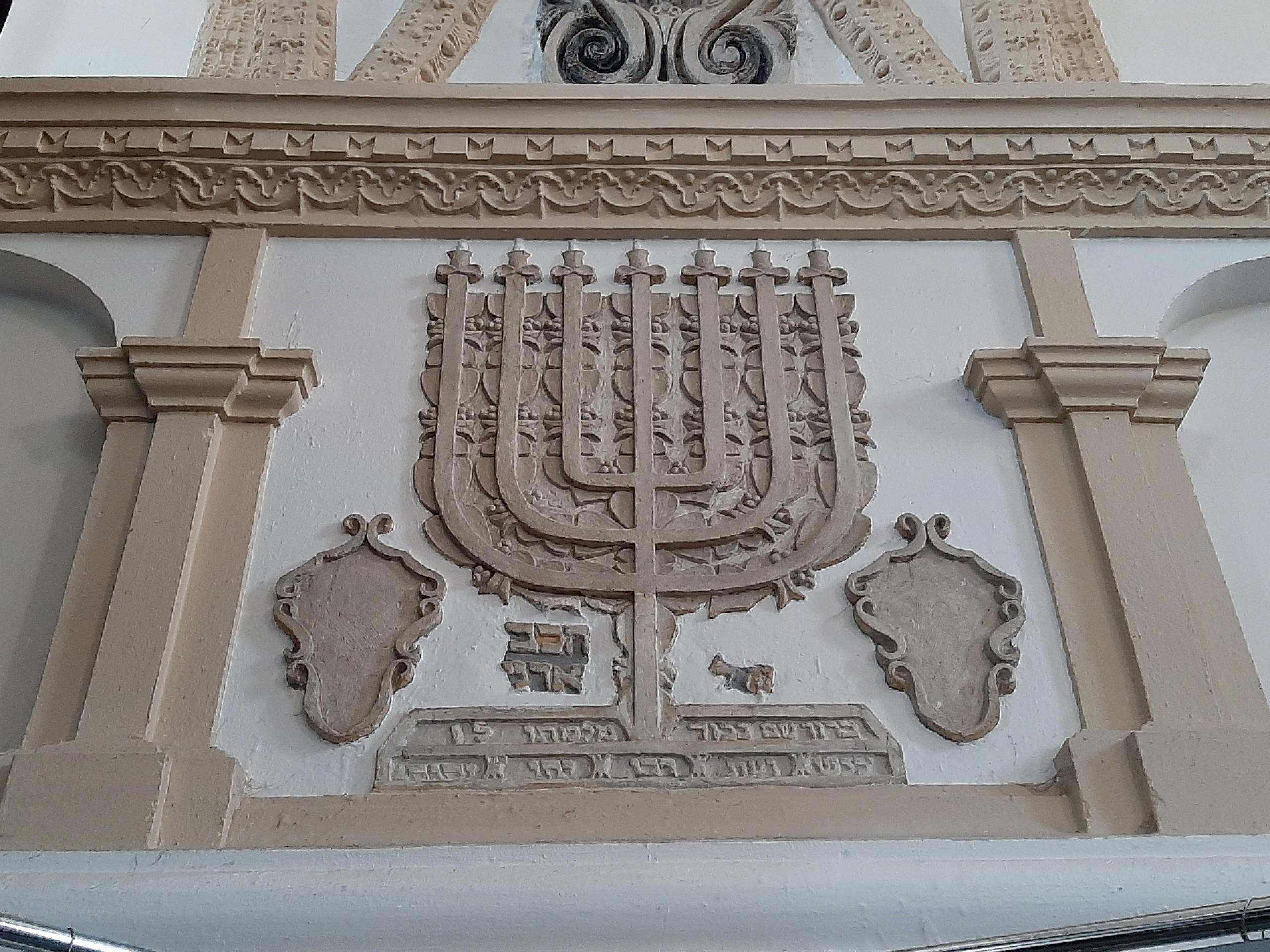
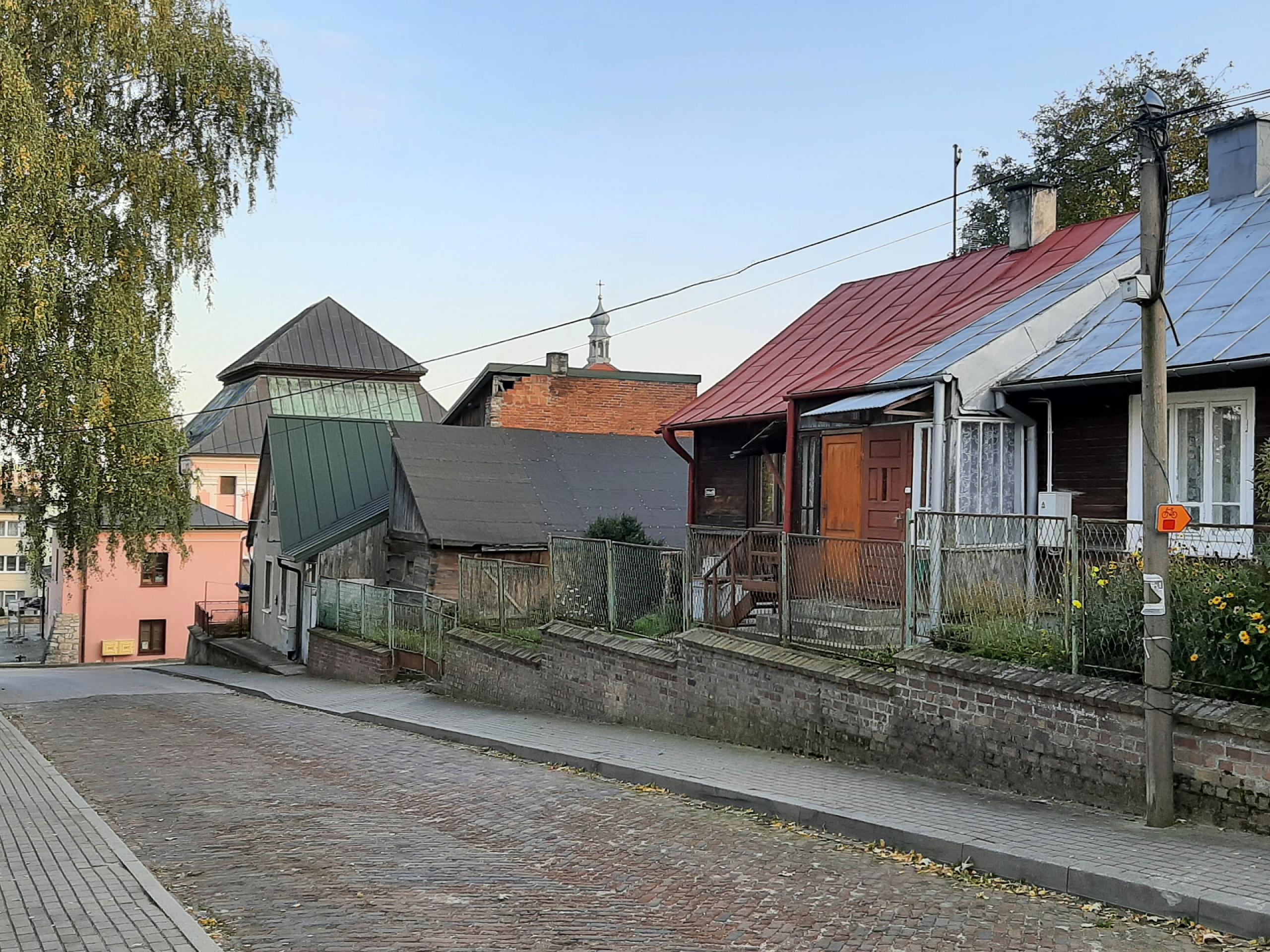
Since World War II, no Jewish community exists in Szczebrzeszyn . However, the 17th-century synagogue is one of the most famous buildings in the town. Destroyed by the Germans during World War II, it was rebuilt in the late 1950s and has been used as a municipal cultural centre since 1965. The synagogue was renovated again in 2009/10. That the building is a former Jewish place of worship and a protected building is clearly visible. Since 1991, a plaque has been hanging on the outer wall, identifying the building as one of the oldest and most famous synagogues in Poland.
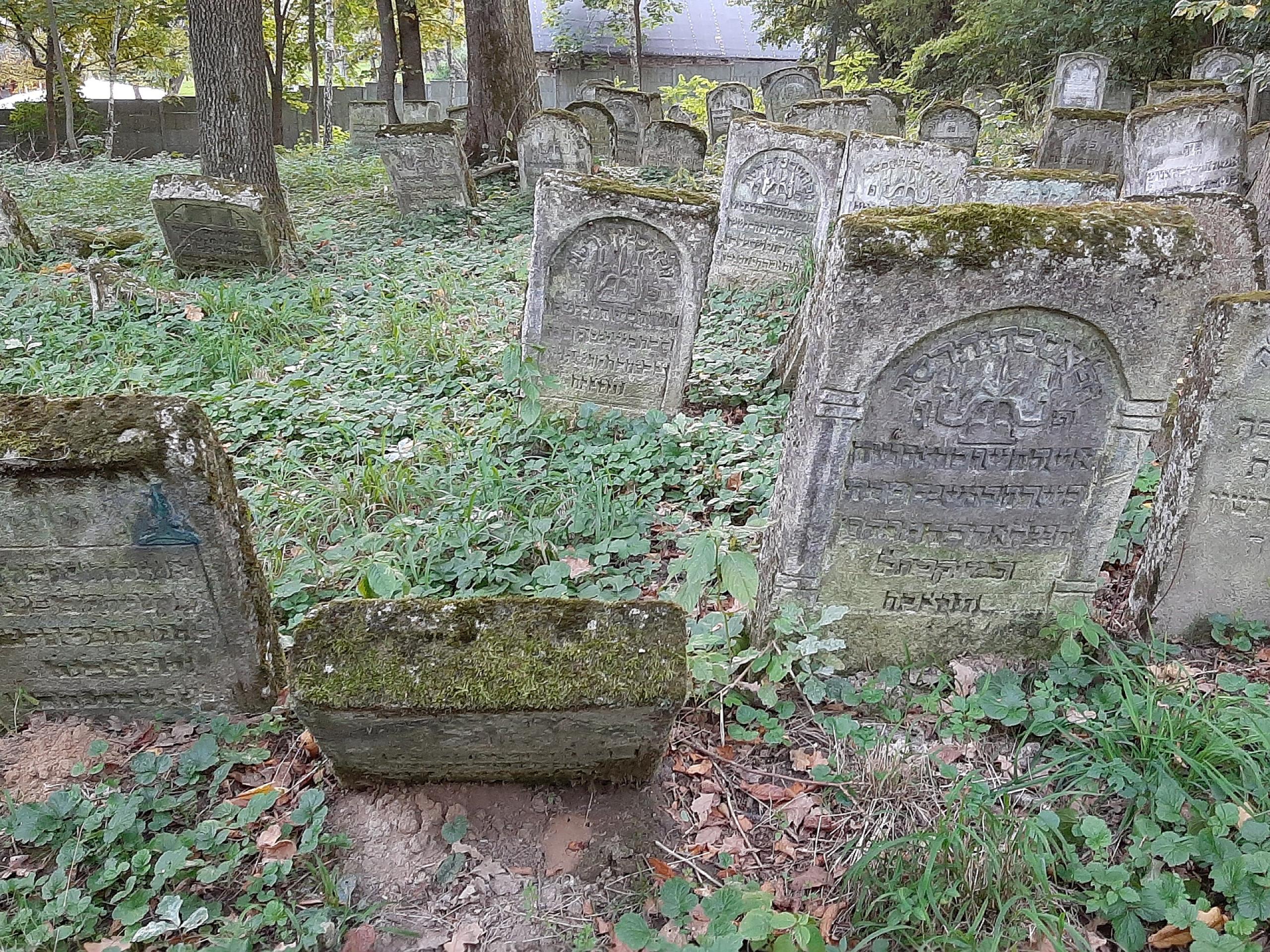
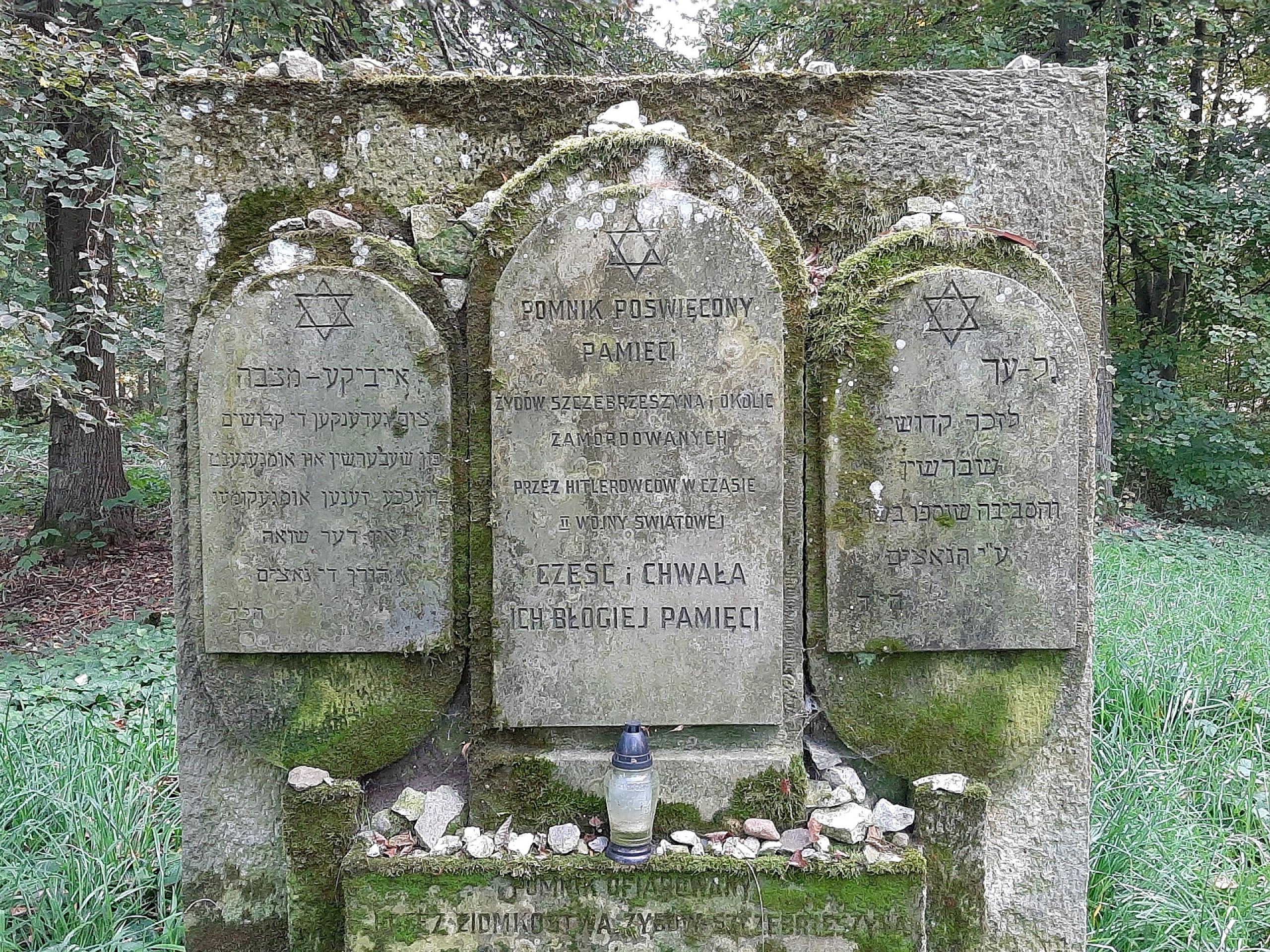
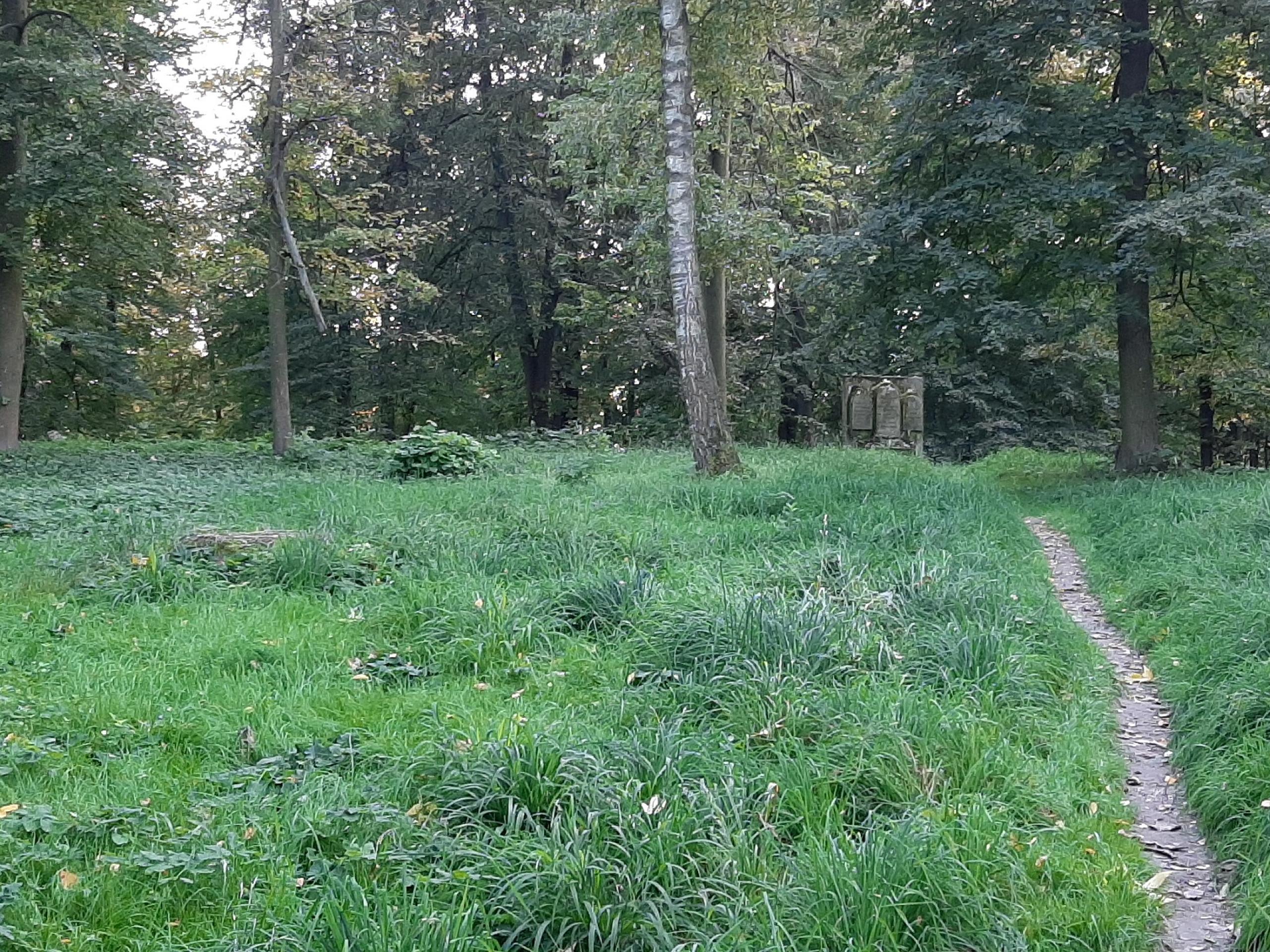
The Jewish cemetery also bears witness to Szczebrzeszyn's Jewish past. The oldest preserved gravestone dates back to 1545. Destroyed by the German occupiers during the war, gravestones were also removed from the cemetery after the war and used in construction work. Today, around 400 gravestones remain. In 1991, descendants of Szczebrzeszyn Jews erected a memorial to the murdered Jews in the cemetery. The inscription in three languages, Polish, Yiddish, and Hebrew, reads: “Memorial in memory of the Jews of Szczebrzeszyn and the surrounding area who were murdered by the Nazis during World War II. Honour and glory to their memory.”
Open
The memorial on the Jewish cemetery is accessible at all times.
The house of culture in the former synagogue is open Monday to Friday 8 a.m. to 4 p.m., Saturday 8 a.m. to 5 p.m.
Contact