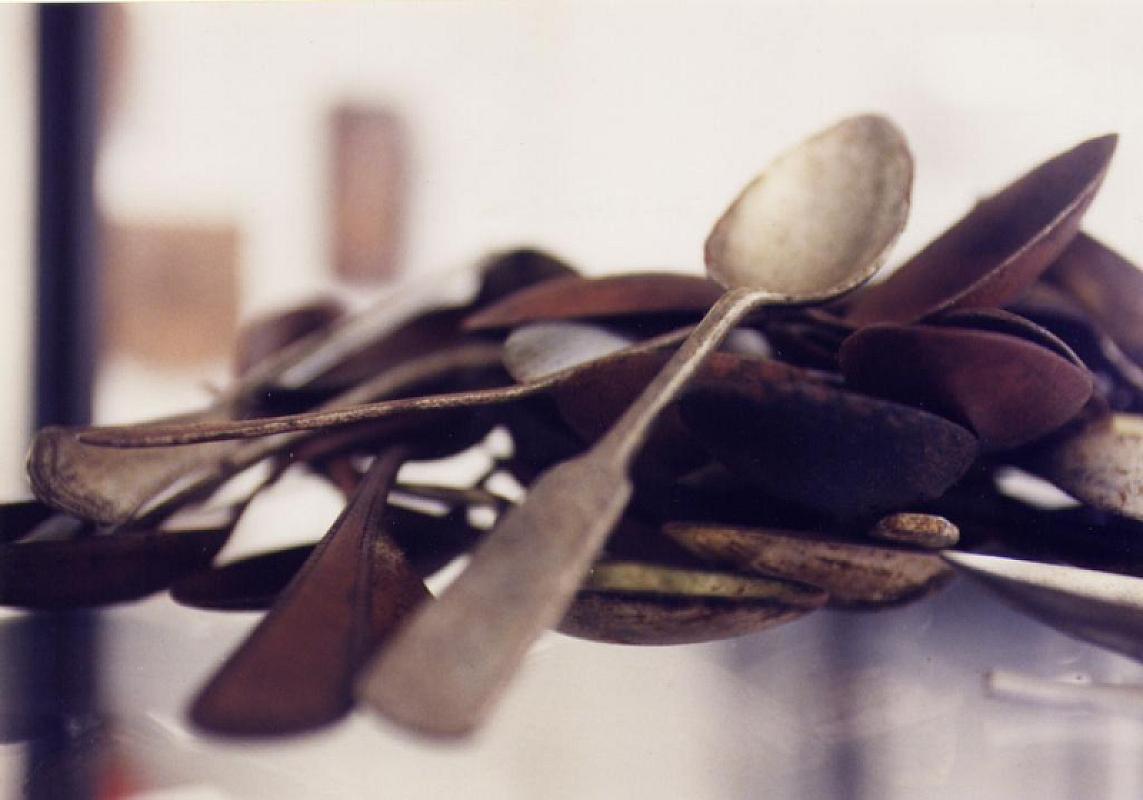
Military History Museum of the Bundeswehr
Militärhistorisches Museum der Bundeswehr
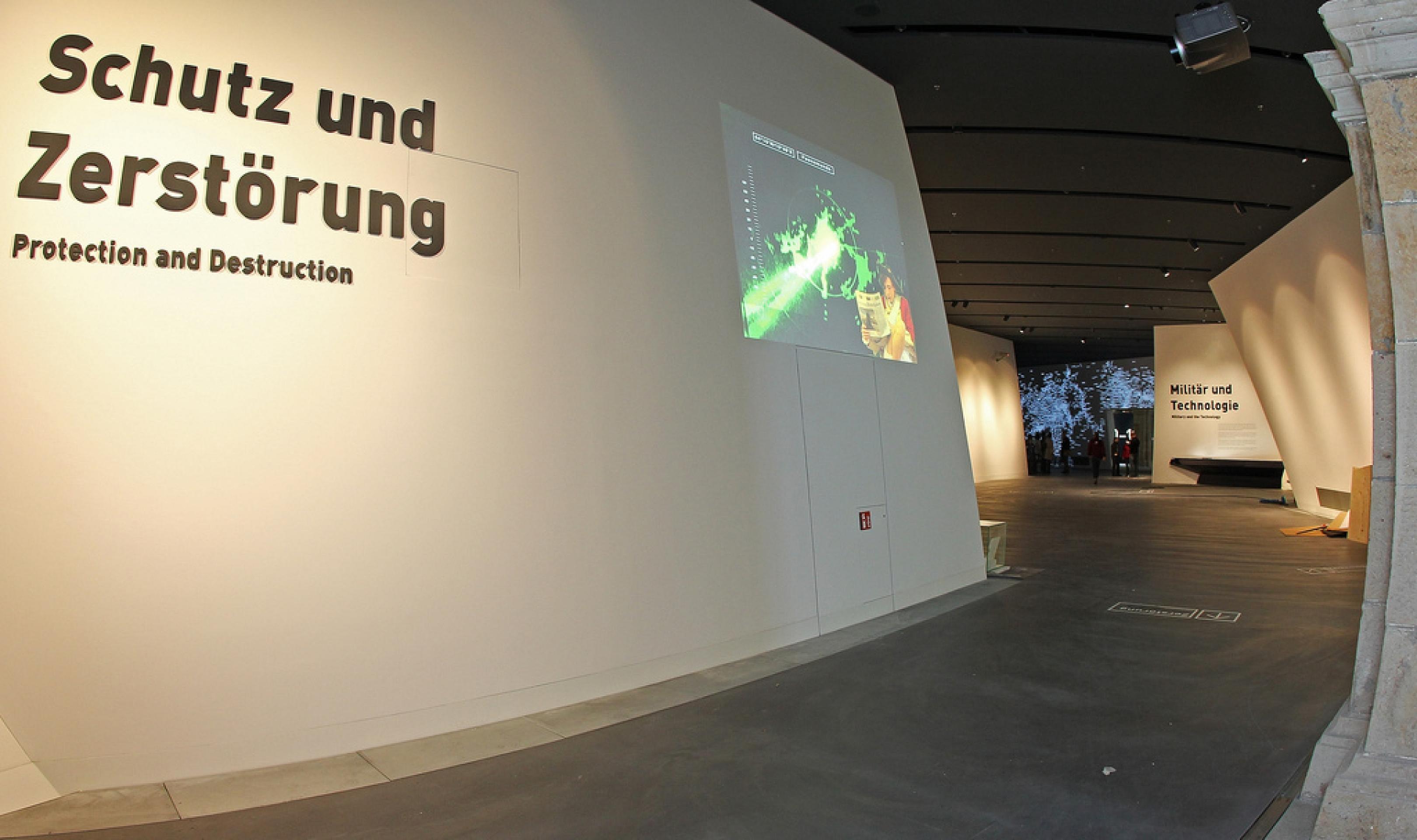
Since its opening in 2011 the Military History Museum of the Bundeswehr in Dresden deals with the topics of war and violence. The Museum had already served as a military museum for the National People's Army of the GDR, the Wehrmacht and the Royal Saxon Army.
History
In the 1870s one of Europe's biggest barracks complex developed in Dresden, the capital of the Kingdom of Saxony. In the Northern part of town King Albrecht established a complex of barracks, military hospitals and storage buildings, known as the Albertstadt. In the arsenal hundreds of artillery pieces and thousands of firearms were stored. Captured weapons were collected as well. In 1897 the weapons collection was opened to the public: The exhibition of its own weapons technology as well as weapons captured during various wars was an important part in the formation of a national identity in the German Empire, a society militaristic in its character. At the beginning of World War I the renamed Saxon Army Museum remained partially closed. Only in 1924 the entire Saxon Army Museum was opened again to visitors. During National Socialism the museum was administered by the Wehrmacht. At the start of World War II the Wehrmacht stored mainly captured weapons in the Dresden Army Museum. The museum survived the heavy allied bombings in February 1945 largely unscathed.
Victims
The Army Museum in Dresden is a place where various German armies celebrated themselves and glorified war and violence. No people were harmed in this place.
Remembrance
By the end of the war in 1945 it was uncertain whether the Dresden Army Museum would ever open again. Many of the exhibits had been evacuated or seized as spoils. Moreover, the Allies had banned any exhibitions or museums of »military nature«. Since large parts of the Dresden city centre lay in ruins because of the bombings, the city administration decided to utilize the unused and undamaged arsenal building as a municipal hall. Events, exhibitions and political gatherings took place there. After the foundation of the GDR and after the National People's Army (NVA) was established a military history collection of the GDR was opened in Postdam in 1961. By middle of the 1960s the NVA's command decided to move it to the arsenal building in Dresden and to keep up the military museum's traditions under different auspices. After a long conversion the Army Museum reopened again in 1972, revolving entirely around the NVA's role as guardian of socialism.
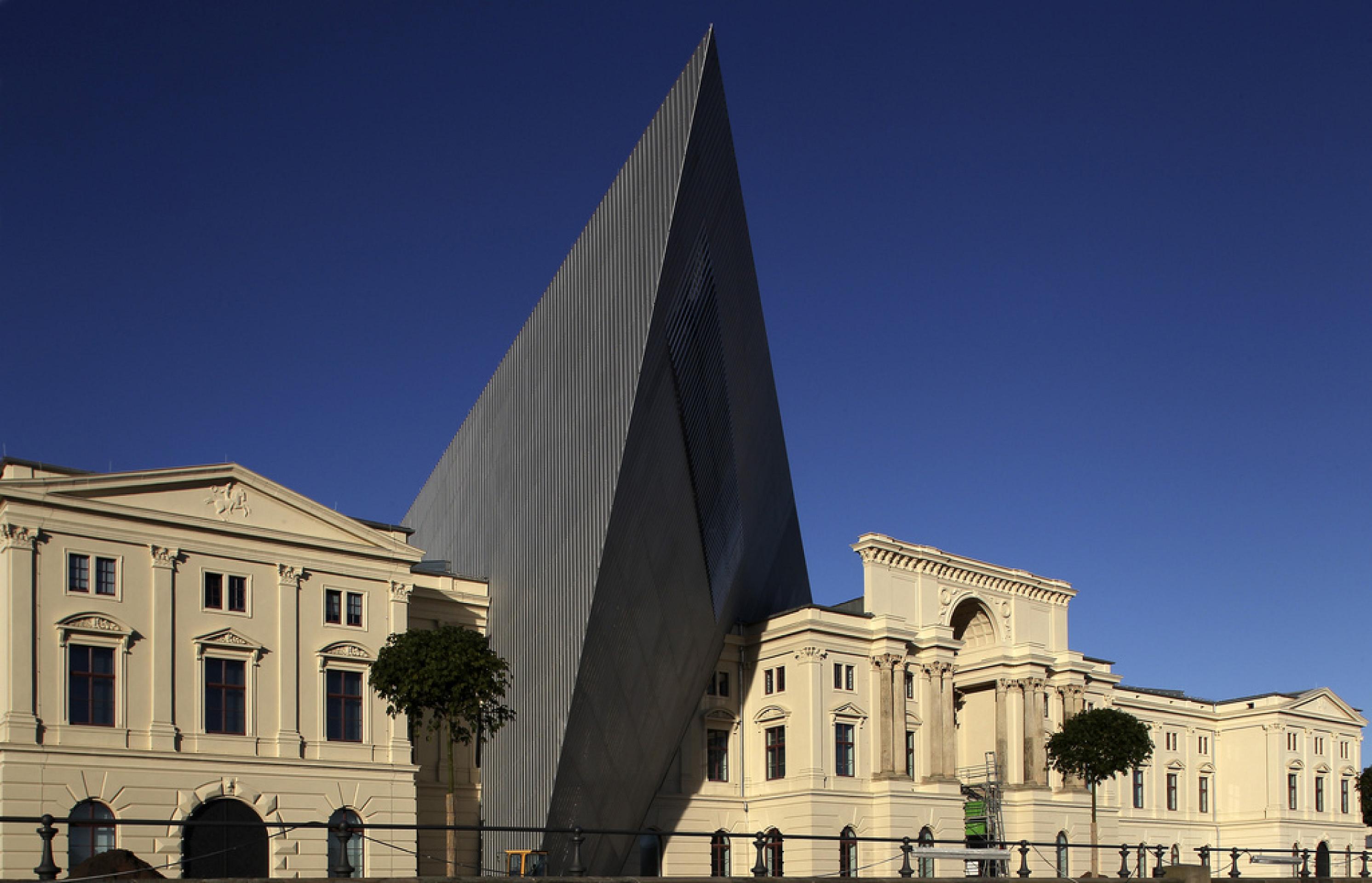
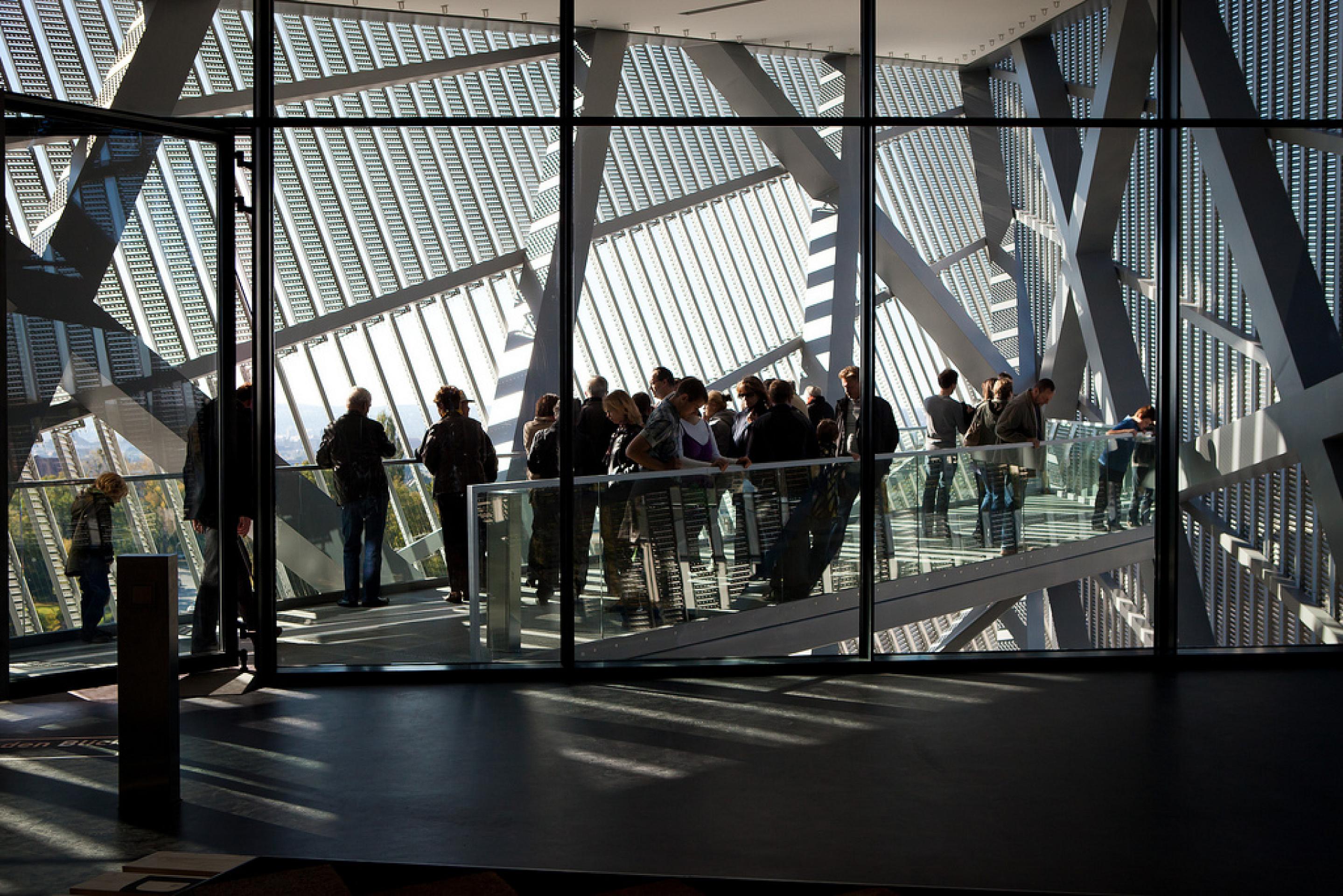
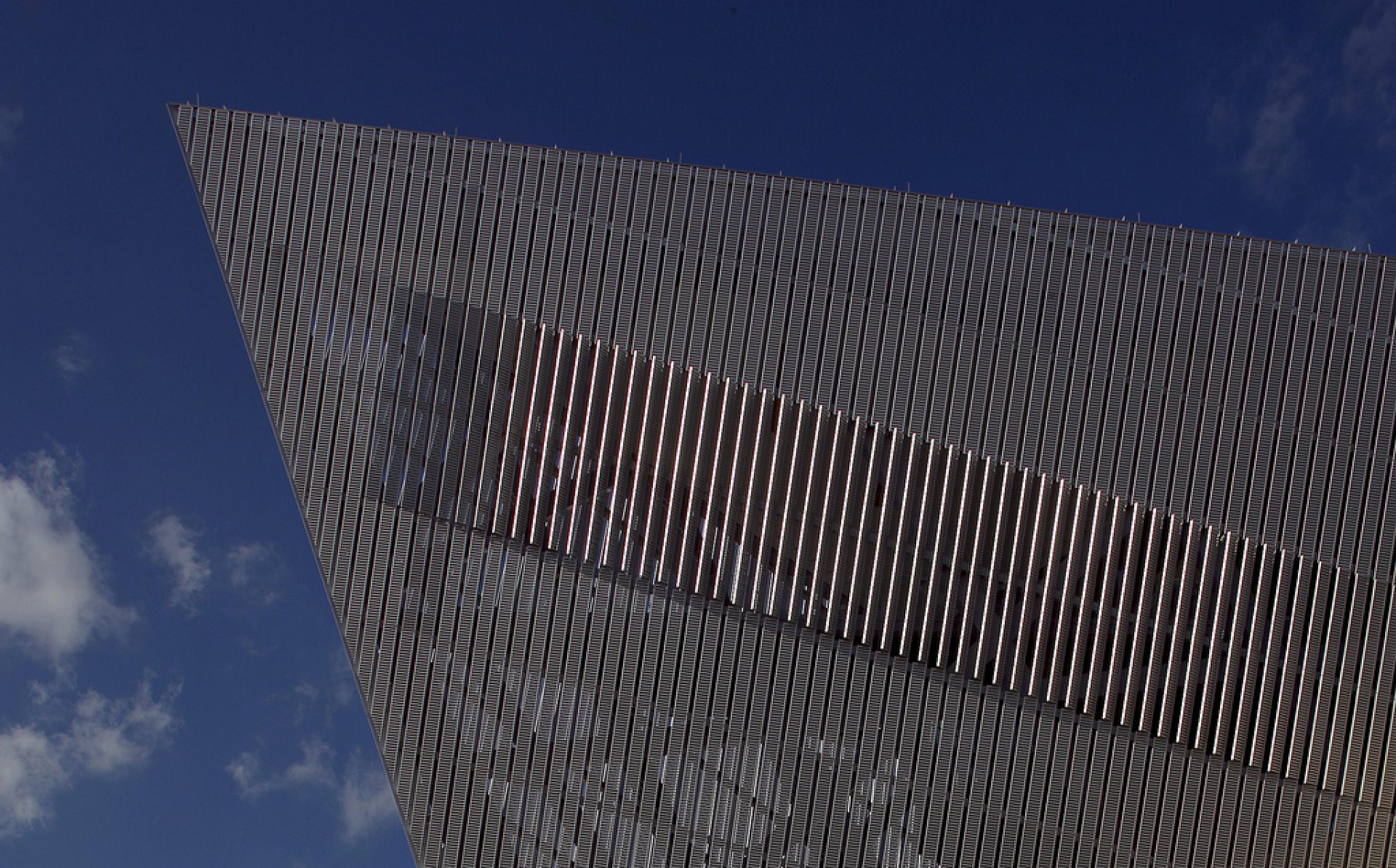
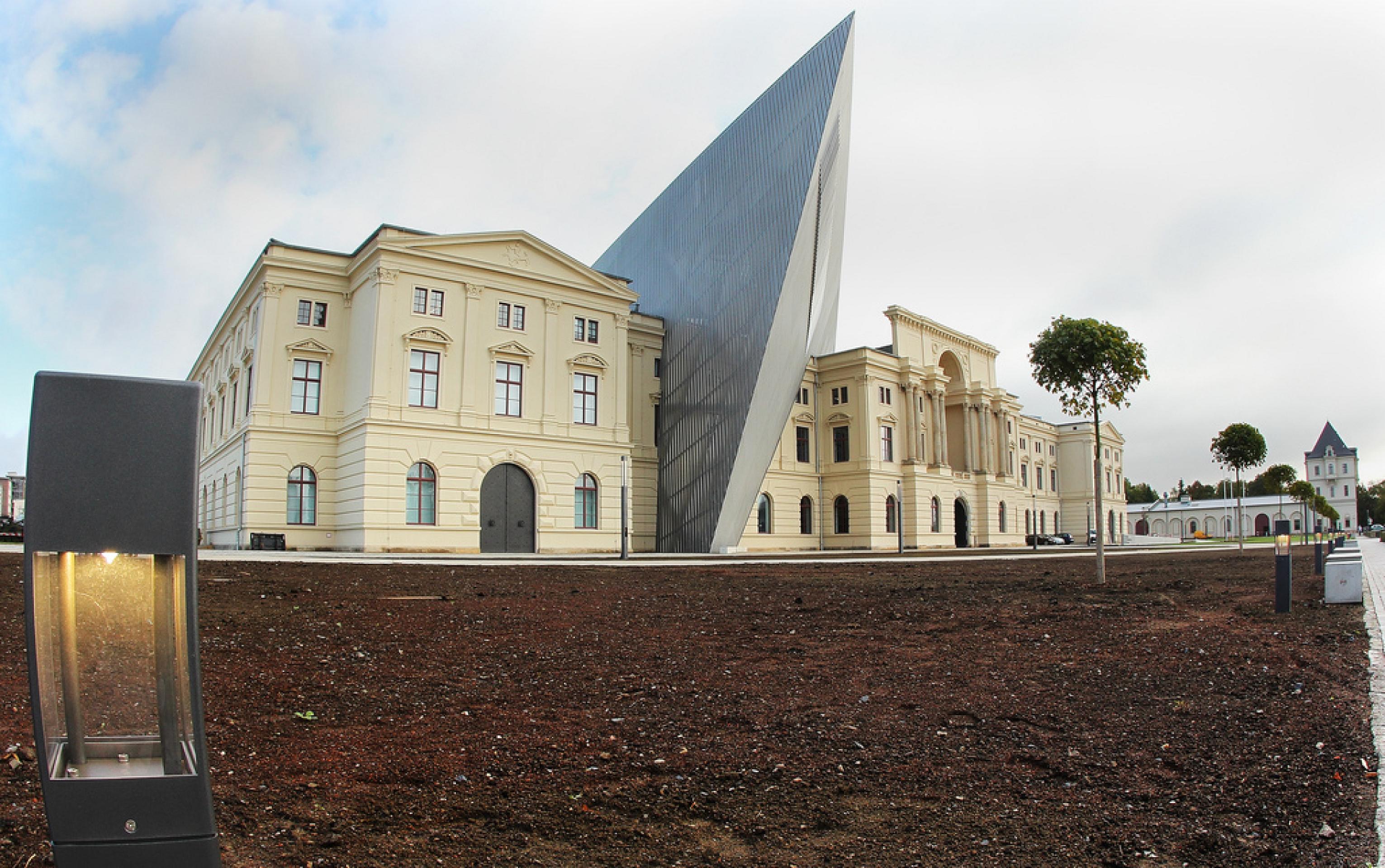
After the reunification of Germany in 1990 the Bundeswehr took over the museum and made it the new site of the central Museum of the Bundeswehr. In 2001 the architect Daniel Libeskind won the competition for an extensive redesign of the building. Libeskind extended the old building with a new one cutting through the old building in form of a wedge. This deconstruction of the old Arsenal is to elucidate the eventful and varied history of the German military. The wedge-formed building underlines the topics of war and violence associated with the military. At the same time the wedge points in the direction of the rebuilt historical centre of Dresden. After a seven year construction period the Military History Museum of the Bundeswehr opened in autumn of 2011.

Possibilities
Guided tours, educational offers
Open
Thursday to Tuesday 10 a.m. to 6 p.m., Monday 10 a.m. to 9 p.m., closed on Wednesdays
Contact
mhmeingang@bundeswehr.org
+49 (0)351 823 280 3
Olbrichtplatz 2
01099 Dresden