Steglitzer Spiegelwand - Denkzeichen Ehemalige Synagoge Haus Wolfenstein
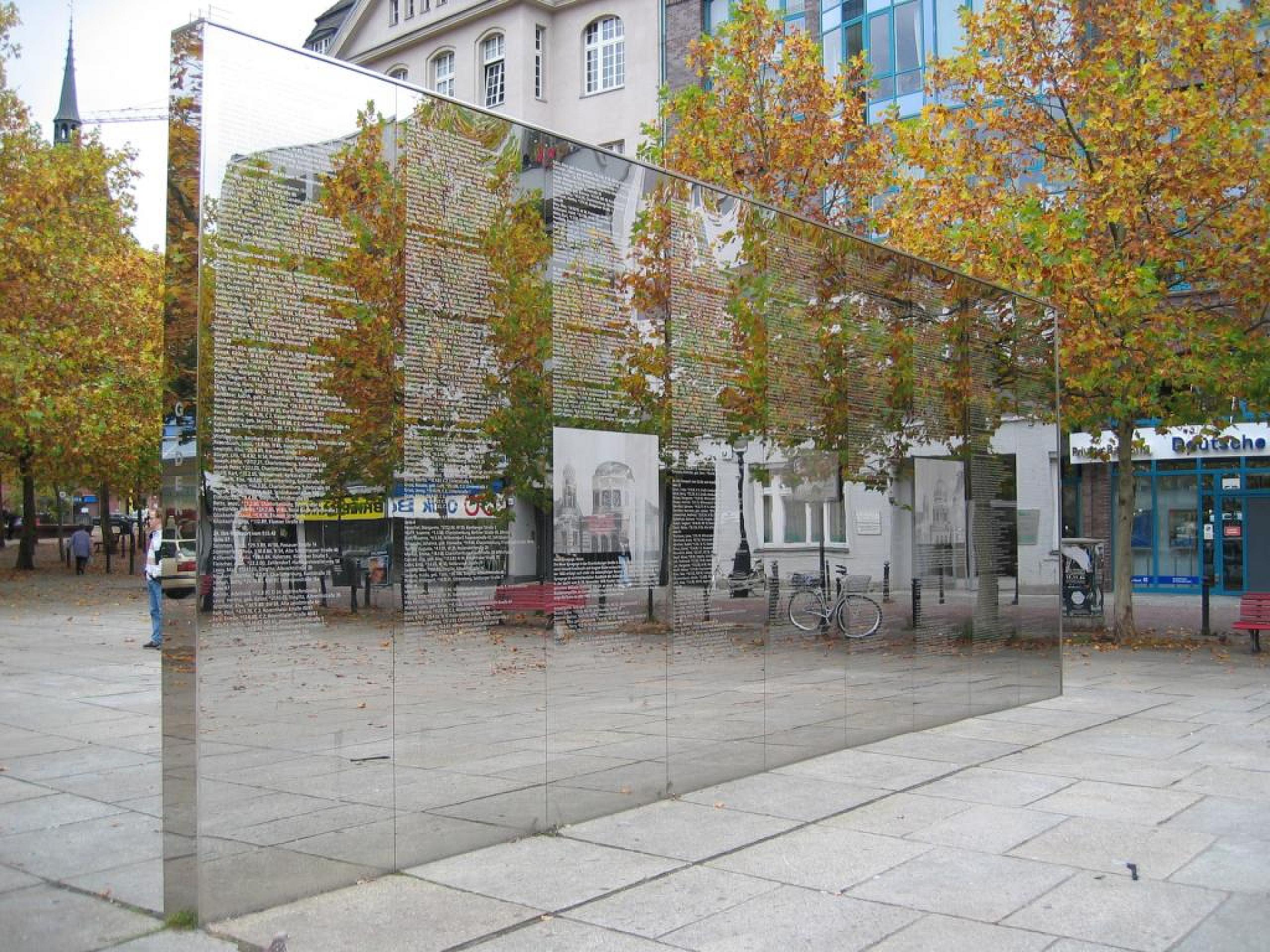
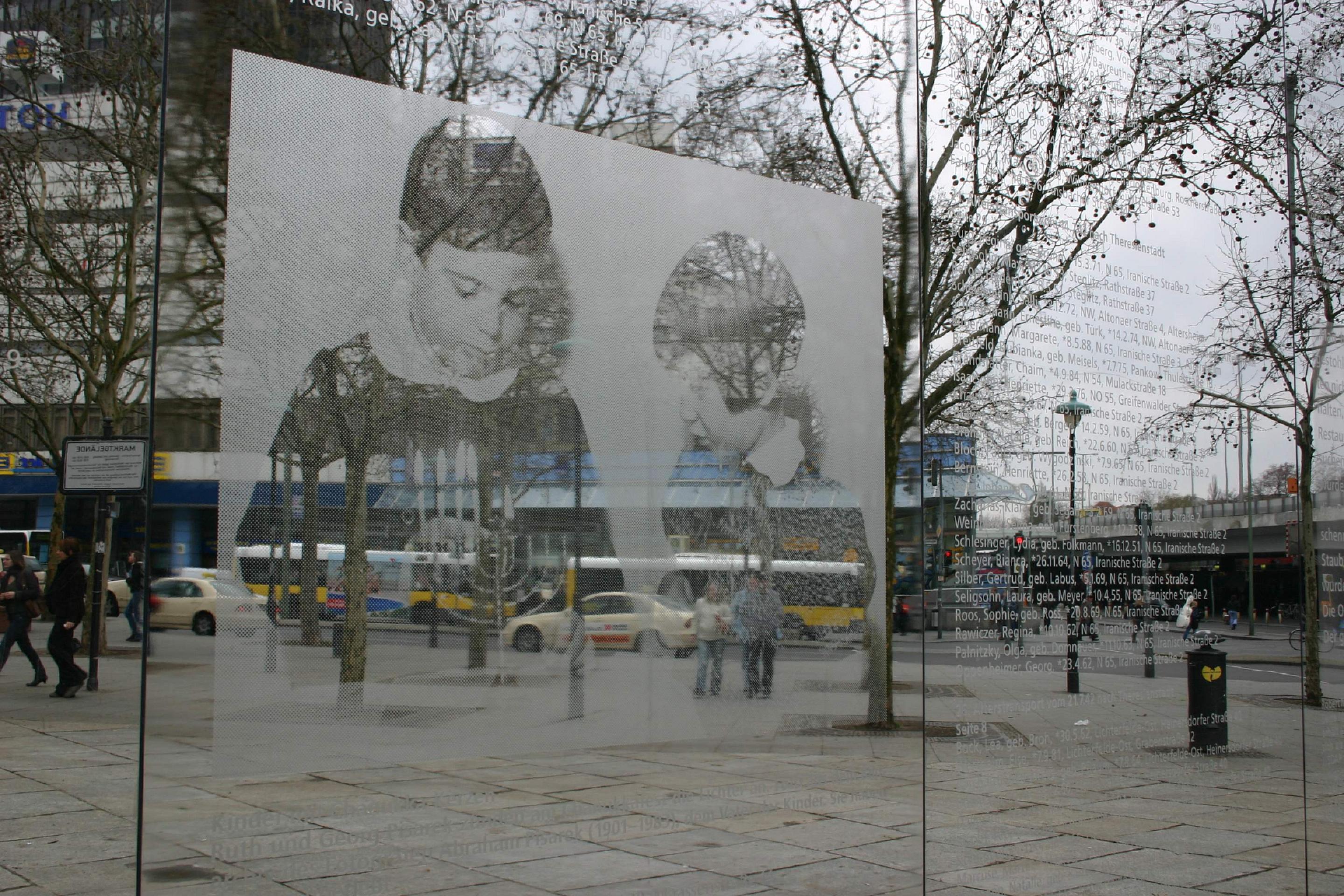
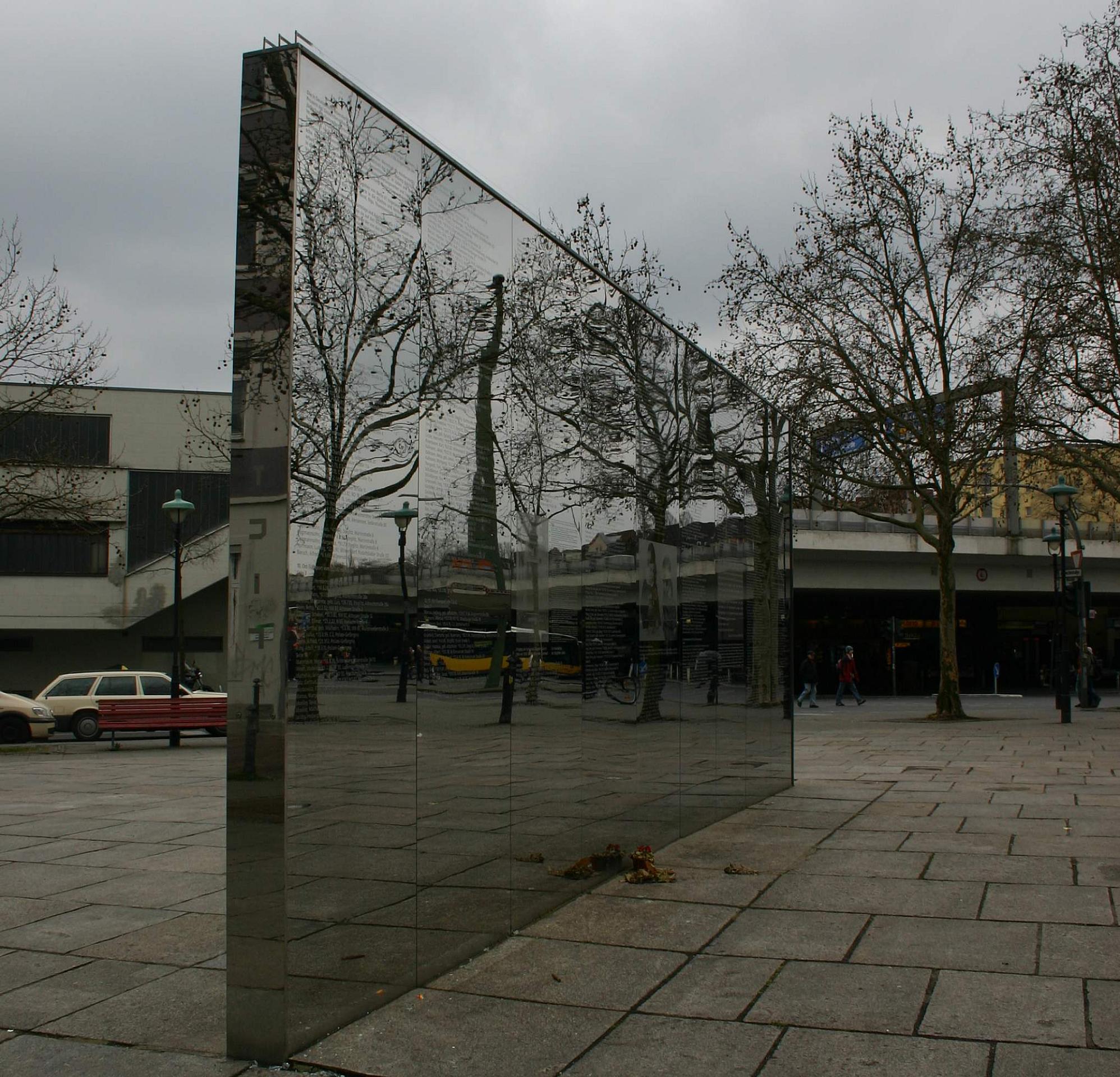
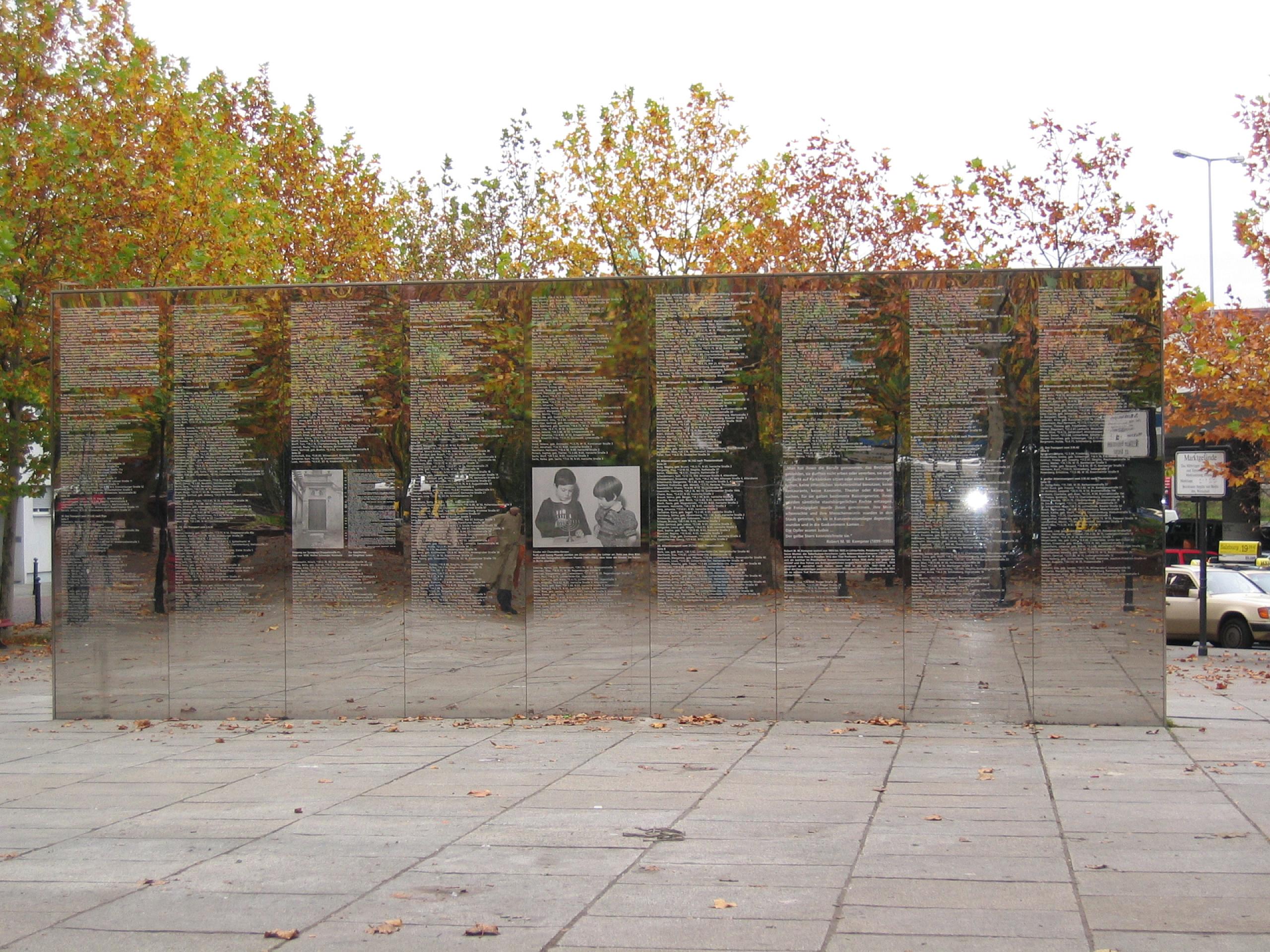
Located on Hermann-Ehlers-Platz in Berlin's Steglitz district is a memorial wall encased in mirrors. It serves as a reminder of the synagogue which was once located in the courtyard of a neighbouring house and commemorates the deportation of the Berlin Jews.
History
In 1897, textile merchant Moses Wolfenstein had a remise in the courtyard of his town house in Steglitz - today a district of Berlin located in the south-west of the city - remodelled to a synagogue. This became the new seat of the »Religious Association of Jewish Fellow Believers in Steglitz«, which had been founded in 1878. Religious services, weddings, brit milahs, religious and cultural events as well as religion classes for Jewish children were held at the synagogue. During the »Kristallnacht« on November 9/10, 1938, members of the SA demolished and looted the synagogue, though it was not set on fire in order to protect neighbouring buildings.
In 1941, the authorities in the Reich capital Berlin began deporting Jews and expropriating their property. Already before the Wannsee conference of January 1942, nine large transports left for the newly established ghettos in the occupied east, carrying about 10,000 deportees. The deportations continued until spring 1945; a further 170 transports departed from Berlin. Only about 8,000 Berlin Jews were able to survive in Berlin and surrounding areas.
Victims
About 50,000 Jews perished after being deported from Berlin. Many transports were headed for the ghettos in Theresienstadt, Minsk, Riga, Kaunas and Łódź. From July 1942 on, several transports carrying Berlin Jews went directly to Auschwitz-Birkenau or other death camps.
In 1933, there were over 3,000 Jewish residents in Berlin-Steglitz; in 1945, only 150 were left.
The entry to power of the National Socialists in 1933 heralded the state persecution of opponents of the regime, Jews, Roma – who were classed as »gypsies« -, the sick and many other groups. For the first time, anti-semitism became part of the government policy of a modern state and the persecution of all groups was progressively heightened. The process was characterised by the interplay between state regulation, violence from supporters of the regime and rabble-rousing propaganda from the press. The acts of terror against the Jews in November 1938 (»The Night of the Broken Glass«), culminating in around one hundred deaths, marked the prelude to the complete exclusion and murder of the Jewish minority.
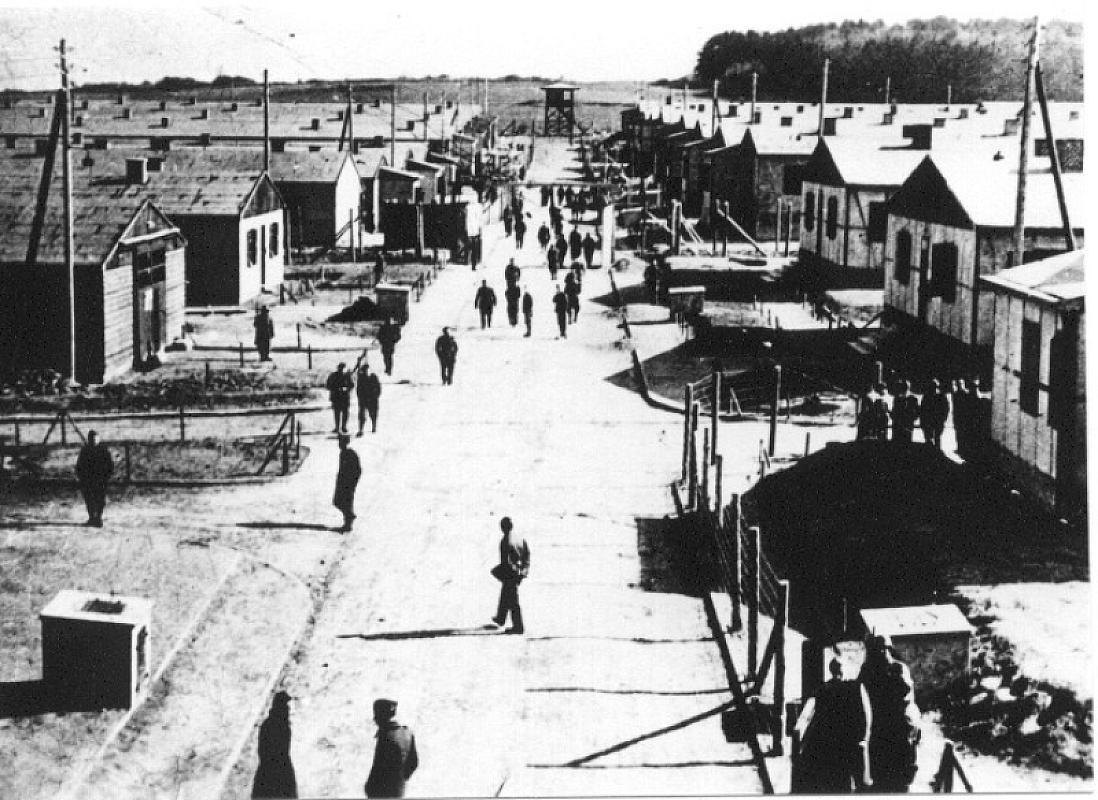
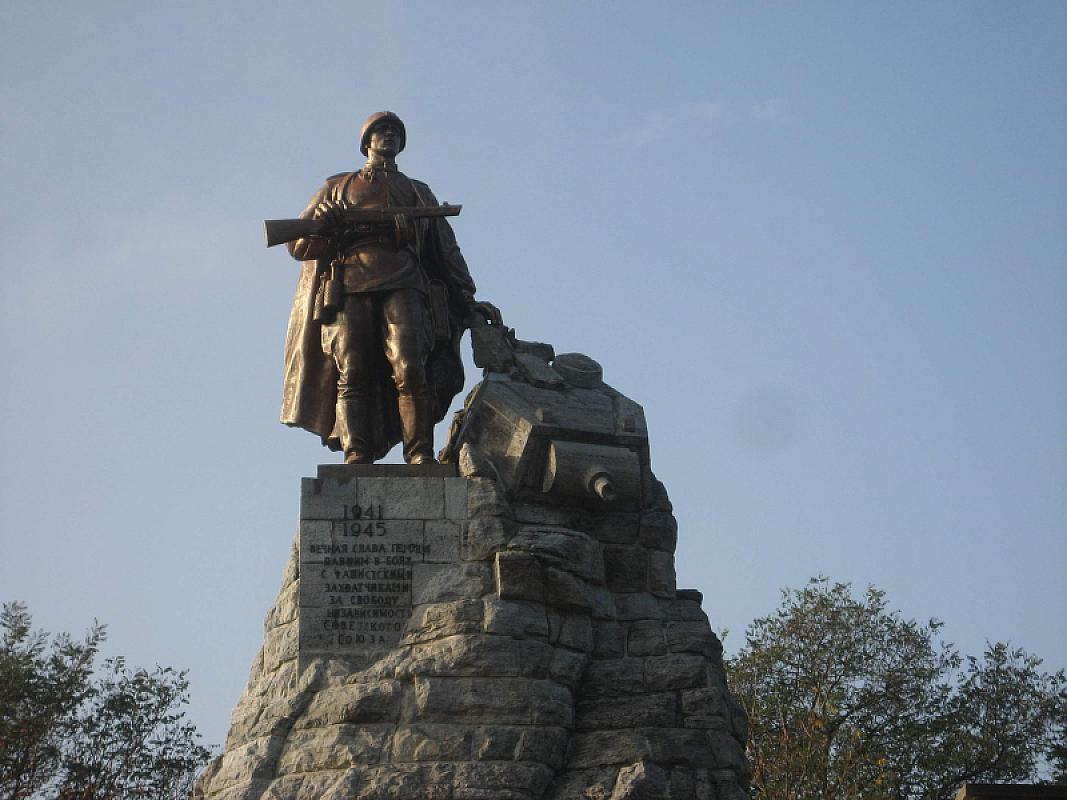
With the outbreak of the Second World War in September 1939, large parts of Europe fell under German control. In Eastern Europe in particular a multi-tiered system of camps and extermination sites was established, in which the SS murdered up to six million Jews, among them around 165,000 German Jews. It is estimated that around seven million Germans lost their lives in the war, including almost 3.5 million civilians. Around 28 million residents of the occupied Soviet Union (both soldiers and civilians) and three million non-Jewish Poles met a violent death. These groups are still barely commemorated in Germany.
Germany came under Allied occupation in 1945 and 1949 saw the foundation of the German Democratic Republic (GDR) and the Federal Republic of Germany (FRG), who had very different cultures of remembrance. The GDR profiled itself as an »antifascist« state. The former concentration camps at Buchenwald, Ravensbrück and Sachsenhausen became »National Memorials« and primarily documented the communist resistance during the war.
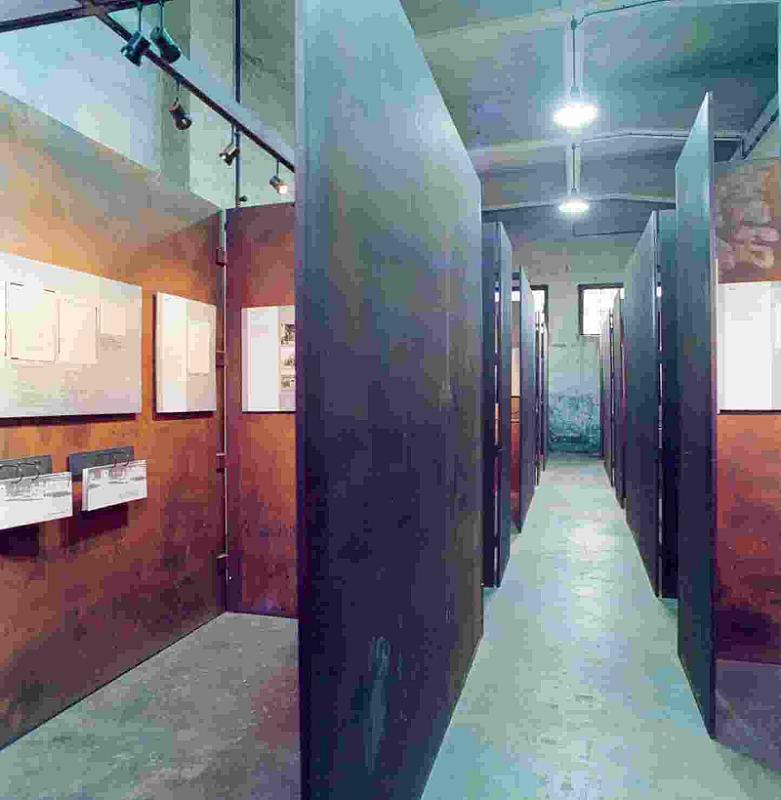
In the Federal Republic, the dominant memory was initially of the victims of Allied bombing raids and those who had fled or been expelled from their homes in the former territory of the Third Reich. It was left to specific groups to remember Nazi persecution, the Holocaust or the resistance. With the exception of the war crimes trials, there was no public discussion of perpetrators or involvement in crimes. However, the situation was to change in the mid-1960s, when the statute of limitations for murder was lifted following a lengthy debate. Also during this period, memorial sites were established at former concentration camps (1965: Dachau and Neuengamme; 1966: Bergen-Belsen) and the German Resistance Memorial Centre was opened in 1968 in West Berlin. However, it was not until the 1980s that a diverse and often small-scale landscape of memory developed as the result of local initiatives.
Following German unification in 1990, a national memorial site concept was developed and there was a major review of German sites of memory. The Memorial to the Murdered Jews of Europe in Berlin was inaugurated in 2005. The Topography of Terror, a comprehensive documentation of National Socialist crimes and perpetrators, has opened with a new centre in May 2010; the documentation centre »Flight, Expulsion, Reconciliation« followed suit in 2021. In the meantime, central memorials in Berlin have been erected to commemorate further groups of Nazi victims as well: the murdered Sinti and Roma, the patients murdered in the context of the Nazi’s »Euthanasia« killings and the persecuted homosexuals.
The German victims of National Socialist terror in the former Eastern territories of the Third Reich were forgotten by both German states after the end of the war. For decades, memory of these victims was only preserved by West German associations for Germans born in these territories and it mainly excluded the period from 1933 to 1945.
Remembrance
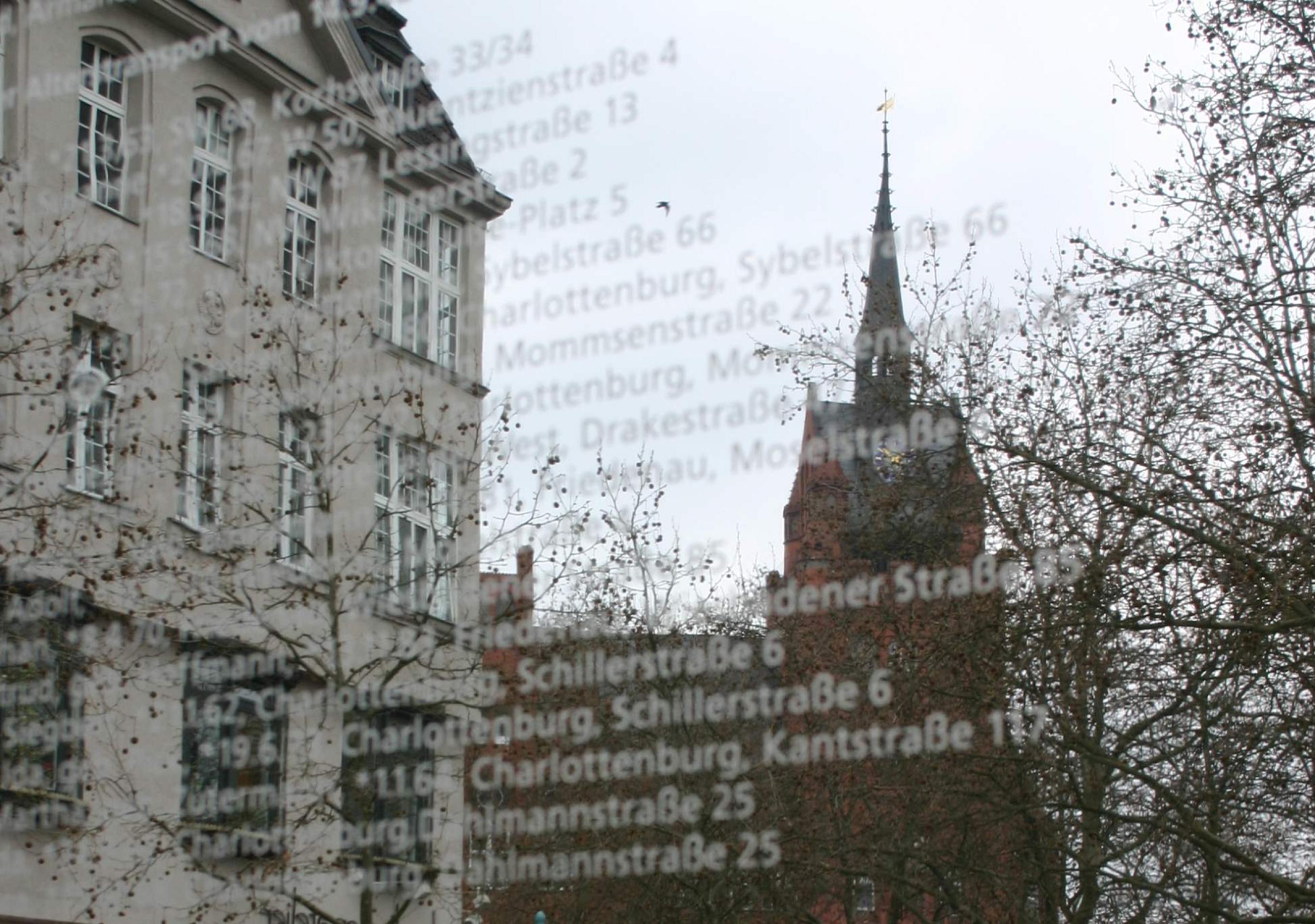
Since the end of the 1980s, the »Wolfenstein House Initiative« Association had undertaken efforts to purchase and renovate the former synagogue, which at the time had fallen into a state of dilapidation. The aim of the association to establish a memorial site and meeting place could not be accomplished. However, following lengthy and heated debates, the Steglitz Mirrored Wall Memorial could be inaugurated on Hermann-Ehlers-Platz, opposite the Steglitzer Kreisel highrise. Architects Wolfgang Göschel and Joachim von Rosenberg designed the memorial in cooperation with Berlin historian Hans-Norbert Burkert. Displayed on the wall are excerpts from deportation lists of Berlin Jews; a total of 1,723 names are listed, including 229 names of deportees from Steglitz. Moreover, the sides of the wall contain information on the history of Jews in Steglitz and on the synagogue. The synagogue has in the meantime been rebuilt and can today be found in the courtyard at Düppelstraße 41.