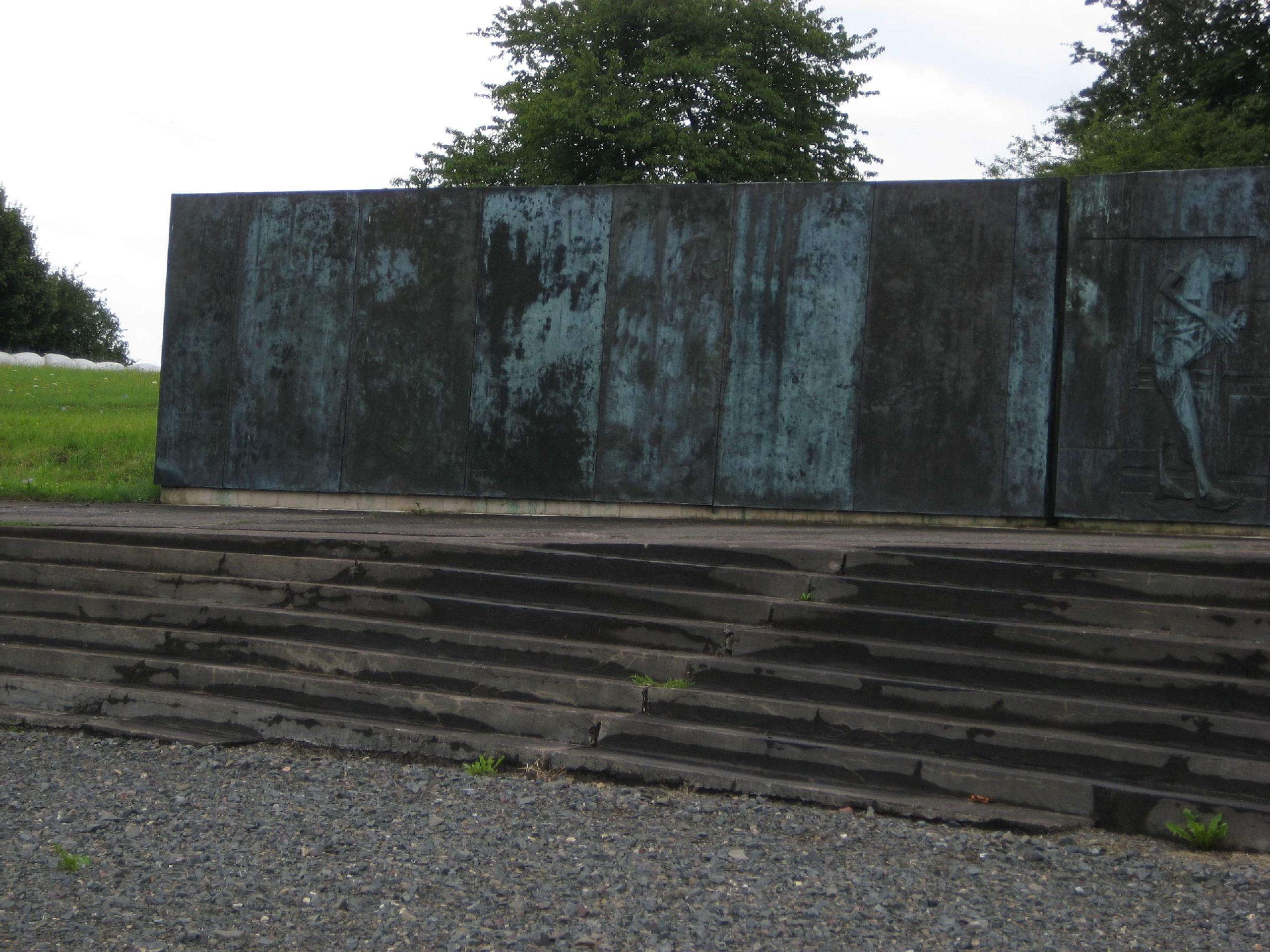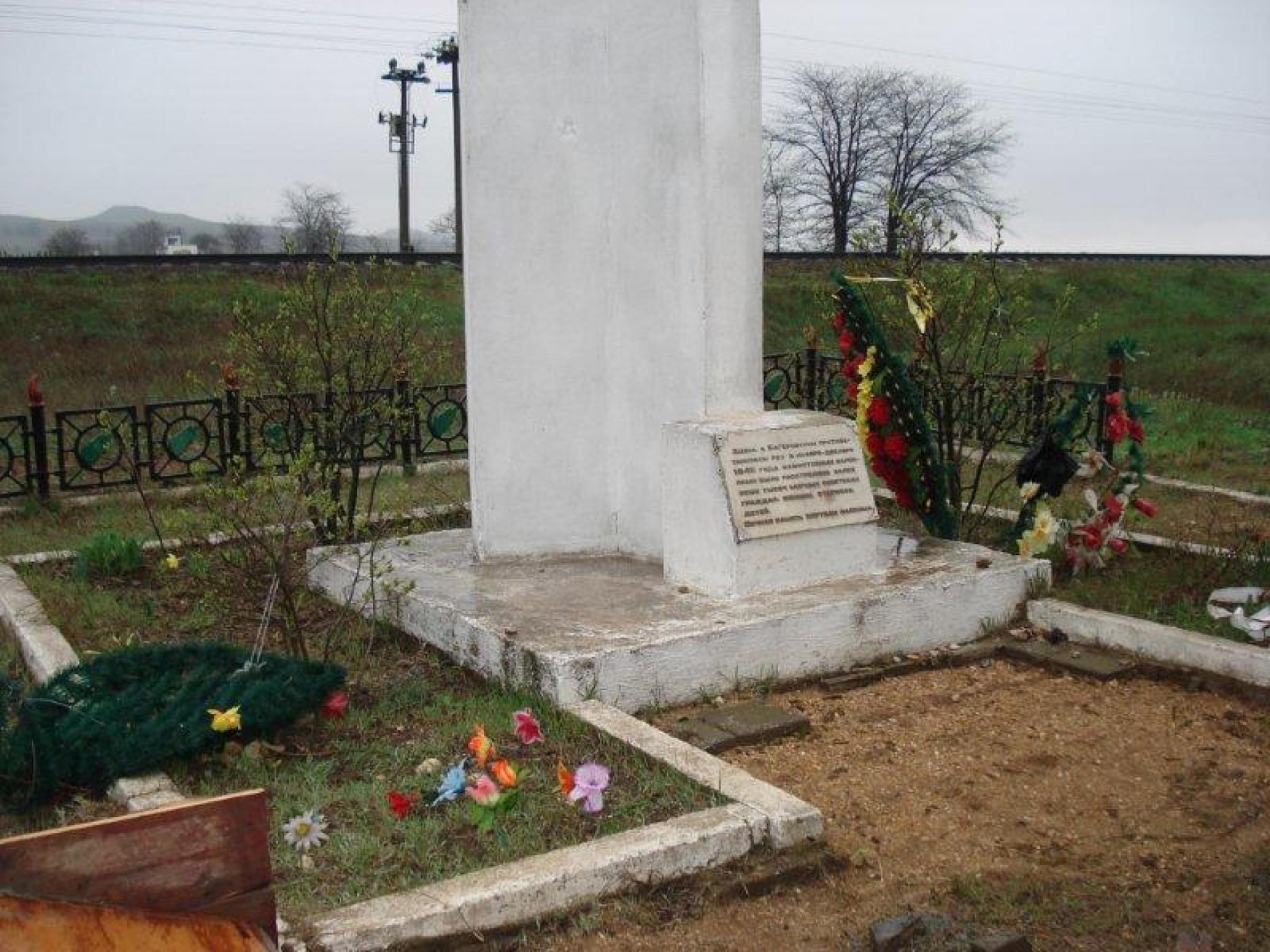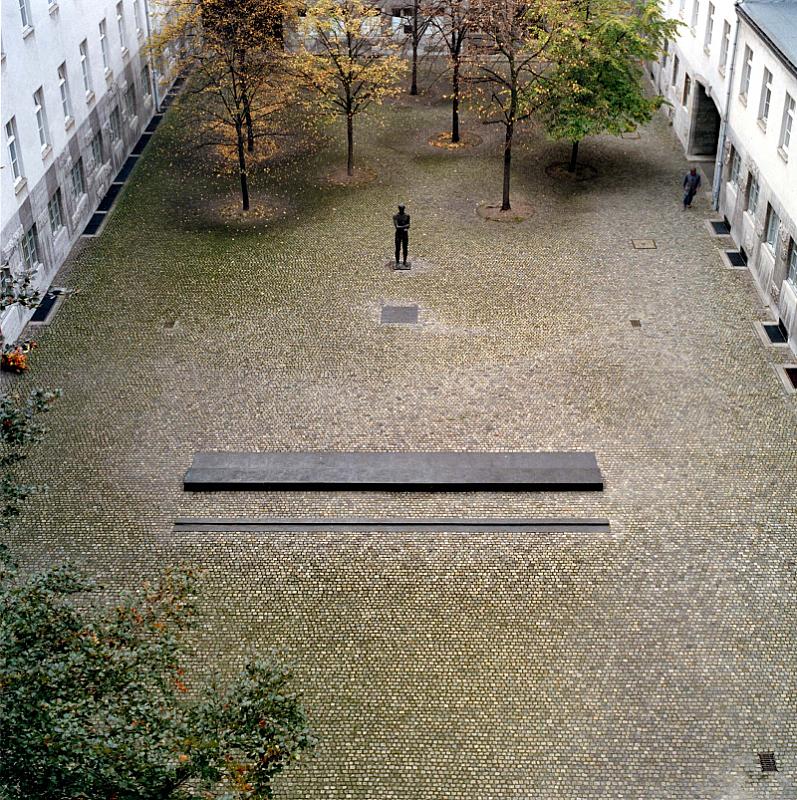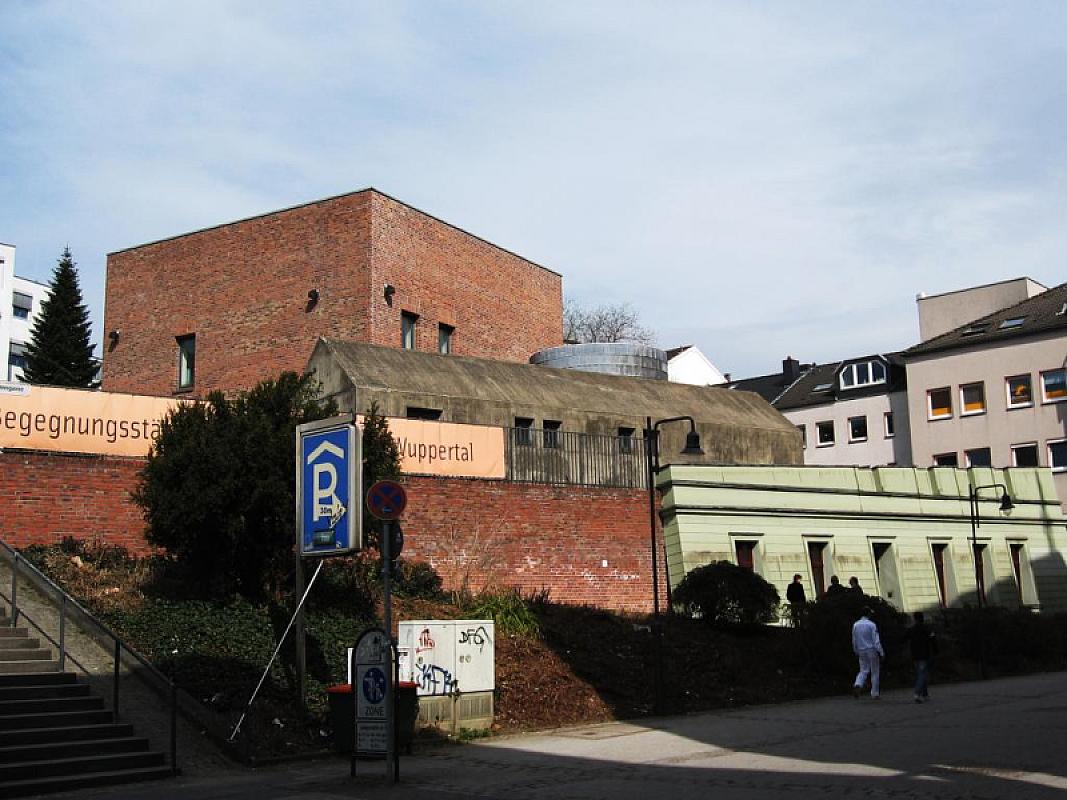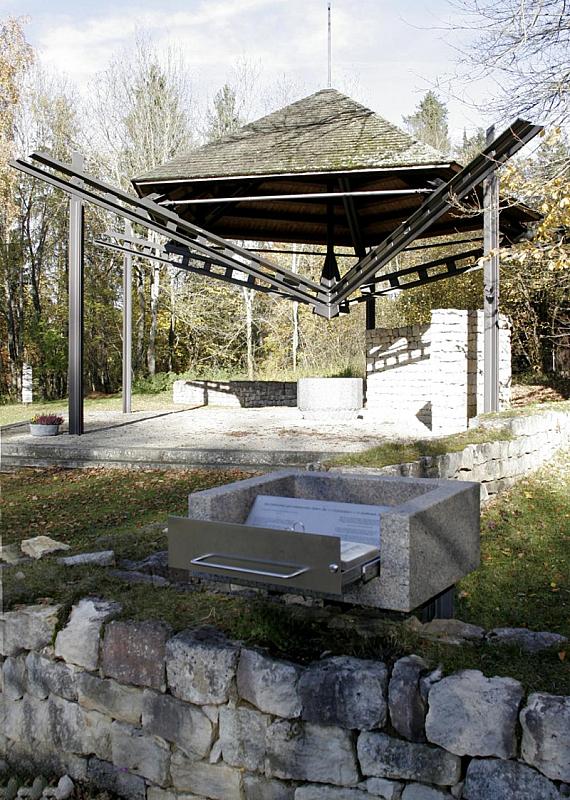
Since 1954, a memorial on the site of the former Mittelbau-Dora concentration camp, close to Nordhausen on the edge of the Harz mountains, commemorates the fate of the prisoners who were slave labourers here. Between 1943 and 1945, the prisoners had to extend the tunnels in the Kohnstein mountain to construct an arms factory there.
History
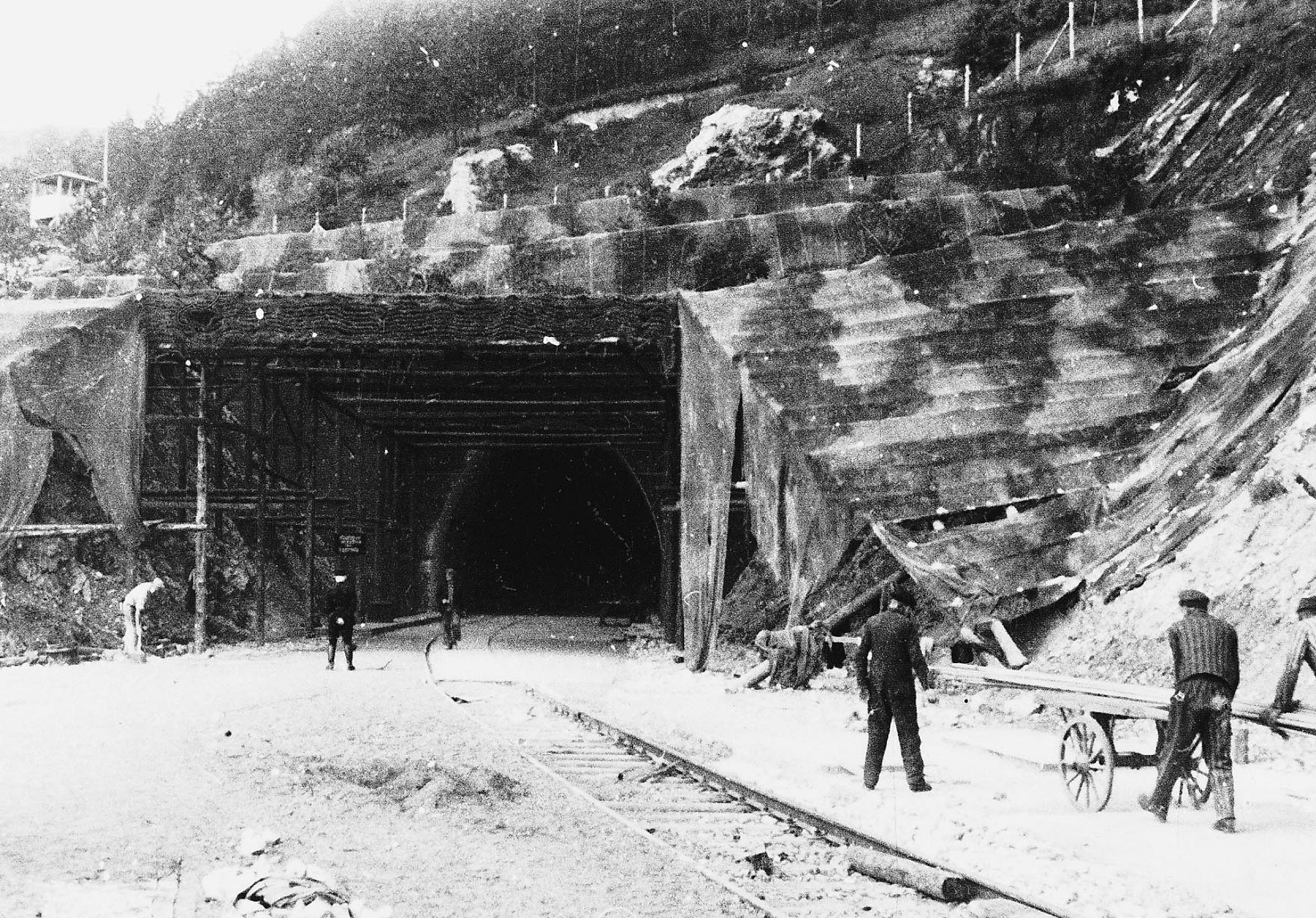
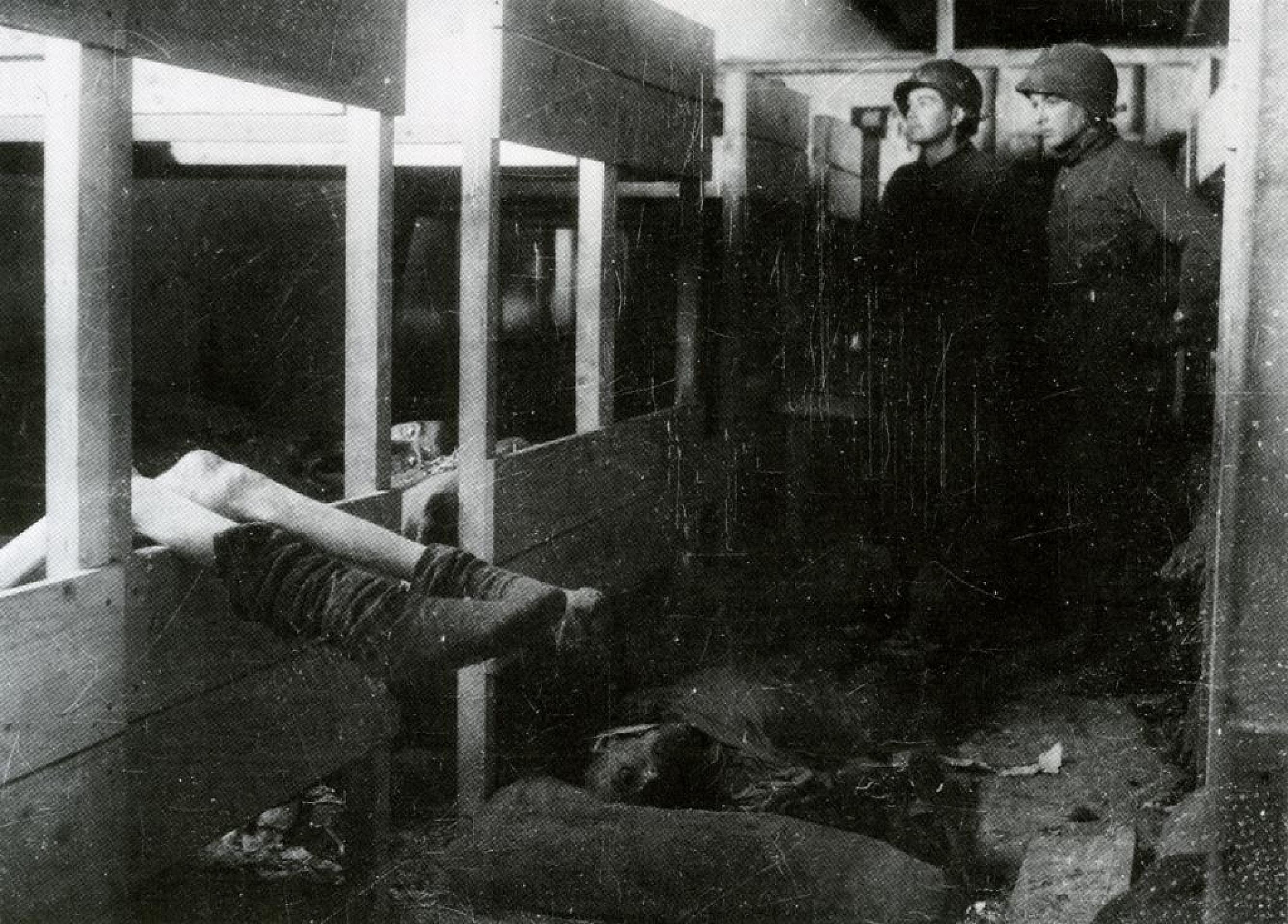
On August 18, 1943, the British air force attacked the V-2 rocket production site in Peenemünde. In reaction to this, the National Socialist authorities decided to move production below ground. It was decided that the underground factory was to be situated in a tunnel in the Kohnstein mountain in the Harz region. There, the Wirtschaftsforschungsgesellschaft (WiFo; economic research society) had been building an underground fuel storage facility for the Wehrmacht since 1936. Already on August 28, 1943, 107 prisoners from Buchenwald concentration camp arrived in the new subcamp »Dora«. There were more than 3,000 prisoners there at the end of September; by the end of December, there were more than 10,000. The prisoners had to live in the underground tunnel system, where they worked and slept in moist, cold and dusty shafts. They had to construct an underground rocket factory. The strenuous physical work and the disastrous living conditions quickly led to many deaths. Almost 2,900 people died between October 1943 and March 1944 in Dora, and the SS deported around 3,000 weak prisoners to the Majdanek and Bergen-Belsen concentration camps. When »V-1« and »V-2« rocket production began, the SS moved part of the prisoners to a newly built barrack camp. The SS now required highly qualified prisoners for the production efforts - these received better supplies and were permitted to live in barracks. Beginning March 1944, first subcamps of the »Dora« camp were established in the area. At the end of 1944, the SS transported many thousands of prisoners from the Auschwitz and Groß-Rosen concentration camps to camps in the west, thus fleeing the approaching Red Army. 16,000 prisoners were brought to Mittelbau-Dora alone. The SS evacuated Mittelbau-Dora between April 3 and 6: thousands of prisoners were taken to Bergen-Belsen, Sachsenhausen and Ravensbrück, leaving behind a few hundred sick prisoners in the main camp of »Dora«. They were liberated by the US Army on April 11, 1945.
Victims
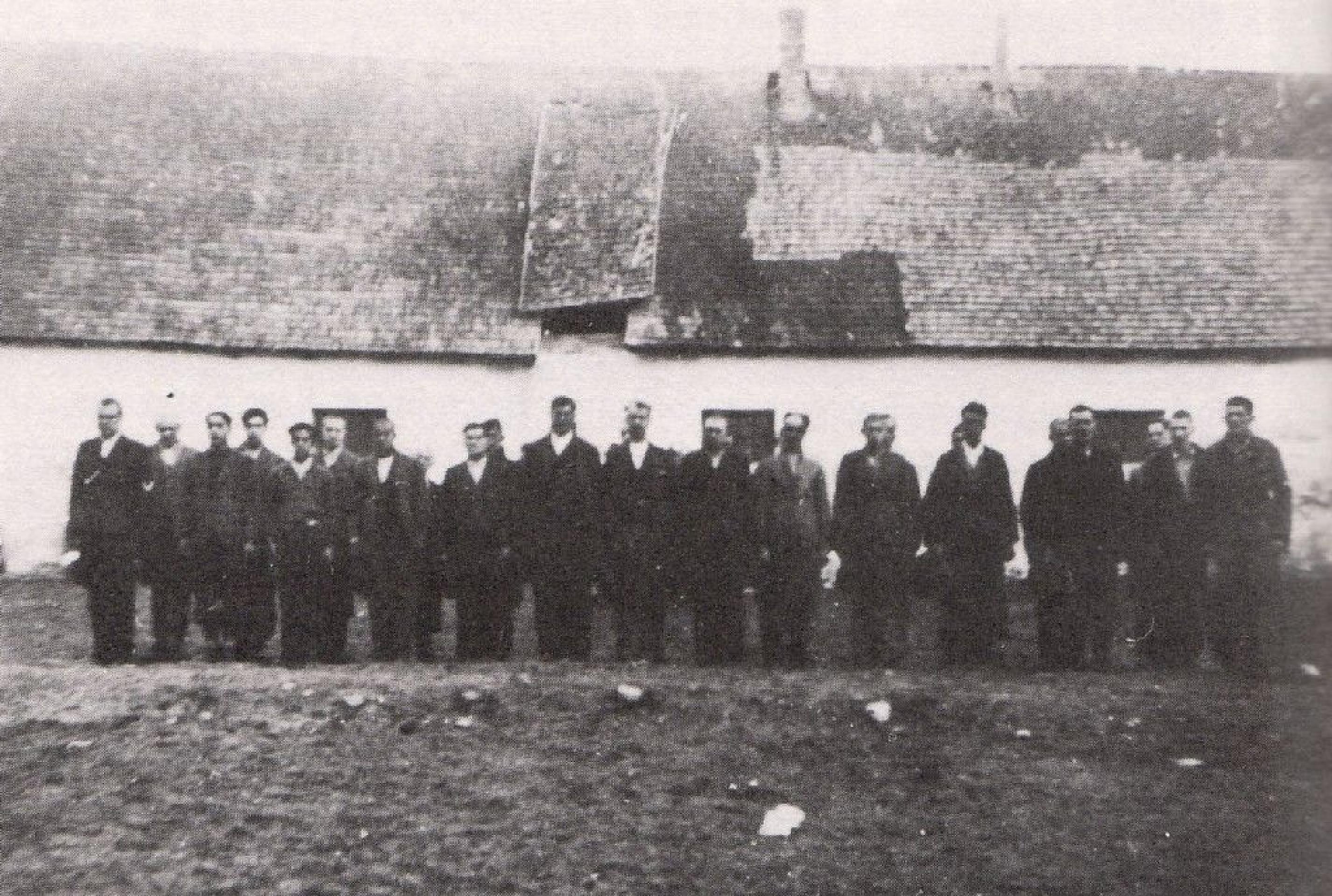
Between 1943 and 1945, the SS deported around 60,000 people to Mittelbau-Dora and its subcamps. Prisoners from the Soviet Union made up the largest group, among them prisoners of war. Large groups came from Poland and France. It is no longer possible to determine how many people fell victim to the forced labour and catastrophic living conditions. According to estimates, around 20,000 people perished.
Remembrance
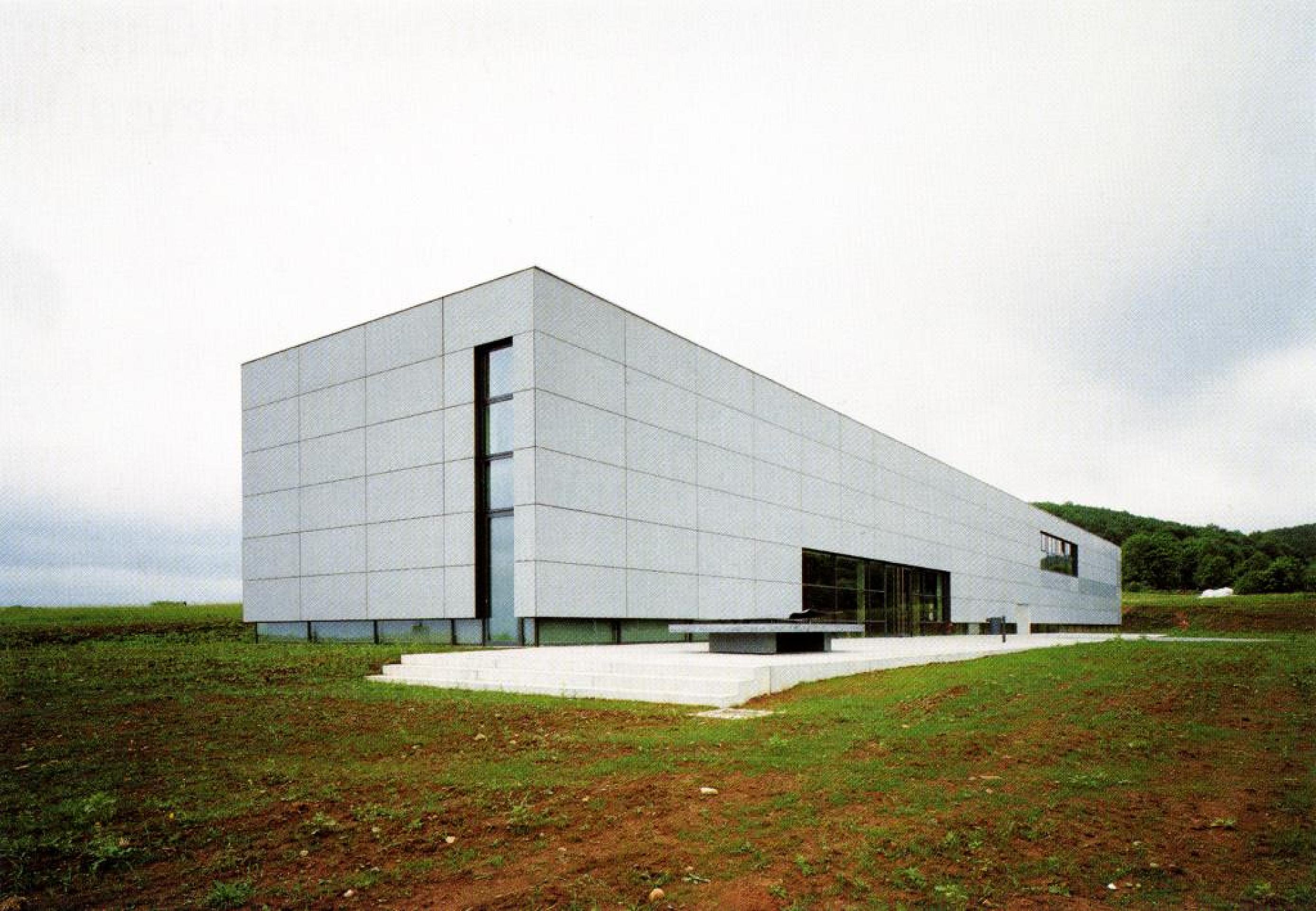
From April 1945, the Allies used the former concentration camp Mittelbau-Dora as a contact point for former prisoners, whose return home as »displaced persons« (DP) was to begin here. On April 11, 1946, the anniversary of the camp's liberation, the Soviet military authorities organised a commemorative celebration at the former crematorium. The building was dedicated as a »site of honour« in 1954, the grounds, however, remained derelict. In 1966, the »Mittelbau-Dora Memorial« was opened on initiative of the Nordhausen SED (communist party of the GDR) leadership. During the 1970s, the memorial administration expanded the site: the former roll call ground was redesigned as a parade ground and furnished with a platform for the 25th anniversary of the GDR. A few years later, a copper relief by artist Heinz Scharr was added, depicting the suffering of the prisoners. After Germany's reunification, extensive restructuring of the memorial began in 1991: foundations and relics were uncovered and since 1994, there is a new access tunnel for the former underground rocket factory. In 2006, the permanent exhibition of the new museum building was opened.
Possibilities
Exhibition on the history of the camp, permanent exhibition in the tunnel system of the former Mittelwerk assembly plant
Open
1 October to 31 March: 10.00 a.m. to 4.00 p.m.;
1 April to 30 September: 10.00 a.m. to 6.00 p.m.; Exhibitions closed on Mondays.
Contact
info@dora.de
+49 (0)3631 4958-20
Kohnsteinweg 20
99734 Nordhausen