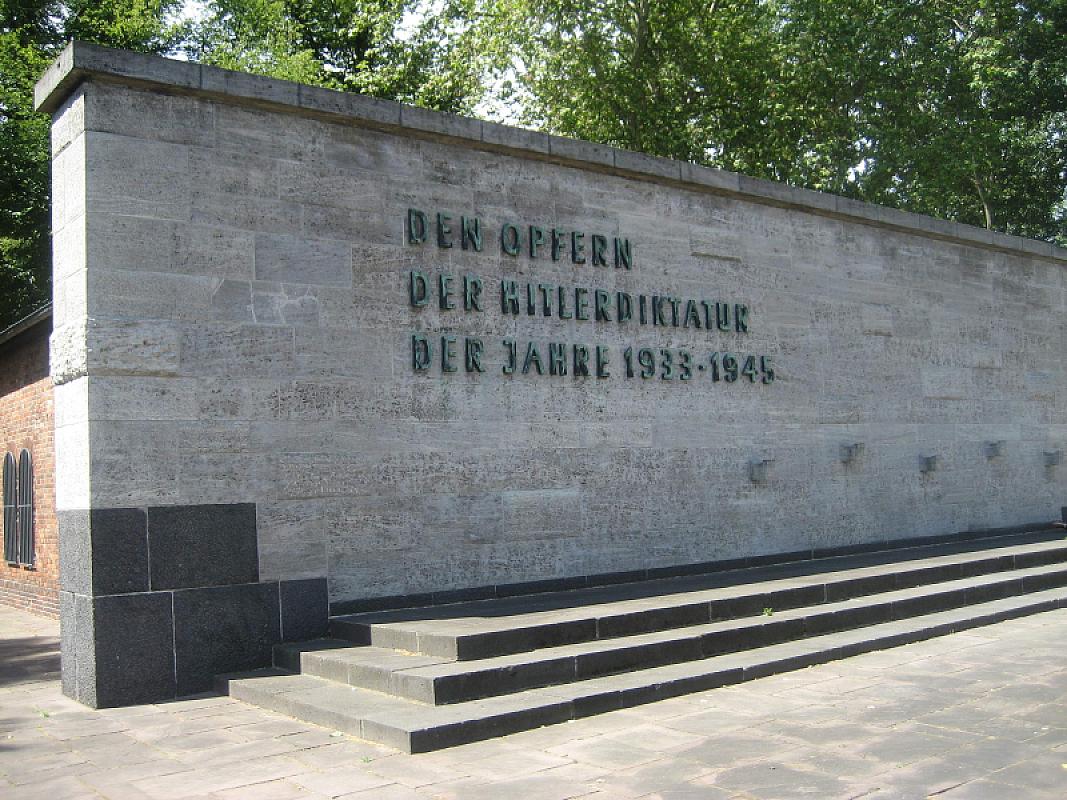
During World War II, the Monte Cassino Abbey and the nearby town of Cassino were the site of a decisive battle in the struggle over the Italian peninsula. Up to 80,000 soldiers died in action, and at least 250 civilians lost their lives.
History
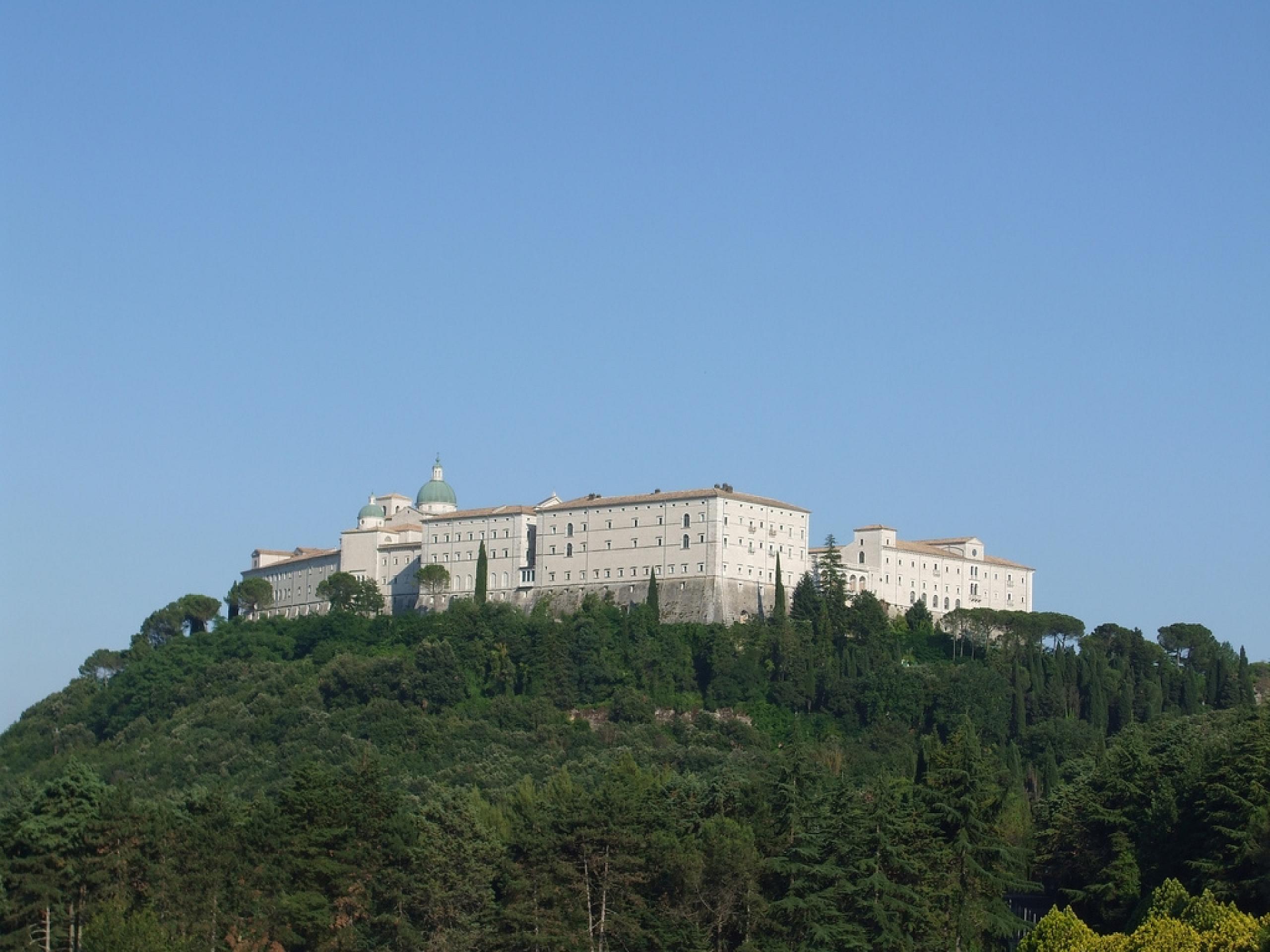
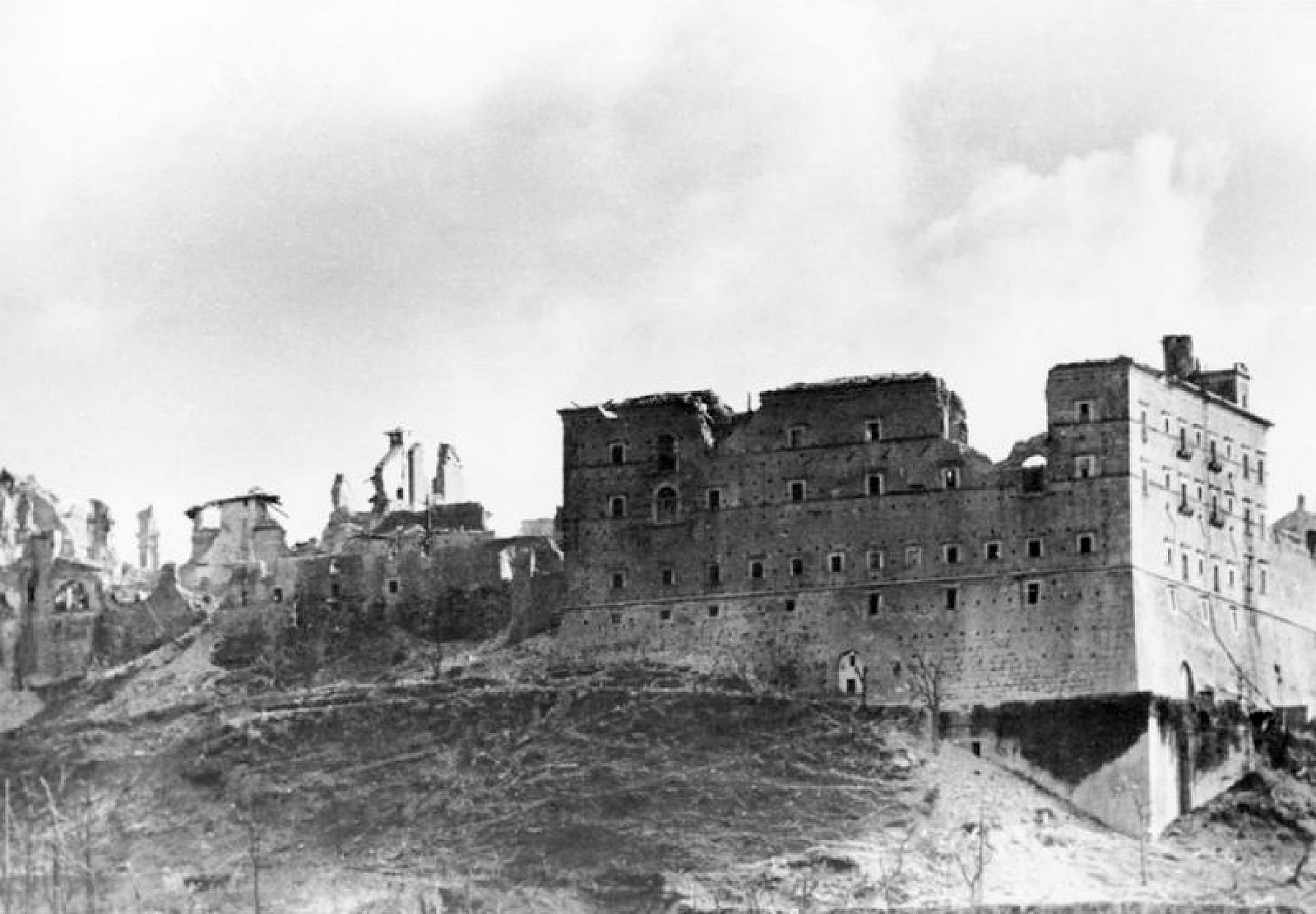
The Abbey of Monte Cassino, located on a mountain about 130 km south-east of Rome, was established around 529 A.D. by St. Benedict of Nursia. The town of Cassino lies at the foot of the mountain. In 1944, fierce battles took place in the area. After taking Sicily in the summer of 1943, the Allies landed near Salerno in southern Italy on September 3, 1943. On September 8, the armistice between the Allies and Italy was announced; in reaction, German troops occupied the north of Italy. At the beginning of 1944, the front mainly stretched across the »Gustav Line«, a heavily fortified defence line of the Wehrmacht, which cut across Italy south of Rome and was meant to hinder the Allies' further advance towards the capital. The Monte Cassino mountain was the strategic core of the defence line.
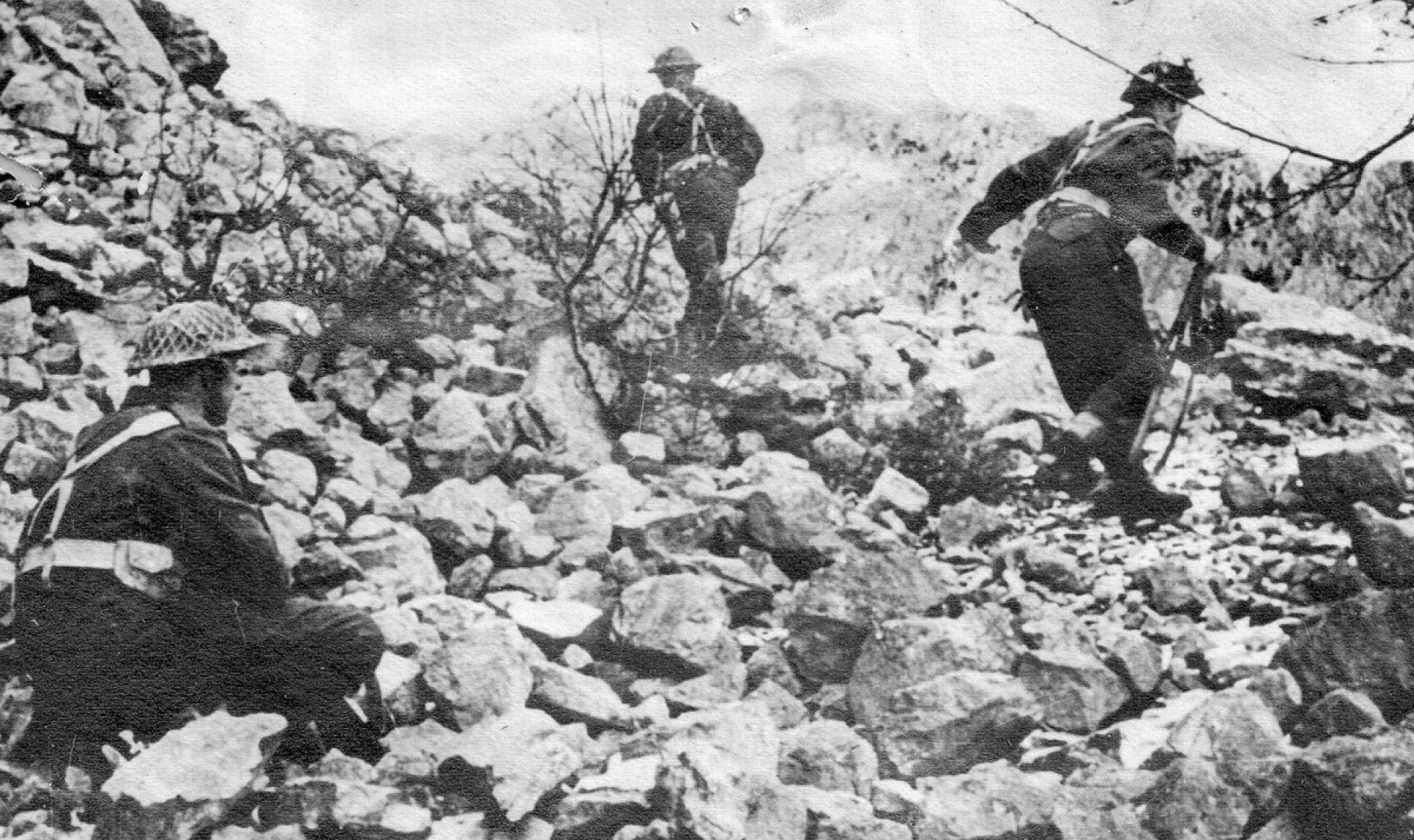
About 1,000 civilians had sought refuge in the abbey. Most of them fled when fears arose that there the abbey would become a battle site. The approaching fighting was hinted at when German Oberstleutnant Julius Schlegel had the abbey's art treasures moved to Rome. Several hundred civilians, a few monks and abbot Gregorio Diamare remained at the abbey. On January 17, 1944, the Allies launched the first of four assaults on the mountain. On February 15, they bombarded the abbey with planes, destroying it completely. Despite fierce fighting, the Allies only managed to break the defence line during the fourth assault on May 12, 1944. The 2nd Polish Corps commanded by Lt. General Władysław Anders played a decisive role in capturing Monte Cassino. His units took the nearby mountains, suffering high losses, and encircled Monte Cassino. As a result, chief commander of the German troops in Italy Albert Kesselring ordered the evacuation of the mountain on May 18. The Allies could now advance to the north. On June 4, 1944, they liberated Rome.
Victims
Nearly 200,000 soldiers of many nationalities fought in the Battle of Monte Cassino. The exact death toll is difficult to determine due to the differences in sources in the various countries as well as the complexity of the combat operations. The remains of some of the soldiers who died in action were returned to their home countries, however, many were buried on-site in Italy.
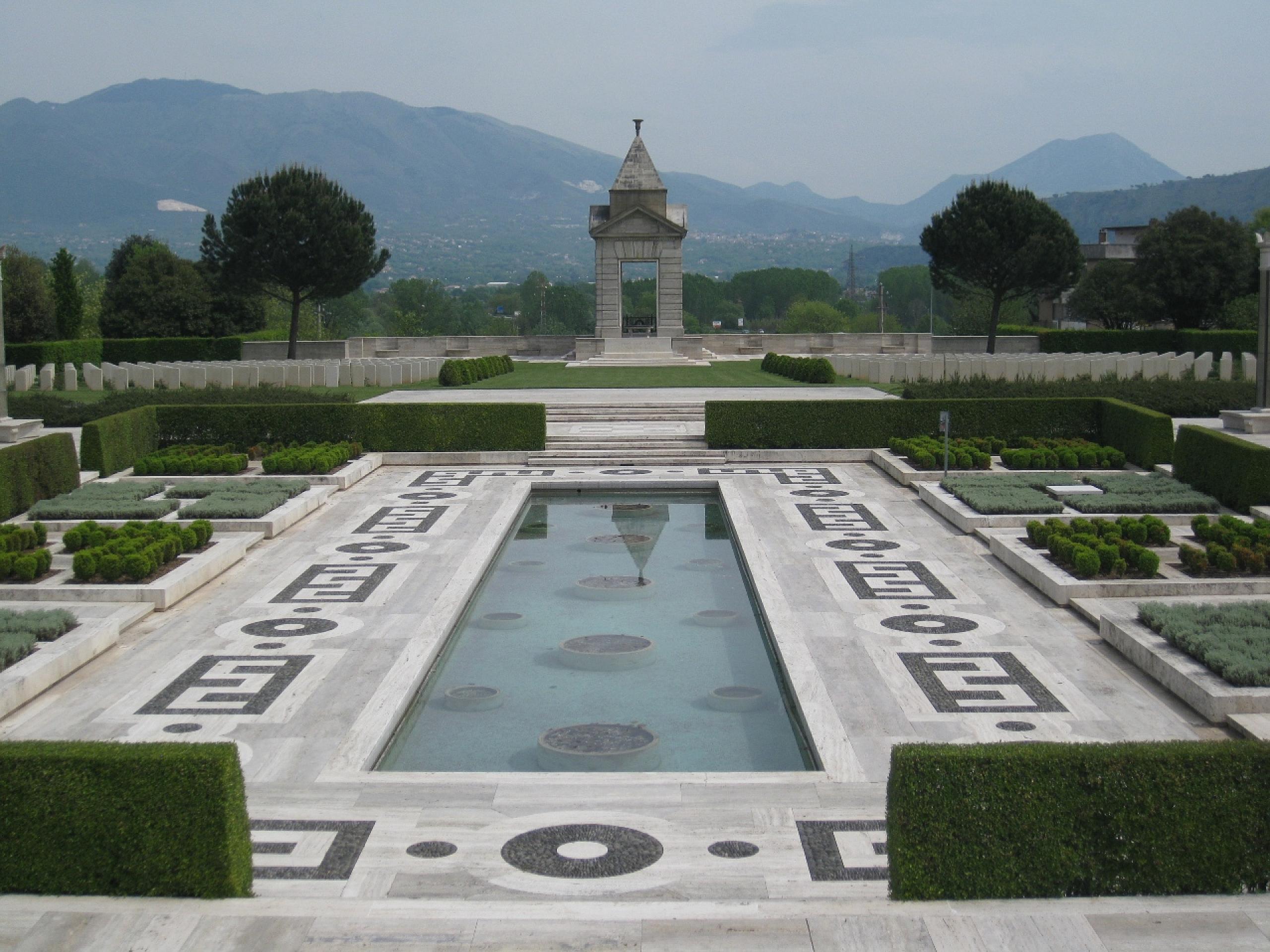
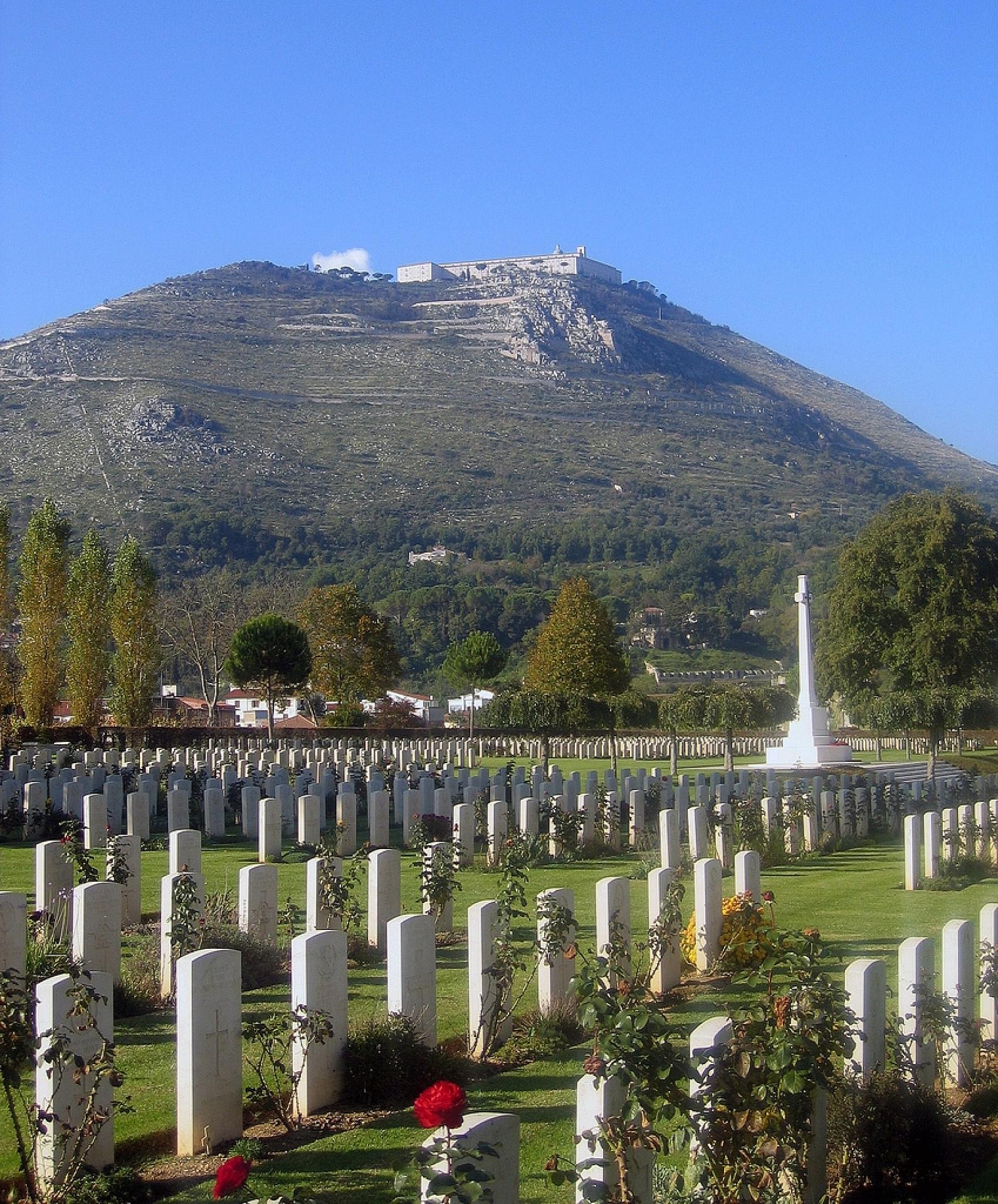
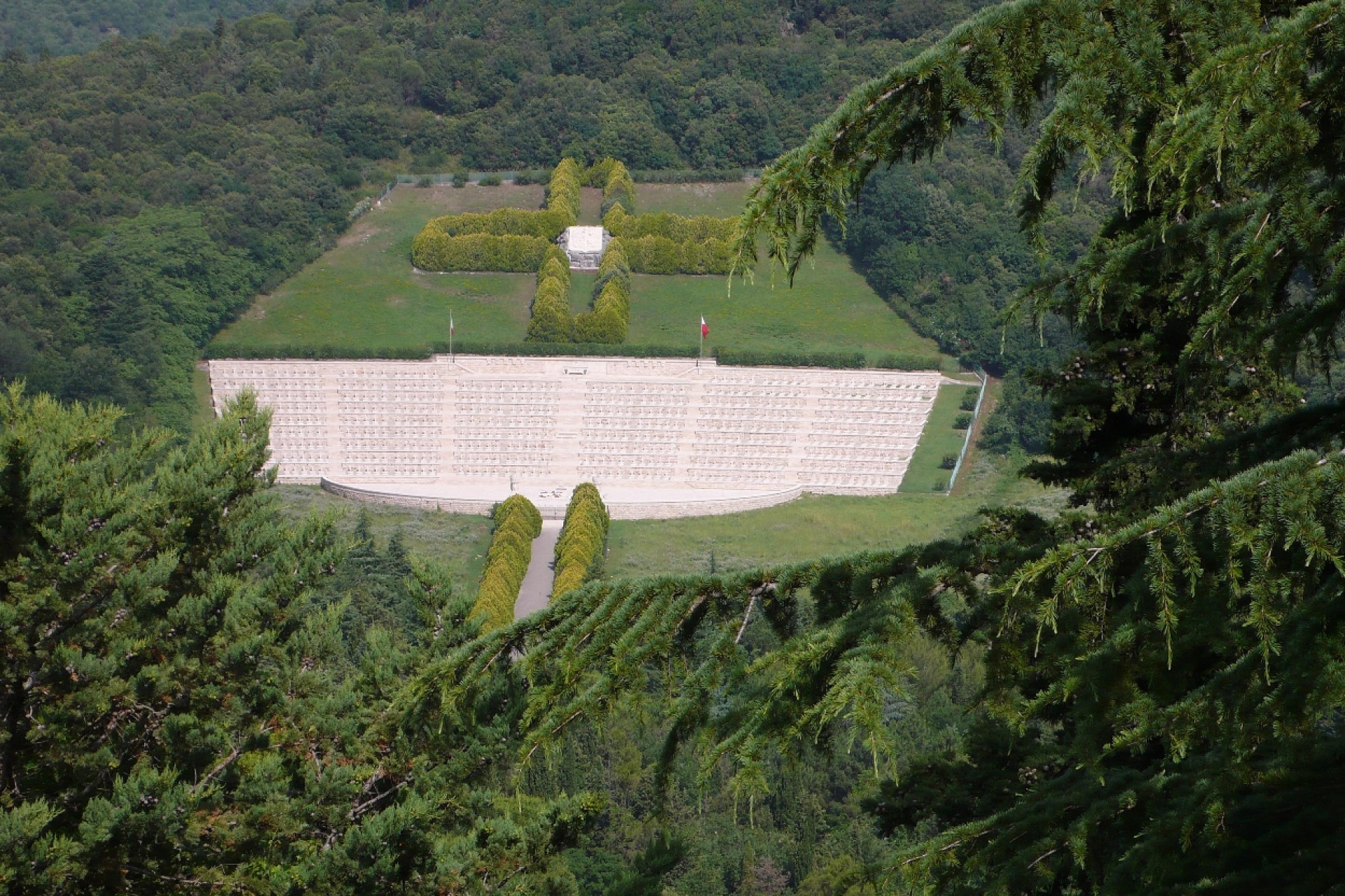
1,052 Polish soldiers who died in the Battle of Monte Cassino are buried close to the abbey, where monks tend to their graves; General Anders, who died in London in 1970, is also buried here. Further south, in Casamassima in the Apulia region, are the graves of 431 Polish soldiers who were wounded and died in the town hospital. 3,414 French soldiers who were part of units fighting for the Allies and who died in battles in central Italy are buried on the Venafro military cemetery to the east of Cassino. Among them were many men from North Africa. 4,271 soldiers of the »Commonwealth« (British, Indian, Nepalese, Canadian, New Zealand and South African soldiers) were laid to rest on the Commonwealth military cemetery in Cassino, 2,049 in Minturno. All of the US soldiers who died in action in Italy have been buried on the cemetery of Nettuno, south of Rome. Several hundred Italians too died fighting for the Allies at Monte Cassino. They lie on the Mignano Montelungo cemetery. 20,027 German soldiers, most of whom died at Monte Cassino, are buried on the Colle Marino cemetery, close to Cassino.
Sources vary as to the overall death toll: it is estimated that at least 15,000 allied and 15,000 German soldiers died, or even up to 60,000 allied soldiers and 20,000 Germans. At least 250 civilians lost their lives as a result of the battle. The area around Monte Cassino was completely devastated.
Remembrance
Some of the monks who had fled to Rome returned to the ruins of the Abbey of Monte Cassino already in July 1944. On February 16, 1945, a commission for rebuilding the abbey was established. This undertaking had a highly symbolic significance in post-war Italy. Many well-known artists took part in the reconstruction, which was carefully carried out on the basis of the original plans from the 6th Century. Many countries participated in the process, and the abbey's art treasures were returned. On October 24, 1964, Pope Paul VI consecrated the basilica of the reconstructed abbey, declaring St. Benedict the patron saint of Europe.
The abbey is home to a museum which presents the eventful history of the site. Monte Cassino is a tourist magnet due to its many testimonies to medieval history, attracting visitors from all over the world. About 1.5 million people visit Cassino every year.
The graves of thousands of soldiers of different nationalities can be visited on military cemeteries in and around Cassino.
In 2006, the »Historiale« museum was opened on the 60th anniversary of the Battle of Monte Cassino, in memory of the battle and in honour of the many soldiers who lost their lives. In 2017, the museum was closed. It is unclear whether it will open again.
Possibilities
Guided tours in several languages, events, guided tours of the area around Monte Cassino in cooperation with the archaeological museum and the abbey
Open
The museum was closed in 2017.
Contact
http://www.museohistoriale.org/
info@museohistoriale.org
+39 0776 313 852
via San Marco 23
03043 Cassino