Monte Sole Historical Park / Peace School of Monte Sole
Parco Storico di Monte Sole / Scuola di Pace di Monte Sole
Between 1943 and 1945, German and Italian troops murdered a total of 955 partisans and civilians in various raids and »reprisal measures« in the area of the Monte Sole massif. The »Monte Sole Historical Park« has commemorated the victims since 1989. In 2002, the »Peace School Foundation of Monte Sole« began operating at the site. It is both a meeting centre and a place of civic education.
History
Monte Sole is a massif about 20 kilometres south of Bologna. It is surrounded by a rural area, which today covers the communities of Marzabotto, Monzuno and Grizzana Moranti. In the summer of 1944, after the nearby »Gothic Line«, the German line of defence, had collapsed, the front line passed through the region of Monte Sole. The Italian communist partisan brigade »Stella Rossa« (English: Red Star) was active here. German units and Italian fascist militia carried out targeted terror operations in the region, also against the civilian population.
In September 1944, the commander of the 16th SS Panzergrenadier Division, Lieutenant General Max Simon, ordered a military operation in the region of Monte Sole with the aim of »exterminating partisan groups« and »cleanse enemy grounds«. This was undertaken between September 29 and October 5, 1944, under the command of Major Walter Reder, at a time when the front was only a few kilometres away from Monte Sole. The entire area was surrounded by about 1,000 soldiers and systematically searched. Among the soldiers were members of the SS and the Wehrmacht as well as members of the republican National Guard, the paramilitary militia of the fascist »Italian Social Republic«.
The troops were particularly brutal in their conduct, setting fire to houses, schools and churches, and killing civilians with great cruelty. Most of those murdered were women, children and elderly people. Many of the small homesteads and villages which once characterised the region are until today depopulated as a result of the terror.
Victims
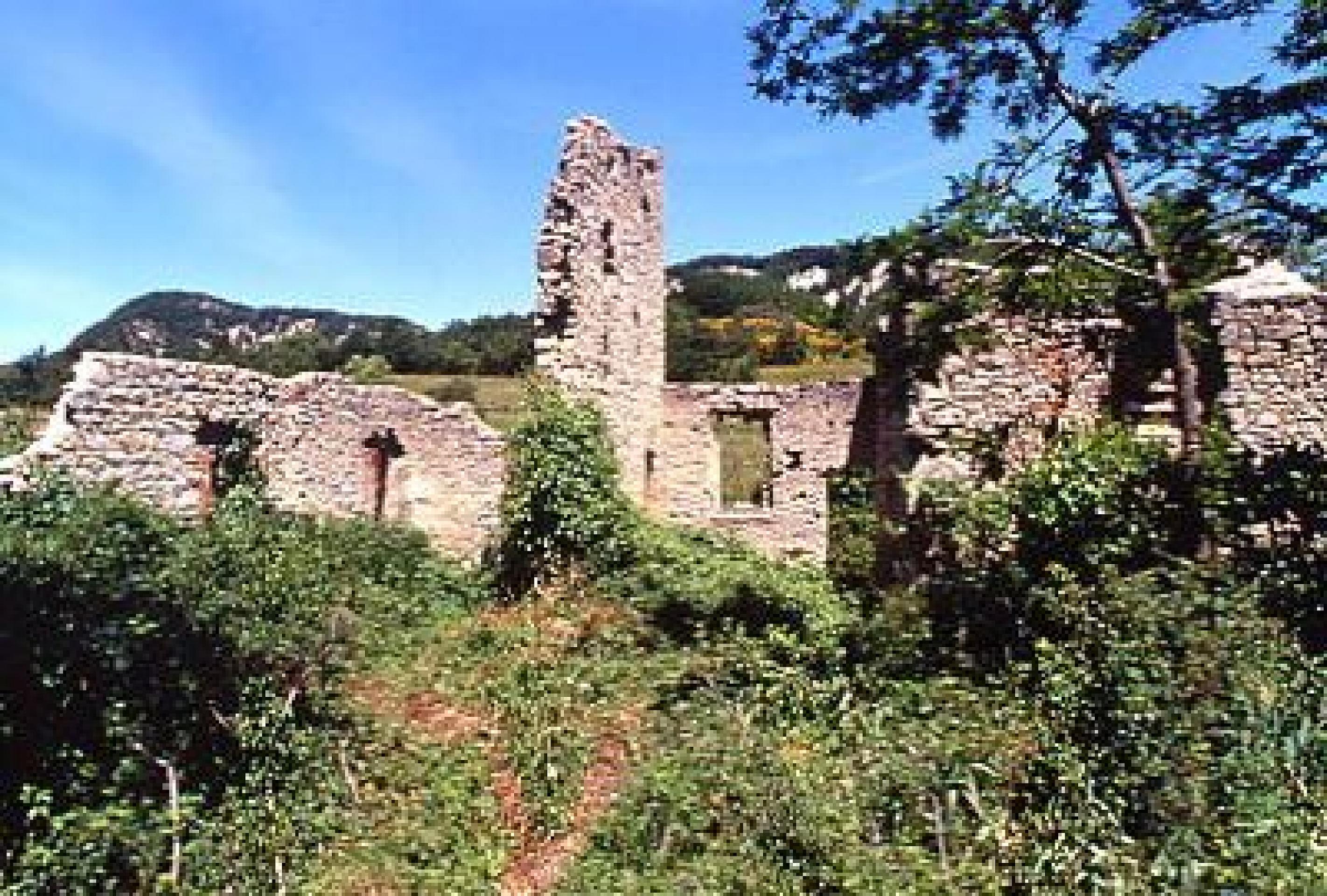
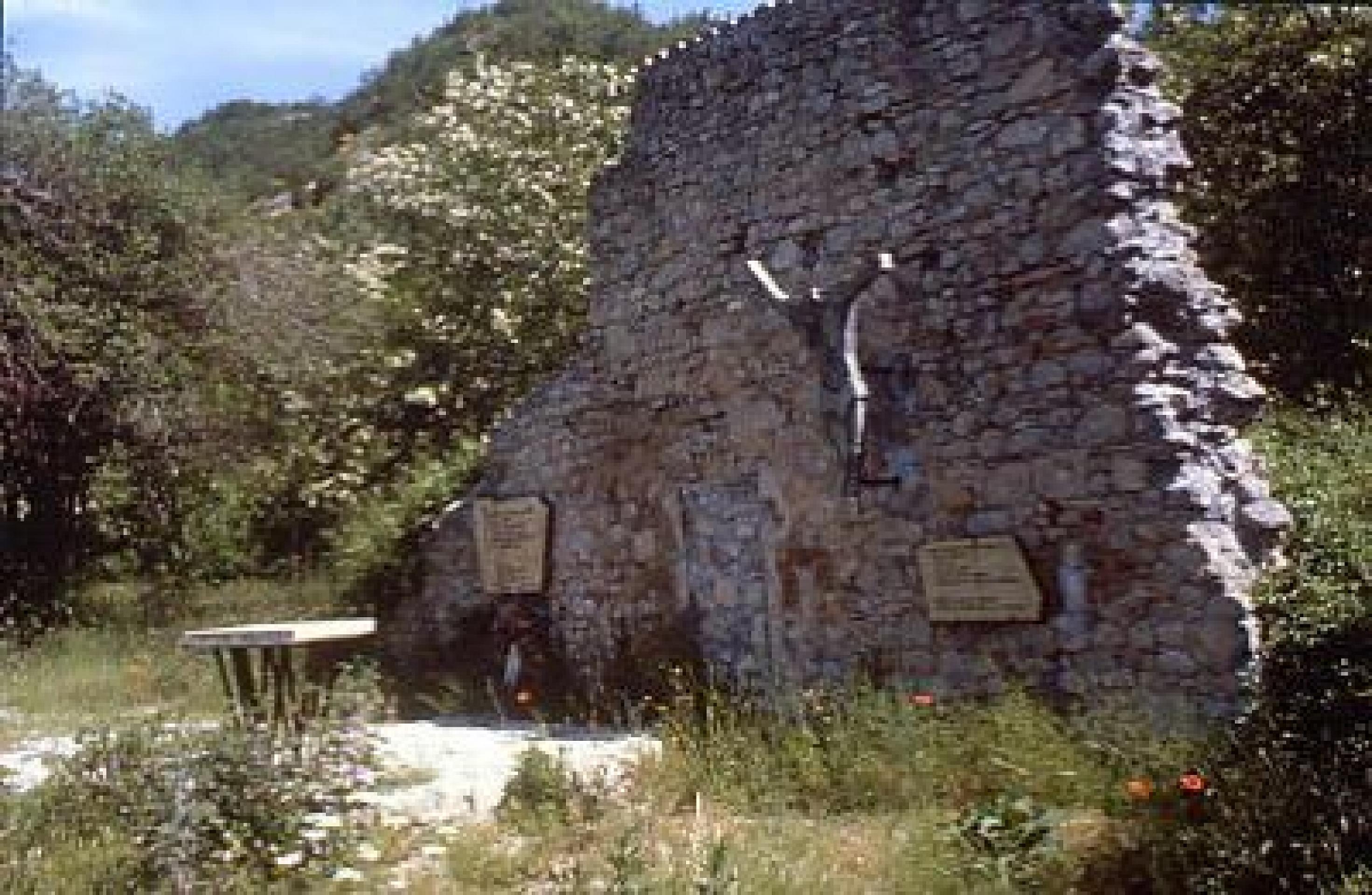
In all, 955 people were murdered by German troops and Italian fascist militia in the communities of Marzabotto, Monzuno and Grizzana Moranti, across which the »Monte Sole Historical Park« now stretches. Between September 29 and October 5, 1944, 770 people were killed, among them 216 children, 316 women and 142 elderly people over sixty. The raids and »reprisal measures« took place in at least 115 villages, most of which are until this day in ruins.
Remembrance
After the war, Max Simon was sentenced to death in Italy. However, the sentence was not carried out and Simon was pardoned already in 1954. Walter Reder was sentenced to life imprisonment in 1951. He was released from prison in 1985, after which he returned to his native Austria.
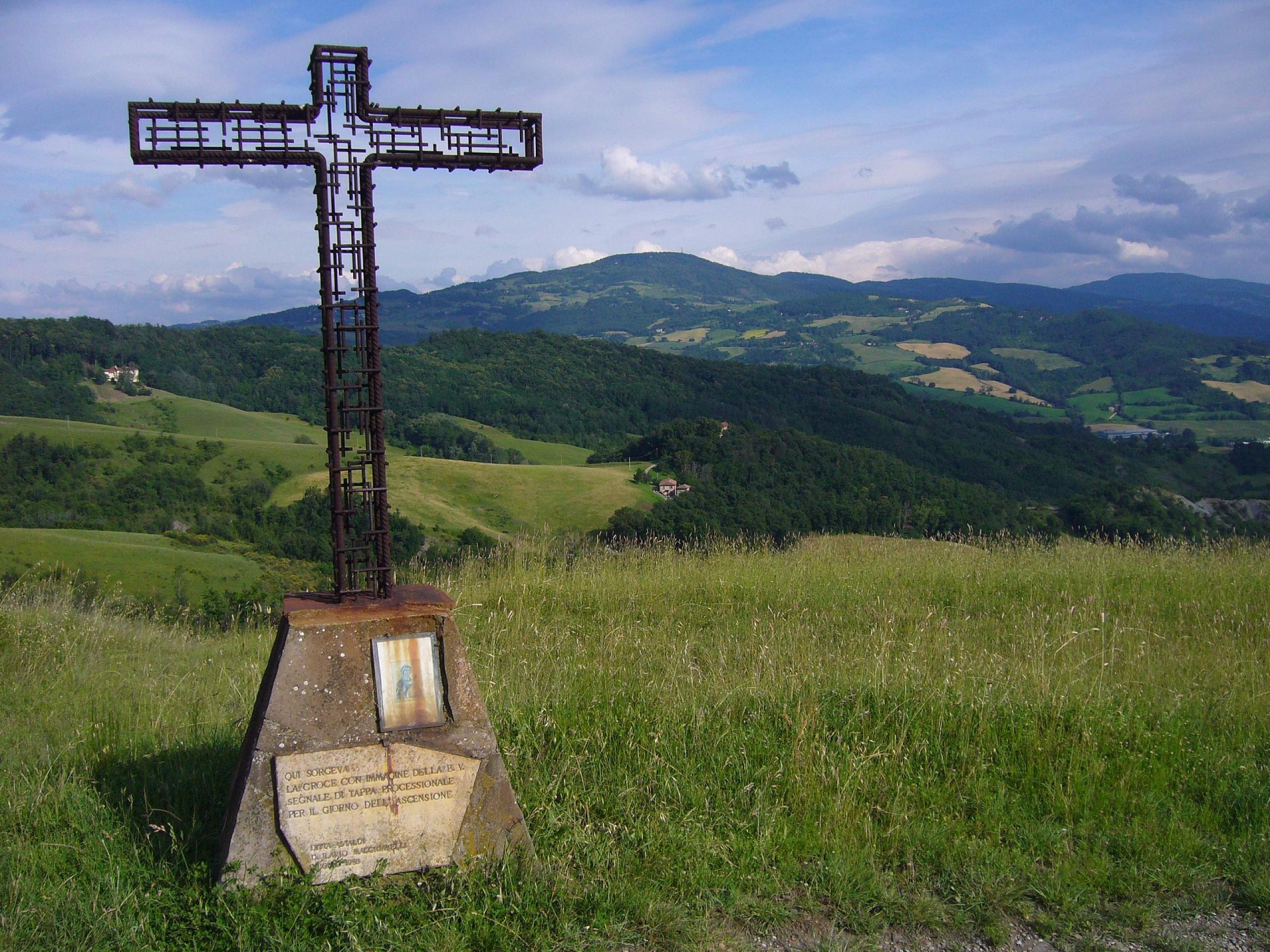
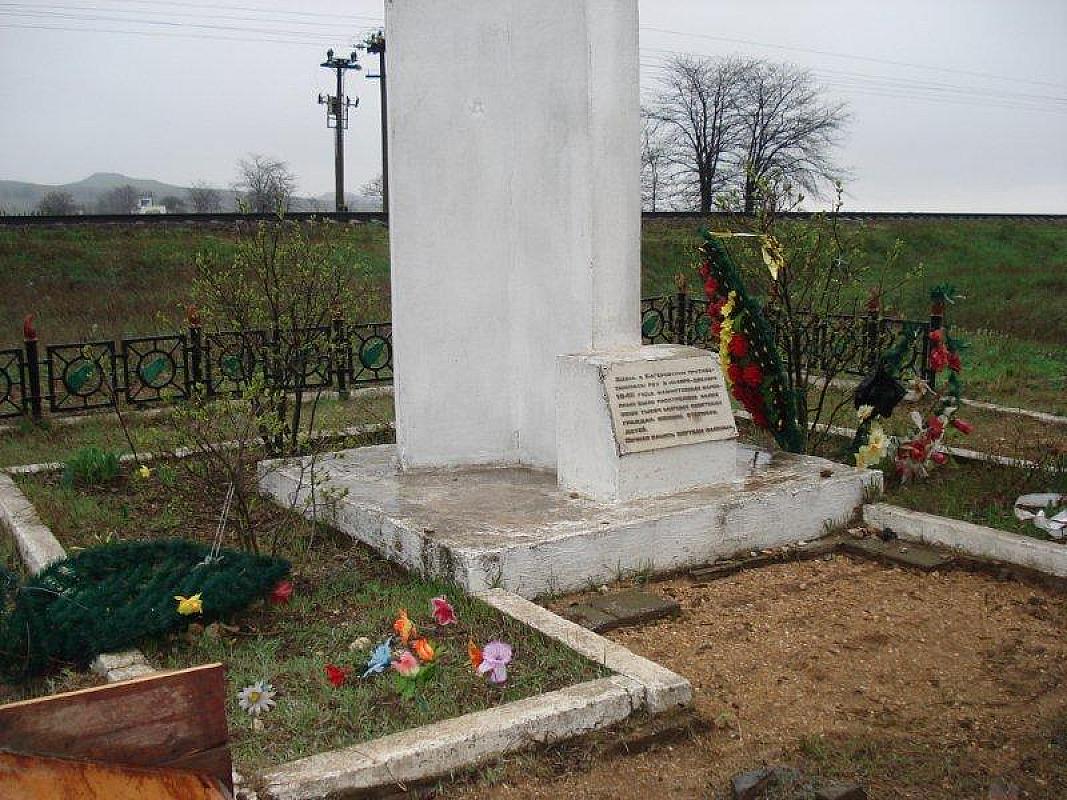
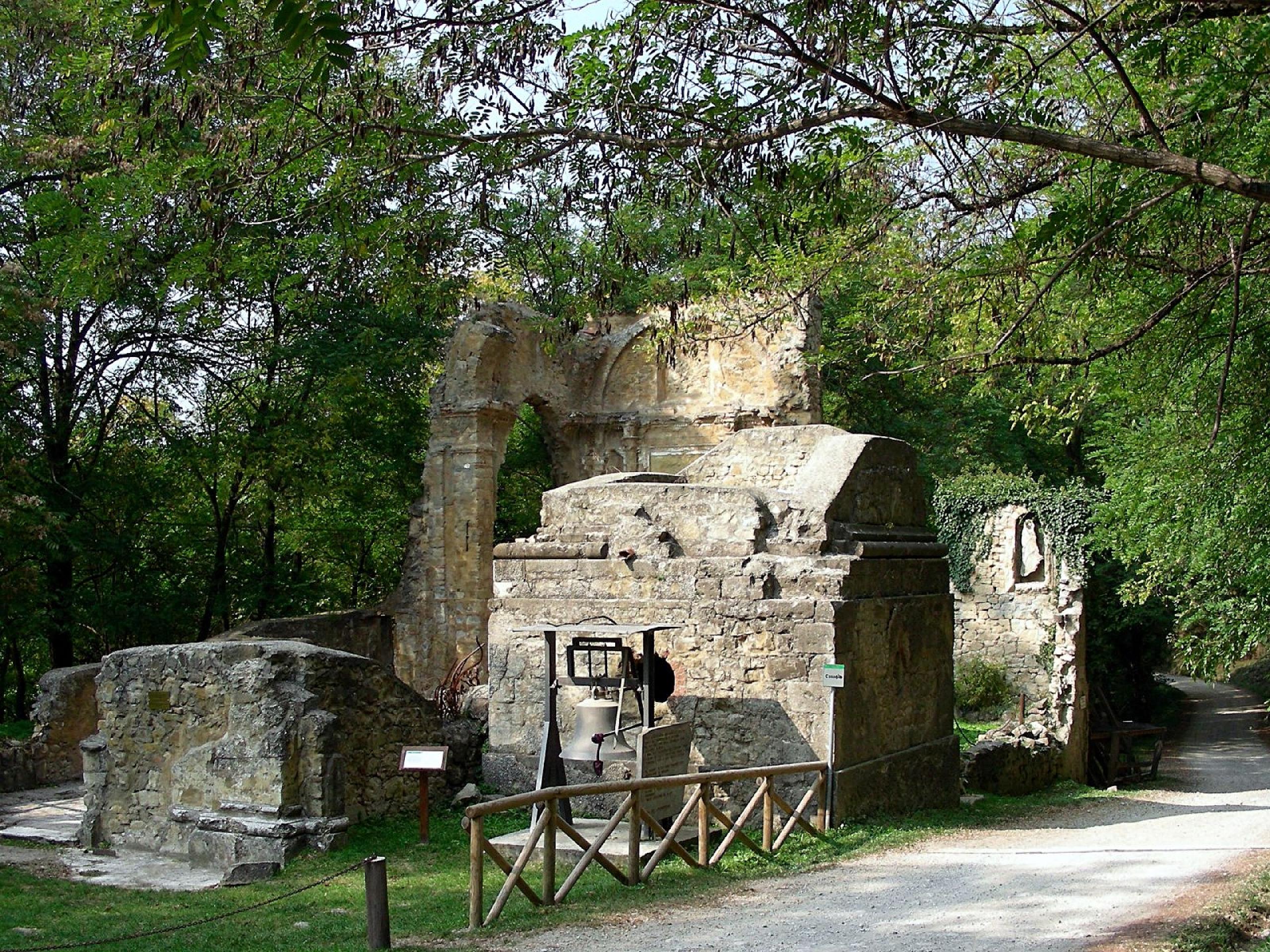
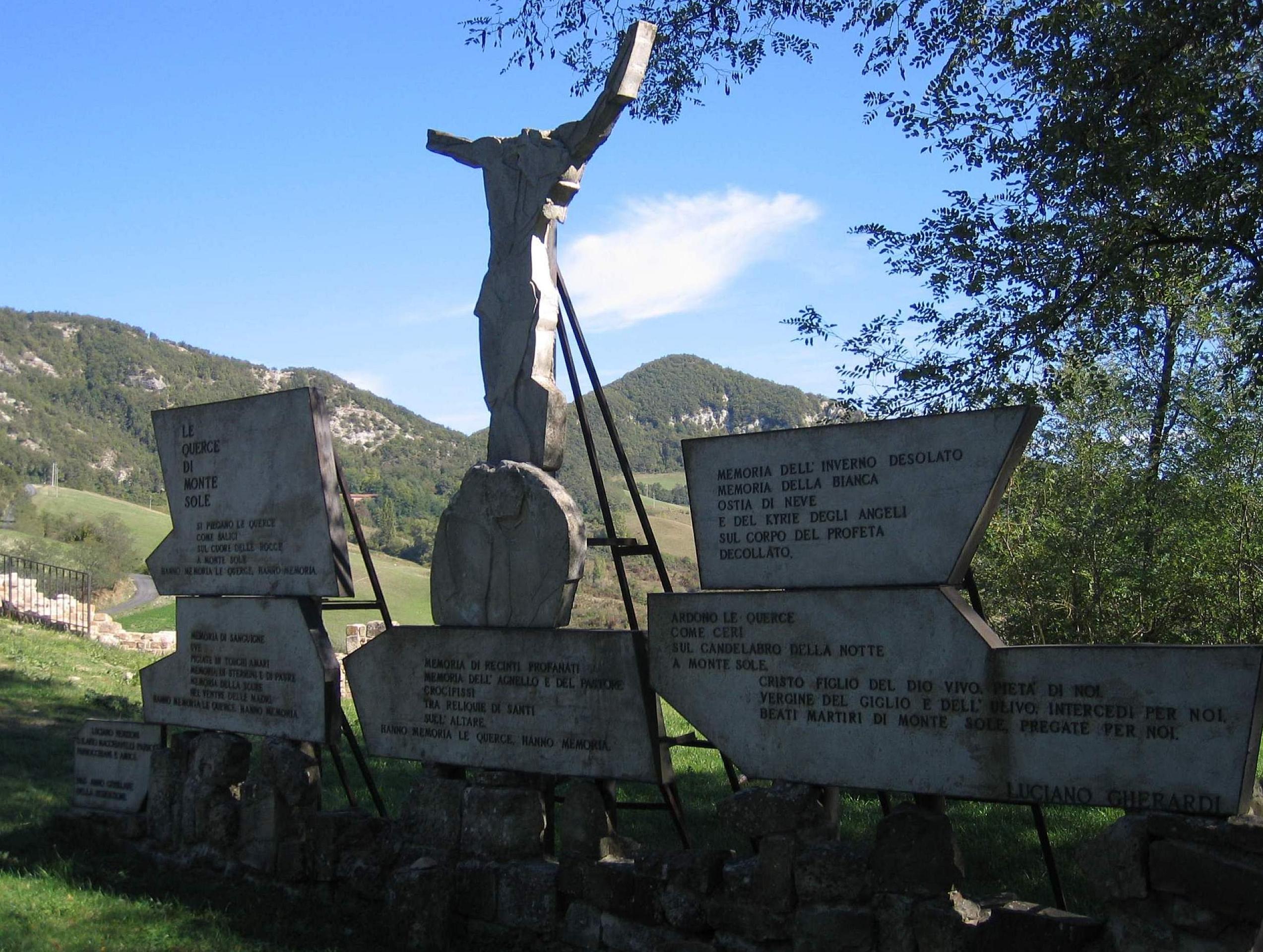
In 1989, the region of Emilia-Romagna established the »Monte Sole Historical Park«. In 2002, the »Peace School Foundation of Monte Sole« was founded in the centre of the historical park. The park covers almost the entire area of the Monte Sole massif, which was depopulated as a result of the targeted killings. Today, over half of the park area is covered in forest, the other parts contain fields, pastures and farms. Many traces of the murder operations are still visible, such as the ruins of the village Caprara or the church of Casaglia, once the religious and cultural centre of the region and where many civilians sought refuge during the raids. A monument on the peak of Monte Sole commemorates the approximately 420 partisans of the »Stella Rossa« brigade as well as their commander Mario Musolesi, called »the wolf« (Italian: il lupo). A memorial church to the victims from the region was dedicated in nearby Marzabotto in 1961.
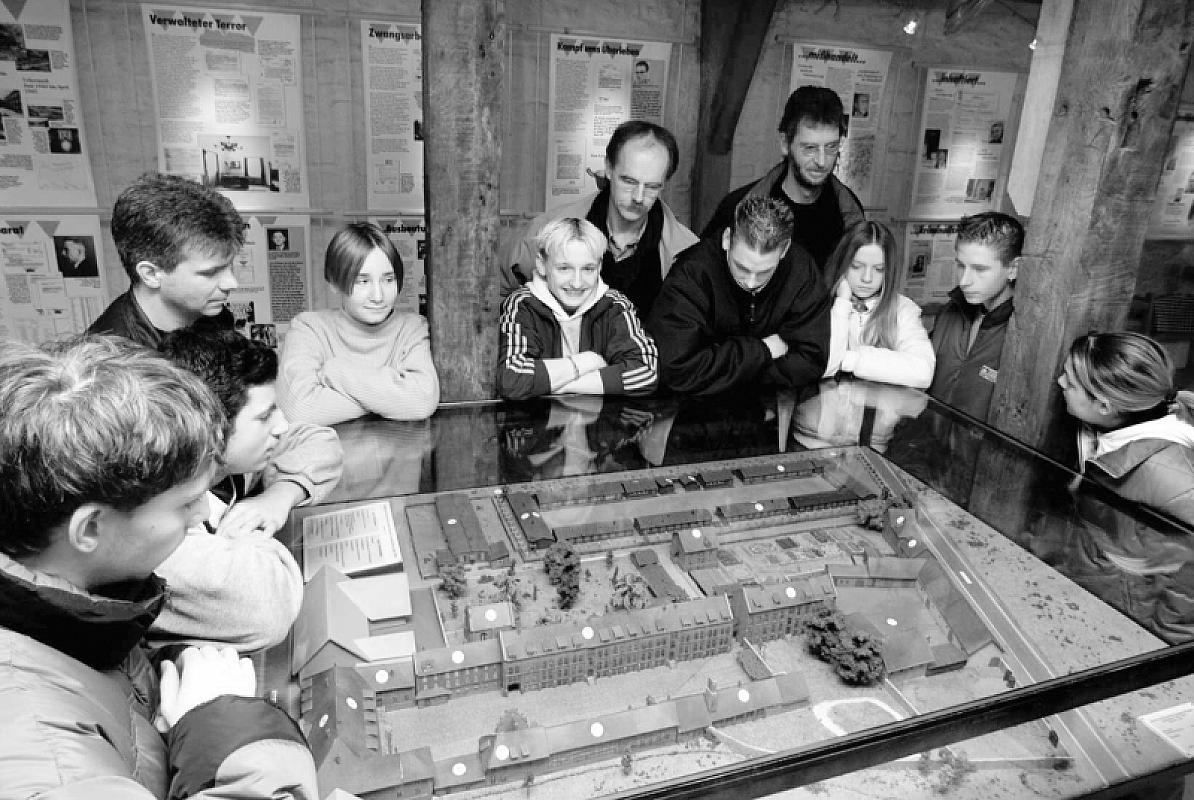
The »Peace School Foundation Monte Sole«, which mainly targets youths, aims to promote international dialogue. The foundation serves as a meeting centre and offers workshops on themes such as non-violent conflict resolution, human rights and international understanding.
Possibilities
International youth meetings, seminars, guided tours and other educational offers for adults and schools, publications, library, archive
Open
The historical park is always accessible; all of the foundation's educational offers need to be booked in advance
Contact
info@montesole.org
+39 051 931 574
Pian di Venola
40043 Marzabotto