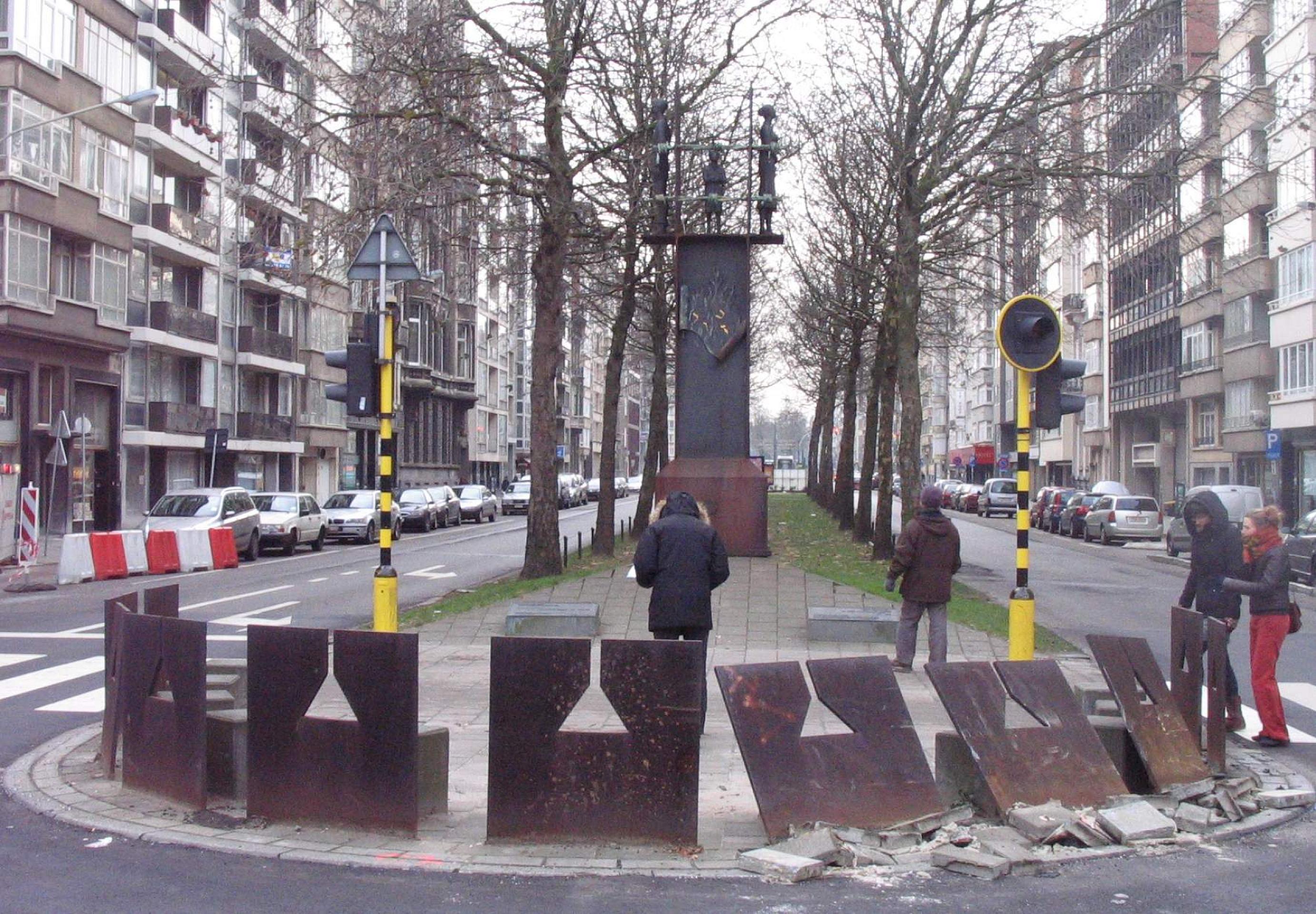
Monument to the Deported Citizens of Antwerp
Monument voor de gedeporteerde Antwerpse Burgers
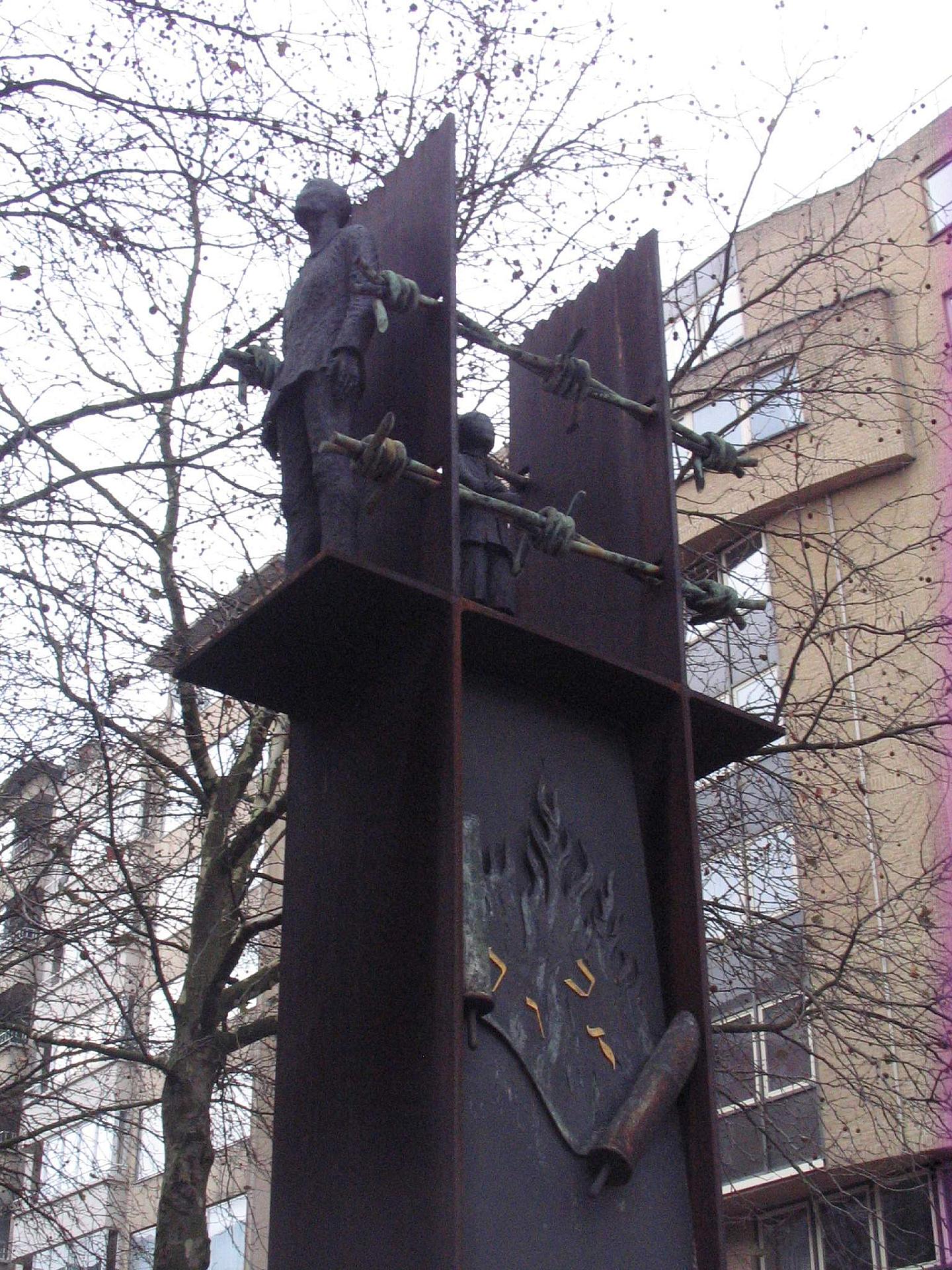
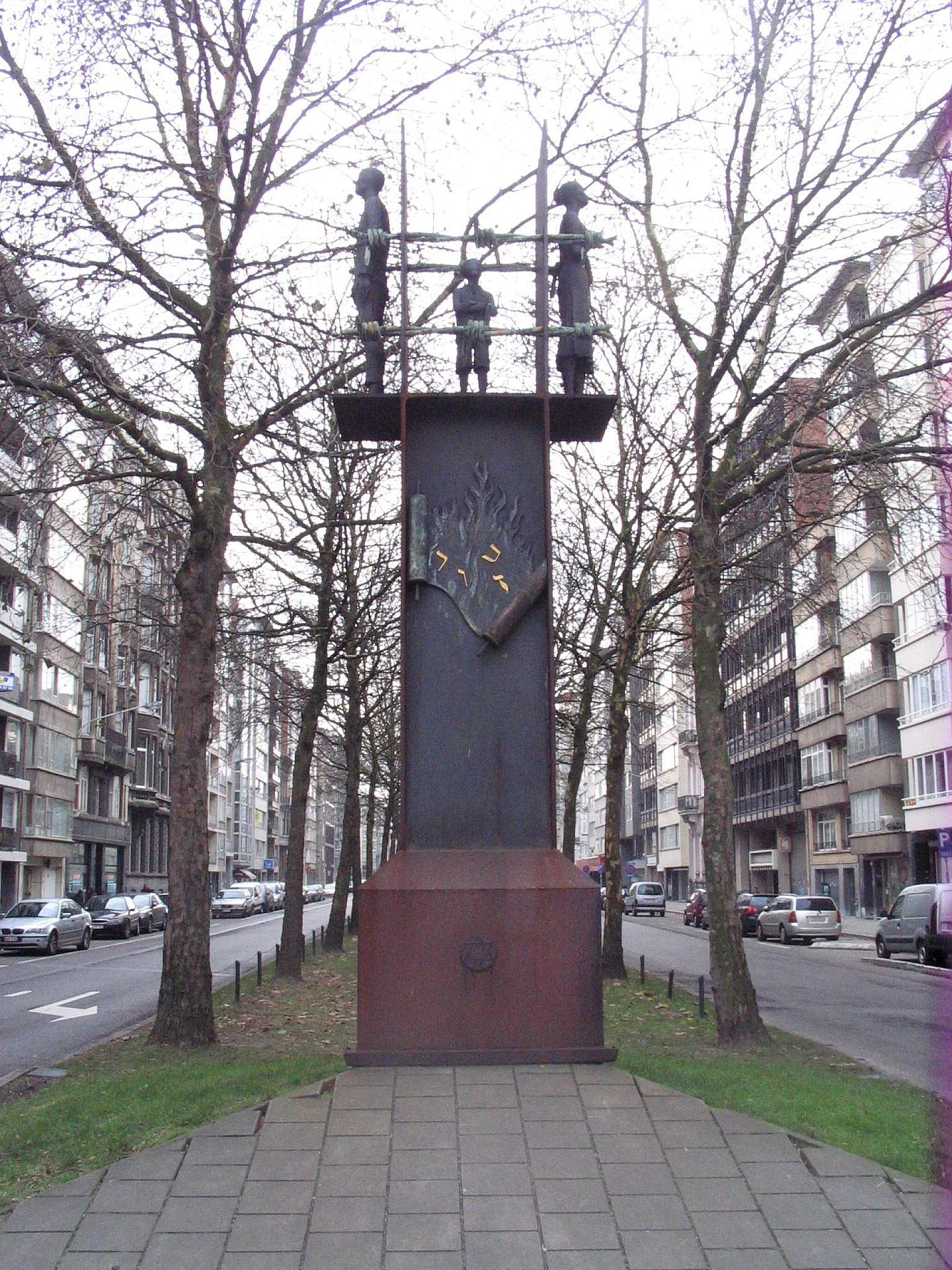
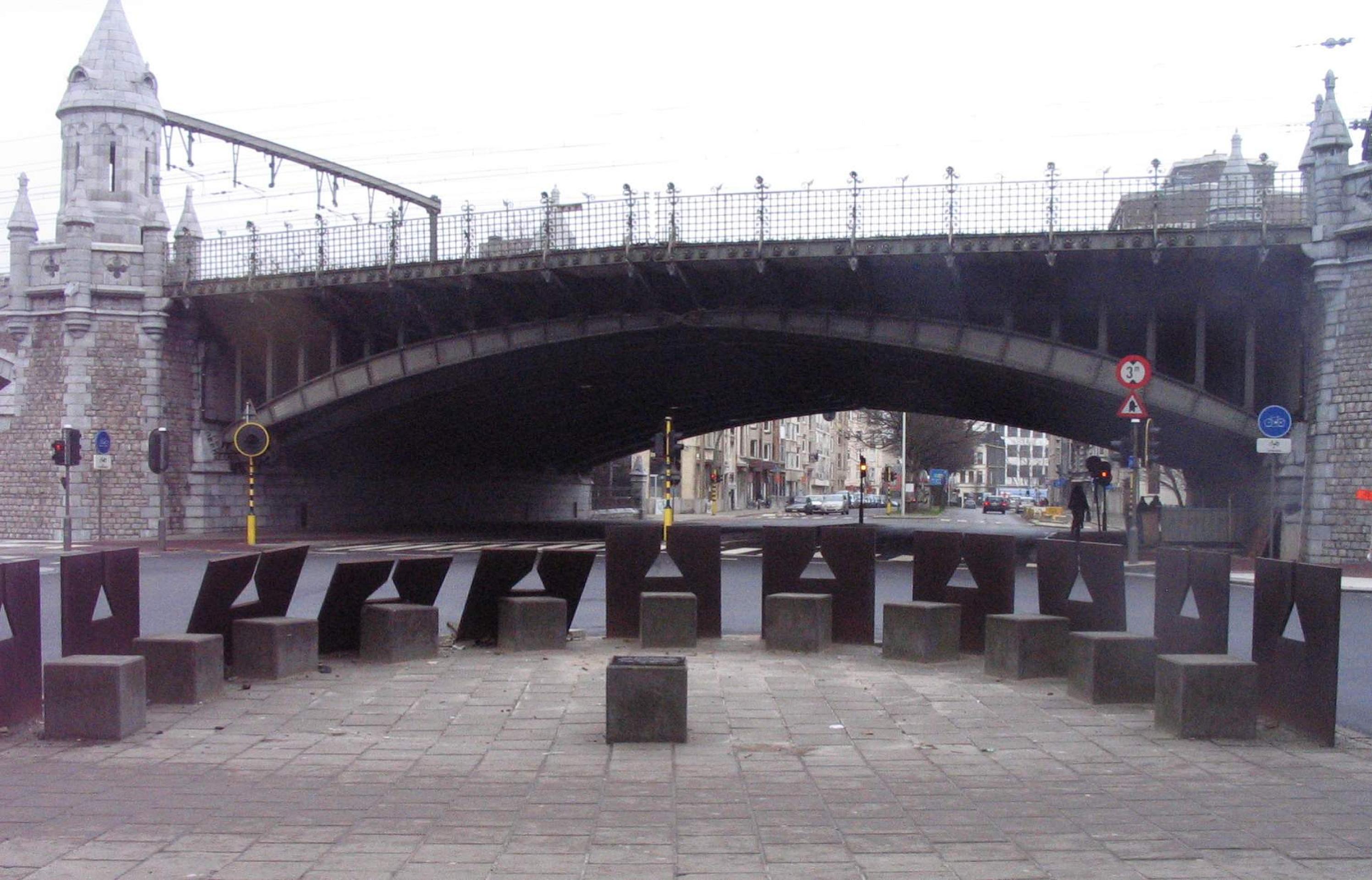
In 1997, a monument in honour of the citizens of Antwerp who were deported under German occupation during World War II was set up in the city's Jewish quarter.
History
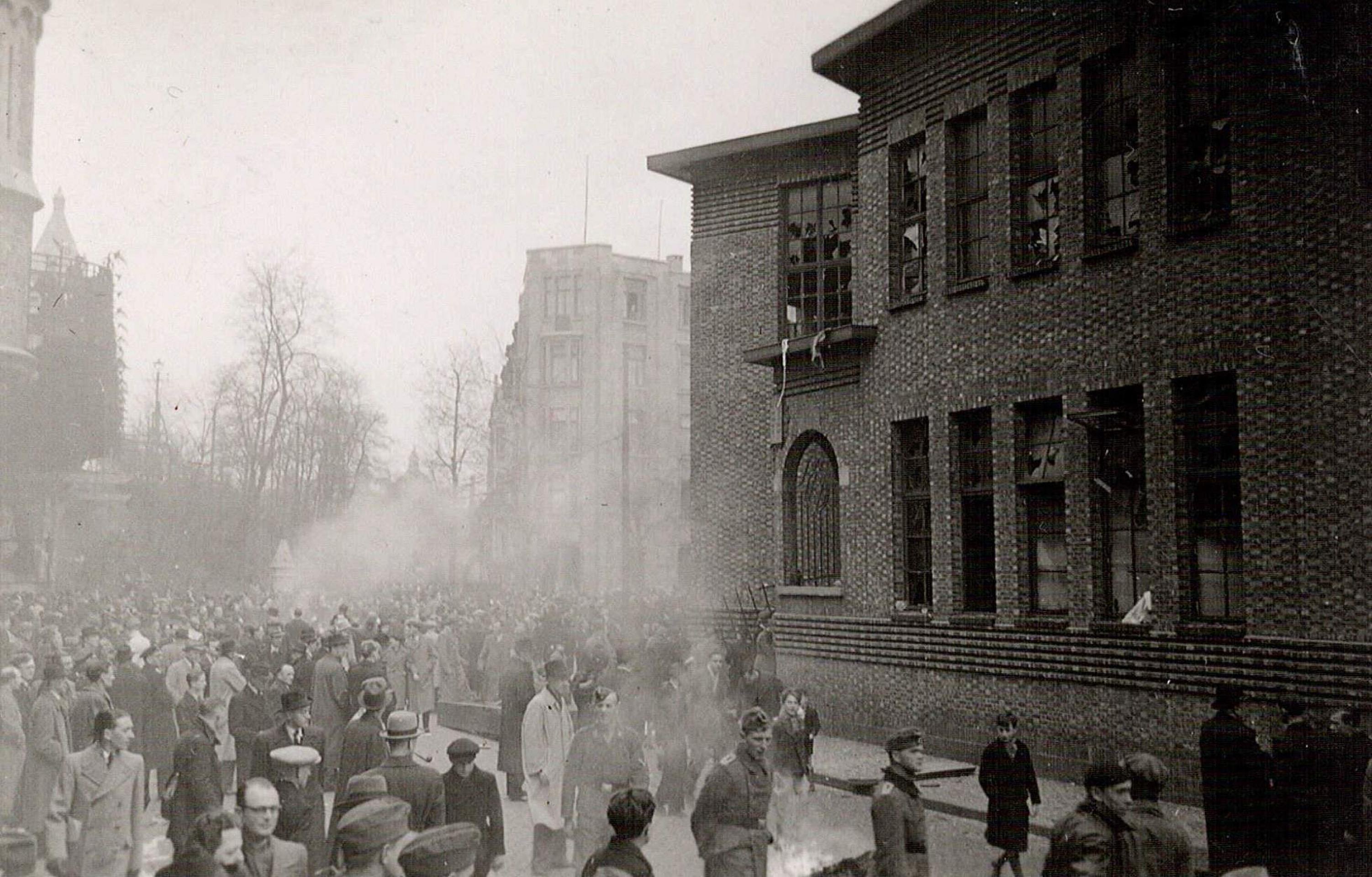
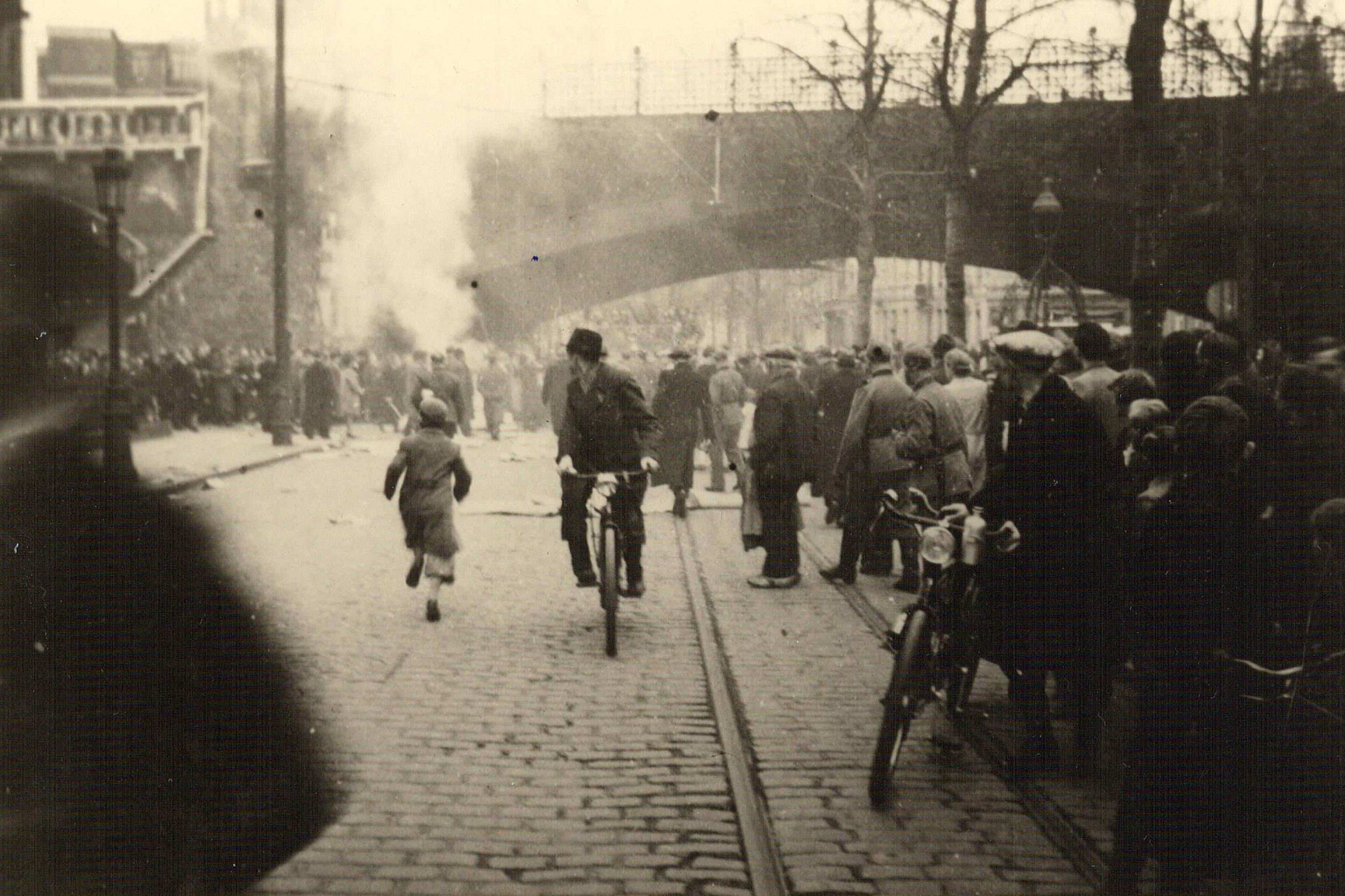
There were about 25,000 Jews residing in Antwerp shortly before the German invasion in May 1940 - a majority of them were immigrants and refugees. During the first months of occupation, they remained relatively undisturbed, until October 1941, when the occupying forced introduced first anti-Jewish measures. Jews with Belgian citizenship, only about 8 per cent of those living there, were initially represented by the Belgian administration, giving them better protection for the time being. The only anti-Jewish pogroms to take place in Belgium occurred in Antwerp on April 10 and 14, 1941. Flemish nationalists first destroyed Jewish shops and then broke into two synagogues and a rabbi's house, destroying religious objects and furniture. In the summer of 1941, Jewish shops and businesses were expropriated. Towards the end of that year, the German administration ordered the establishment of the »Association des Juifs en Belgique« (English: Association of Jews in Belgium), which was to encompass all Jews. From May 1942 on, Jews were forced to wear the yellow star. Soon after, Security Police organised the first deportations to concentration camps in the east and deployed forced labour details to France. Many Jews refused their so-called labour deployment. As a result, the SS - assisted by Belgian police and collaborators - organised several raids in Antwerp in August and September 1942, during which non-Belgian Jews were arrested and deported. Jews with Belgian citizenship were arrested in the night of September 3, 1943. The Jews of Antwerp were deported to the Mechelen collection camp. Most transports from there were headed for Auschwitz, where the SS murdered most of the deportees. It is estimated that 3,300 Jews managed to go into hiding in Antwerp and surrounding areas. Many played an active role in the resistance movement.
Victims
The SS and the Gestapo deported a total of 24,916 Jews and about 350 Sinti and Roma from Belgium. The majority of the Jewish population of Antwerp consisted of immigrants and East European refugees; only very few survived. What's more, many non-Jewish citizens and resistance fighters were deported from Belgium, mostly to France where they were deployed in forced labour.
Remembrance
The »Monument voor de gedeporteerde Antwerpse Burgers« (English: »Monument to the Deported Citizens of Antwerp«) was commissioned by the »Forum der Joodse Organisaties« (»Forum of Jewish Organisations«) and set up close to the railway line in the Jewish quarter. The memorial, designed by artist Willem Bierwerts, was realised in cooperation with the City of Antwerp and dedicated on May 27, 1997. Its depiction of Torah scrolls is meant, amongst others, to commemorate the pogrom which took place on April 14, 1941.
Open
The monument is accessible at all times.
Contact
fjo@fjo.be
+32 (0)3 231 584 8
Belgiëlei 2
2018 Antwerpen