Monuments to the Victims of the June 1941 Pogrom
Monumentul Victimelor Pogromului Fascist de la Iaşi din zilele de 28-29 iunie 1941
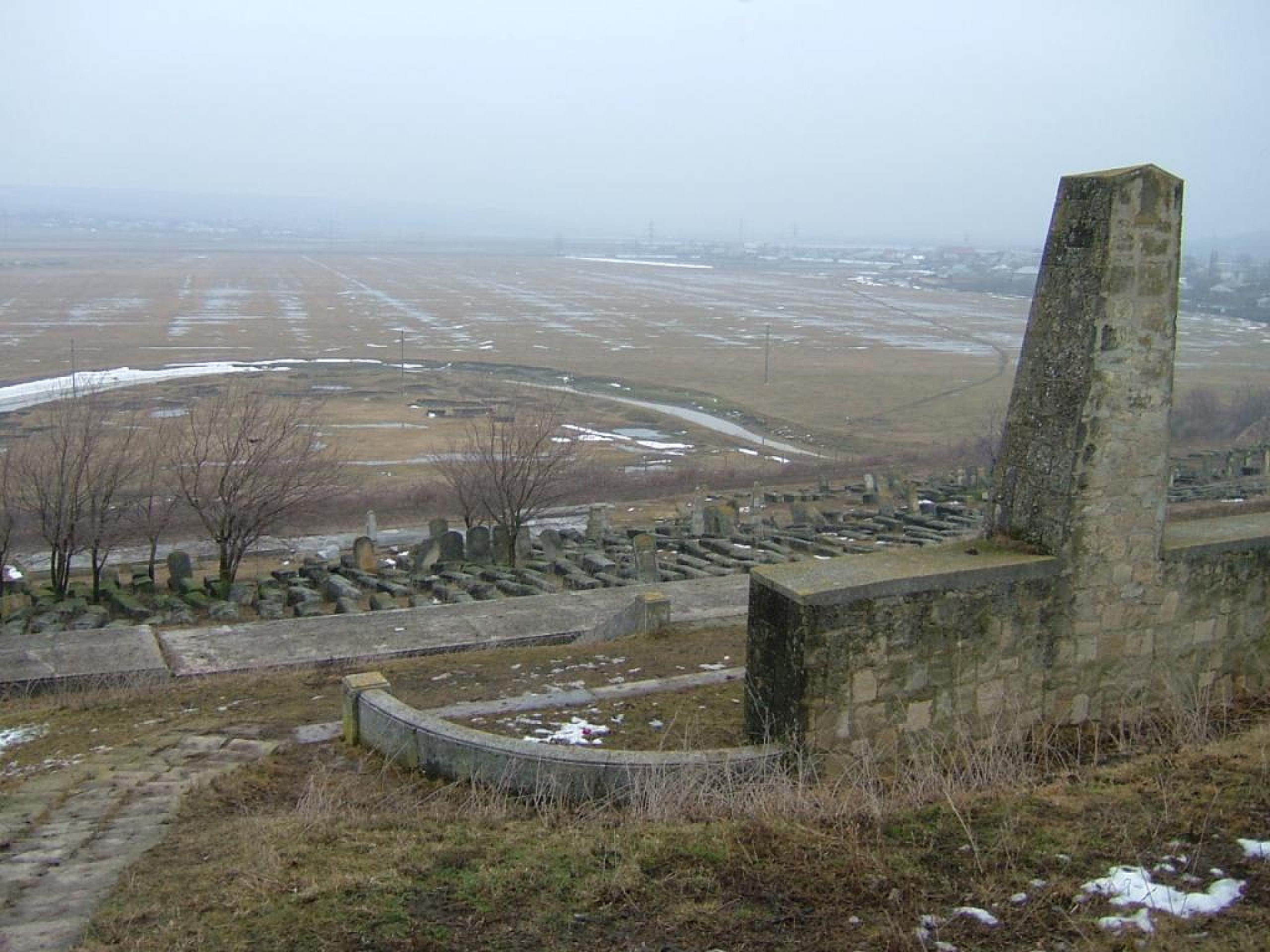
Several memorial sites in the university city of Iaşi, northern Romania, commemorate the victims of the June 1941 pogrom. Between June 29 and July 1, 1941, Romanian police, constabulary and civilians as well as Romanian and German soldiers murdered several thousand Jews from Iaşi. Most of the victims were buried in mass graves on the Jewish cemetery.
History
The university city of Iaşi lies in the north-east of Romania, in the historical region of Moldavia. Before World War II, Iaşi was home to about 45,000 Jews, about half of the total population. Early on, the city had become a centre of Jewish life, yet at the same time, it was a hotbed of anti-Semitism: In 1923, students founded the fascist »Legion Archangel Michael«; it later spawned the »Iron Guard«, which spearheaded anti-Semitic terror.
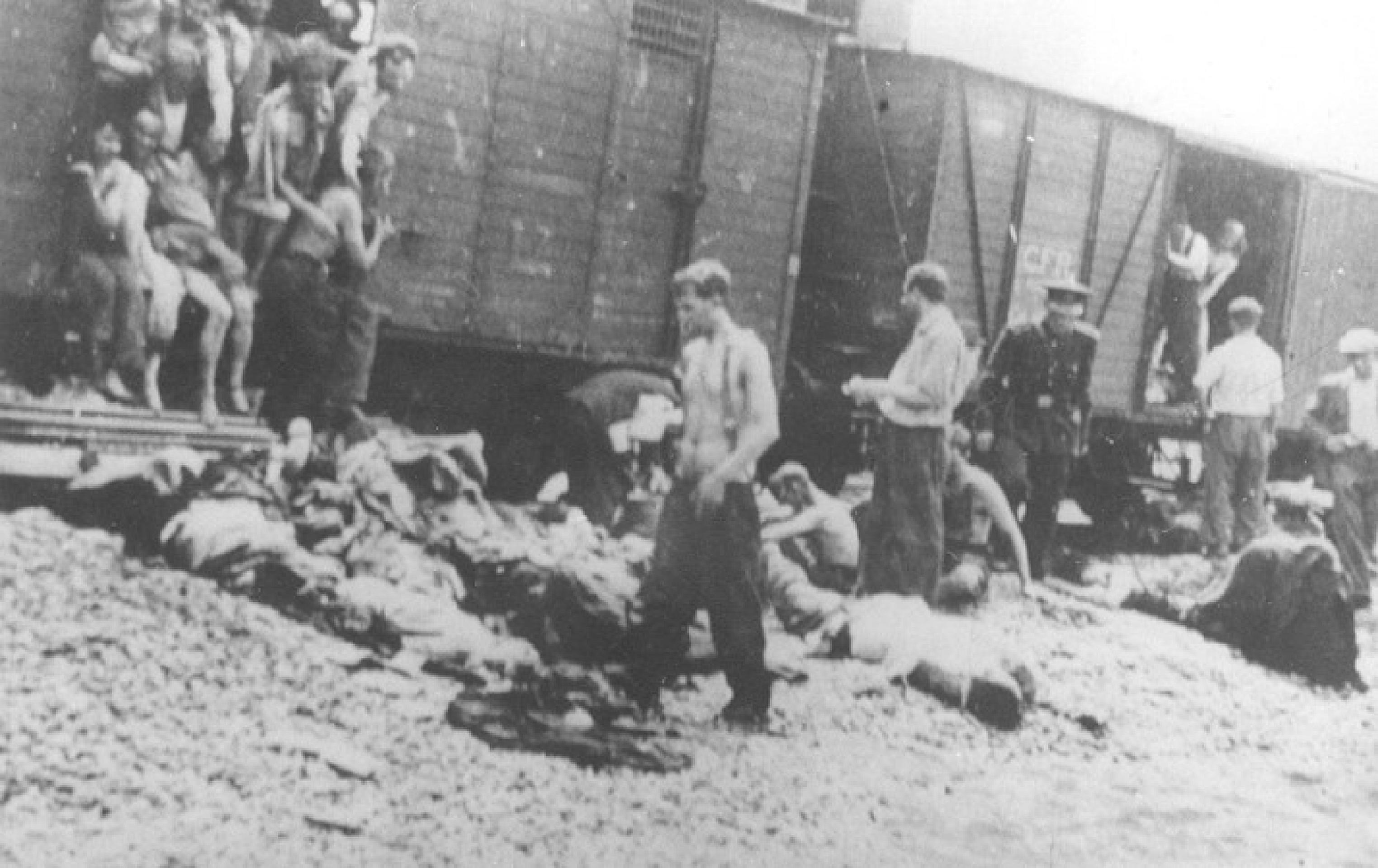
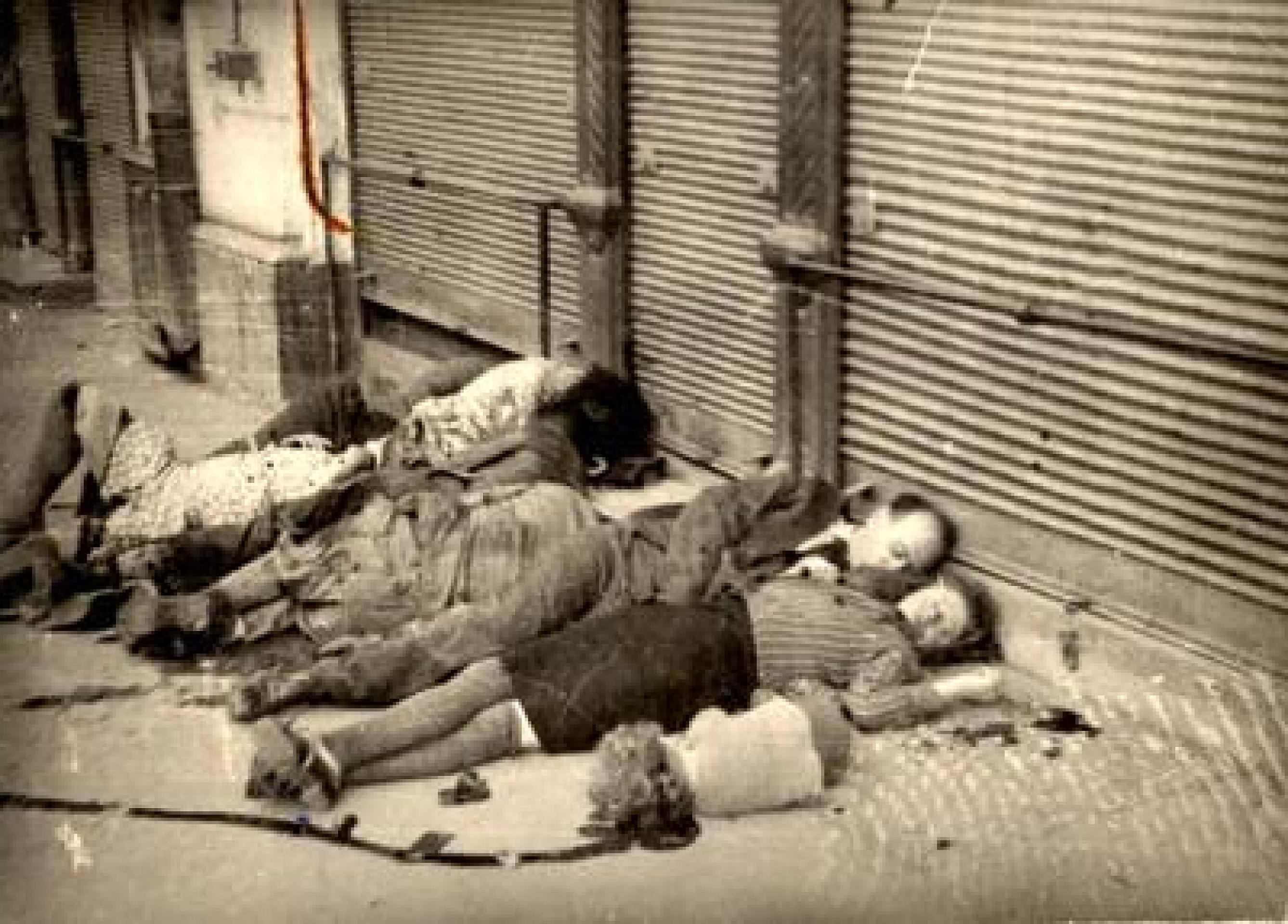
In June 1941, German and Romanian troops in Iaşi jointly prepared for the upcoming invasion of the Soviet Union. At the time, Iaşi was on the border to the Soviet Union. On June 19, 1941, Romanian dictator Ion Antonescu ordered the city commander of Iaşi, Colonel Lupu, to register all the city's Jewish residents so that they could later be arrested. The local press fomented fear of Soviet air strikes and accused Jews of collaborating with the Soviet Union. A few days later, Antonescu ordered the police to search Jewish homes and to arrest the owners for supposedly having hidden weapons. On the morning of June 29, German and Romanian soldiers rounded up close to 3,500 Jews and shot into the crowd with machine guns. The city temporarily became a battle field: the perpetrators, among them many Romanian civilians, murdered hundreds of Jews and plundered their possessions. The Romanian authorities decided to continue with the killings: on June 30, Romanian soldiers forced 1,900 Jews onto a freight train. The train took 8 hours to get to Podu Iloaiei, 20 kilometres from Iaşi. About 1,200 of the passengers died in agony during the transport, deprived of water and provisions. A second train carrying about 2,500 Jews took six days to reach the south-Romanian city of Călăraşi. Occasionally, the train stopped to unload the bodies of the dead.
Victims
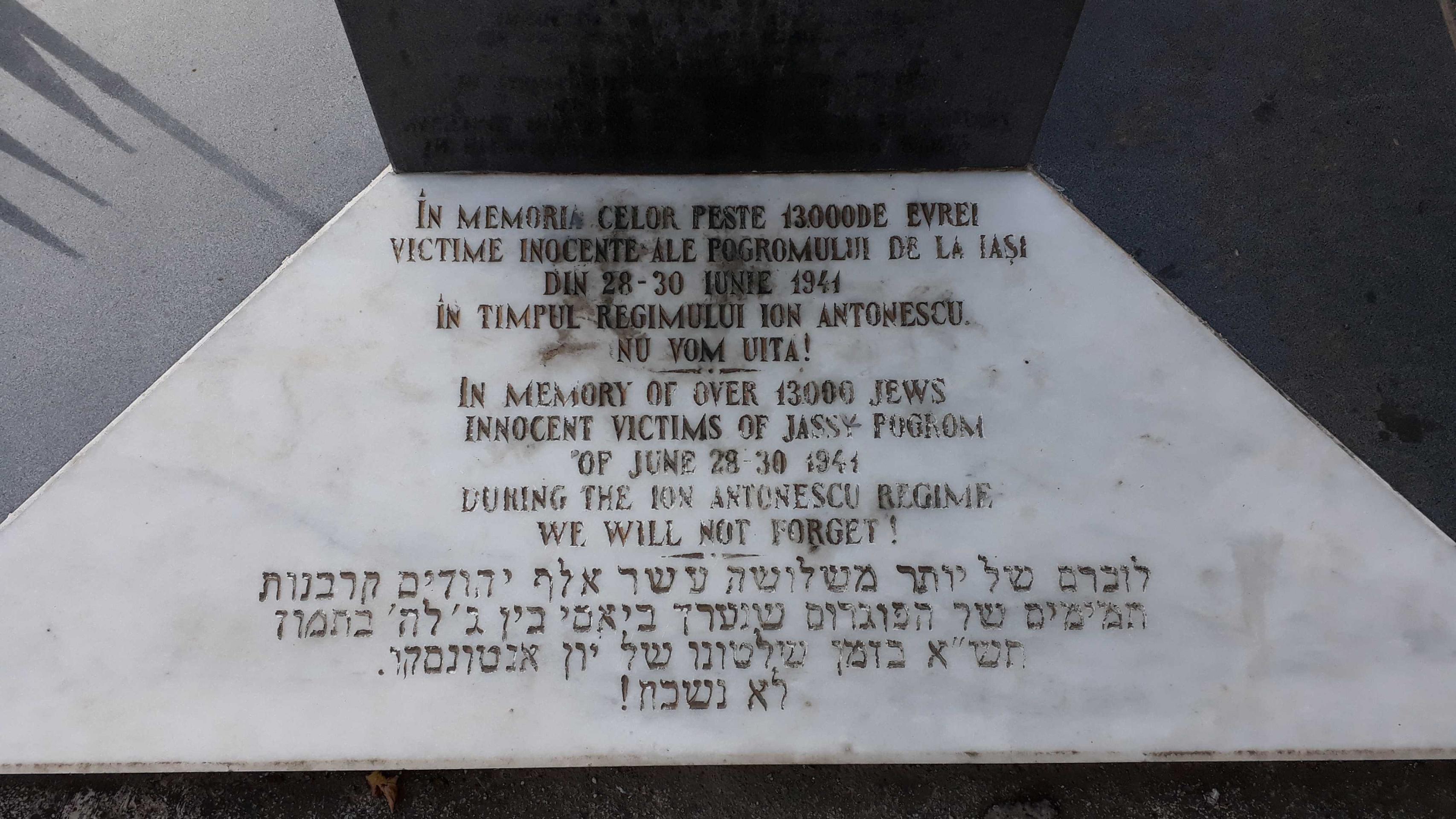
Romanian and German units murdered several thousand Jews during the pogrom which began on June 29, 1941. It is estimated that between 4,000 and 10,000 Jews perished; some even estimate that there were up to 13,000 victims.
Remembrance
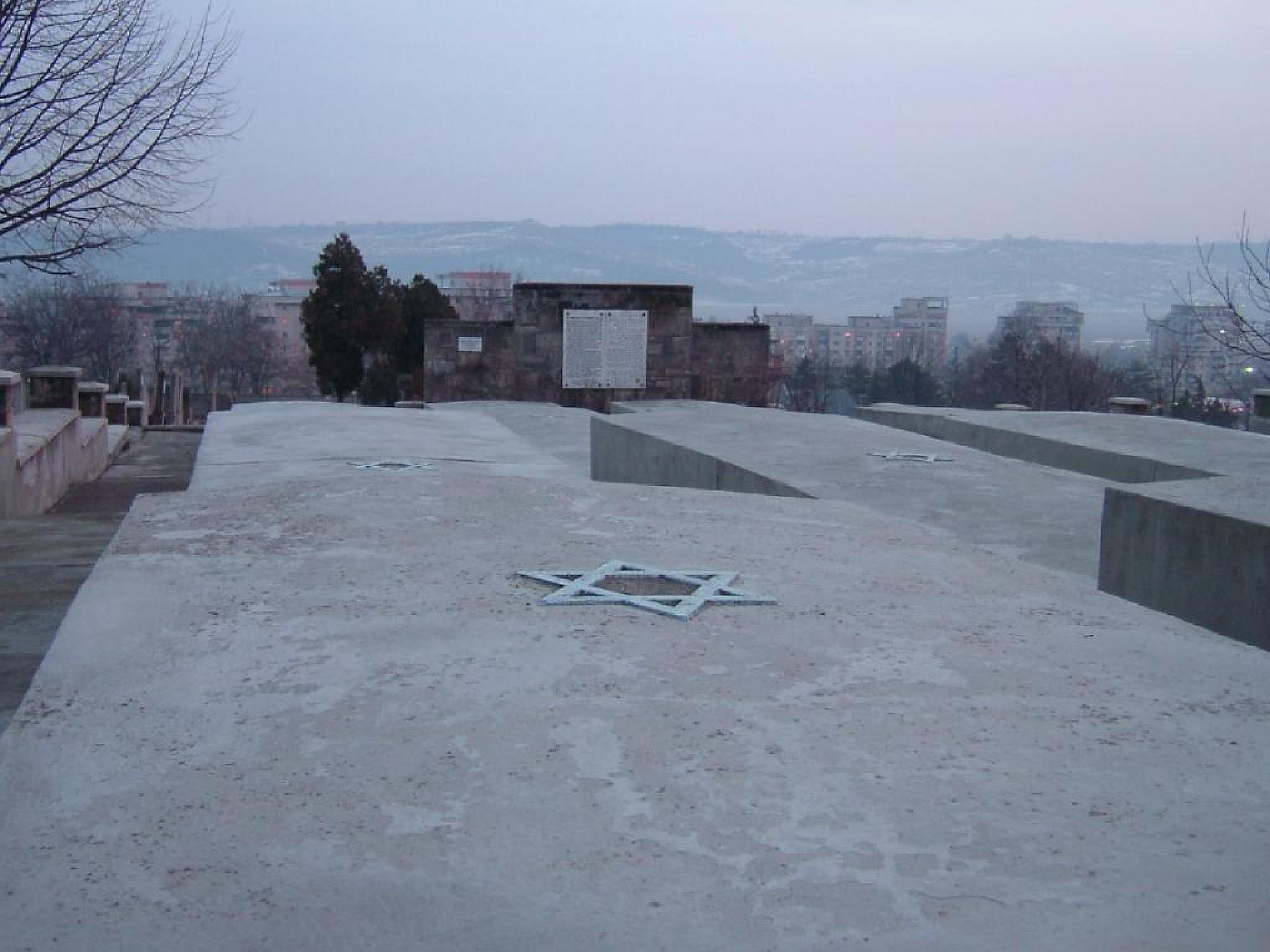
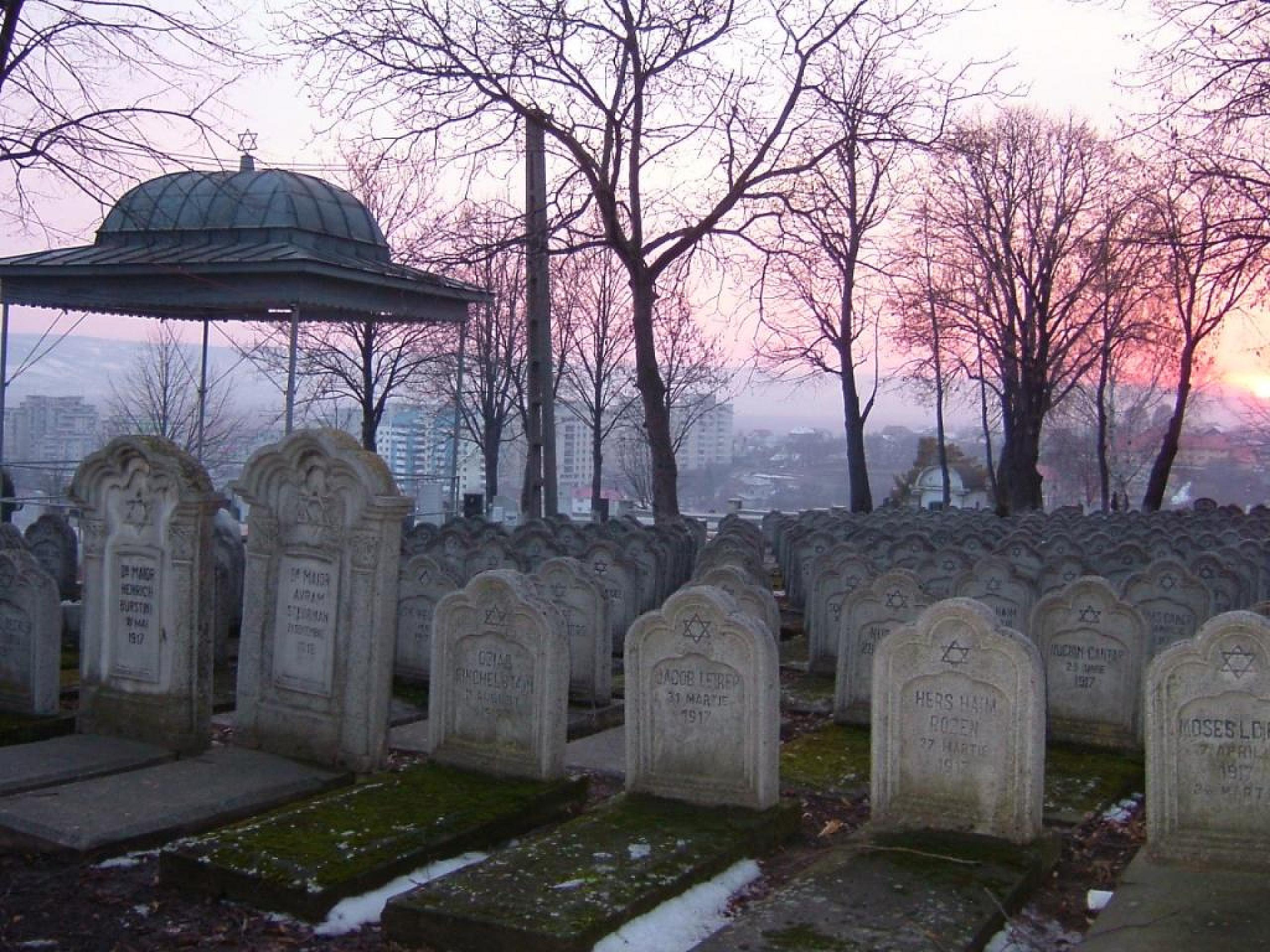
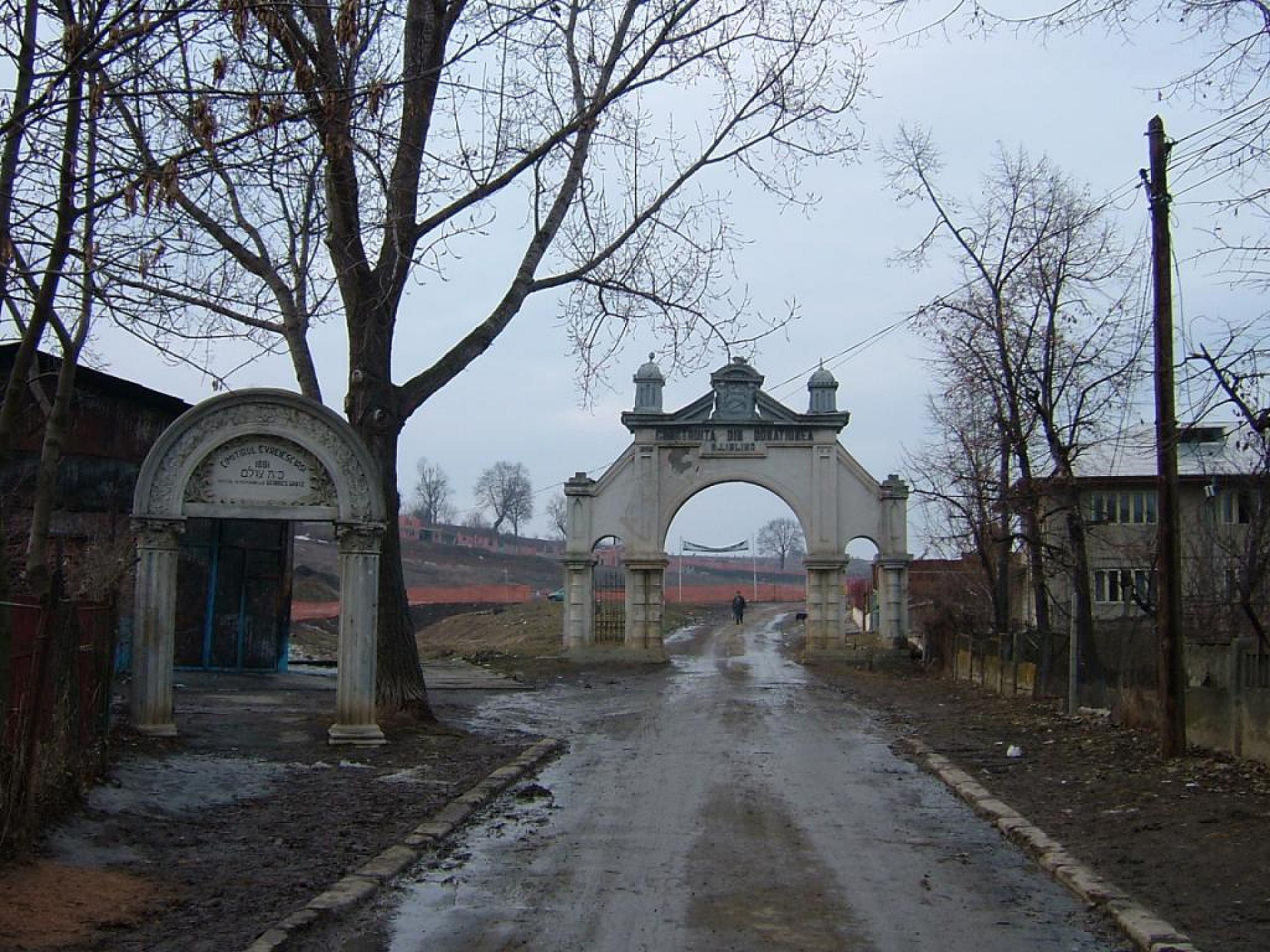
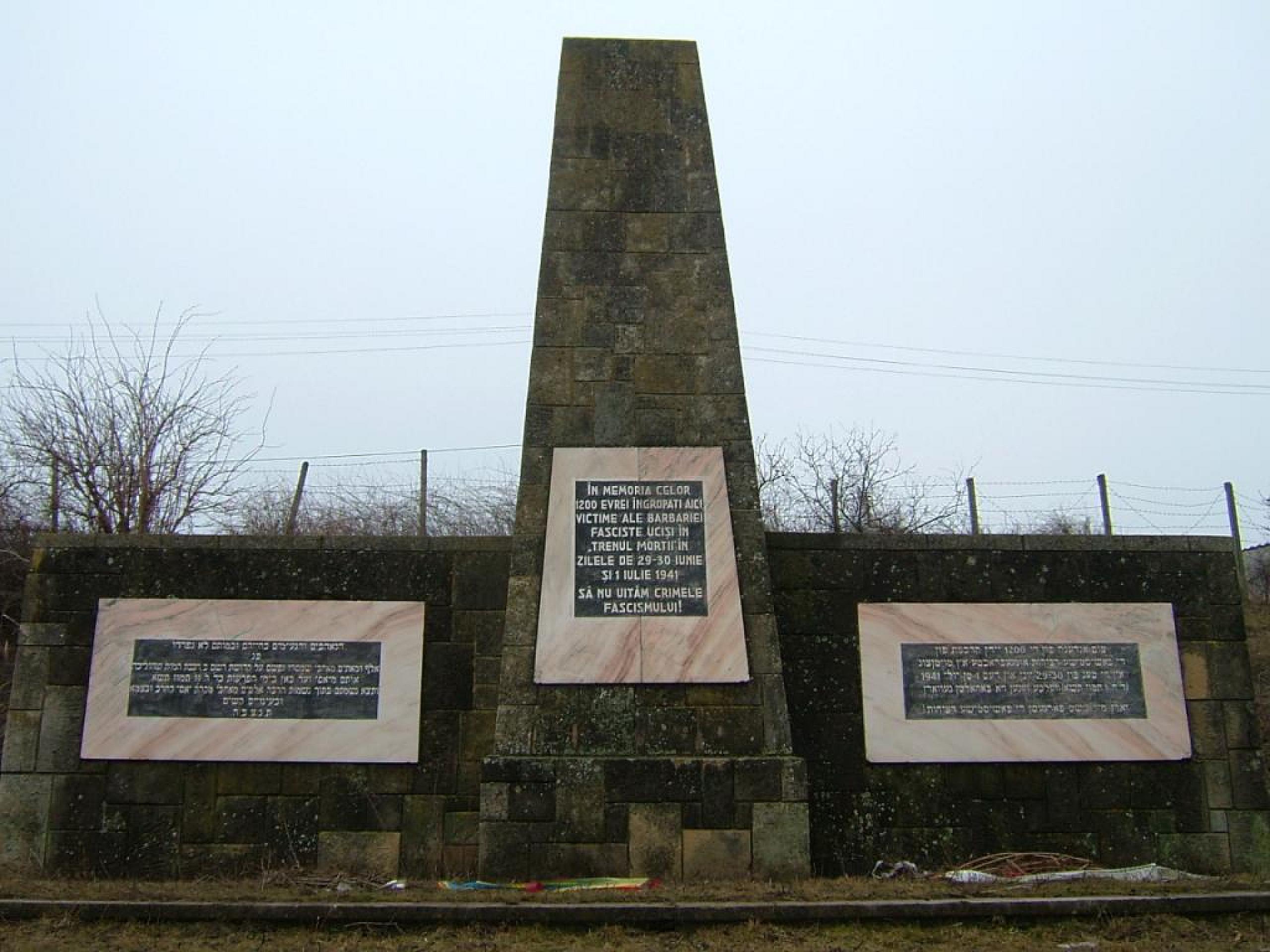
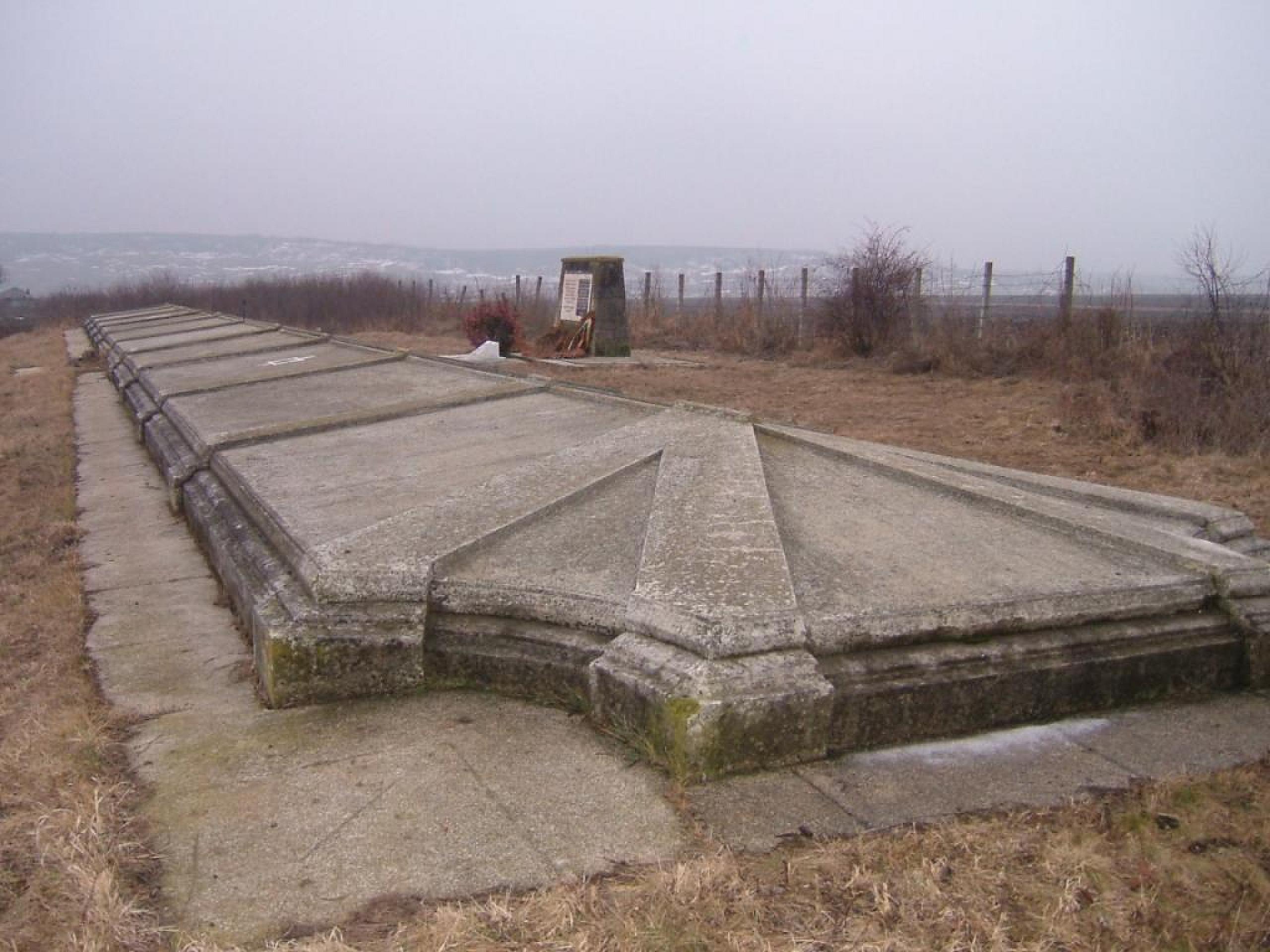
Several monuments in Iaşi and vicinity commemorate the victims of the pogrom of the summer of 1941 and the victims of the deportations that followed. Most of the victims of the pogrom were buried in mass graves on the Jewish cemetery in Iaşi. The graves are covered with large concrete slabs. A memorial plaque dedicated to the victims of the pogrom and the death trains from Iaşi has been affixed near the graves.
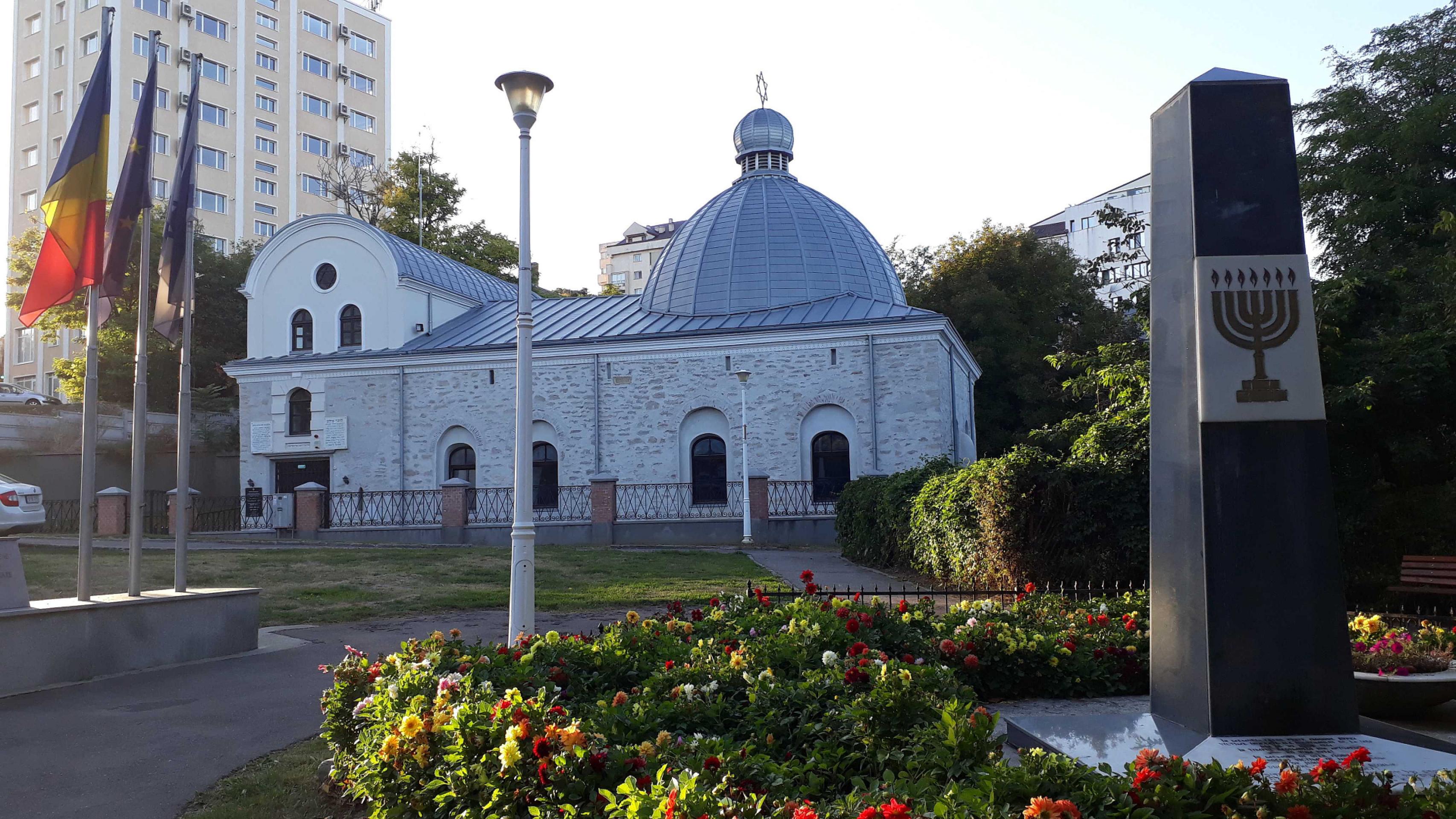
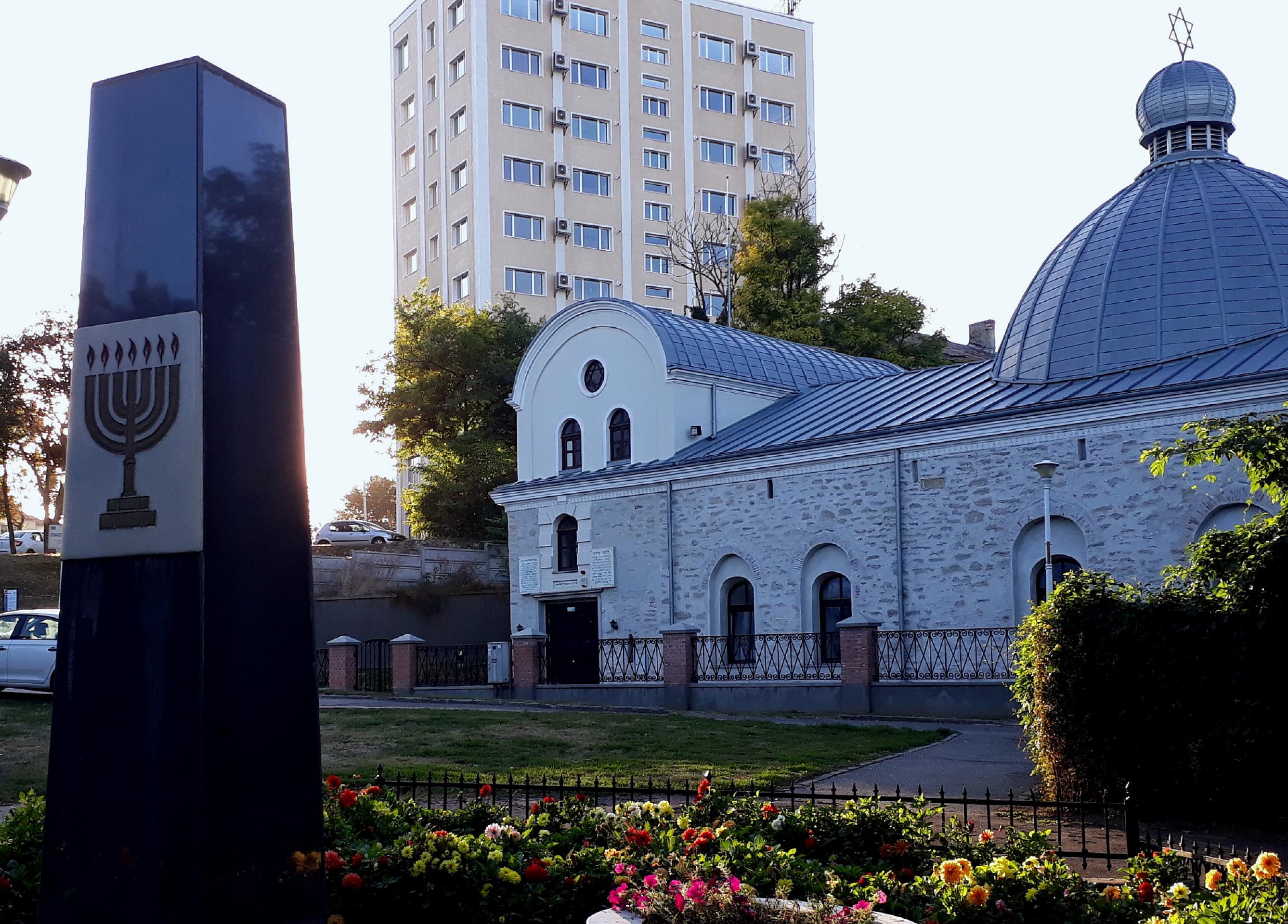
In 1976, an obelisk was erected in front of the Great Synagogue in honour of the victims. Of the over 110 synagogues which once stood in Iaşi, only the Great Synagogue remains. It was built around 1670 and houses a small exhibition which presents the history of the Jewish community of Iaşi and deals with the pogrom of the summer of 1941. The synagogue and the obelisk have been under landmark protection since 2004. They have been renovated around 2010.
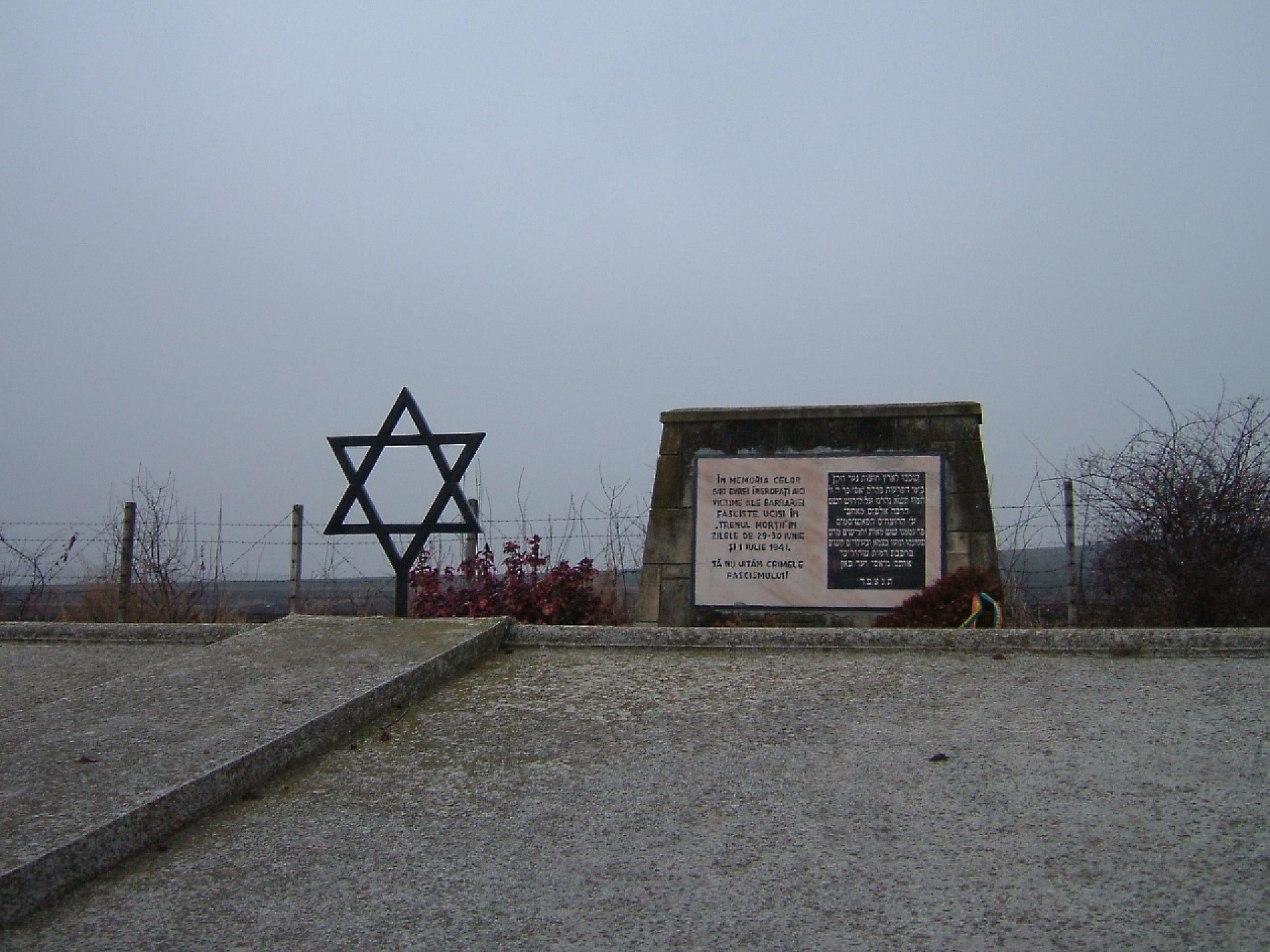
The victims of the death trains were buried in mass graves on several sites such as in Podu Iloaiei and near Târgu Frumo. After the war, monuments were set up on these sites.
Open
The monument is accessible at all times.
GPS coordinates of the mass graves:
Jewish cemetery on the northern outskirts of Iaşi: 47°10'39.5"N 27°32'20.8"E
Jewish cemetery in Târgu Frumos: 47°12'11.8"N 26°59'41.5"E
Jewish cemetery in Podu Iloaiei: 47°12'56.1"N 27°16'21.1"E
Contact
Strada Sinagogilor / Strada Cucu
700083 Iaşi