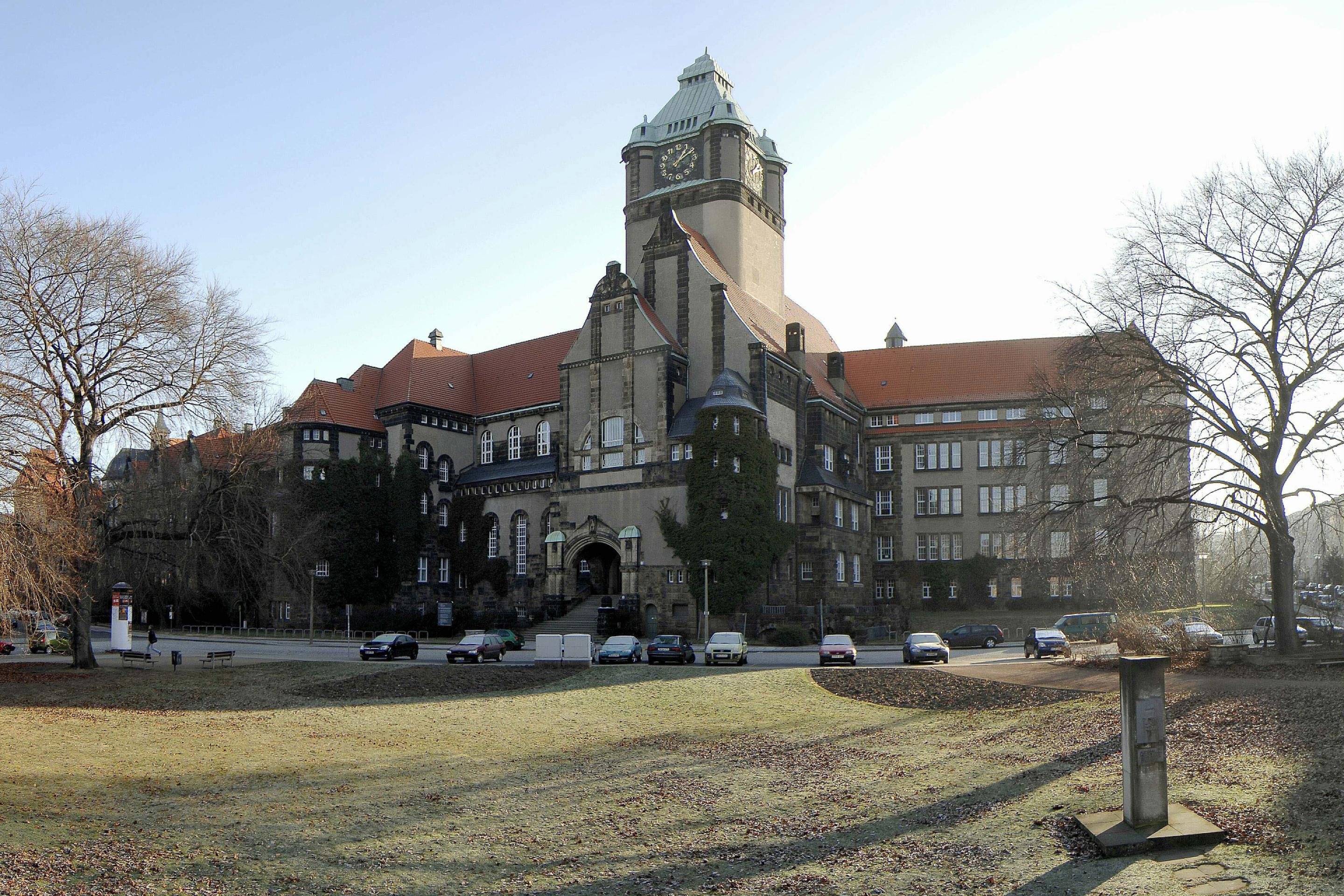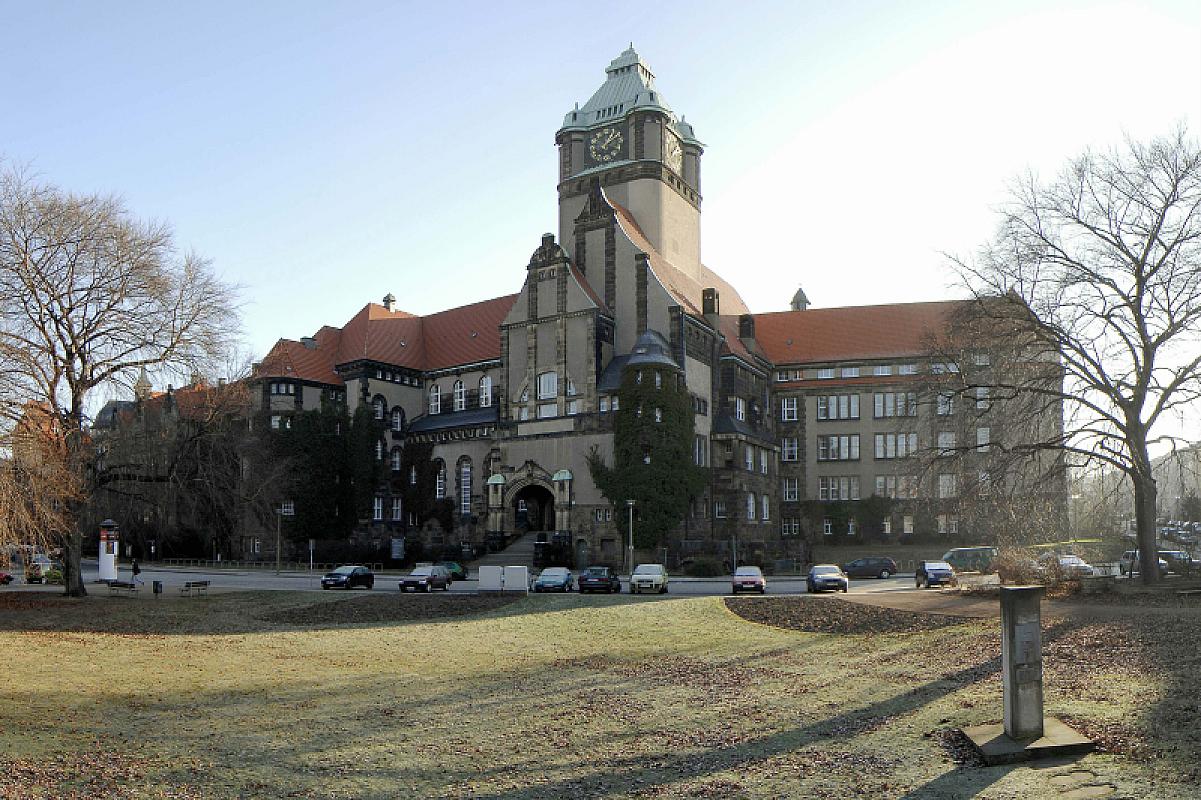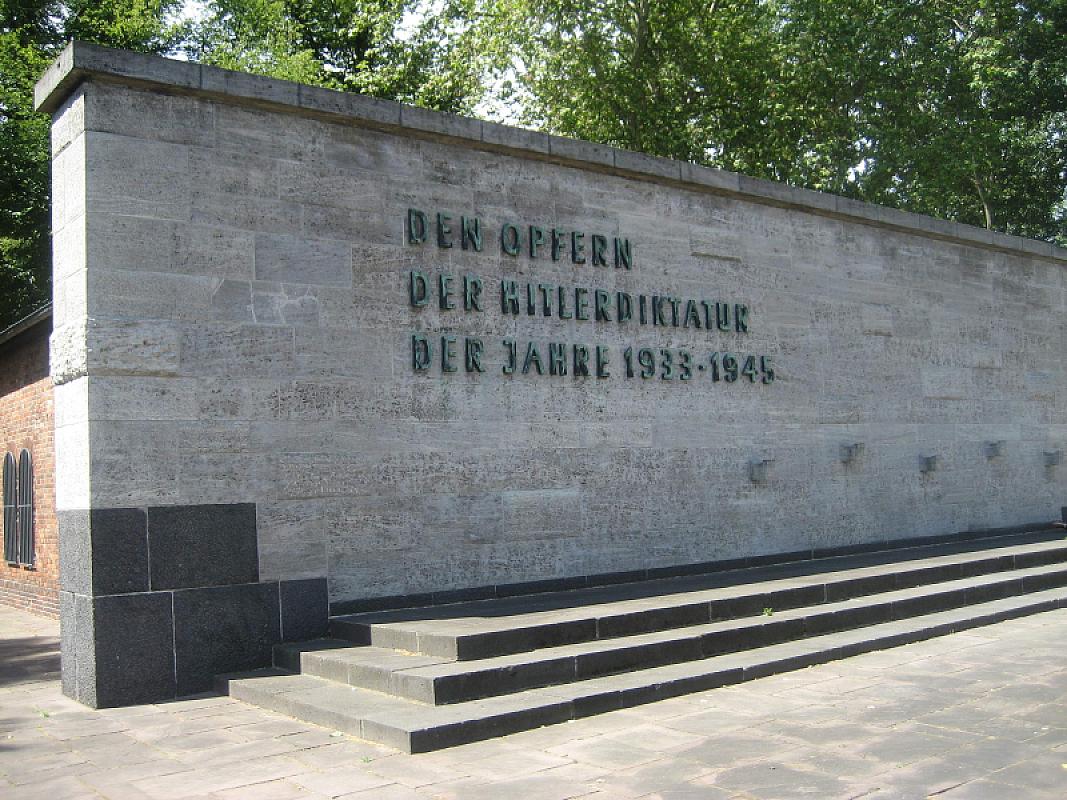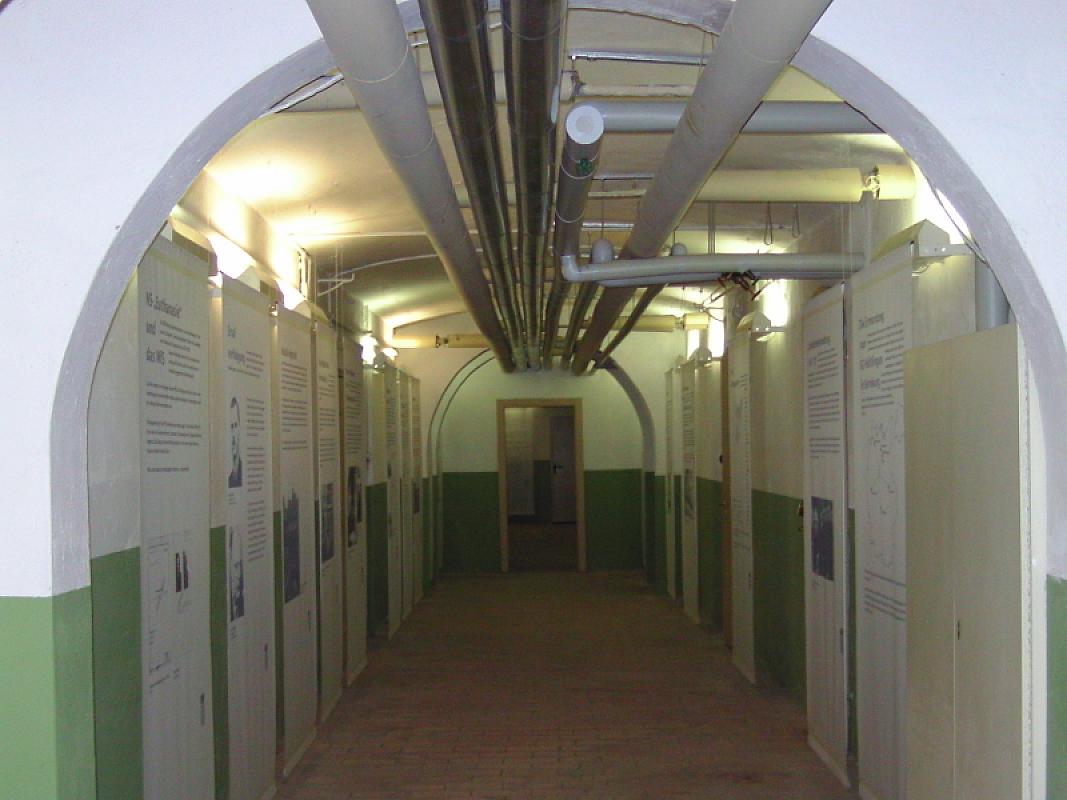
Until 1956, political opponents of numerous regimes were put to trial and sentenced at the Dresden Regional Court: under National Socialism, during the Soviet occupation and under the dictatorship of the SED party (Socialist Unity Party of Germany). The people were held in custody at the site and death sentences were performed by hanging in the building's courtyard. The exhibition at the Münchner Platz Dresden Memorial commemorates the fates of the victims.
History
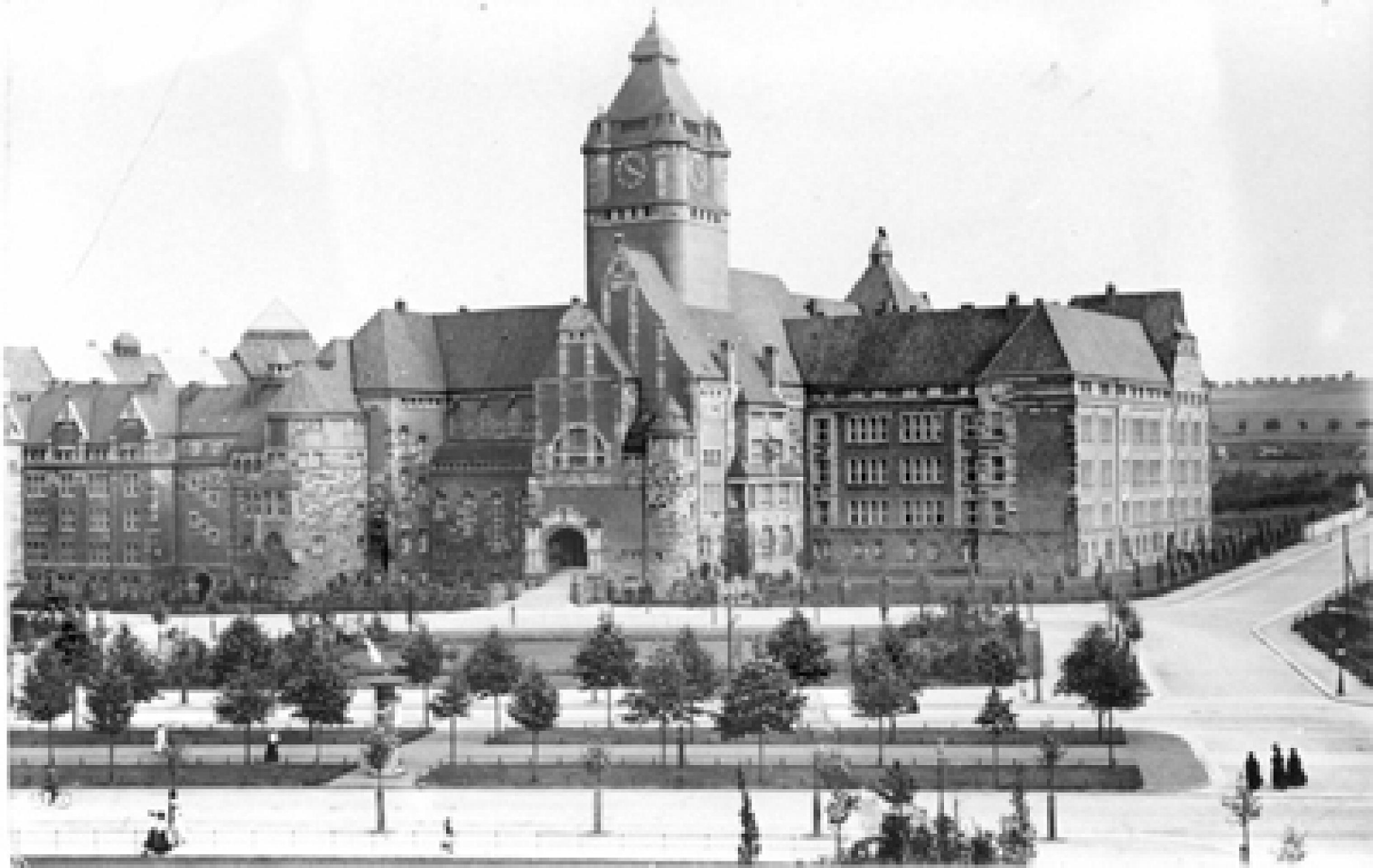
The Royal Saxon Regional Court was established in 1907. Since 1933, the National Socialists used it as a courthouse, a detention centre and an execution site. Saxon Special Courts, the »People's Court« and the Posen (today: Poznań, Poland) Higher Regional Court conducted a part of their trials here. Until about 1937, judgement was mostly passed on communists, social democrats and Jehovah's Witnesses, convicting them to long terms of imprisonment. Between 1937 and the beginning of the Second World War, more and more people were convicted of having breached the National Socialist race laws or of having criticised the regime. The number of death sentences that were carried out at the Dresden Regional Court rose substantially after the beginning of the war. Many of those executed here were political opponents from the Protectorate of Bohemia and Moravia as well as from the Sudetenland. After sentences had been passed by the Regional and Higher Regional Courts, the verdicts were carried out at the Münchner Platz execution site. Until February 1945, when the building was destroyed in an air raid, over 1,300 convicted men and women were executed by guillotine in the court's inner yard.
After the end of the war, Soviet security agencies used the courthouse as a detention centre, an interrogation site and a transit prison. Soviet military tribunals sentenced members of the NSDAP, people under arbitrary arrest and opponents of Stalinisation to long terms of imprisonment or to death. Others were taken to so called special camps without having been officially sentenced. At the same time, trials under the German judicial system concerning National Socialist crimes and later increasingly of critics and opponents of the SED regime took place in the building. Between 1952 and 1956, it was the central execution site of the German Democratic Republic's judicial system. There is evidence on the execution of 66 people during that period.
Victims
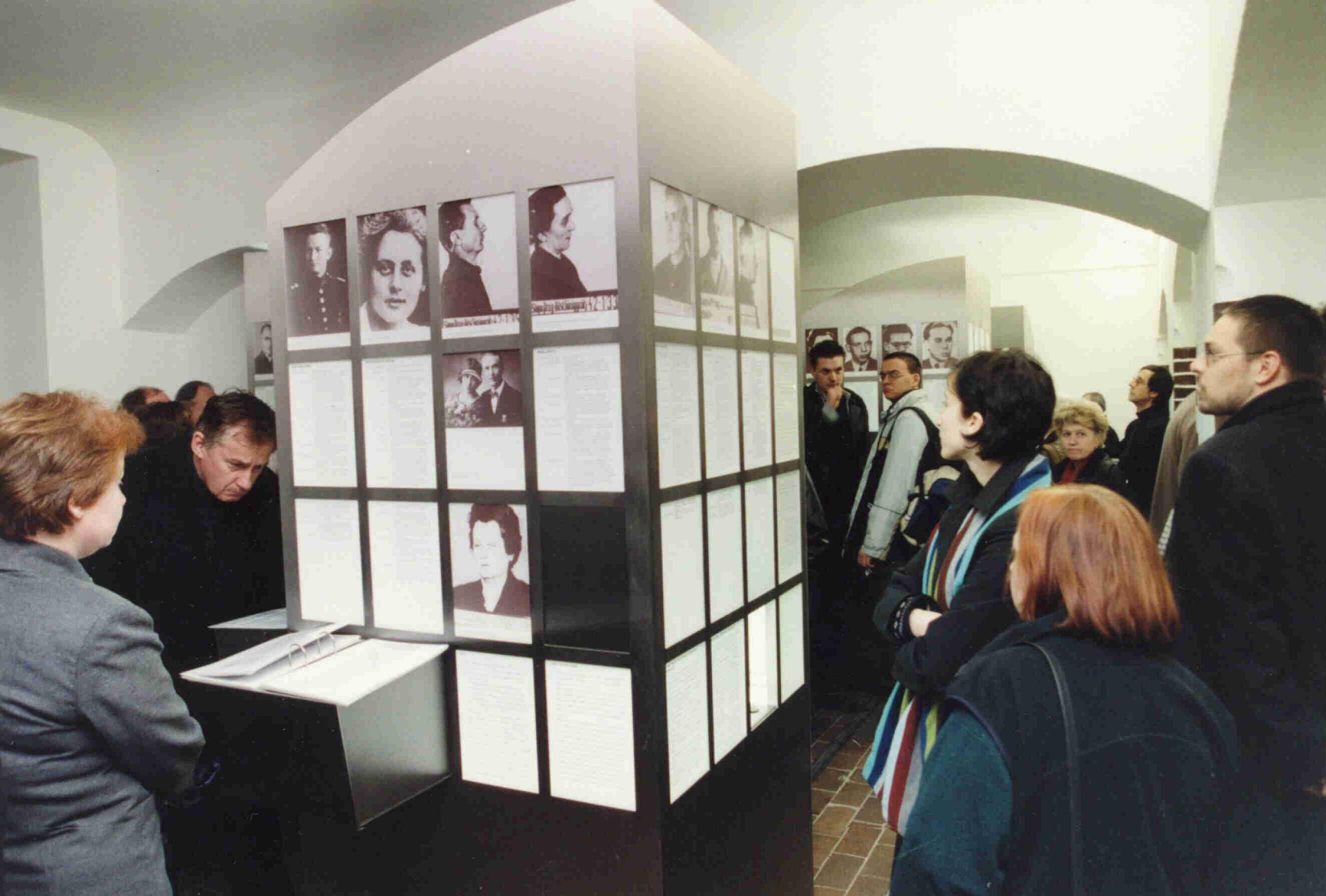
Evidence shows that between January 30, 1933, and February 8, 1945, 1,328 men and women were executed by guillotine in the building at Münchner Platz. Between destruction of the guillotine in February 1945 and the end of the war, an unknown number of people was shot in the execution yard. Around two thirds of the victims were Czech men and women. Among the victims were also German Wehrmacht deserters and anti-war activists who had been sentenced to death. Until July 1, 1943, when Jews were completely deprived of the right to trial by jury, Jews too were executed at Münchner Platz.
Remembrance
At the end of the 1950s, the building of the former Regional Court was acquired by the Dresden Technical College. In 1959, a »Memorial to the Antifascist Resistance Struggle« was opened in the part of the building that had once been the execution site. The exhibition only told about victims of the National Socialist regime. In 1992, the Münchner-Platz-Komitee e.V. (Münchner Platz Committee) organisation was founded as the memorial's sponsoring body. Since then, the research and educational work of the memorial also deals with the post-war verdicts and executions which took place at Münchner Platz. Since 1994, the Münchner Platz Dresden Memorial has been under administration of the Saxon Memorial Foundation. In 1996, the exhibition was closed due to the serious historical faults it contained. Since then - in addition to the death cells and the execution yard - the rooms of the memorial have displayed temporary exhibitions. Together with the Technical University of Dresden, the memorial plans to open a comprehensive permanent exhibition on the political judiciary under the National Socialist dictatorship, under Soviet occupation and in the early days of the GDR.
Possibilities
Temporary exhibitions on central themes of the historic site, smaller travelling exhibitions in the memorial's event room, guided tours, readings and discussions organised on a regular basis, educational work with school groups, archive and library
Open
Monday to Friday 10.00 a.m. to 4.00 p.m., Saturday and Sunday 10.00 a.m. to 6.00 p.m.
Contact
https://www.stsg.de/cms/dresden/startseite
muenchnerplatz.dresden@stsg.de
+49 (0)351 463 319 90
George-Bähr-Straße 7
01069 Dresden