Museum and Documentation Centre of Deportation and Italian Resistance
Museo della deportazione e centro di documentazione della deportazione e della resistenza
In March 1944, 135 residents of Prato were deported by the German occupying forces to Mauthausen for having taken part in a general strike; only 20 of them survived. On September 6, 1944, the day Prato was liberated, members of the retreating Wehrmacht hanged 29 partisans in nearby Figline. In 2002, the Museum and Documentation Centre of Deportation and Italian Resistance was opened. Dedicated to victims of both events, it presents information about persecution and resistance in all of Tuscany.
History
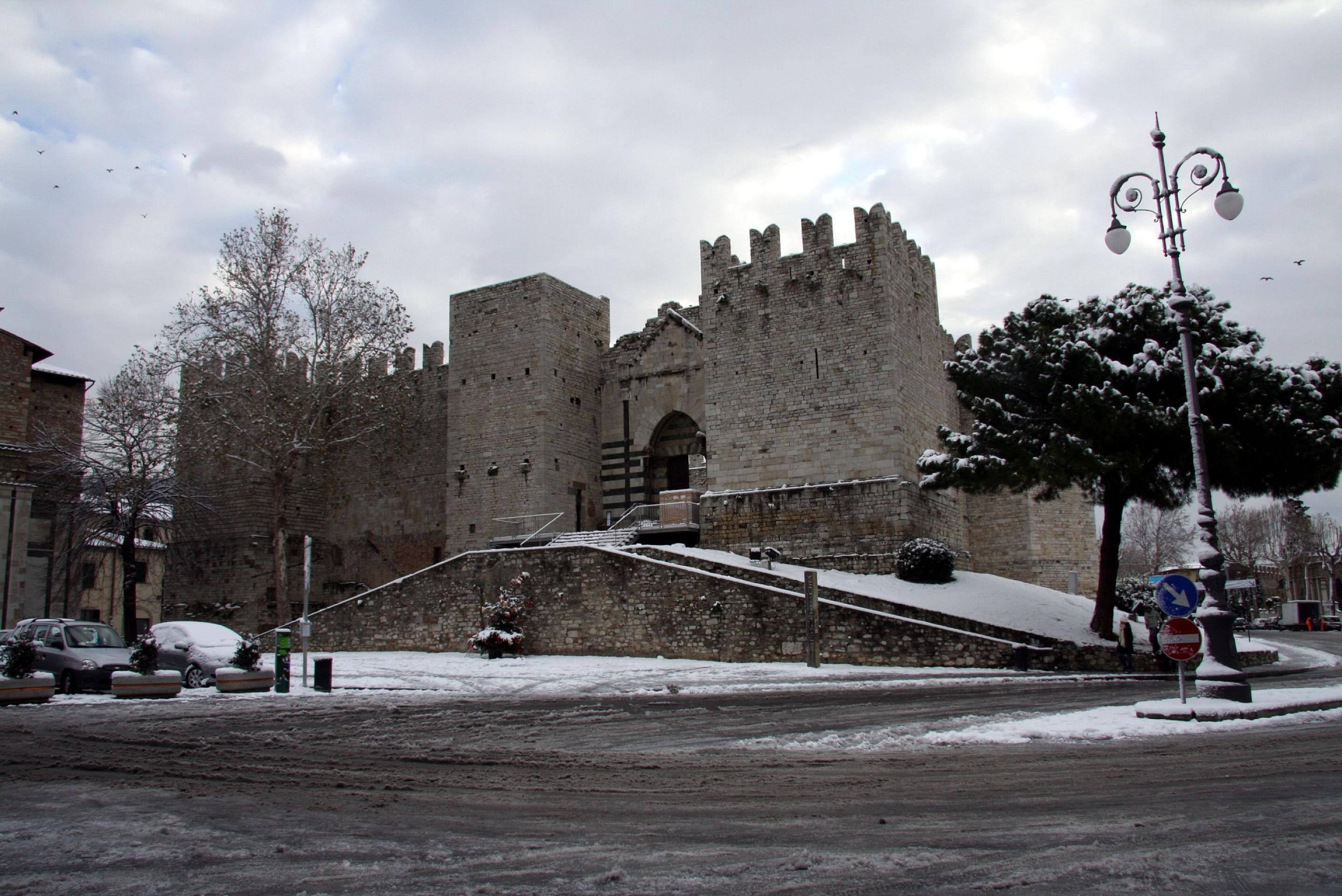
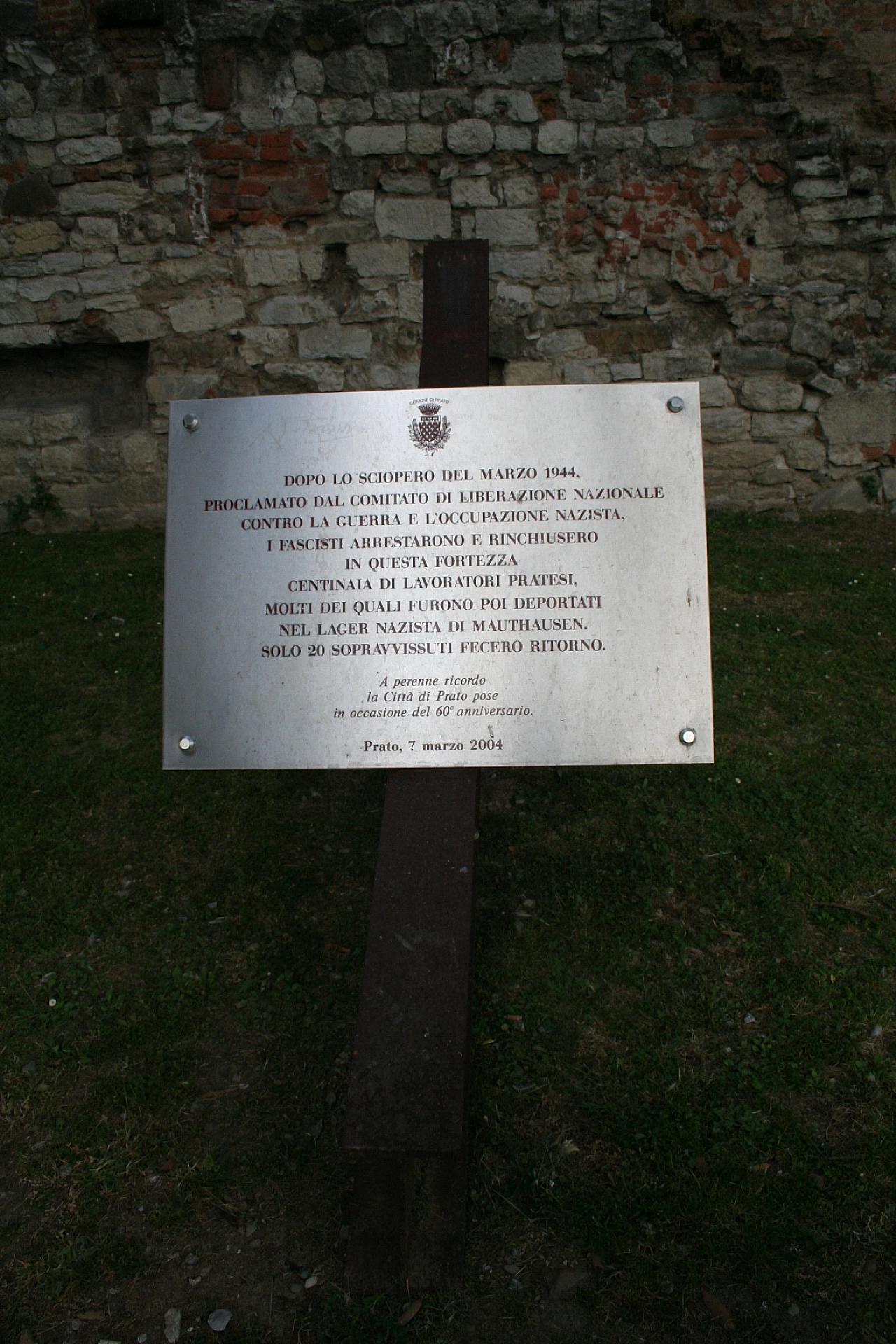
Tuscany and its capital Florence were part of the »Italian Social Republic« (Italian: Repubblica Sociale Italiana, RSI) – a fascist puppet state under German occupation – from September 23, 1943 on. The labour movement had traditionally been very strong in this industrialised region, and so an active resistance movement developed. In the first days of March, 1944, the »Committee for National Liberation« (Italian: Comitato di Liberazione Nazionale) organised a general strike. About 500,000 workers from all of northern and central Italy took part. This was the first such expression of broad resistance to the fascist regime and the German occupation. The RSI authorities launched a wave of raids in reaction, and many civilians in Tuscany fell victim to the reprisal. Most of them were taken into »protective custody« by local police units, gathered in a school building on the Piazza Santa Maria Novella in Florence and handed over the SS. They were subsequently deported: 135 residents of the city of Prato were deported on a transport carrying a total of 597 people to the Mauthausen concentration camp. They had previously been imprisoned in the medieval Castello dell'Imperatore of Prato. Most of them were later transferred to the Ebensee satellite camp. Many of the prisoners died of the catastrophic conditions at the Mauthausen camp complex.
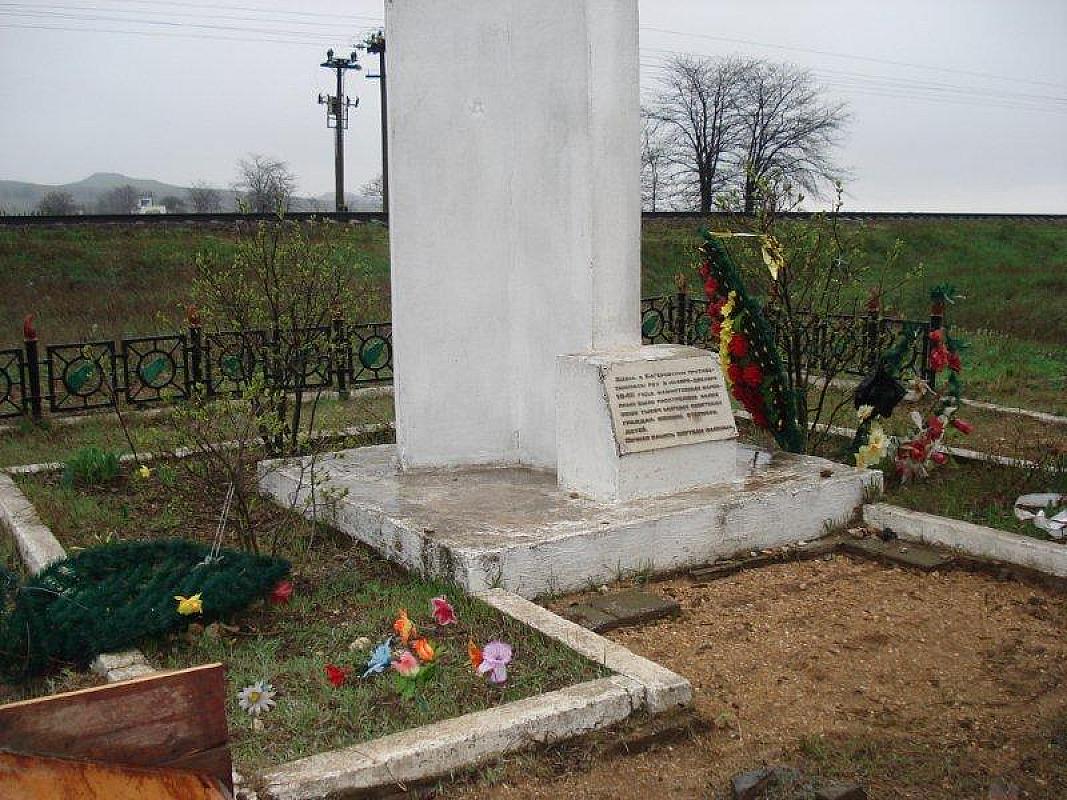
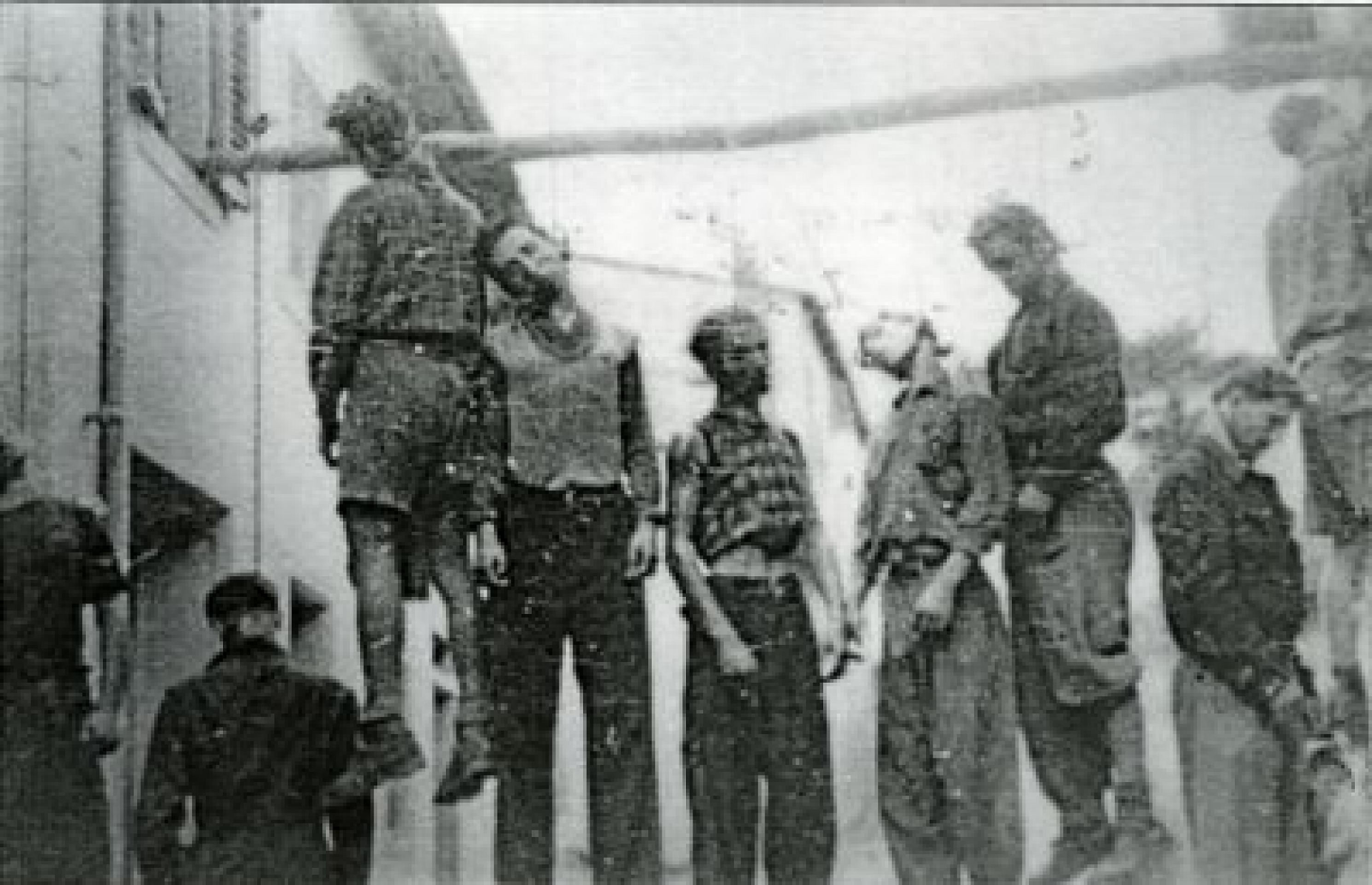
In 1944, a partisan unit comprising about 250 men under the command of Bogardo Buricchi was active in the region of Prato. In the night of September 5/6, 1944, part of the brigade was on the way to Prato to take part in the liberation of the city. Members of a Wehrmacht unit, under the command of major Karl Laqua, discovered the partisans and took 35 of them capitve; 29 of them were publicly hanged in the Figline district of Prato.
Victims
Following the general strike, hundreds of people were deported from Tuscany to concentration camps. Among them were 135 citizens of Prato, mostly textile workers. In total, the German occupying forces and local police units arrested and deported 675 Jews and about 1,000 political prisoners, including 152 residents of Prato, of which only 24 survived.
The Buricchi brigade, which the 29 hanged partisans had been members of, comprised mostly young local men, and a few fugitive Russian prisoners of war. According to sources at the military archive in Freiburg, there were 7 Russians among the 35 partisans from the Buricchi brigade who were arrested on September 6, 1944. The identities of 29 men killed have not been determined.
Remembrance
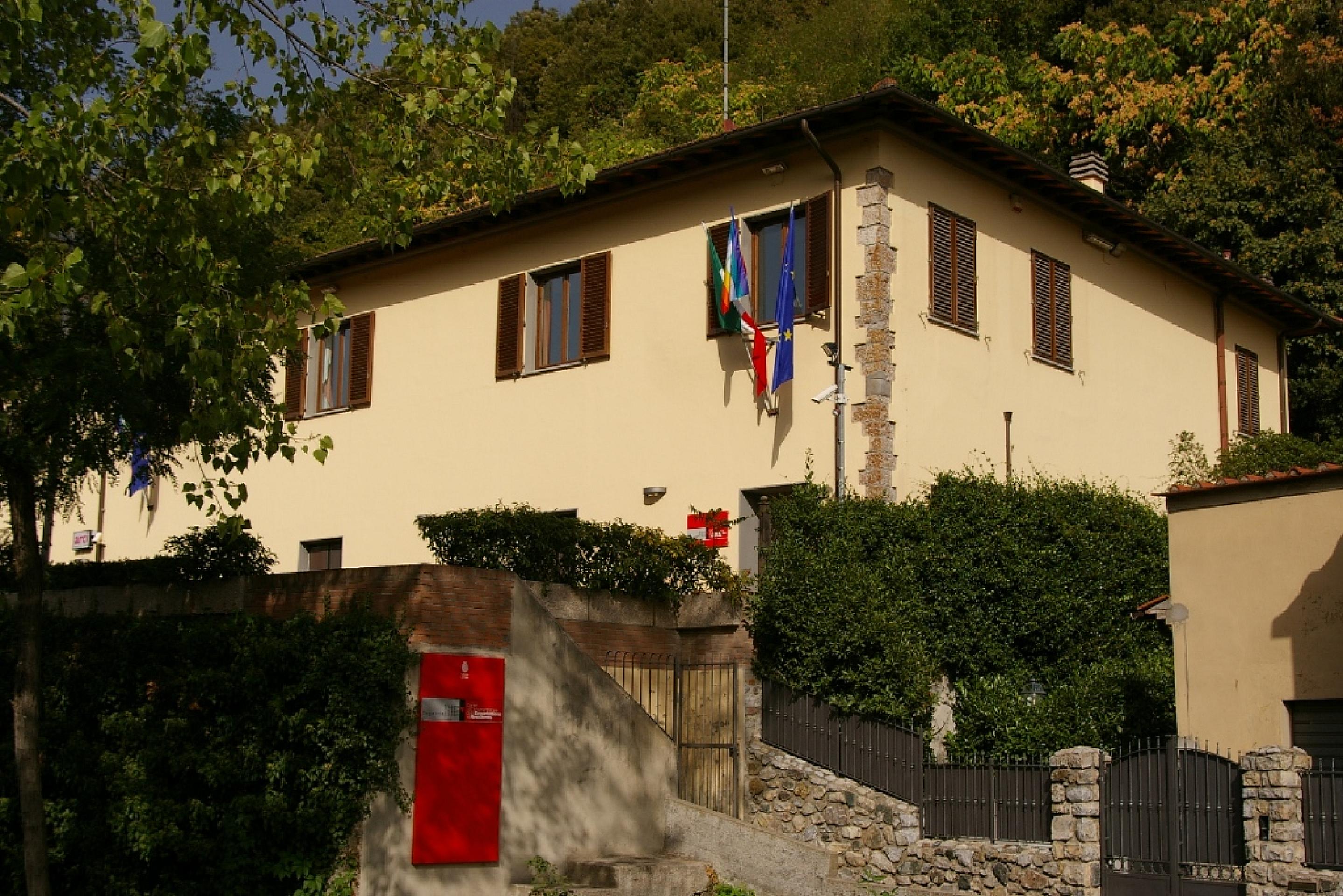
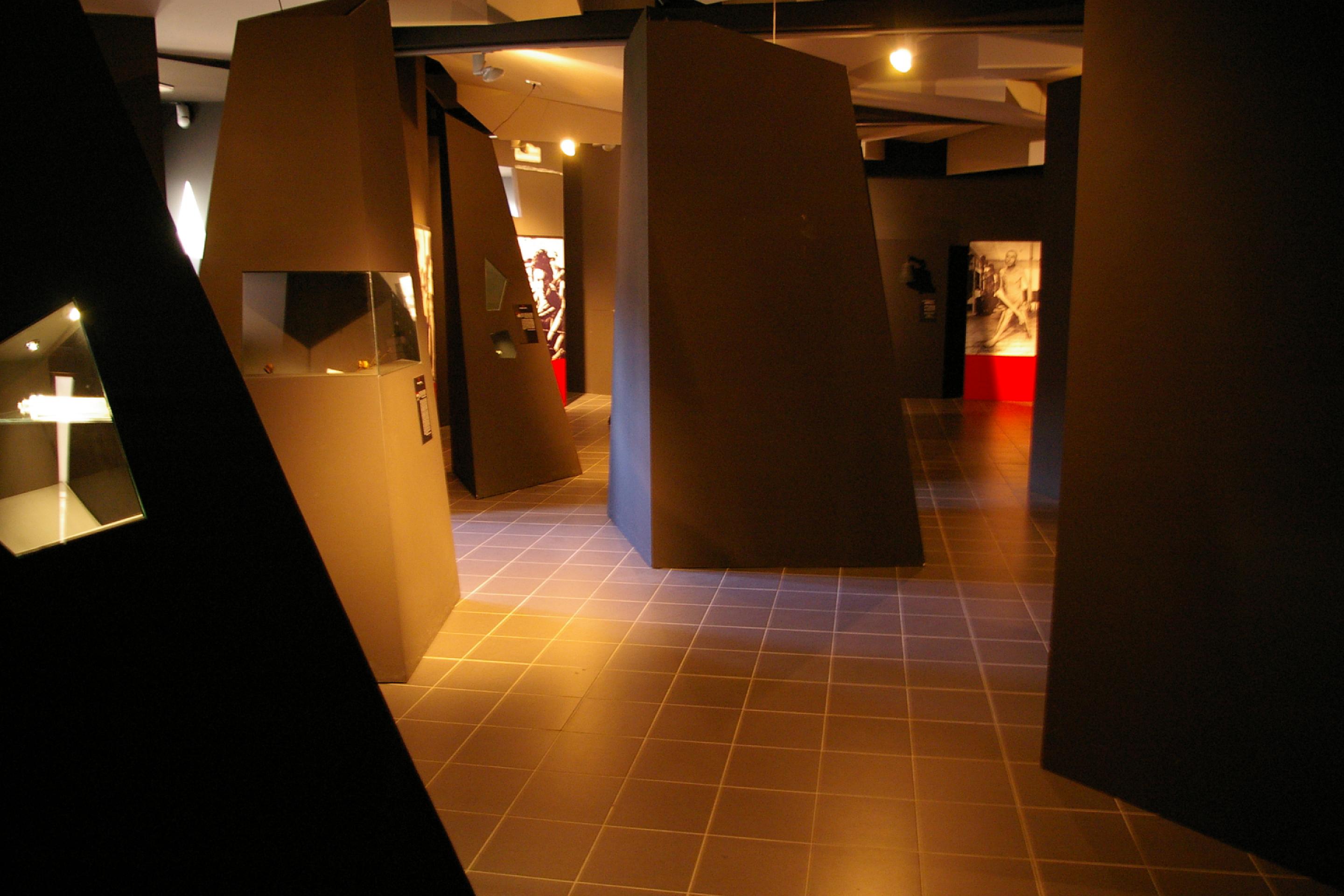
The Museum of Deportation and Italian Resistance and affiliated documentation centre are in direct vicinity of the site where the 29 partisans were hanged. The complex was opened on April 10, 2002. Its foundation was initiated by some of the few survivors from Prato, especially Roberto Castellani.
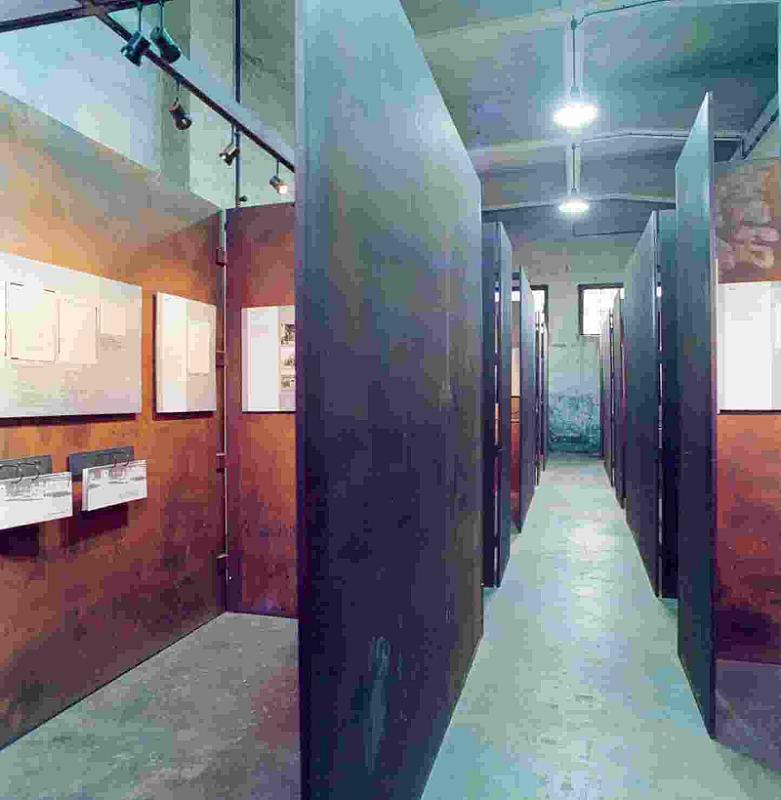
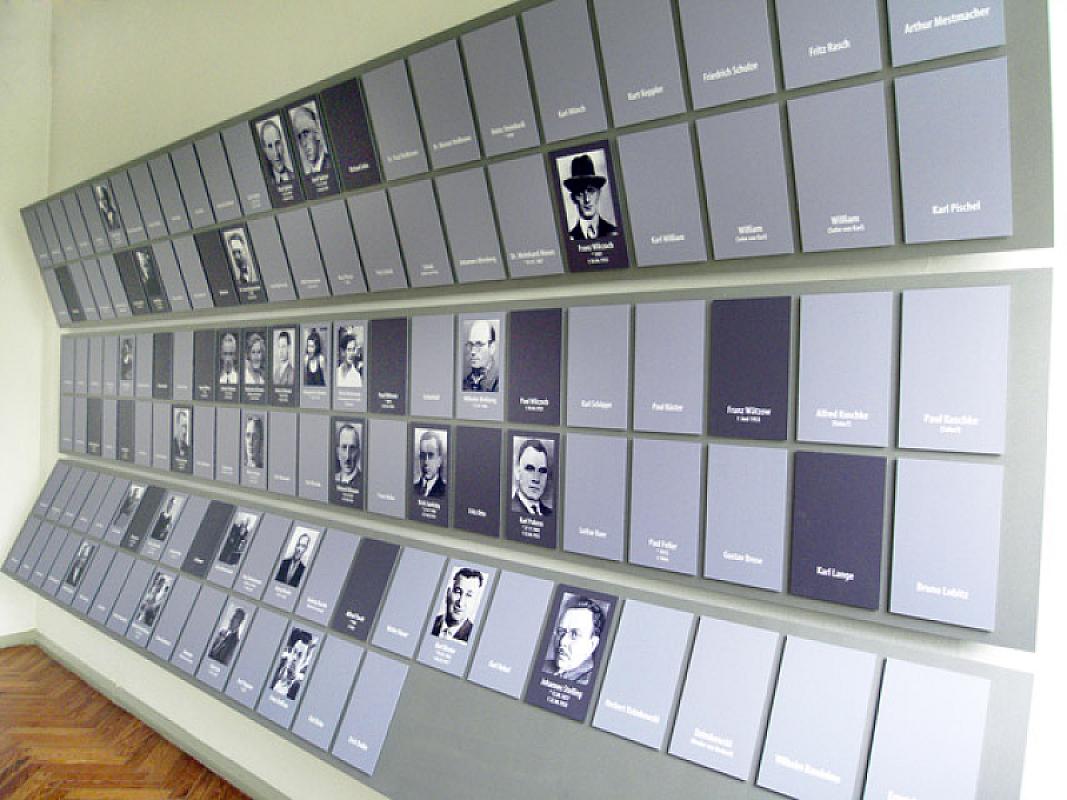
It was first administered by the community of Prato; since February 2008, it has been run by a foundation which was established jointly by the municipalities in the Prato province, the National Association of Italian Political deportees from Nazi Concentration Camps (ANED), the National Association of Italian Partisans (ANPI) and the Jewish community of Florence. The aim of the foundation is to facilitate research and education on persecution and resistance under fascism and German occupation, particularly on a regional level. The museum displays personal testimonies and objects belonging to the deportees, for example from the Ebensee camp. The documentation centre collects material on persecution and resistance, especially in Tuscany. Some of the material came from the State Archive in Berlin and the Mauthausen and Ebensee memorials in Austria. The centre closely cooperates with the Museum for Contemporary History in Ebensee; the towns of Prato and Ebensee have been twin towns since 1987.
At the Castello dell'Imperatore a small memorial plaque has been set up in memory of the citizens of Prato, who were first imprisoned in the castle and were later deported to Mauthausen via Florence.
Possibilities
Library, media library with material in English and in German, film screenings, guided tours for groups by appointment, »Treno della memoria« project (Train of Remembrance) with regular excursions to the Auschwitz Concentration Camp Memorial, cooperation with the Ebensee Concentration Camp Memorial
Open
Museum: October to May
Monday, Wednesday, Thursday and Friday 9 a.m. to 12.30 p.m., Monday, Thursday, Saturday and Sunday 3 p.m. to 6 p.m.
June, July and September
Monday, Thursday, Saturday and Sunday 4 p.m. to 7 p.m., Wednesday and Thursday 9.30 a.m. to 12.30 p.m.
Contact
http://www.museodelladeportazione.it/
info@museodelladeportazione.it
+39 (0)574 470 728
Via di Cantagallo 250
59100 Prato