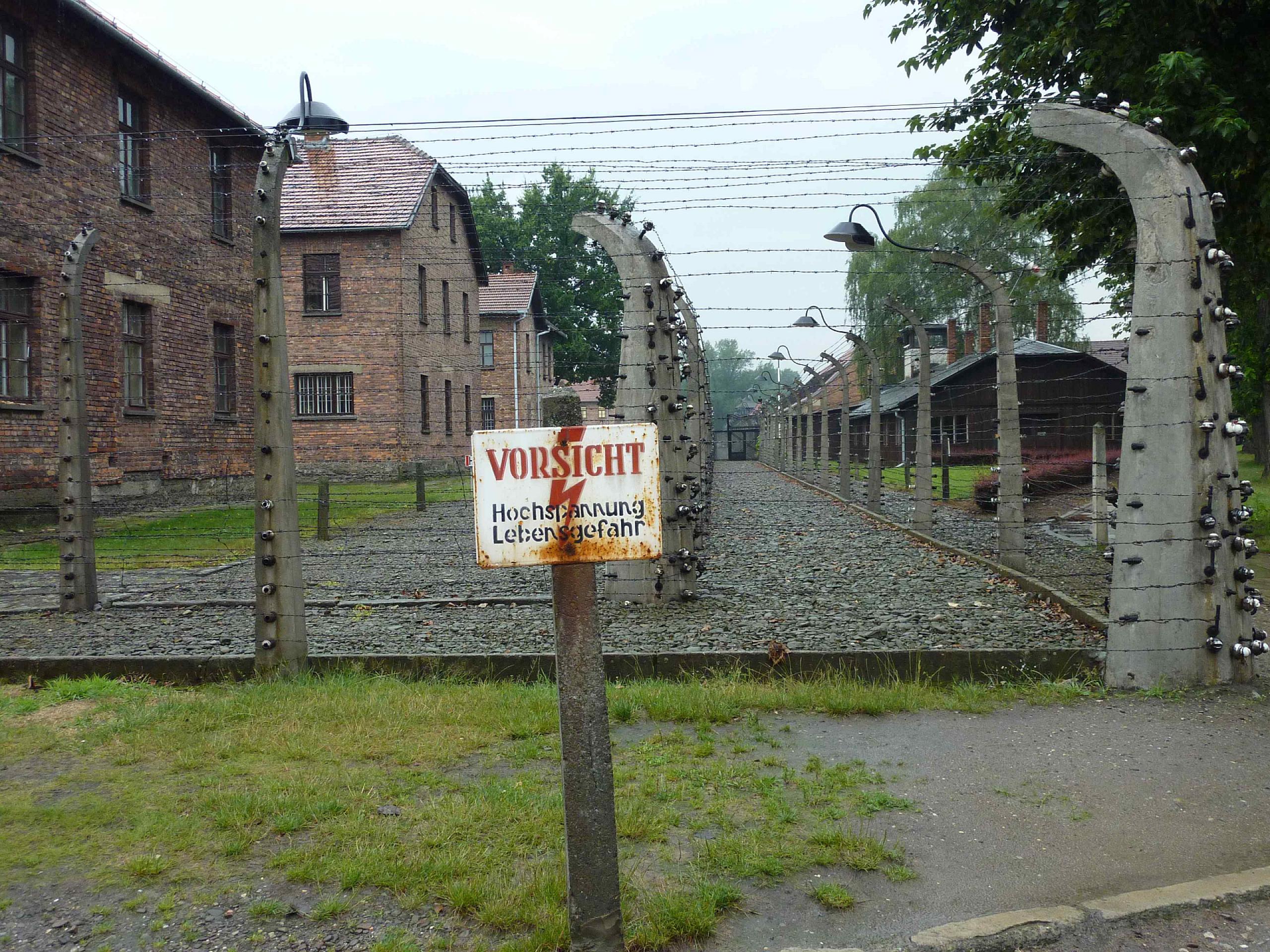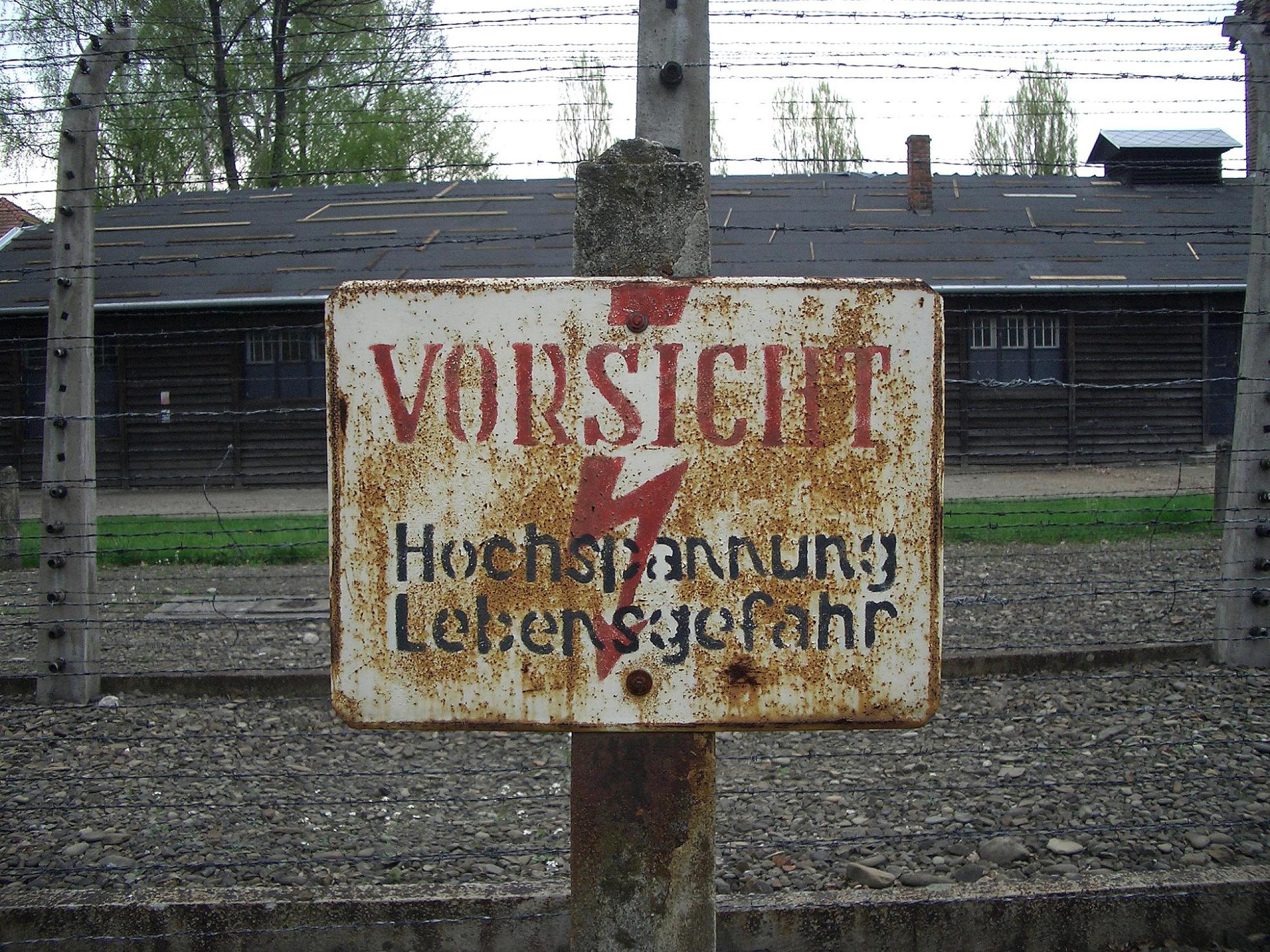
Auschwitz, the largest National Socialist concentration and extermination camp, has come to be synonymous with the Holocaust. Here, members of the SS murdered about a million Jews, tens of thousands of Polish political prisoners, Soviet prisoners of war as well as Sinti and Roma during World War II. Beginning 1940, the SS established a camp complex comprising 38 satellite camps 70 kilometres west of Cracow. Today, the state-run Museum and Memorial Auschwitz-Birkenau commemorates the victims.
History
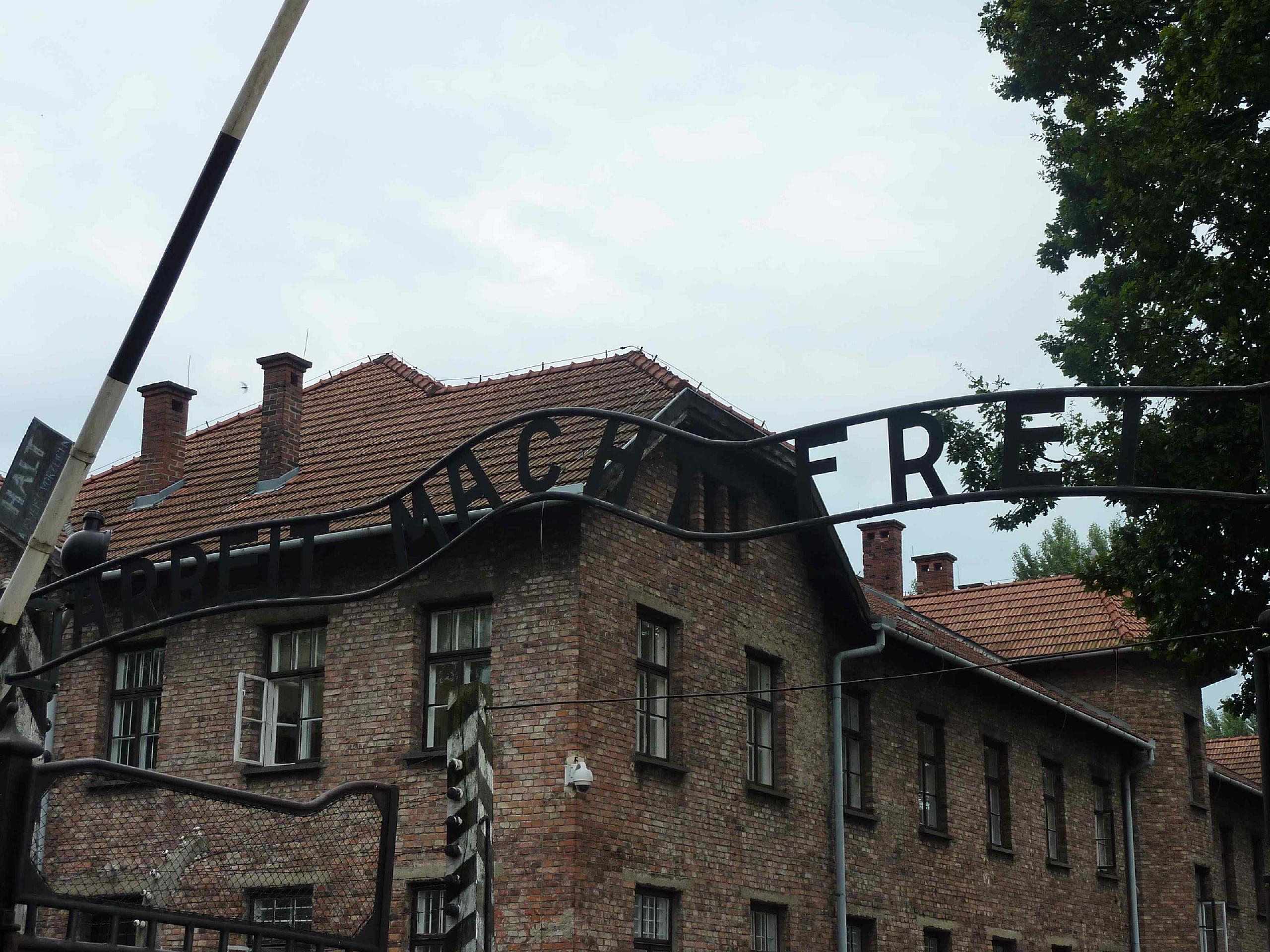
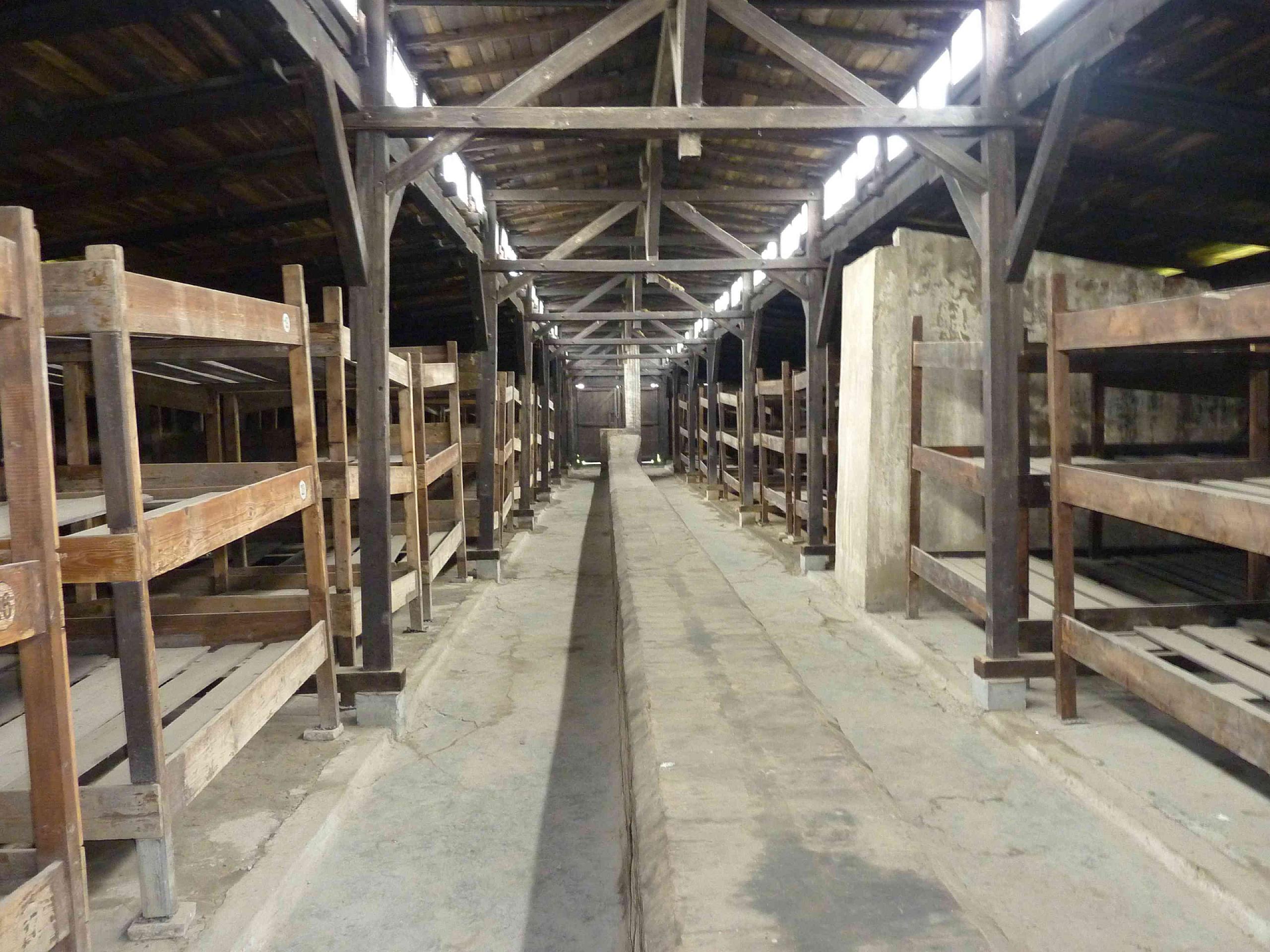
Before World War I, the small Polish town of Oświęcim was part of the Austro-Hungarian Empire. Located in close vicinity of Upper Silesia, the town was occupied by the German Wehrmacht already on September 4, 1939. It was soon renamed Auschwitz and annexed to the German Reich in October 1939. The region was immediately »germanized«, and local prisons were soon crowded with Polish intellectuals, political opponents and clergymen. In early 1940, the SS established the »Auschwitz I« concentration camp (main camp) in former army barracks, intended for interning Polish political prisoners. Later, Soviet prisoners of war were also brought here. At first, prisoners had to extend the camp or conduct forced labour in SS-owned factories. Thousands were shot, hanged or subjected to brutal and frequently fatal medical experiments. At the beginning of September 1941, Zyklon B poison gas was used for the first time in the murder of 850 Soviet POWs, Poles and Jews by the SS.
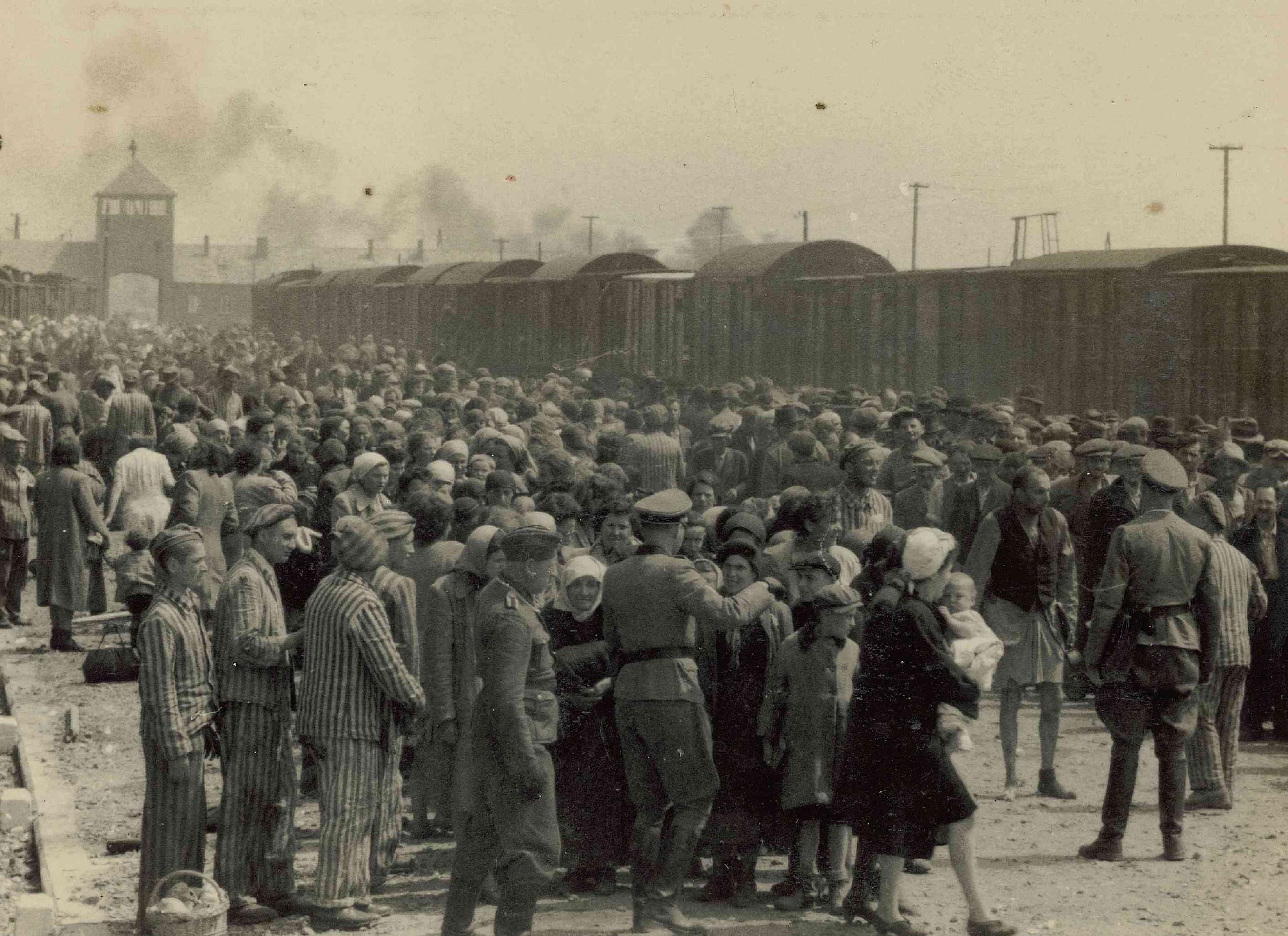
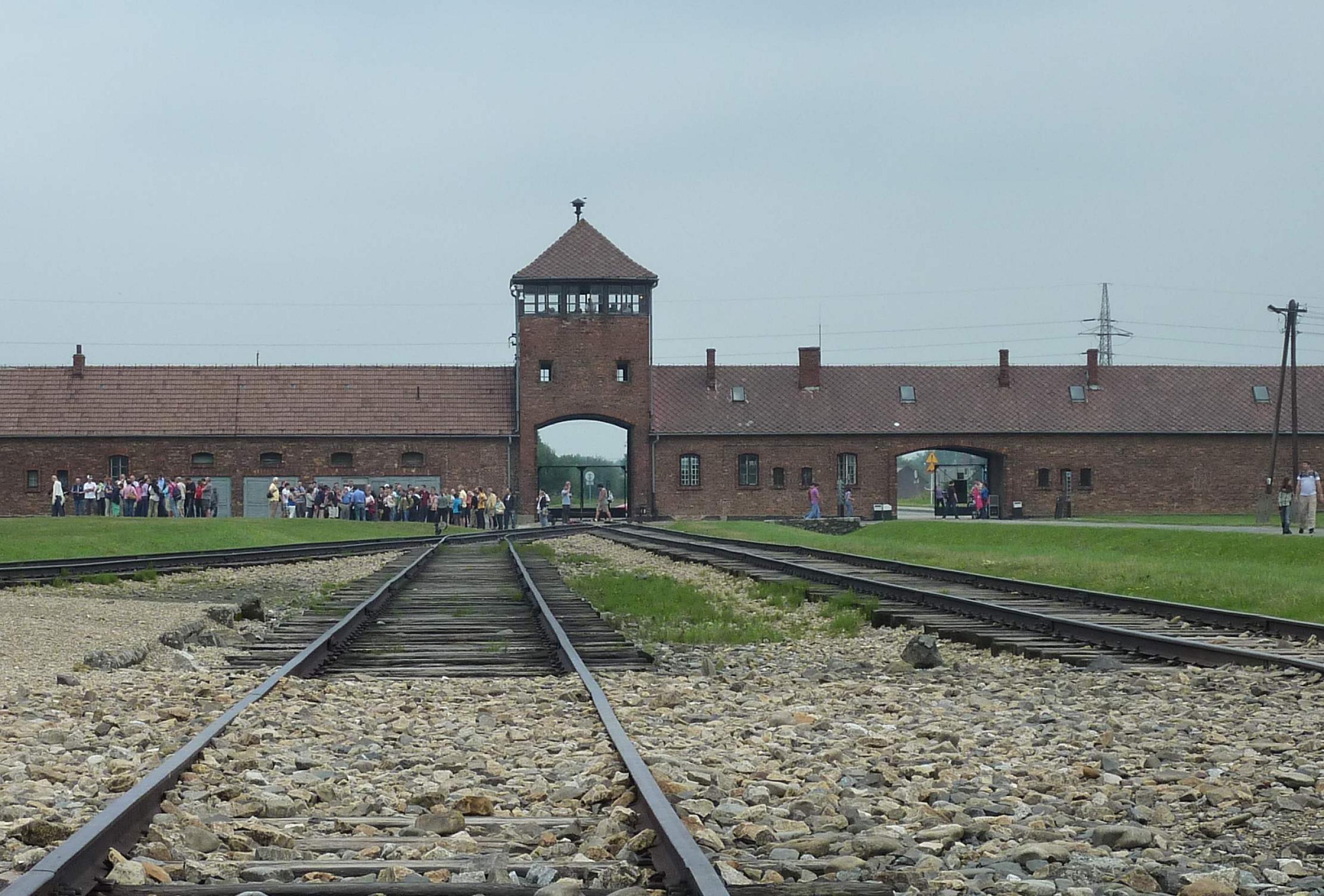
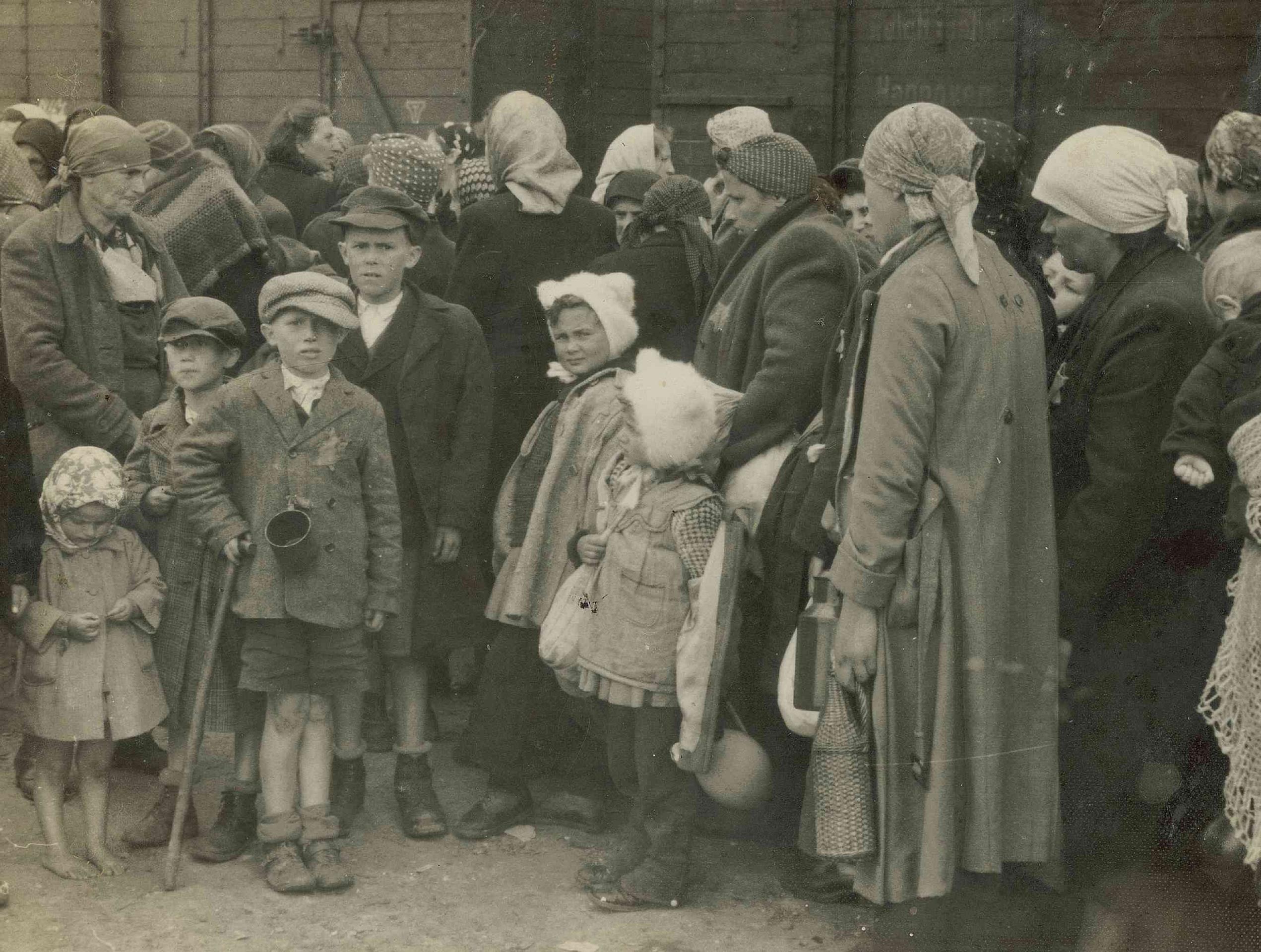
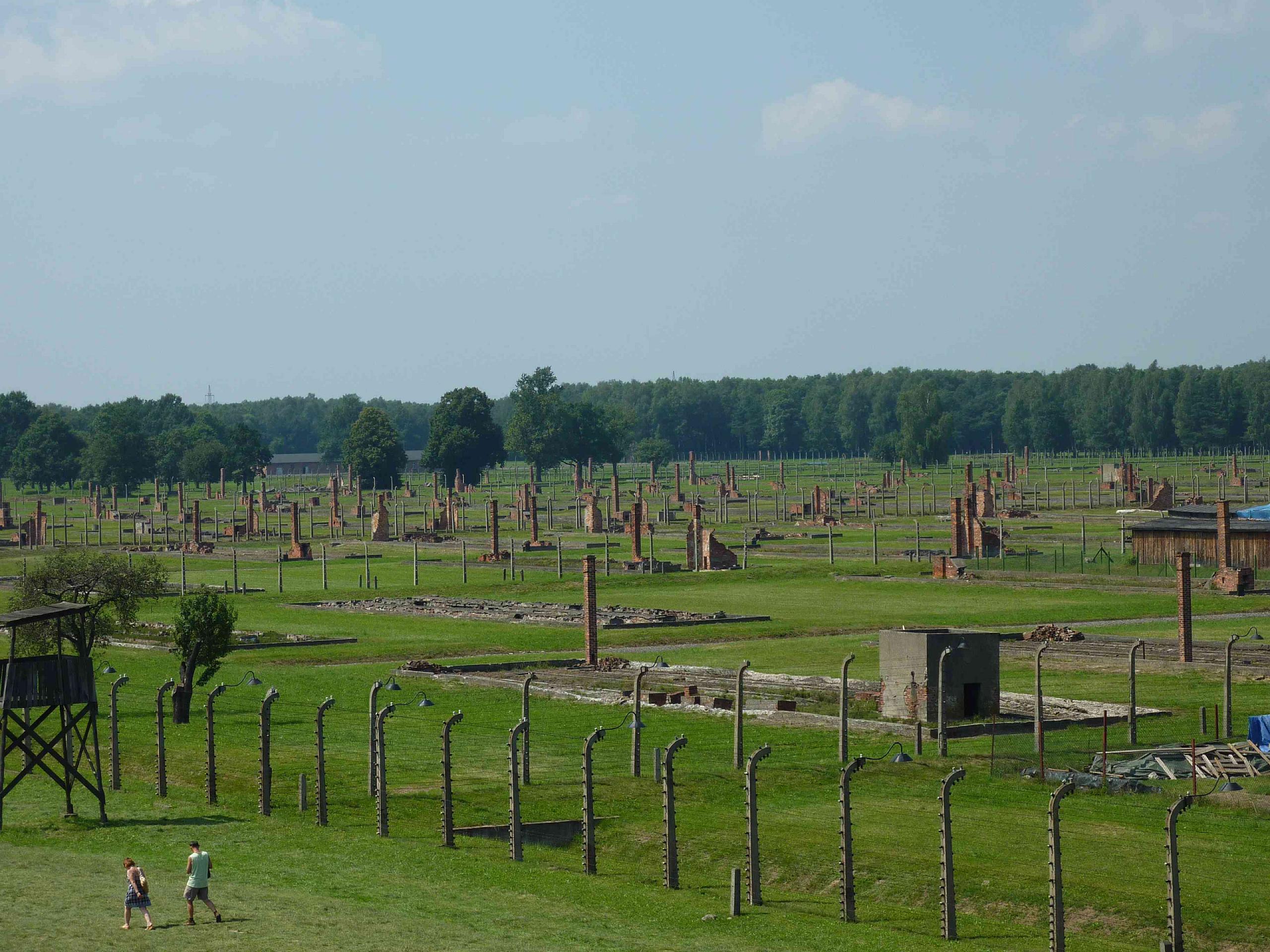
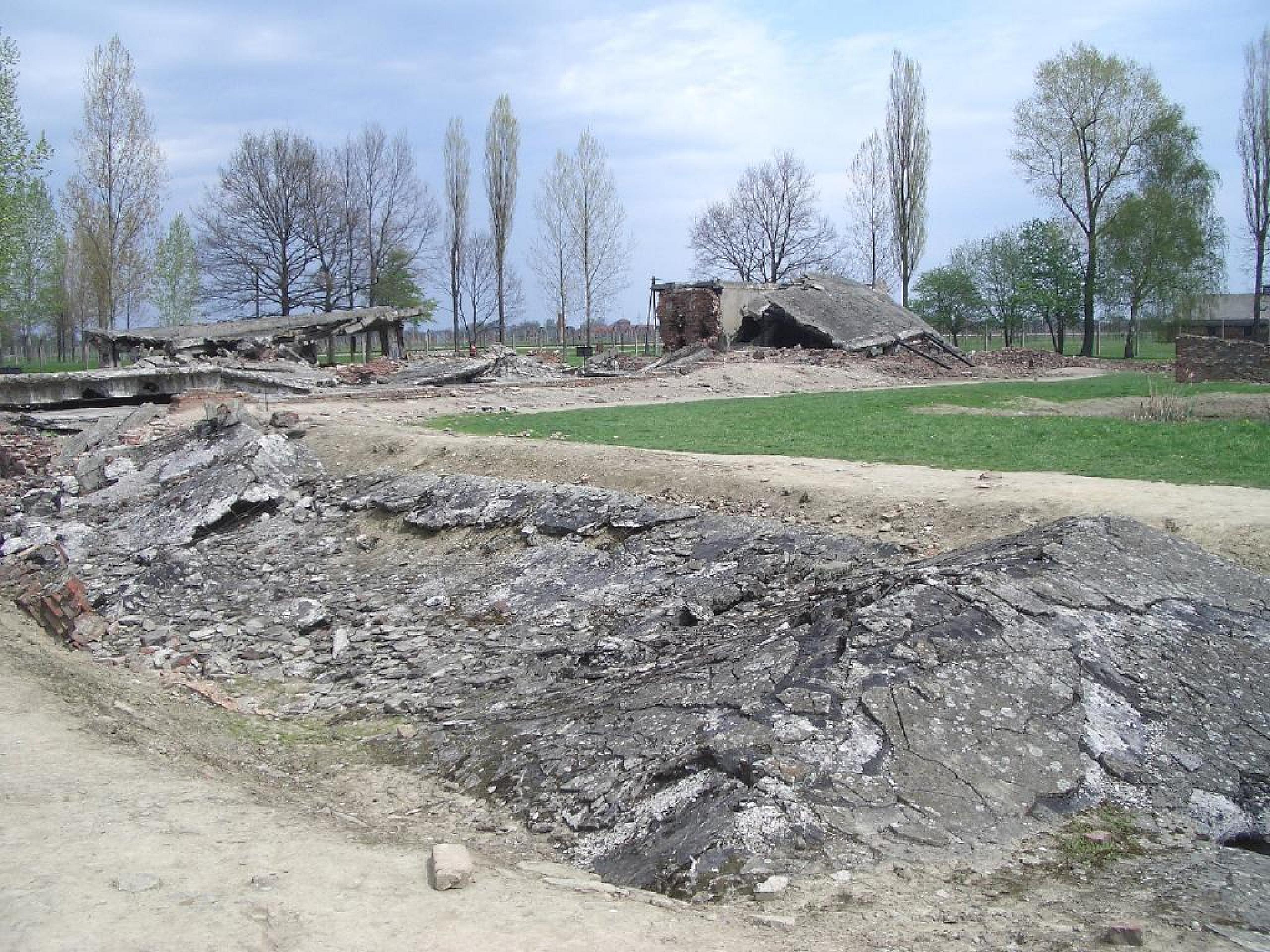
In October 1941, the »Auschwitz II-Birkenau« extermination camp was established about three kilometres away from the main camp; at the end of 1941, the SS built gas chambers at Birkenau, and beginning in the spring of 1942, systematically murdered Jews from all over Europe with Zyklon B. The SS carried out »selections« of the newly arrived prisoners. Those deemed fit for labour were deployed in forced labour, for example at the IG Farben-owned Buna rubber works at »Auschwitz III-Monowitz«. The elderly, the weak as well as children were immediately sent to the gas chambers. As the Red Army was advancing, Heinrich Himmler ordered a suspension of the killings and had the gas chambers and crematoriums blown up in November 1944. In mid-January 1945, the SS chased 58,000 prisoners on death marches towards the German Reich in the freezing cold. Special killing units murdered several hundred prisoners – witnesses of the mass murder – on January 20, before Soviet troops reached the camp on January 27, 1945.
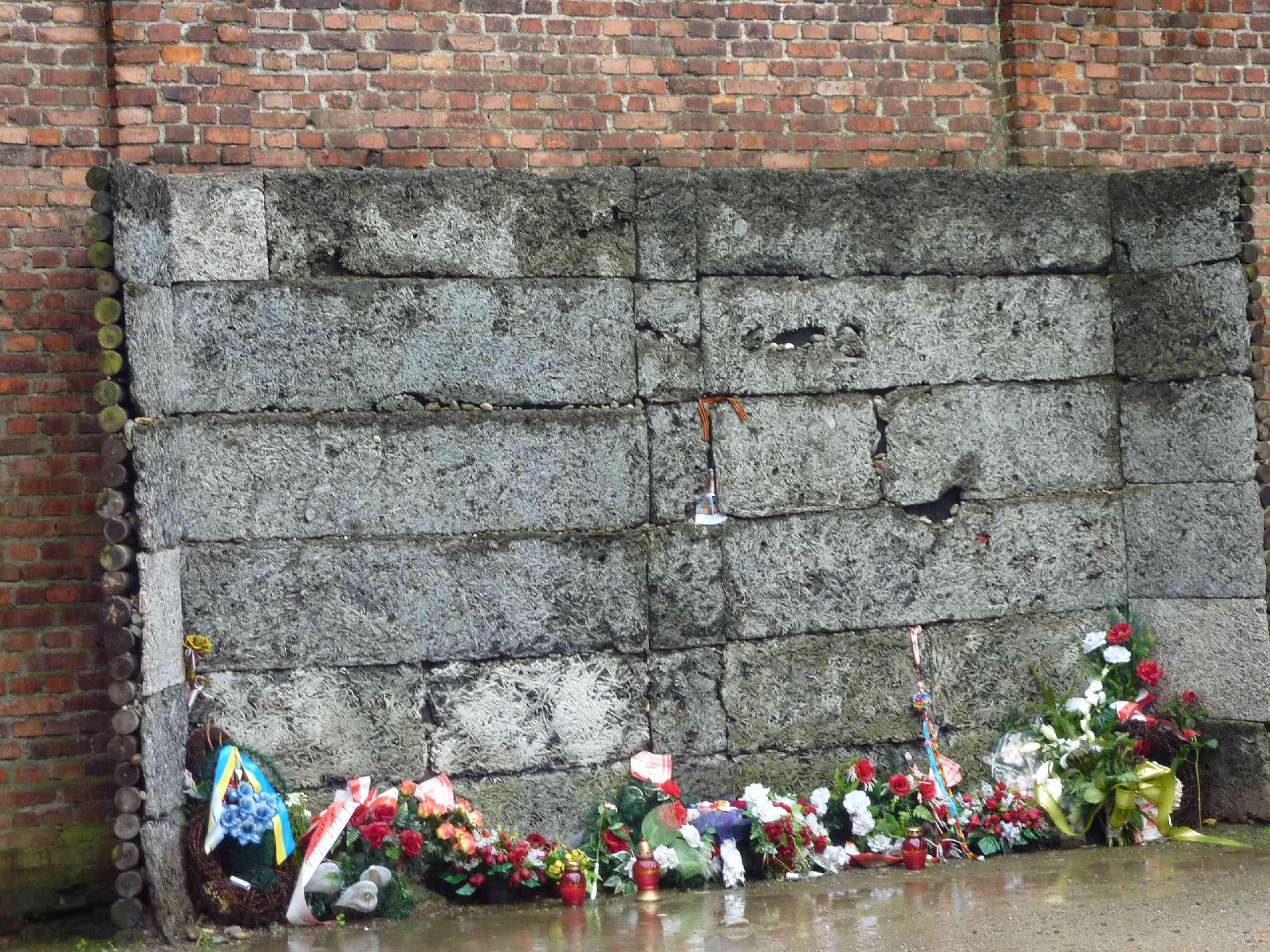
Victims
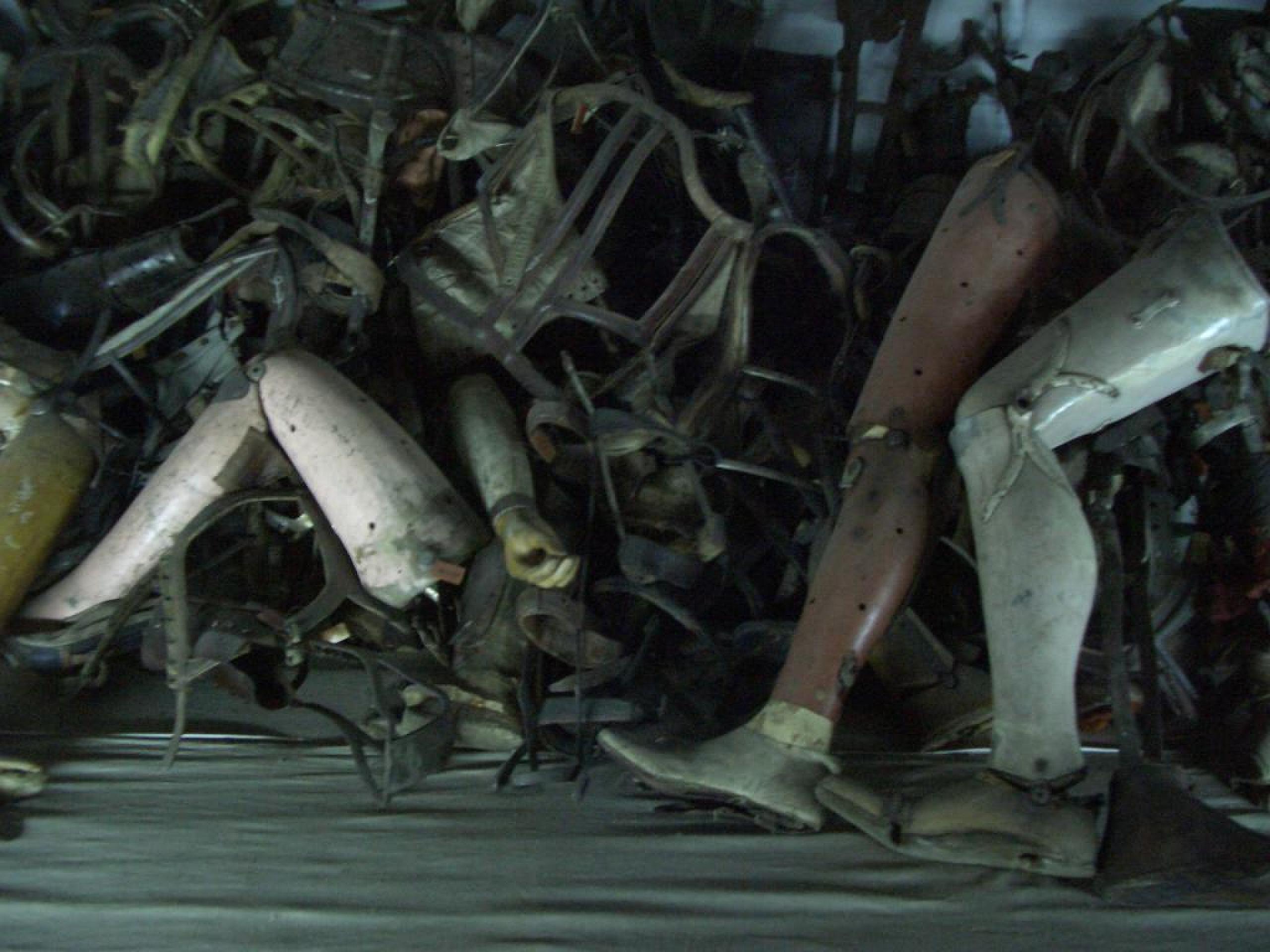
When Red Army units liberated the camp on January 27, 1945, they found about 7,000 ill and exhausted prisoners. By then, over one million people had been systematically murdered, others died of the inhumane conditions at the camp.
During the first two years of operation, the main camp was primarily used to detain political prisoners from Poland and prisoners of war from the Soviet Union. From the spring of 1942 on, Birkenau became the centre of the systematic mass murder of European Jewry.
About 100,000 Jews were assigned to forced labour and registered as prisoners; only 30,000 of them survived. Approximately 960,000 Jews from Hungary, Poland, France, the Netherlands, Greece and other countries occupied by Germany were murdered immediately upon arrival, about half of them during the last year of war. Moreover, the SS murdered 70,000 to 75,000 Poles, 21,000 Sinti and Roma, 15,000 Soviet POWs and 10,000 to 15,000 prisoners of other origin at the Auschwitz concentration camp complex.
Remembrance
In the summer of 1945, the Red Army handed over the camp premises to Polish authorities. Commemorating the camp was mainly left to former political prisoners: In 1946, they founded an association, began guiding visitors on the camp premises, protected the area from vandalism and established an archive.
On July 2, 1947, the memorial was officially opened, centred around the area of the former main camp. The exhibition concentrated on the fate of the Polish prisoners and the victimhood of the Polish nation. The systematic murder of Jews was embedded in the portrayal of the persecution of various nations and altogether secondary in the historical narrative. Between 1960 and 1985, 13 states created their own exhibitions in buildings of the former main camp.
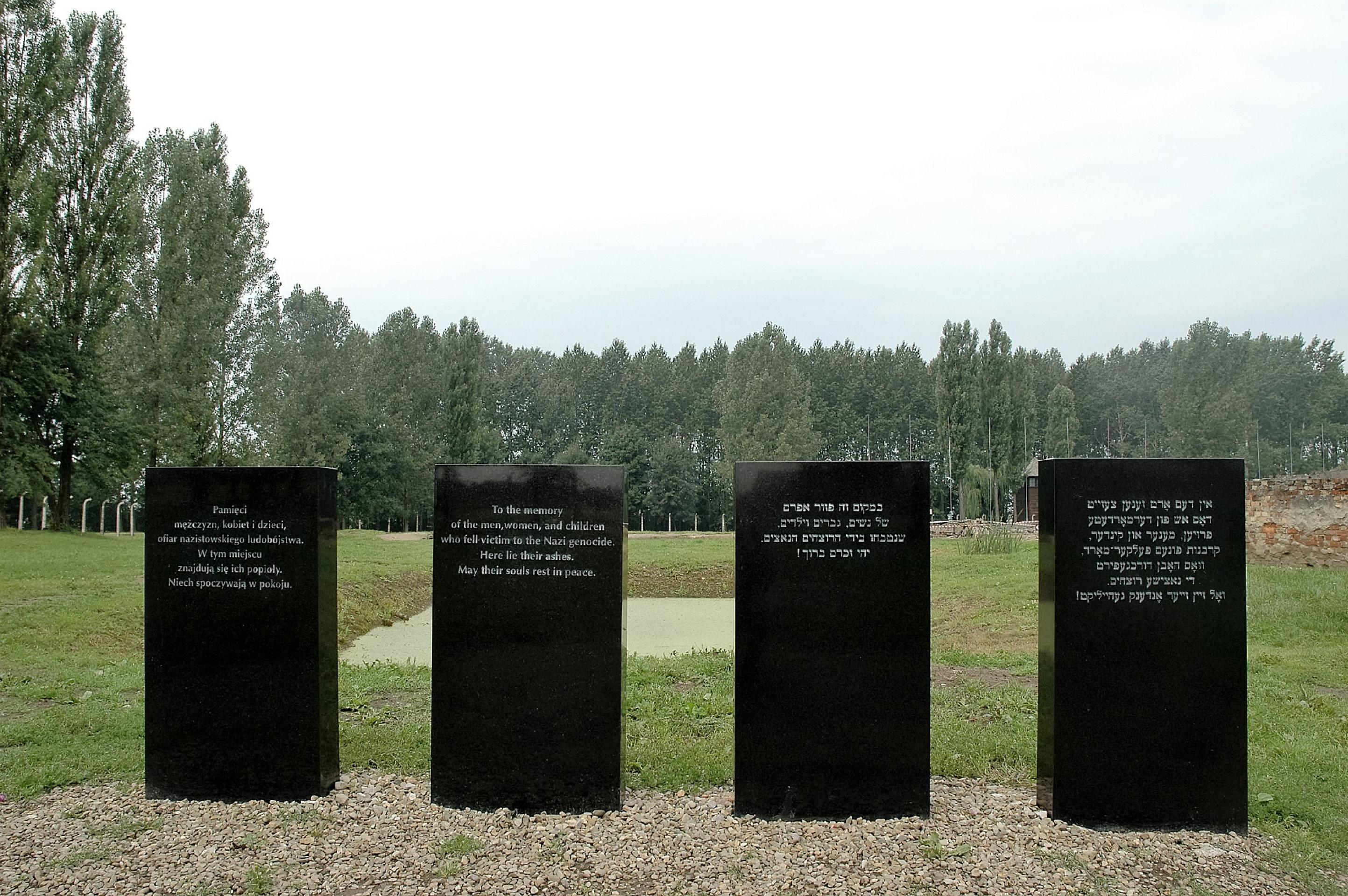
In 1967, a monument which was the joint work of Polish and Italian artists was inaugurated on the area of the former extermination camp at Birkenau (Polish: Brzezinka). Despite this, the memorial site at Birkenau was neglected for a long time and only after the political transformation of 1989 did it become more strongly integrated into the memorial's work.
In the autumn of 1989, the first non-communist prime minister of Poland since 1945, Tadeusz Mazowiecki, initiated the reorganisation of the Auschwitz Memorial. Holocaust researchers were also consulted in the restructuring process. Old inscriptions in the former Birkenau camp which cited the number of victims at four million were removed. For the first time, the information presented made clear that the majority of the over one million victims of the Auschwitz camp complex were Jews.
Possibilities
Permanent exhibition, guided tours, publications, lectures, seminars, conferences, workshops, archive, research
Open
December daily 7.30 a.m. to 2 p.m.,
January, November daily 7.30 a.m to 3 p.m.,
February daily 7.30 a.m. to 4 p.m.,
April, May, September daily 7.30 a.m. to 6 p.m.,
June, July and August daily 7.30 a.m. to 7 p.m.
Closed on January 1, December 25 and the first day of Easter
Contact
muzeum@auschwitz.org
+48 (0)33 844 8100
ul. Więźniów Oświęcimia 20
32-603 Oświęcim