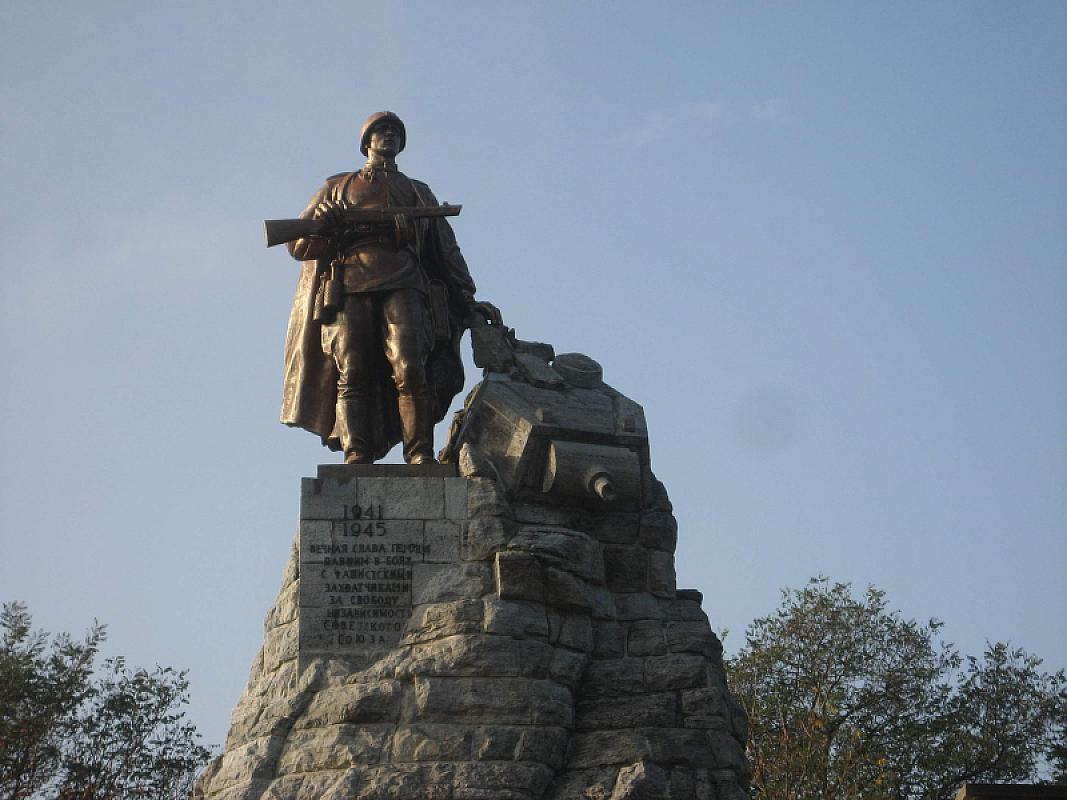
Museum for Contemporary History and Ebensee Concentration Camp Memorial
Zeitgeschichte Museum und KZ-Gedenkstätte Ebensee
Ebensee concentration camp was established by the SS in 1943 as a satellite camp of the Mauthausen concentration camp. The camp was located around four kilometres outside the township of Ebensee in the Upper Austrian Salzkammergut region. Thousands of concentration camp prisoners had to conduct forced labour building underground tunnel systems for German war production. In 1946, a cemetery for the victims of the concentration camp was laid out. In 1996, a permanent exhibition on the history of the Ebensee concentration camp was inaugurated; in 2001, a museum was opened.
History
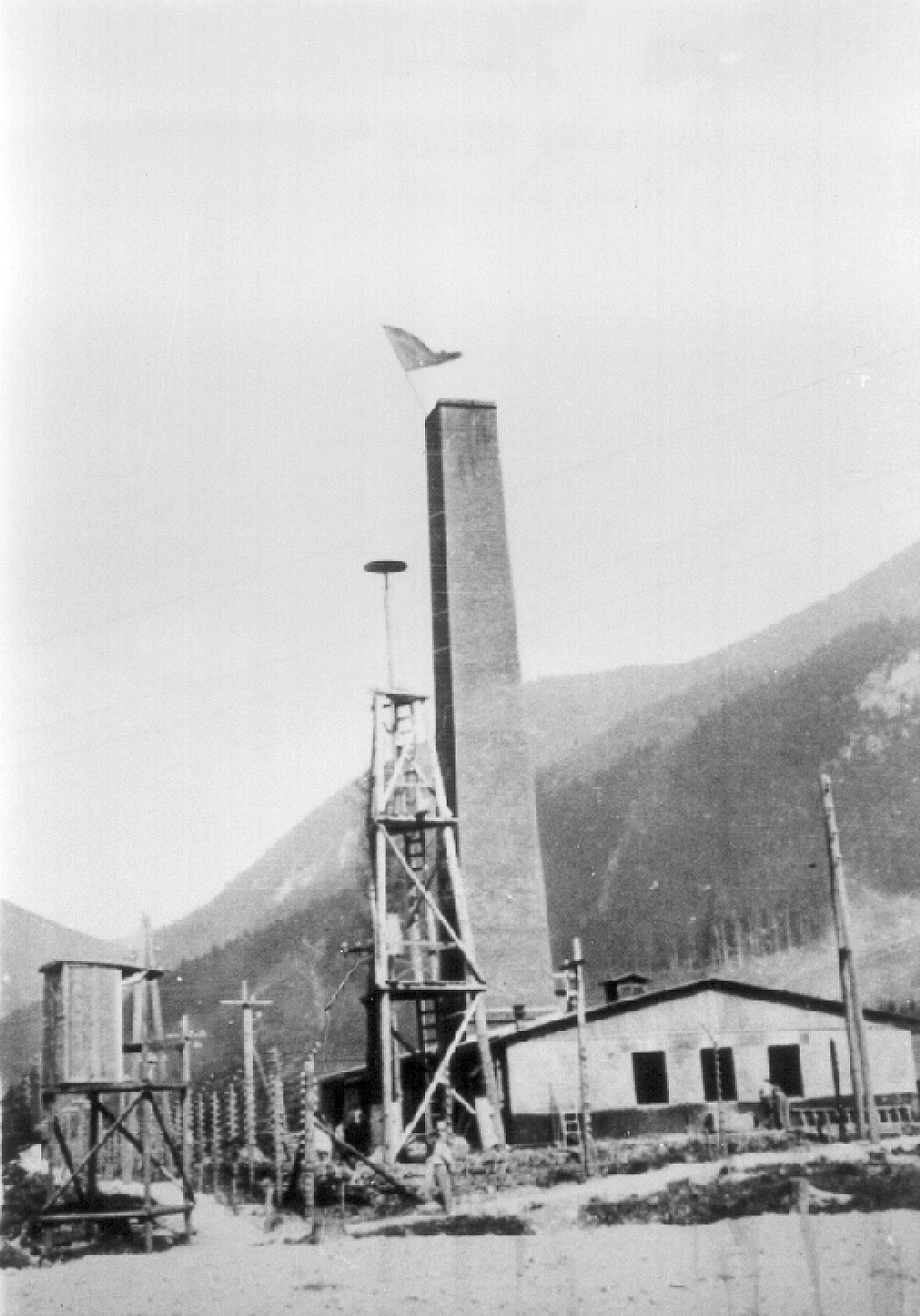
The SS set up Ebensee concentration camp as a satellite camp of Mauthausen in November 1943. The National Socialists were planning to relocate the rocket testing site in Peenemünde on the Usedom island to a bomb-proof location underground, following Allied air raids on several production facilities on the site in August 1943. The new tunnel systems close to Ebensee were to provide a secure environment for continuing the development of »Vergeltungswaffen« (»retaliation weapons«), the »V-1« and »V-2« rockets. German propagada cultivated the myth of these weapons in order to create hope that they could bring about a turning point in the war.
Most of the Ebensee prisoners had come from satellite camps of Mauthausen. Thousands of them died of the strenuous labour in the tunnels. In June 1944, transports with Jewish prisoners began arriving. Due to war production needs, the finished tunnels were not used for rocket production but rather for the housing of a Steyr-Daimler-Puch AG petroleum refinery.
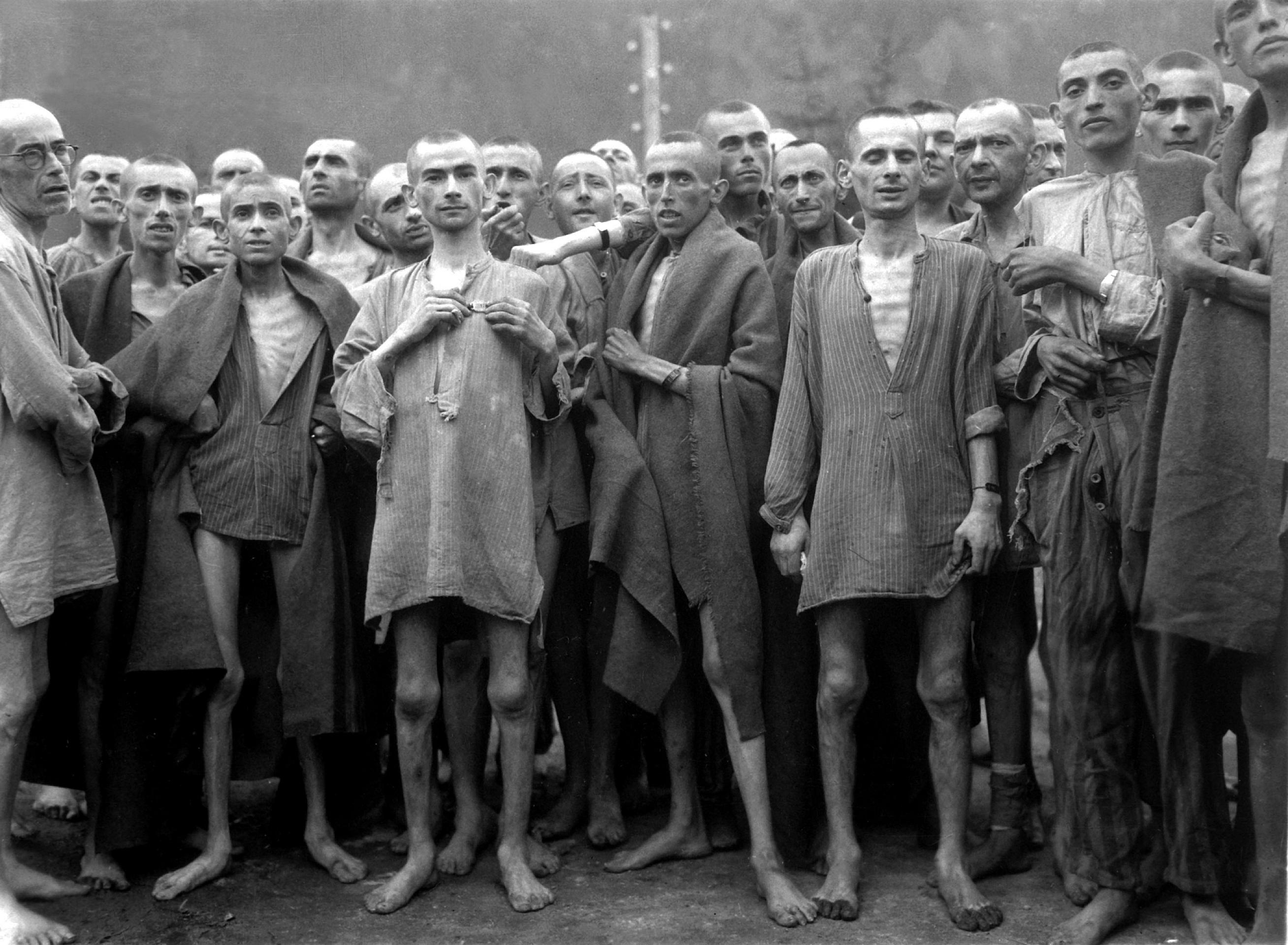
At the beginning of 1945, thousands of prisoners, mainly Jews, came to Ebensee in »evacuation transports« from German concentration camps in the east. Further prisoners came from other Mauthausen satellite camps. In May of that year, the number of inmates peaked at 18,500. The overcrowding led to catastrophic living conditions and the death rate rose dramatically. In April 1945 alone, around 4,500 people died. On May 6, 1945, US Army troops liberated Ebensee concentration camp.
Victims
Around 27,000 prisoners passed through the camp between 1943 and 1945. Of those, between 8,500 and 11,000 perished. The prisoners, all men, came from over 20 European countries. Polish, Hungarian and Soviet prisoners made up the largest groups. Most of them were as political prisoners in Ebensee; around thirty per cent of the inmates were Jewish.
Remembrance
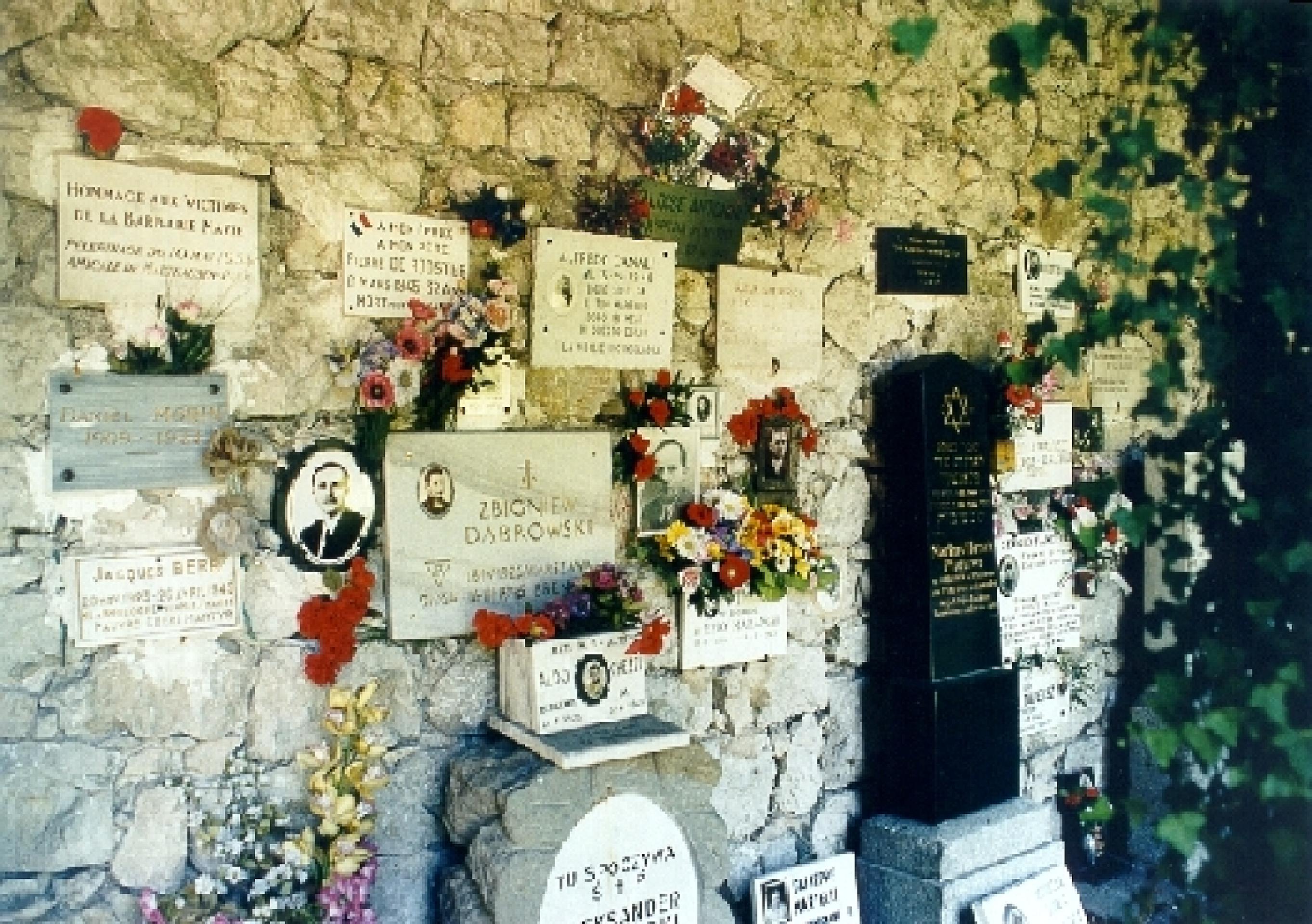
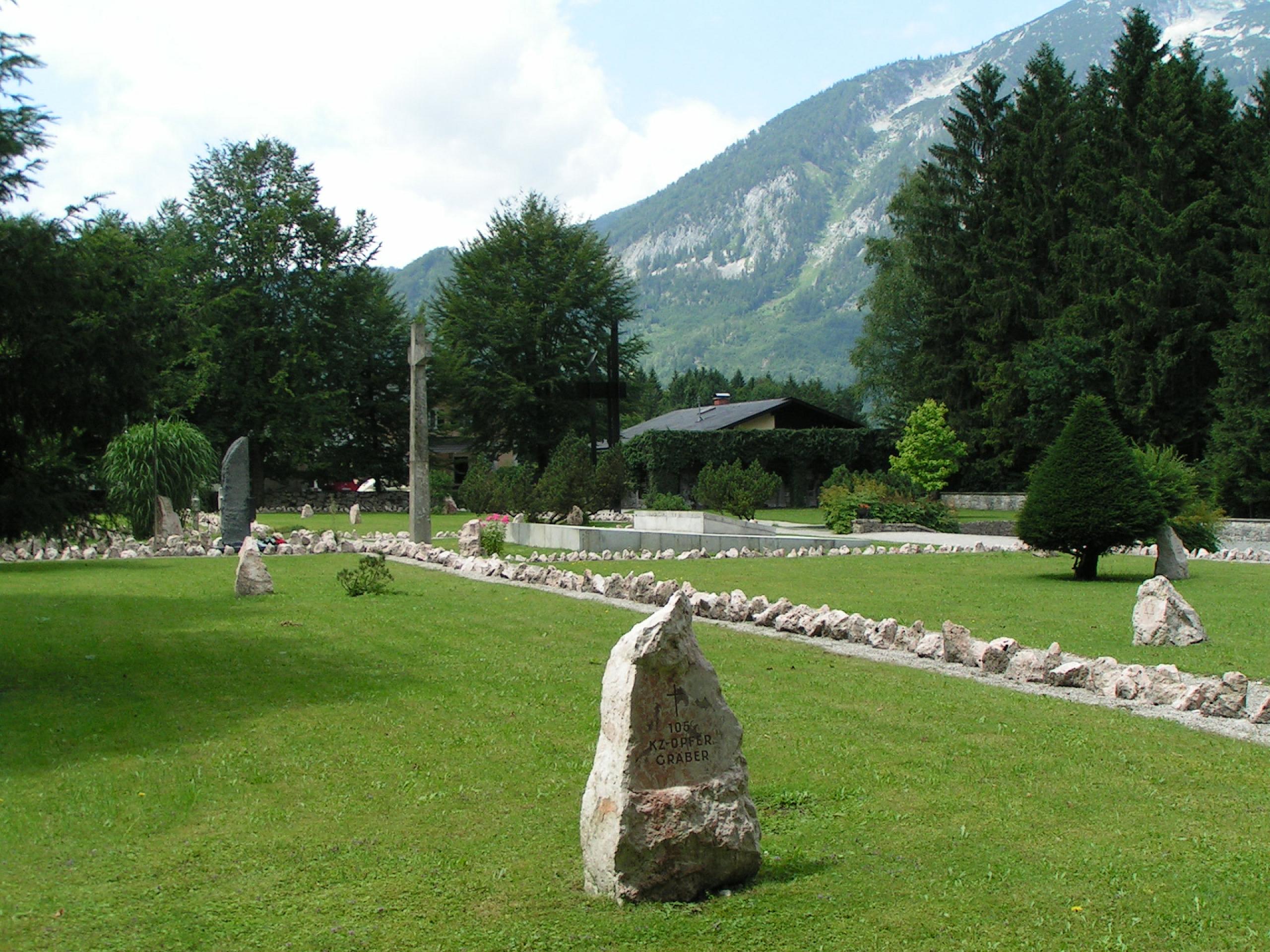
Already in 1946, a cemetery for the victims of the concentration camp could be set up upon an initiative of survivors. The cemetery was, however, situated outside of the township. In 1952, the cemetery was relocated to a plot of land in the vicinity of the former concentration camp premises, to the site where the sick bay used to stand. In all, over 4,000 victims of Ebensee concentration camp are buried on the cemetery. Numerous monuments commemorate the different victim groups and the fate they suffered.
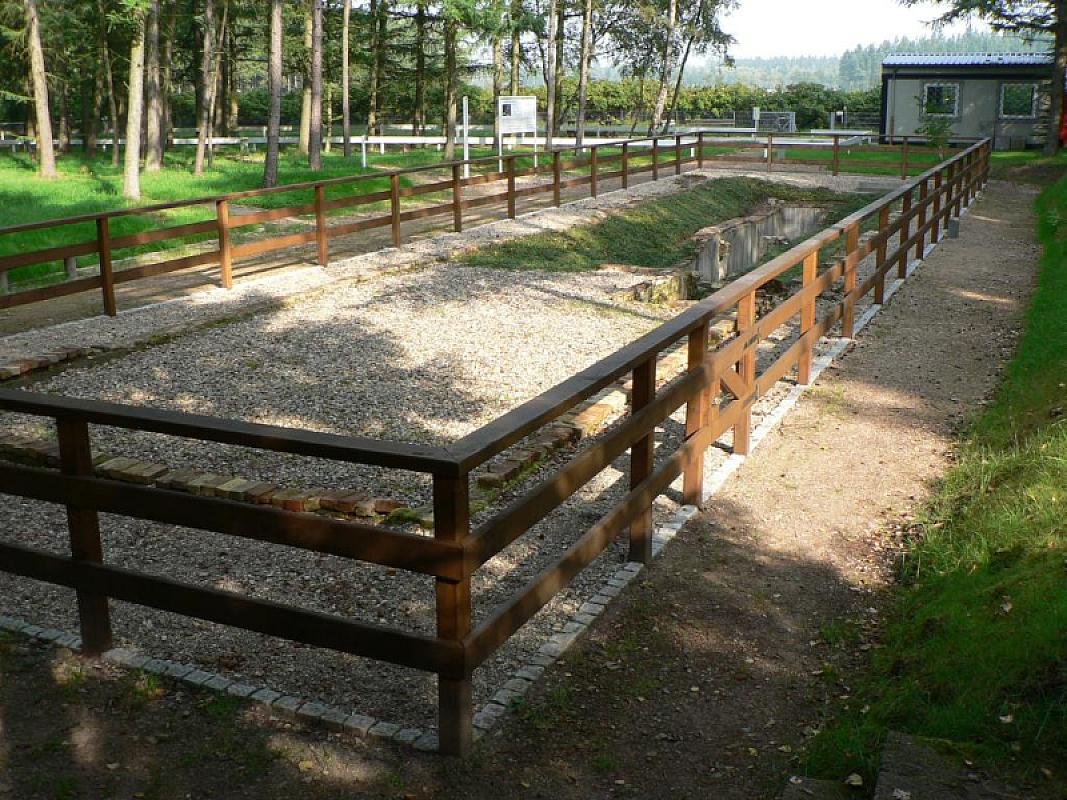
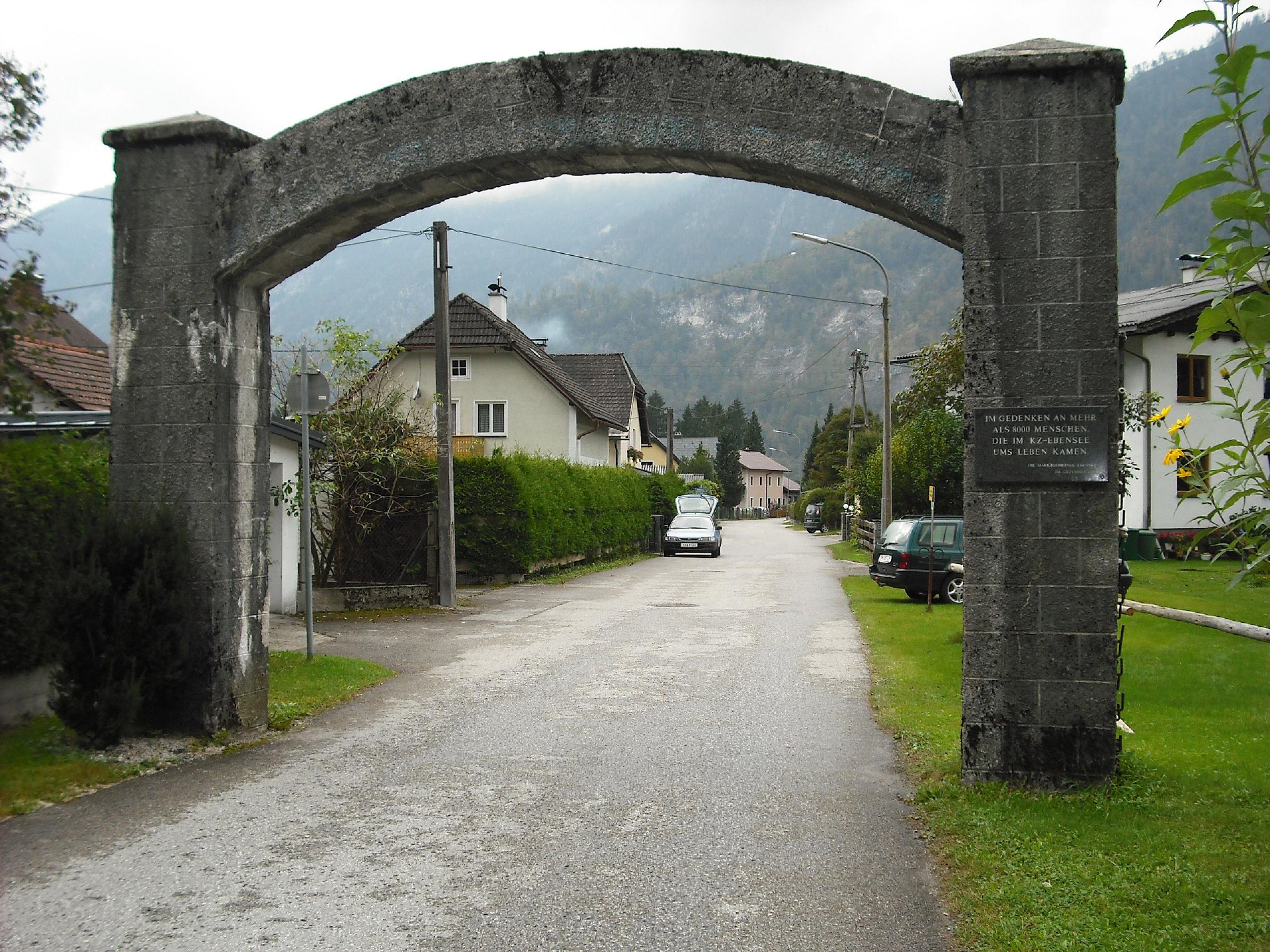
In 1946, the community of Ebensee made the historic camp premises available to construction purposes. Today, only the entrance gate remains, attached to which is a memorial plaque. The rest of the former camp premises is now a residential area.
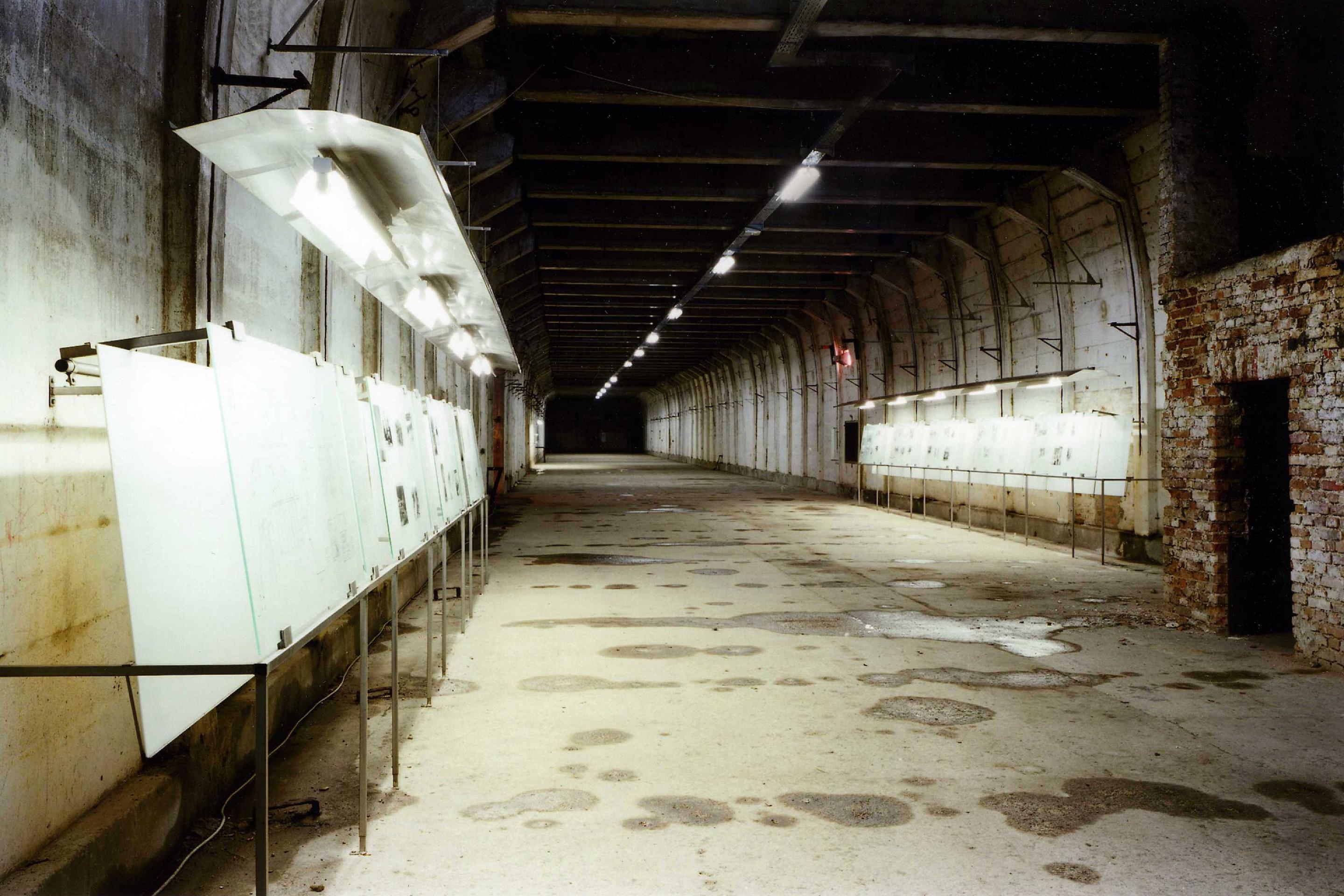
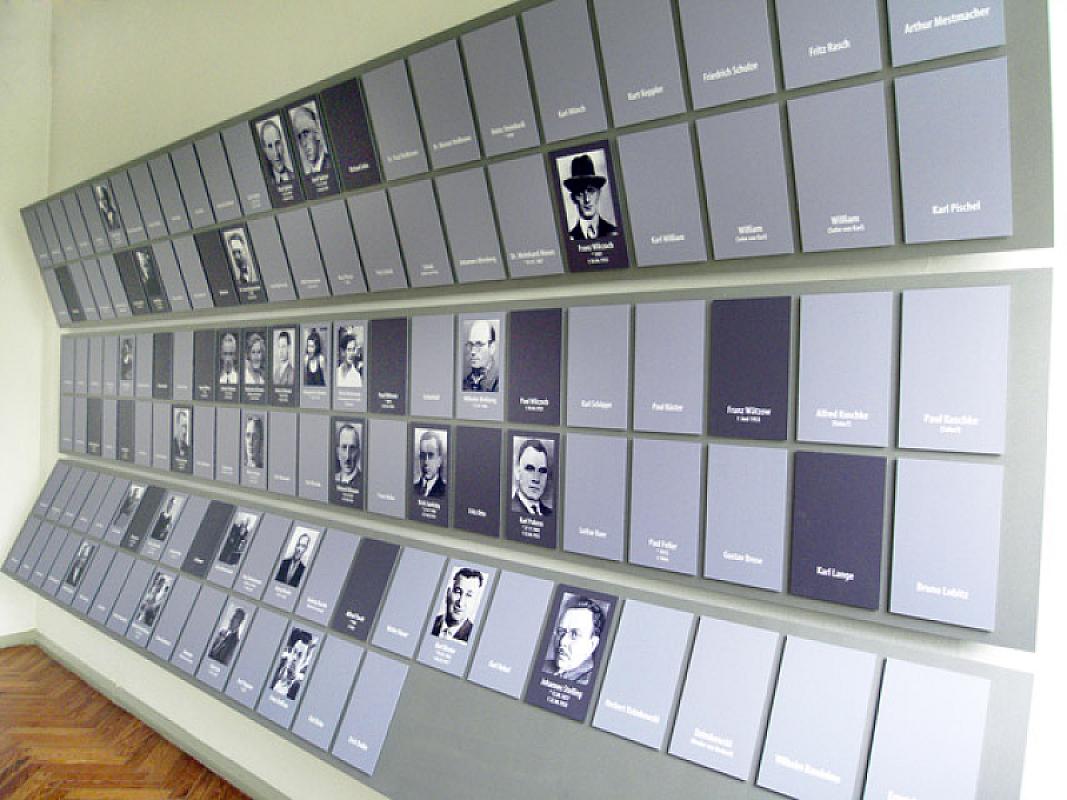
In 1994, the Resistance Museum Ebensee Association installed a »memorial tunnel« in one of the underground tunnels. Since 1996, a permanent exhibition on the camp history has been on display there. In 2001, the Museum for Contemporary History Ebensee was opened. The municipal museum deals with the political history of the Salzkammergut region between 1918 and 1955.
Possibilities
Photo und documentation archive, contemporary history library, educational programmes for school groups, guided tours, temporary exhibitions and lectures series
Open
Museum: Tuesday to Sunday 10.00 a.m. to 5.00 p.m.,
Memorial tunnel May and June Saturday and Sunday from 10.00 a.m. to 5.00 p.m., July to September Tuesday to Sunday from 10.00 a.m. to 5.00 p.m.
Contact
http://www.memorial-ebensee.at
museum@utanet.at
+43 (0)6133 560 1
Kirchengasse 5
4802 Ebensee