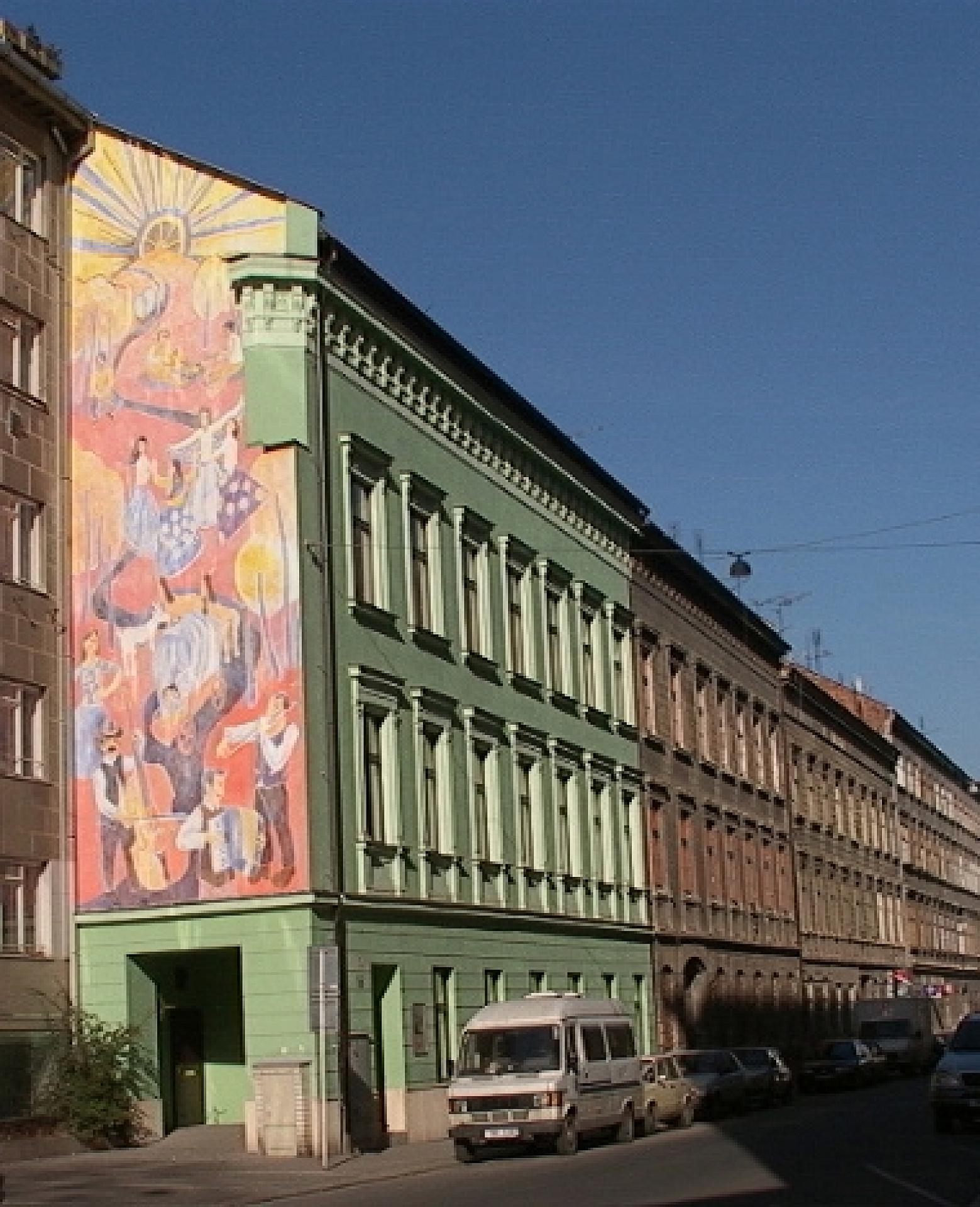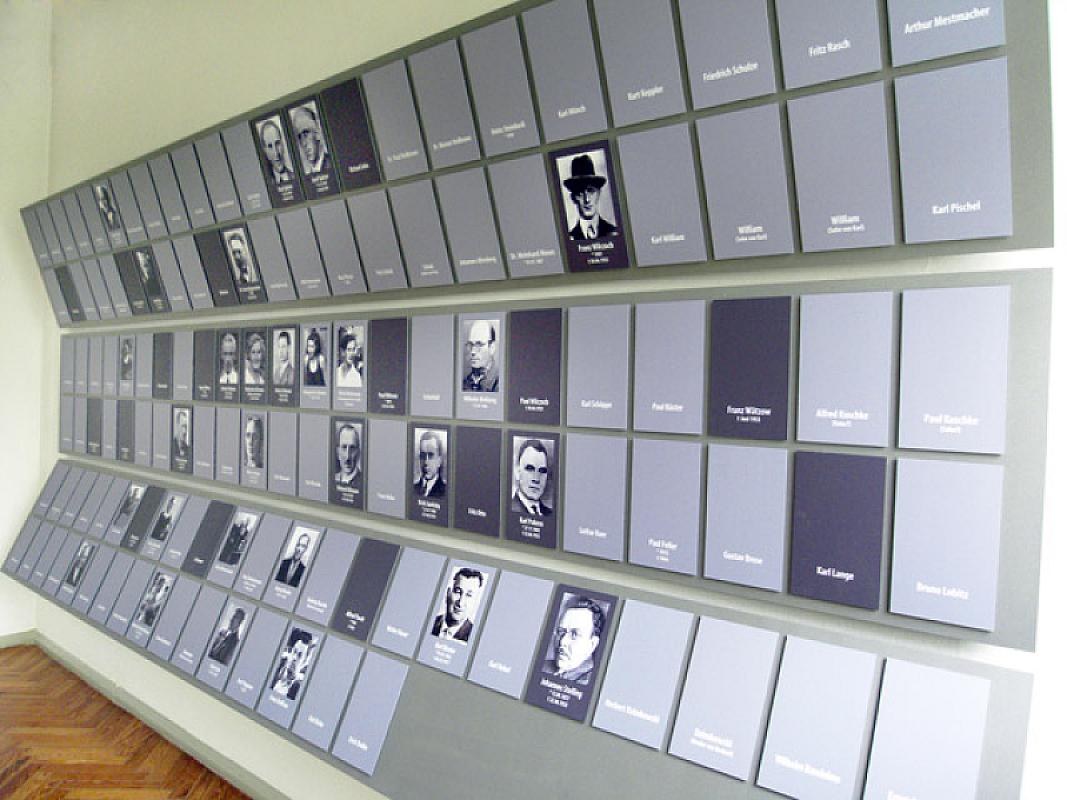
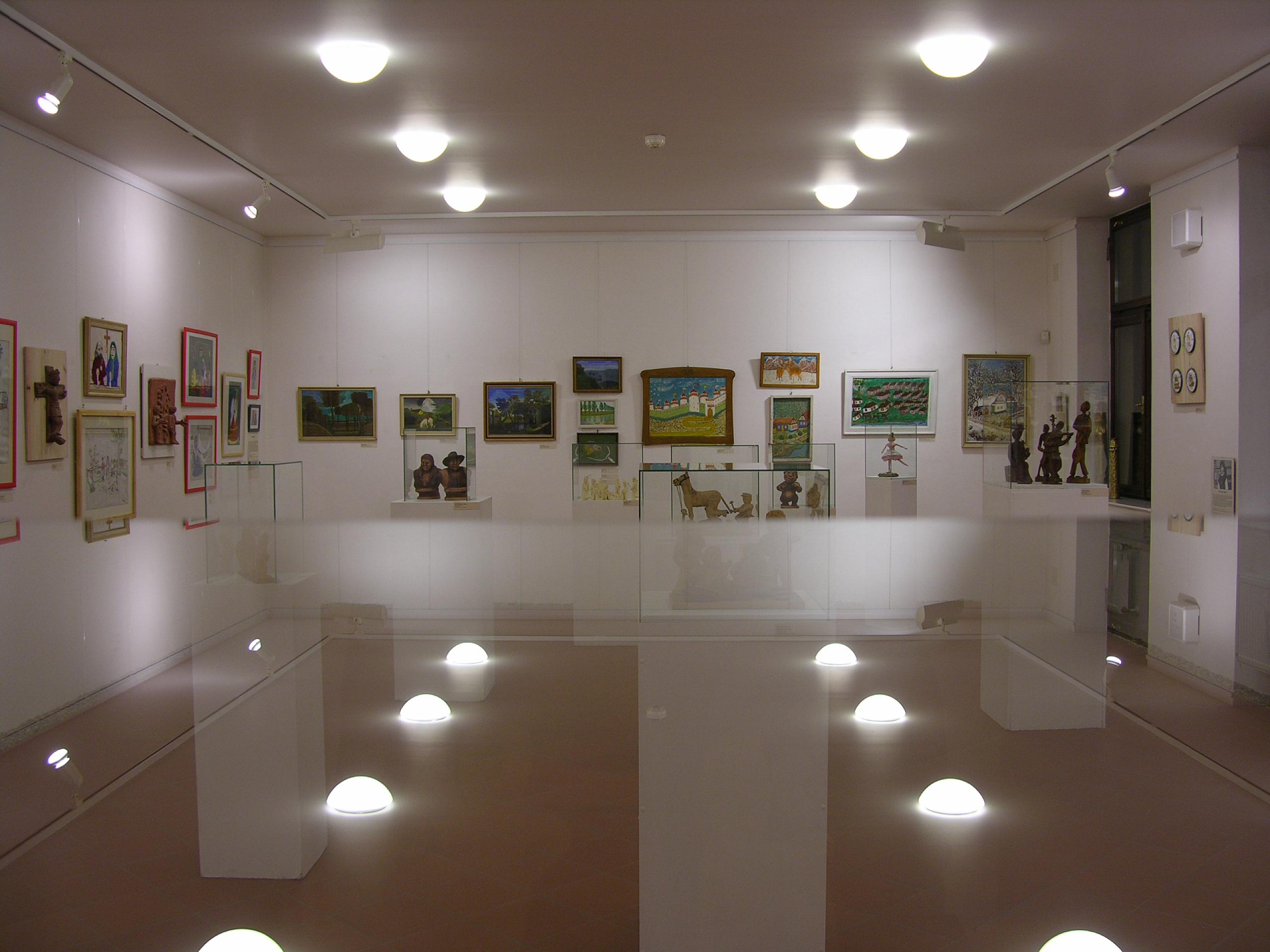
The museum, which is located in the Moravian capital of Brno, presents the history and culture of the Roma. It was the first of its kind when it was opened in 1991.
History
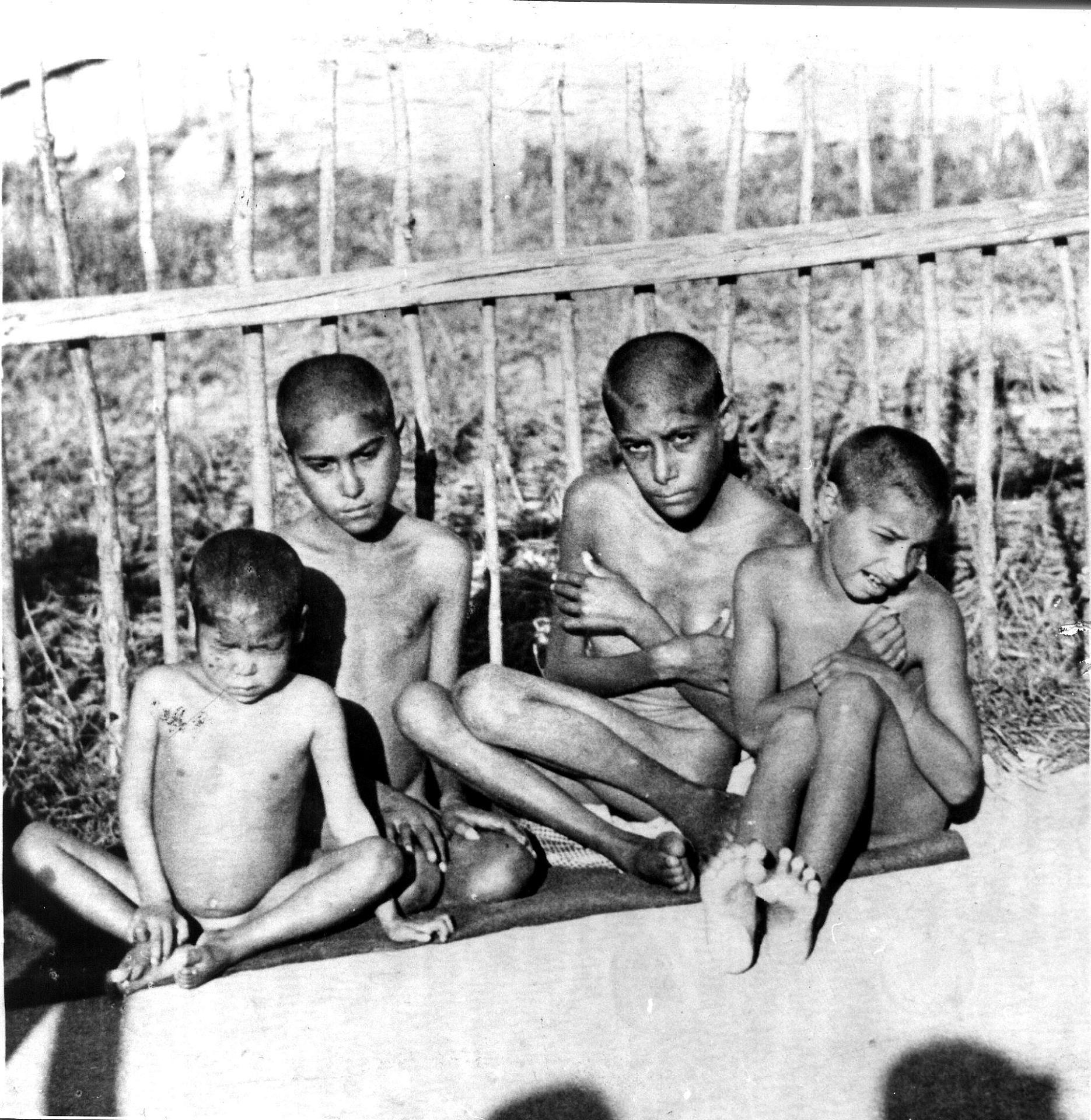
Roma have inhabited what is today the Czech Republic since the 14th century. The Roma were valued as skilled craftsmen, especially as blacksmiths, and appreciated for their oriental music. Soon, however, they fell victim to persecution: they were considered »godless« and suspected of spying for the Turks. In 1710, a decree was introduced in the Habsburg empire permitting the killing of male Gypsies and the slicing off of ears and nose of women and children at the mere suspicion of criminal activities. Although these measures were rarely implemented, they contributed to the growing social exclusion of the Roma people. The indiscriminate persecution came to an end from the mid-18th century, under the rule of Maria Theresa and Joseph II, and the process of assimilation was pressed ahead instead. Roma were forced to settle down and received parcels of land. Many children were given to Christian families and young adults were forced to marry Christians. A more or less settled Roma community evolved. However, industrialisation from the mid-19th century led to a social degradation of the Roma people, who were for the most part craftsmen. When Czechoslovakia was founded in 1918, a majority of the Roma living there were illiterate and impoverished. During the Second World War and under German occupation, »Gypsies« were racially persecuted and designated for extermination. Only about ten per cent of the Roma from Bohemia and Moravia survived. In Czechoslovakia after the war, many Roma from the Slovak part of the state were relocated to the areas which had previously been inhabited by the Sudeten Germans. The situation of the Roma hardly improved under communist rule. After 1989, their situation further deteriorated in several aspects as they frequently fell victim to discrimination and racial violence.
Victims
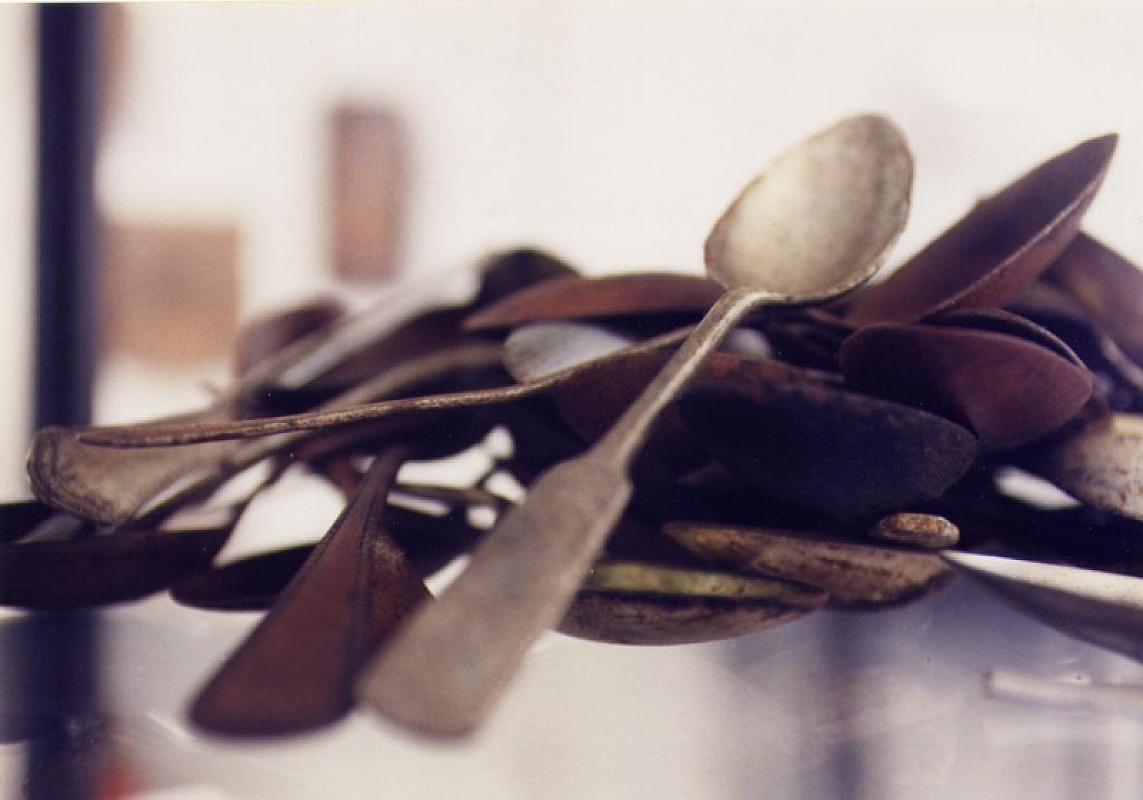
The museum presents the history and culture of the Roma people in the Czech Republic and abroad. It is especially committed to informing about the National Socialist genocide of the Sinti and Roma and keeping the memory of the victims alive.
Until 1918, the Czech regions of Bohemia, Moravia and Czech Silesia belonged to the Austro-Hungarian Empire. After the First World War they merged with Slovakia to form Czechoslovakia. From autumn 1938 to spring 1939 the state was gradually broken up by the Third Reich. In September 1938 Germany annexed the northern and western border region, which had a majority German population. This was now known as the »Sudetengau« (Sudetenland administration district). The remaining territory, the so-called rump state, was taken by the German Wehrmacht on March 14, 1939. At the same time Slovakia declared independence. Czechoslovakia ceased to exist and the Czech regions now came under German control as the Reich Protectorate of Bohemia and Moravia. The emerging civilian resistance was brutally crushed and the persecution of Jews and Roma began. Around 78,000 of the approximately 120,000 Jews of Bohemia were murdered in the Holocaust. The former fortress of Theresienstadt (Terezín) served as a central detention camp and a transit camp for those being deported to the extermination sites in Eastern Europe. Around 8,000 non-Jewish Czechs were also killed, some 1,700 during the wave of terror following the assassination of the Deputy Reich Protector Reinhard Heydrich (1904–1942) on May 27, 1942. In response to this assassination, German police forces razed the village of Lidice and the hamlet of Ležáky to the ground. Four days before the end of the war in 1945, an armed rebellion broke out in Prague and other Czech regions. It was directed above all at Czech collaborators and the German minority.
Memory of the period 1938 to 1945 centres above all on the trauma of the complete dismemberment of the country. Focus was placed on National Socialist crimes and for a long time the desire for revenge. One of the consequences was the expulsion of the German-speaking population. Remembrance today however also encompasses the painful awareness of the relatively weak extent of resistance and the widespread collaboration.
The re-established state of Czechoslovakia became communist in 1948. There was barely any remembrance of the Holocaust, especially as the country was overcome by a wave of anti-semitism during the peak of the Stalinist purges in the early 1950s. Along with the homage to the victorious Red Army that was standard in the »Eastern Bloc«, the Czechoslovakian culture of memory focused particularly on the massacre at Lidice. This made it possible to represent National Socialist brutality without having to remember the Holocaust.
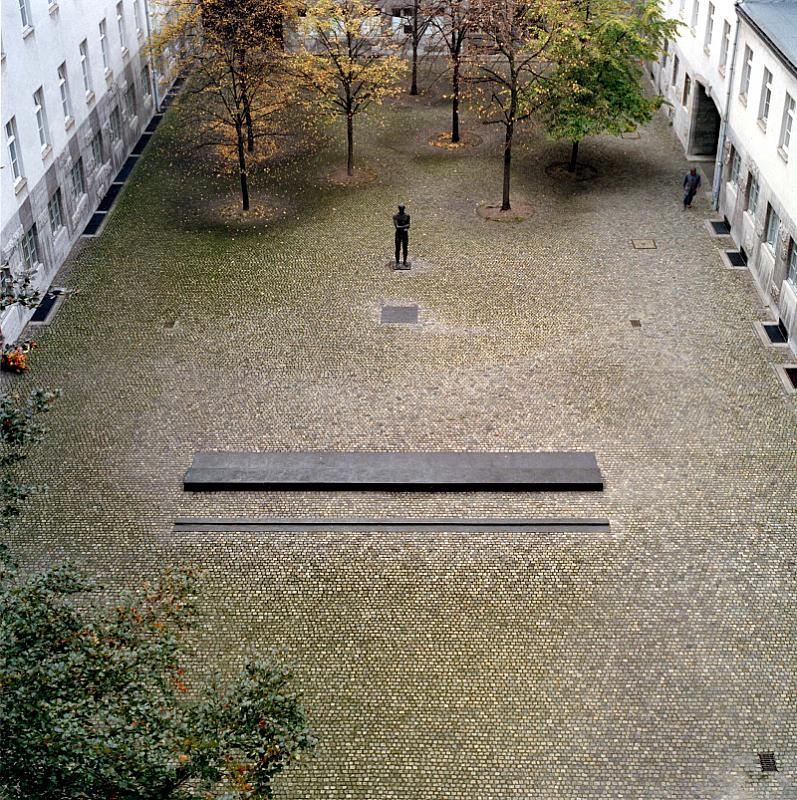
A change set in with the collapse of communism from 1989 onwards; a change that had emerged once before during the Czech reform period known as the Prague Spring in 1968, before coming to an end with the invasion of Warsaw Pact troops. Hence, parts of Czech society gradually began to also remember the co-existence of Czech, German and Jewish cultures that had been built up over centuries but has now disappeared. Traces of this multicultural past are more and more visible, not only in the capital Prague. Meanwhile, the most important site of remembrance for the victims of the holocaust is the Terezín Memorial on the site of the former Theresienstadt Ghetto. Since the 1990s there have been public disputes over the former concentration camp at Lety, where Bohemian Roma were forcibly detained prior to their deportation to Auschwitz-Birkenau. For decades, a pig farm was located on the site, making appropriate remembrance impossible. The pig farm was finally dismantled in 2022 to make place for a new memorial.
Remembrance
The museum was founded in 1991 in a predominantly Romani part of Brno. The establishment of the worldwide first institution of this kind was initiated by a group of Romani intellectuals. Independent until 2005, the museum is now administered by the Czech state. Part of the permanent exhibition deals with Romani culture worldwide, part is dedicated to the history of Roma in Bohemia and Moravia. The museum has lobbied for the erection of several monuments to the Roma who perished during the Second World War. The most famous of these are the memorials at the former »Gypsy camps« at Lety (dedicated in 1995) and at Hodonin (1997).
Possibilities
Permanent exhibition, library and study room, archive containing testimonies and photographic documentation, yearly commemoration on March 7, the anniversary of the first and largest transport of Roma from Moravia to Auschwitz-Birkenau
Open
Tuesday to Friday: 10.00 a.m. to 6.00 p.m., Sunday: 10.00 a.m. to 5.00 p.m.