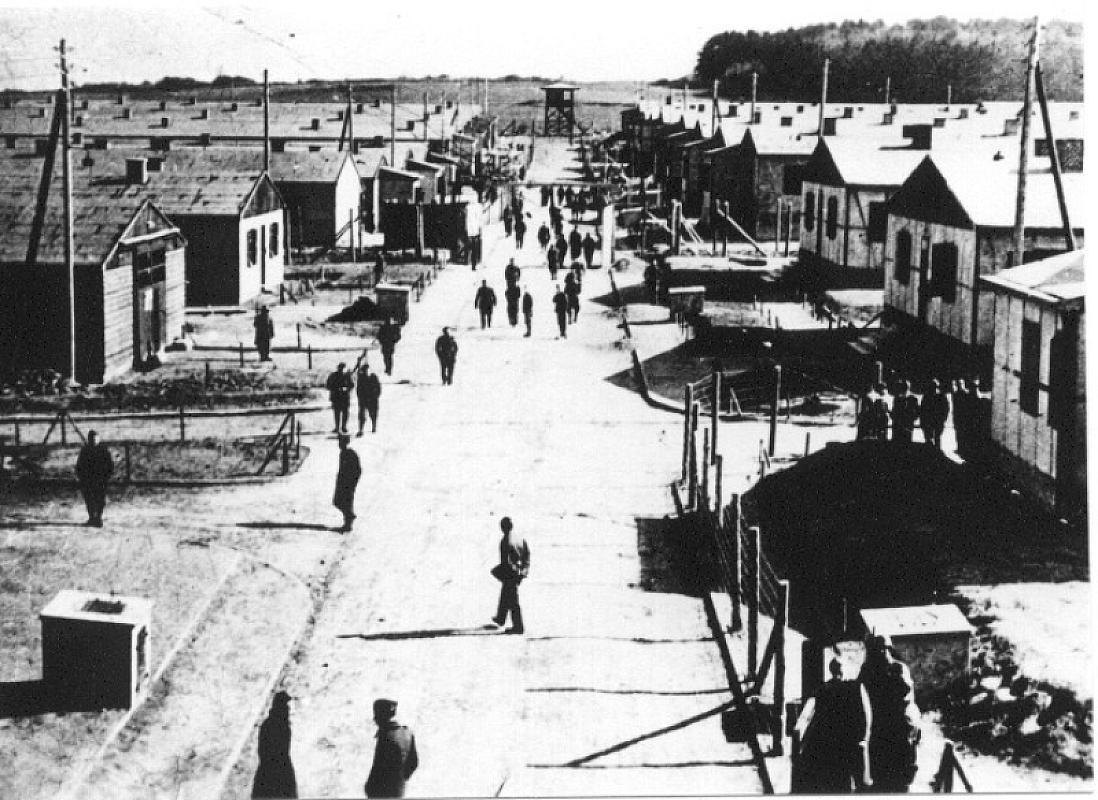
Museum of the Former Extermination Camp in Chełmno-on-Ner
Muzeum byłego Obozu Zagłady w Chełmnie nad Nerem
In November 1941, the first National Socialist extermination camp for the annihilation of Jews was established in Chełmno nad Nerem (German: Kulmhof am Ner). Today, a museum and several monuments on the historic site commemorate the victims.
History
The German Wehrmacht occupied west and central Poland shortly after its invasion of the country in September 1939. The western military administrative units were incorporated into the German Reich, including the »Reichsgau Wartheland« district. The German authorities in the »Warthegau« terrorised the local Polish and Jewish population, aiming to eventually expel them from this area and replace them with »Volksdeutsche«, German nationals from Eastern Europe. The situation of the Jewish population was especially dire: they were disenfranchised and forced to live in ghettos.
After the Germans had launched their invasion of the Soviet Union in June 1941, SS-Einsatzgruppen (mobile killing units) began systematically shooting Jews behind the front line. Beginning September 1941, members of »SS-Sonderkommando Lange« - named after SS-Hauptsturmführer Herbert Lange of the Poznań Gestapo headquarters - began carrying out mass shootings of Jews in the Warthegau. They shot about 3,500 Jews in the district of Konin. At the same time, Gauleiter Arthur Greiser ordered the establishment of an extermination camp in the village of Kulmhof (Chełmno nad Nerem), which had a good transport connection to Łódź (since 1940: Litzmannstadt). Located 70 kilometres outside of Łódź, all Jews from the Warthegau who had not been deployed in forced labour were to be murdered here in »gas vans«. Already since the beginning of 1940, »Sonderkommando Lange« had murdered thousands of patients of mental hospitals in the Warthegau in this manner. This unit, later referred to simply as the »Sonderkommando«, provided the core staff of the Kulmhof camp. It consisted of 15-20 members of the Sicherheitspolizei and about 100 members of the Schutzpolizei.
Victims
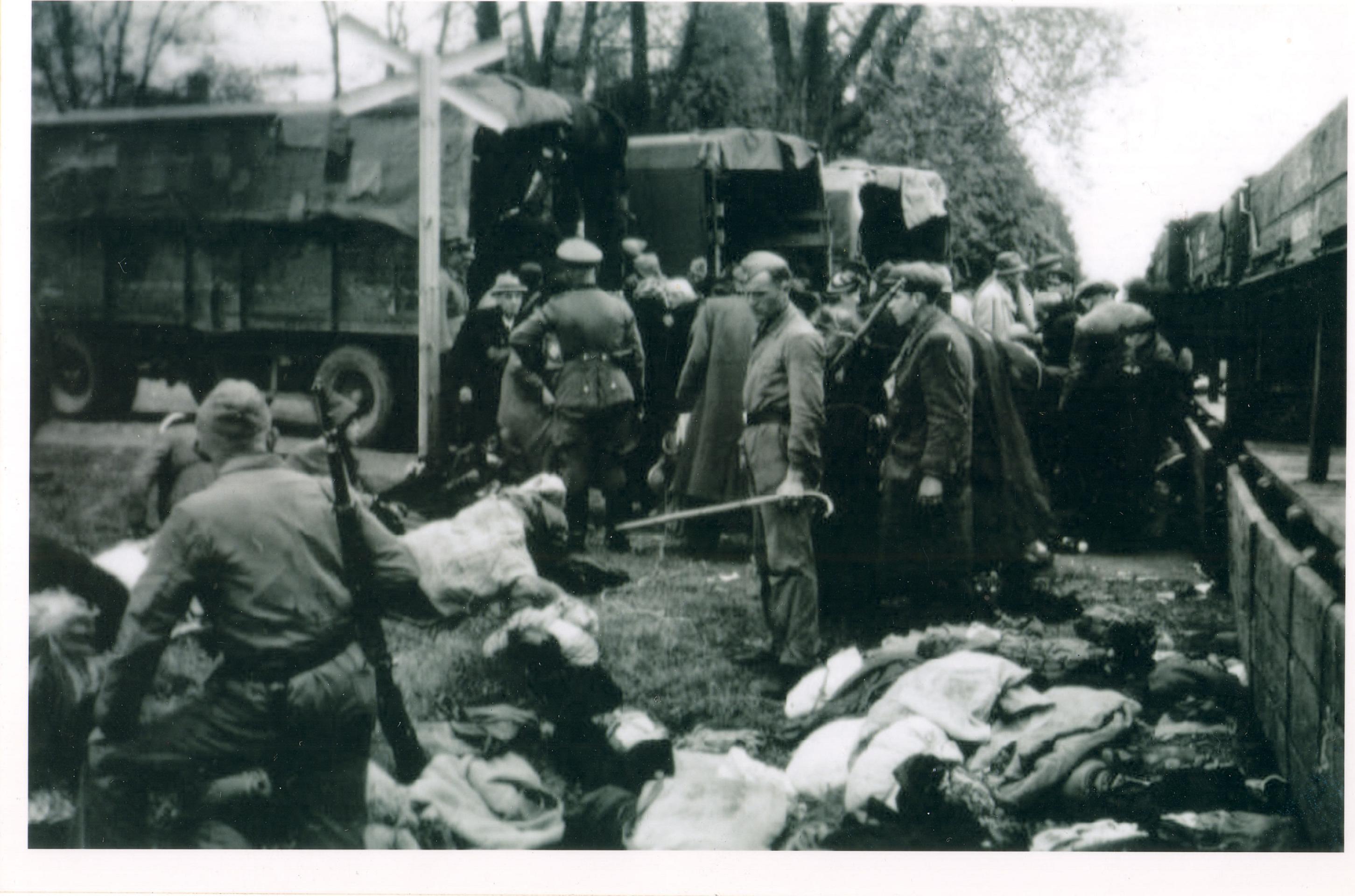
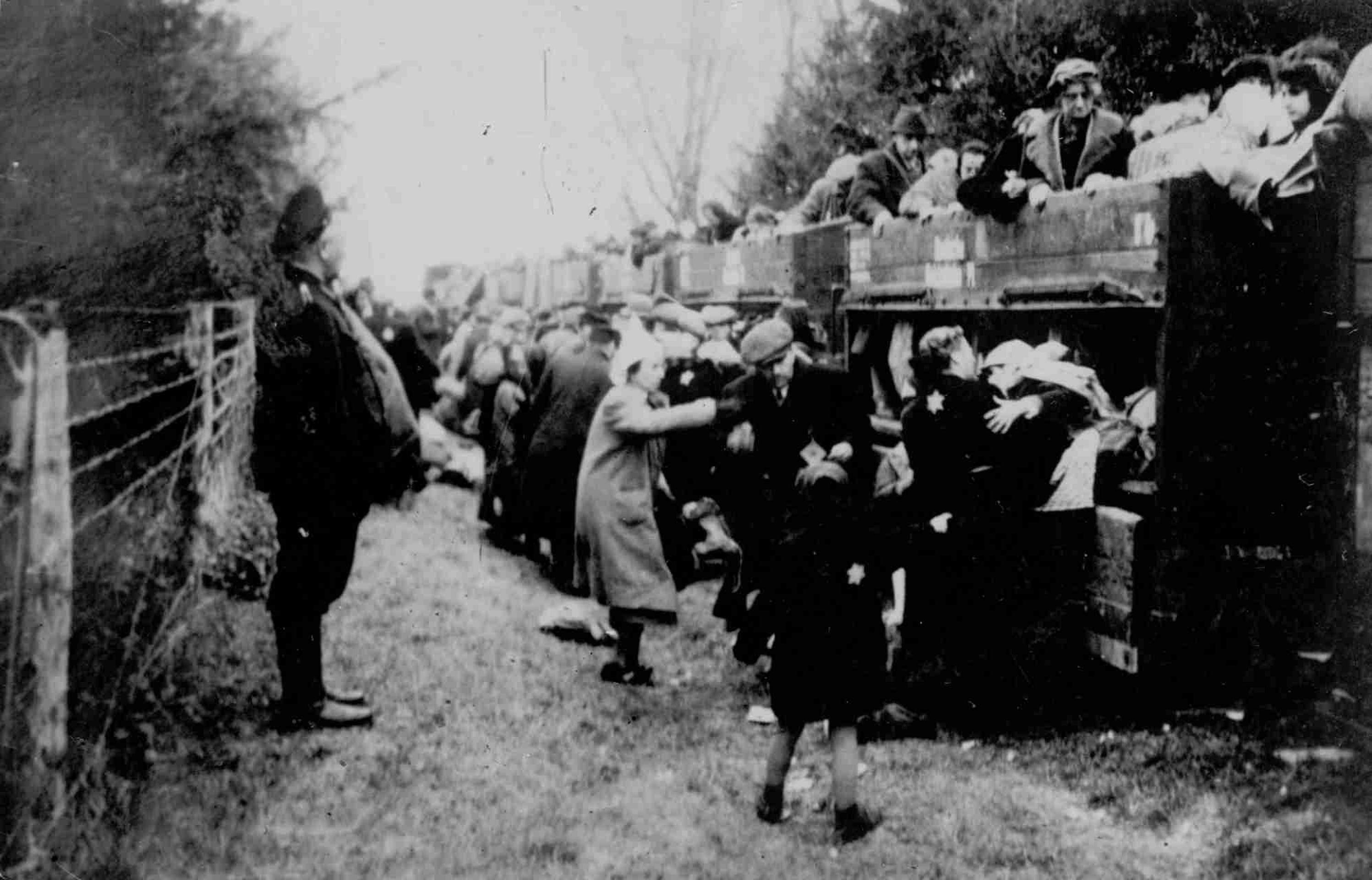
Starting at the beginning of December 1941, the Ordnungspolizei deported Jews from neighbouring towns to Kulmhof; from mid-January 1942 on, Jews from the Litzmannstadt Ghetto too were deported to Kulmhof. At times, the victims were brought by train to Koło, where they were first locked in a synagogue and finally taken in trucks to Kulmhof.
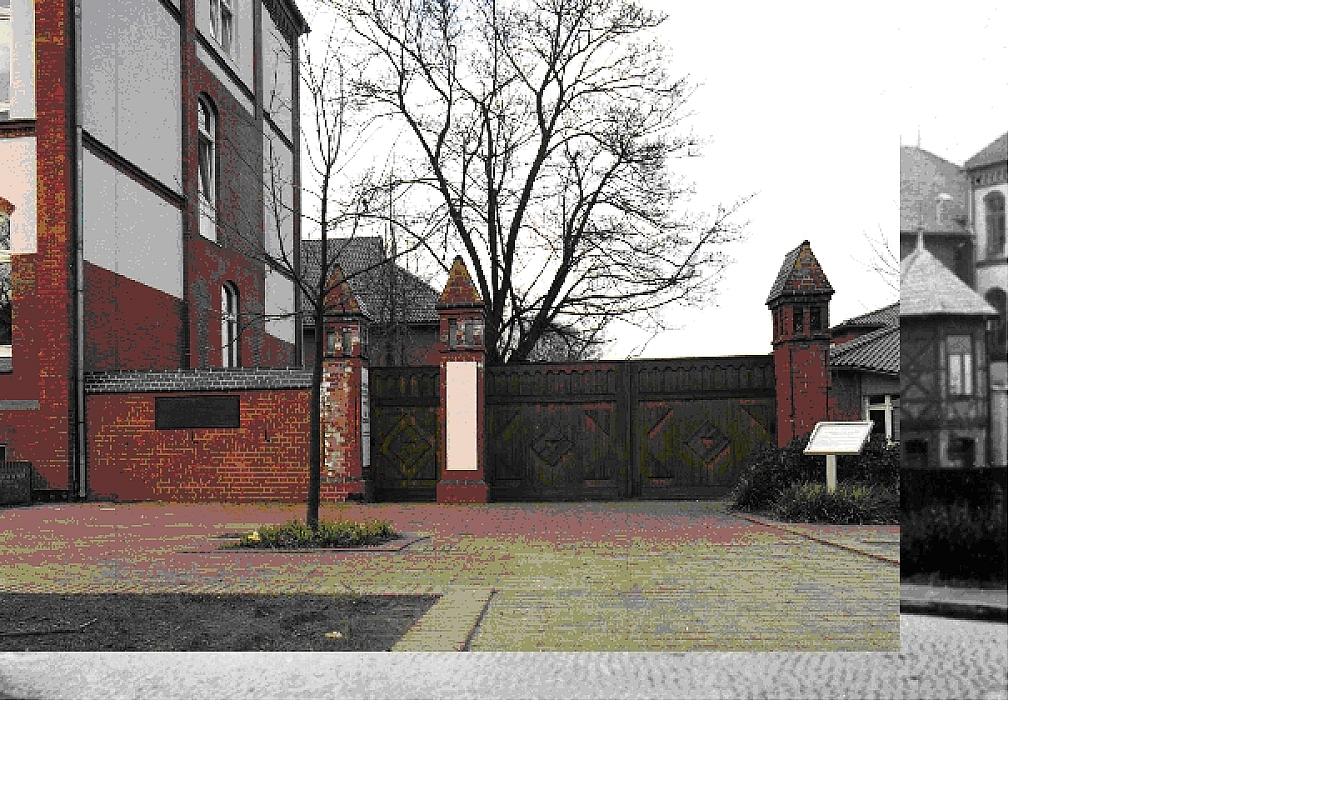
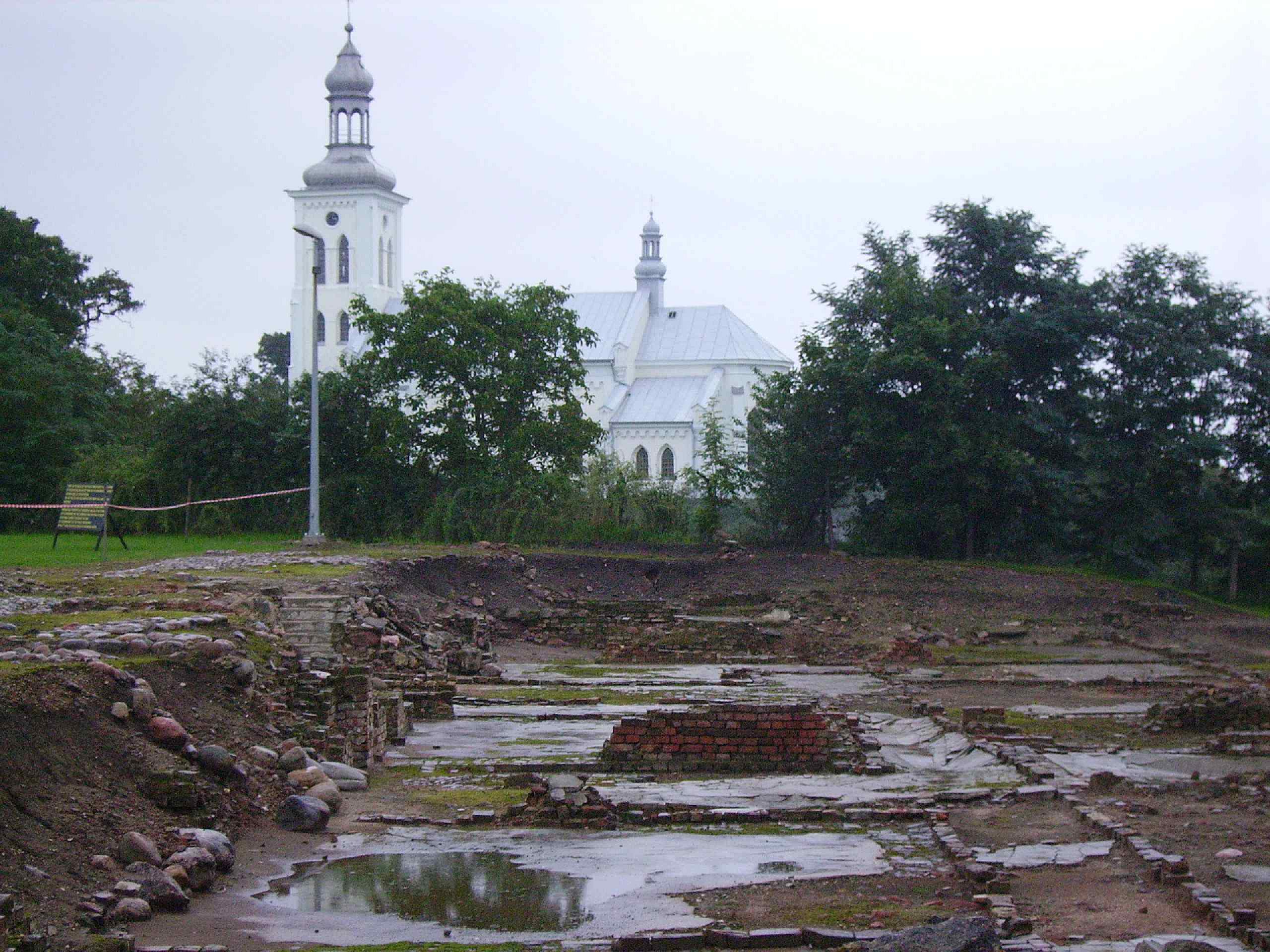
Once at the camp, the victims had to undress in the so-called »Schloss« (manor-house) and hand over their valuables. They were then chased down a basement corridor, at the end of which stood a gas van, all the while being yelled at by camp personnel and severely beaten. When everyone had boarded the truck, the doors were bolted shut and the engine was started. The exhaust pipe was directed into the space where all the prisoners were crowded, killing them by asphyxiation. The driver then took the truck to the »Waldlager« (forest camp), four kilometres away. Jewish prisoners deployed in the »labour commando« searched the bodies for valuables and buried them. Later, in the second half of 1942, the camp administration had the mass graves dug up and the corpses burned.
By then, most of the Jews from the Warthegau had been murdered. In March 1943, the camp was dissolved and the »Schloss« was torn down. In June 1944, the camp was taken into operation once again in order to kill the remaining Jews of the Litzmannstadt Ghetto. The Sonderkommando abandoned the camp in January 1945 as the Red Army was drawing closer. Before departing, the Sonderkommando murdered the last of the prisoners, who had been forced to obliterate any evidence of the mass murders. Two prisoners fled and survived.
In total, about 150,000 Jews were murdered at Kulmhof. Among them were Jews from Germany, Austria, Czechoslovakia, and Luxembourg, who had first been deported to the Litzmannstadt Ghetto. About a thousand Sinti and Roma, Soviet prisoners of war, Polish nuns, civilians and about 80 non-Jewish children from the Czech town of Lidice perished at Kulmhof.
Remembrance
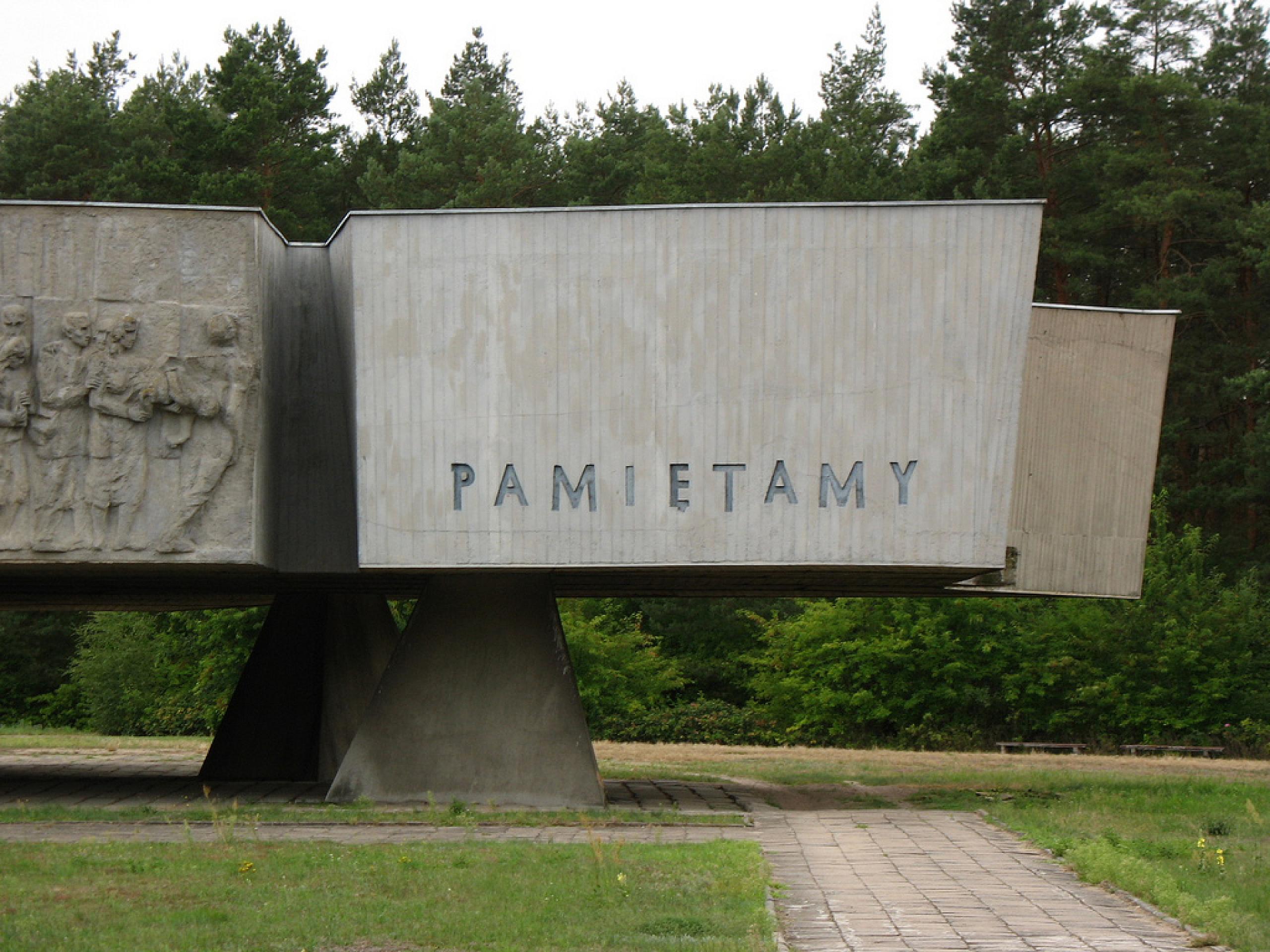
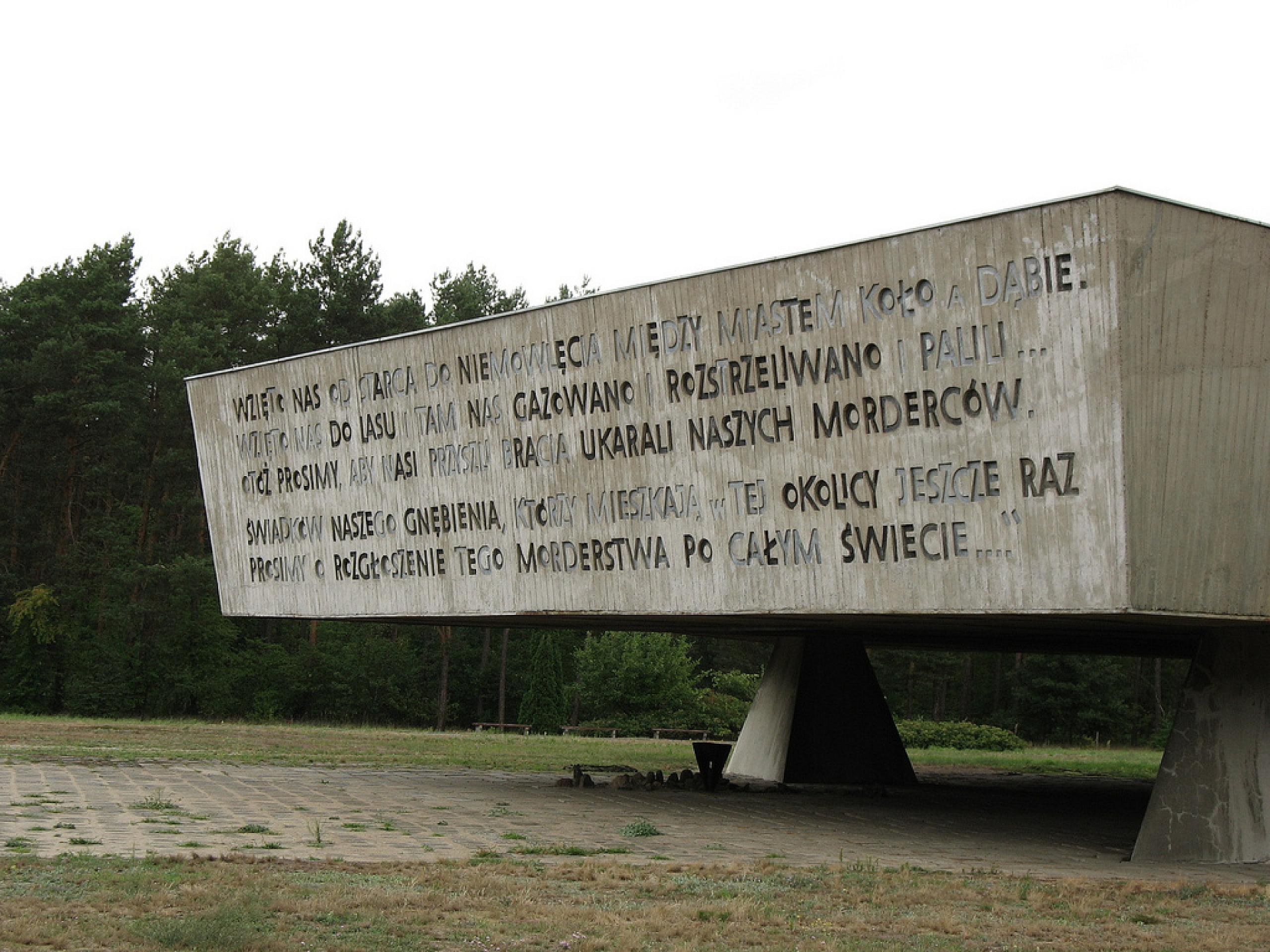
In June 1945, a Polish commission began investigating what had happened in Chełmno. Only in 1957 was a first reminder of the past set up on the former camp premises: the Jewish communities of Łódź and Włocławek funded an obelisk which was erected next to the ruins of the »Schloss«. Today, most of the monuments can be found on the premises of the former »Waldlager« (forest camp) next to the road leading to Koło. In 1964, the People's Republic of Poland set up a large monument on the site. Just as in the case of other memorials erected on central sites of the Holocaust at the time in Poland, here too there was no reference to the fact that a large majority of the victims had been Jews.
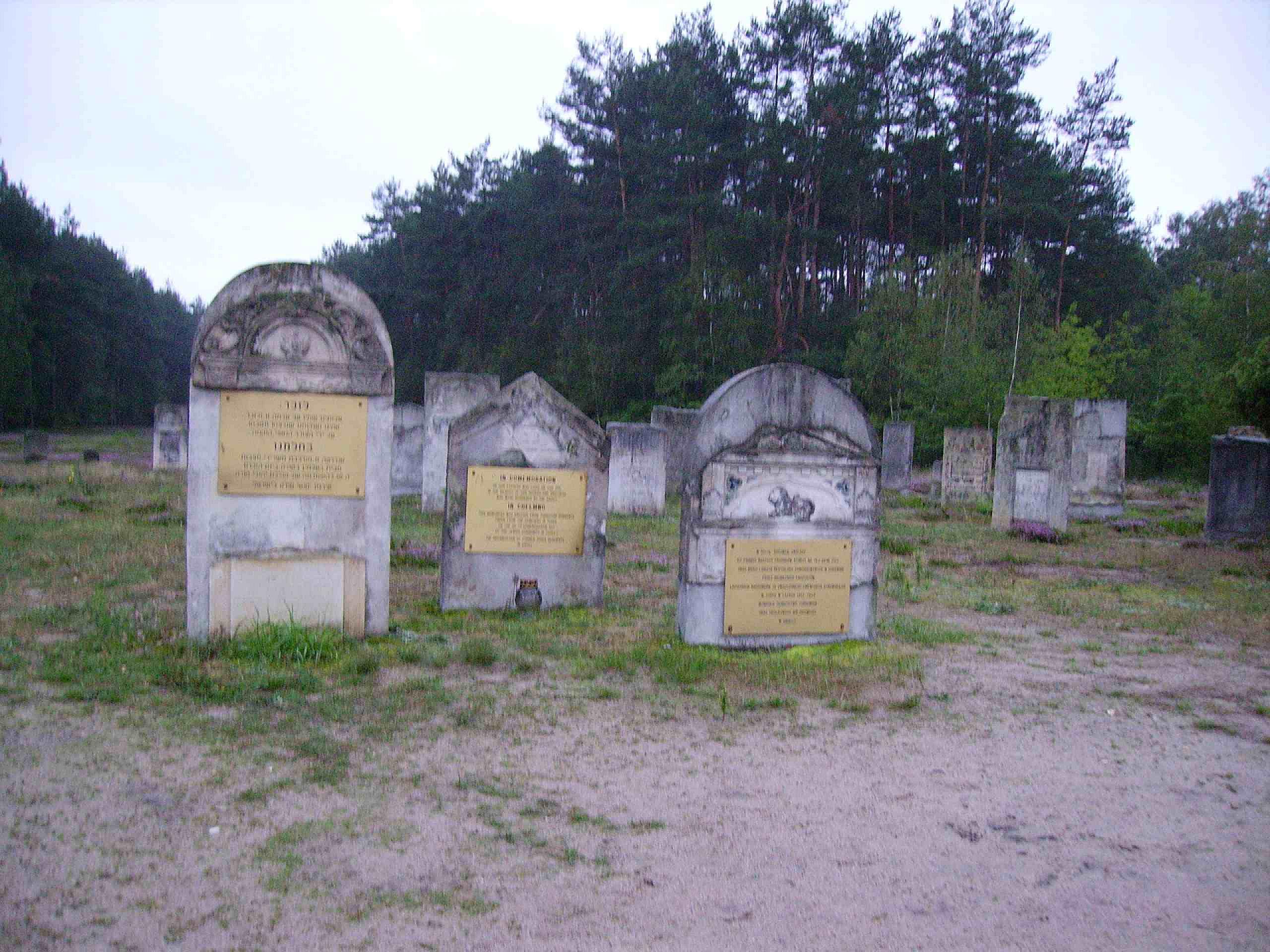
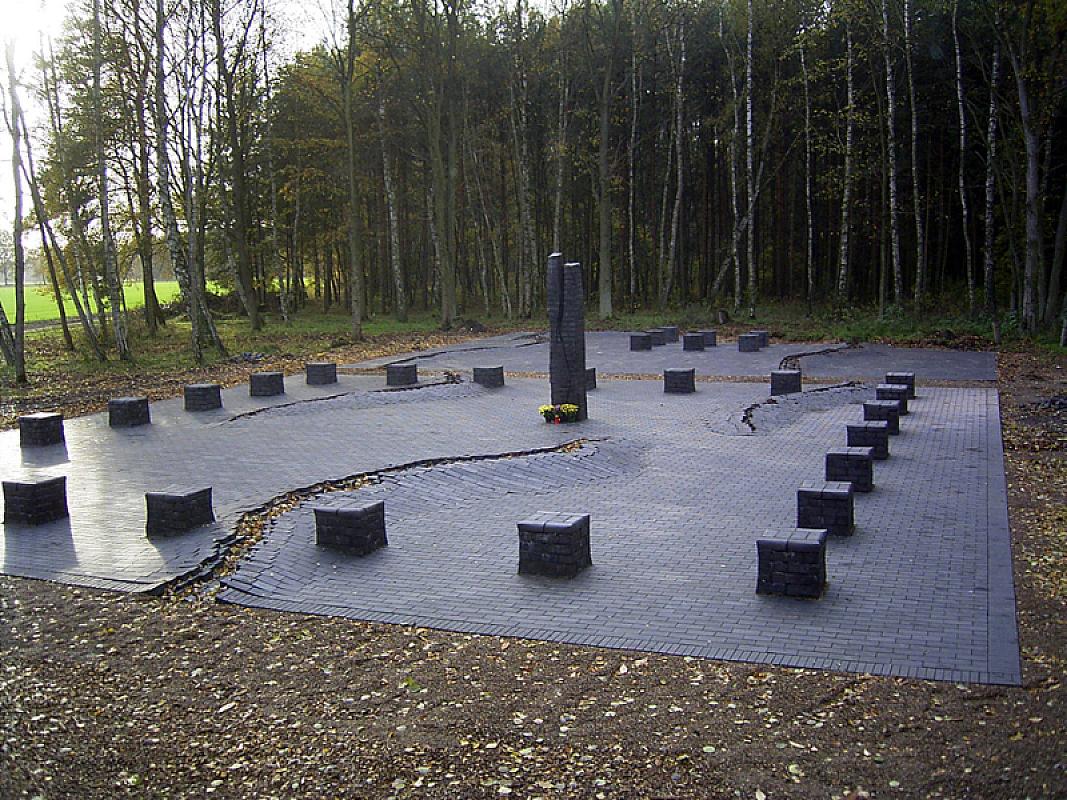
The political transformation which took place in Poland at the end of the 1980s also brought about a change in the remembrance of the Jewish victims. In 1986, archaeological research was begun on the former camp premises; in 1990, a small museum was opened. At the same time, other memorials to the Jewish victims were set up. Today, numerous memorial stones serve as a reminder of the Jewish communities whose members were murdered in Chełmno. In 1995, a memorial to the Jewish victims from German-speaking countries was inaugurated thanks to private donations. There are several monuments to the non-Jewish victims of the extermination camp, such as Polish resistance fighters.
After 1990 the memorial site belonged to the Regional Museum of Konin. Since 2013, it is a branch of the Martyrs’ Museum in Żabikowo (Poznań).
Possibilities
Research
Open
Museum: April to September Tuesday to Sunday 9 a.m. to 5 p.m., October to March Tuesday to Sunday 8 a.m. to 2 p.m. The museum is closed on Mondays.
Visit of the museum outside the official opening times by appointment.
Contact
muzeum@chelmno-muzeum.eu
+48 (0)63 271 94 47