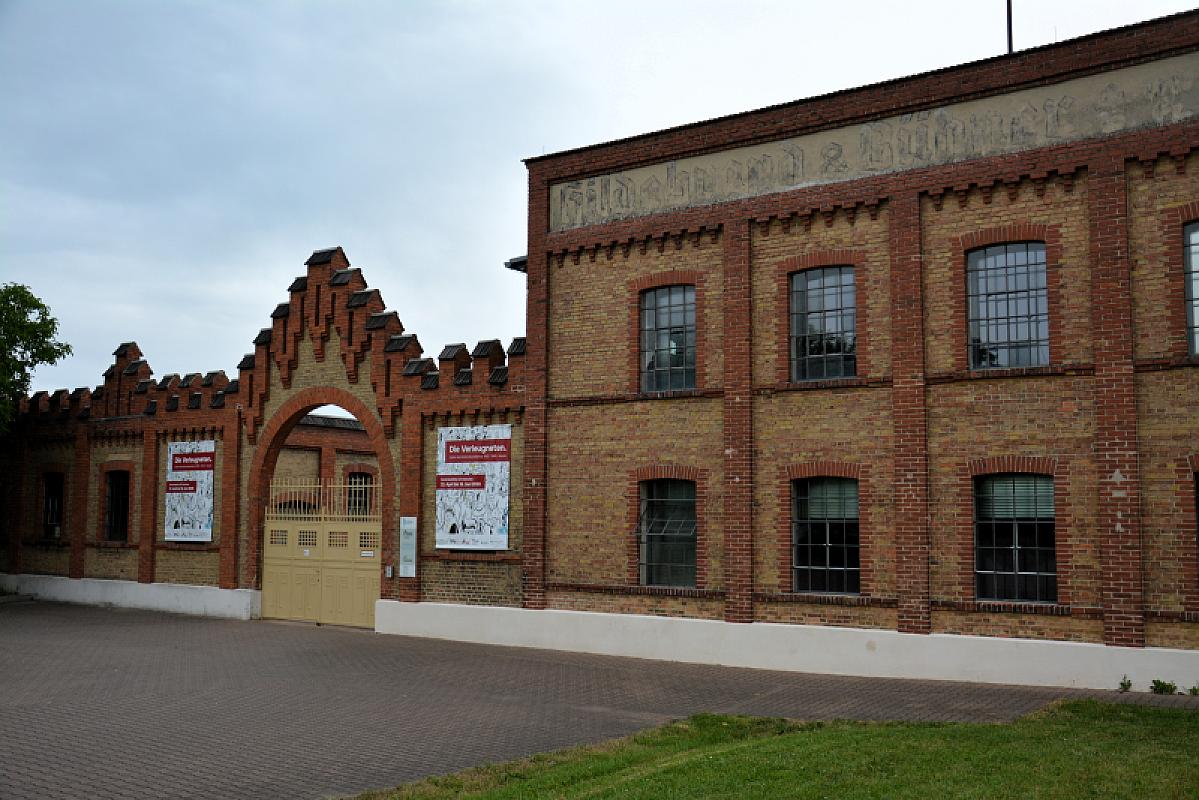
The SS murdered hundreds of thousands of Polish Jews at the Sobibór extermination camp. In 1965, a monument was erected on the historic site; in 1993, a museum was opened. In October 2020, after years of archaeological research and construction works, a new memorial complex has been inaugurated.
History
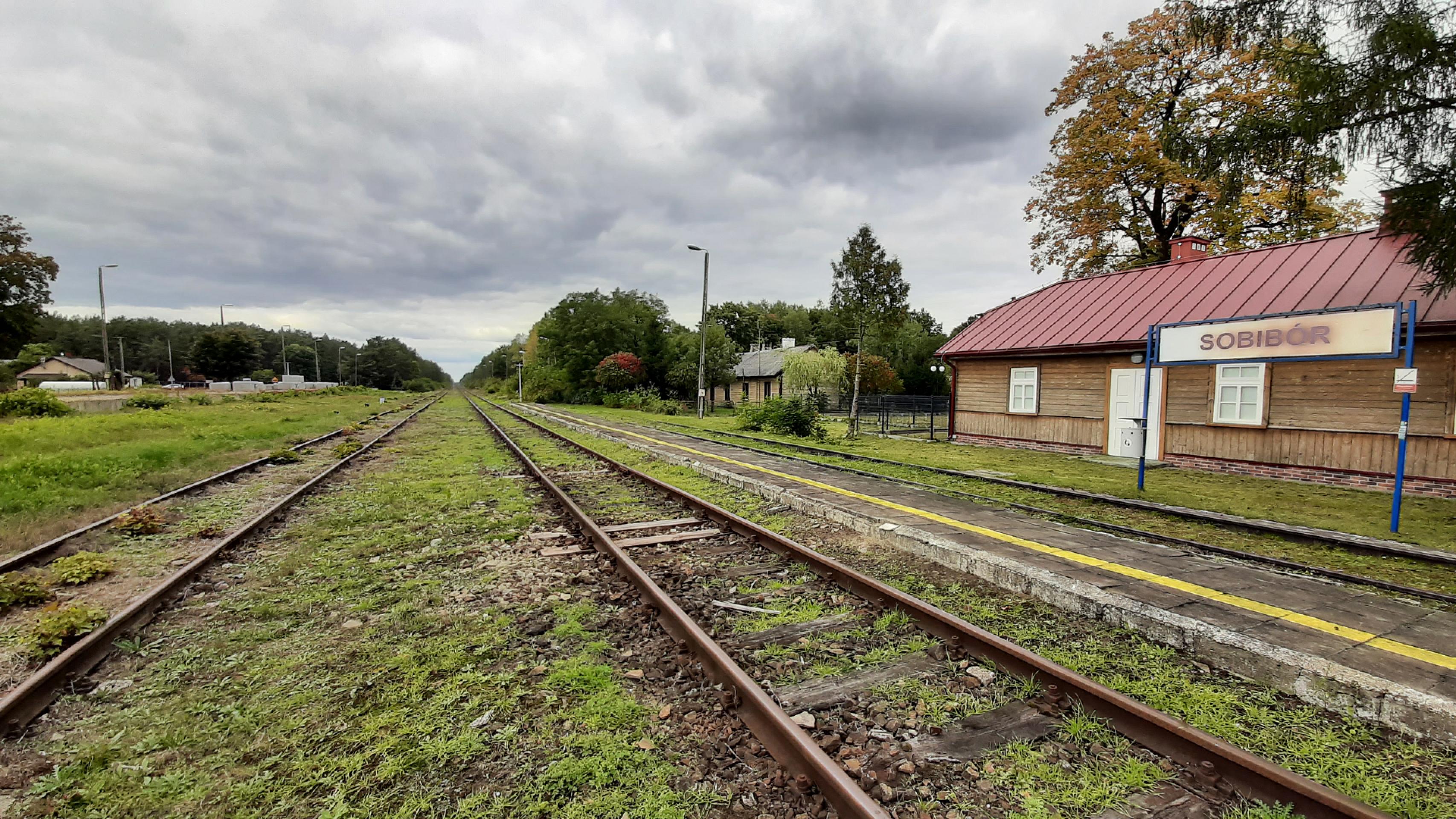
Following the invasion of the Soviet Union in June 1941, SS Einsatzgruppen (mobile killing units) began to systematically murder the Jewish population behind the front lines. This marked the transition to the genocide of European Jewry in the German sphere of influence. In an operation codenamed »Aktion Reinhardt«, German authorities planned and prepared the murder of Jews in the Generalgouvernement – the Polish territories occupied by Germany but not incorporated into the German Reich. The SS established three extermination camps according to the same pattern in scarcely populated areas which were well-connected to the railway system: Bełżec, Sobibór and Treblinka. The genocide took on unprecedented dimensions with the establishment of these camps, whose sole aim was to murder as many people as possible by poison gas.
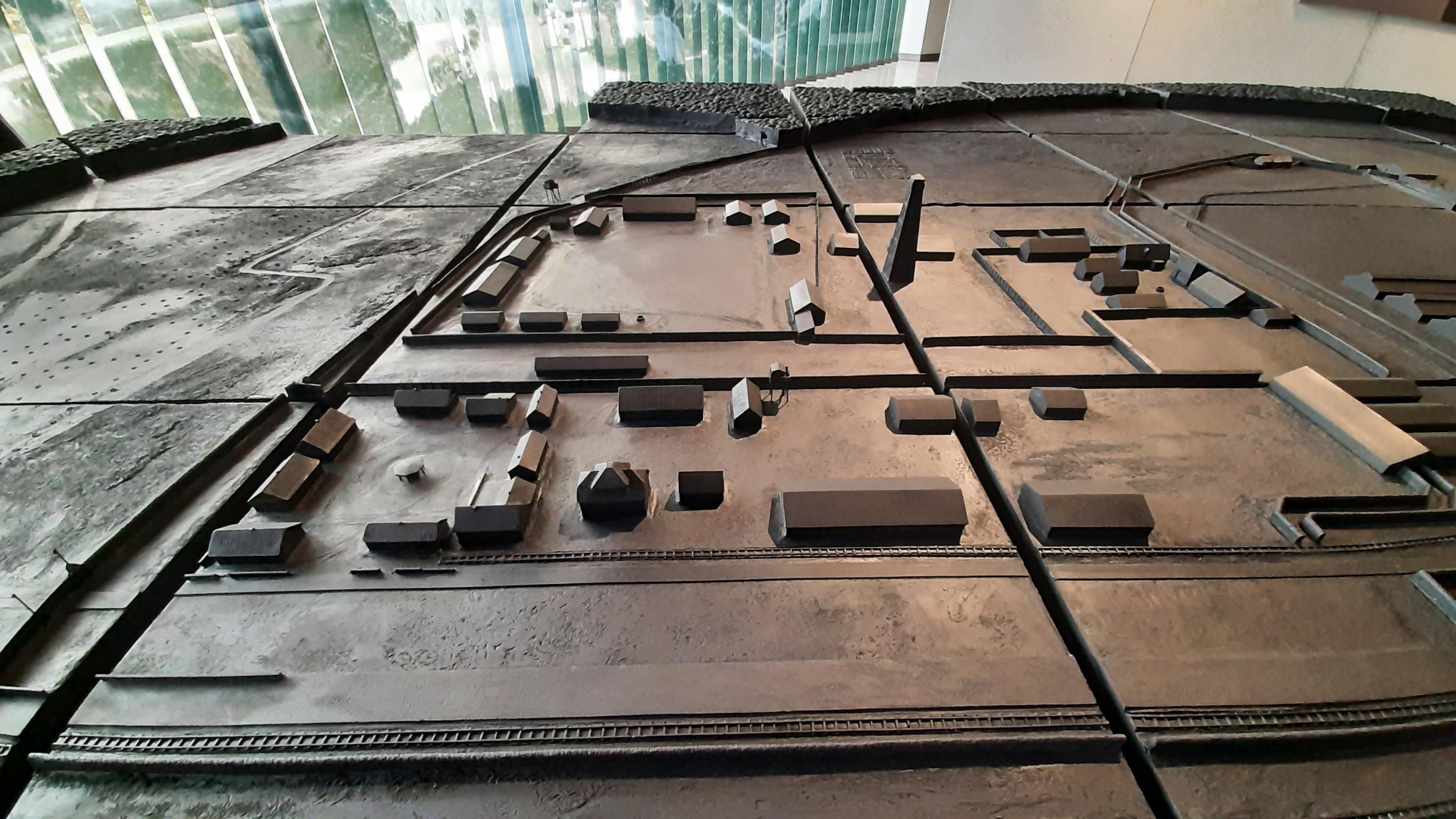
Sobibór, located on the eastern border of the Distrikt Lublin in the Generalgouvernement, was the second death camp of »Aktion Reinhardt«, after Bełżec. Some of the members of the SS who helped perpetrate the mass murder at Sobibór had previously also been deployed at Bełżec. The camp personnel consisted of about 25 to 30 members of the SS and some 120 »Trawniki«, mostly Ukrainian guards. The industrial scale murder of Jews from the Distrikt Lublin was begun at the beginning of May 1942. The camp personnel employed deception and brutal terror to speed up the murder process. Ill and weak inmates were shot immediately upon arrival. All others were forced to give up their valuables and to undress. The victims were chased down the so-called »tube«, a narrow enclosed path which led to the gas chambers, all the while being yelled at and beaten by the guards. In the gas chambers they were asphyxiated with exhaust fumes from motor engines.
Victims
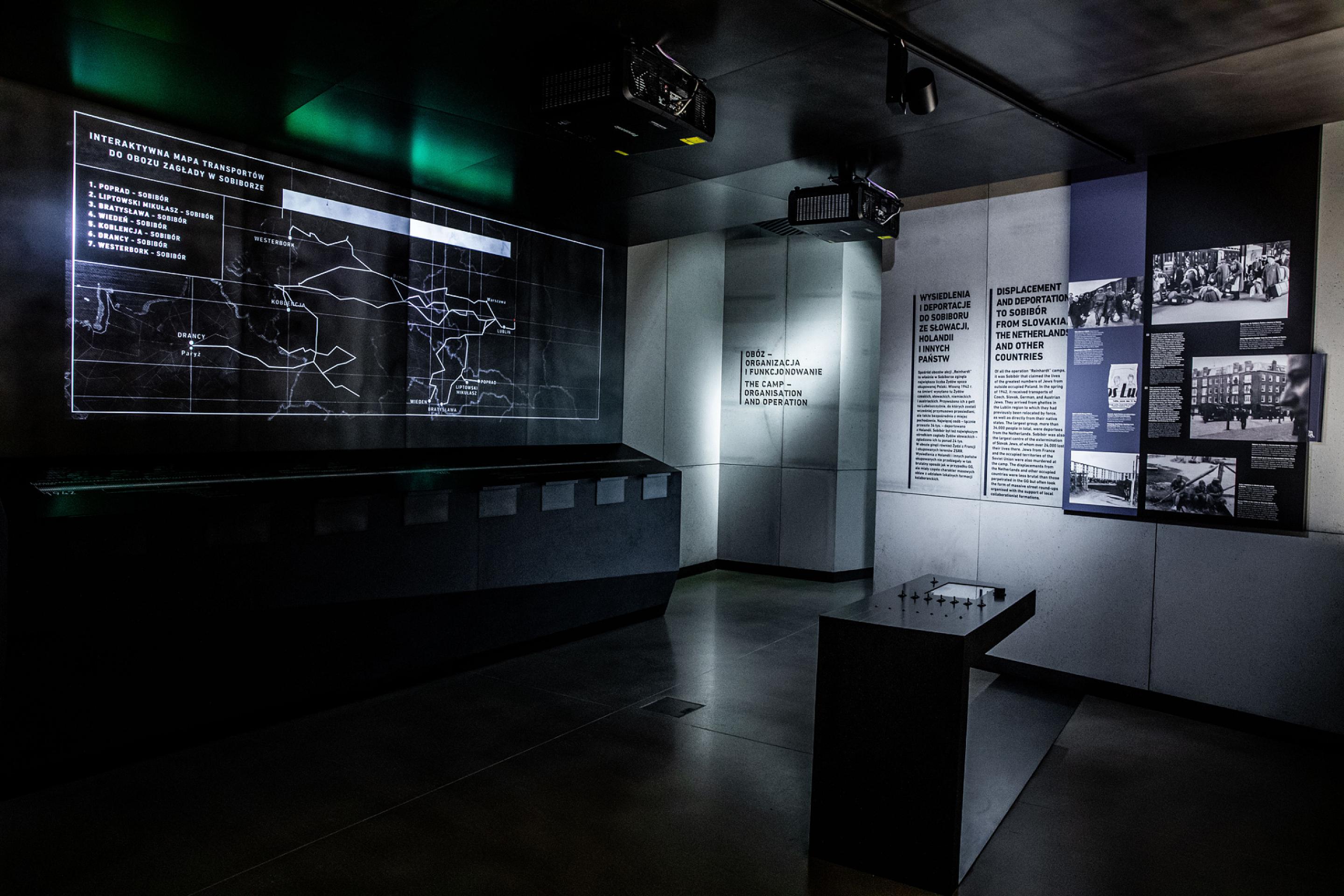
Up to 250,000 Jews were murdered by members of the SS in Sobibór – the exact number is not known. Most of the victims came from the Generalgouvernement, but also from Austria, Bohemia and Moravia, Slovakia, the Soviet Union, France, and the Netherlands.
The SS selected a group of men from several transports for work in the »Sonderkommandos«. They had to sort the valuables of the murdered Jews, search their bodies for hidden objects and remove gold teeth, but they were also forced to clean the gas chambers and burn the victims' bodies.
In the spring of 1943, prisoners noticed that fewer and fewer transports were arriving at Sobibór, which they interpreted as a sign that the camp would soon be dissolved. They were afraid that they too – as witnesses to the crimes – would be murdered. When the last 600 inmates of the Bełżec death camp were murdered at Sobibór in June 1943, members of the Sonderkommando found messages in the victims' attire which confirmed their fears. They consequently began planning an uprising. They were supported by Soviet prisoners of war, who had since 1942 been deployed in nearby forests as forced labourers. The revolt was launched on October 14, 1943. The inmates killed several members of the SS and »Trawniki« guards. About 300 prisoners were able to flee; 47 of them survived to see the end of the war.
The uprising hastened the dismantlement of the Sobibór camp. The SS murdered the remaining prisoners. All of the buildings were torn down and a farmhouse was constructed on the site in order to disguise any remaining traces.
Remembrance
After the Second World War, the history of the Sobibór death camp was for a long time unknown. There was no reminder of the mass murder at the former premises, which were now situated in a far-off part of Poland, in direct vicinity of the Soviet border. On occasion, the area was searched for valuables by looters.
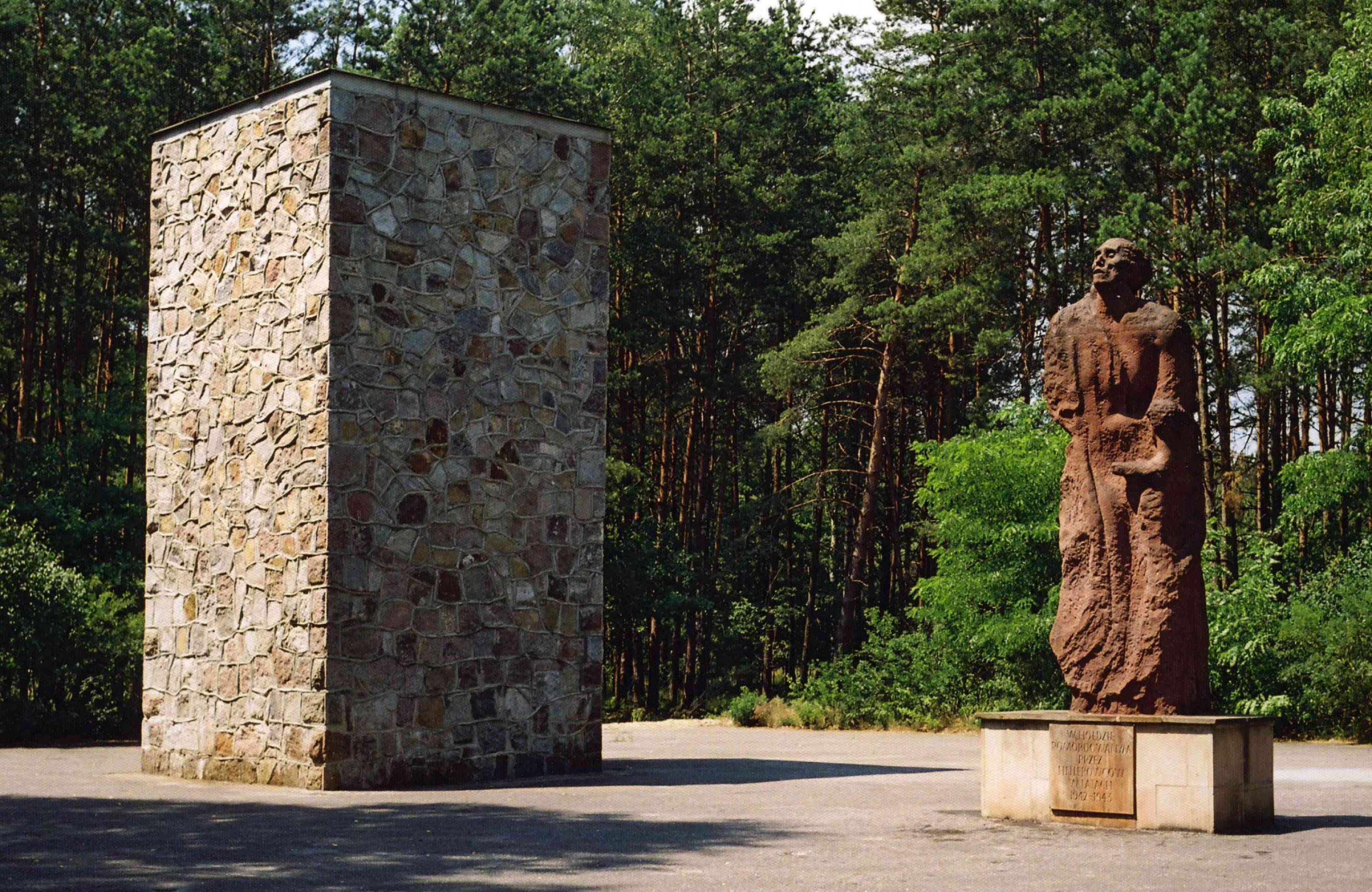
The People's Republic of Poland only set up a first monument on the site in 1965. As was the case with many other memorials that were erected at central sites of the Holocaust in Poland during that time, there was no mention of the fact that the victims were Jewish.
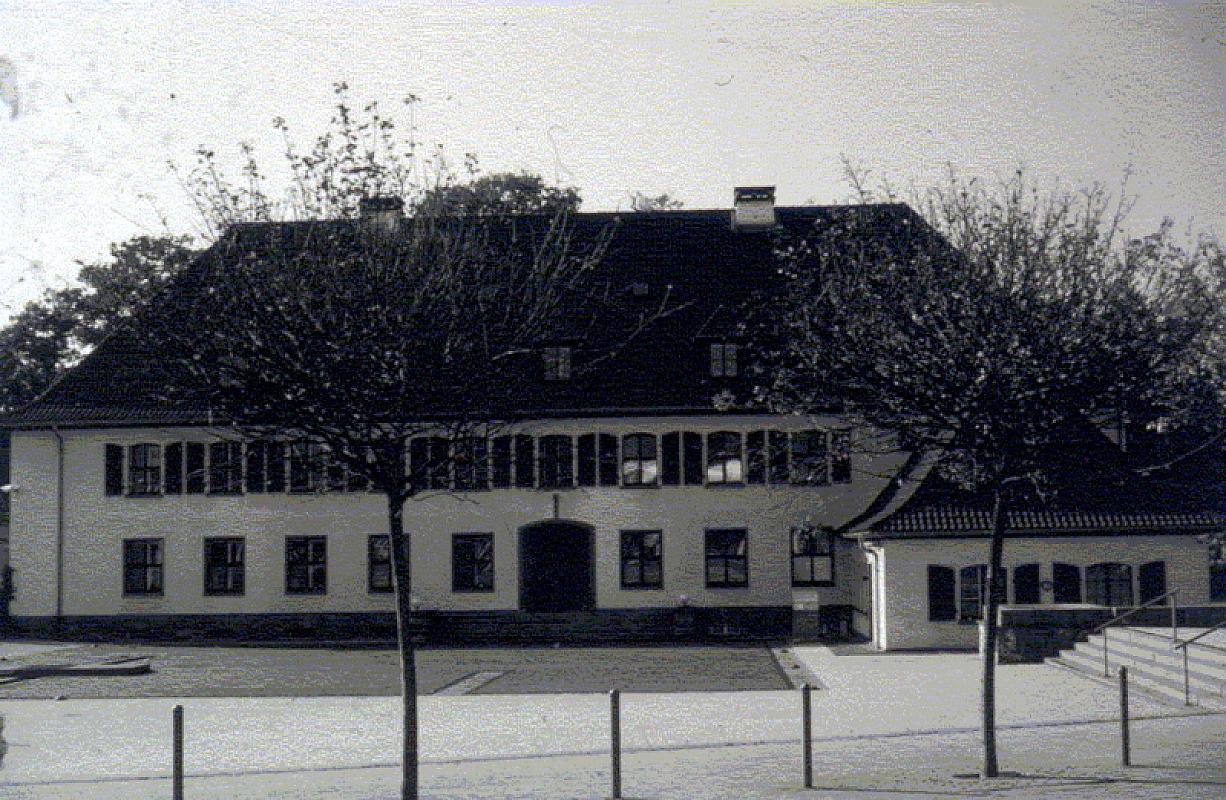
In 1993, on the 50th anniversary of the camp revolt, a small museum was opened on the former camp premises. For a long time, it was a branch of the nearby Włodawa museum, later it belonged to the State Museum Majdanek until it was torn down in 2014.
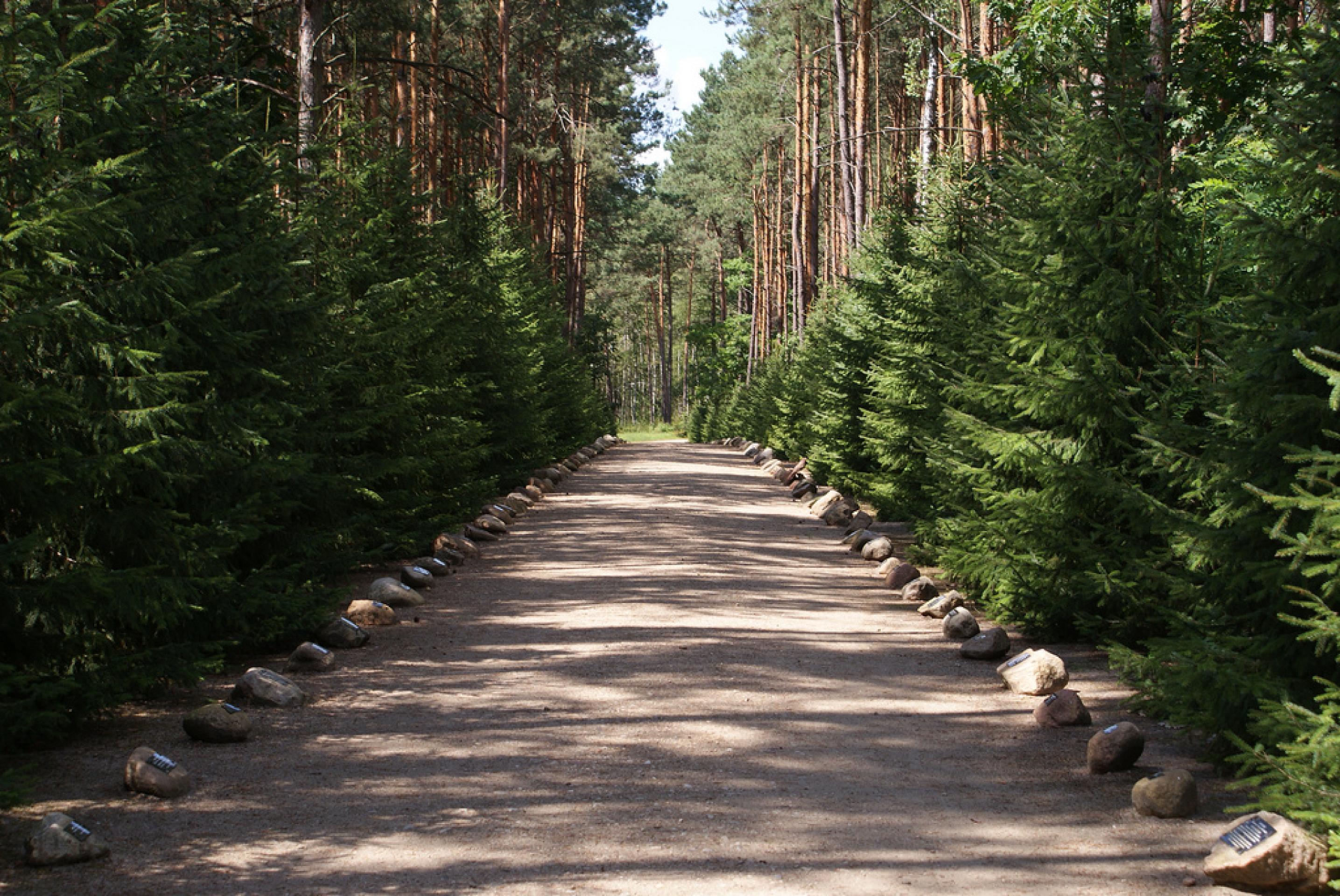
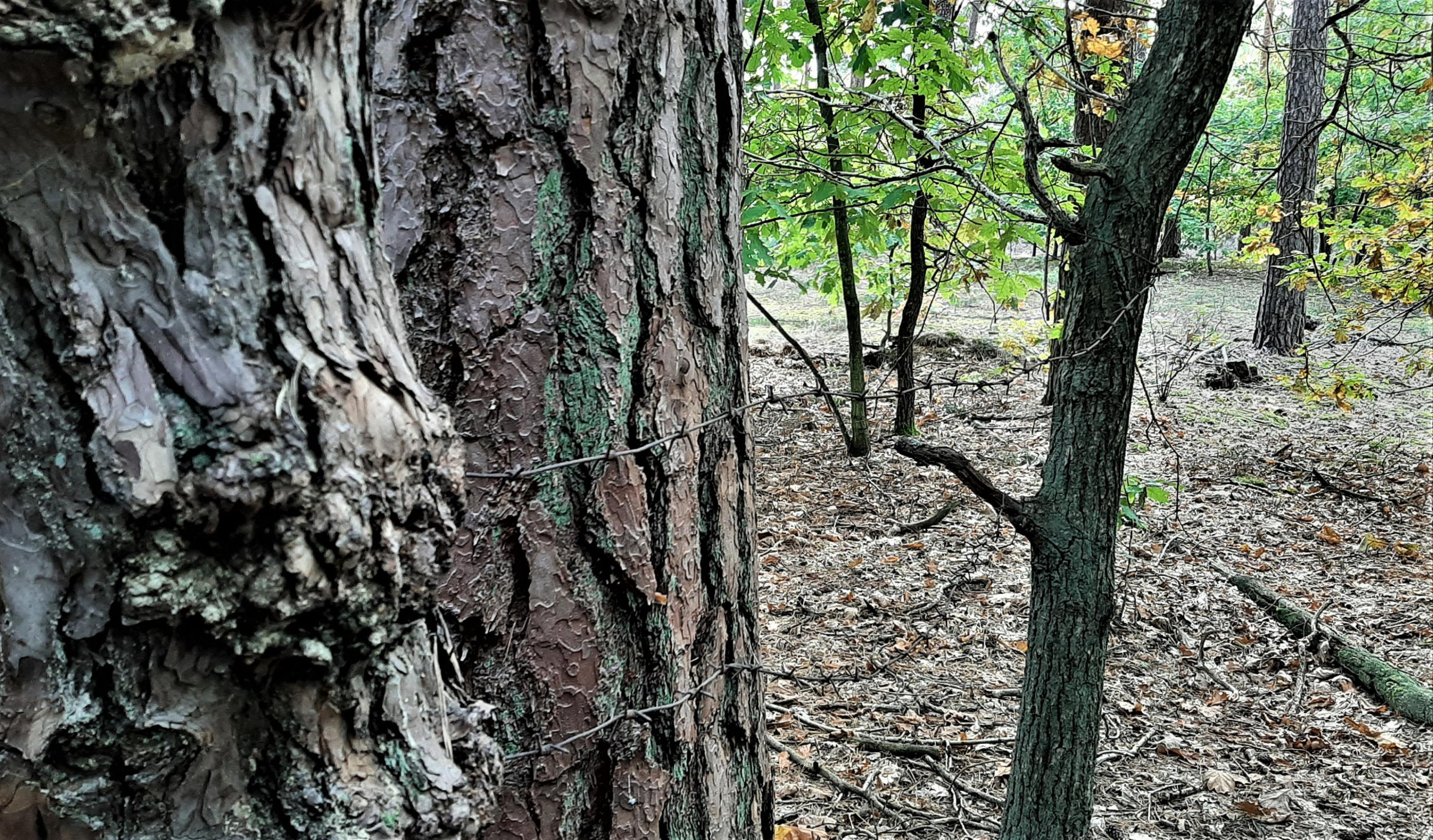
Since Beginning in 2003, volunteers have had worked on realising the »Memorial avenue«, a joint project of the Stanislaw Hantz Bildungswerk in Kassel, the Sobibór memorial and the Sobibór Foundation (Dutch: Stichting Sobibór), established by a survivor of the revolt, Jules Schelvis (1921–2016) from Amsterdam. The avenue followeds the path that the victims had to take from the ramp at the train station to the gas chambers. Newly planted trees and memorial stones bearing the names of victims were liningline the path. The path eventually had to yield in later years because of the restructuring of the memorial site, however, the memorial stones have been preserved.
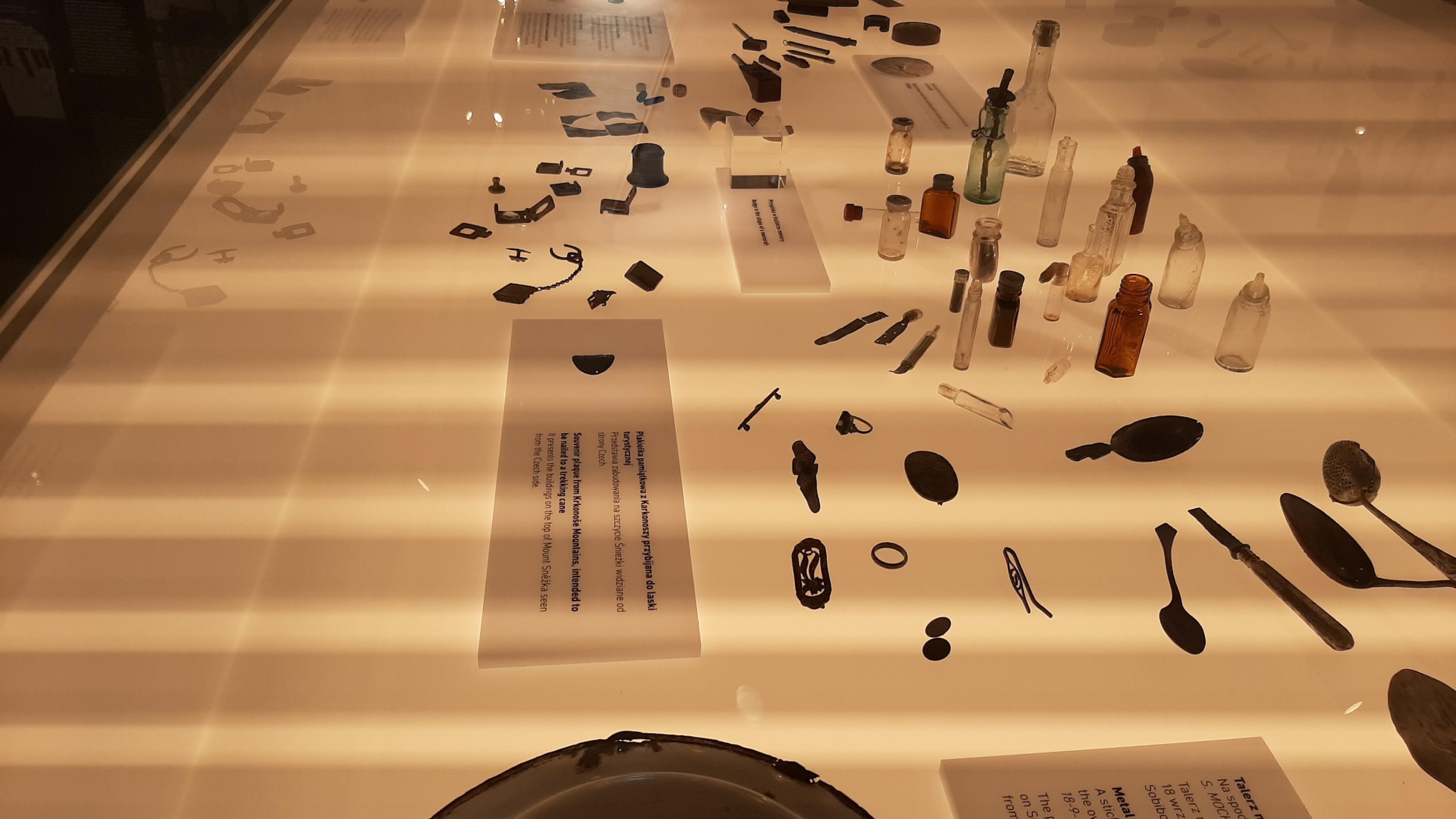
Between 2007 and 2014, an international team of archaeologists conducted research on the former premises of the death camp. For the first time, they could determine the exact location of the gas chambers and of the mass graves. Apart from human remains, the scientists unearthed personal objects that had belonged to victims of the camp.
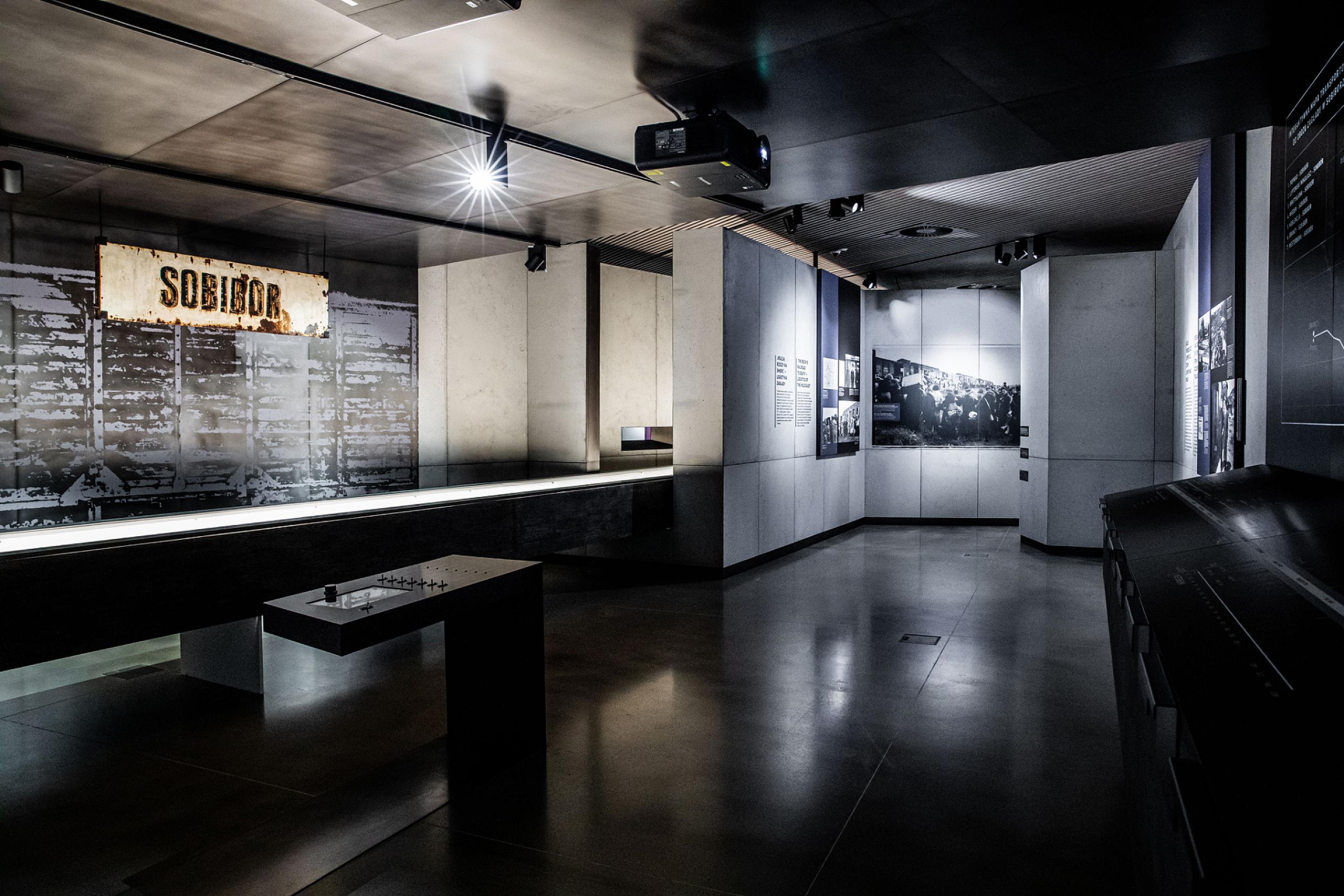
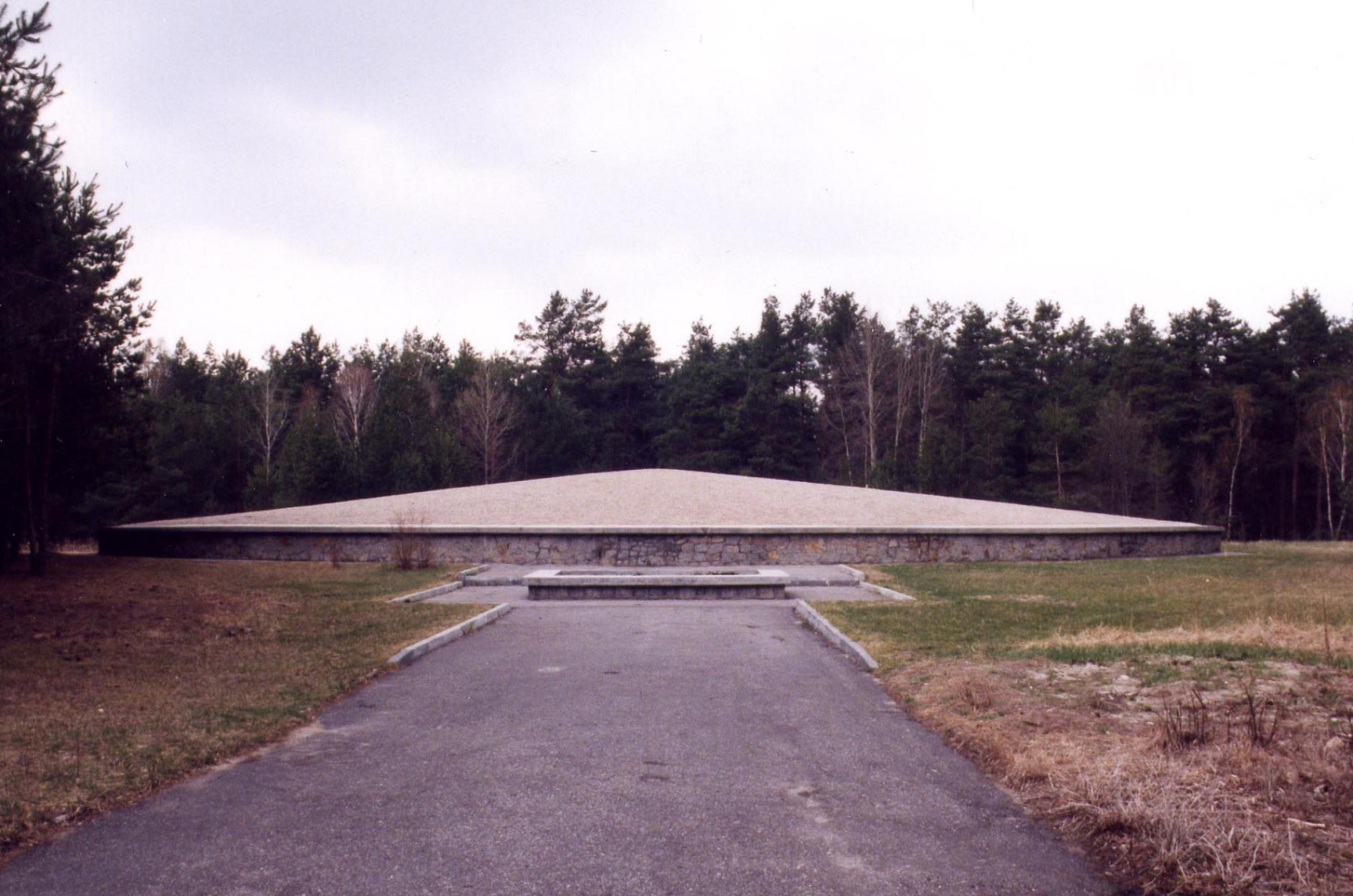
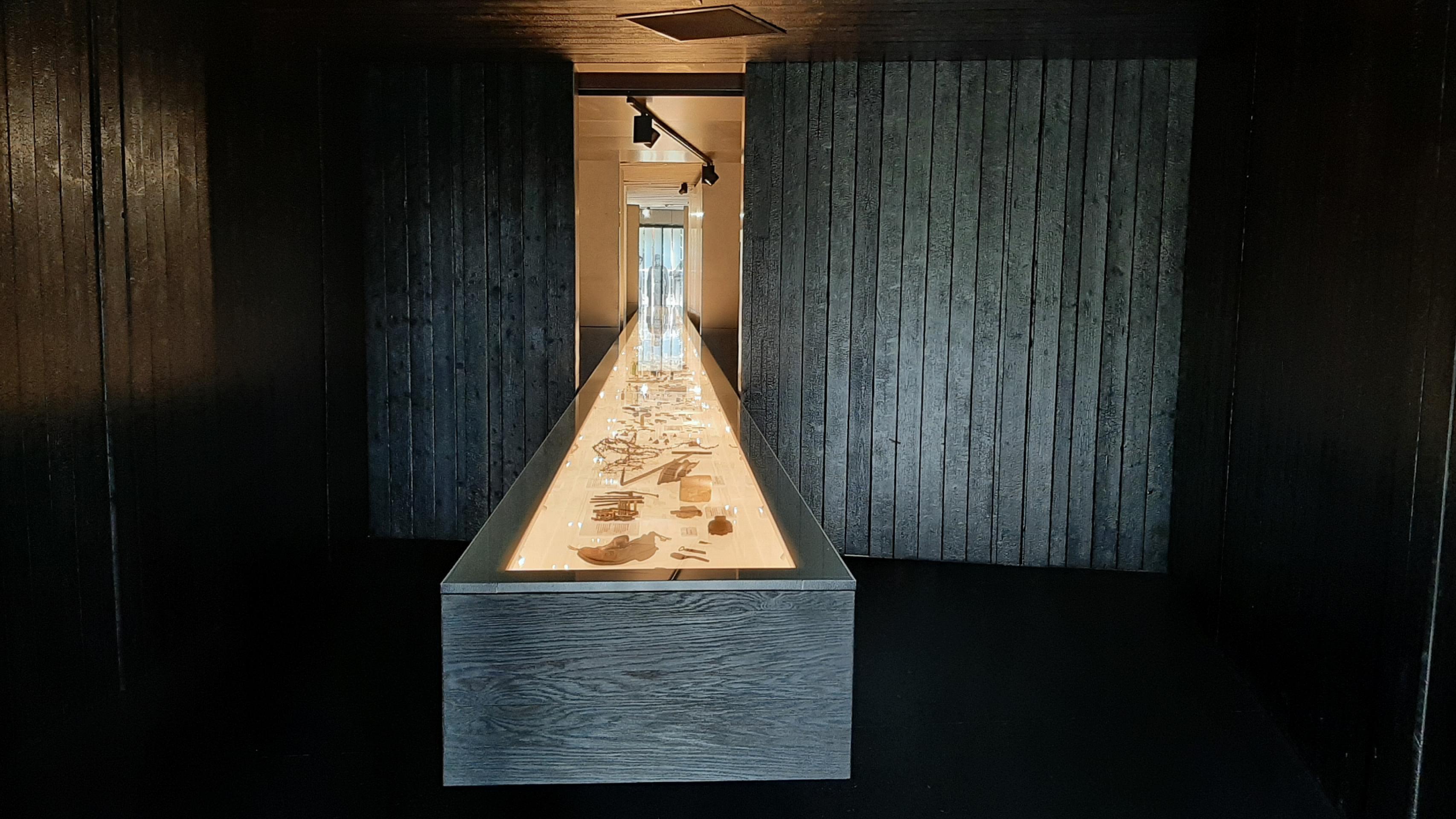
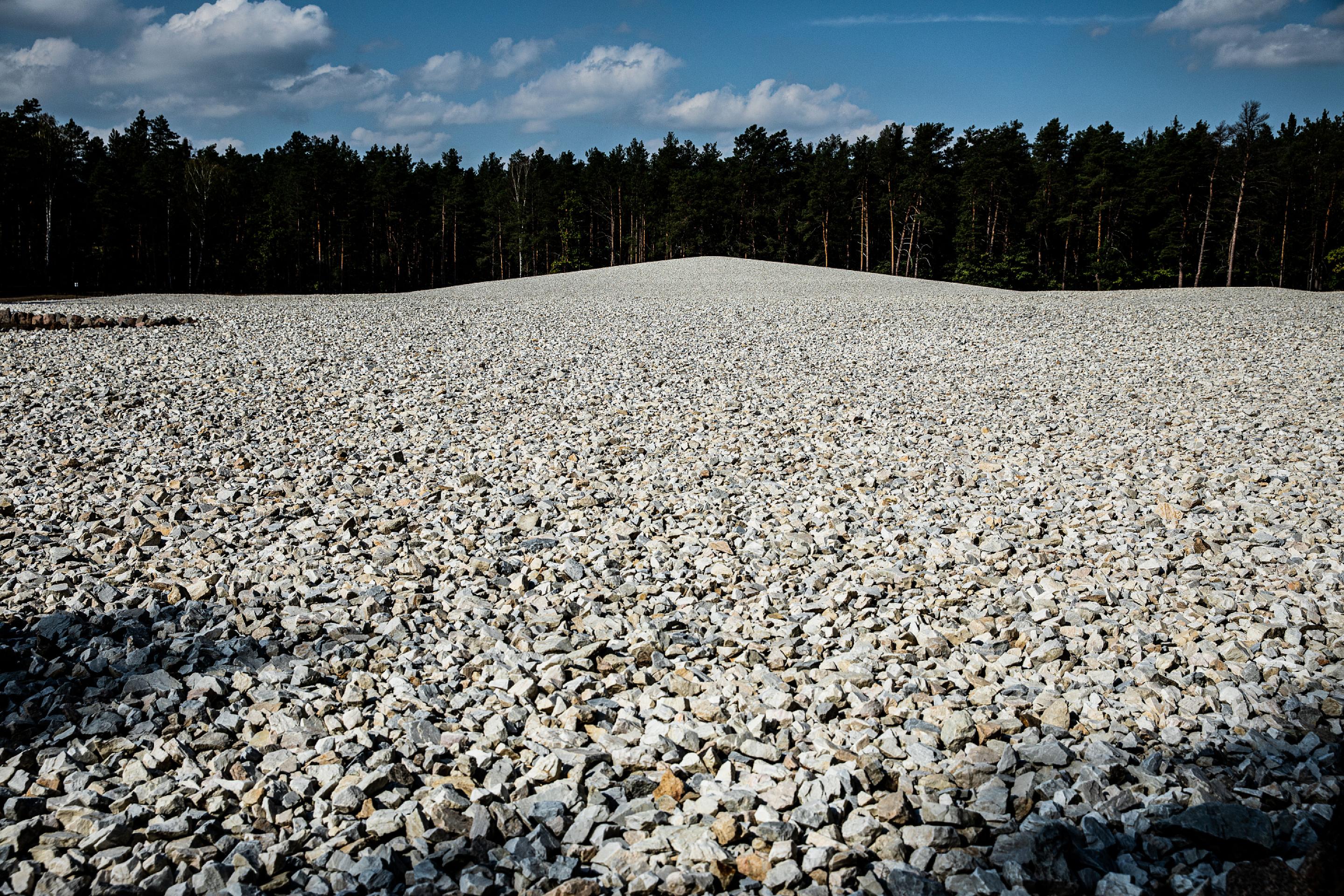
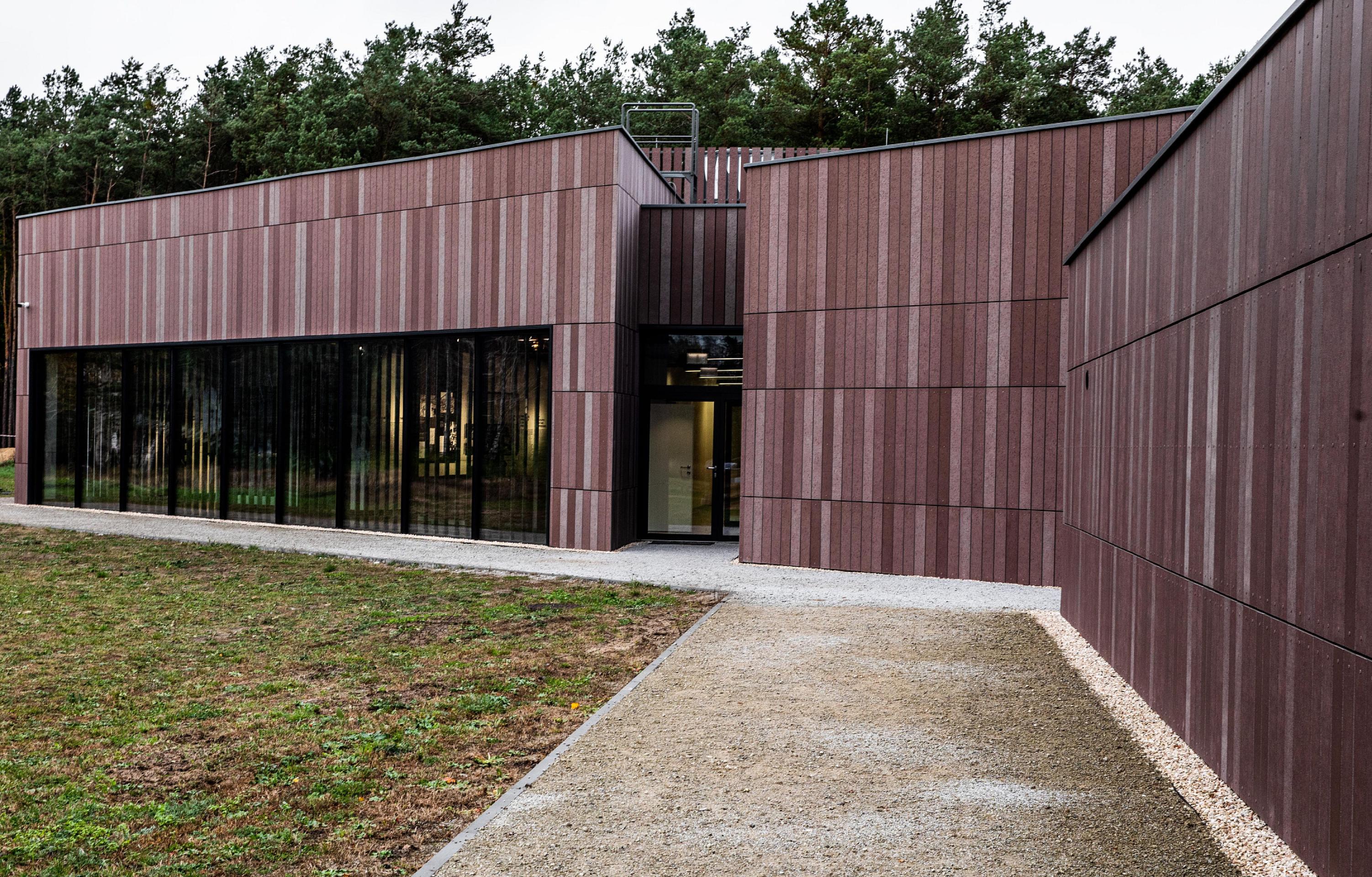
In 2017, construction began on a new memorial centre including an exhibition building. Beside Poland, Israel, the Netherlands, Slovakia and Germany are were involved in the project. The new memorial was finally opened in October 2020. The path to the new building leads along the former »tube«. In the permanent exhibition entitled »SS-Sonderkommando Sobibor. German Death Camp 1942-1943«, many objects found during excavations at the historical site are on display. The area where the mass graves were located has also been redesigned and covered with gravel. This area may no longer be entered by visitors.
Possibilities
Museum with information and documentation centre, library, guided tours, films, discussion panels, educational programme
Open
April to October 9 a.m. to 5 p.m.
November to March 9 a.m. to 4 p.m.
Closed on Mondays, national holidays and Yom Kippur
Contact
http://www.sobibor-memorial.eu
info@sobibor-memorial.eu
+48 (0)82 572 60 30
Żłobek 101
22-200 Włodawa