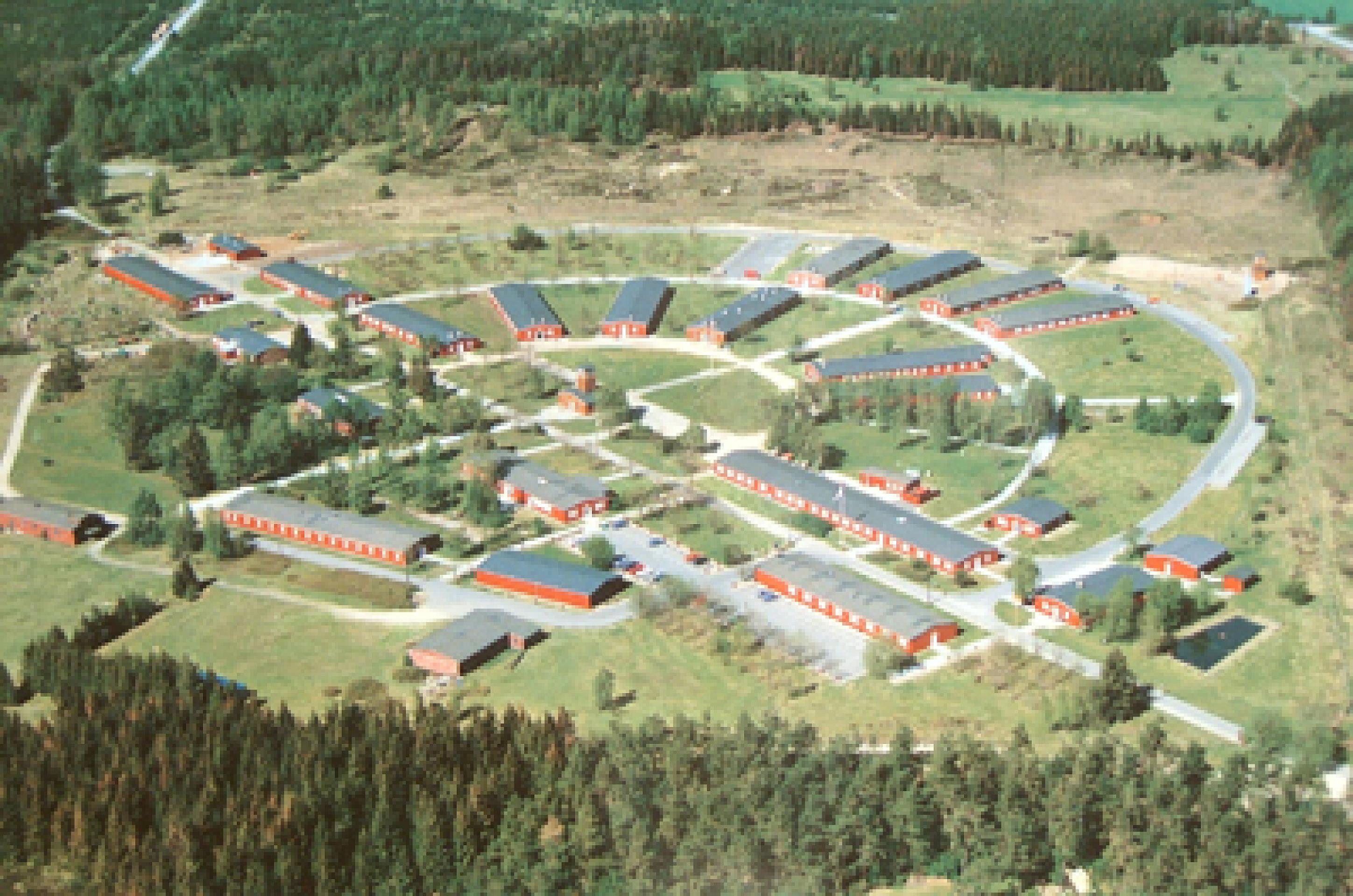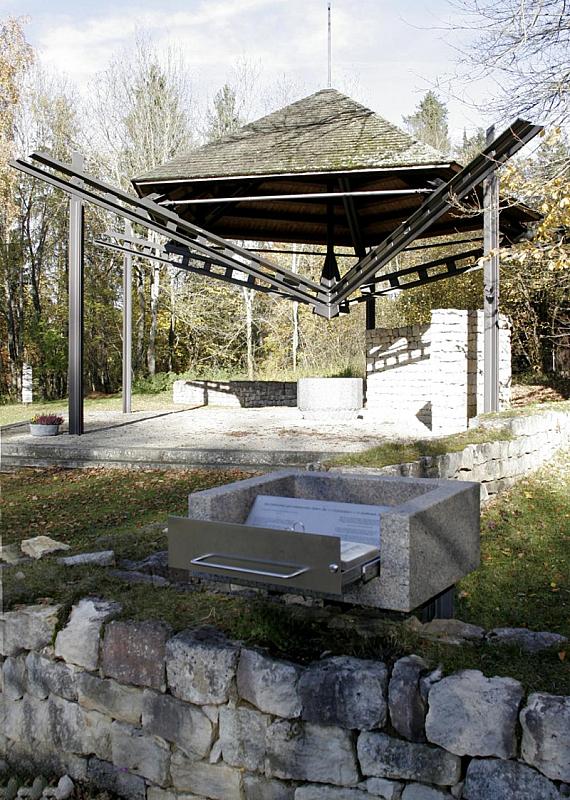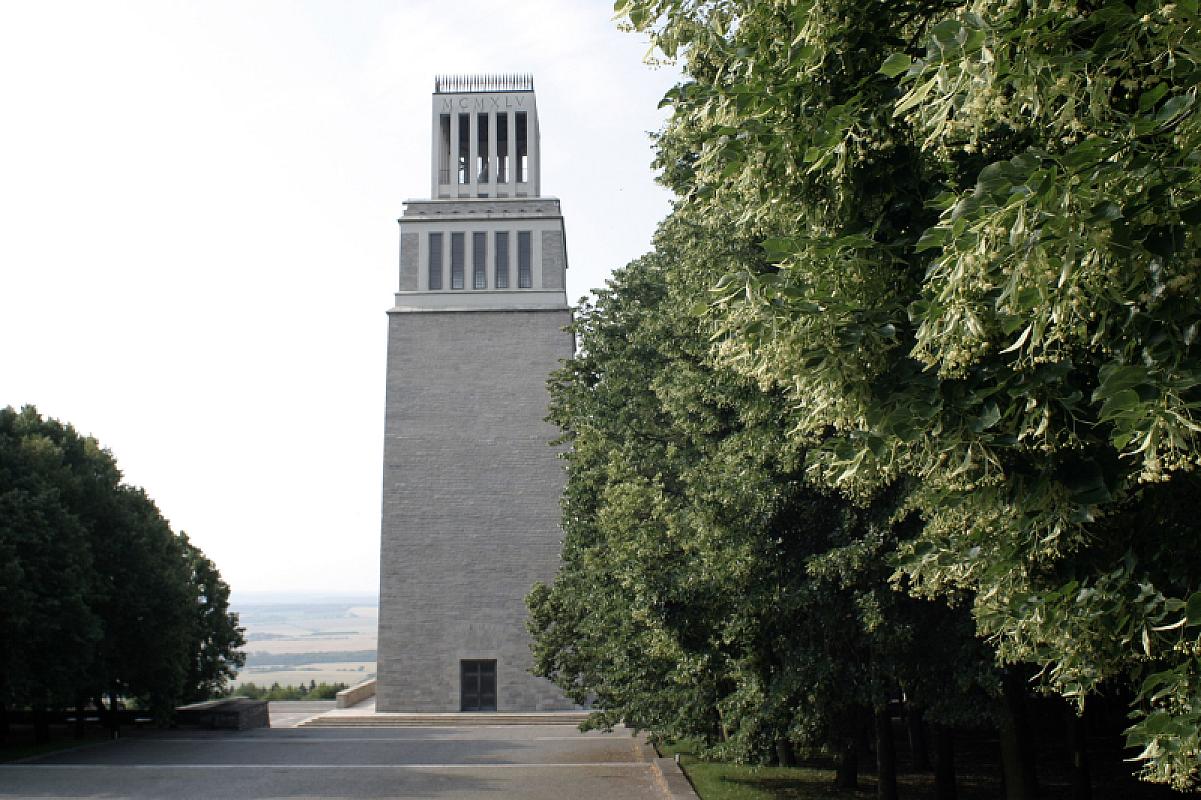
Since 1965, a memorial site in Frøslev - located in close vicinity to the German border - has been commemorating the former »Police Internment Camp Frøslev«. From here, the SS deported many members of the Danish resistance in the years 1944/45.
History
Denmark was under German occupation between April 9, 1940 and May 5, 1945. The government felt compelled to cooperate with the German occupying forces.
At the same time, however, the resistance movement began to grow and gained significant strength by spring 1943. The existence of an illegal underground press as well as strikes and sabotage caused tension between Germans and Danes. New demands of the occupiers forced the Danish government to resign on August 29, 1943.
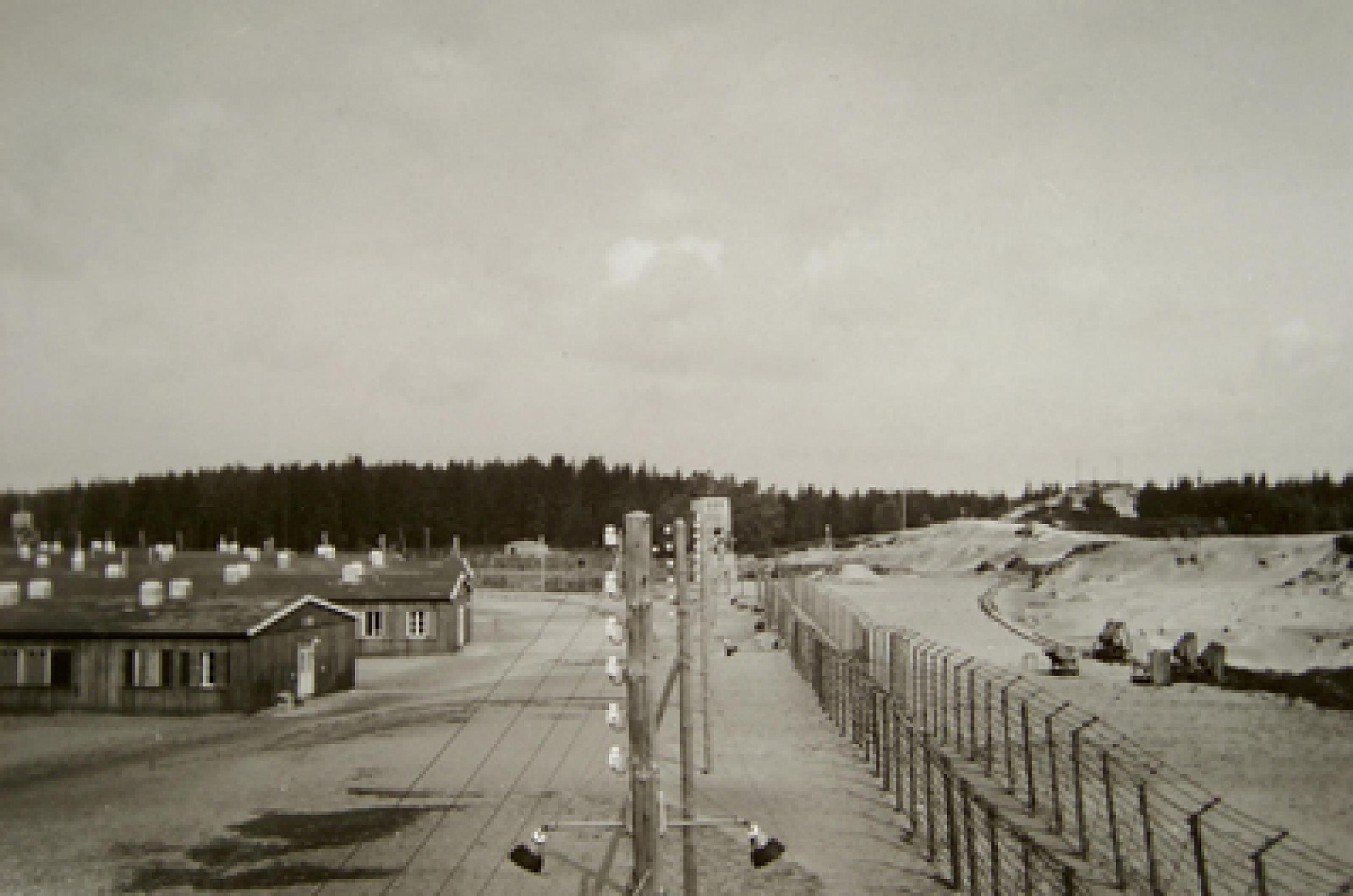
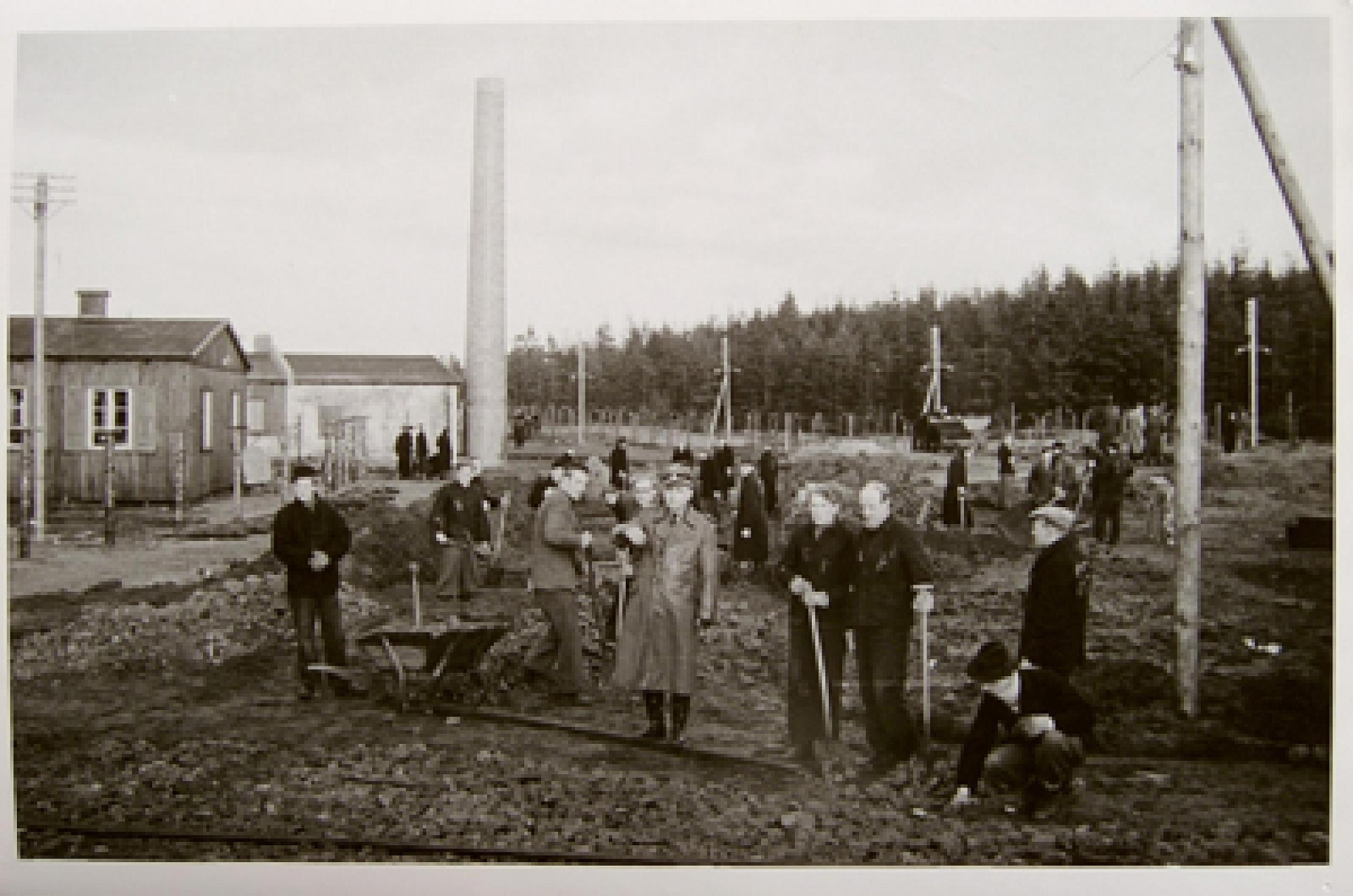
In 1944, the German Sicherheitspolizei (security police) established a »police internment camp« in Frøslev, which was initially meant for 1,500 prisoners, but quickly became overcrowded. Due to the particular occupation policy of the Germans in Denmark, conditions in the prison camp remained relatively humane: the Danish prison administration, not the SS, was responsible for providing the prisoners with supplies.
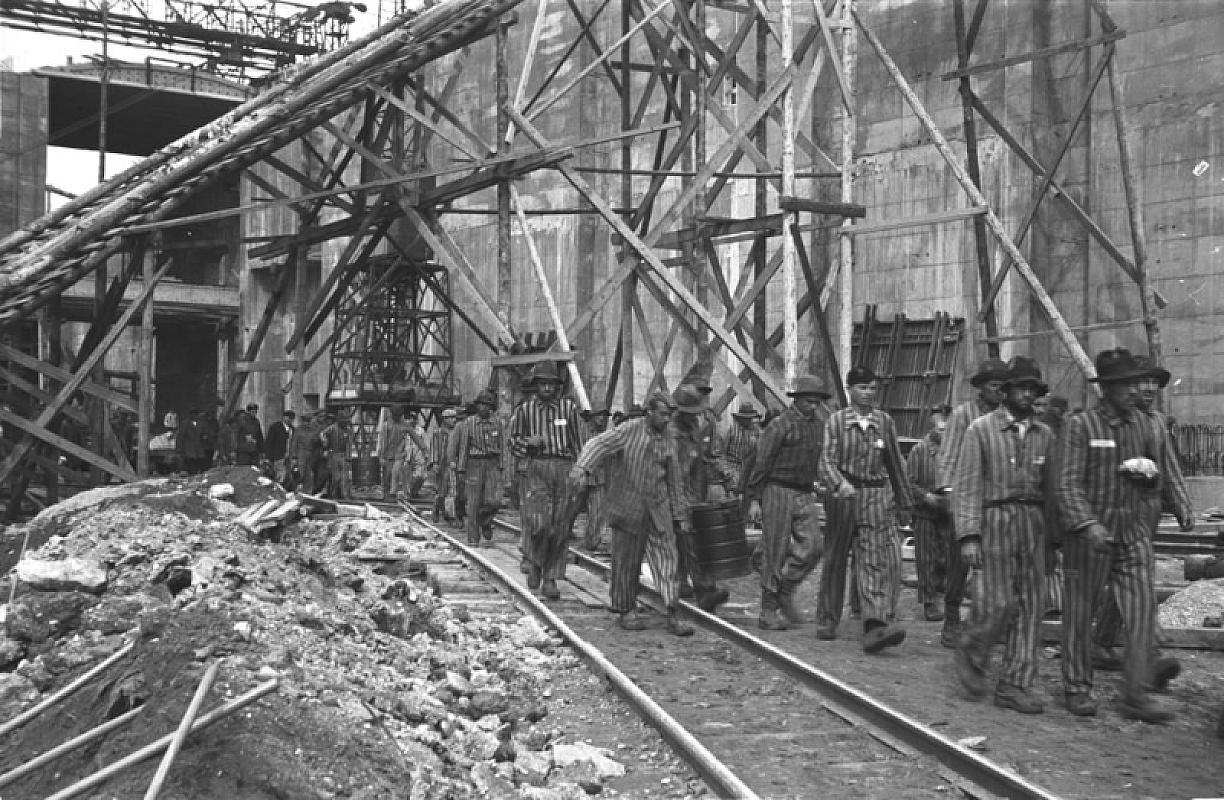
According to a previous agreement between the Danish government and the German occupiers, Danish prisoners were not to be taken outside of the country. The SS broke this agreement and deported around 1,600 of the camp's 12,000 prisoners to German concentration camps. 220 of them perished.
Victims
In all, around 12,000 Danish citizens were held captive by the German Sicherheitspolizei (security police) in Frøslev prison camp. About 1,600 of them were deported to concentration camps outside of Denmark. 220 resistance fighters who were deported from Frøslev perished in German camps.
Remembrance
Directly after the war, the Danish government interned collaborators at the prison camp site; many of them were members of the German minority. After 1949, the Danish military used the camp buildings as barracks. In 1965, former prisoners of the camp established a small museum on the camp site.
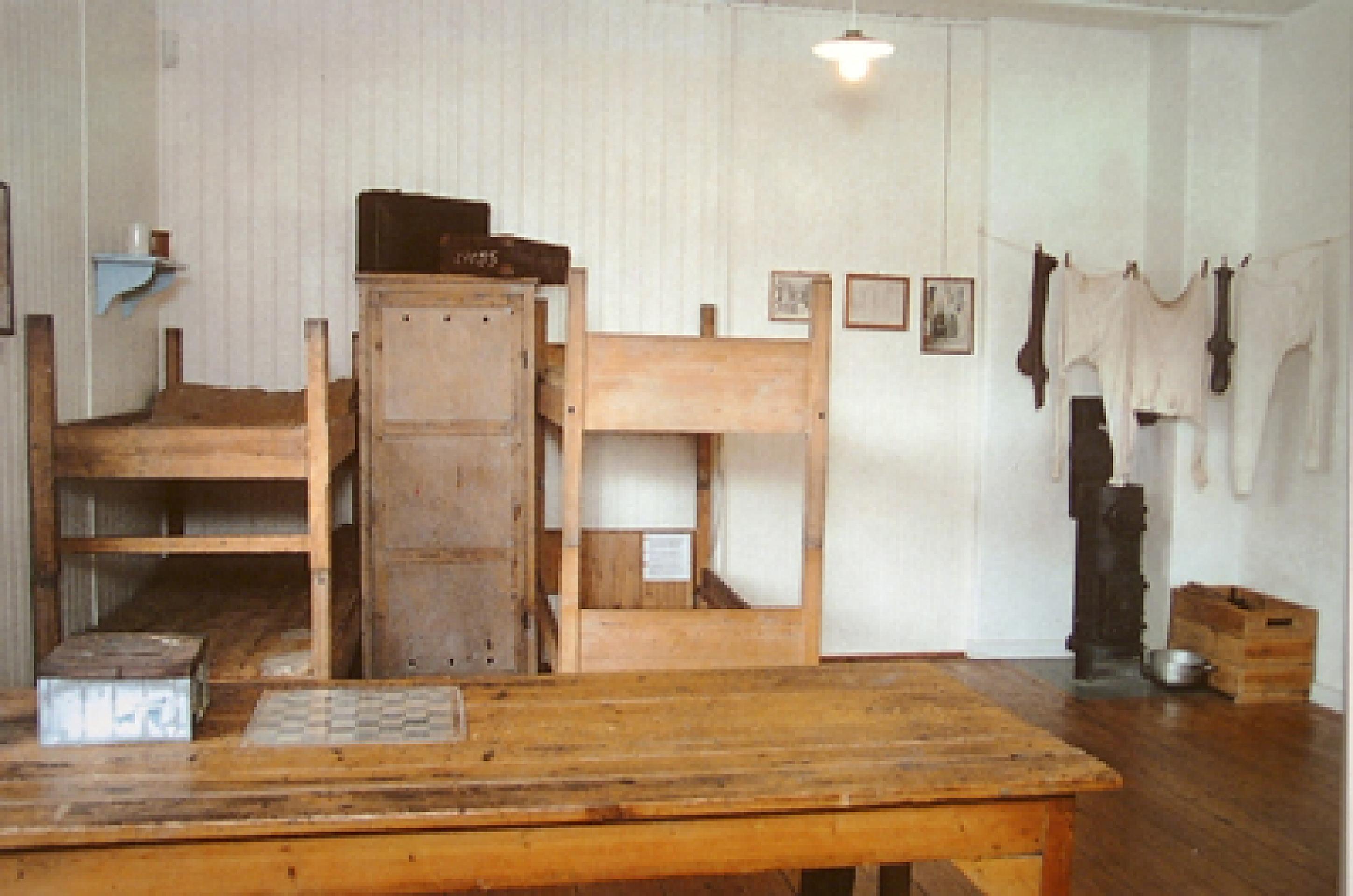
Today, the museum is in the former administration building and one of the former barracks of the camp. Both buildings are in their original state. Central themes of the exhibition are the political background for the establishment of the camp, everyday life of the prisoners and the conditions in German concentration camps, to which prisoners from Frøslev were deported.
Possibilities
Exhibition, library and database containing information on the over 9,000 inmates, lectures by surviving former prisoners
Open
Tuesday to Friday: 9 a.m. to 4 p.m.
Saturday, Sunday and holidays: 10 a.m. to 5 p.m.
June 18 till August 10: 10 a.m. to 5 p.m.
Closed in December and January. Free admission.
Contact
froeslevlejren@aabenraa.dk
+45 (0) 746 765 57
Lejrvej 83
6330 Frøslev