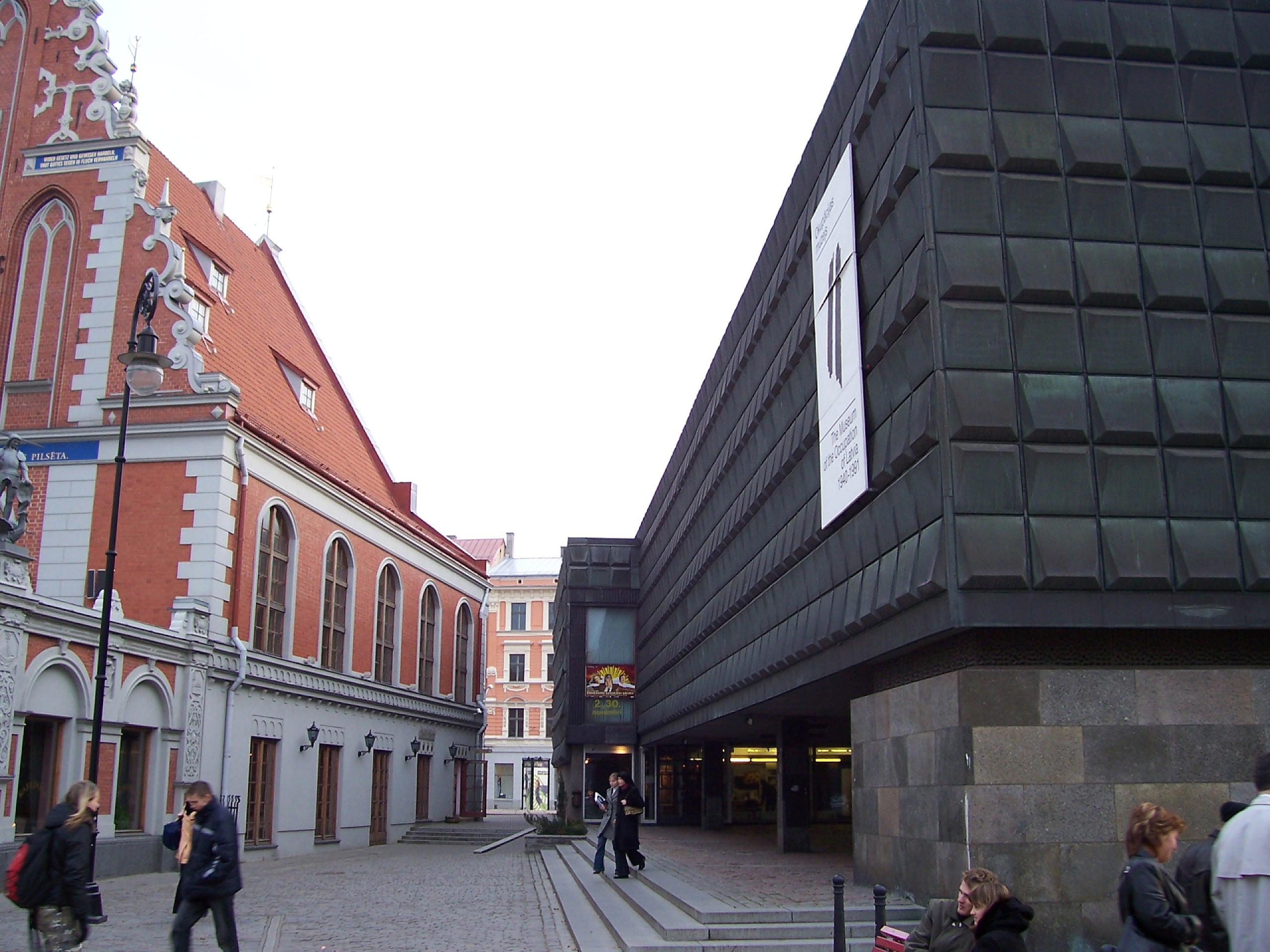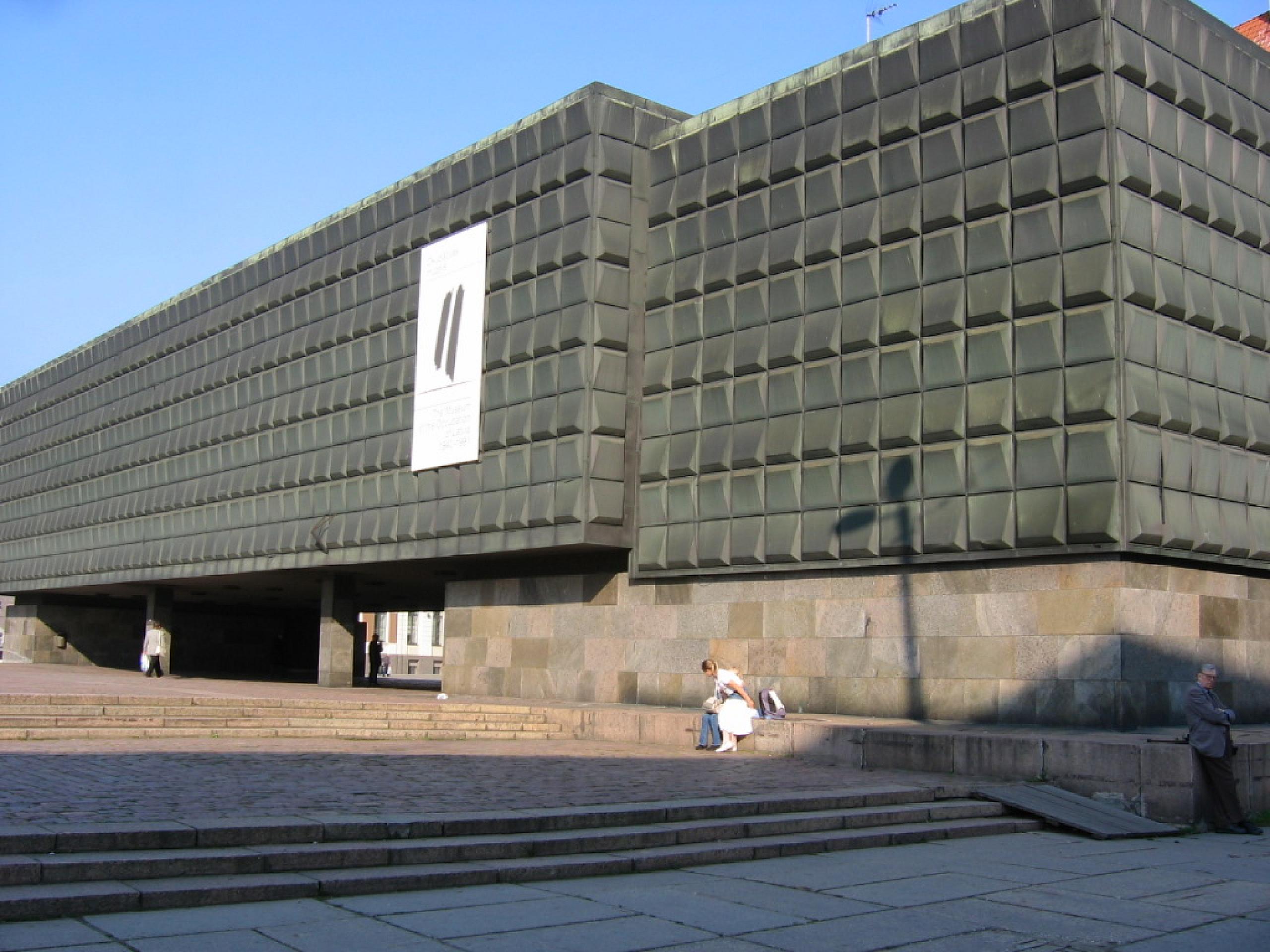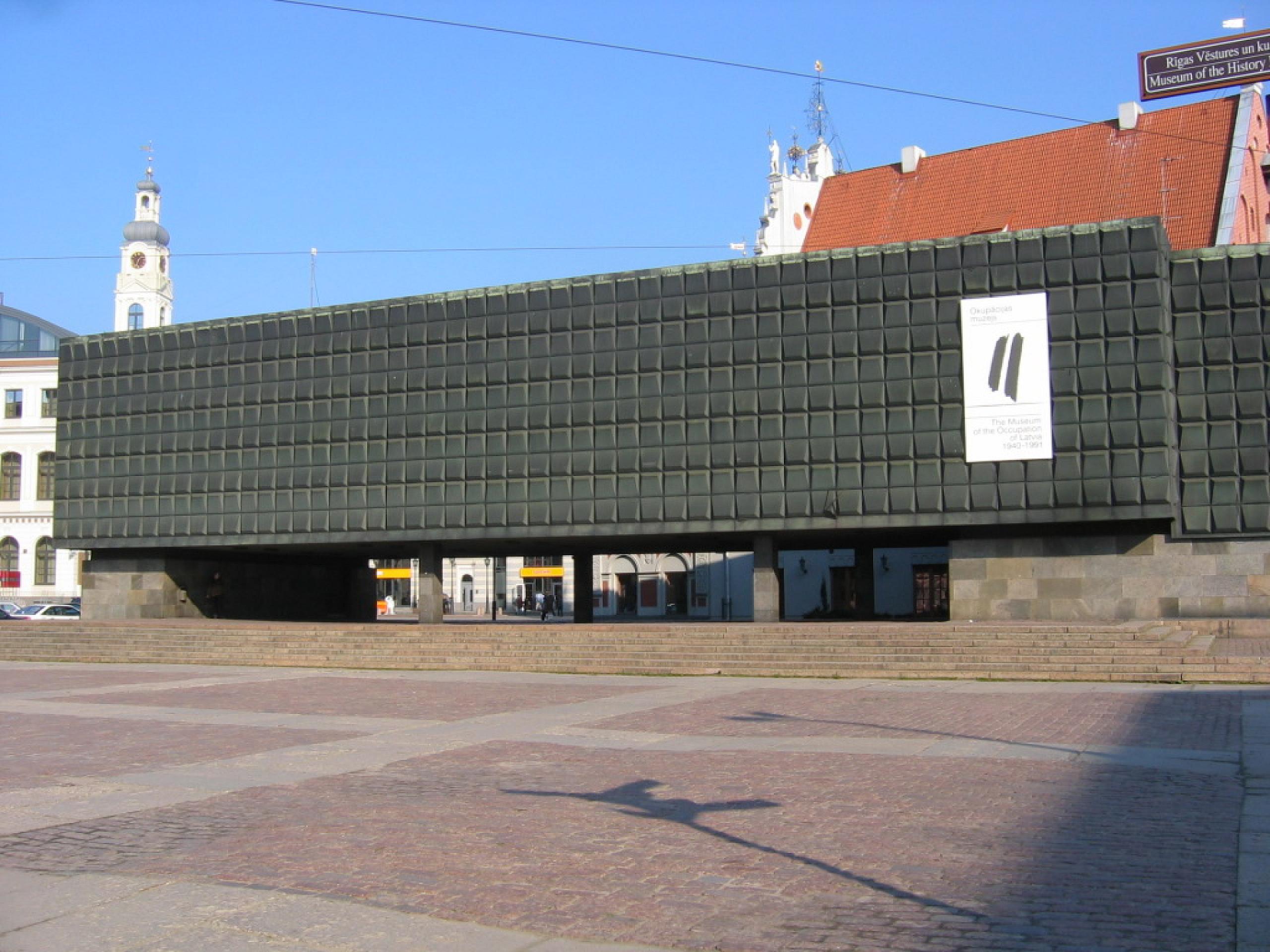
The Museum of the Occupation of Latvia, located in the city centre of Latvia's capital Riga, commemorates the National Socialist and Soviet occupations of Latvia in the years 1940 to 1991.
History
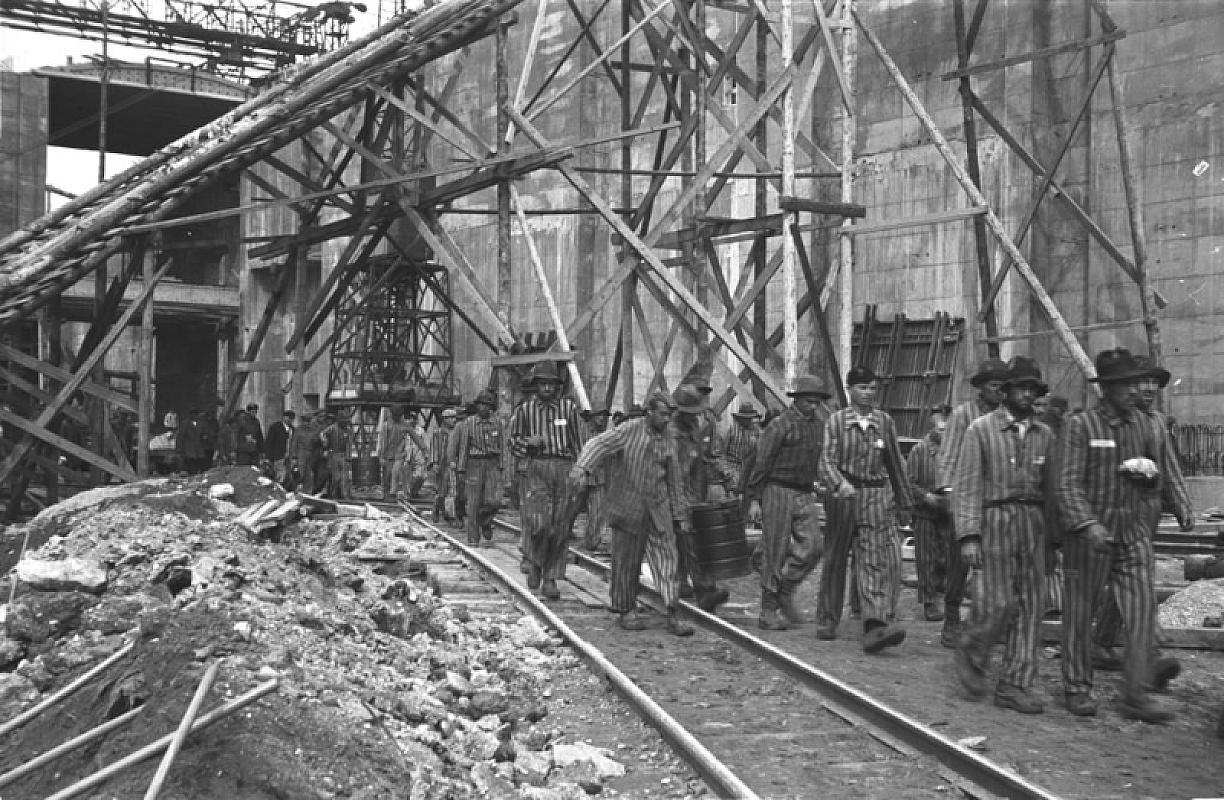
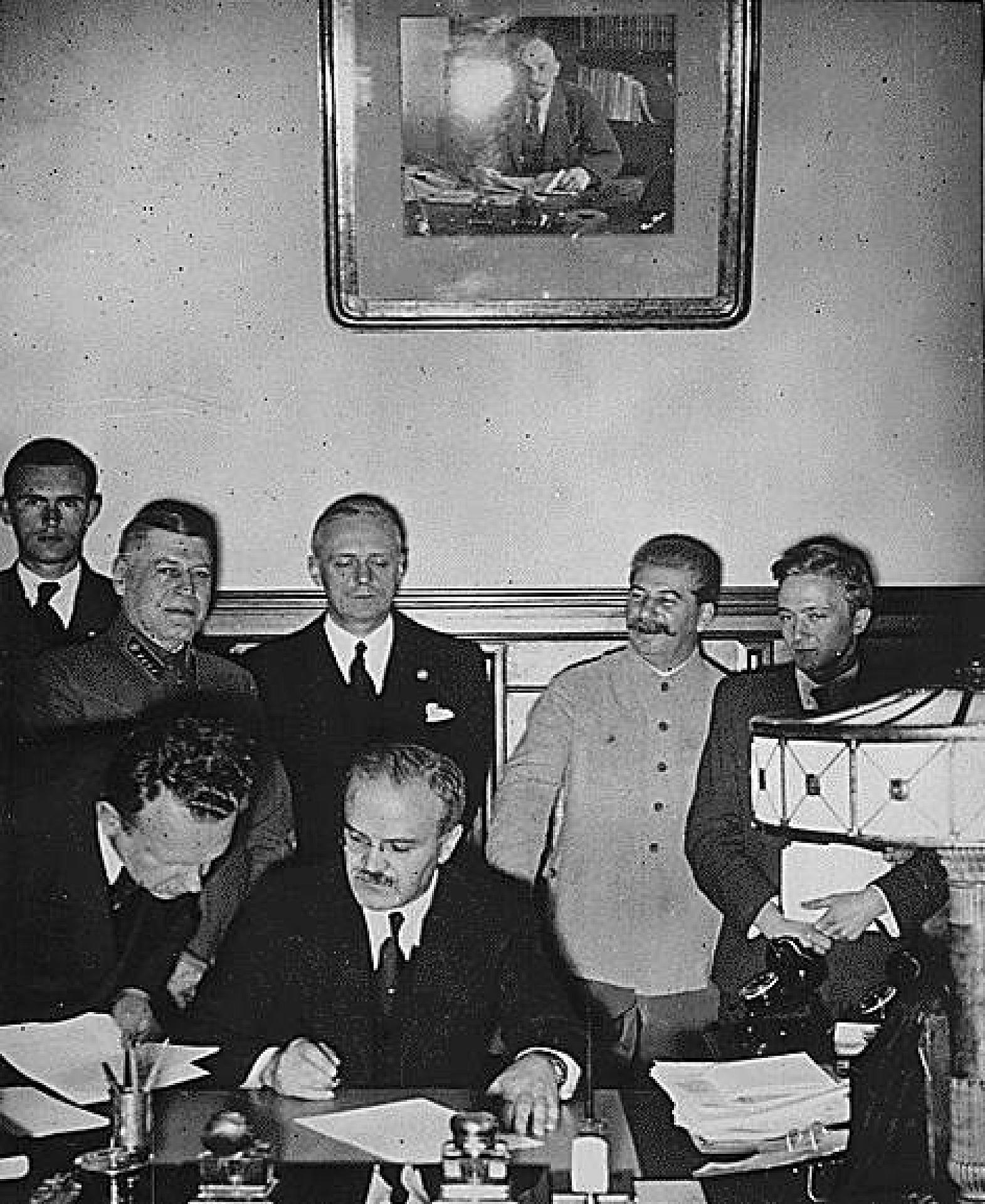
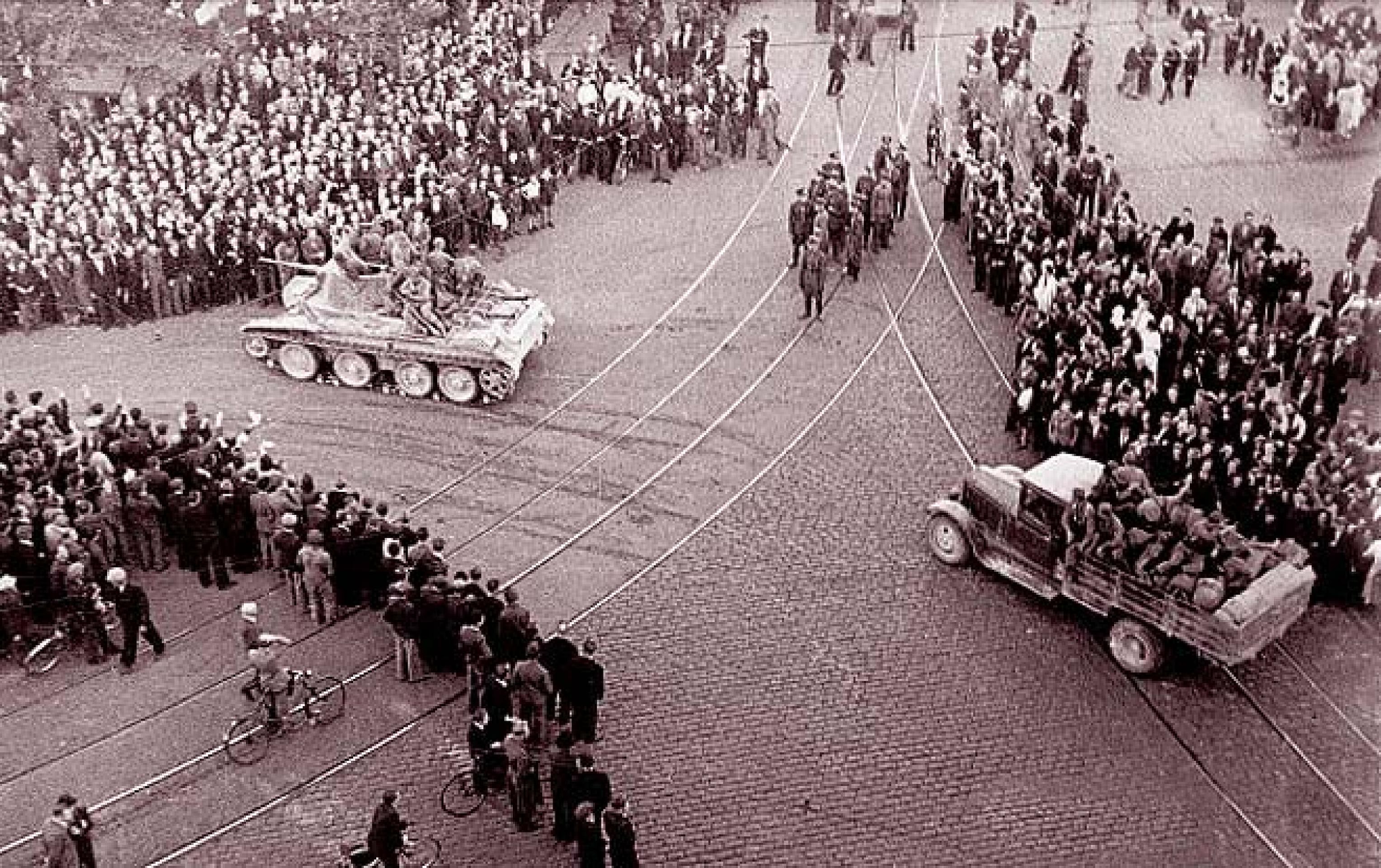
In 1940, independent Latvia was first occupied by the Red Army and then annexed by the Soviet Union in accordance with a treaty between Germany and the Soviet Union - the so-called Molotov–Ribbentrop Pact. Tens of thousands of Latvians, including about 23,000 Jews, were deported to Siberia by the Soviet secret service NKVD. Not long after the German invasion of the Soviet Union on June 22, 1941, the Wehrmacht took Latvia. SS Einsatzgruppe A (mobile killing squad) was given the task of making Latvia »judenfrei« (free of Jews). Together with members of Latvian paramilitary units, SS Einsatzgruppe A murdered almost all of the country's Jewish population within the first year of occupation.
In 1944, the Red Army occupied Latvia anew. The second Soviet occupation followed, and Latvia became part of the Soviet Union as the Latvian Soviet Socialist Republic - just as it had in 1940. Many Latvians were accused by the Soviets of having collaborated with the National Socialists. As a result of the ongoing »Sovietization«, tens of thousands were deported to forced labour and penal camps in the Asiatic part of the Soviet Union. At the same time, many Russian-speaking people were resettled to the Latvian SSR. Latvia regained its independence only in 1991.
Victims
Until the end of the war, up to 70,000 Latvian Jews were murdered, almost the entire Jewish population. About 120,000 non-Jewish civilians died in Latvia during the Second World War.
It is estimated that a total of 550,000 Latvians found a violent death between 1940 and 1991, during both the German and the Soviet occupation - the equivalent of one quarter of Latvia's pre-war population.
Latvia, an independent state since 1918, was occupied by the Red Army in 1940 as the result of a German-Soviet agreement – the so-called Hitler-Stalin (or Molotov-Ribbentrop) Pact. When German troops attacked the Soviet Union on June 22, 1941, there were still around 70,000 Jews in Latvia. Shortly before this, 23,000 Jews and hundreds and thousands of other Latvians had been deported to Siberia by the Soviet secret service NKWD or had managed to flee within the USSR. The Wehrmacht troops were followed by SS Einsatzgruppe A, which shot around 30,000 Jews between July and early December 1941 with the active participation of Latvian »self-defence« units. In the late summer of 1941, the headquarters of the Wehrmacht in Latvia established two ghettos: one in the capital Riga holding 30,000 Jewish prisoners and one in Daugavpils with 14,000 Jewish prisoners. Members of the German and Latvian special units carried out two mass shootings at the end of 1941 in the forest of Rumbula near Riga, killing 25,000 Jews from the Riga ghetto. From December 1941, the liquidated »Big Ghetto« in Riga became the destination for deportation trains carrying 25,000 German, Austrian and Czech Jews. In early 1942 more mass shootings took place in the forest of Bikernieki near Riga, claiming thousands of Jewish lives. By the end of the war, 95 percent of the pre-war Jewish population of Latvia and around 120,000 civilans had met a violent death.
After the Red Army had regained Latvia in 1944, the country once again became a Soviet republic. A large number of monuments were built to commemorate the »victory« in the »Great Patriotic War«. Only in 1990-91 did Latvia reclaim its independence from Moscow, following a struggle also against Soviet troops. Many Soviet monuments were subsequently dismantled and the decades of occupation and resistance became the main feature of national memory. The Soviet annexation of Latvia in 1940-41 and from 1944 to 1990 was viewed on the same footing as the German occupation. As in Lithuania and Estonia, occupation museums were established in Latvia focusing on the years of Soviet terror.
During the Second World War around 160,000 Latvians either volunteered or were forced to serve in the Latvian legion of the Waffen SS. They were deployed to take part in mass shootings, to ransack towns and villages and to guard camps, but also to fight in the war and against partisans. During the Soviet regime, they were marginalised and persecuted but after 1990-91 these former »legionaries« were respected and celebrated by many as freedom fighters who had opposed the communist enemy. This one-sided perspective attracted criticism from abroad. At the end of 1998, an international committee of historians was founded by the President of the Republic to examine »Crimes against Humanity during the Two Occupations, 1940–1956«.
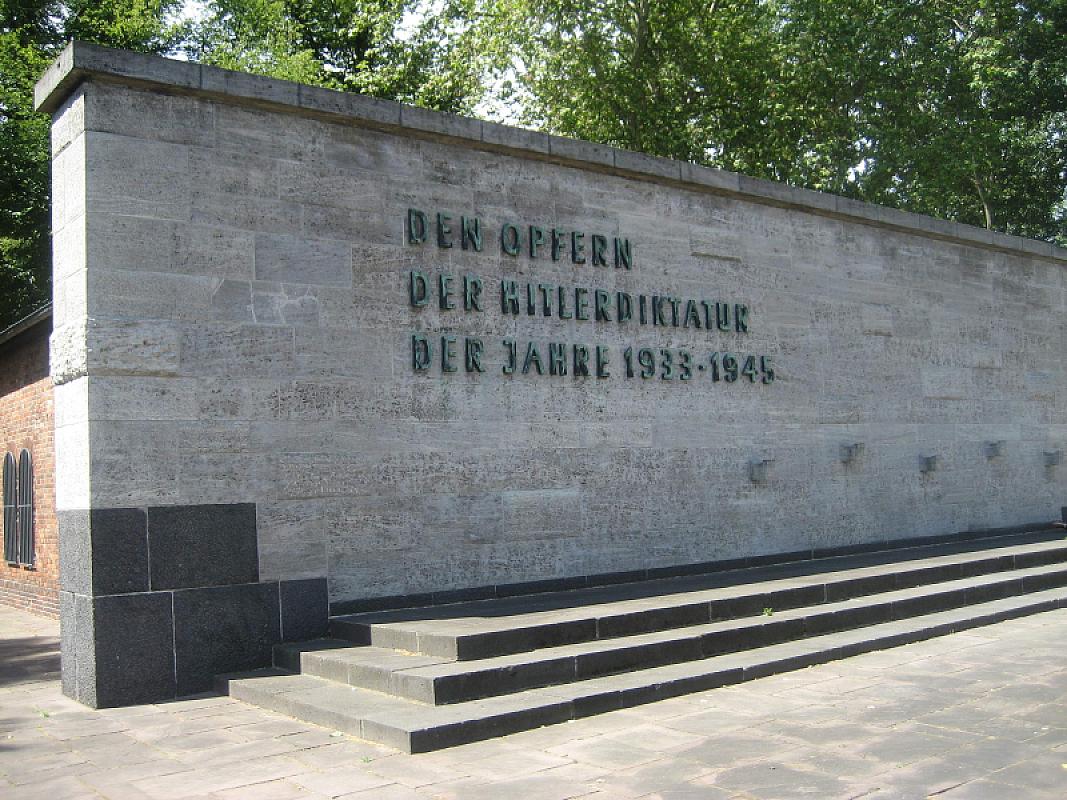
Holocaust memorial sites were established most notably at the former Salaspils concentration camp in 1967 and in Bikernieki in 2001. As early as 1962, Jewish dissidents put up a Jewish star in the forest of Rumbula to remember the Jewish victims. It was removed by the Soviet authorities and replaced by a monument honouring the »victims of fascism«. A new monument was inaugurated there in November 2002. Already in 1989, a Jewish Museum was funded in Riga by Holocaust survivors. In 2005-06 a memorial site was opened among the foundations of the former Choral Synagogue in Riga to remember all victims of the Holocaust and all Jews murdered on Latvian soil. Since 2010 there is also a Museum of the Riga Ghetto.
Remembrance
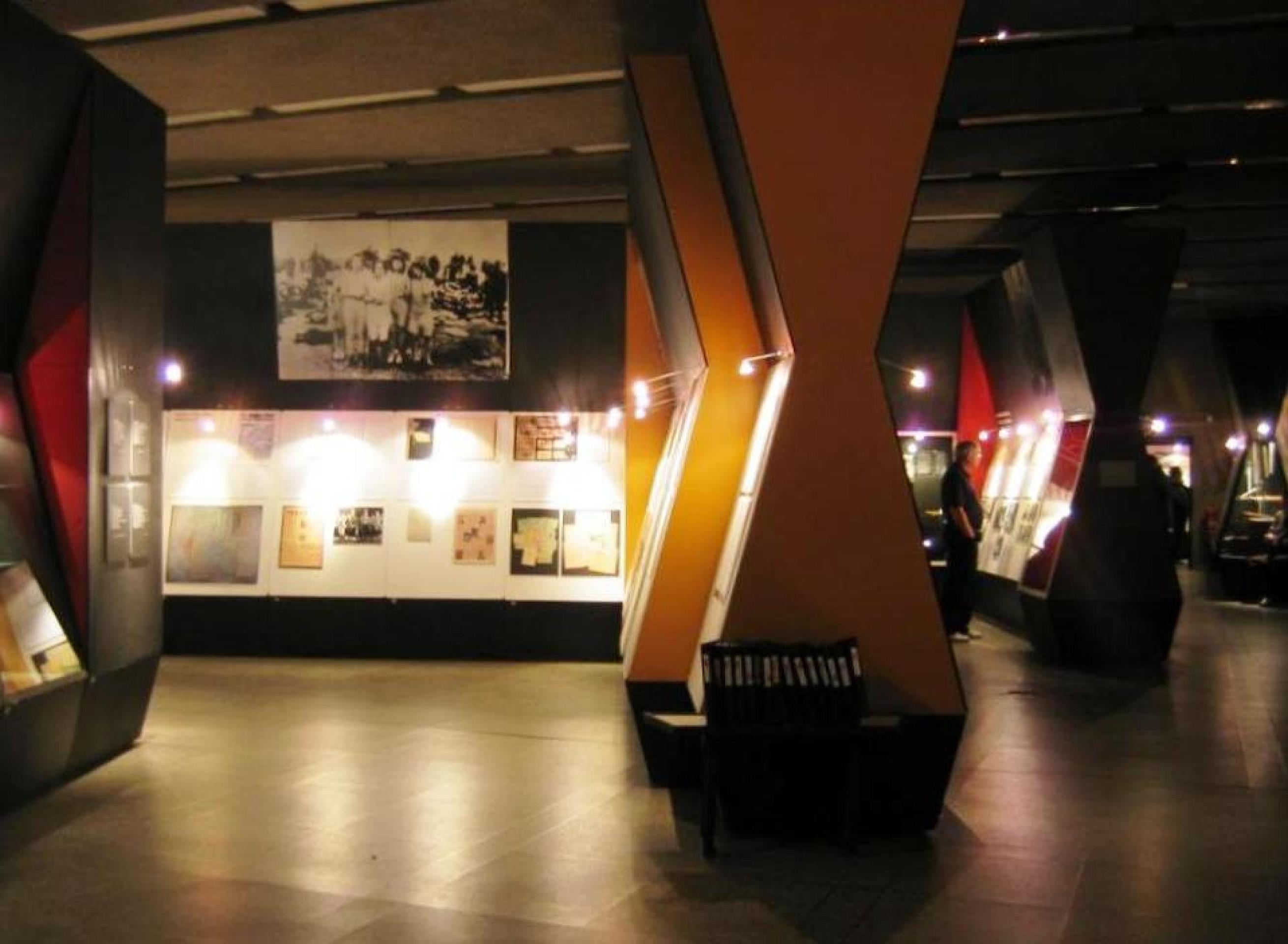
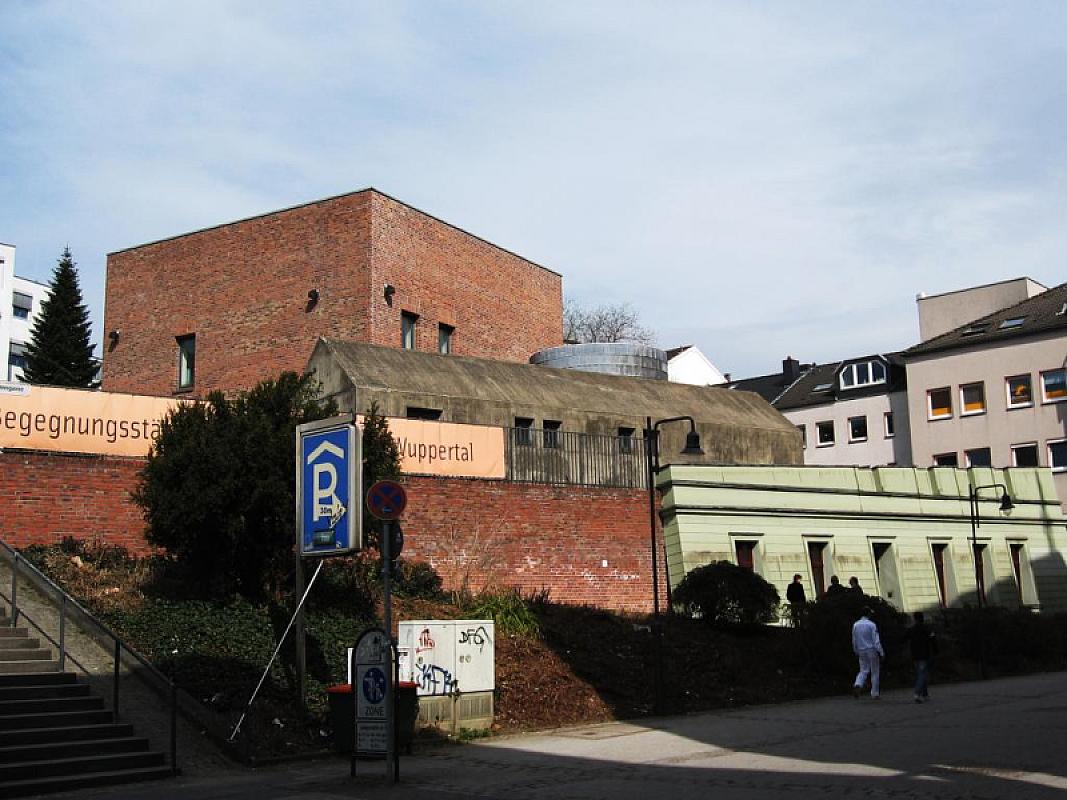
The Museum of the Occupation of Latvia was established in 1993 in a building in the historic city centre which had formerly housed the »Museum of the Latvian Rifleman«. The Brezhnev-era building inevitably serves as a reminder of the Soviet period. The exhibition is on display in a box-shaped superstructure above the museum entrance. An extension to the museum is planned in order to expand the exhibition space. The Museum of the Occupation deals with Latvian history and the fate of the Latvian nation during the 51 years under German and Soviet occupation. The exhibition begins with the Molotov–Ribbentrop Pact, which sealed Latvia's fate in August 1939. However, the central theme of the exhibition is the Soviet occupation beginning 1944. The museum aims to address chapters of Latvian history which have for decades been falsely represented and deliberately distorted. The museum is supported by the Latvian government, private donations from abroad and by the Museum of Occupation Foundation.
Possibilities
Guided tours in Latvian, German and English, touring exhibitions
Open
October to April Tuesday to Sunday 11 a.m. to 5 p.m., closed on Mondays
May to September daily 11 a.m. to 6 p.m.