Museum of the Partisan Republic of Montefiorino
Museo della Repubblica partigiana di Montefiorino
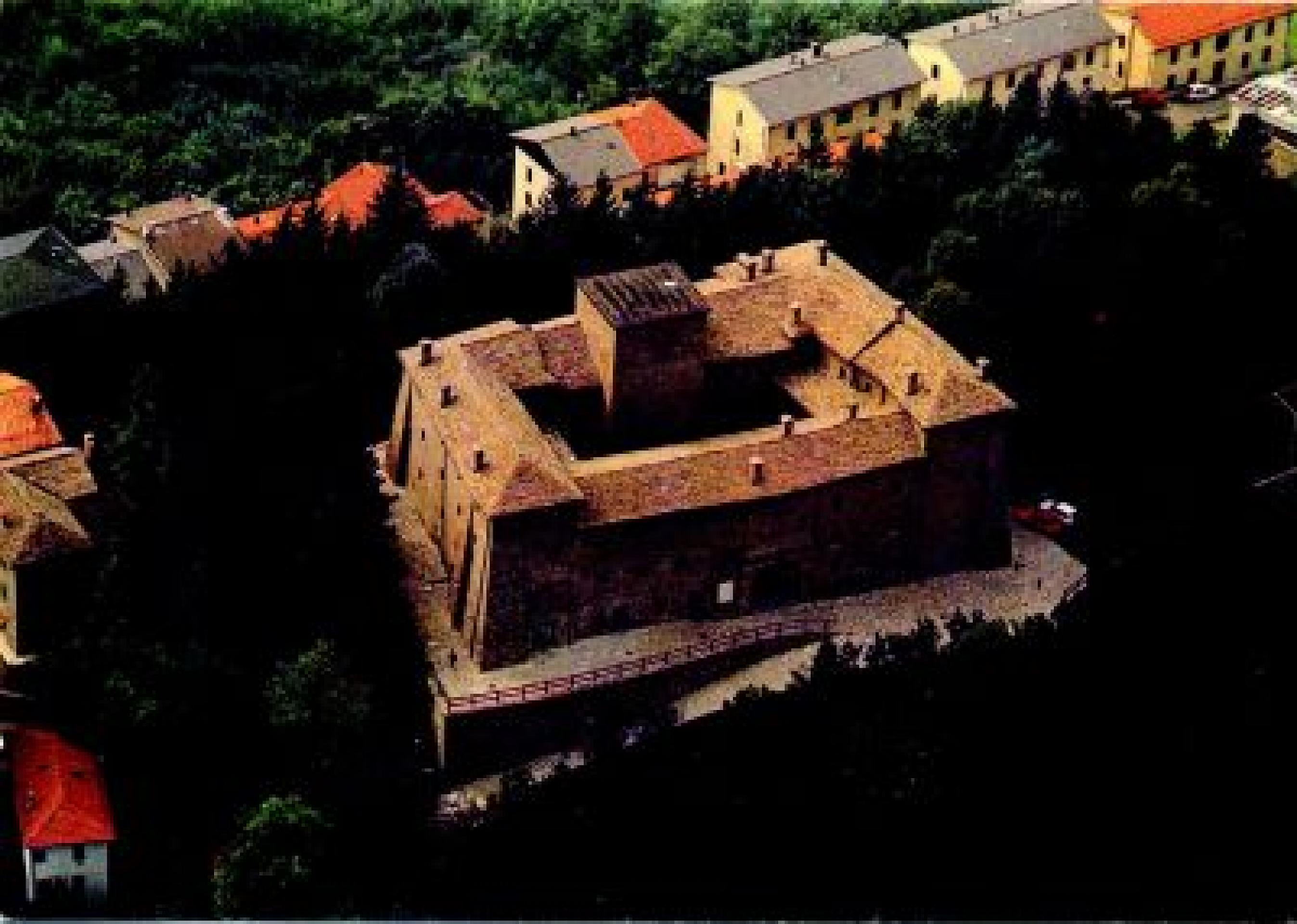
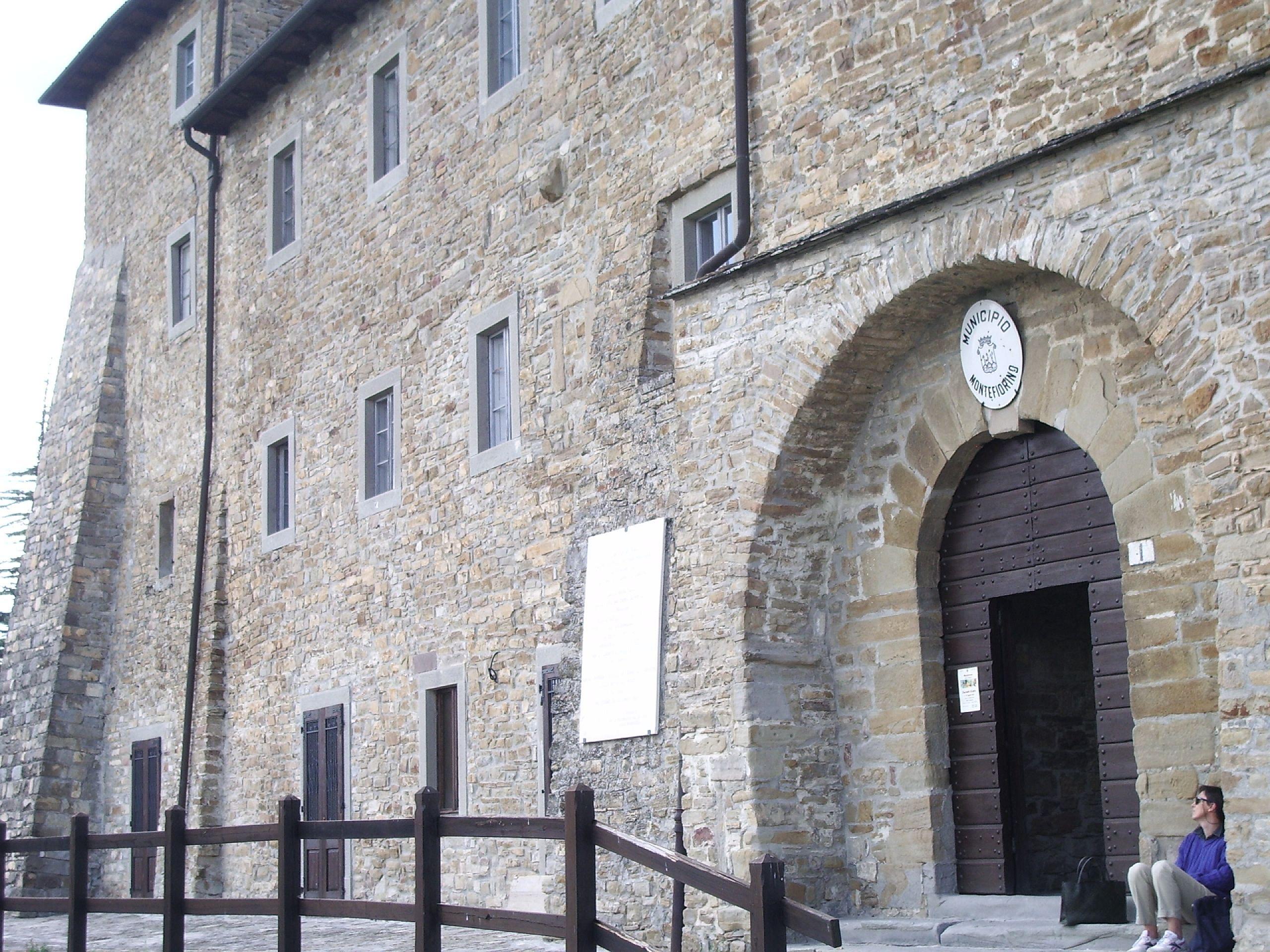
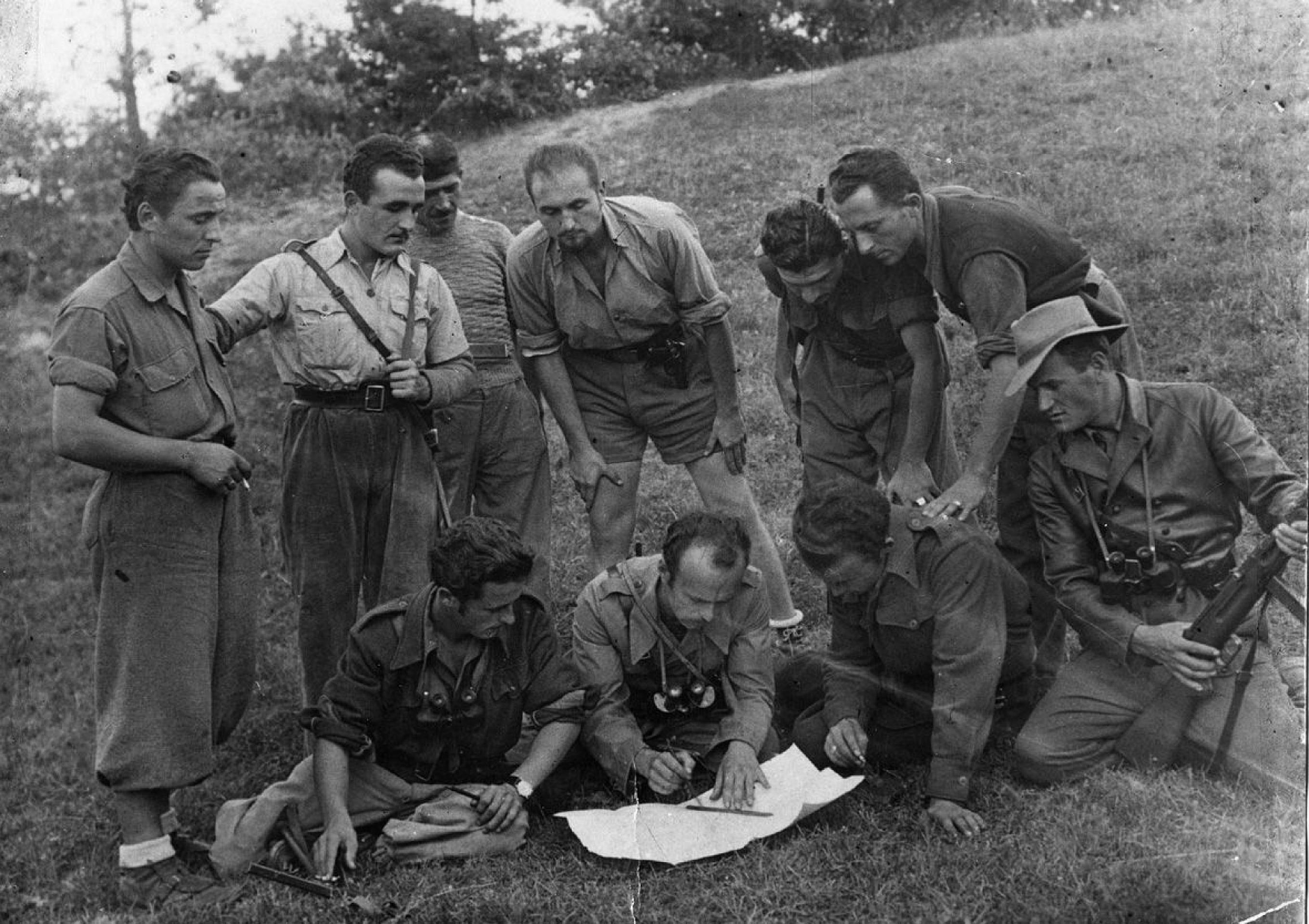
In June 1944, partisans proclaimed the »Partisan Republic of Montefiorino« comprising seven municipalities. In 1979, a museum was opened in the castle of Montefiorino, the former seat of the partisan territory.
History
The resistance movement against the German occupation in North Italy gained strength after the Germans were defeated in the battle of Monte Cassino and the liberation of Rome in the spring of 1944. On June 17, 1944, partisans took hold of the medieval castle of Montefiorino, in the province of Modena. The castle had previously served as headquarters for the local Italian fascists. The partisans proclaimed the »Partisan Republic of Montefiorino«, which consisted of 7 municipalities and covered an area of approximately 600 km². According to a report for the command of the partisans compiled on July 17, 1944, there were 5,600 partisans and 50,000 civilians residing in the area at the time. Many of the locals had supported the partisans from the end of 1943 on. The provisional government was led by Mario Ricci, referred to as Armando. The heads of families in the various municipalities could freely elect the mayors of their towns. Under the municipal self-government, streets and bridges were repaired, food prices were set, trade relations with neighbouring towns were initiated, and a hospital was established. The republic was in contact with the Allies and served as a base for military operations. The judiciary set up its own tribunal which handed down several death sentences – many of which remain controversial to this day.
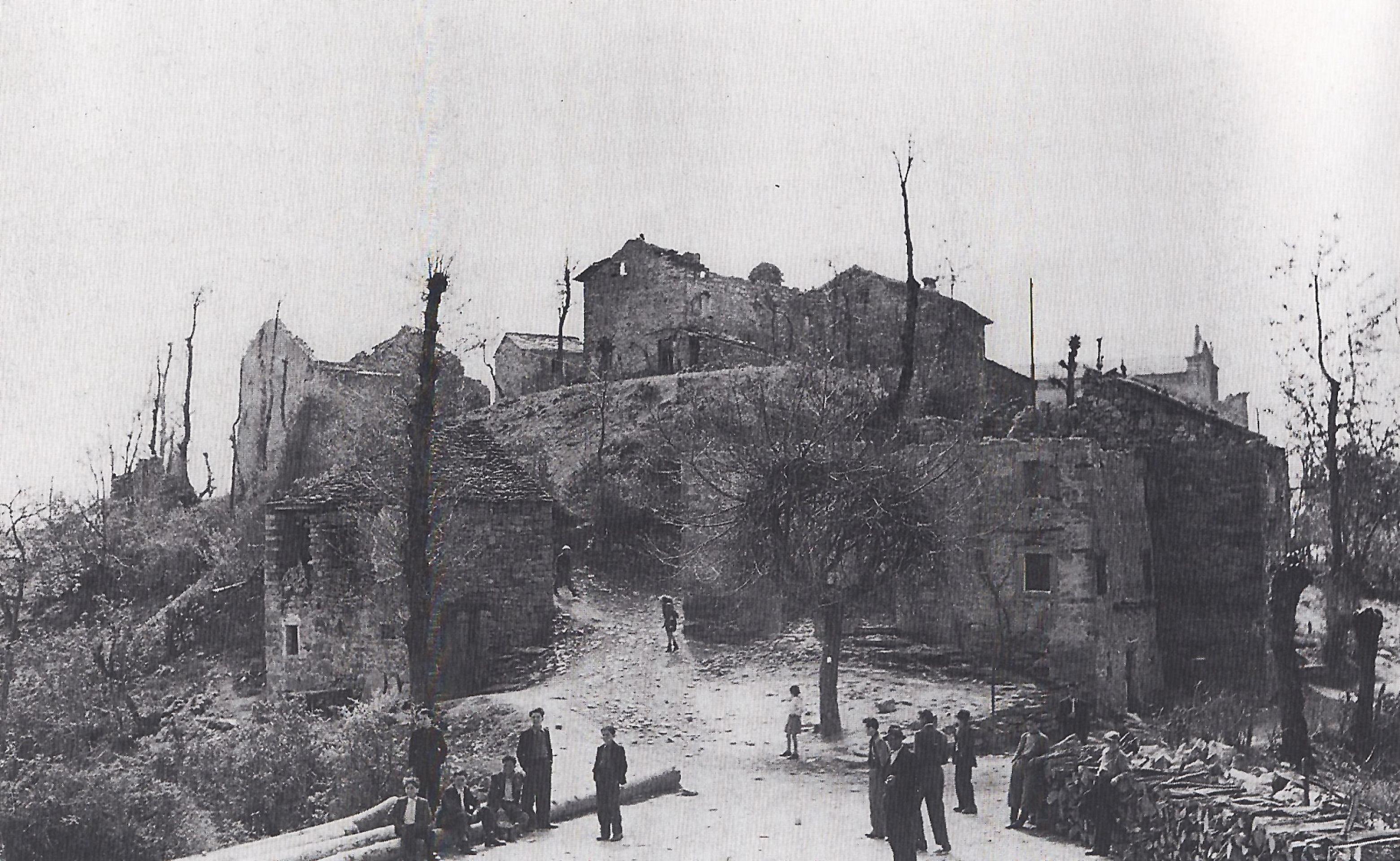
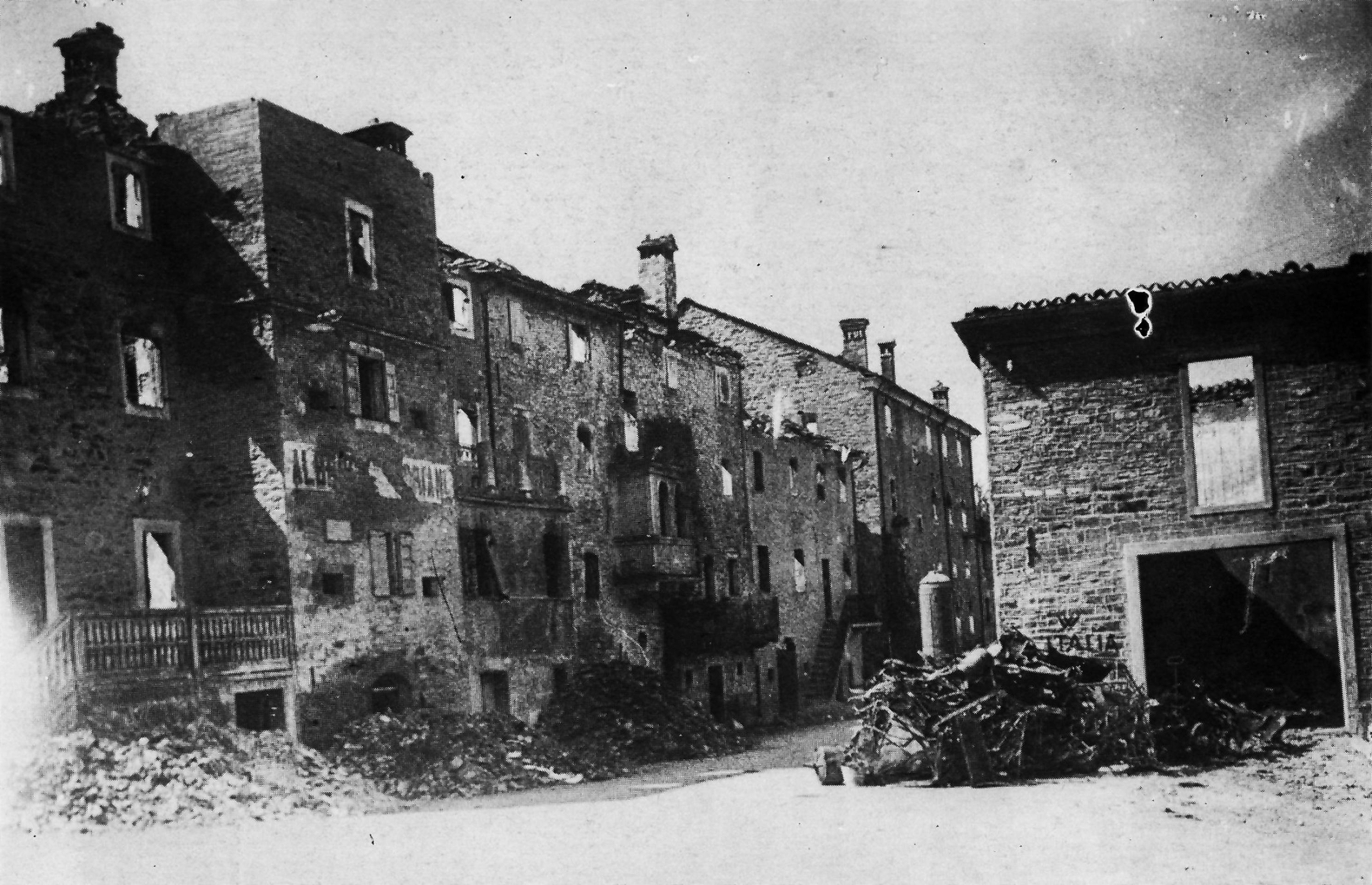
After about six weeks, between July 30 and August 1, 1944, the partisan republic was defeated by German troops and the village of Montefiorino was burned down. Though it only existed for a few weeks, the partisan republic was deemed historically and symbolically important for the partisan movement, both at the time and later. It represented a first attempt to occupy and self-govern Italian territory under German occupation, at that in an area that was in close vicinity to the »Gotenlinie«, the Germans' fortified line of defence.
Victims
The museum commemorates all partisans and civilians who were murdered in »reprisal operations« under German occupation. The civilians who were murdered in Monchio, Susano and Costrignano on March 18, 1944, have a special place in the exhibition. Members of the 1st Paratroop Panzer Division »Hermann Göring« under the command of Kurt Christian von Loeben, assisted by members of the fascist »Republican National Guard«, murdered 136 defenceless people, including many women and children, in these municipalities of the Montefiorino region. The massacres spurred on a stronger resistance to the German occupation and played a crucial role in gaining active support for the later partisan republic.
Remembrance
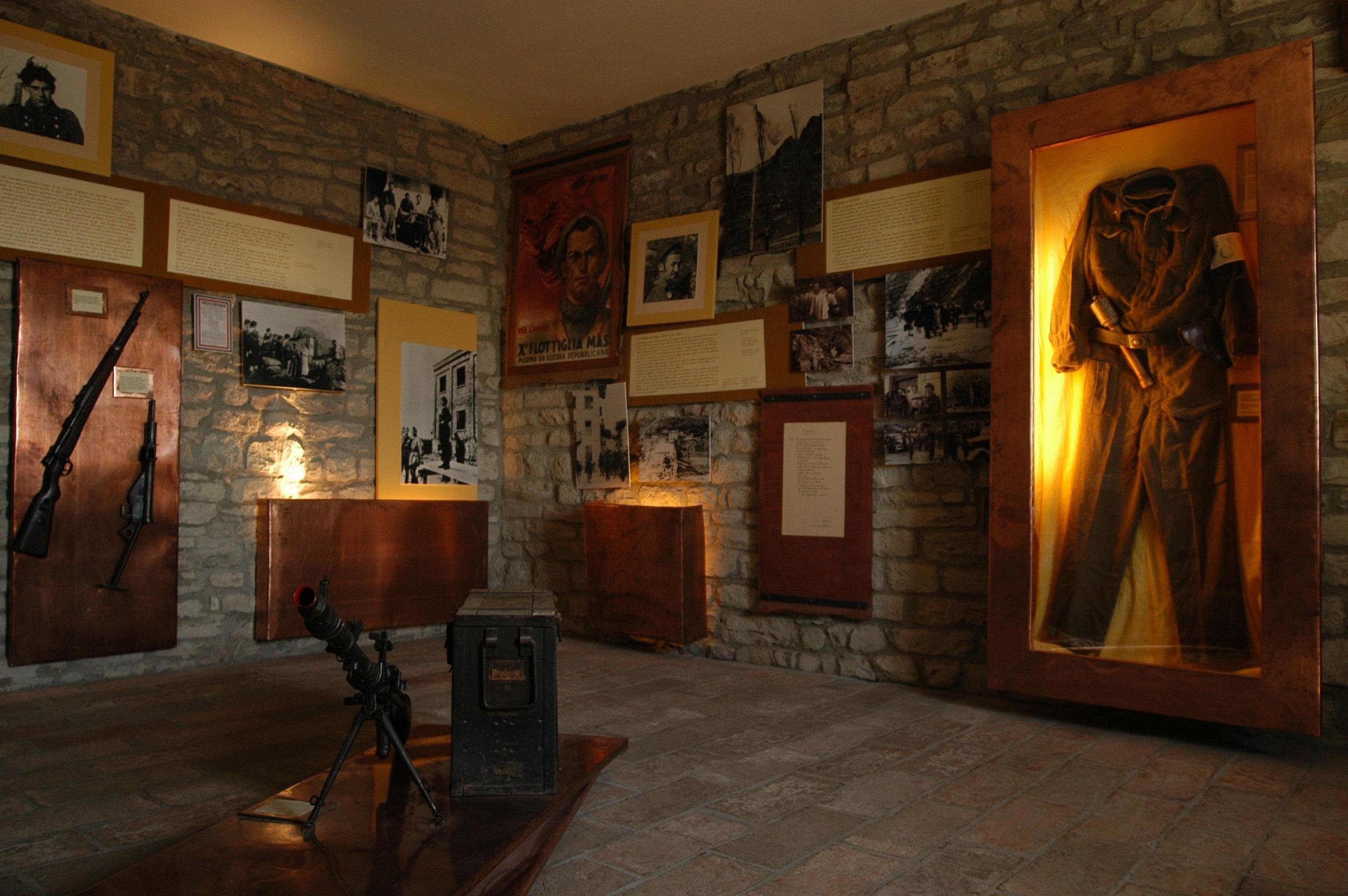
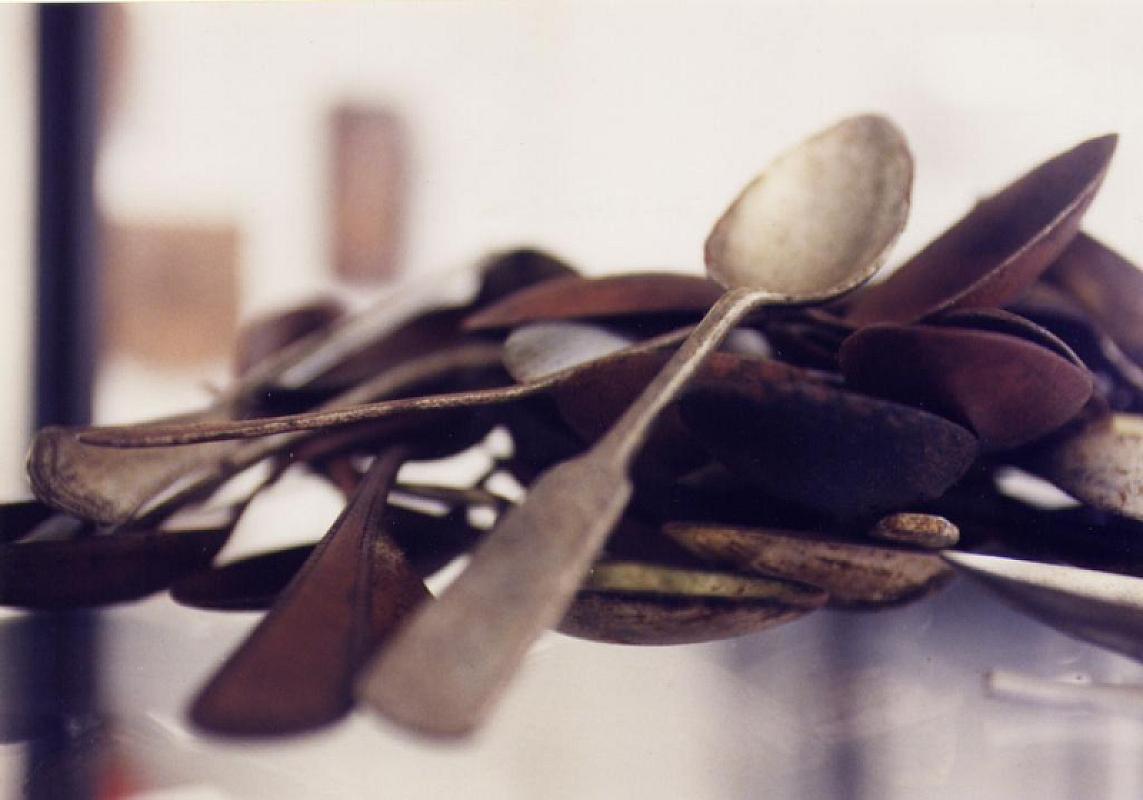
In the 1970s, after the restoration of the castle which had been burned down by the Germans, a group of academics, municipal representatives and members of partisan organisations jointly agreed to establish a »Museum of the Partisan Republic of Montefiorino« on the historic site. The museum was opened in 1979 and is currently run by the municipality of Montefiorino and the historical institute of Modena. Weapons, documents and objects of daily use from the partisan era are on display in the six exhibition rooms. Witness video testimonies as well as amateur recordings of the liberation of Modena and the activities of the partisans along the »Gotenlinie« are available to visitors. The exhibition also presents information about other zones liberated of German occupation in Northern Italy. The rooms can also by explored on a second, »poetic path«: Bolognese born poet Roberto Roversi compiled poems from letters of Italian resistance fighters who were sentenced to death, thereby giving the visitor a more personal approach to the historical events.
Located in Monchio, only a few kilometres away from Montefiorino, is the »Park of the Resistance«, in the middle of which stands a memorial to the victims of massacre that took place on March 18, 1944. It consists of 14 stone sculptures made by sculptors from Italy and abroad.
Possibilities
Library, teaching room, publication of a map showing the memorial sites of the »Partisan Republic of Montefiorino«
Open
Visit on appointment, regular opening hours on weekends and holidays: 10 a.m. to 1 p.m. and 3 p.m. to 6 p.m.
Contact
http://www.resistenzamontefiorino.it
info@resistenzamontefiorino.it
+39 (0)536 962 811