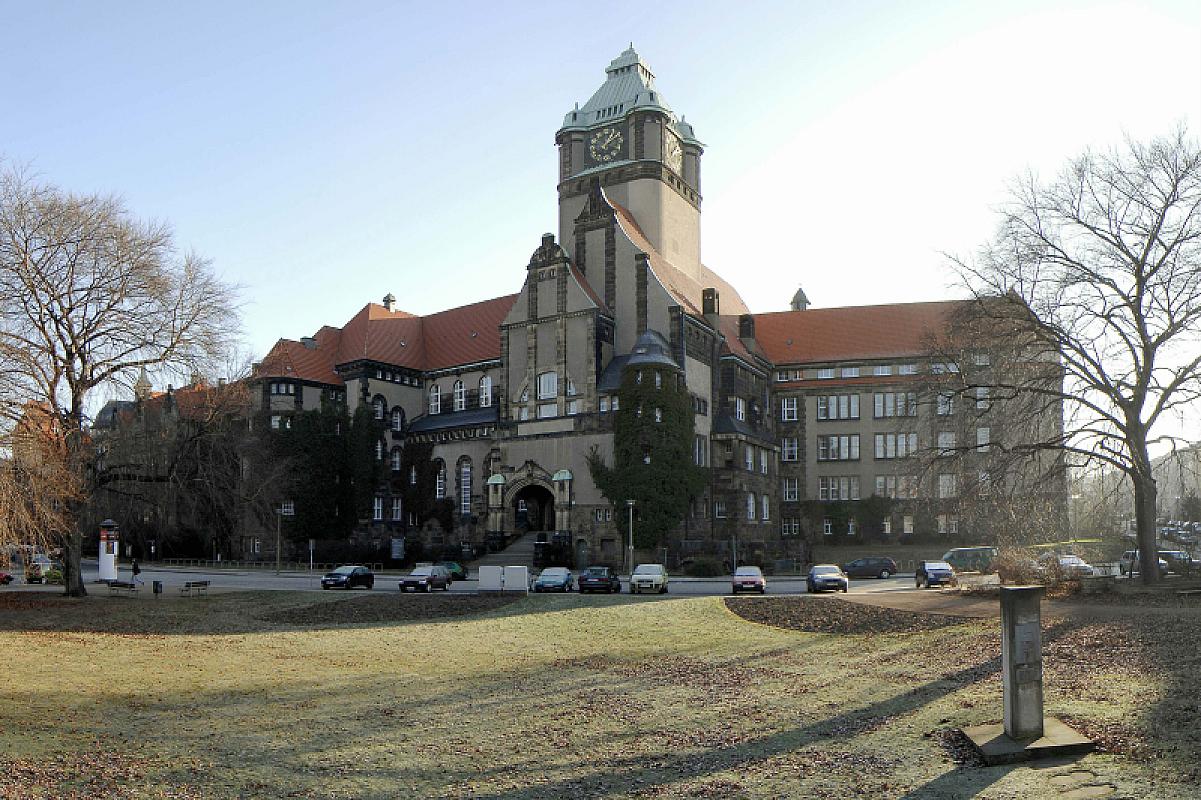
Museum of the Slovak National Uprising
Múzeum Slovenského národného povstania
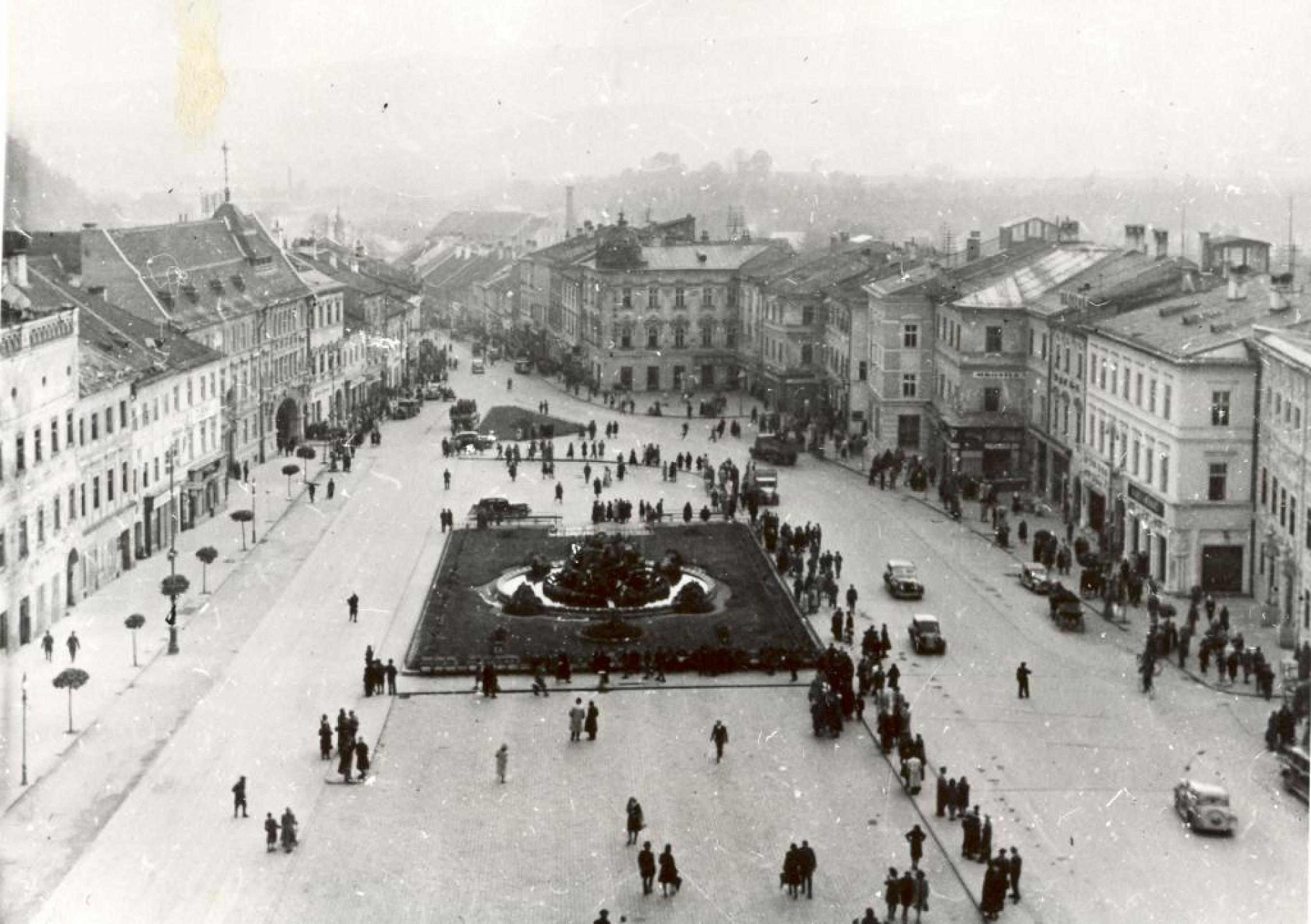
In August 1944, the Slovak National Uprising was launched in central Slovak town of Banská Bystrica. Its aim was to overthrow the dictatorial regime of Jozef Tiso. Several monuments and a museum, established in the 1950s, commemorate the resistance fights.
History
The Slovak state, established in 1939, participated at Germany's side in the war against the Soviet Union. When the course of the war turned negative, the authoritarian regime of Jozef Tiso was met with widespread discontent among the population. In 1943, communists and anti-fascist forces set up a secret National Council. Though their political concepts about the future differed greatly, all of those involved strove for the re-establishment of Czechoslovakia. The National Council began preparing an uprising to overthrow the regime with the help of the Czechoslovak London-based government-in-exile, partisans and Soviet contact men. The strategic aim was to overthrow Tiso and to make way for the Red Army to cross the Carpathian mountains. Slovak general Jan Golian took on the task of organising a revolt in the army in central Slovakia around Banská Bystrica. When German troops entered Slovakia on August 29, 1944 in order to crush the partisan movement, Golian felt compelled to begin the uprising prematurely. About 18,000 mutinous soldiers fought against the invading German units. After broader mobilisation, there were as many as 47,000 soldiers fighting, joined by partisan groups. The government-in-exile proclaimed the insurgent troops part of the Czechoslovak army. The Germans, however, having summoned German troops from Hungary as reinforcements, were able to prevent the Slovak troops and the Soviet Army from joining forces in the Carpathian mountains. The surrounded insurgents continued fighting against the SS, the Wehrmacht and the Slovak Hlinka Guard for another two months. The uprising was defeated on October 27, 1944. German troops remained in the country until April 1945.
Victims
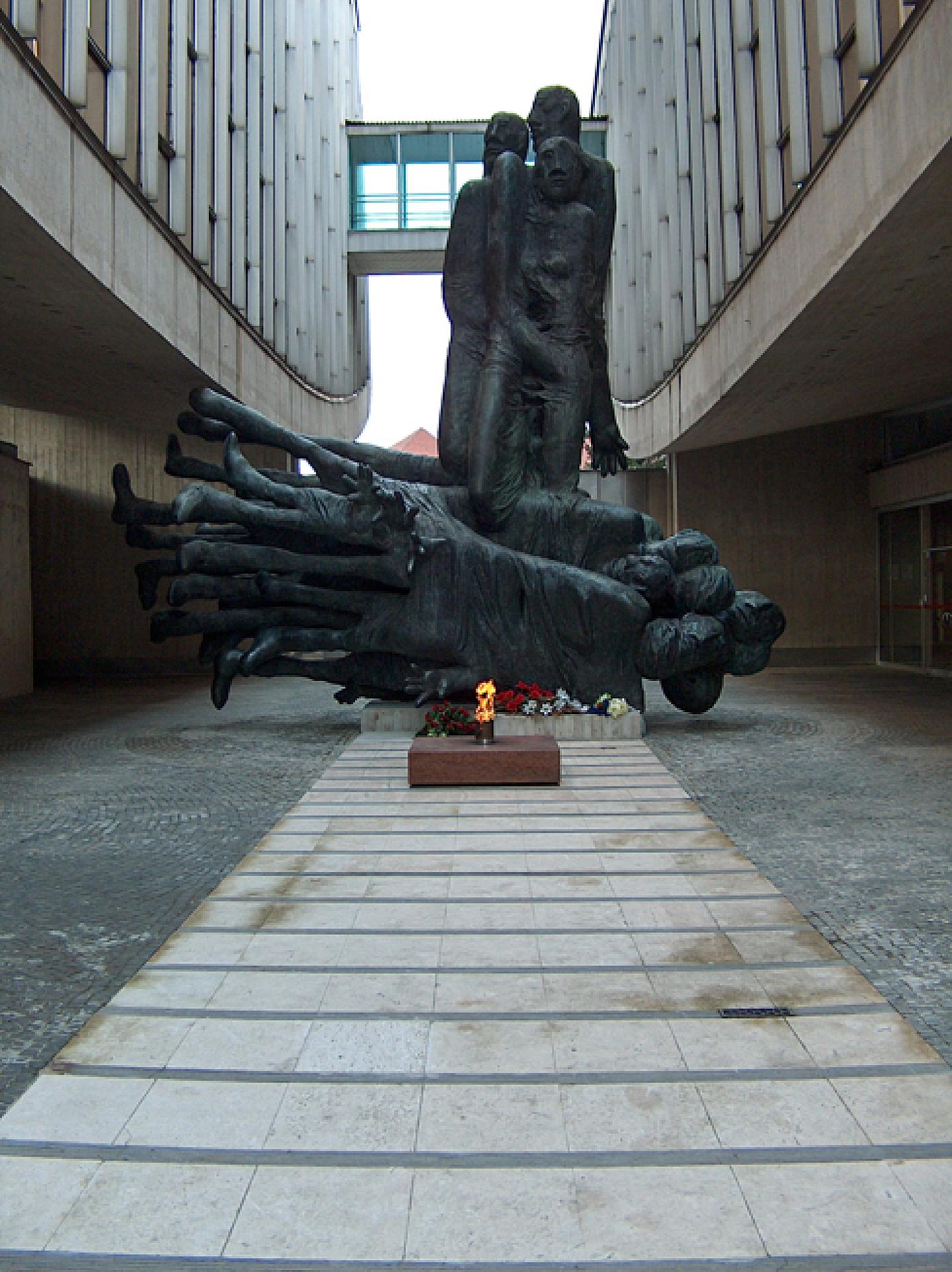
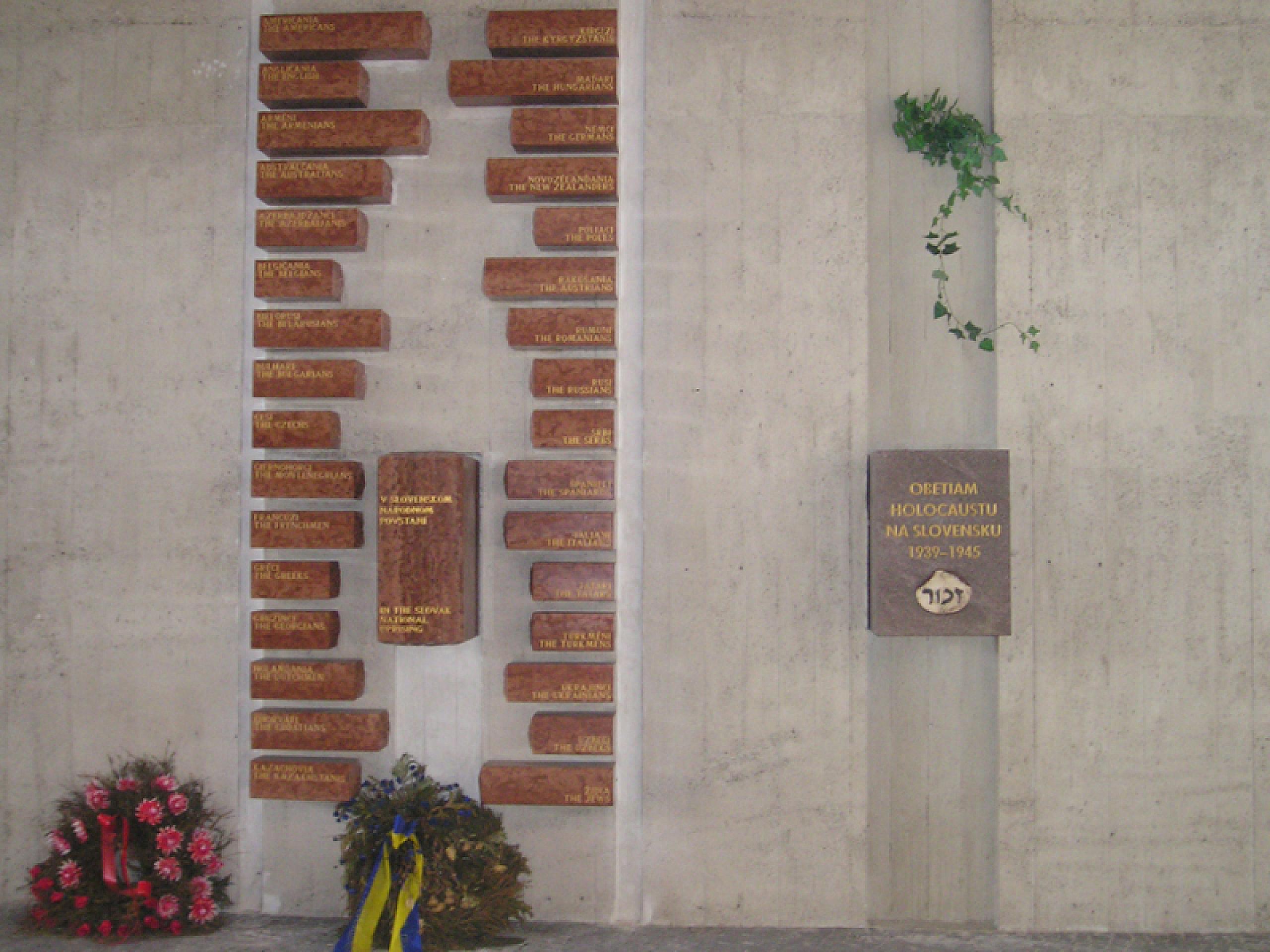
About 10,000 insurgent soldiers and partisans fell in the fight against the Wehrmacht and troops of the Slovak government. About 10,000 were taken captive and deported to concentration camps. German and Slovak units introduced harsh retaliation measures in the region following the suppression of the uprising. Many villages were annihilated, about 5,000 civilians, including many Jews, were murdered. Deportations of Slovak Jews – halted in 1942 – were resumed.
Remembrance
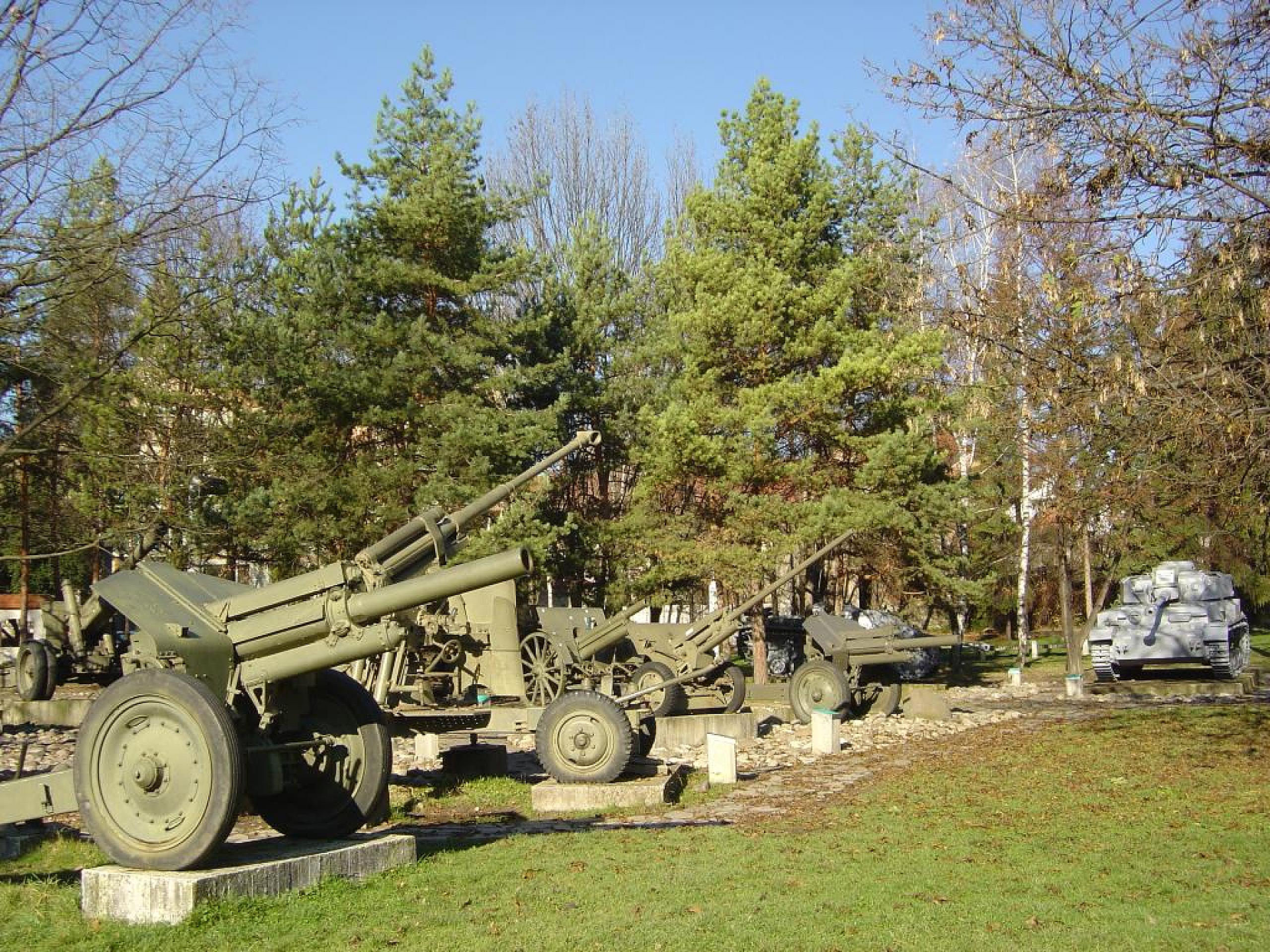
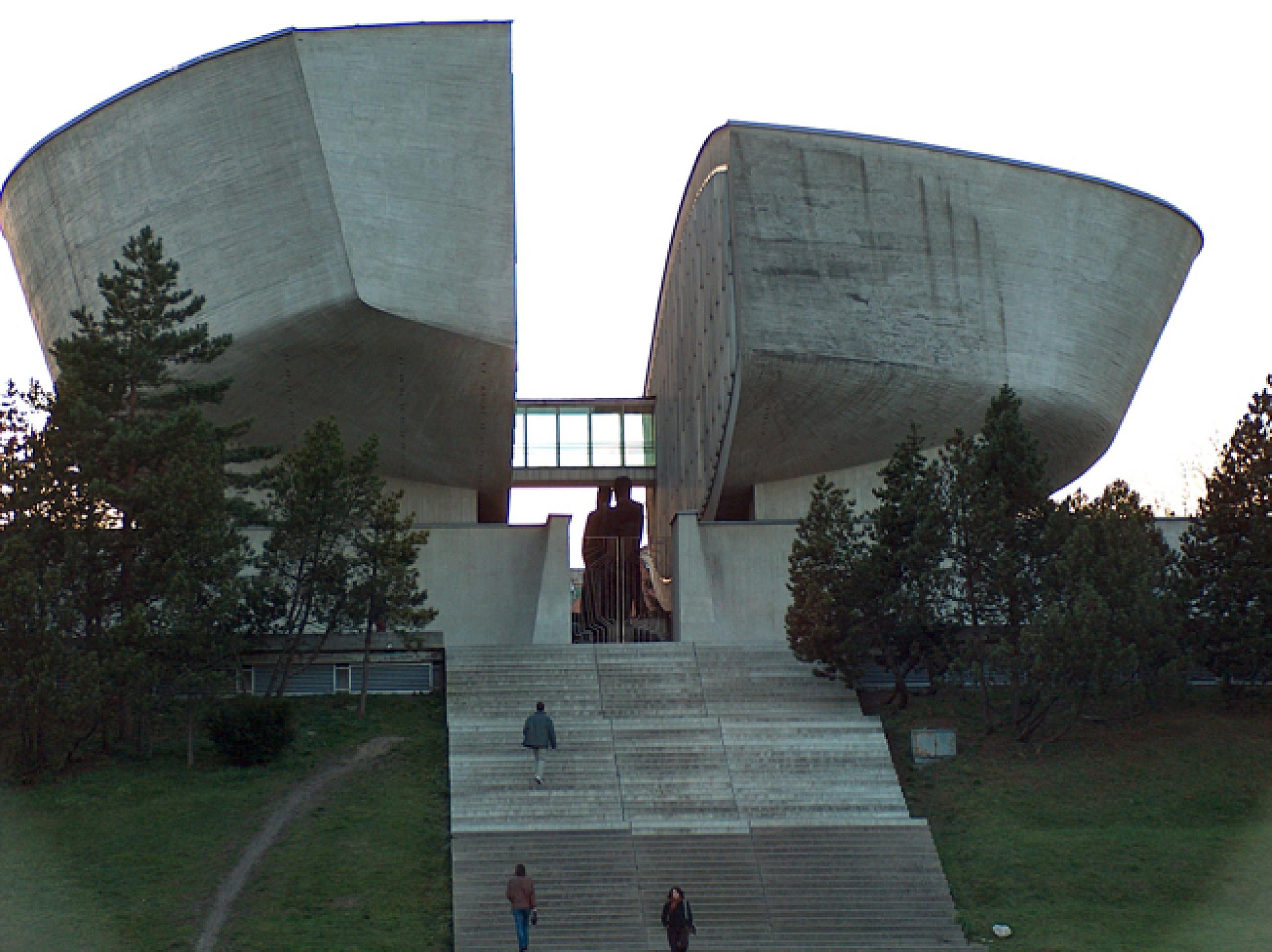
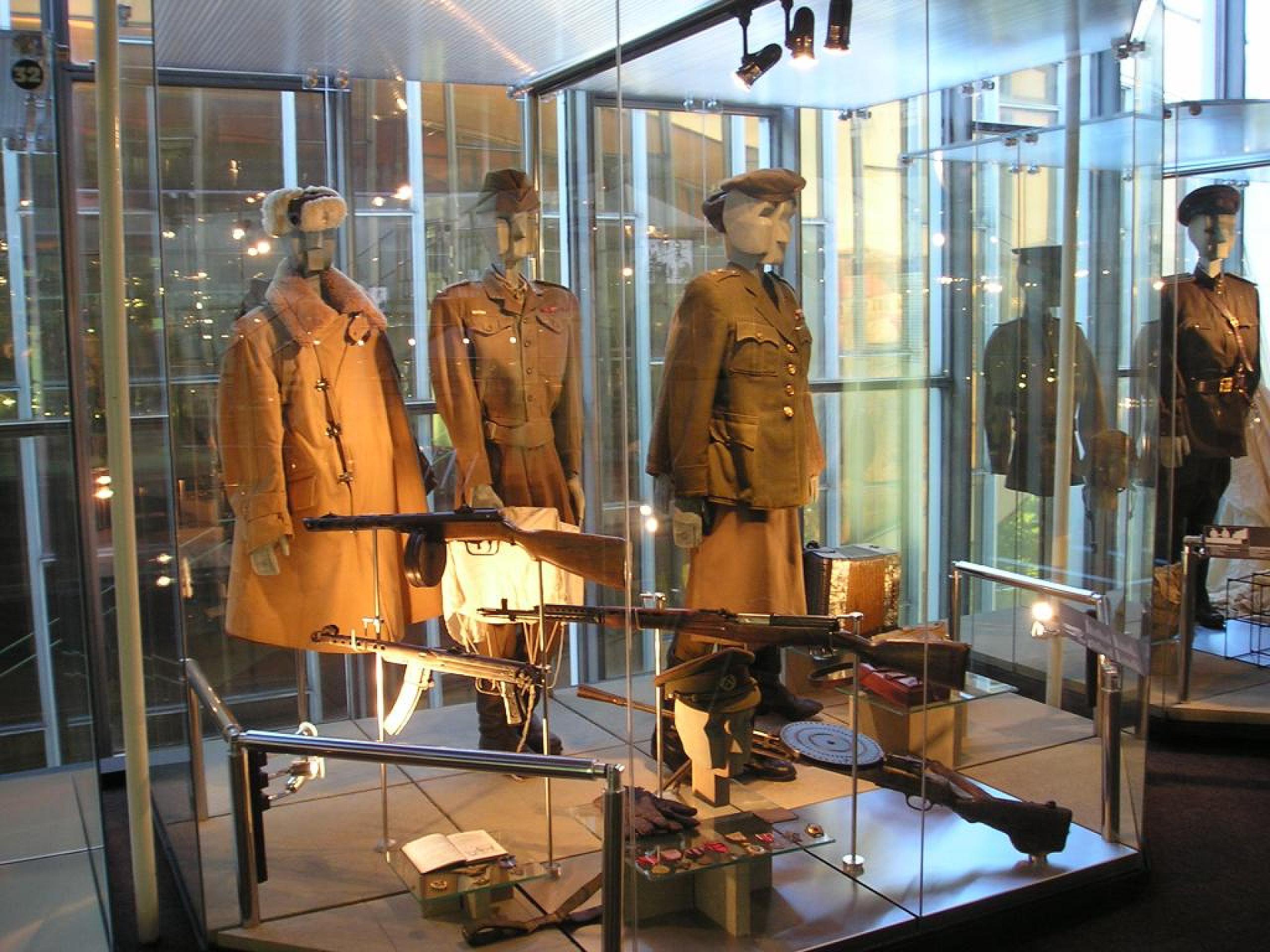
Already in 1947, an institute for research on the Slovak National Uprising was set up in Banská Bystrica. In 1955, the institute established a museum which was at first housed in the local town hall. The museum moved to a new monumental museum complex in 1969. Until today, this building is home to the museum's collection on the uprising, war equipment and a monument. Under communist rule, the museum underlined the role Czechoslovak communists played in the uprising as well as help provided by the Soviet Union. Since the end of the communist dictatorship, the museum has also dealt with other topics such as, apart from the Slovak National Uprising, the life of Slovak society between 1938 and 1945 and the Holocaust in Slovakia.
Possibilities
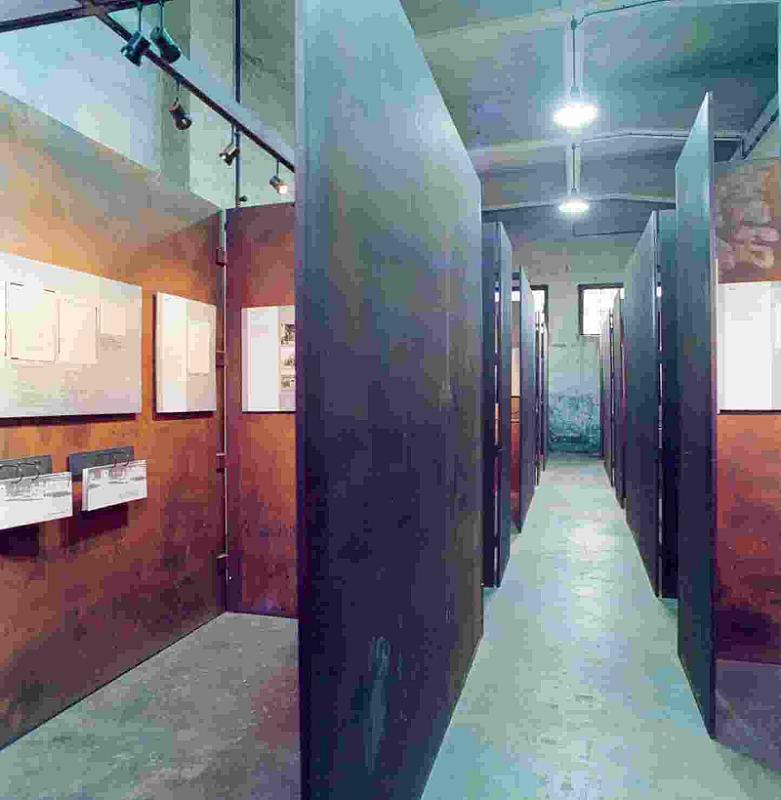
Permanent exhibition, library, educational projects, newsletter, publications and monographs
Open
May to September: 9.00 a.m.-6.00 p.m.
October to April: 9.00 a.m.-4.00 p.m.
Contact
muzeumsnp@muzeumsnp.sk
+421 (0)48 245 1124
Kapitulská 23
975 59 Banská Bystrica