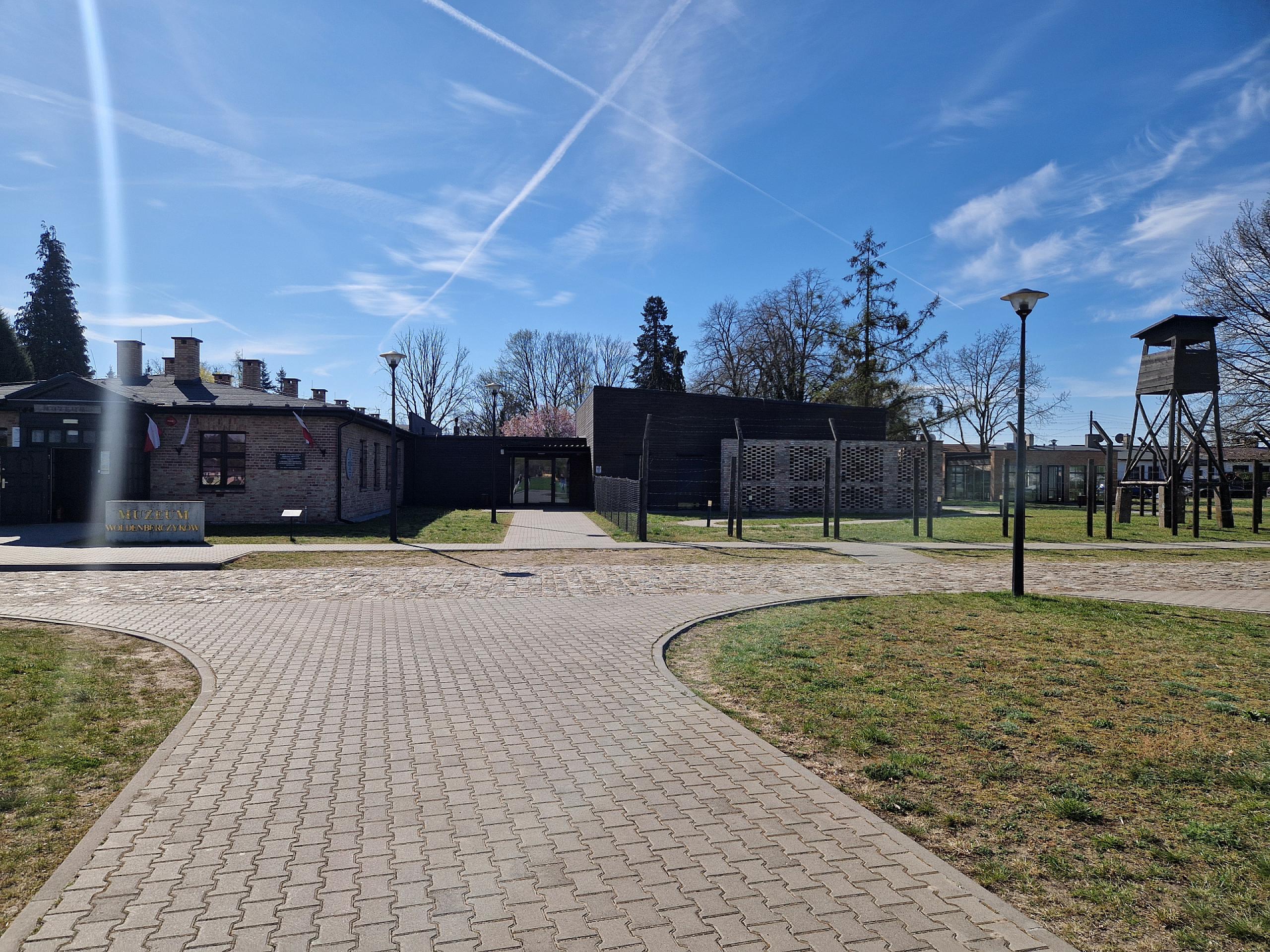
During the Second World War, Woldenberg (Polish: Dobiegniew) in the former Neumark region (Polish: Dobiegniew) was the site of the Wehrmacht’s largest prisoner-of-war camp for Polish officers – OfLag II C. A museum has been located there since 1987 which was relaunched with a new exihibtion in 2022.
History
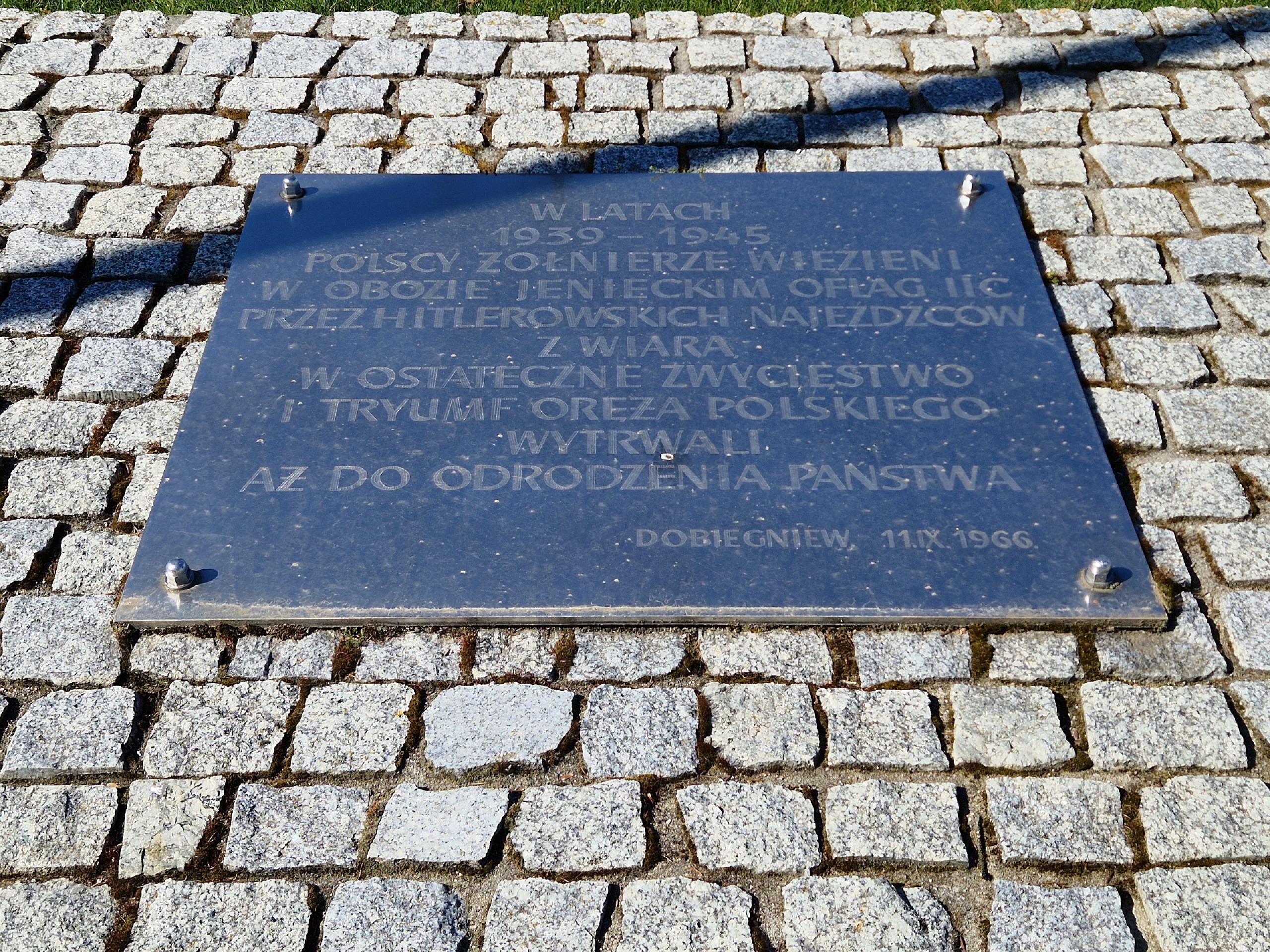
In Woldenberg (Polish: Dobiegniew), the Wehrmacht’s largest prisoner-of-war camp operated between May 21, 1940 and January 25, 1945, housing 6,000 Polish officers as well as up to 1,000 non-commissioned officers and soldiers – spread over some 25 hectares and comprising 25 barracks as well as other administrative and service buildings. In contrast to the treatment of Soviet prisoners of war, those in charge at OfLag II C adhered to the Geneva Convention: non-commissioned officers and enlisted men earned their food through work, whilst officers were paid the same pay as an officer of the same rank in the detaining nation; however, this was paid in »camp currency«, which could only be used within the camp. The International Red Cross and the Young Men’s Christian Association (Y.M.C.A.) also provided support. At OfLag II C, the prisoners had access to numerous clubs and social facilities for mental and physical exercise. Eighty officers, who were teachers in civilian life, gave lessons – including in philosophy and law, French and English. Around 1,500 prisoners took part in university-level courses, the certificates for which were later recognised by Polish universities. There were several libraries containing around 20,000 books, choirs, music ensembles, a theatre and a symphony orchestra, as well as numerous sporting competitions.
The resistance and the clandestine military activities within the camp were tightly organised. From 1942 onwards, prisoners maintained encrypted radio contact with their home country and attempted to obtain information on the current situation at the front via radio broadcasts – primarily from London and Moscow. Also in 1942, five officers managed to escape. They joined the underground resistance in Poland. A further attempt by around 150 officers to escape through a tunnel failed in 1943, as it was discovered shortly before it was completed.
On 21 January 1945, in view of the situation at the front, nearly 3,000 prisoners were forced to set out on a march westwards. The remaining 4,000 were liberated by the Red Army on 30 January 1945.
Victims
At OfLag II C, the Wehrmacht held Polish officers, non-commissioned officers and rank-and-file soldiers captured during the September 1939 campaign, as well as a number of officers who had been taken prisoner in 1940 during the conquest of France, and around 100 officers of the Home Army (Armia Krajowa), who were taken prisoner following the suppression of the Warsaw Uprising in 1944 — a total of around 6,000 officers, as well as 700 to 1,000 non-commissioned officers and rank-and-file soldiers. Between 1940 and 1945, around 60 prisoners died from illness and accidents. A further 15 were murdered: two following a death sentence handed down by the Gestapo, four as part of the so-called euthanasia programme, and the remainder were shot by the guards whilst attempting to escape; their names are known. There was a cemetery within the camp for the dead; their remains were reburied after the war in Gorzów Wielkopolski. In addition, prisoners died in late January 1945 during the evacuation march towards the west. The number of former prisoners of war who were persecuted and killed after 1945 by the communist secret service of the People’s Republic of Poland as alleged »collaborators« with the Germans remains unclear.
Remembrance
From around March 1945 until, apparently, the autumn of that same year, the Soviet occupying forces used the Woldenberg camp as a place of detention for German soldiers and members of the Volkssturm. At the same time, the area around Woldenberg became part of Poland and has since then been called Dobiegniew. The local German population either fled or was expelled.
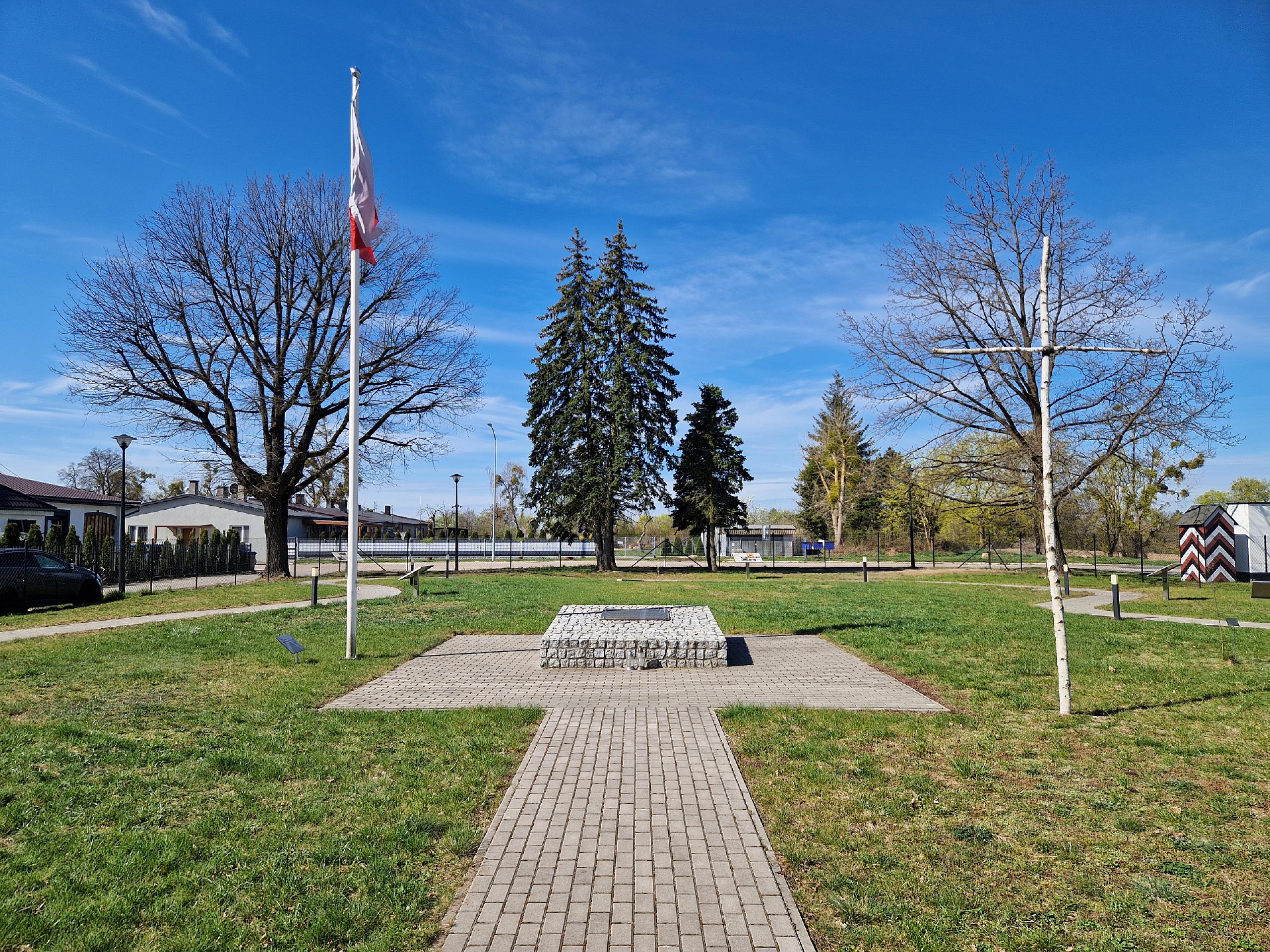
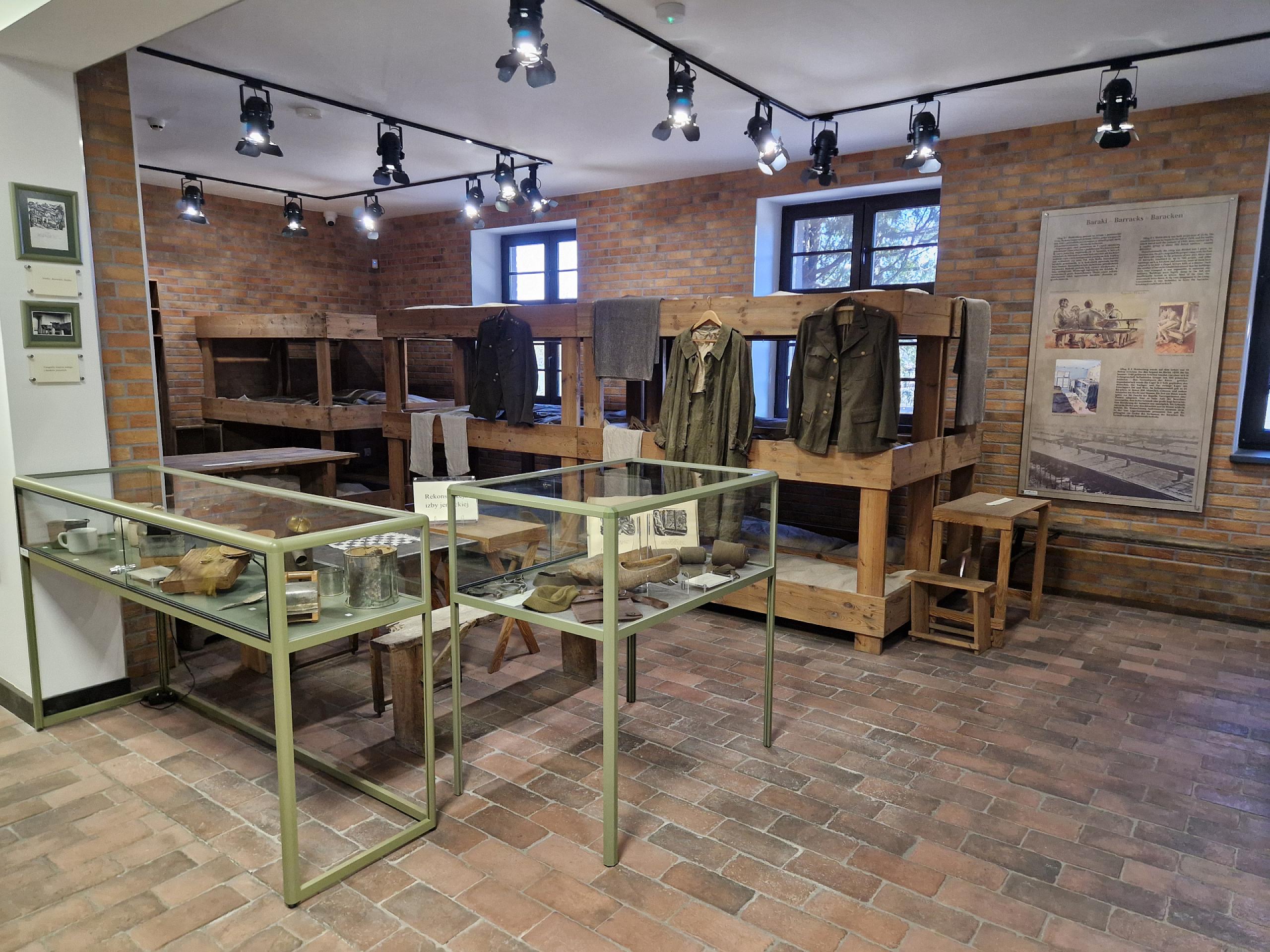
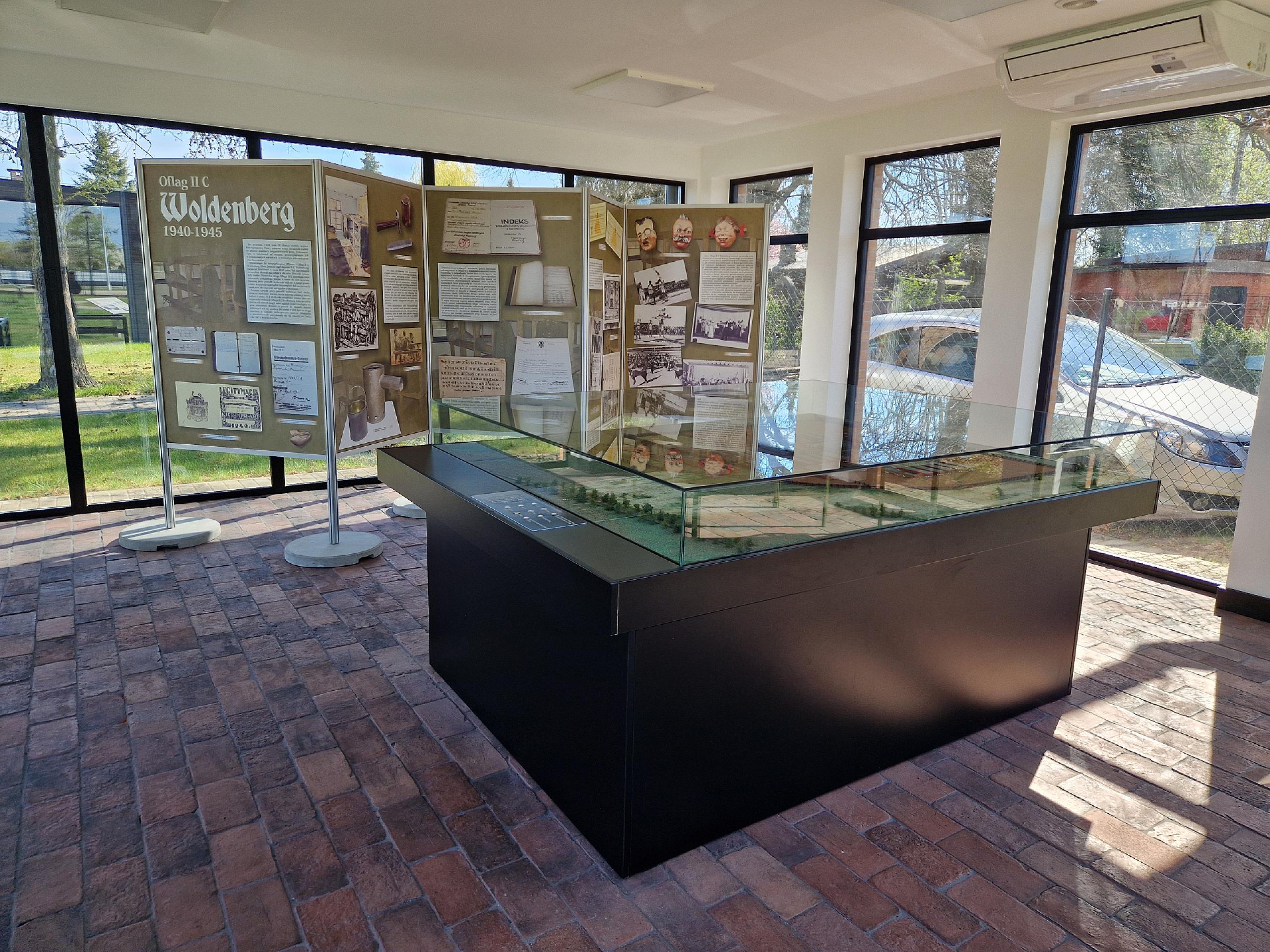
Most of the camp’s historic buildings were demolished after the end of the war. A few barracks, fences and a watchtower have survived. At the instigation of former prisoners of OfLag II C, a museum was established in 1987, housed in a former Wehrmacht living barrack. Excavations were carried out on the site in 2011. From 2020 onwards, the entire site underwent extensive renovation and restoration using EU funding. The museum reopened on September 1, 2022. A modern exhibition houses historical artefacts, documents and personal mementoes belonging to the camp inmates. Despite the arduous conditions, most of the items had been taken by prisoners on their long march in January 1945 and later donated to the museum; they were handed over by relatives or discovered on the site.
Possibilities
Ausstellung
Open
Monday to Friday 8 a.m. to 4 p.m.
Saturday and Sunday 10 a.m. to 2 p.m.
Contact
http://www.muzeum.dobiegniew.pl
muzeum@dobiegniew.pl
+48 (0)95 761 109 5
ul. Gorzowska 11
66-520 Dobiegniew