National memorial site to the victims of the Balf camp
Nemzeti Emlékhely a balfi táborban elpusztult kényszermunkások emlékére
In the winter of 1945/45 tens of thousands of prisoners, most of them Jews from Budapest, had to conduct forced labour under German supervision during the construction of the South-east wall along Hungary's western border. One of the camps was in Balf (German: Wolfs) near Sopron (German: Ödenburg). About half of the prisoners died in the camp, many others died during the death marches after the camp was closed down in spring 1945. In the decades following the Second World War, several memorials were erected in memory of the victims.
History
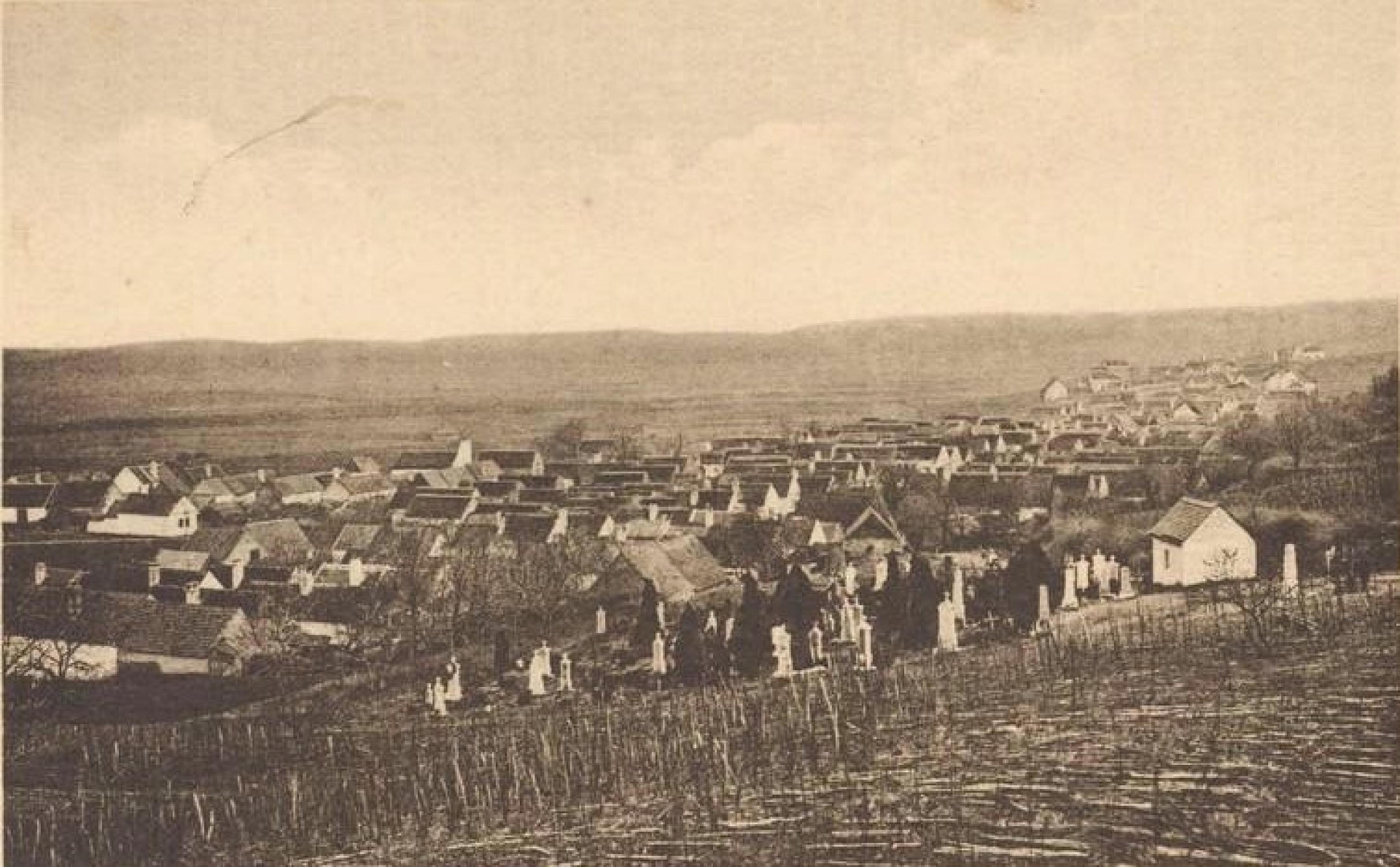
The village of Balf (German: Wolfs) is situated on Lake Neusiedl (Hungarian: Fertő tó) seven kilometres south-east of Sopron (German: Ödenburg). During the final phase of the Second World War, this region gained strategic importance. To stop the advance of the Red Army into the interior of the German Reich, the fortification line »South-east wall« was to be built along the Austro-Hungarian border.
The German Wehrmacht occupied Hungary in March 1944 and in the following months, with the help of Hungarian authorities, almost all the country's Jews from outside the capital Budapest, were deported, most of all to Auschwitz-Birkenau. However, there were no mass deportations from Budapest, where some 200,000 Jews were still living in the summer of 1944. On October 15, 1944 Miklós Horthy was replaced as head of state and the day after the fascist Arrow Cross Party under their leader Ferenc Szálasi (1897–1946) took power. They agreed to put Jewish forced labourers at the disposal of the Germans. Subsequently, tens of thousands of Jews were arrested and deported to Austria. For the construction of the South-east wall alone, about 30,000 Jews from Budapest had to conduct forced labour. They were put into several dozen camps along the border area, which were under the control of the Organisation Todt, the German paramilitary labour organisation. One of the larger camps was set up in Balf with about 2,000 prisoners. Some of the prisoners there had to dig anti-tank trenches, others had to clear woods or worked in the quarry. The working and living conditions were catastrophic, so that about half of the prisoners died in Balf.
In March 1945, the camps along the »South-east Wall« were to be dissolved and the prisoners transferred to Mauthausen concentration camp. During the death marches, the prisoners were exposed to hunger and cold without protection. In addition, the guards, consisting mainly of young people, murdered many thousands of prisoners arbitrarily and without reason.
Victims
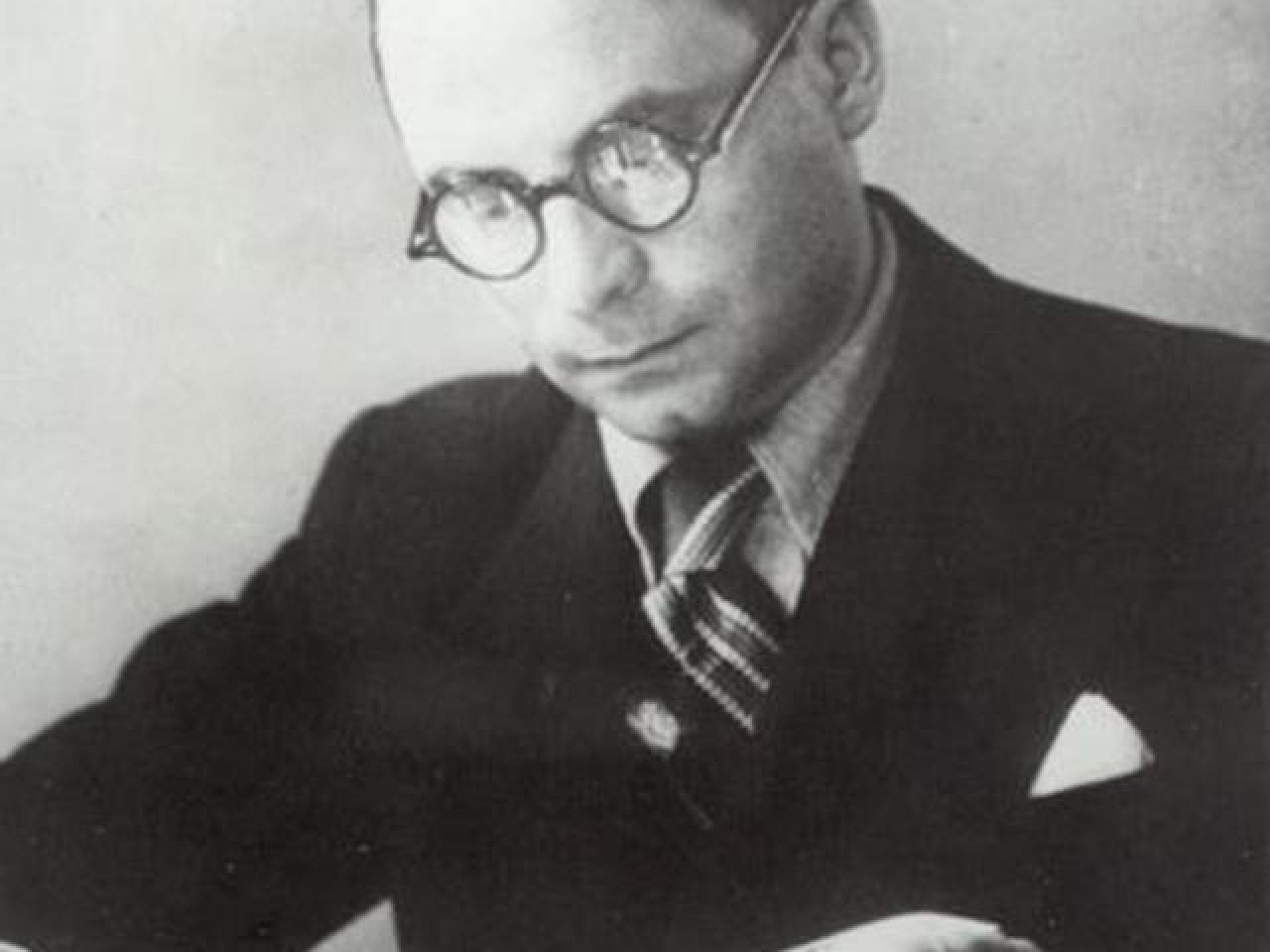
Approximately 2,000 Hungarian Jews were held prisoner in Balf. About half of them died of maltreatment, hard labour or because of the inhuman conditions. Among the victims was the writer Antal Szerb (1901-1945). Altogether, about 30,000 Budapest Jews had to conduct forced labour during the construction of the South-east wall. Thousands died at work, in the camps or on the death marches during the last weeks of the war.
Remembrance
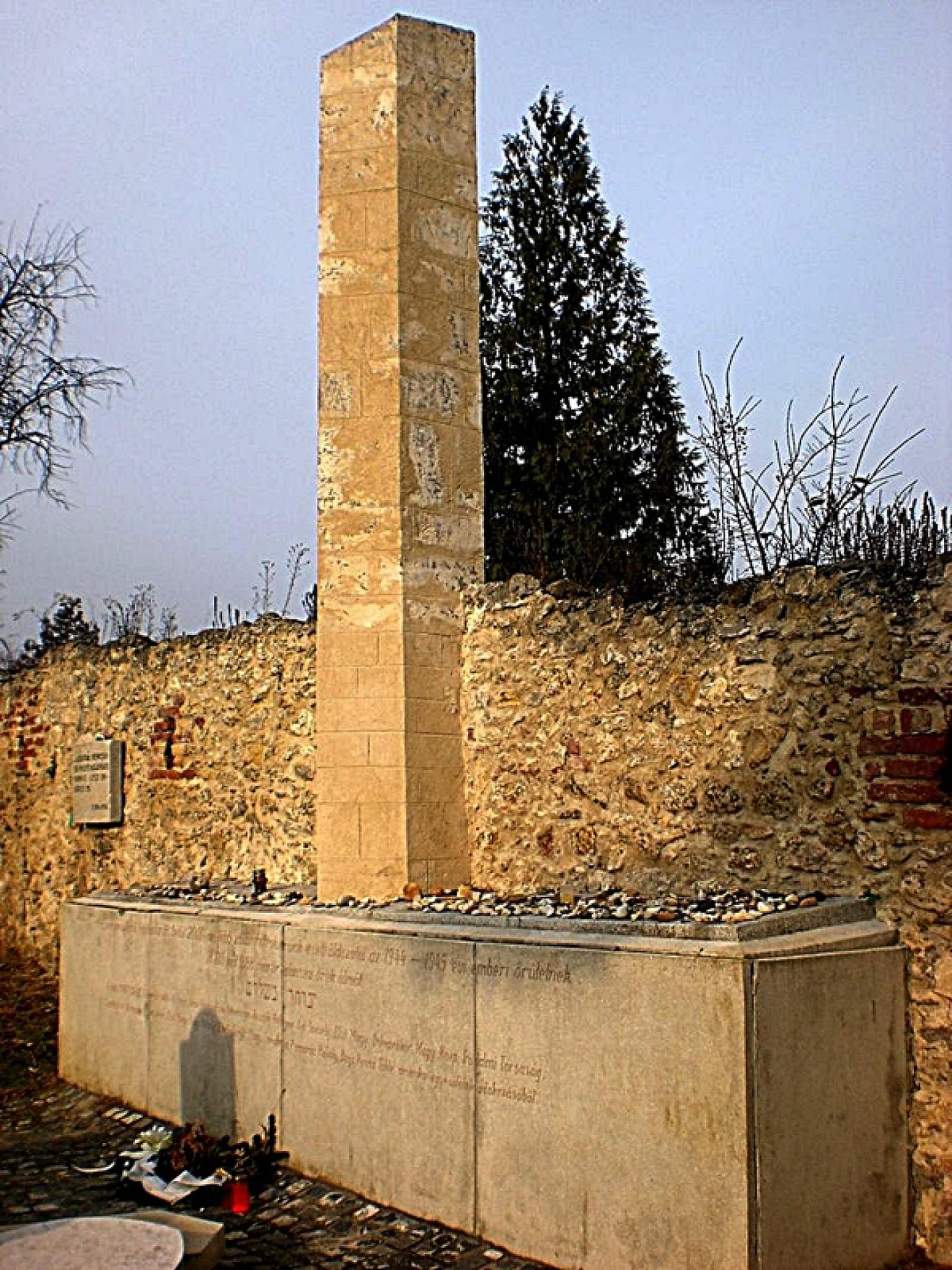
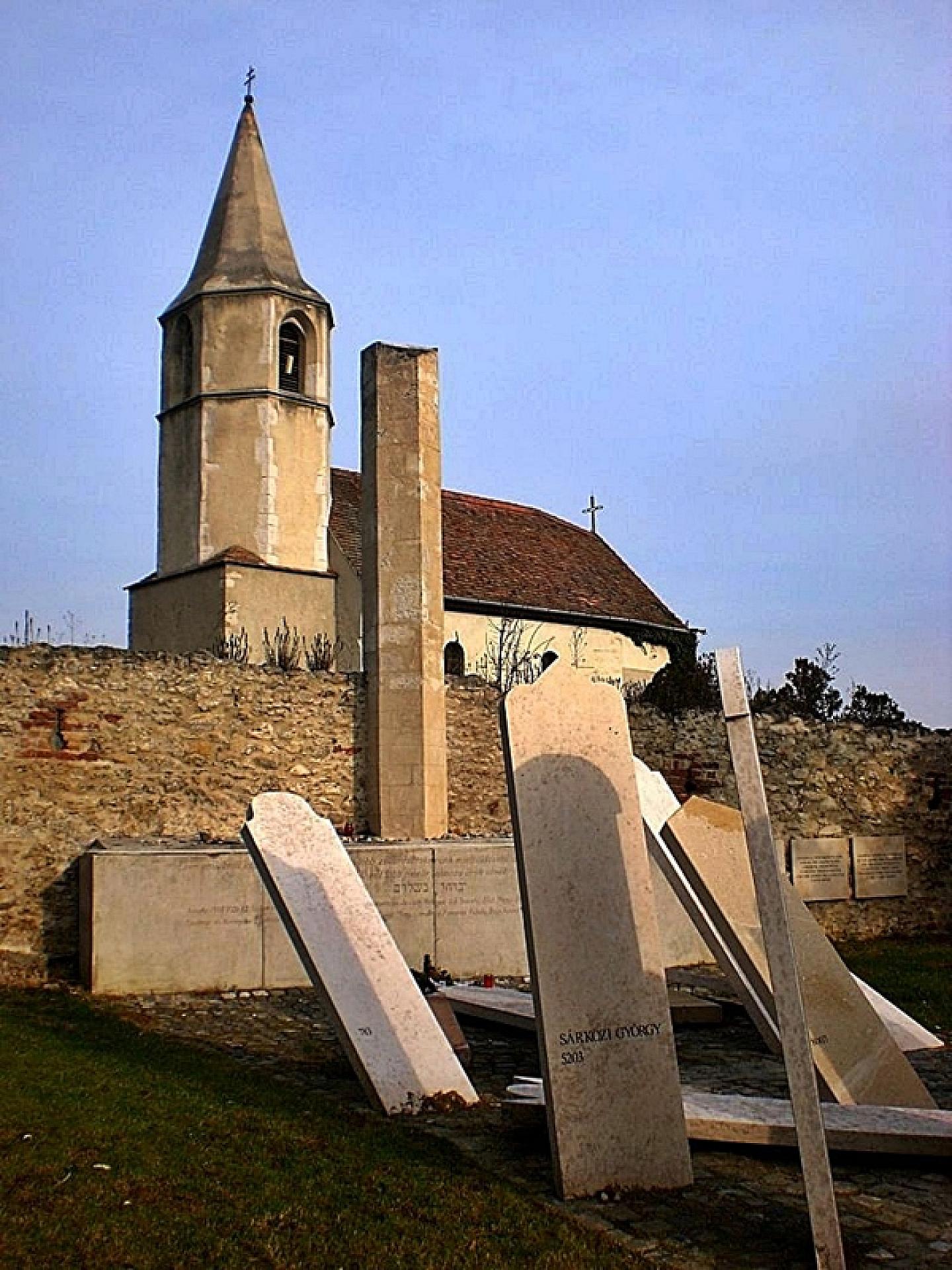
The erection of the first memorial in memory of the Jewish victims of the camp in Balf was made possible by donations, among others from Jewish organizations in the USA. The monument in the form of an obelisk, designed by the Sopron architect Oszkár Füredi (1890-1978), was inaugurated in 1948. It stands near a mass grave with at least 100 dead. The Hungarian and Hebrew inscription reads: »Within sight of this monument, more than 2,000 of our Jewish fellow brethren fell victim to human madness from 1944 to 1945. More than 100 martyrs rest here«.
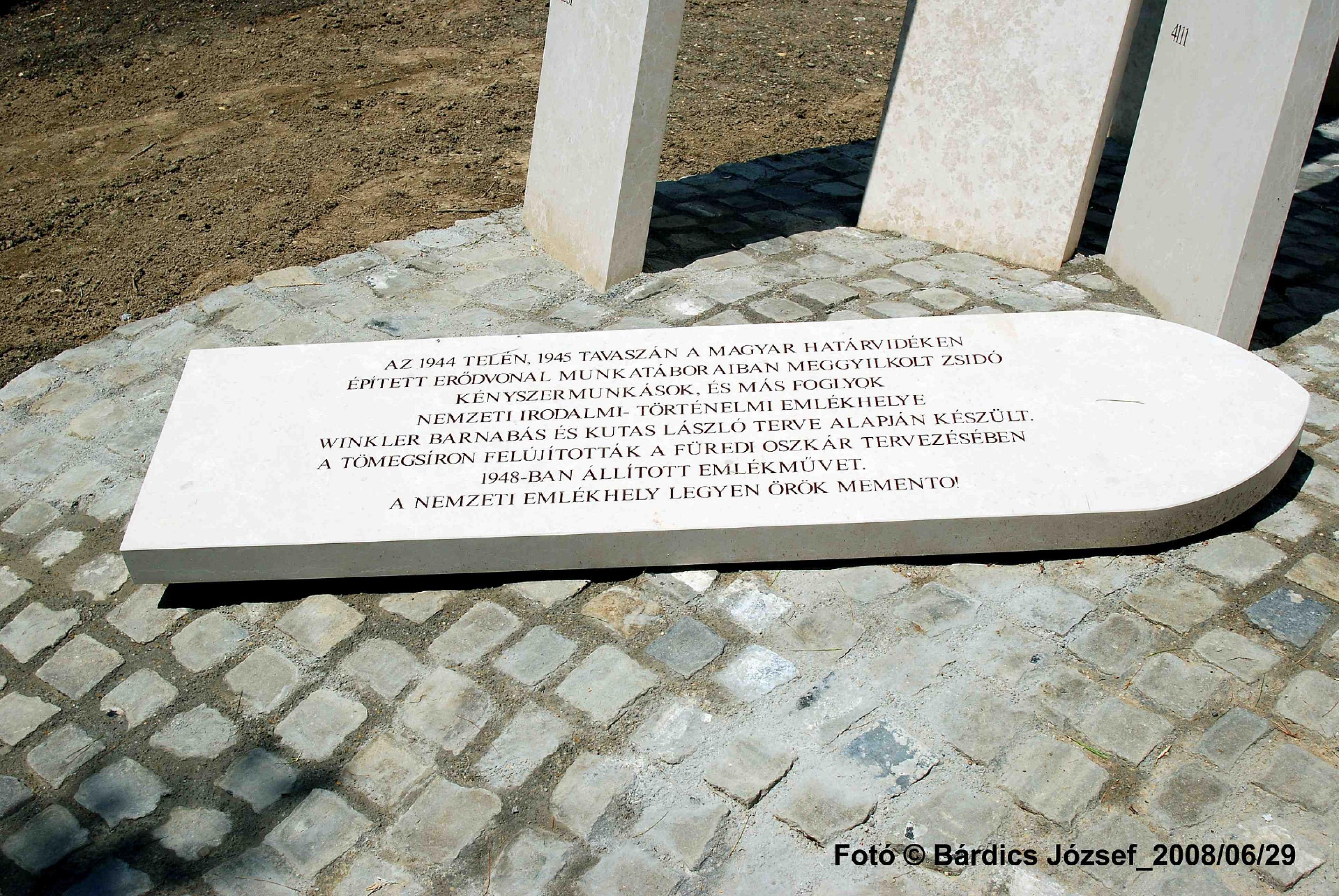
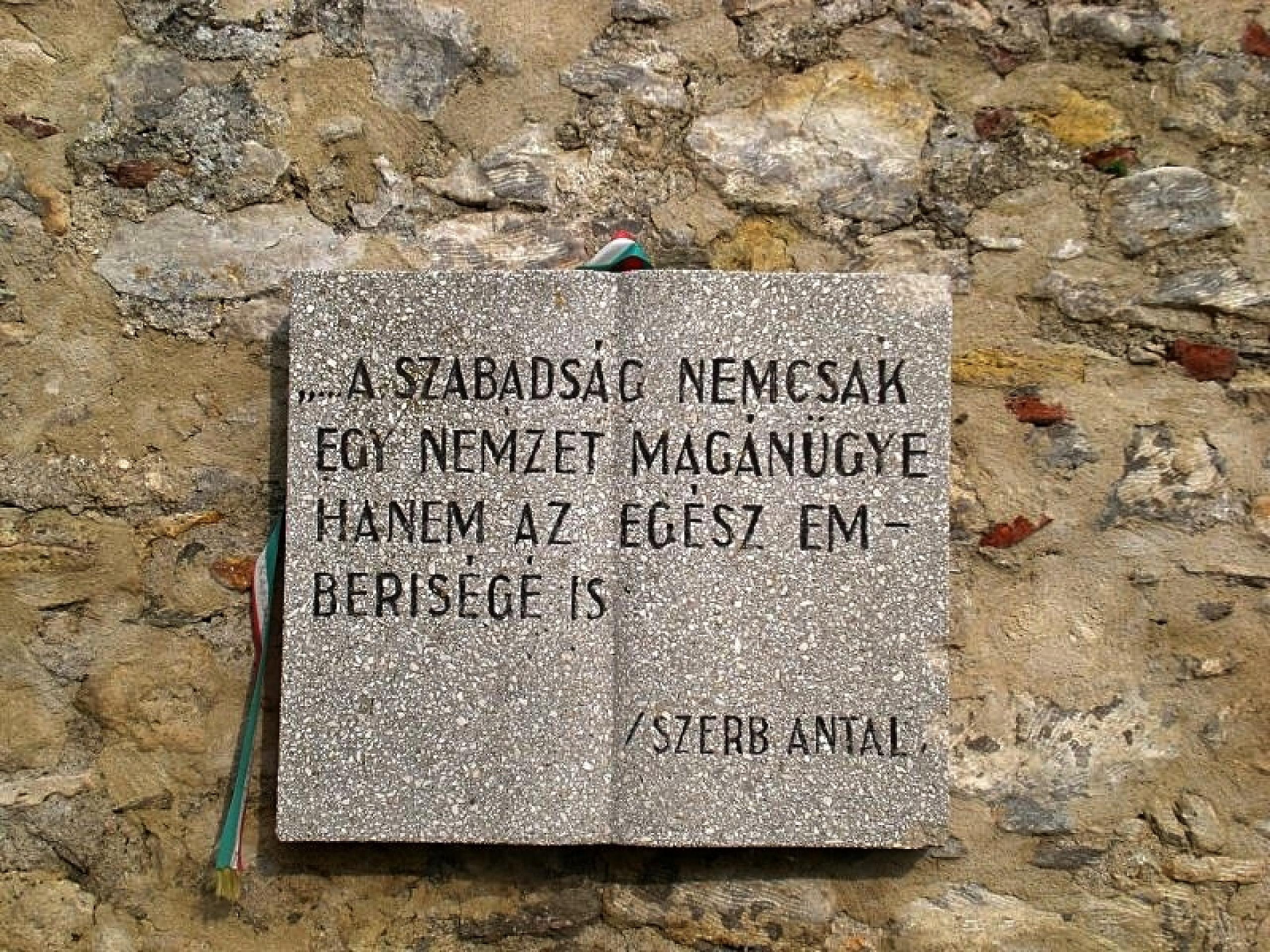
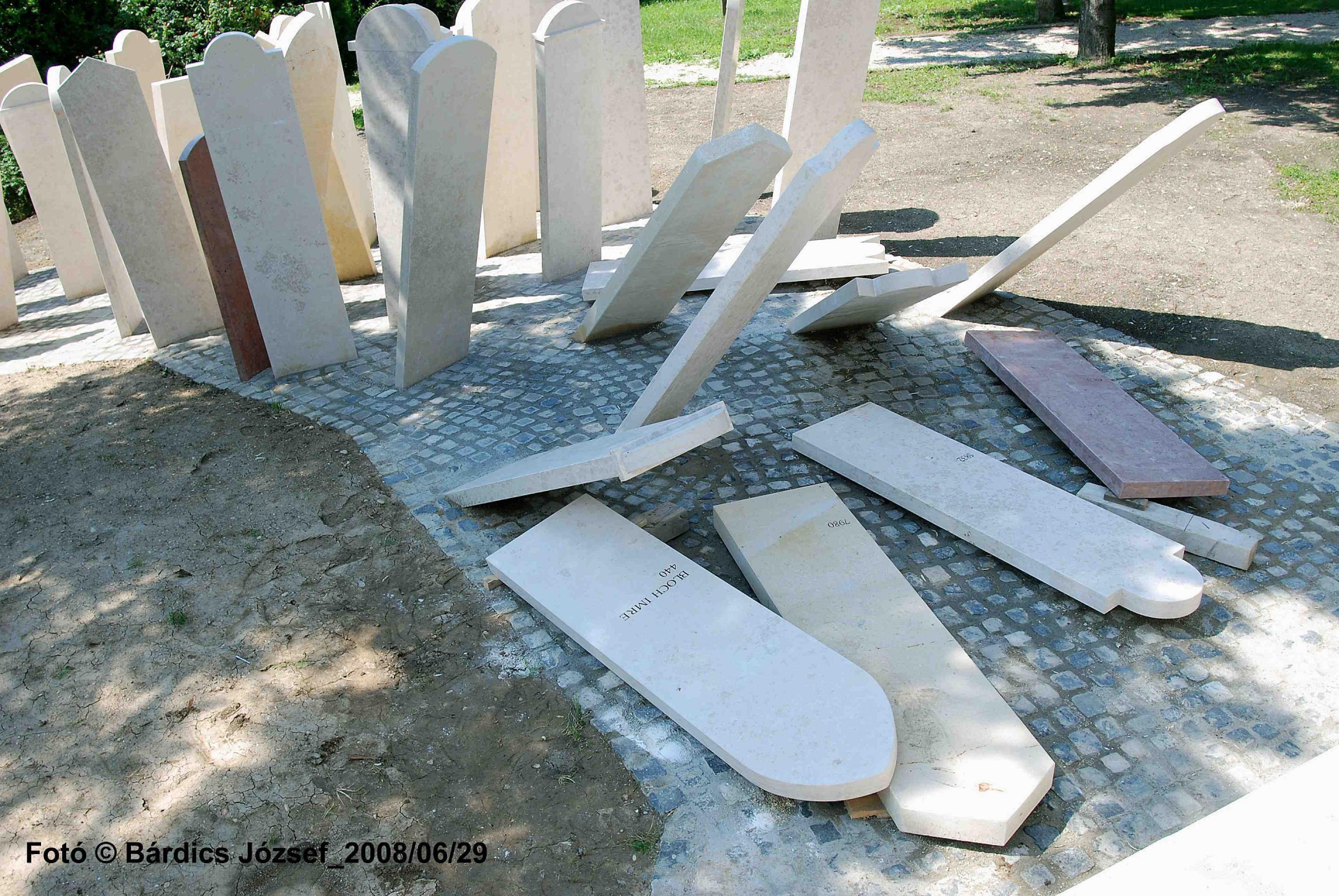
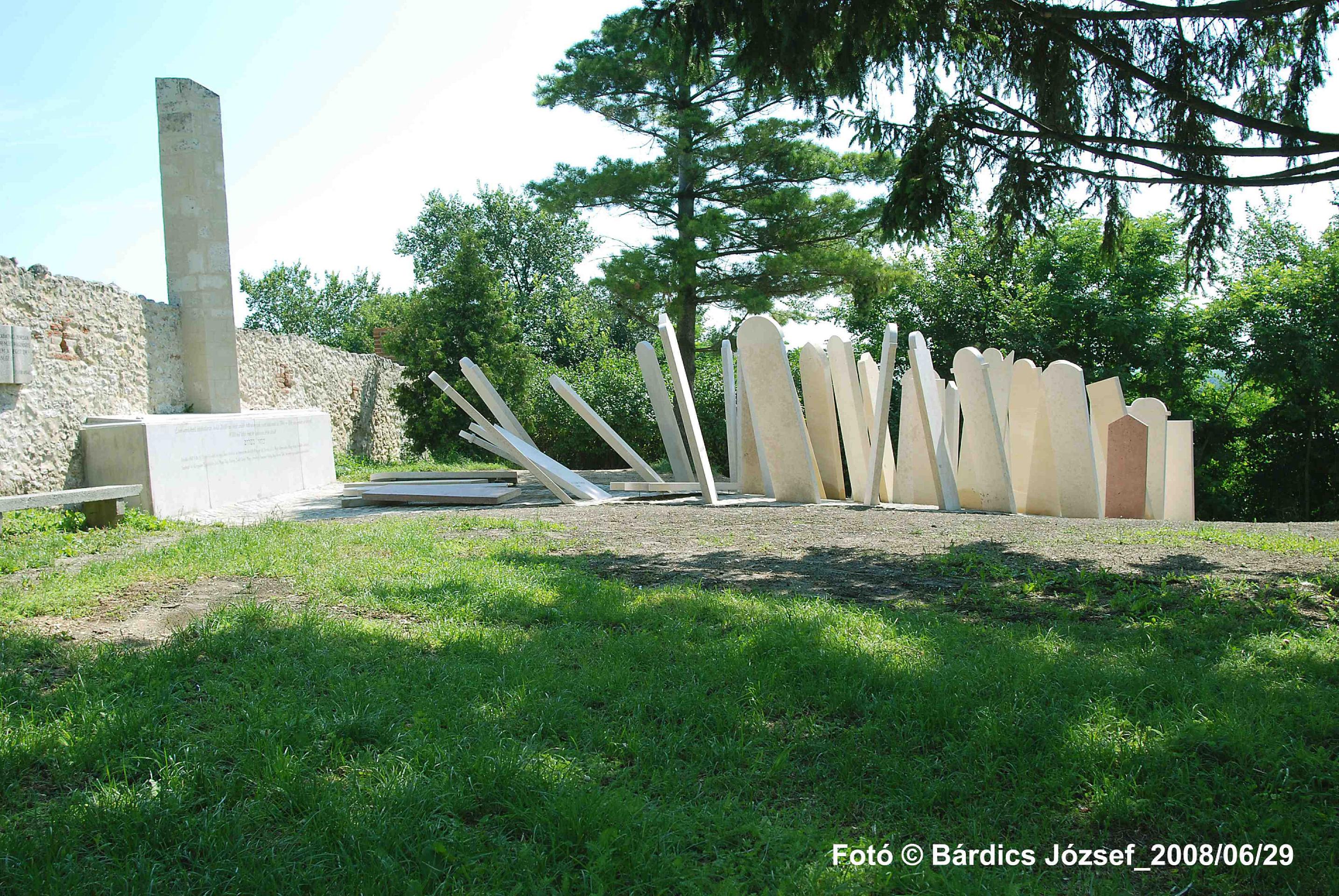
Another monument was inaugurated in 1968. The central element of the monument designed by János Fodor was a bronze relief depicting the death march of the forced labourers. At this monument the writer Antal Szerb, who died in January 1945 in Balf from maltreatment, was mentioned by name. The bronze relief was stolen by metal thieves in 2005. The monument was dismantled subsequently. As a replacement for the destroyed monument, a National Memorial was inaugurated in 2008 according to the plans of the architect Barnabás Winkler and the sculptor László Kutas. At the same time the memorial stone from 1948 was restored. The memorial consists of several symbolic gravestones, which incline more and more towards the obelisk and finally fall to the ground. An object from the demolished monument, a memorial stone in the form of an opened book, was placed on the wall next to the obelisk. The quote by Antal Szerb reads: »Freedom is not only a private matter of a nation, but a matter of all mankind«.

Open
The memorial is accessible at all times.
Contact
Fő utca, Szent Farkas vártemplom
9494 Balf