Skip to content

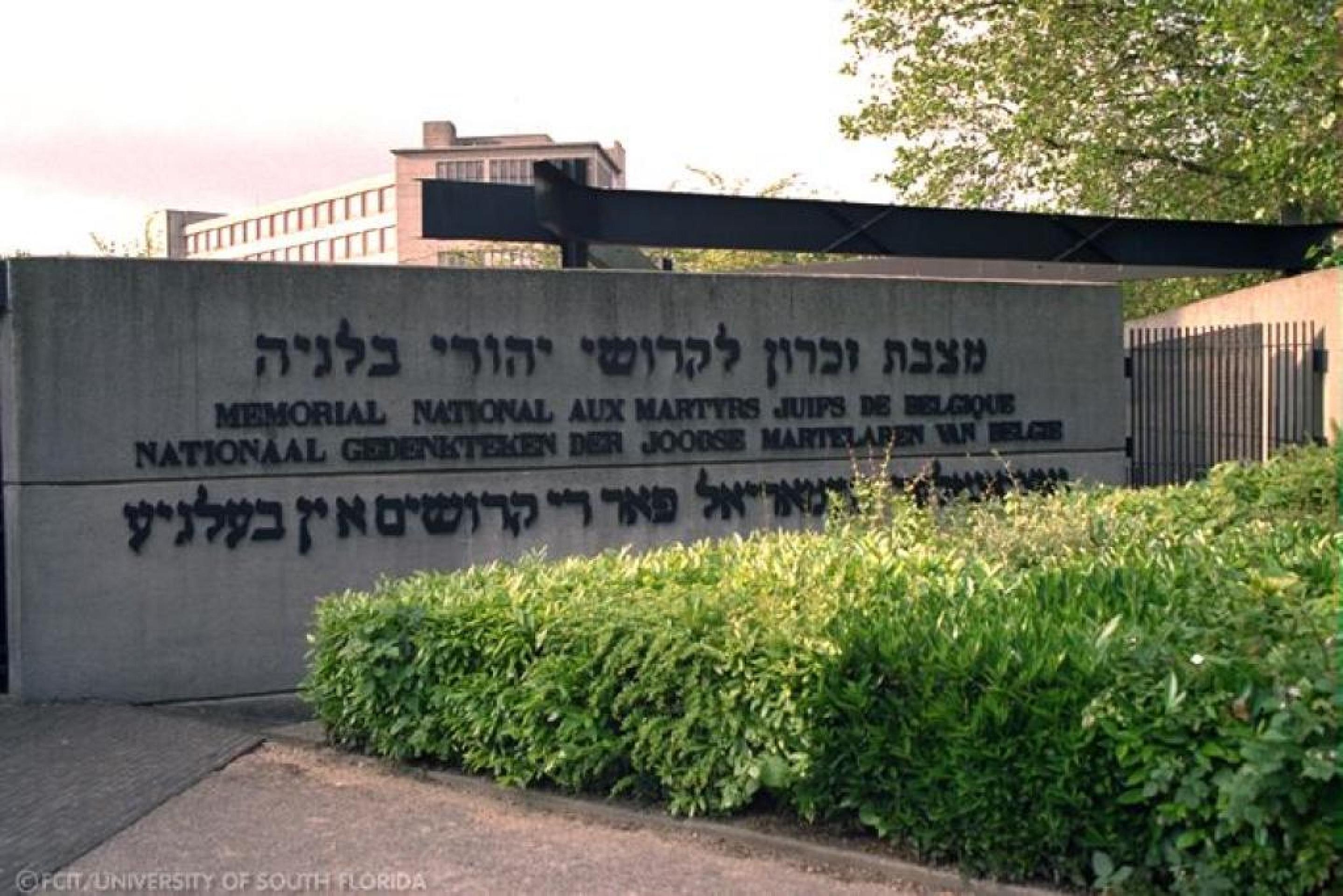
National Monument to the Jewish Martyrs of Belgium

Mémorial national aux martyrs juifs de Belgique


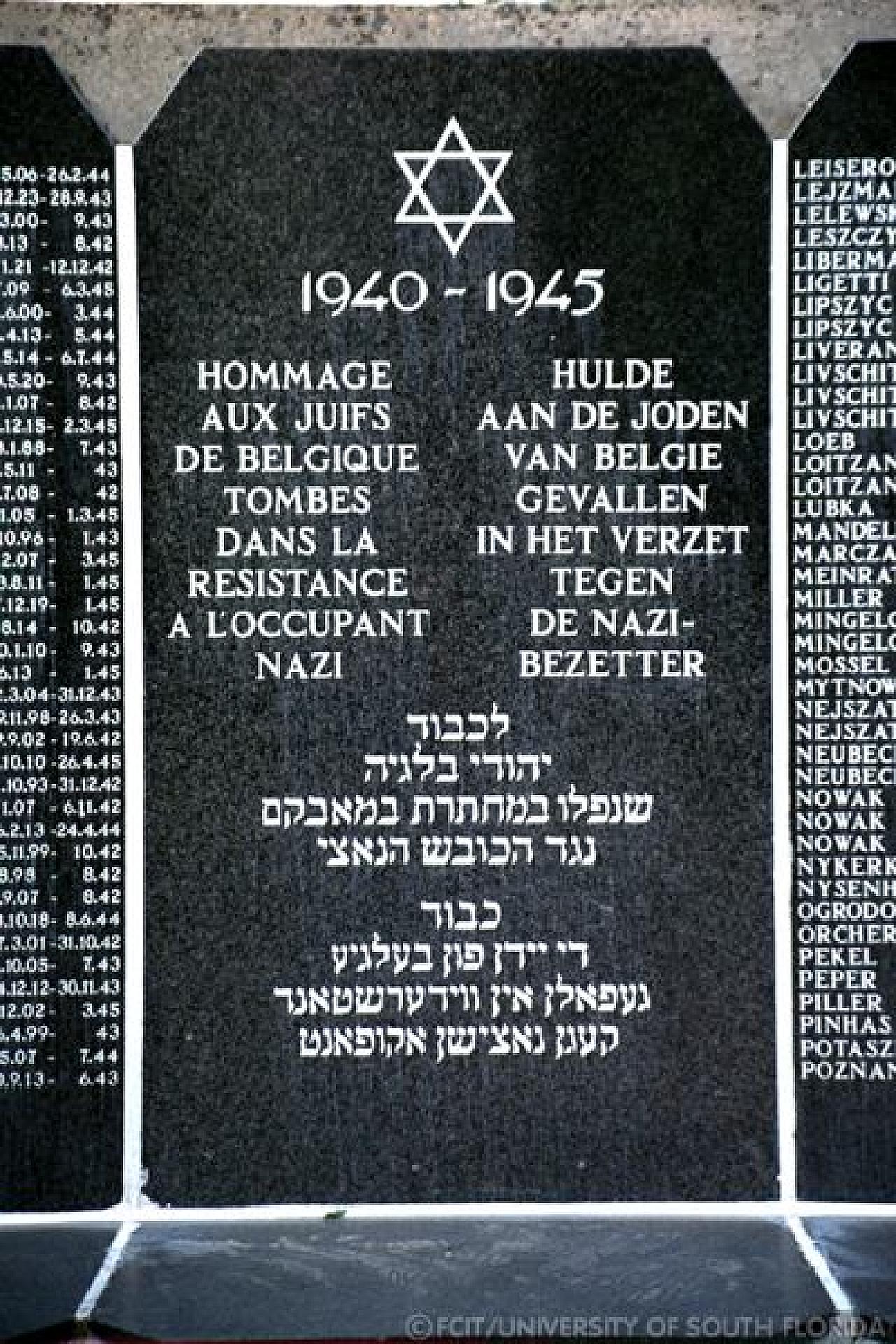
A monument in the Belgian capital Brussels honours the Jews from Belgium who were murdered by National Socialists during World War II.

History

In May 1940, the German Wehrmacht occupied Belgium and a military administration was established. Special offices were set up in order to deal with the »Jewish question«. These offices - the Security Police and the Security Service (Sipo-SD) - followed orders issued by the Reich Main Security Office in Berlin. There, Adolf Eichmann led Office IV B 4 which coordinated Germany's so-called Jewish policy and later the implementation of the »final solution of the Jewish question«. Between 1941 and 1943, Kurt Asche was responsible for Jewish affairs at the Sipo-SD in Brussels, after which he was succeeded by Fritz Erdmann. Like in other European countries, decrees issued by the German military administration entailed the suppression and exclusion of the Belgian Jews. Between October 1940 and September 1943, the occupiers issued 18 anti-Jewish decrees with the aim of preparing the upcoming deportation and murder of the Jews. From July 1942 on, the SS used the old Dossin barracks in Mechelen (Flanders) as the central collecting camp for Jews. On August 4, 1942, the first transport of Jews left Mechelen for Auschwitz-Birkenau. At first, only foreign Jews were affected by the deportations, but beginning September 1943, Jews with Belgian citizenship were also arrested. Until Belgium's liberation, a total of 24,916 Jews and 351 Roma and Sinti were deported from the Mechelen collection camp to concentration camps in the East. Of those, fewer than five per cent survived.
Victims

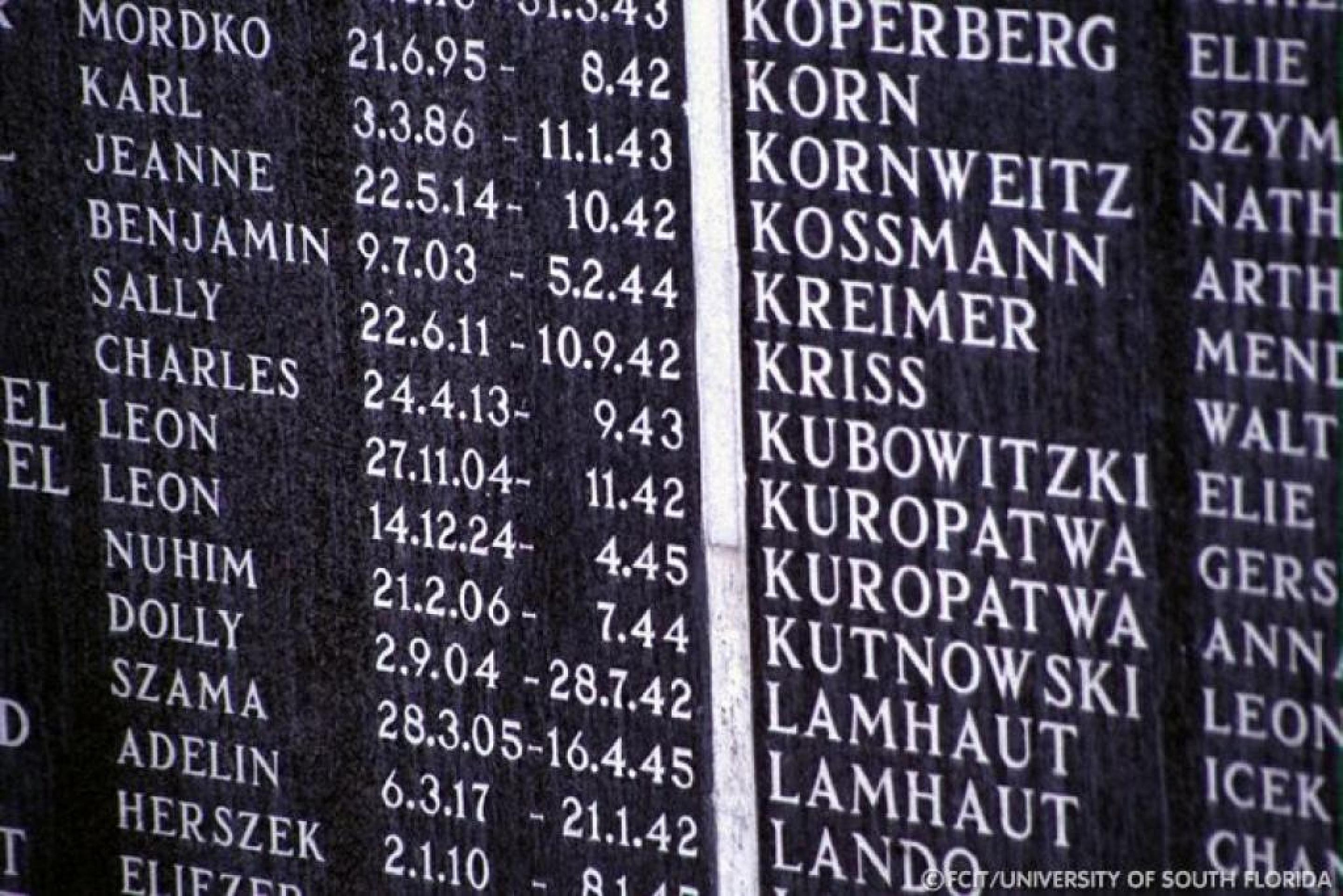
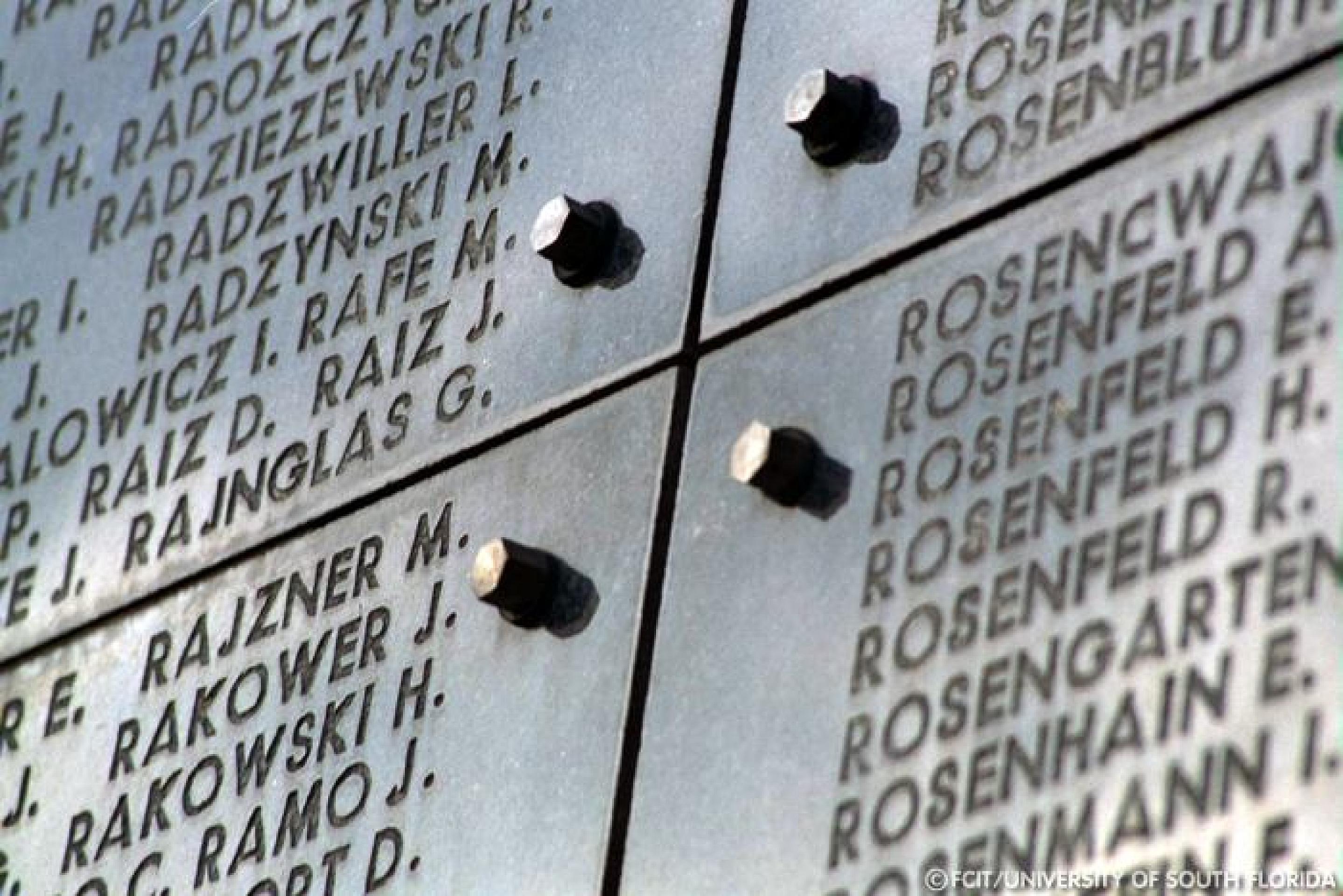
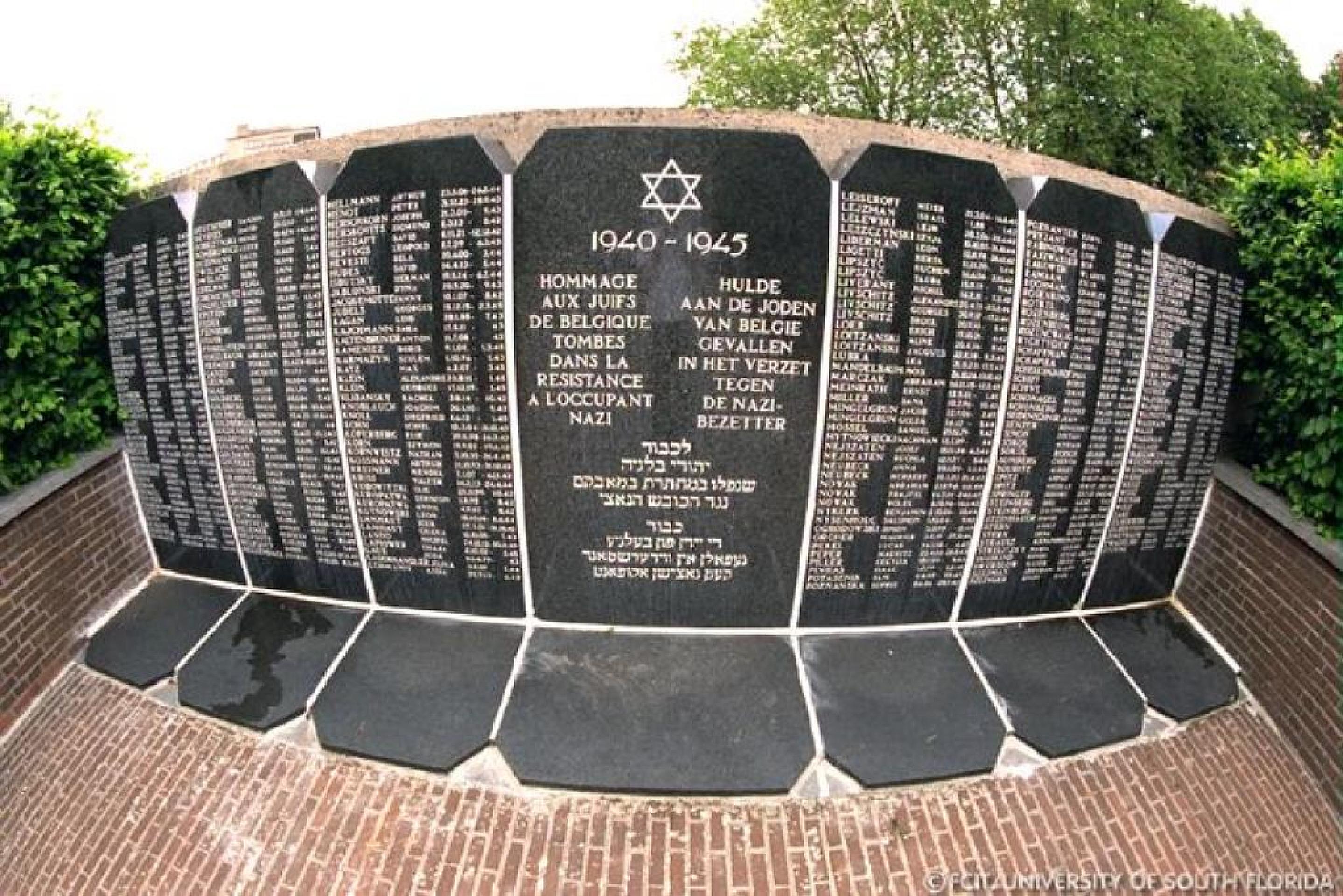
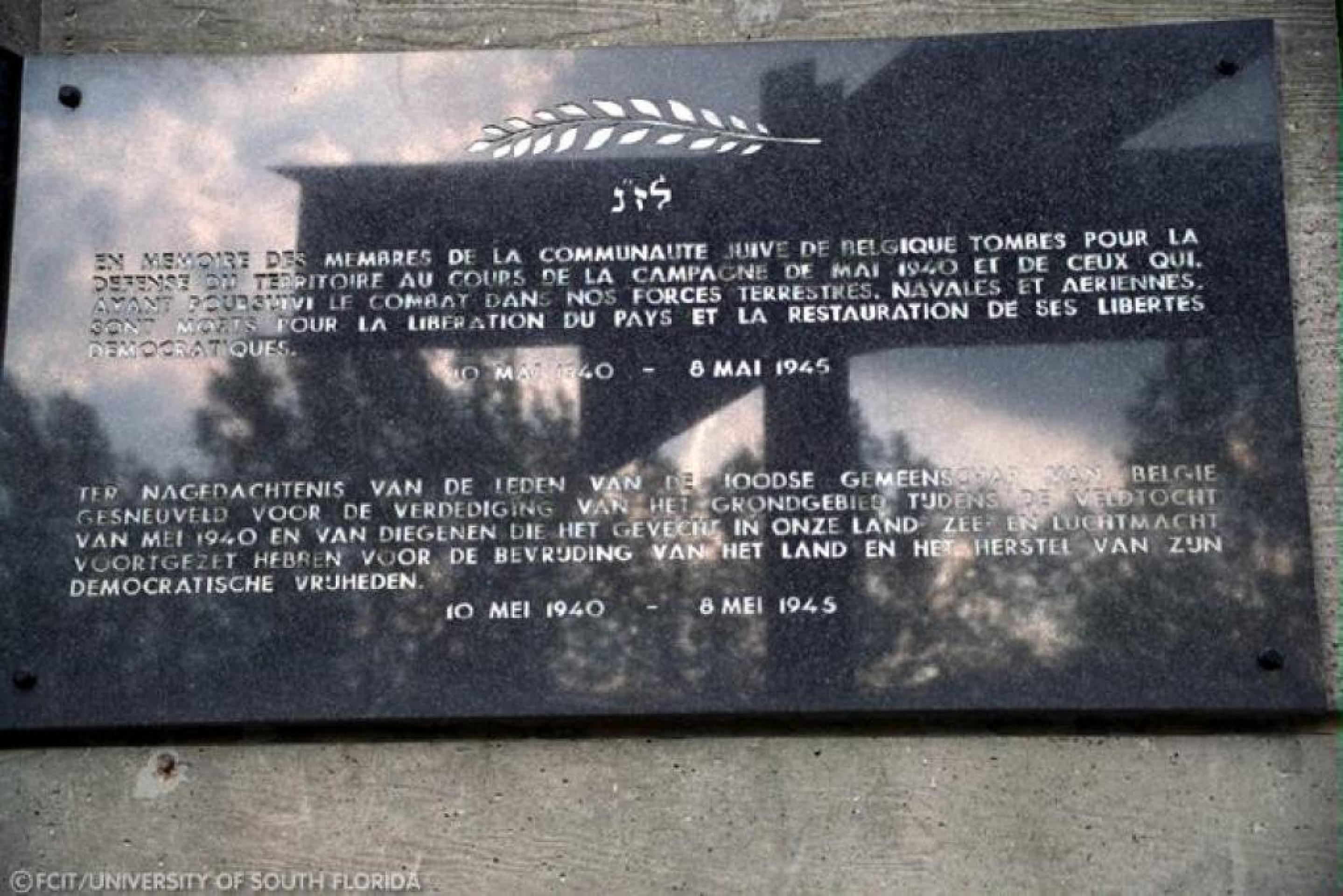
The monument is dedicated to the Jews who were deported from Belgium to concentration camps in the East. It also honours the Belgian Jews who either died in action as soldiers or were killed as resistance fighters. Moreover, the monument commemorates the six million Jews murdered in the Holocaust.

Neutral Belgium was attacked in May 1940 and was subsequently governed by a German military administration. The German-speaking districts of Eupen and Malmedy in the east of the country were incorporated into the Third Reich. At the time, there were around 66,000 Jews in Belgium, including many refugees. The first anti-Jewish laws were enacted in October 1940. In 1942, the occupying power’s policy of persecution and expropriation culminated in preparations for systematic deportation. As only a few of the Jews reported for their alleged forced labour deployment the SS and police carried out raids to capture them. Those arrested were sent to the Mechelen transit camp before being deported to the Auschwitz extermination camp, where they were murdered on arrival. A total of around 25,000 Jews and over 350 Roma from Belgium died as a result of deportation. From September 1940, the Breendonk fort near Antwerp served as a prison and an assembly and transit camp. Above all political opponents of the Nazi occupation were transported from here to the German concentration camps. At the end of 1944 the Ardennes Offensive, also known as the Battle of the Bulge, resulted in widespread destruction and many civilian casualties as German troops tried in vain to hold back the Allies in south-east Belgium (around Liège and Malmedy), who had already reached Aachen. Around 90,000 Belgians fell victim to the war and occupation. The majority of the Jewish population survived thanks to the help of non-Jewish Belgians. The culture of remembrance in Belgium was and continues to be divided in line with the political structure of the country. In French-speaking Wallonia, exaggerated accounts of the resistance prevailed for a long time, along with the one-sided view that people in Flanders had been collaborators. By contrast, in Flanders many glossed over the issue of collaboration under the German occupation, viewing this in terms of a fight for the Flemish nation in the face of persecution from the Belgian state. The persecution of the Jews was repressed and the victims only commemorated by the Jewish community. Since the 1980s, however, Belgian sites of memory have begun to acknowledge the collaboration on the part of both Flanders and Wallonia and to document the oppression as well as the resistance during the war. With the inauguration of the Jewish Museum of Deportation and Resistance in Mechelen (Flanders) in 1995 it became clear that the experiences of both Jewish and non-Jewish Belgians in the camps could provide a bridge between different memories. In today’s Belgium the range of distinct memorial sites such as the Breedonk Fort National Memorial to the Belgian resistance and the museum at Mechelen are all considered legitimate aspects of the culture of remembrance.

Remembrance

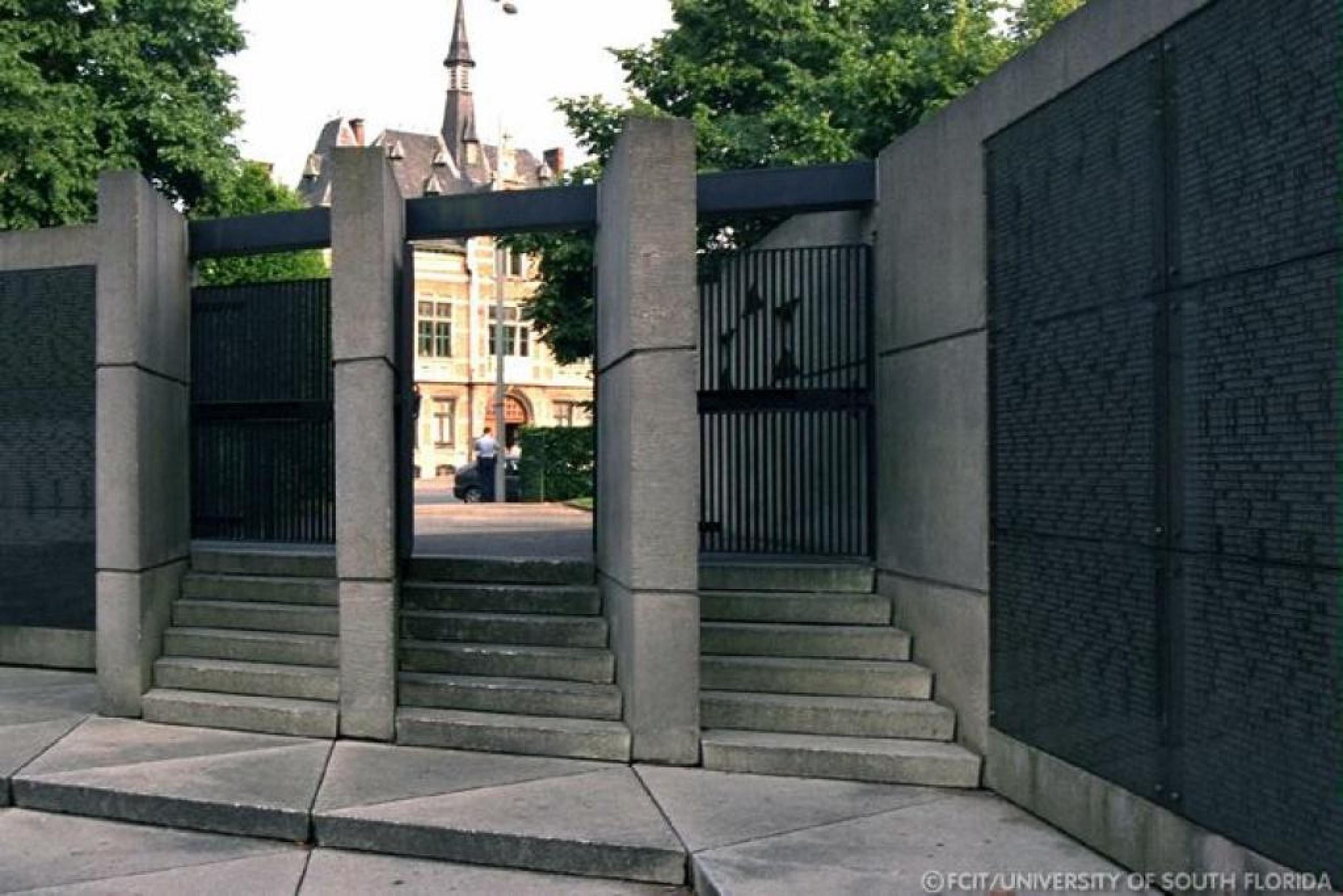
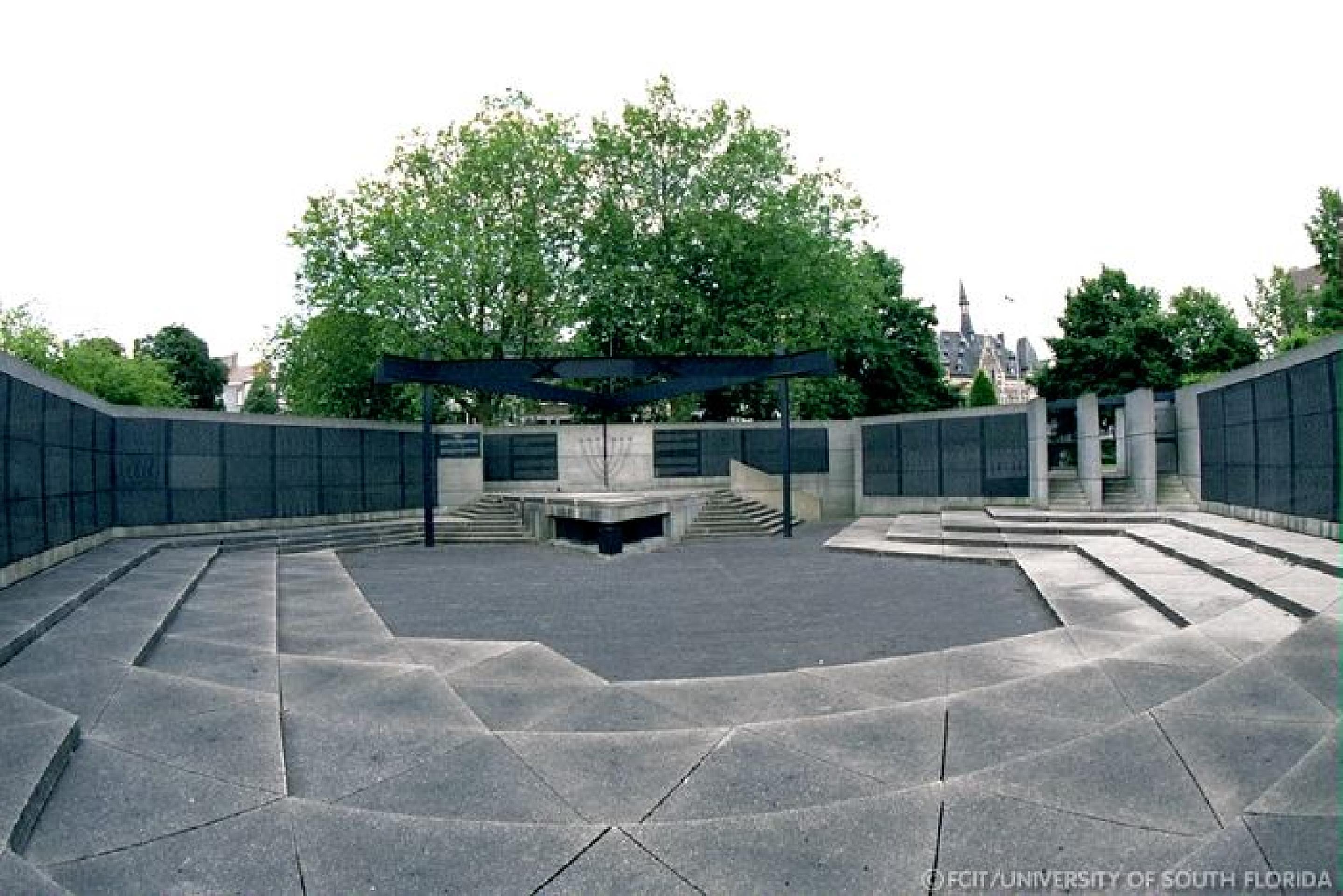
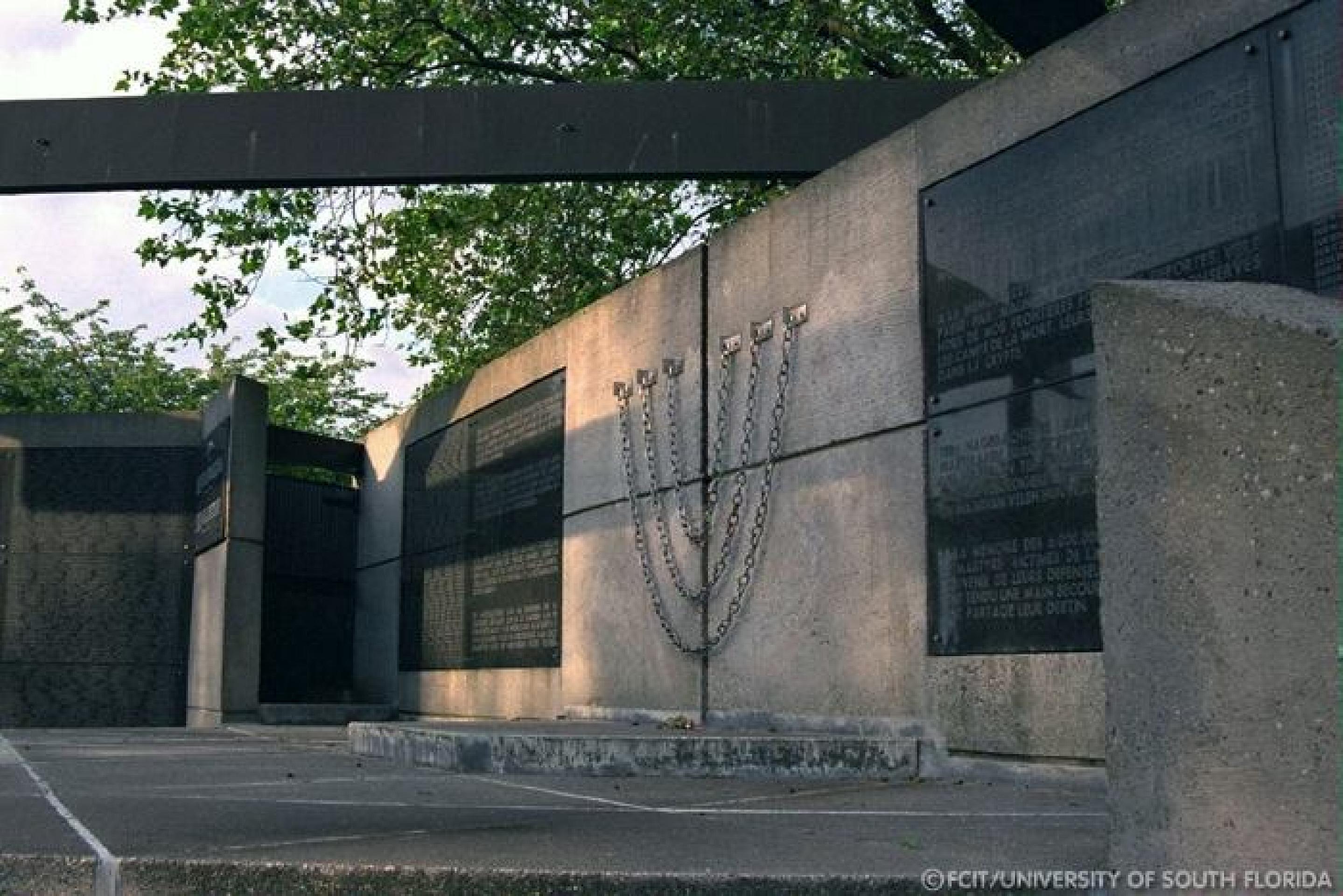
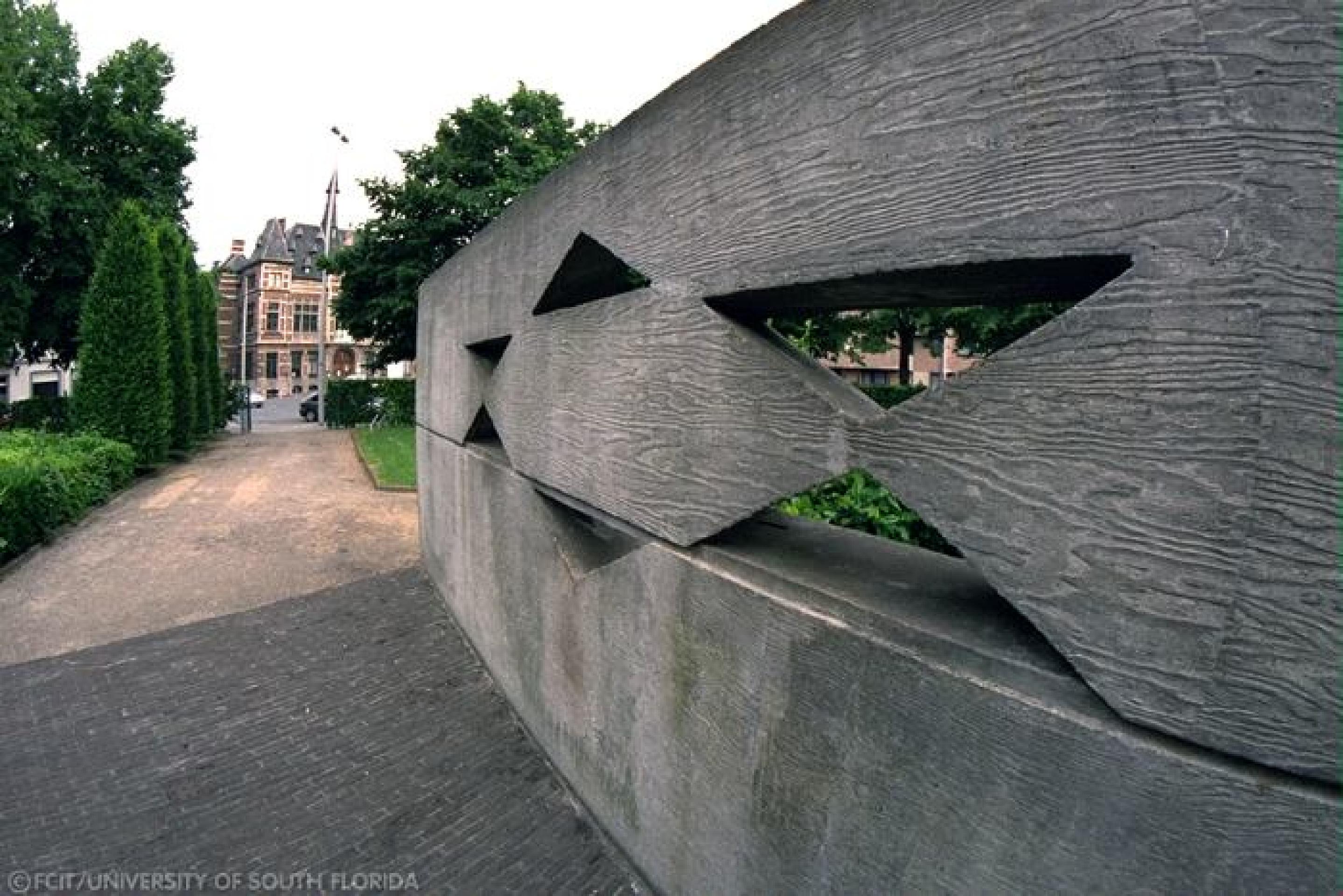
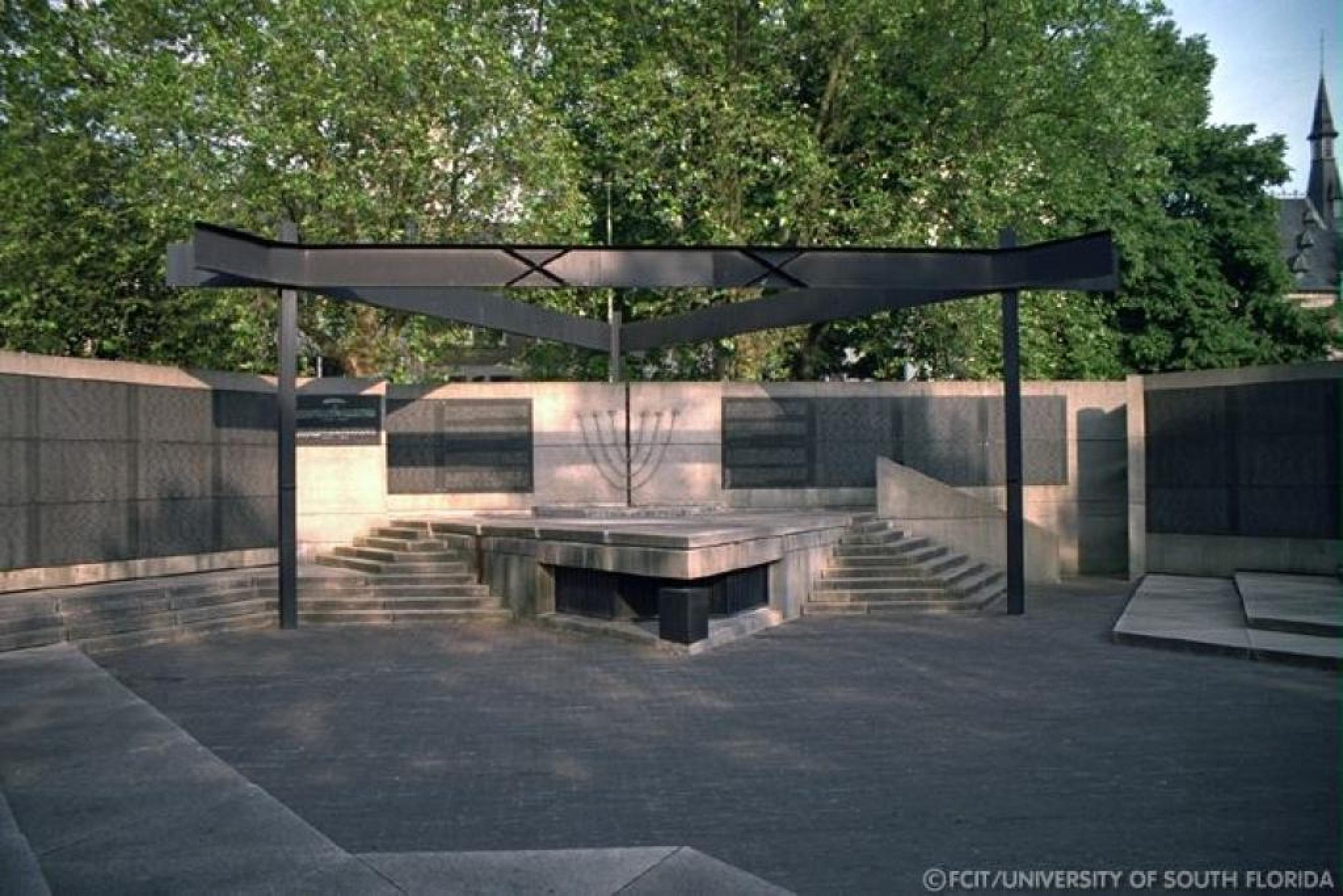
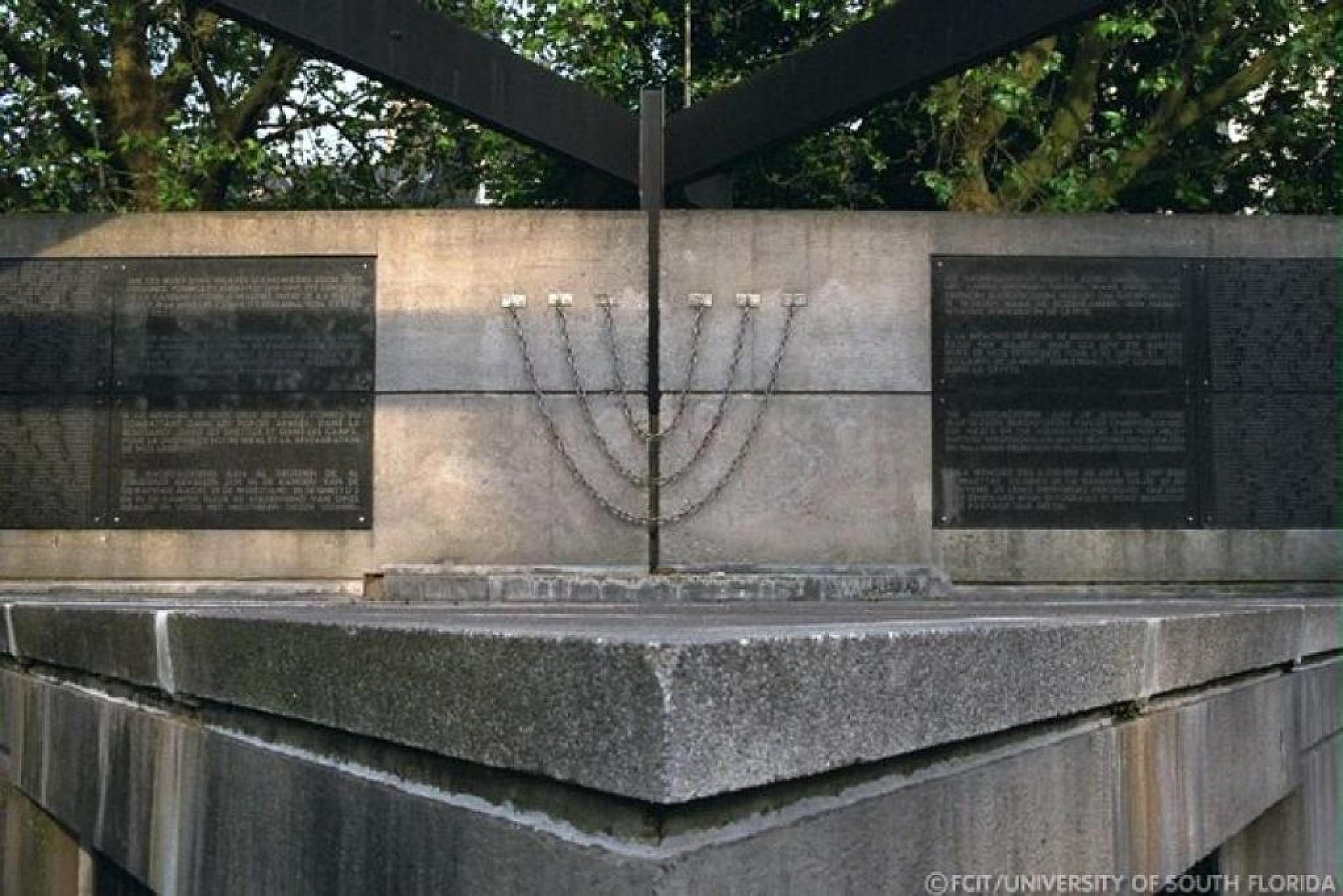
In 1964, Belgian state authorities decided to erect a monument to the Jews who were deported from Belgium and later murdered. Architect André Godard designed the monument, which was inaugurated on April 19, 1970, on the anniversary of the uprising in the Warsaw ghetto. The monument, situated in the community of Anderlecht, can also be used as a roofless synagogue.
Since 2014 the monument has not been accessible on a regular basis. Most of the time, the gates are closed, due to lack of personnel, security issues and an unclear definition of competences.
Open

Currently the monument is not accessible on a regular basis.

Contact

https://www.memorial50.be/

Square des martyrs juifs
1070 Bruxelles