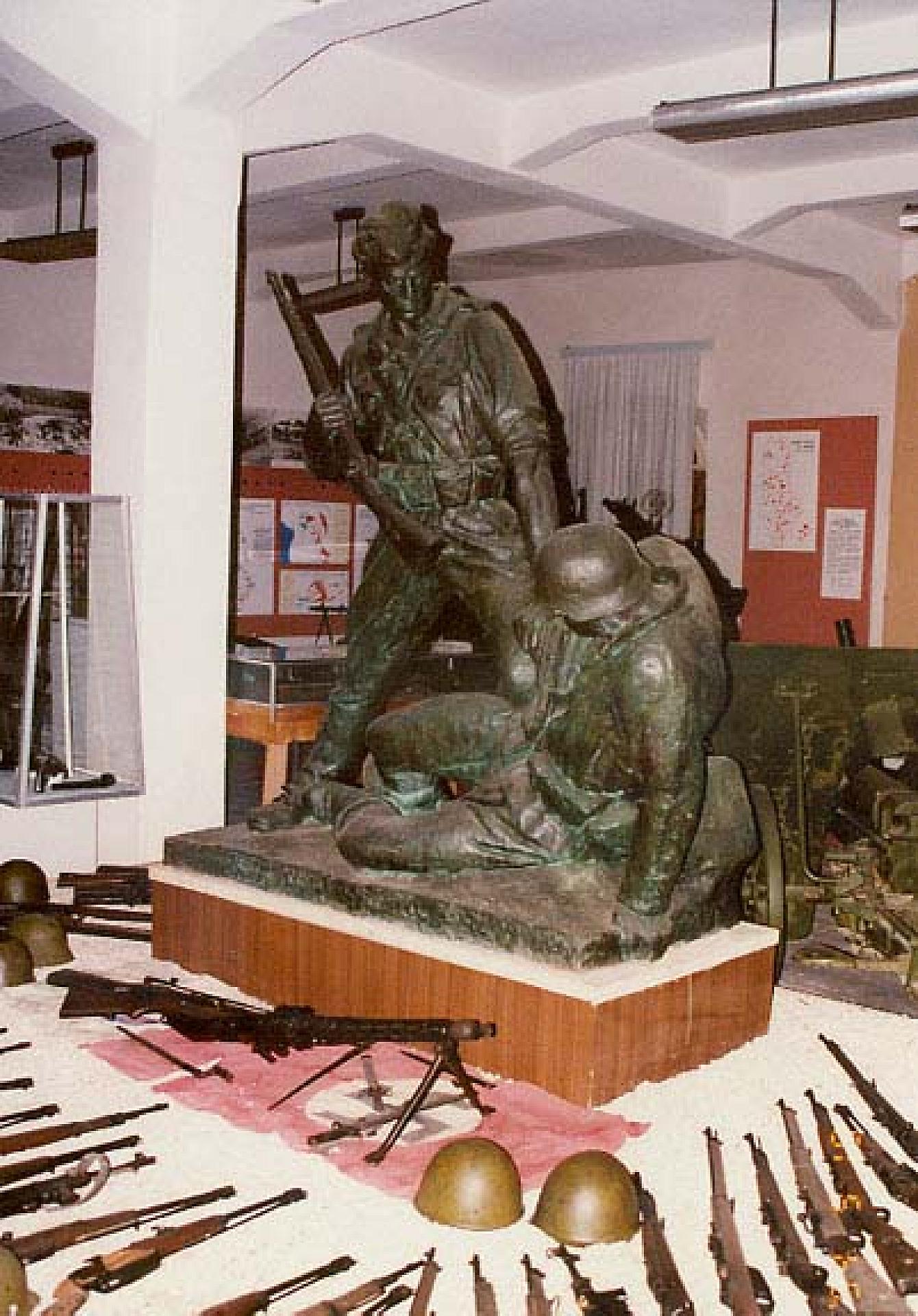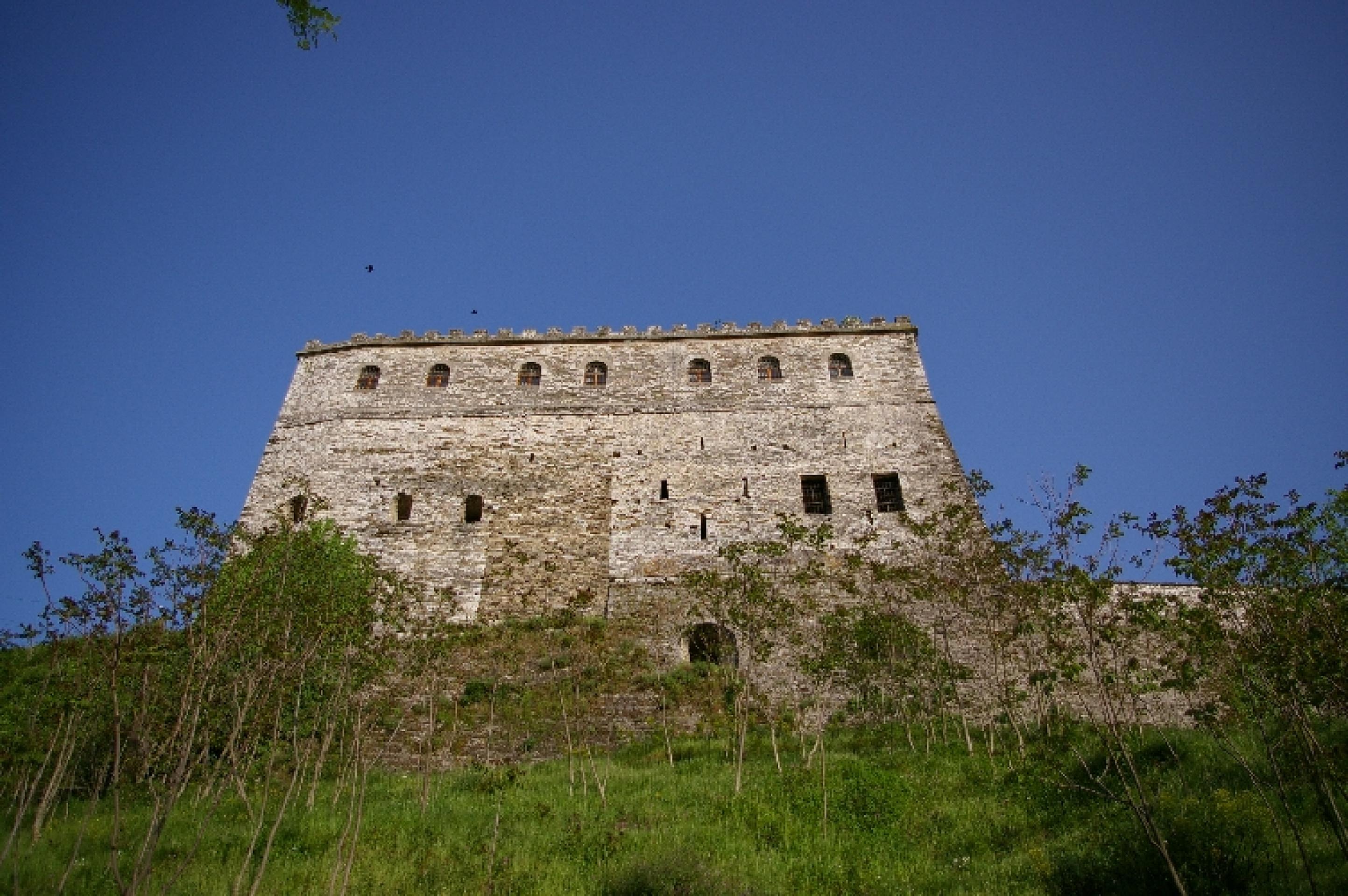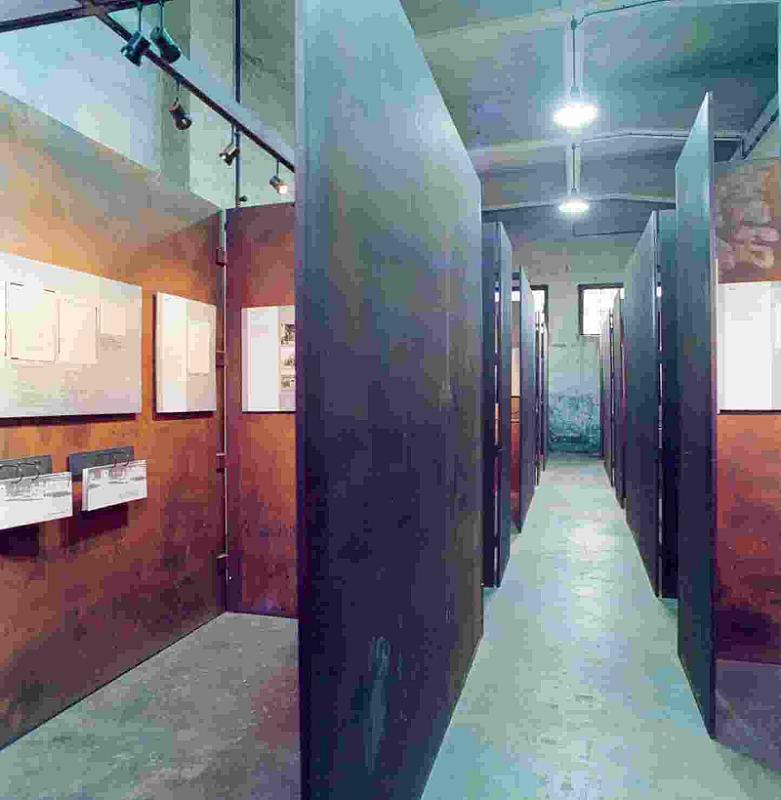
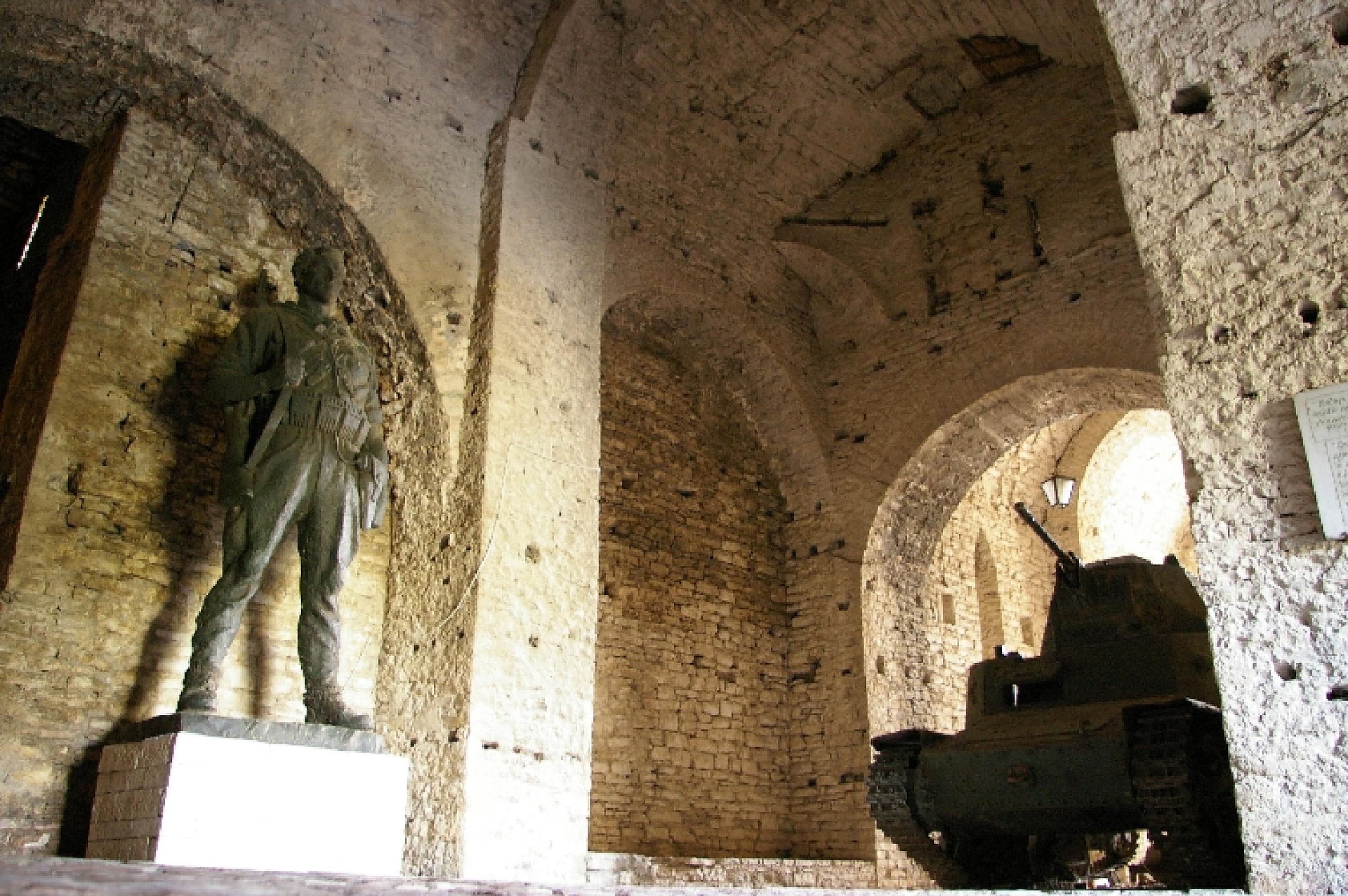
A museum in the south-Albanian Gjirokastra fortress presents an extensive exhibition on the partisan struggle against the Italian and German occupying forces between 1939 and 1944. It also contains memorial rooms to executed political prisoners and resistance fighters.
History
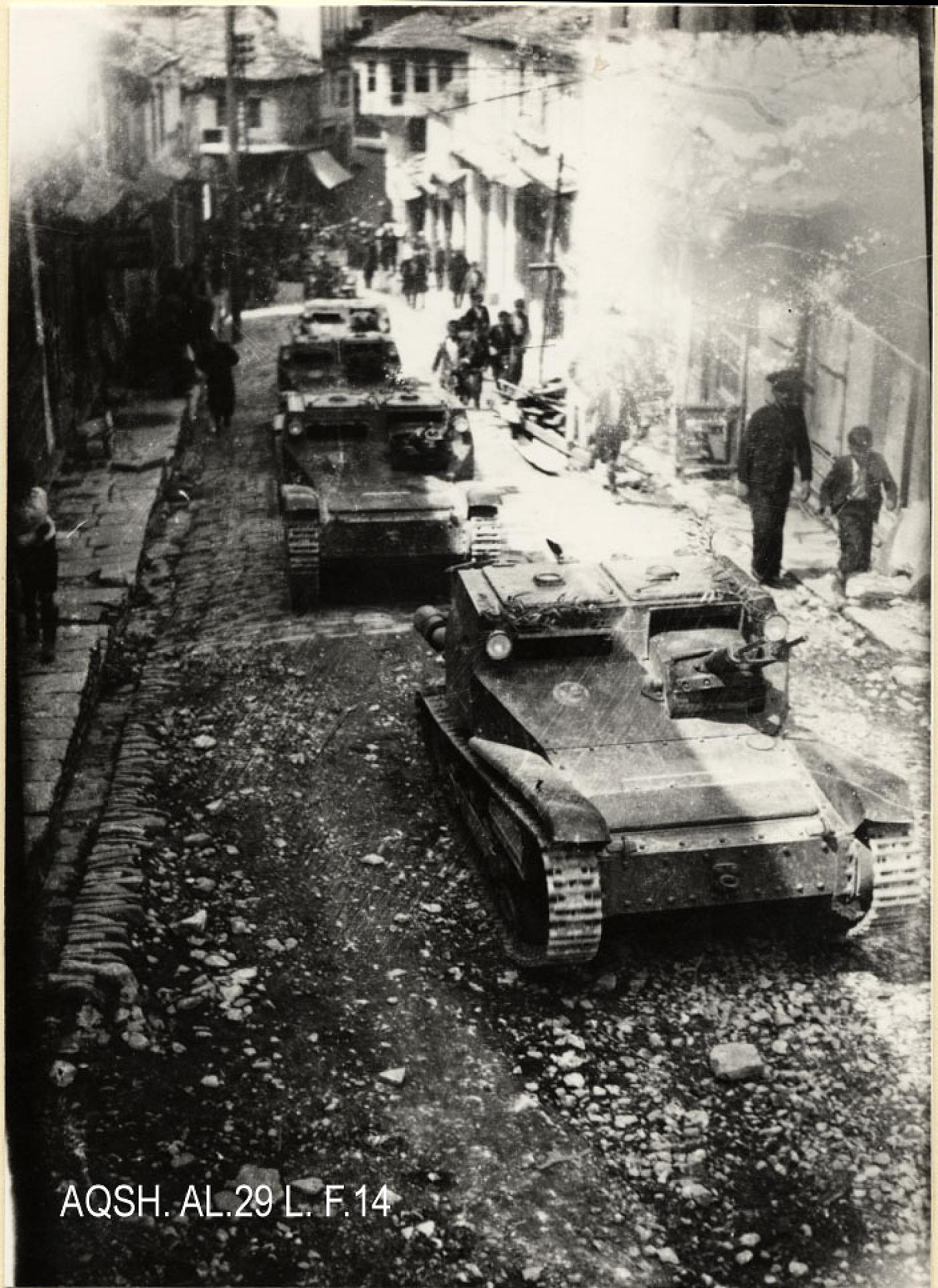
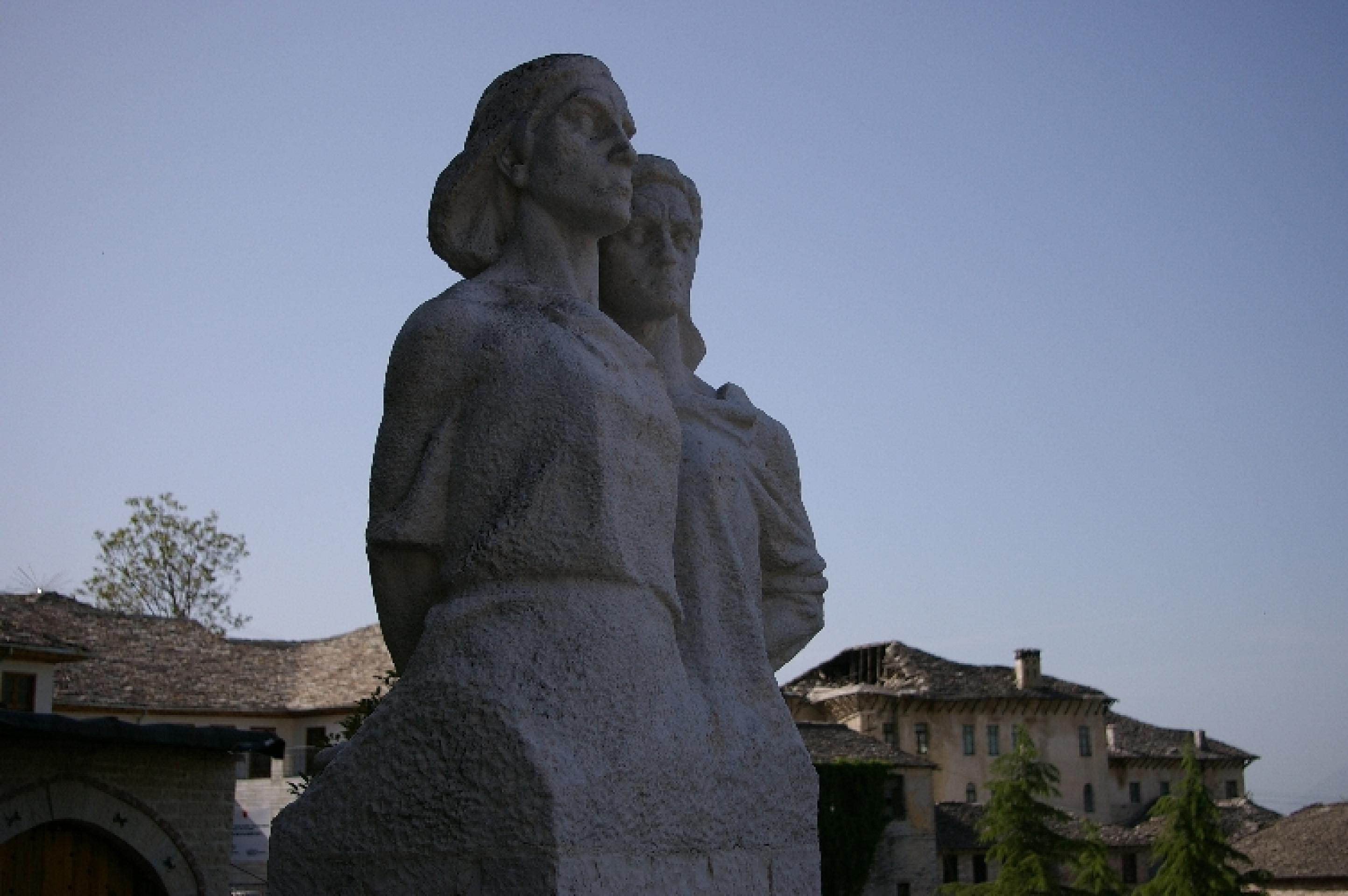
In 1932, the country's largest prison was established in the Gjirokastra fortress (alternative name in Albanian: Gjirokastër), which is located in the south of Albania, about 36 kilometres from the border to Greece. The »Agyrokastron« fort (meaning Silver Castle) was built in ancient times by the Illyrians and extended in the 19th century to a complex of fortifications including seven watchtowers. The fortress continued to serve as a prison during World War II. In April 1939, Albania was annexed by fascist Italy and occupied by the German Wehrmacht in September 1943, after Italy had severed its alliance with Germany and surrendered to the Allies. The German authorities incarcerated numerous political opponents and partisans in Gjirokastra castle. Moreover, executions were carried out in the fortress. Two women from Gjirokastra, Bule Naipi and Persefoni Kokëdhima, were among the victims - after 1945, a memorial was dedicated to them in the town. Ismail Kadare, a native of Gjirokastra, was an important chronicler of the time; his novel »Chronicle in Stone« (»Kronikë në gurë«) was published in English in 1971.
Victims
Memorial rooms in the Gjirokastra fortress are dedicated to the political prisoners and other opponents of the German occupying regime who were incarcerated and executed there between 1943 and 1944.
Remembrance
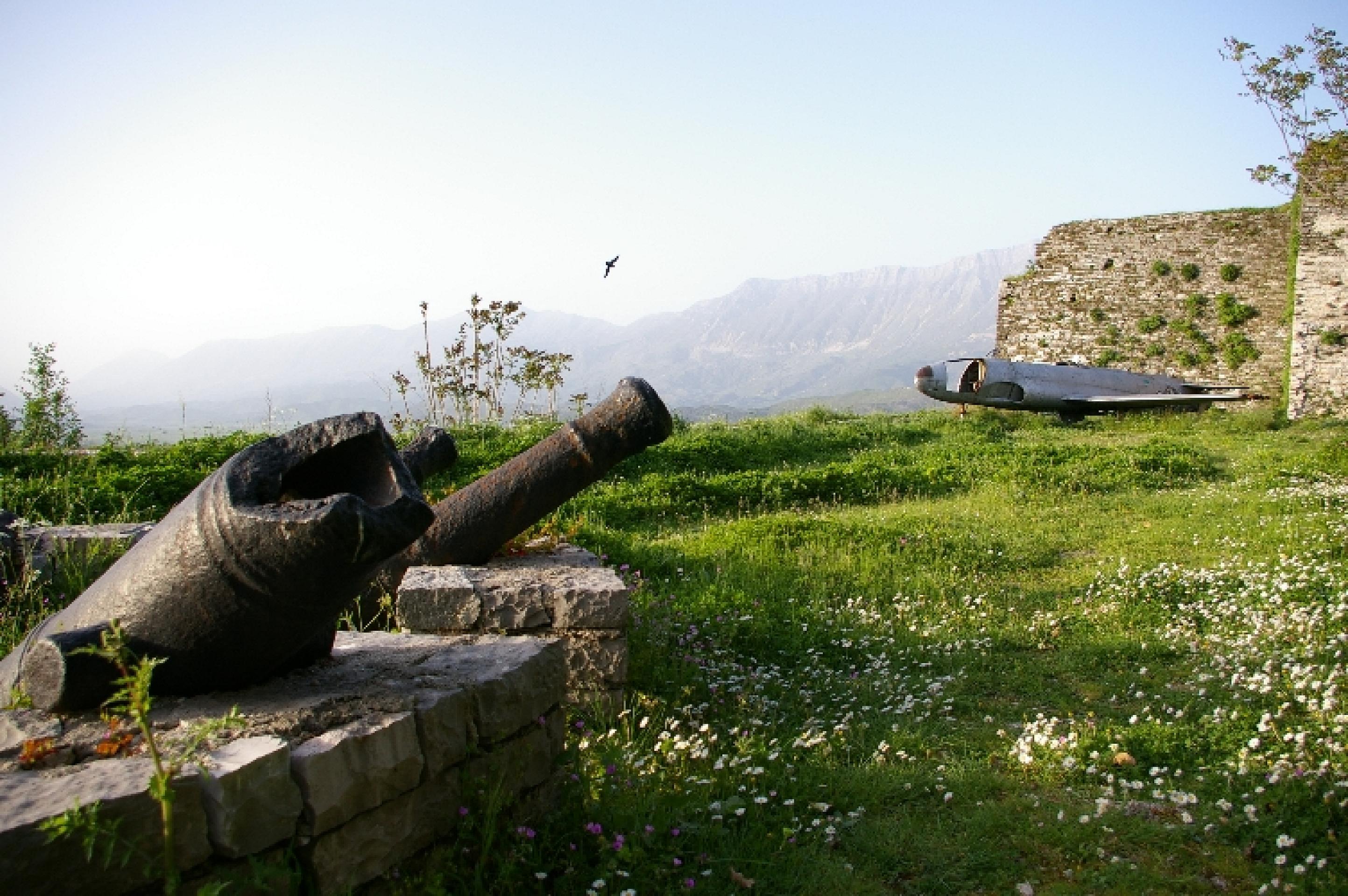
Albania was liberated in 1944. In the following years, the new authorities continued to use the prison in Gjirokastra, home town of dictator Enver Hoxha (1908-1985), to incarcerate opponents of the regime. Today, the castle of Gjirokastra is state property and under the joint administration of the Institute for Cultural Monuments and the municipality of Gjirokastra. Since 1971, the National Museum of Armaments has been housed in a part of the former prison. It primarily deals with Albanian history since independence in 1912 until the end of World War II. Most of the exhibition is dedicated to the partisan struggle against the Italian and German occupying forces between 1939 and 1944. Many traces in the accessible part of the former prison recall the communists who were held here under the German occupation. At the end of the cell block is a copy of the memorial to the two executed women, which stands in the town centre. Located in a part not accessible to visitors are the torture cells. Already during the communist era, in 1961, the town was declared Albania's »museum city« and placed under landmark protection due to its unique Ottoman architecture. In 2005, Gjirokastra became a UNESCO World Heritage Site.
Open
From April until September Mondays to Saturdays 8 a.m. to 7 p.m.
From October until March Mondays to Fridays 9 a.m. to 2 p.m.
Contact
http://gjirokastra.org/gjirokastra/?p=2728