In 1943, the Saarbrücken Gestapo set up an extended police prison on the Goldene Bremm, a popular destination for excursions on the French border. A memorial has honoured the fates of the men and women who were incarcerated there since 2004.
History
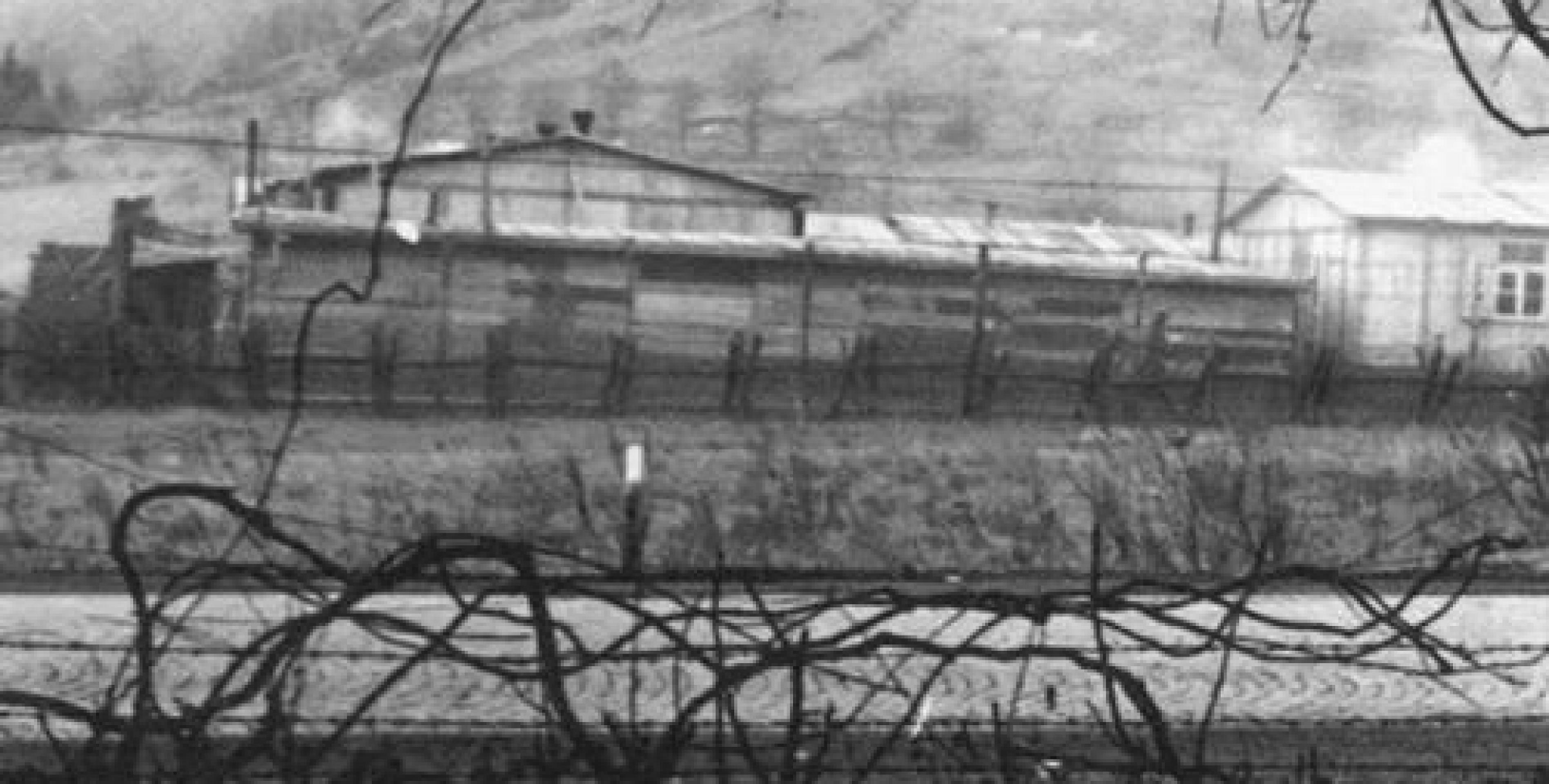
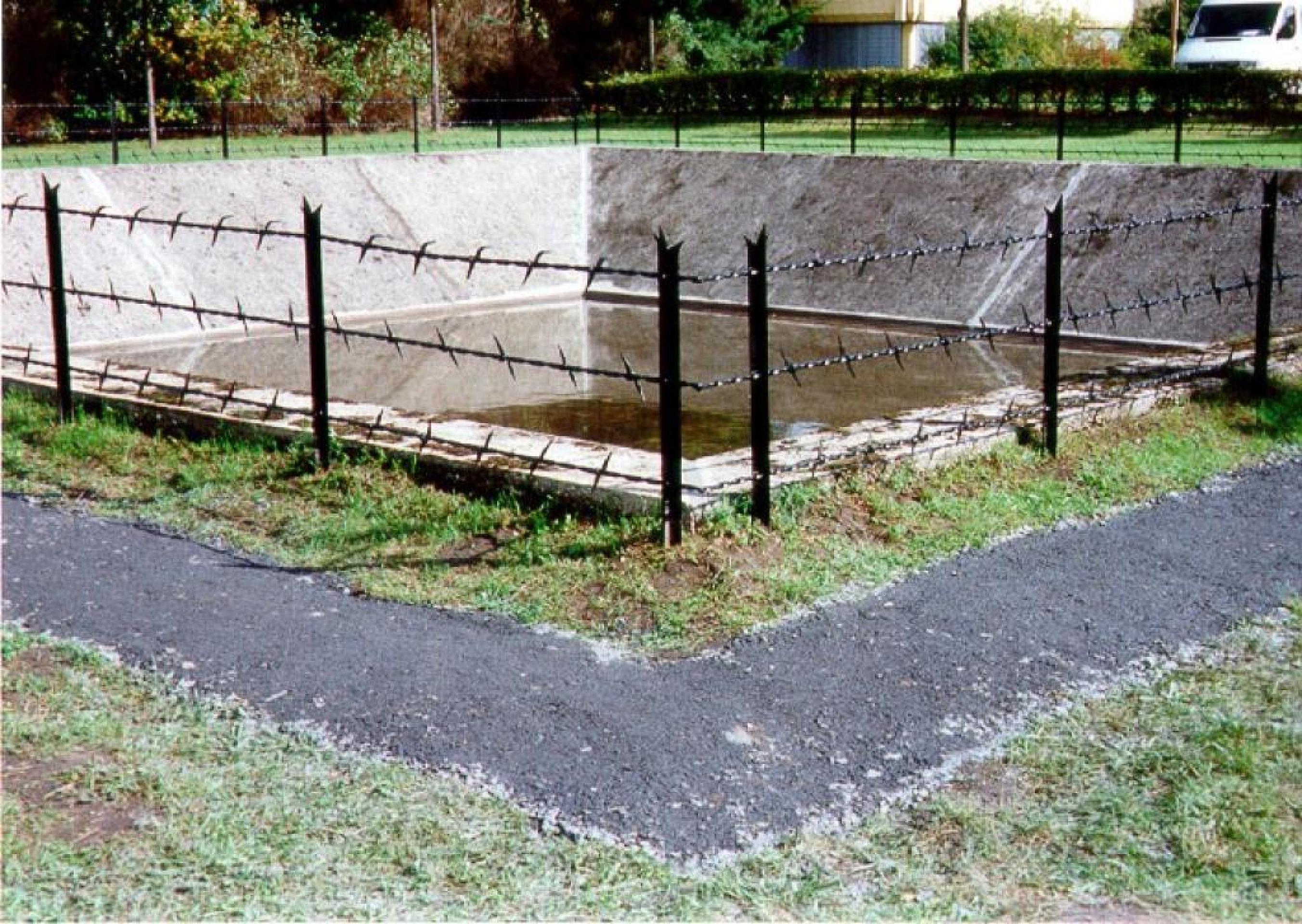
From the beginning of 1943 until the end of 1944, the Gestapo in Saarbrücken used a barrack camp on the Neue Bremm as an »extended police prison« due to overcrowding in the regular prison facilities. This type of prison was subordinate to the local Gestapo, unlike concentration camps, which were maintained by the Main SS Economic and Administrative Department. This enabled the Gestapo to run the extended police prisons in an unbureaucratic manner and without control of other institutions. The Gestapo could in this way incarcerate people and brutally abuse them without having to justify their actions to any other authorities. The prisoners were taken captive for various reasons. They were not only people deemed »work shy« and political opponents of the regime – prisoners of war from many countries in Europe were also arrested. Initially, the camp was supposed to help »discipline« men and women within a few weeks, after which they were to be released. However, many prisoners were incarcerated for much longer. The Neue Bremm prison consisted of a men's ward and a women's ward, separated by a publicly accessible pathway. In the middle of each of the camp wings was a pool for extinguishing water. While work commandos had to perform forced labour clearing away debris caused by air raids, the prisoners remaining at the camp were forced by the guards to do »camp sports«. Amongst others they had to hop around the pool for hours in a crouched position with their hands clasped on their necks. The guards threw those who had collapsed or lost consciousness of exhaustion into the pool. The food supplies in the camp were especially dire: within a few weeks, the prisoners were starved down to mere skeletons.
Victims
Approximately 20,000 men and women passed through the Gestapo camp. There were many forced labourers from Eastern Europe, prisoners of war, political opponents of the National Socialist regime, members of resistance movements in the occupied territories, »asocials« as well as Wehrmacht deserters and draft resistors among those incarcerated. Due to its vicinity to the French border, many prisoner transports from collection camps in France were brought to the Gestapo camp. Among these prisoners were Frenchmen, Belgians, Britons and Italians. According to new research, there were between 600 and 800 prisoners at the camp at one time. The names of 82 murdered prisoners have been verified. The actual death toll was much higher, today it can however no longer be determined. Many of the prisoners who were transferred by the Saarbrücken police to other camps died there of the effects of the malnourishment and the abuse they had been subjected to in Neue Bremm. Several prisoners drowned in the extinguishing water pool after guards had forced their heads down with wooden clubs. The terror at Neue Bremm was primarily directed against Jews and inmates from Eastern Europe. Prisoners who fell ill or weak were brought to the sick bay, yet they did not receive any medical help there. It is assumed that the camp doctors killed many of them by poison injections.
Remembrance
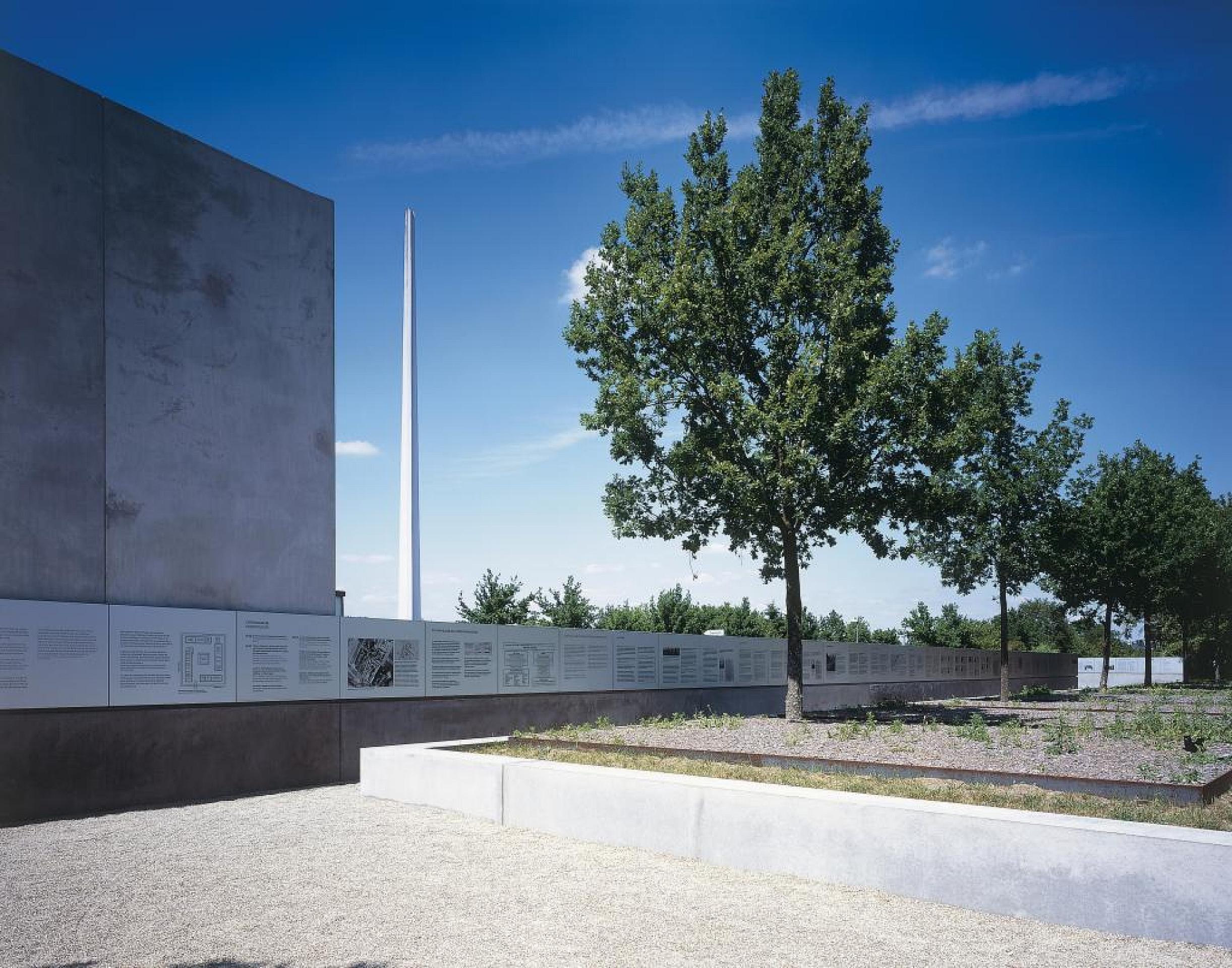
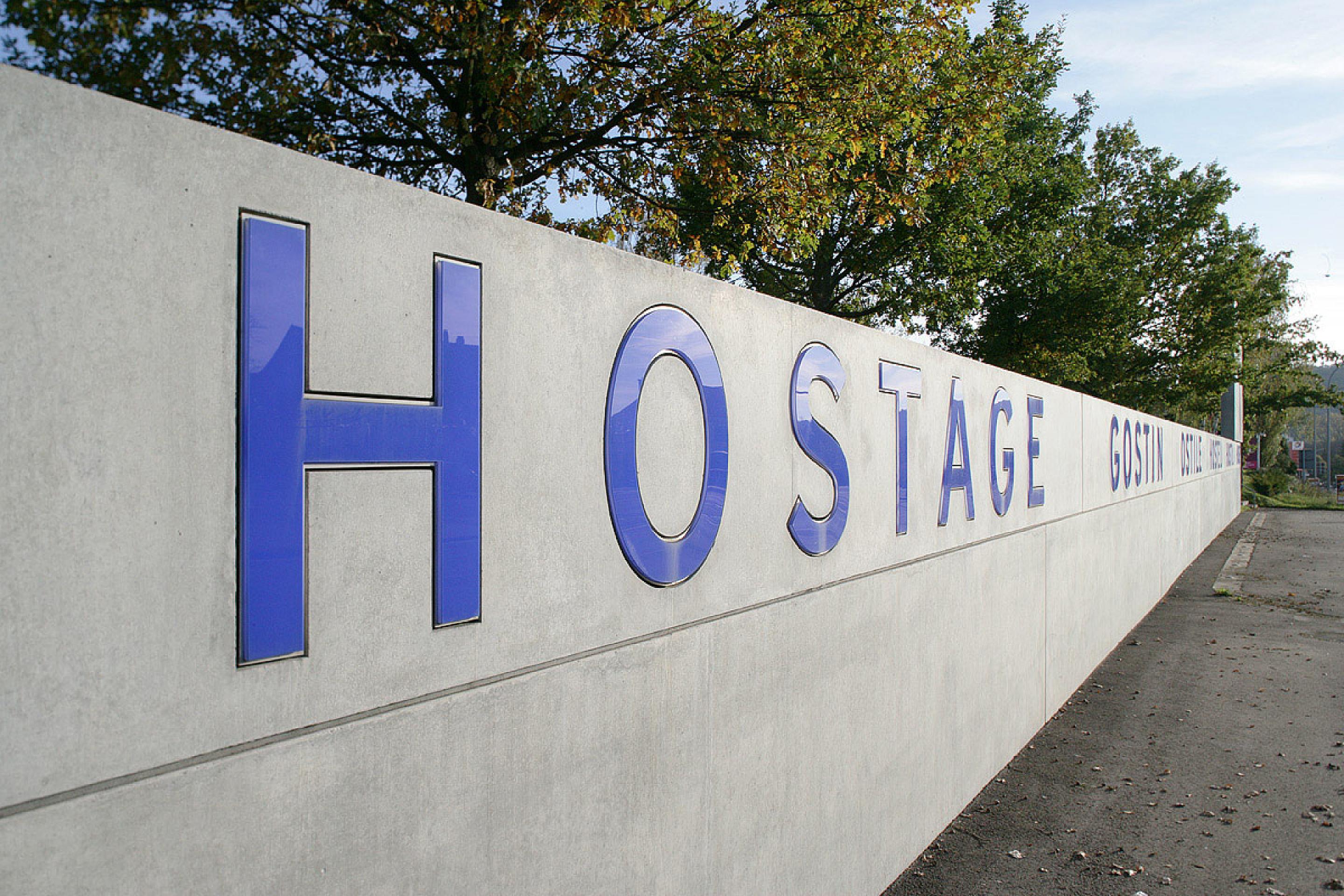
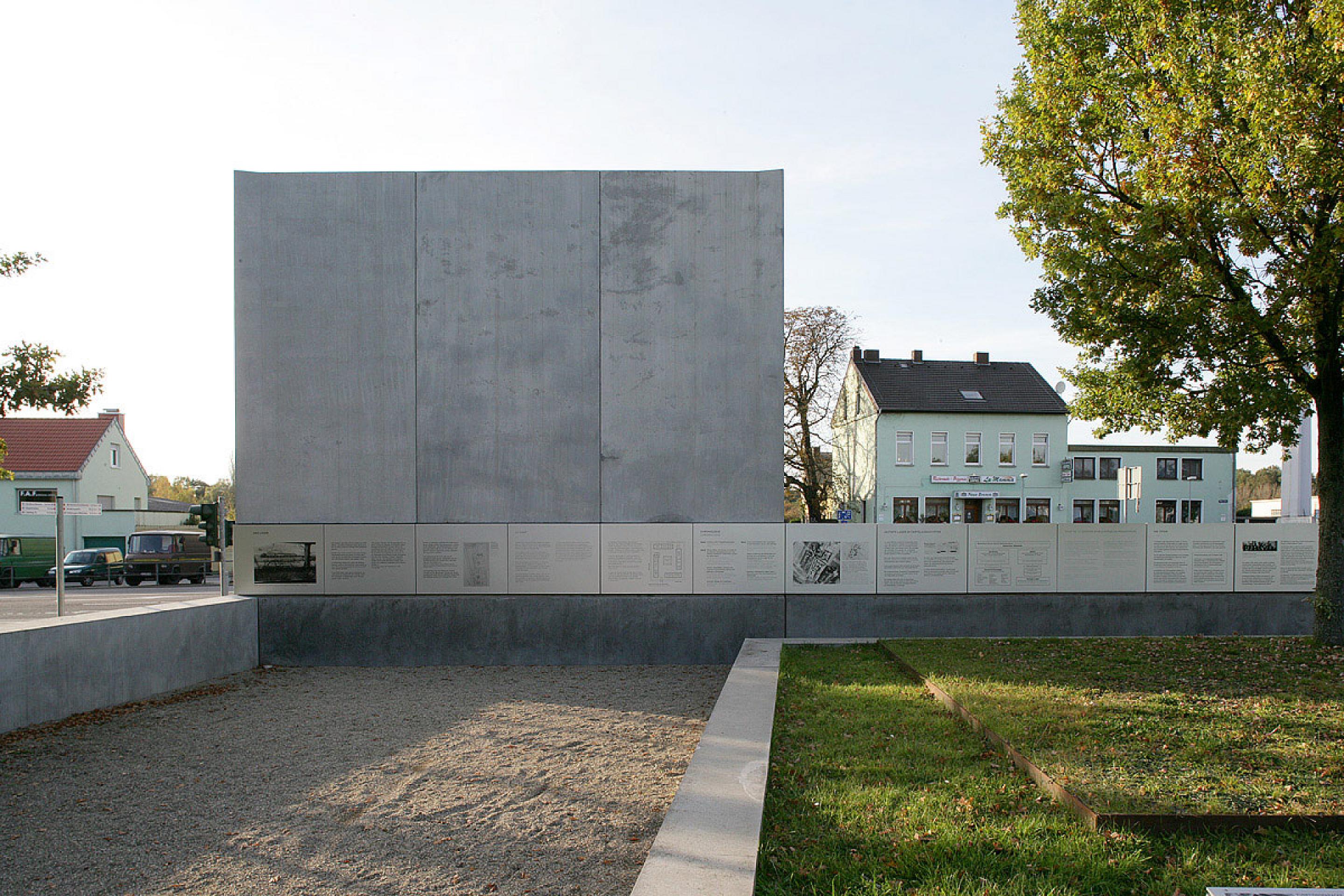
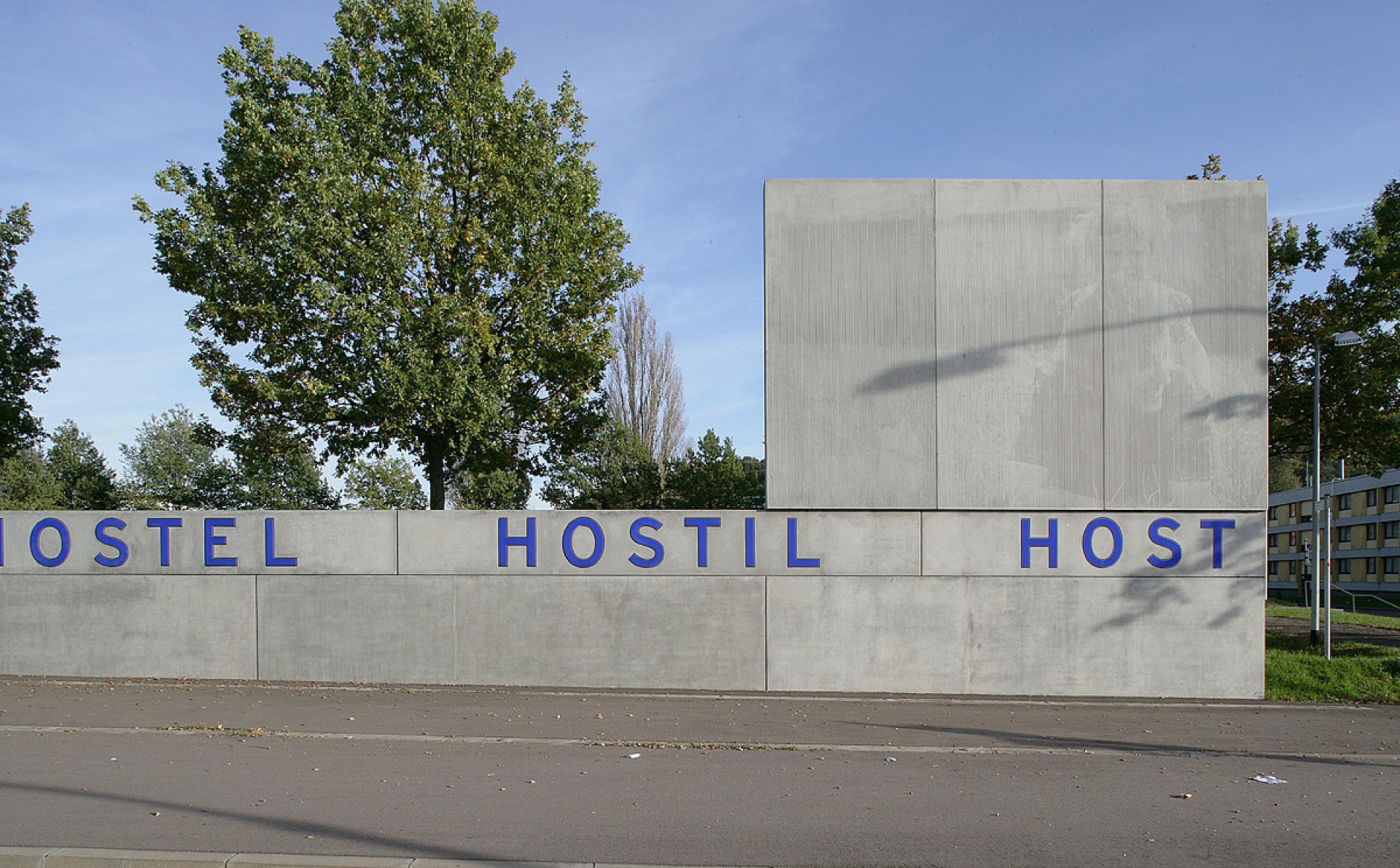
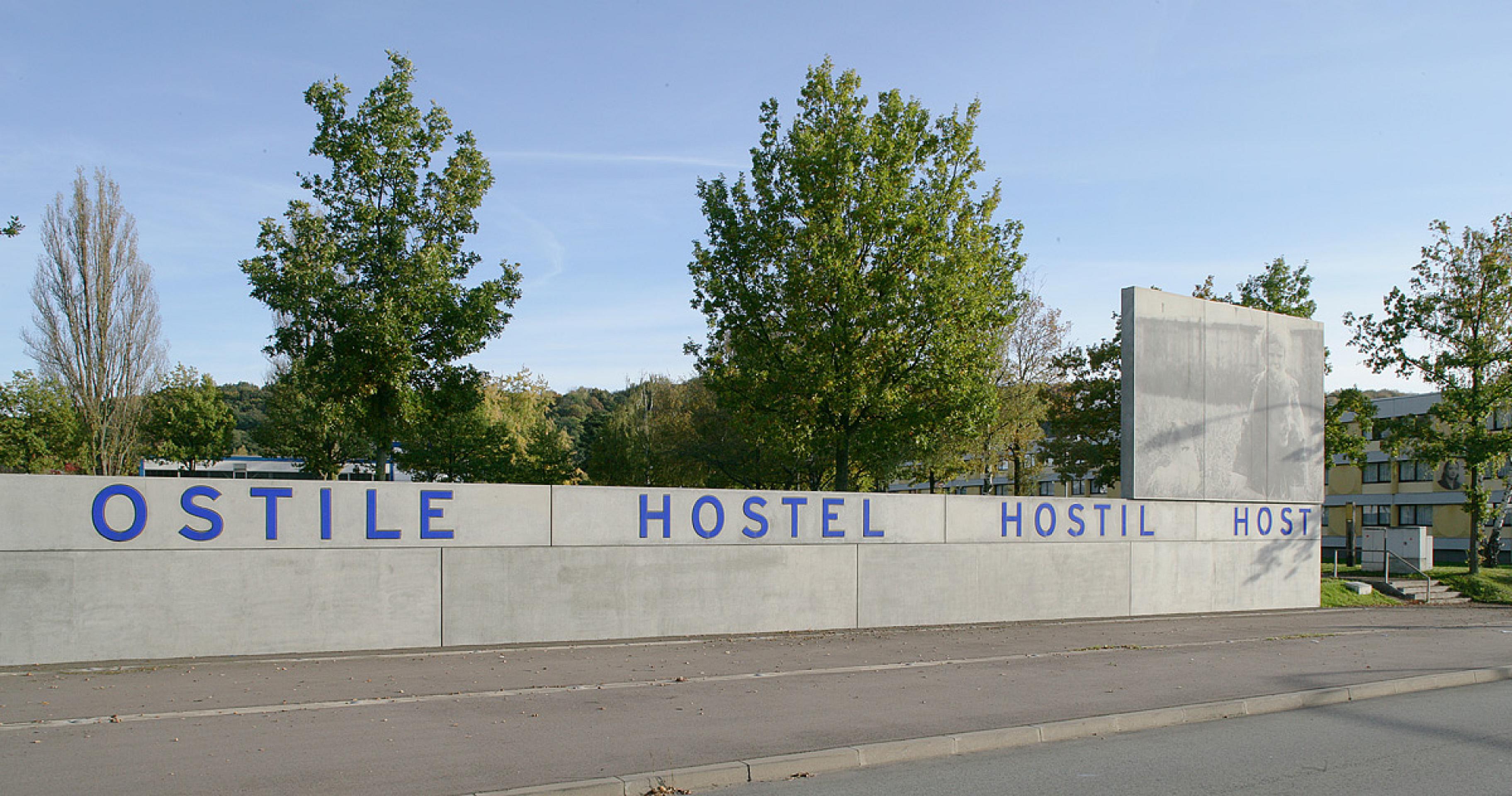
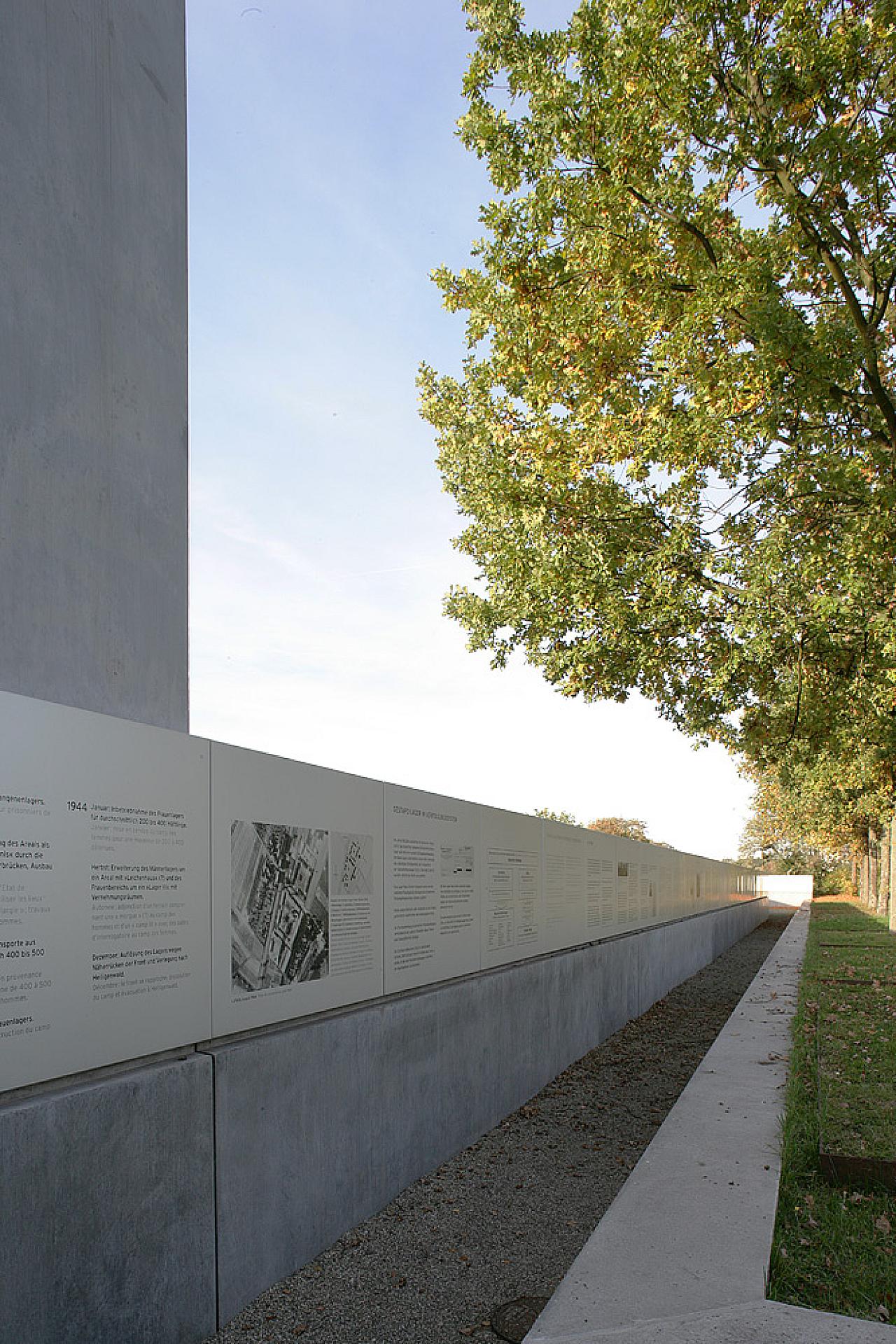
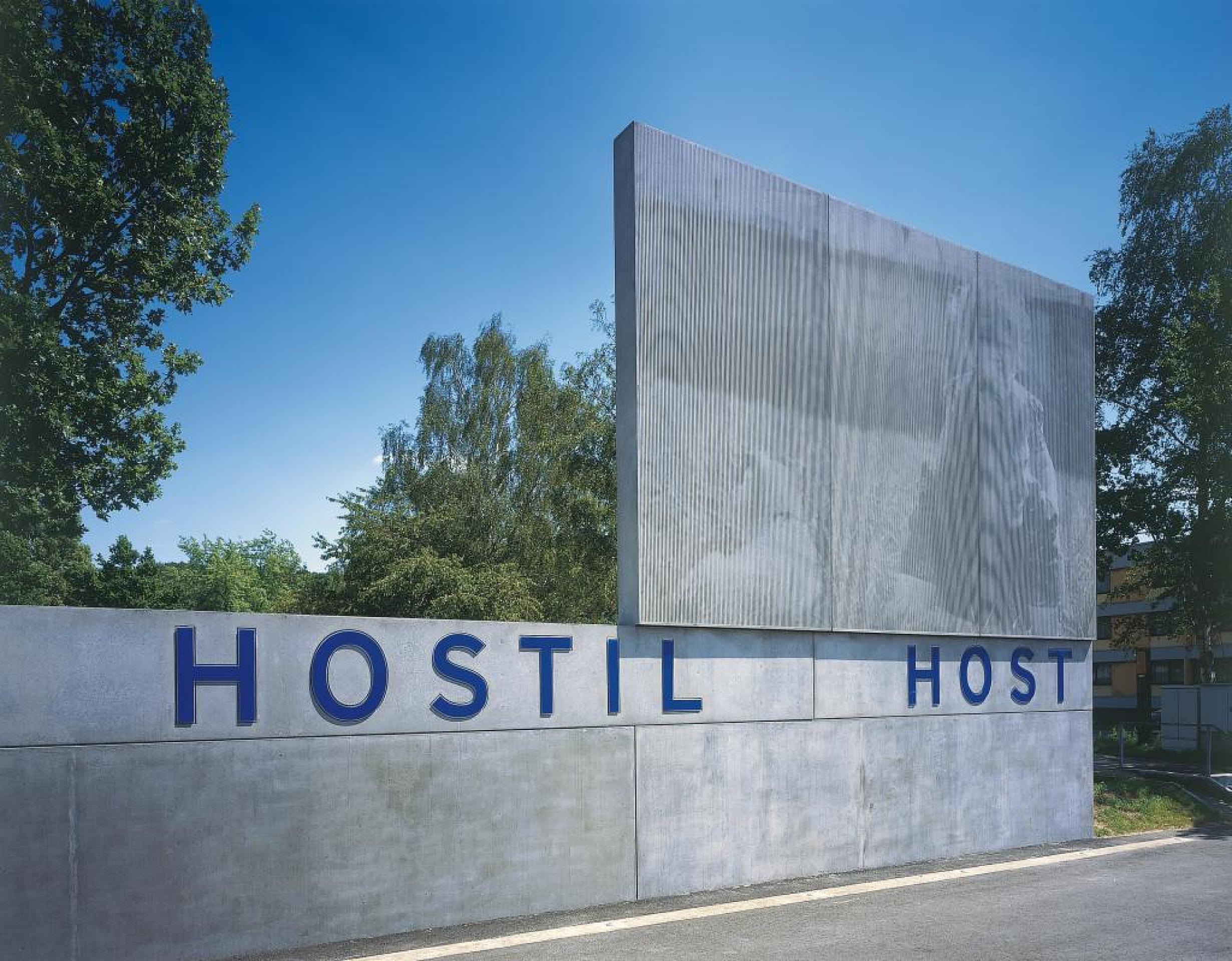
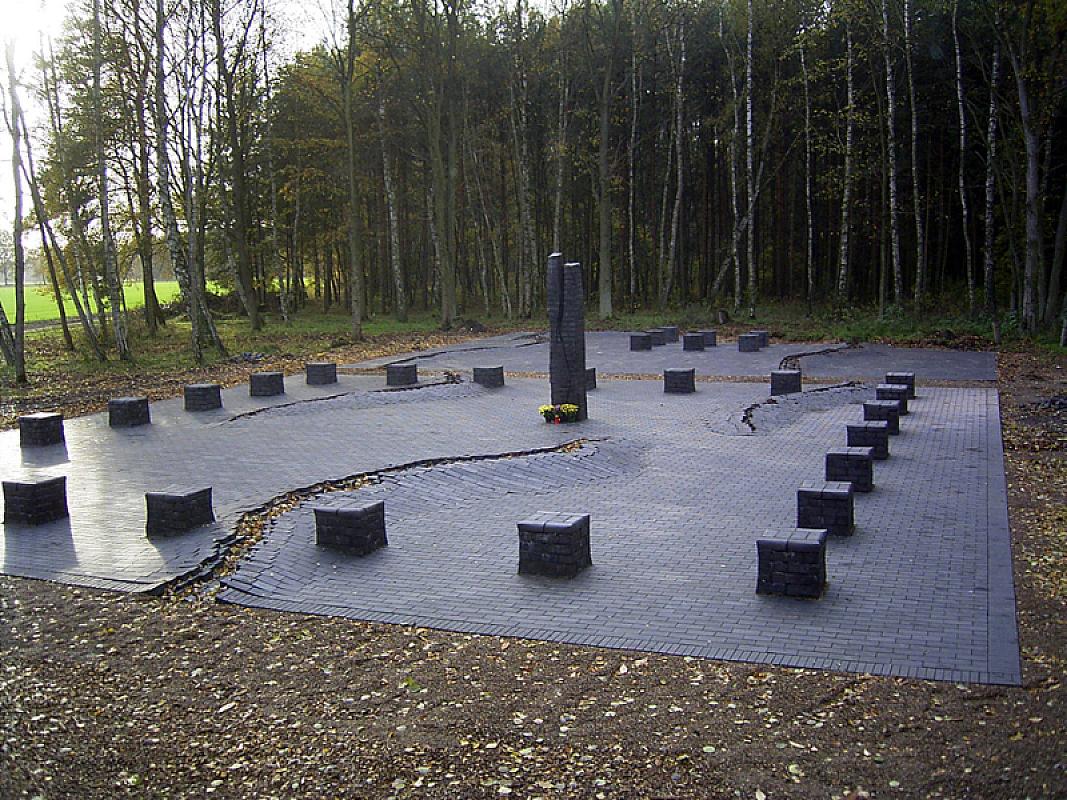
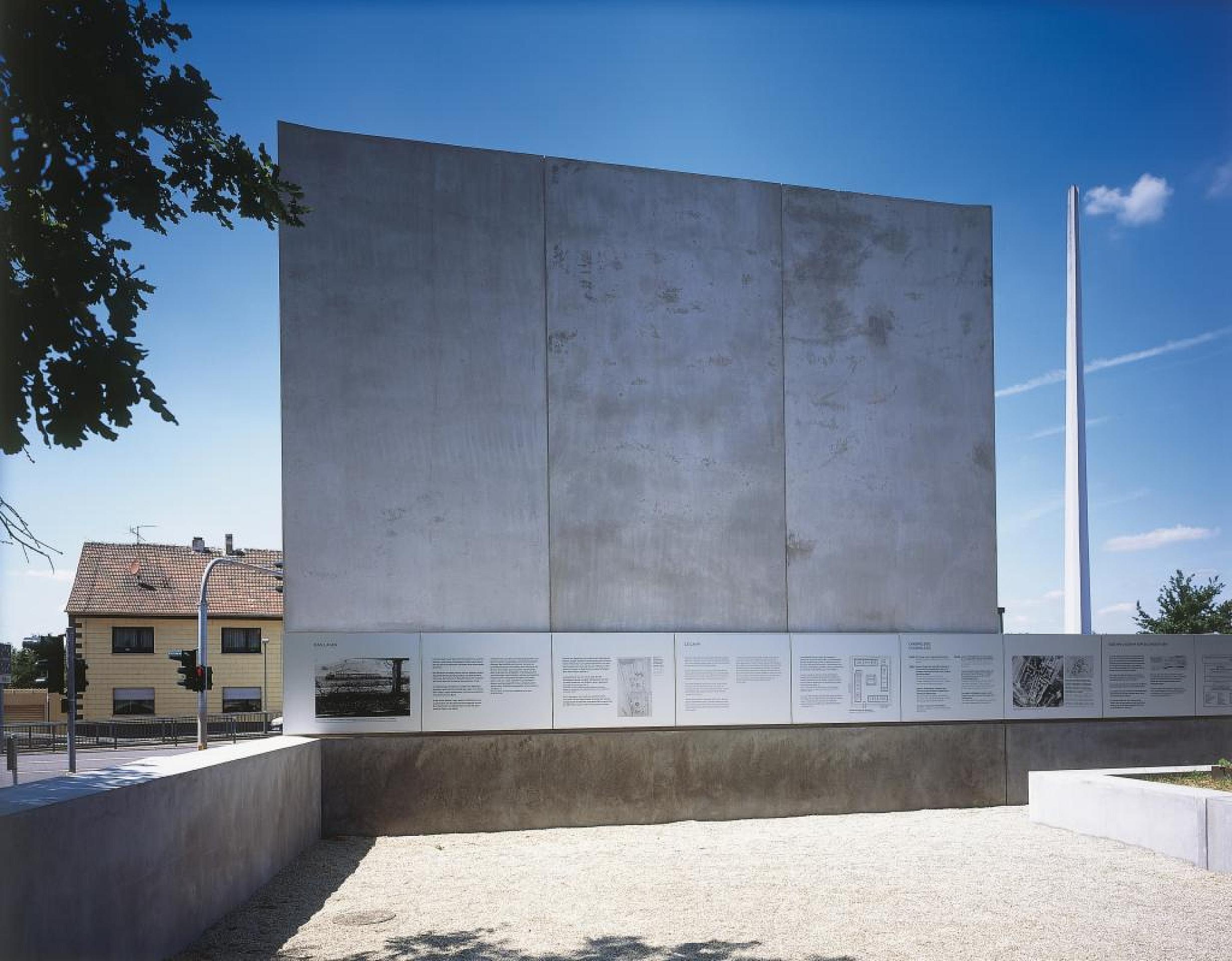
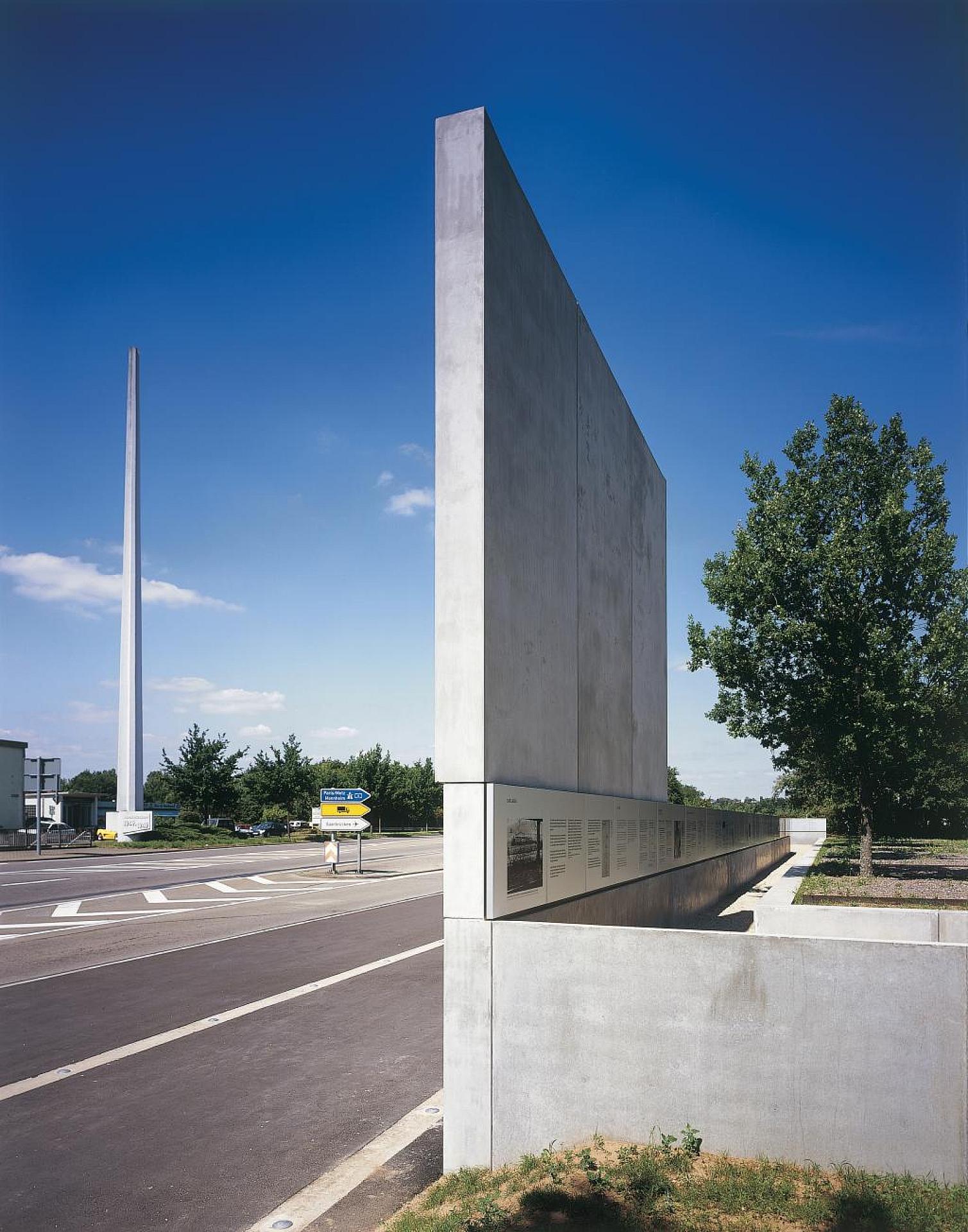
Already in 1947, the French committee of former prisoners set up a monument on the former camp premises. Over the years, however, the camp was for the most part forgotten. The barracks had been torn down shortly after the war. In 1975, a hotel was opened on the former premises of the women's camp. A part of the former men's camp was converted to an industrial zone. In the autumn of 1998, citizens of Saarbrücken founded the »Neue Bremm Initiative«, whose aim it was to remodel the memorial site. A public tender competition yielded the winning concept by Berlin architects Nils Ballhausen and Roland Poppensieker entitled »Hotel of Memory«. The memorial complex »Neue Bremm Gestapo Camp«, financed by the federal state, the Saarland state and the city of Saarbrücken, was opened on May 8, 2004. It consists of a 60-metre long wall on which the word »hotel« has been inscribed in several languages – this is supposed to draw attention to the contrasting use this popular excursion site was put to. The former sites of the barracks have been marked on the premises behind the memorial wall. The other side of the wall displays information about the history of the extended police prison camp.
Possibilities
Guided tours, seminars, training for teachers, meetings with survivors
Open
Accessible at all times
Contact
https://www.saarbruecken.de/kultur/stadtgeschichte/gedenkstaette_gestapo_lager_neue_bremm
info@lpb.saarland.de
+49(0)6897 7908-104
Metzer Straße
66117 Saarbrücken