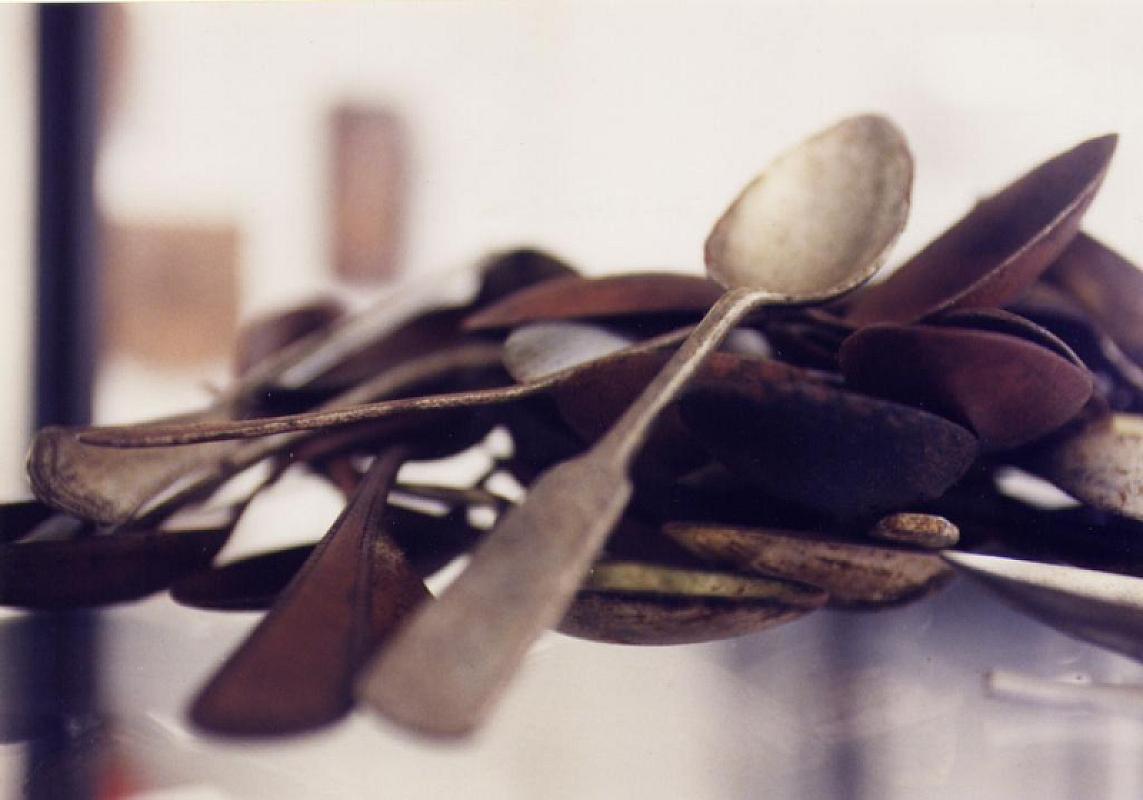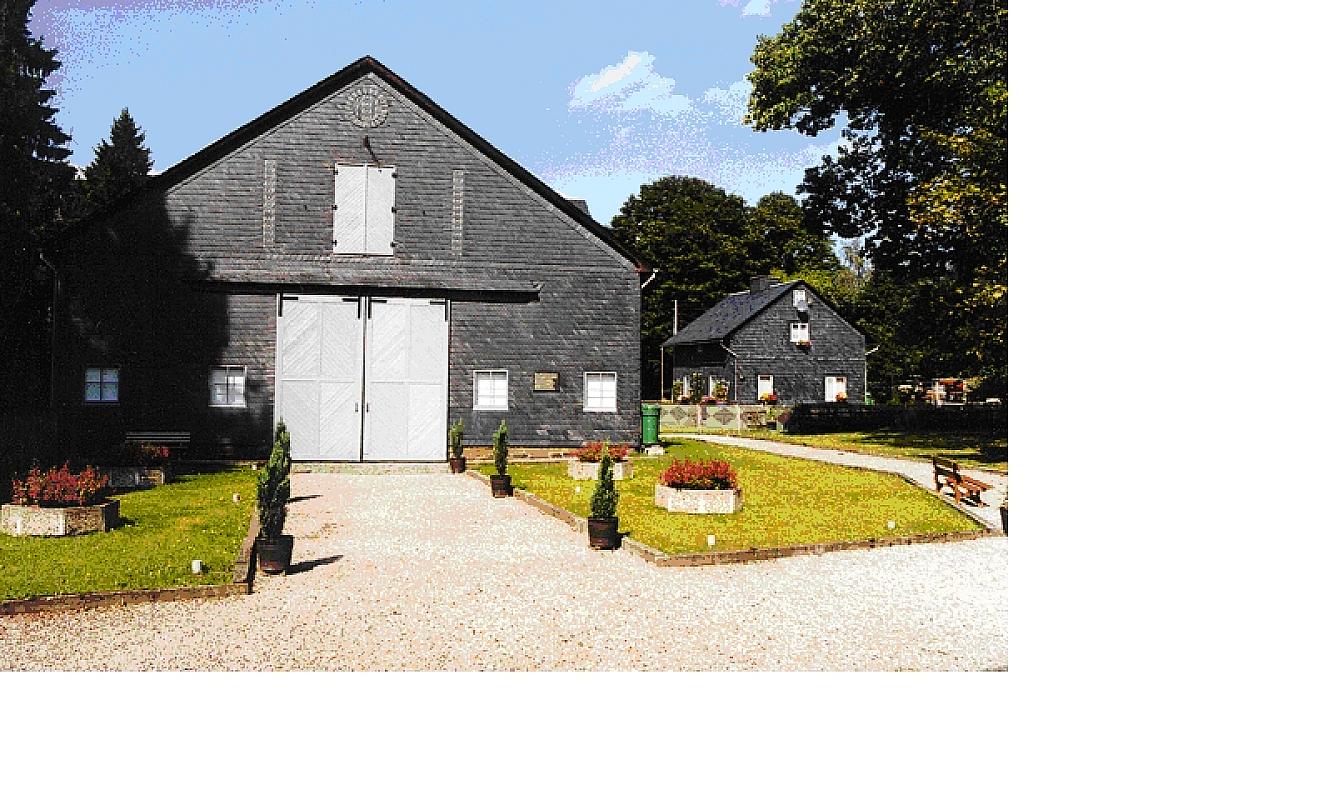
The Neuengamme Concentration Camp Memorial is located on the southeastern outskirts of Hamburg, in the district of Bergedorf. Situated here between 1938 and 1945 was one of the German Reich's largest concentration camps with over 80 satellite camps. A first memorial site was established on the initiative of survivors in 1965.
History
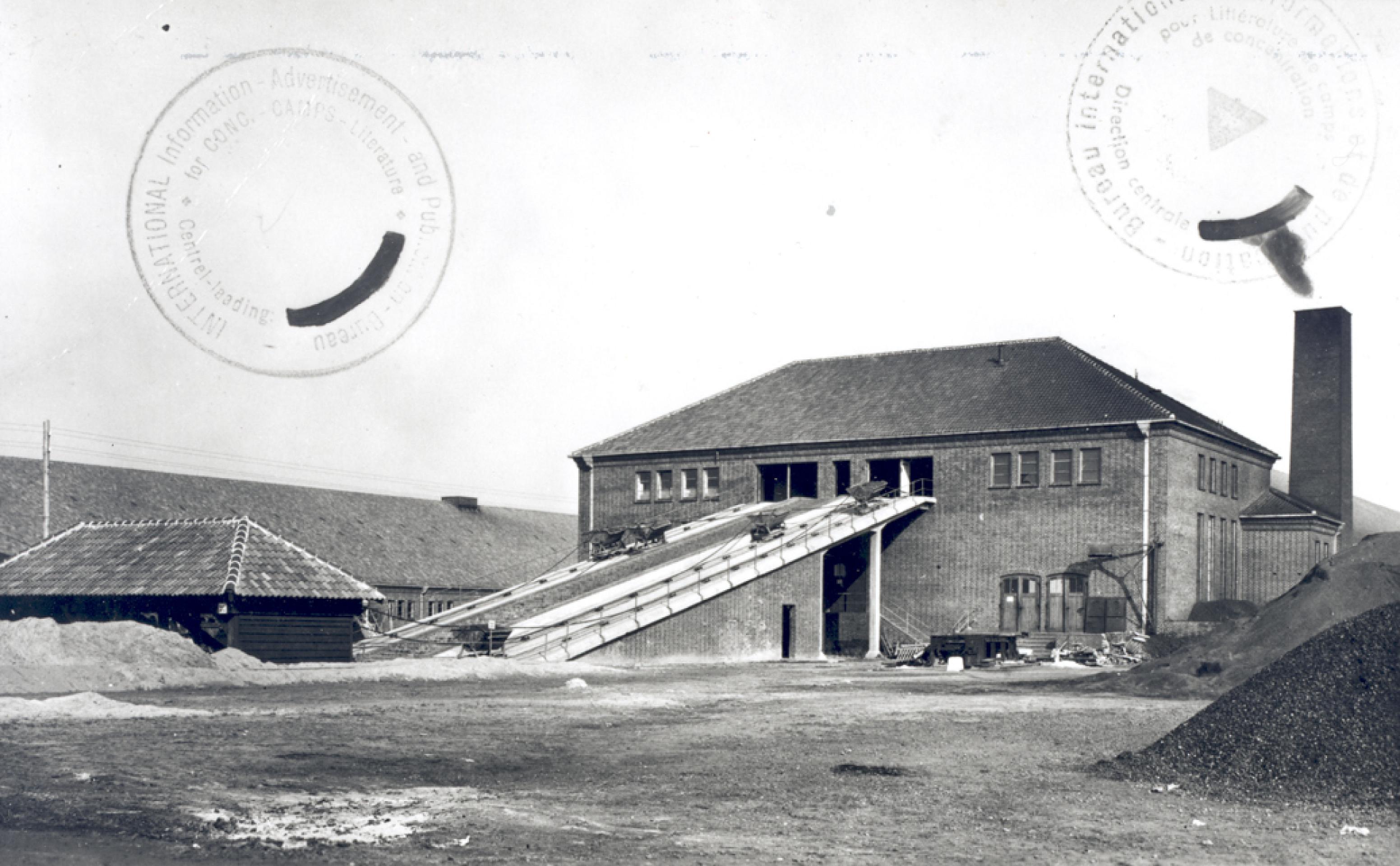
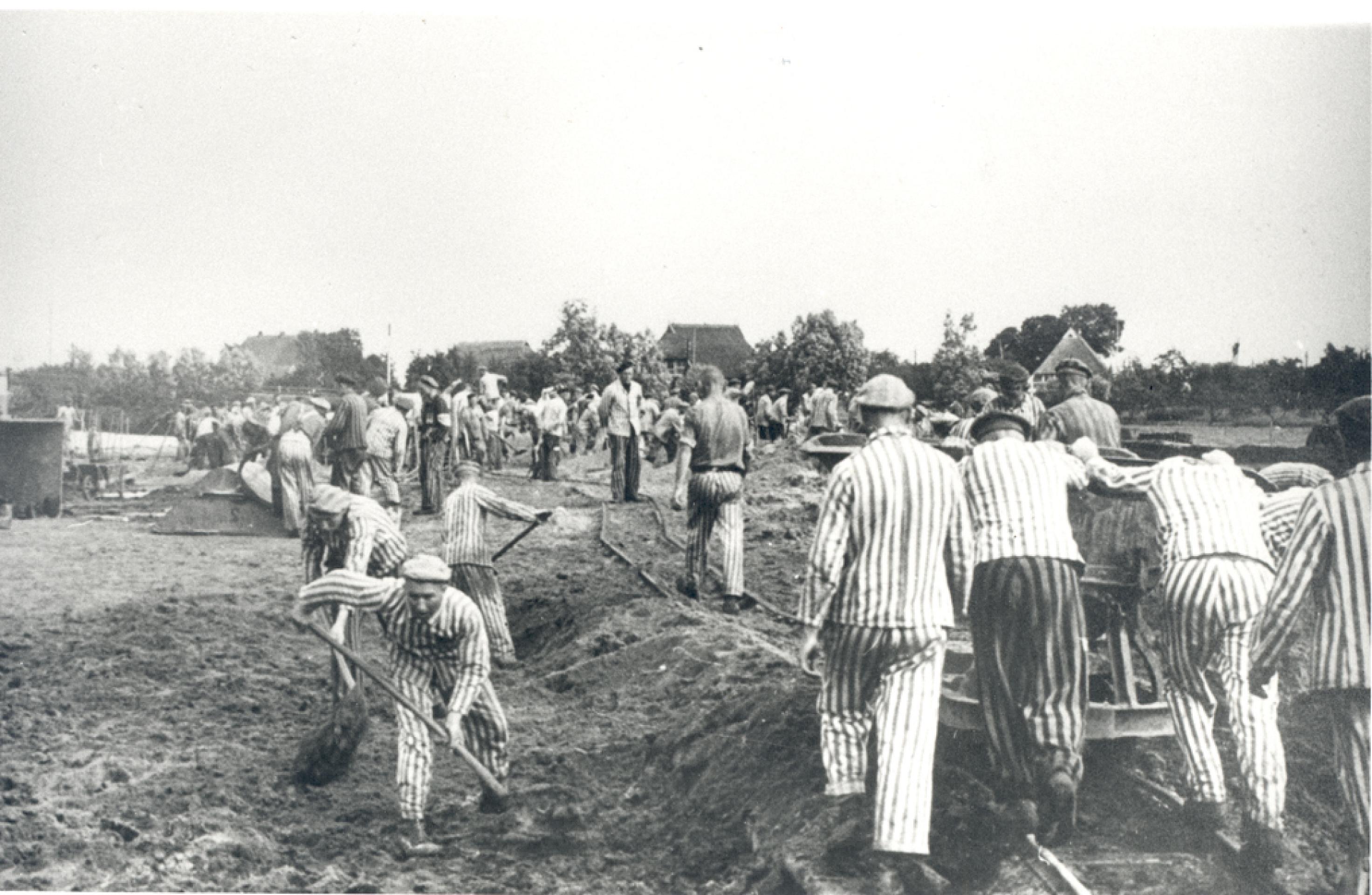
In the autumn of 1938, the SS purchased an old brick factory in Neuengamme close to the Hamburg district of Bergedorf with the aim of setting up a concentration camp there. On December 12, 1938, the SS transported 100 prisoners from the Sachsenhausen concentration camp to Neuengamme, at the time a satellite camp of Sachsenhausen. The prisoners had to construct the camp and restore the old brickworks. In the spring of 1940, the city of Hamburg and the SS concluded an agreement about the construction of a new large brick factory. What had been the satellite camp Neuengamme now became the Neuengamme concentration camp under SS administration. Until June 1940, 1000 more Sachsenhausen concentration camp prisoners were transferred to Neuengamme in several transports. At the end of 1940, there were already about 2,900 prisoners at Neuengamme. Around 1,000 had to conduct forced labour in the »Dove Elbe commando«, which entailed widening and deepening the Dove Elbe River so that ships could moor at the brickworks in Neuengamme. The strenuous physical work and insufficient supplies claimed many lives. From January 1942 on, the SS murdered prisoners who were no longer able to work with phenol injections. On August 28, 1942, the SS set up the first satellite camp of Neuengamme in Wittenberge. There, 150 prisoners had to conduct forced labour in factories. In the following years, the SS established numerous satellite camps in all of northern Germany; 60 were set up in 1944 alone. Deployed in a total of 87 satellite camps of Neuengamme, the prisoners had to work on construction sites, in armaments production and clearing bombing debris in cities. On March 26, 1945, the SS began dissolving Neuengamme and its satellite camps. Most of the over 50,000 prisoners were brought to »collection camps«, such as the ones in Wöbbelin or Bergen-Belsen. The main camp at Neuengamme was liquidated by the SS on April 20, 1945, and many inmates were taken to Lübeck on prison ships.
Victims
In all, there were over 100,000 prisoners from all over Europe in the Neuengamme concentration camp and its satellite camps. They were persecuted for various reasons; most of them had put up resistance against the German occupying forces, but the SS also brought Jews, Sinti and Roma, homosexuals and »asocials« to Neuengamme. Beginning 1941, around 1,000 Soviet prisoners of war came to Neuengamme, from 1944 increasingly many non-German Jews were imprisoned here. The 22,000 prisoners from the Soviet Union constituted the largest group, followed by over 15,000 Polish prisoners. Around 11,600 came from France. About 42,900 prisoners perished at Neuengamme and its satellite camps as well as during the camps' liquidation; a few thousand more perished shortly after their arrival at »collection camps« in the spring of 1945.
Remembrance
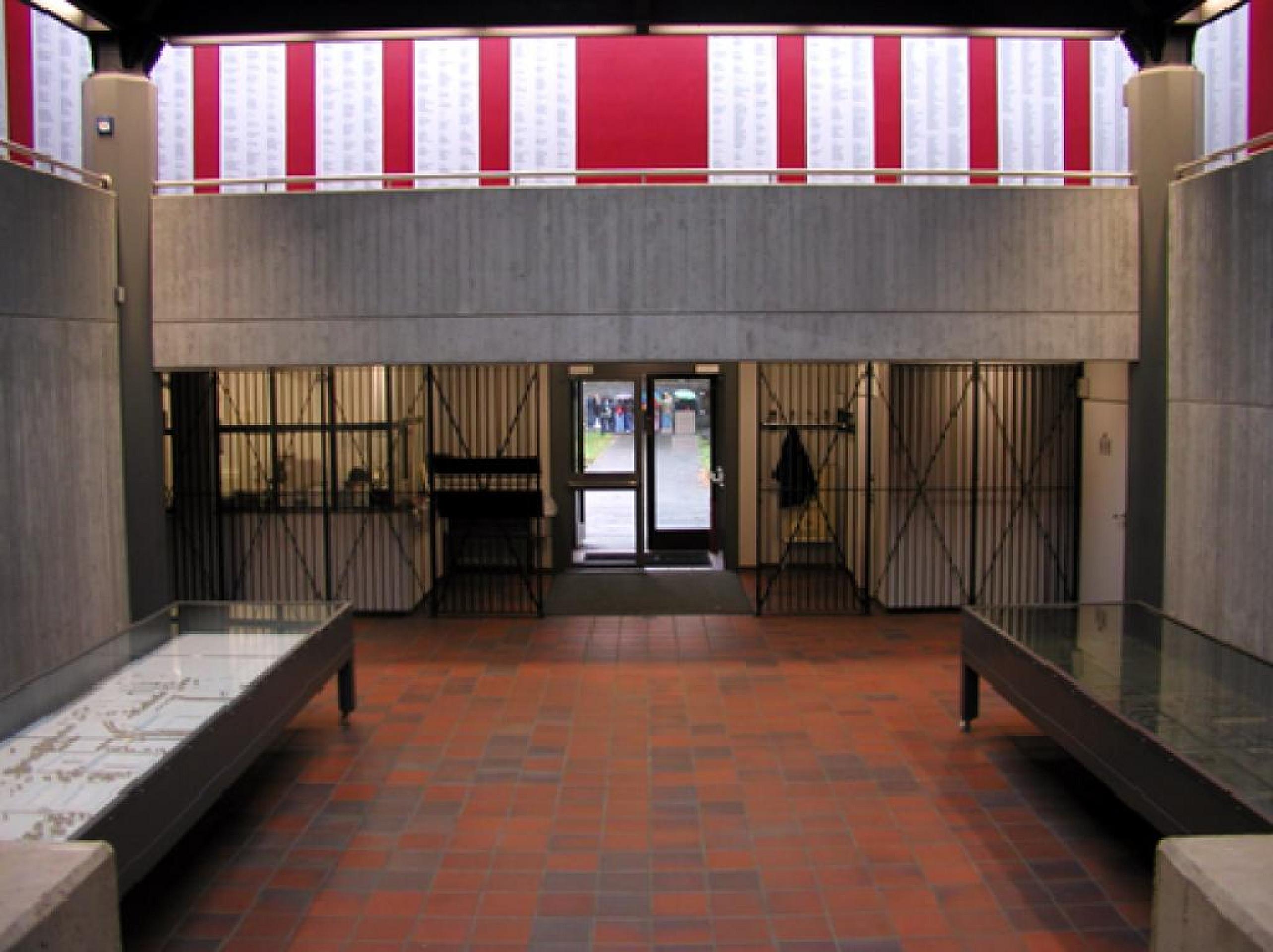
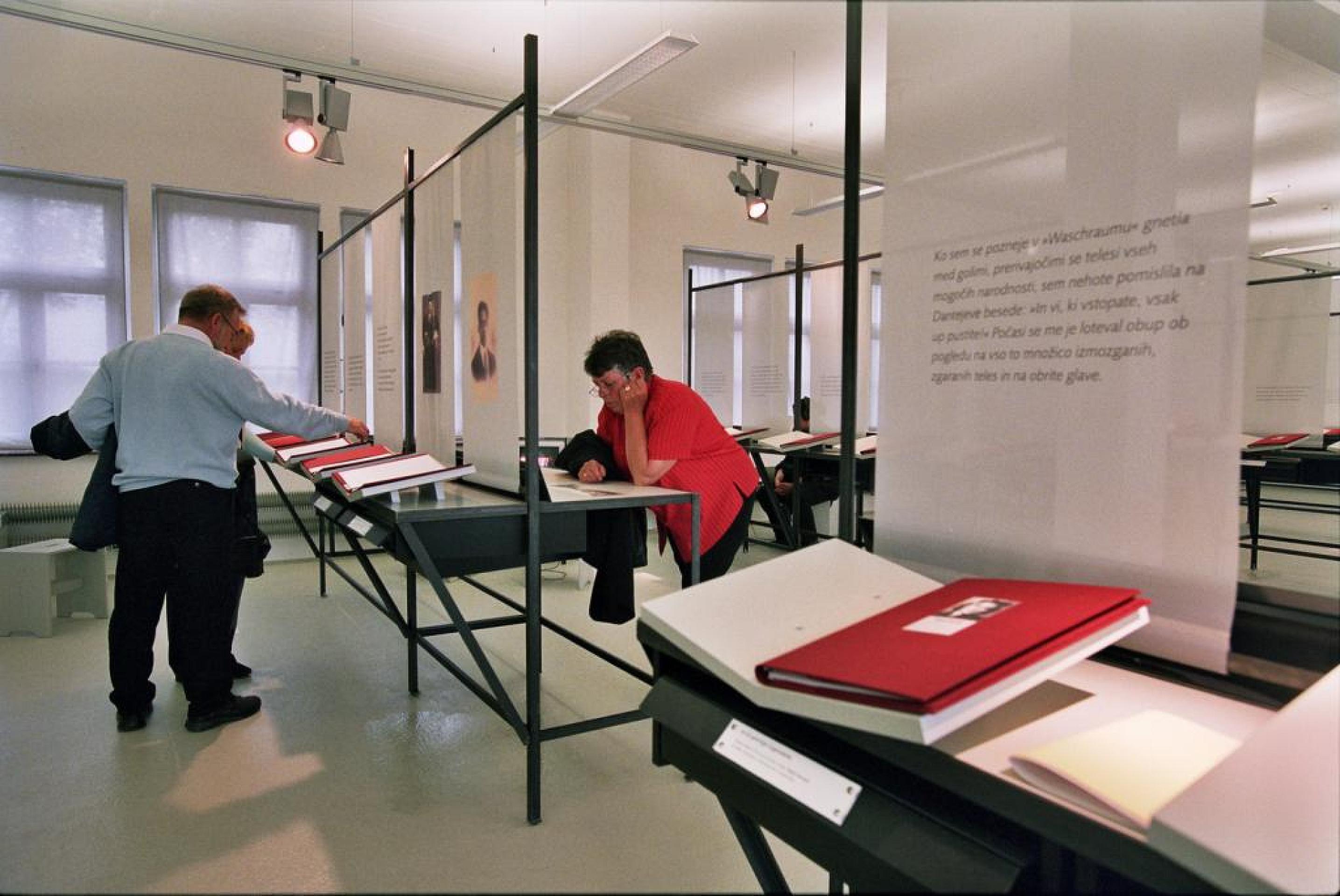
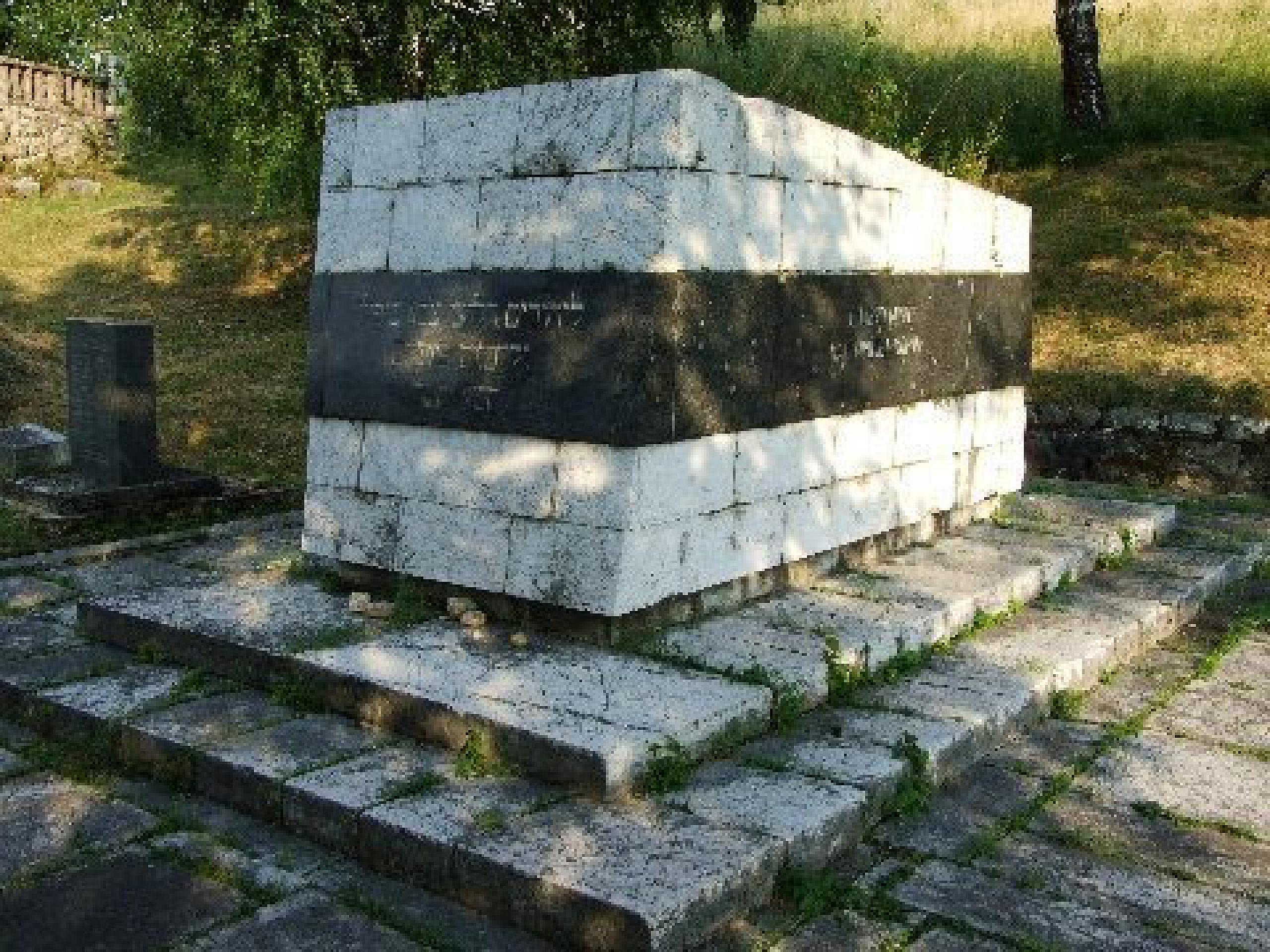
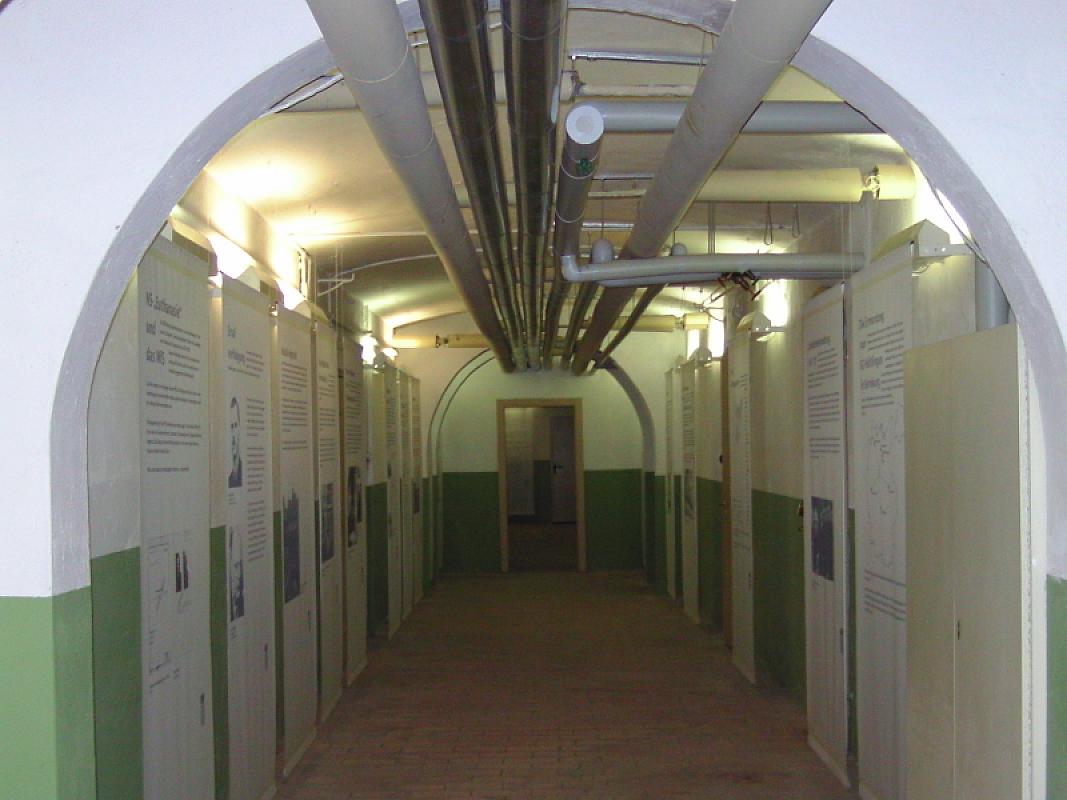
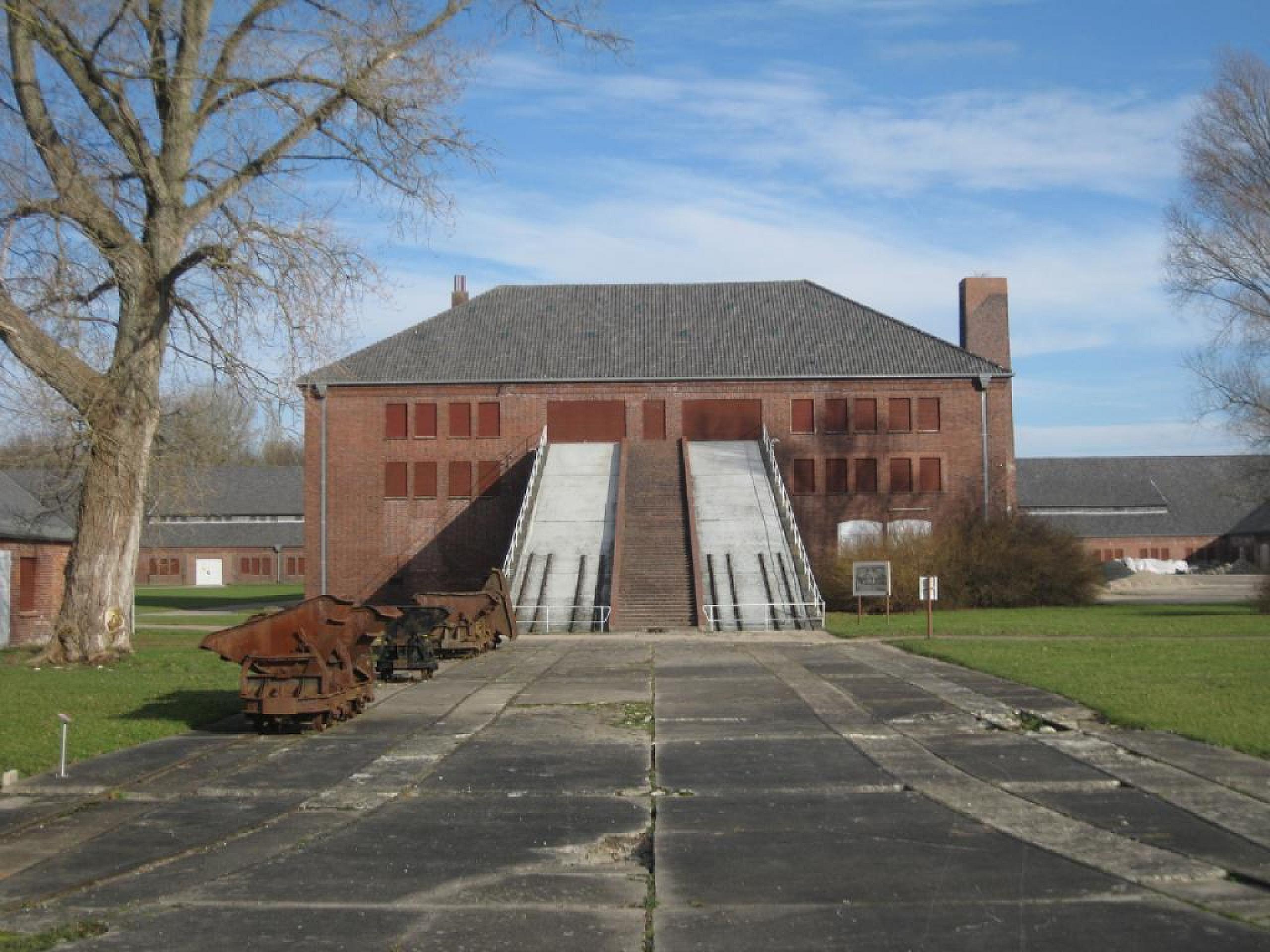
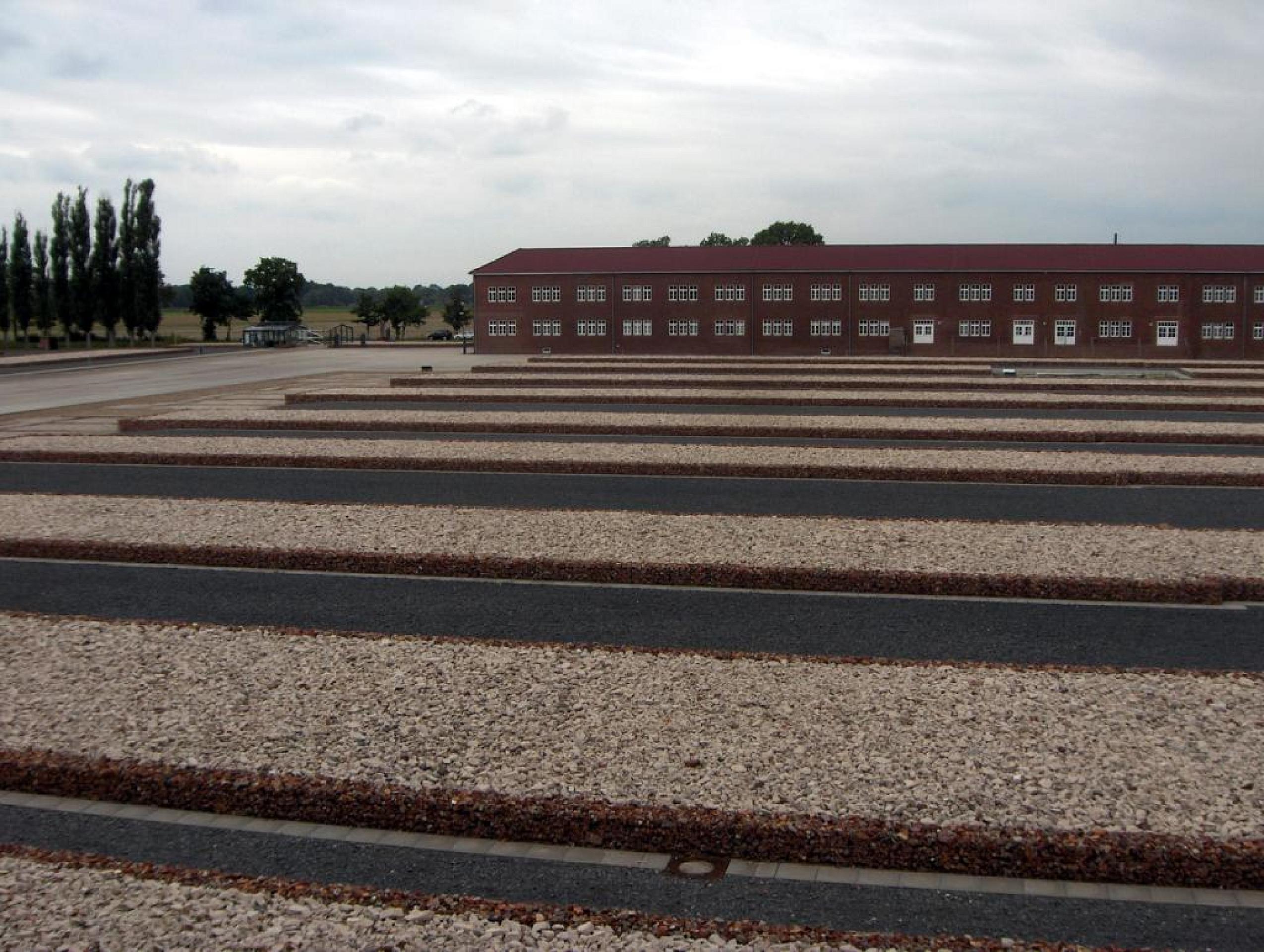
After the war, the British used the camp premises as an internment camp. In 1948, the British authorities handed over the premises to the city of Hamburg, which installed a prison at the site. At the end of the 1960s, the city established a further penal facility on the grounds; the former concentration camp premises were thus inaccessible to the public. The first memorial stele was set up in 1953 at the edge of the grounds upon request of a French survivor. The survivors' association »Amicale Internationale de Neuengamme« successfully lobbied for the establishment of a new monument, which was inaugurated in 1965 in the former camp nursery. In 1981, the memorial was extended by a document building, which became a branch of the Museum for Hamburg History. In 1989, following much criticism, the Hamburg Senate resolved to move the penal facilities from the former camp premises and the prison could finally be closed in 2003. In the meantime, a permanent exhibition was opened in 1995 in the former Walther building, an armaments factory in which prisoners had to conduct forced labour close to the concentration camp. The document building was renamed to »House of Remembrance«. Between 2003 and 2005, the Hamburg senate had the entire premises reconstructed and redesigned: the post-war buildings were torn down, historic buildings renovated or archaeologically reconstructed. The redesigned memorial was opened on May 4, 2005, on the 60th anniversary of the camp's liberation.
Possibilities
Guided tours, continued education, conferences and seminars, youth projects, youth exchanges, open archive and library, four different permanent exhibitions
Open
Monday to Friday: 9.30 a.m. to 4.00 p.m.
Saturday, Sunday and public holidays:
October to March: noon to 5.00 p.m.
April to September: noon to 7.00 p.m.
Contact
http://www.kz-gedenkstaette-neuengamme.de
info@kz-gedenkstaette-neuengamme.de
+49 (0)40 428 131 500
Jean-Dolidier-Weg 75
21039 Hamburg