Skip to content

New Jewish Cemetery

Nowy Cmentarz Żydowski


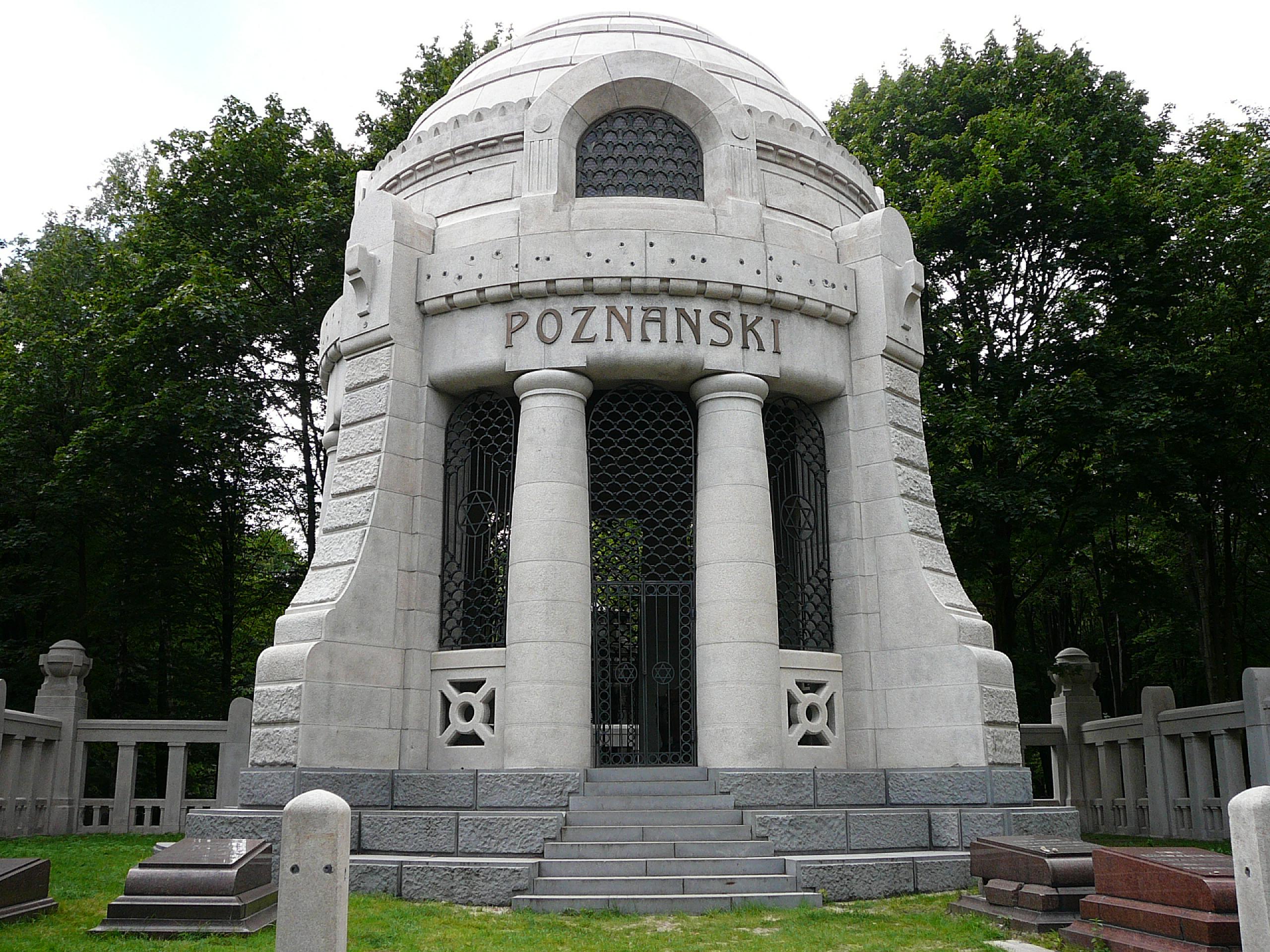
The New Jewish Cemetery in Łódź is the largest Jewish cemetery in Europe in terms of the number of graves. There are around 180,000 graves in the cemetery, including the mausoleum of the businessman and factory owner Izrael Poznański (1833-1900). More than 40,000 victims of the Litzmannstadt Ghetto were buried here.

History

At the beginning of the nineteenth century, Łódź was a small, insignificant village with fewer than 500 inhabitants. Just a century later, it was a vibrant metropolis with a population of over 600,000. The textile industry helped the city to experience a rapid boom, with new factories springing up everywhere. Łódź was soon nicknamed the »Manchester of the East«.

The industrial boom attracted many people from different regions to Łódź. Jews, Poles and Germans came to the city, which was part of the Russian Empire. Coexistence was largely peaceful and the term »Lodzermenschen« (Łódź people) was coined for the inhabitants of Łódź. The Polish writer and Nobel Prize winner Władysław Reymont (1867-1925) created a literary monument to this unique mixture of nationalities and religions in his novel »The Promised Land«.

The New Jewish Cemetery was established in 1892 to cater for the city's growing Jewish population. Covering an area of 40 hectares, it contains around 180,000 graves - more than any other Jewish cemetery in Europe. The mausoleum of Łódź industrial magnate Izrael Poznański is probably the largest Jewish burial site in the world and the only one decorated with mosaics.

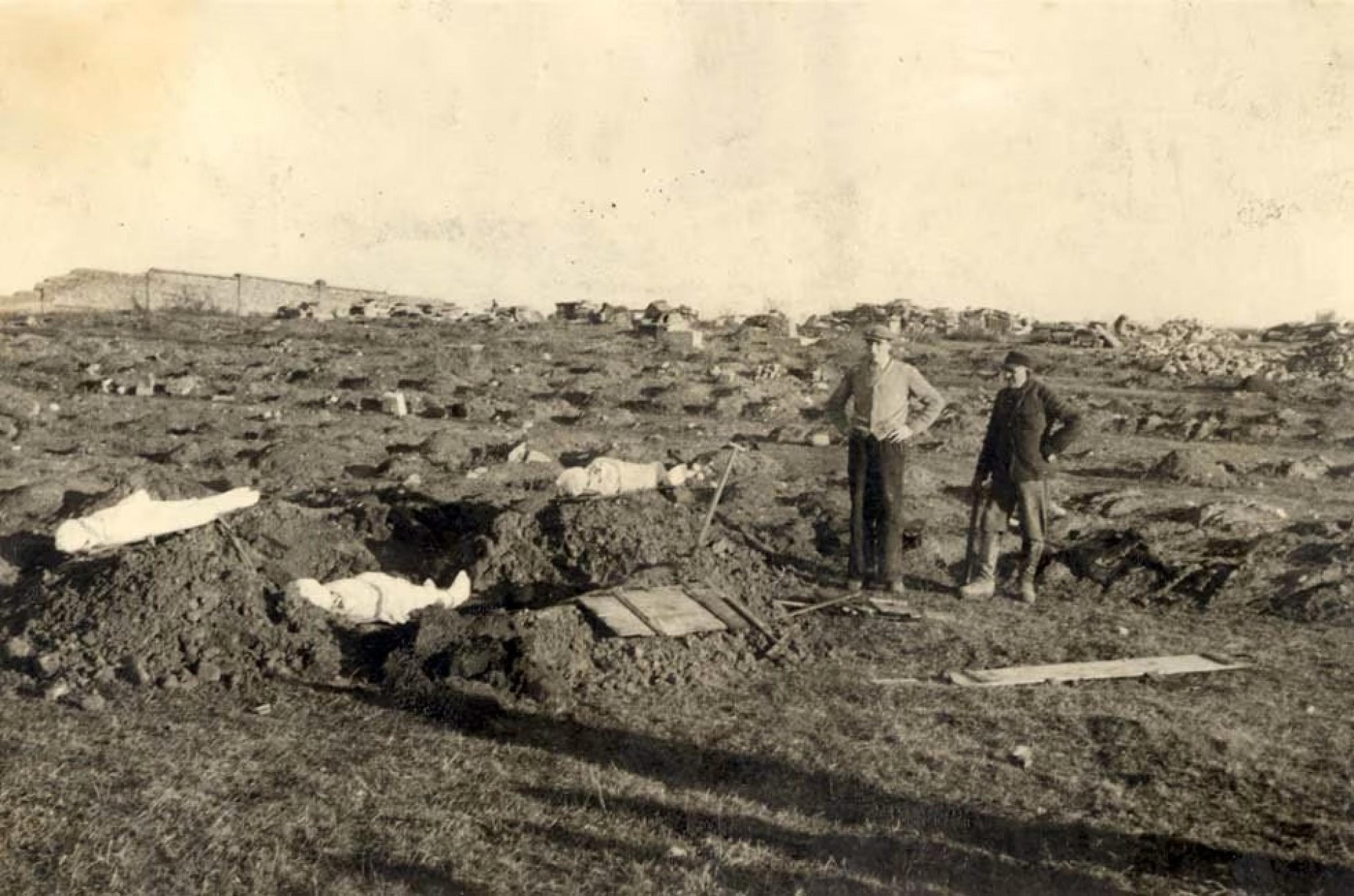
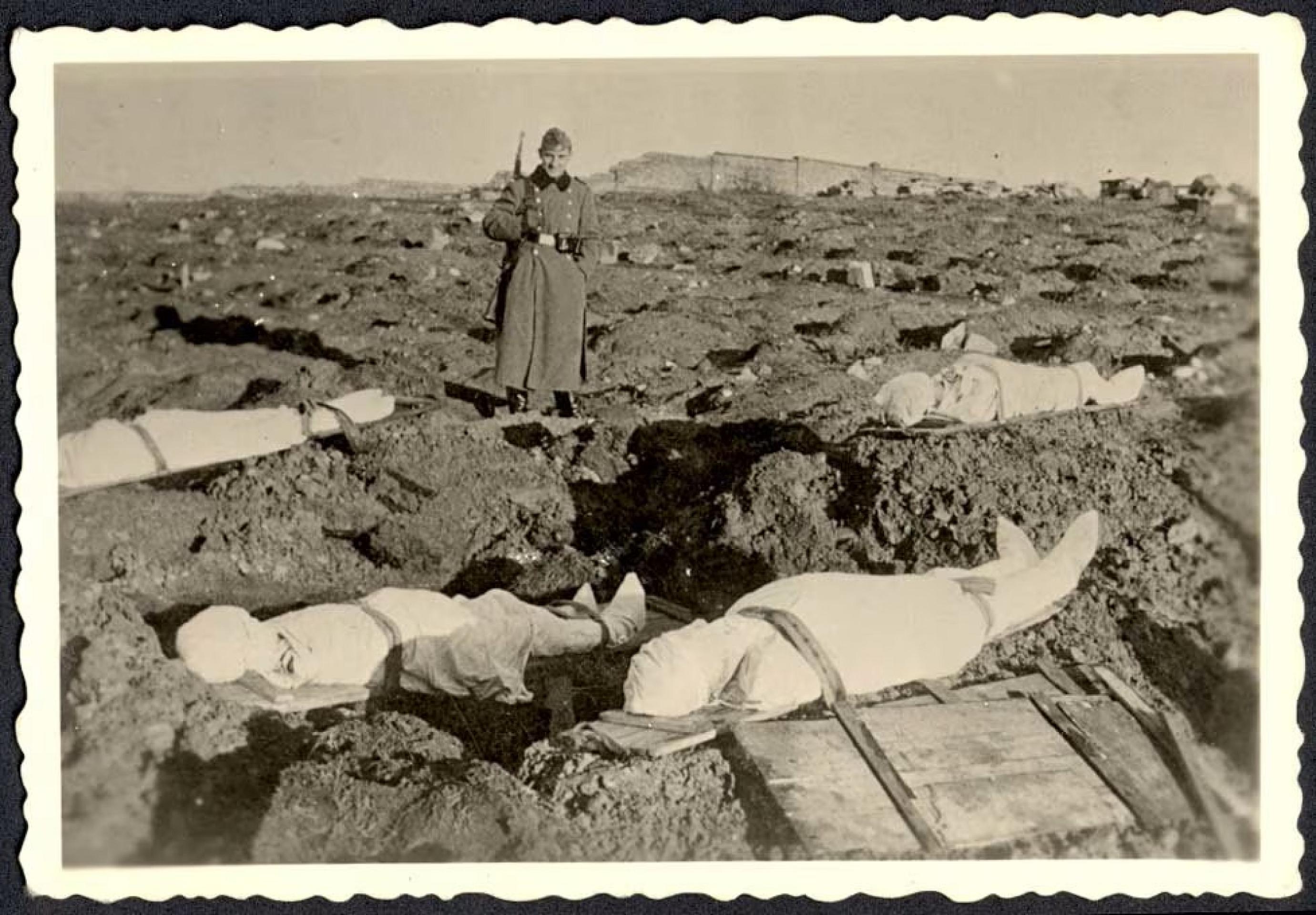
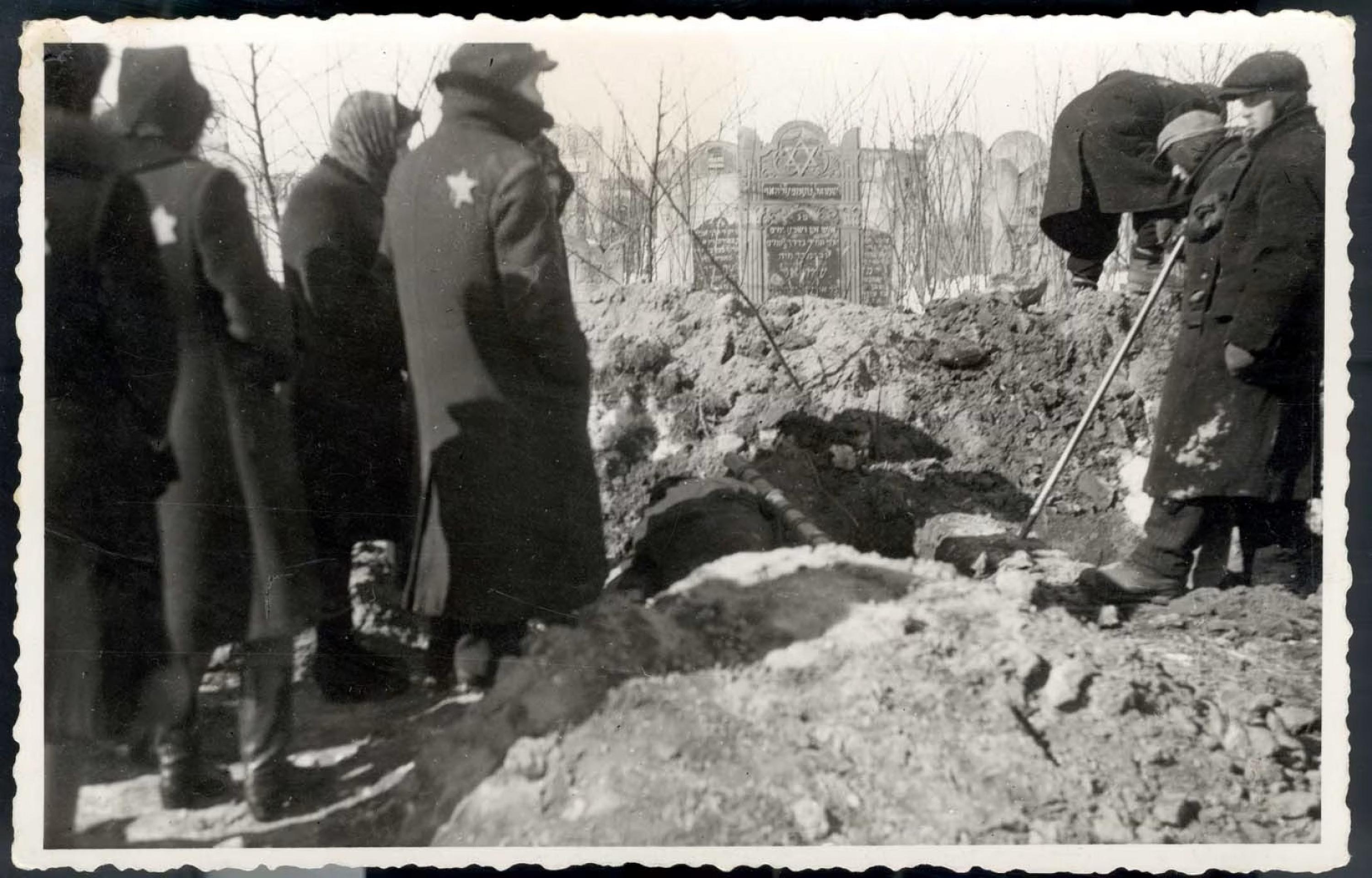
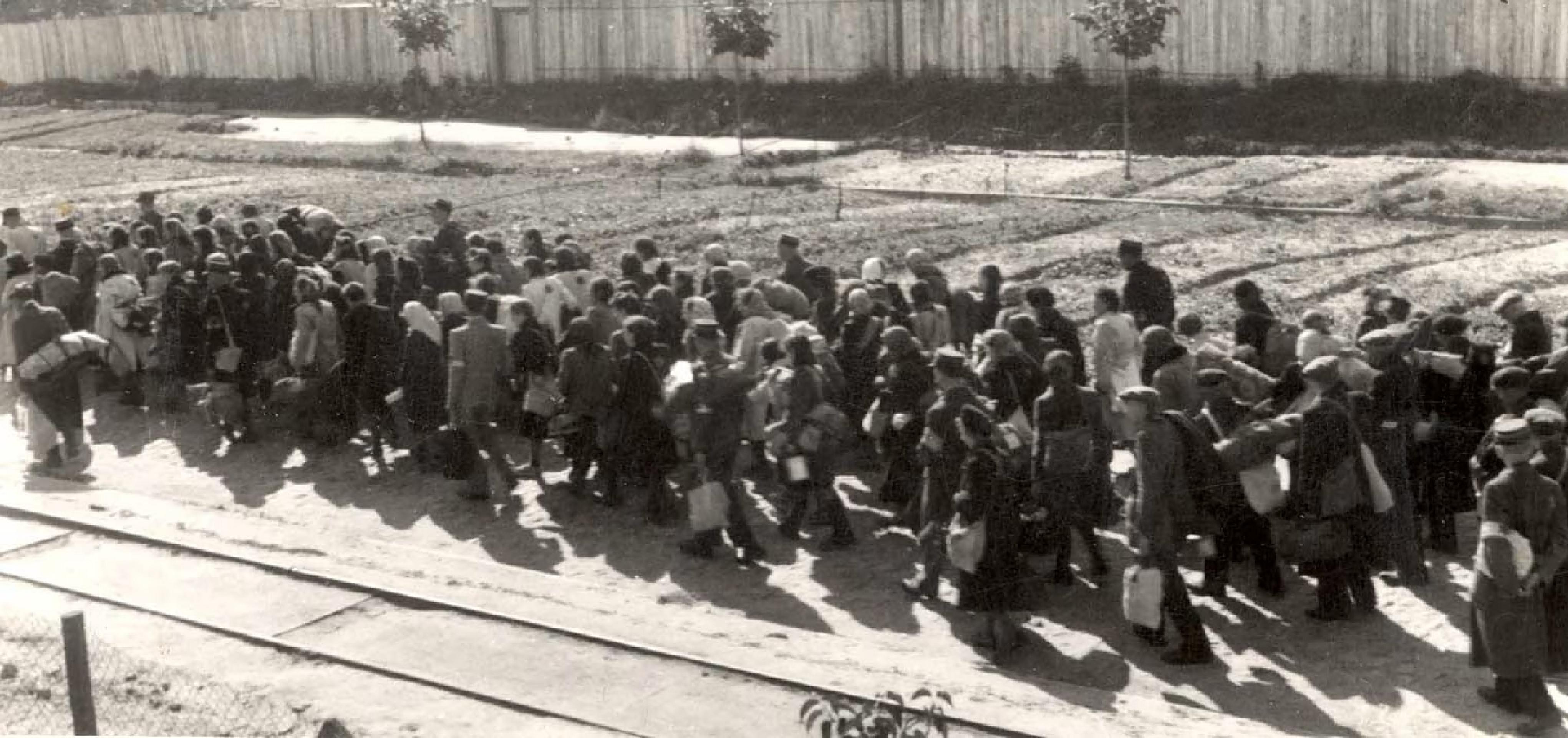
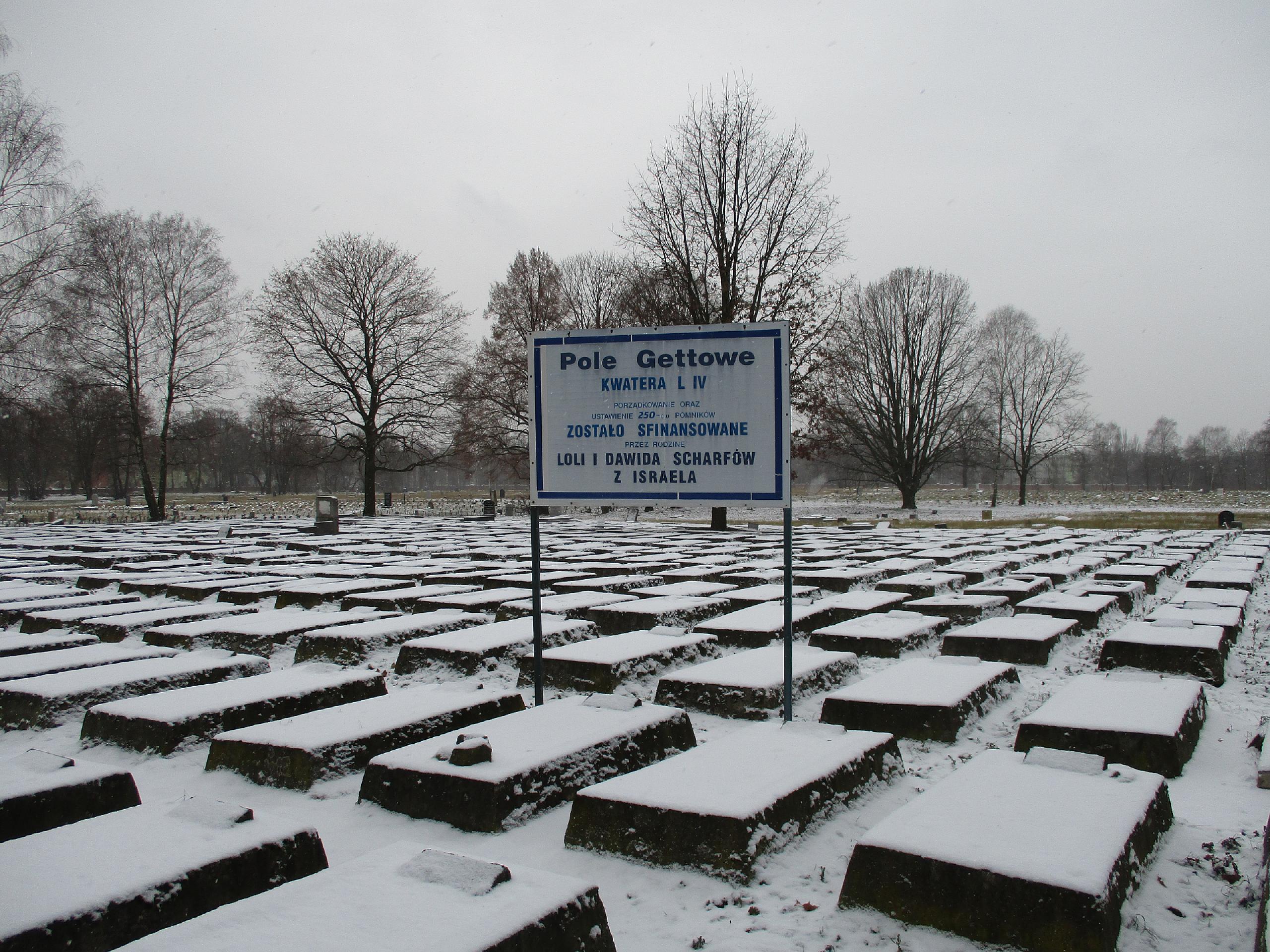
Apart from Warsaw, no other European city had as many Jews as Łódź before the Second World War. The 223,000 Jews made up a third of the population of the textile metropolis. Shortly after the Wehrmacht invaded Poland, the National Socialists began to establish the Litzmannstadt Ghetto for the city's Jewish population. From May 1940, no Jews were allowed to live outside the ghetto. Between 1940 and 1944, 43,441 people died in the Ghetto. They found their final resting place on the »Ghetto Field«, part of the Jewish cemetery.
Victims

In the Litzmannstadt Ghetto itself, 43,441 Jewish children, women and men died. The far greater number of Jews from the Litzmannstadt Ghetto were deported to the Chełmno (German: Kulmhof), Auschwitz, Majdanek, Treblinka and Sobibór extermination camps, where most of them were murdered. Only around 870 of the once 200,000 Jews in hiding survived the liberation of the ghetto by the Red Army on 17 January 1945.

The Second World War began in September 1939 with the invasion of Poland and the occupation of the west of the country by German troops and the east of the country by the Red Army. Persecution and terror directly followed the invasion in both parts of the country. German units massacred members of the intelligentsia, Jewish and non-Jewish civilians as well as hospital patients. At the end of 1939 the German administration established ghettos where the Jewish population was forced to live in cramped and horrendous conditions. Following the invasion of the Soviet Union in 1941, eastern Poland also fell under German control. SS Einsatzgruppen started to systematically murder Jewish men, later also women and children. In autumn 1941, local German authorities in the former west of the country began to prepare for the mass murder of Jewish ghetto prisoners using poison gas. By 1945, some three million Polish Jews had been murdered in the extermination camps at Chelmno, Belzec, Treblinka, Sobibor, Majdanek or Auschwitz, starved to death in the ghettos or shot dead. In 1943 the Jews living in the Warsaw ghetto staged an uprising, which was brutally crushed by the SS. Polish soldiers fought with the Allies on all fronts during the Second World War. Polish partisan groups, including the patriotic »Armia Krajowa« (Home Army), formed the largest resistance movement in occupied Europe. August 1, 1944 saw the start of the Warsaw Uprising, the most extensive civilian campaign against the Germans in occupied Europe. It failed also because the Red Army, already standing on the opposite side of the Vistula River, chose not to intervene. It is estimated that up to 250,000 people lost their lives in the uprising. A total of around three million non-Jewish Poles met a violent death during the German occupation. Once the Red Army had arrived on (East) Polish soil in January 1944, the troops of the Armia Krajowa were stripped of their weapons by the Soviet secret service and the officers were either shot or deported. The millions of deaths during the occupation, the permanent Soviet annexation of eastern Poland, the incorporation of former eastern German territories and the ensuing population transfers all left a traumatic political and social legacy in Poland. Remembrance of the murder of European Jews in German extermination camps was initially marginalised in the Polish culture of memory. Although Auschwitz soon became an international symbol of the Holocaust, in Poland it was viewed for decades above all as a »site of Polish martyrdom«. However, the start of the 21st century brought about changes in this respect, due in part to the fierce debates over the Jedwabne massacre in eastern Poland. The massacre of around 340 Jews on July 10, 1941 was originally attributed to the »Gestapo and Hitler police« but had in fact been carried out by Polish »neighbours« without orders from the Germans. Debates in Poland and abroad on Polish perpetration resulted in the Polish President Aleksander Kwaśniewski (*1954) issuing an apology to the victims in 2001. There were increasing calls from experts, such as those from Poland’s Institute for National Remembrance, for the country to confront the most difficult chapters in its history, which also include the anti-Jewish pogroms in 1946-47 and state anti-semitism in communist Poland during the post-war period. The Polish invests extensively in memorial culture, including grand projects with international ambition. The Warsaw Rising Museum was opened already in 2004. The POLIN Museum of the History of Polish Jews was opened in 2013 on the territory of the former Warsaw Ghetto, a new museum dedicated specifically to the Warsaw Ghetto will follow suit in 2024. Since 2017, there is a major Museum of the Second World War in Gdańsk. Since the turn of the millennium, the sites of the former German extermination camps have also been converted into modern memorial sites. An ever-growing preoccupation with Poland’s Jewish and multicultural heritage can be observed in the field of culture as well.

Remembrance

After the war, Łódź quickly became a centre for Holocaust survivors in Poland. The cemetery therefore also contains a number of graves from this period. Today there is only a small Jewish community in Łódź.

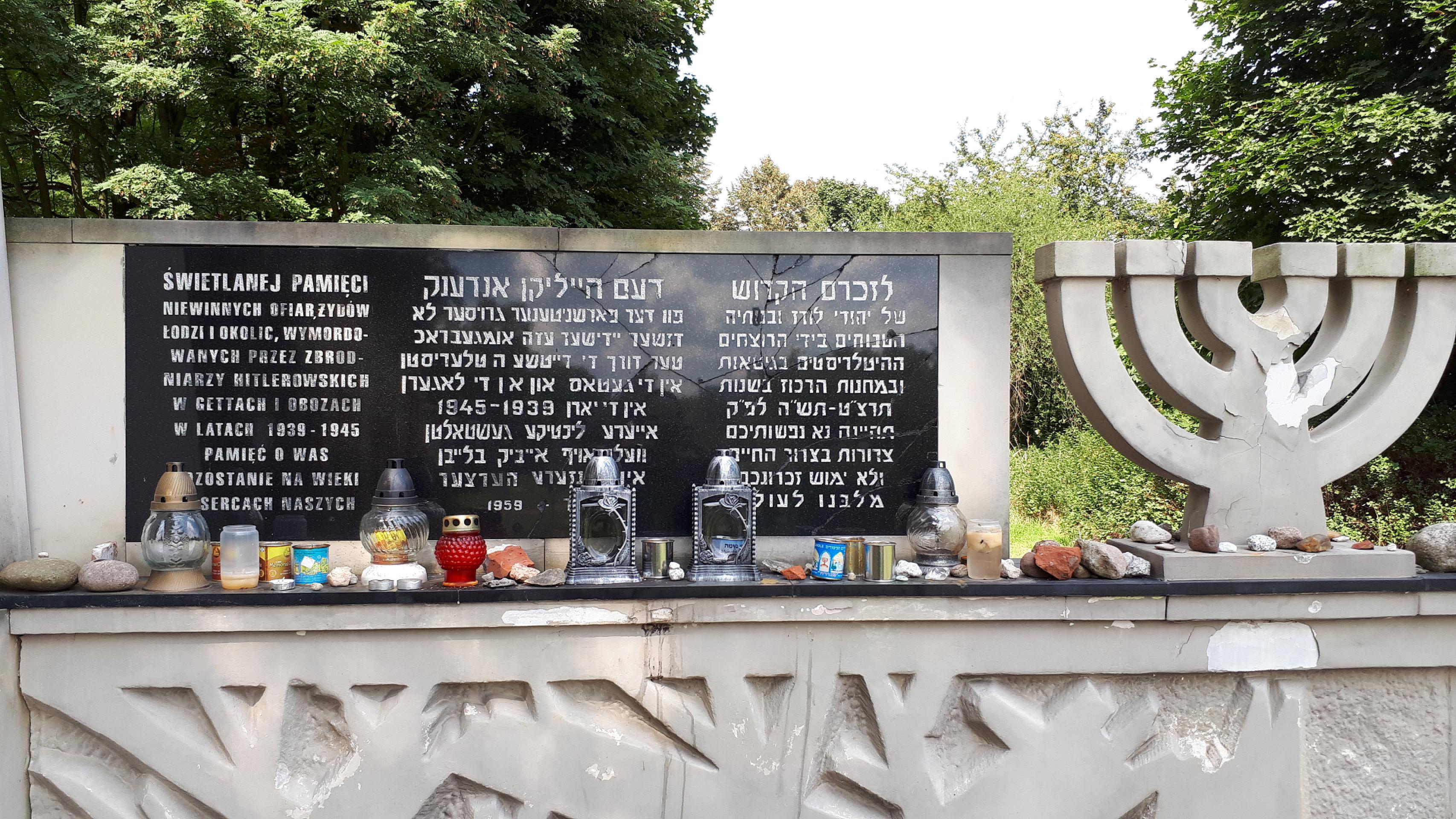
In 1956, a memorial was erected in the cemetery in memory of the victims of the Łódź Ghetto. It shows a smooth obelisk, a menorah and a broken oak tree with leaves growing out of it, symbolising death, especially death at a young age.

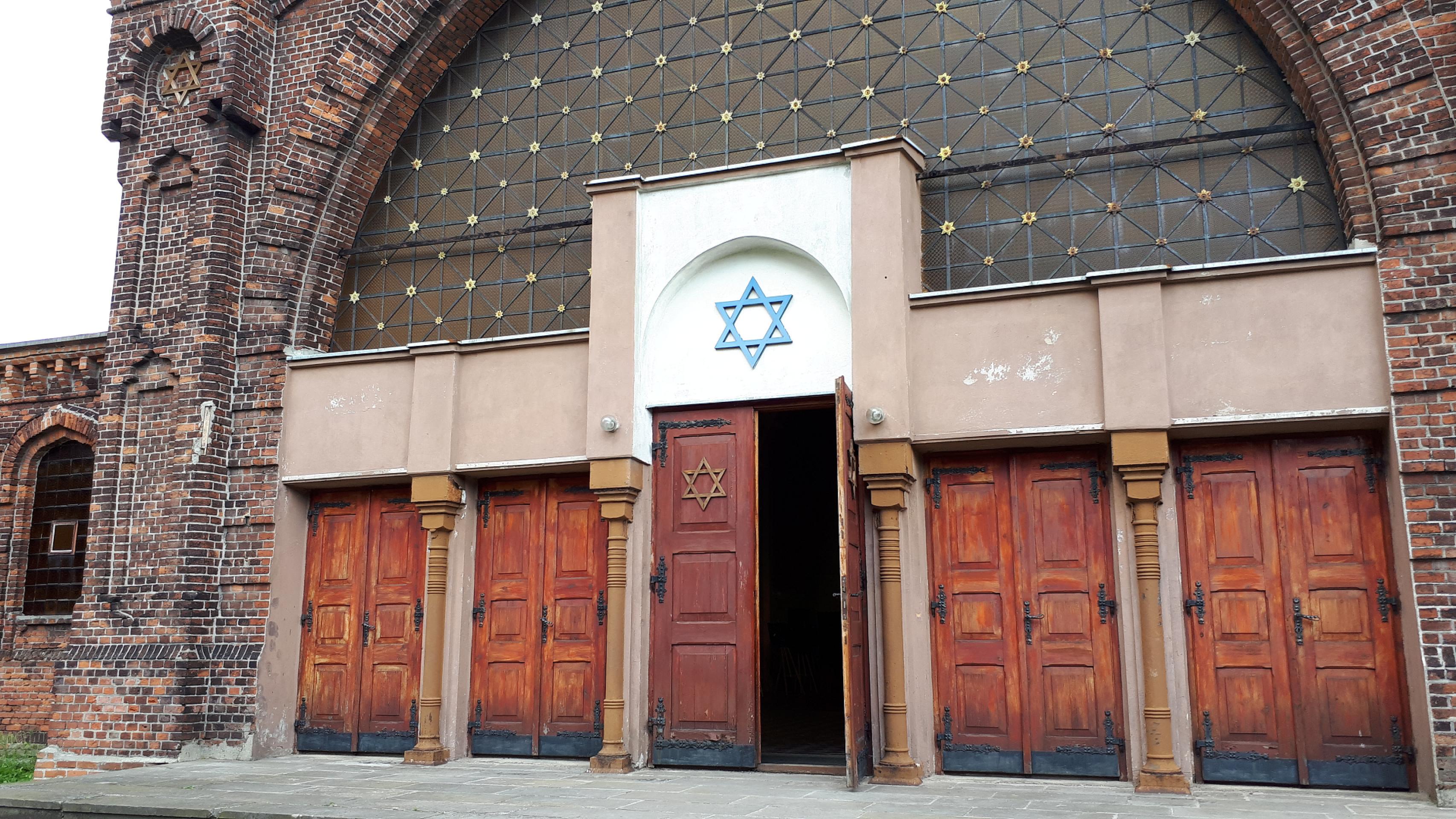
In the years that followed, the cemetery was increasingly left to decay. The synagogue and mikveh buildings were demolished - the only reminder of the time when regular burials still took place here is the funeral house, which has been preserved to this day.

Since the 1990s, maintenance and construction work has been carried out to save the cemetery from decay: The Ghetto Field has been repaired, the mosaics in the inner stone dome of the Poznański Mausoleum have been restored and the funeral home has been renovated.

The cemetery was declared a historical monument in 2015. Efforts are now underway to have the cemetery recognised by UNESCO as a World Heritage Site.
Open

April to October:
Sunday to Thursday 9 a.m. to 5 p.m.
Friday 9. a.m. to 3 p.m.
Saturday closed

November to March:
Sunday to Thursday 9. a.m. to 3 p.m.
Friday 9. a.m. to 1 p.m.
Saturday closed

Contact

http://kehilalodz.com/

biurogmina@kehilalodz.com

+48 42 656 70 19

ul. Bracka 40
91-717 Łódź