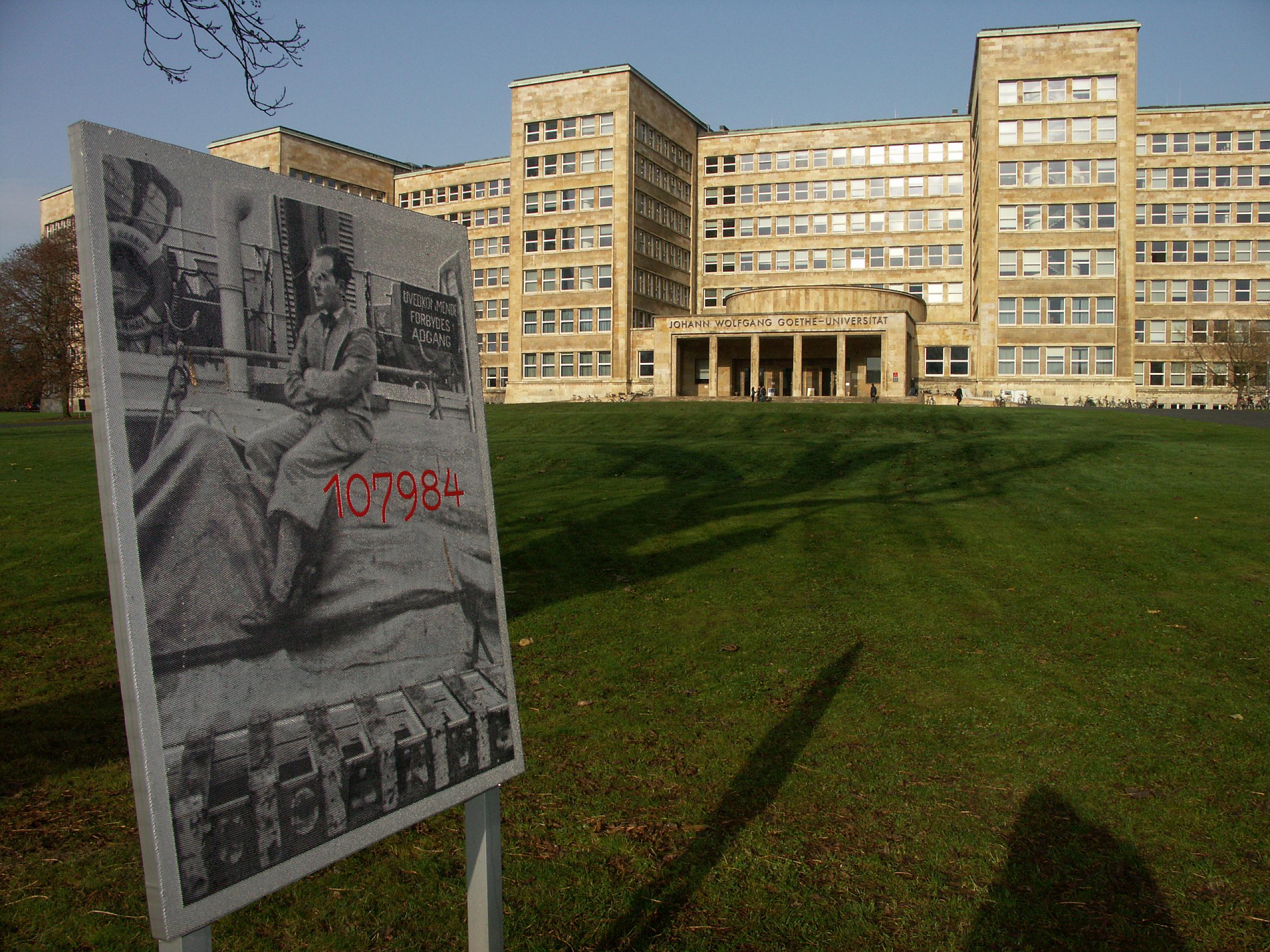
The Norbert Wollheim Memorial was opened in 2008 on the site of the former I.G. Farben trust in Frankfurt am Main. It remembers the prisoners of the Buna/Monowitz concentration camp who had to conduct forced labour for I.G. Farben. Norbert Wollheim was a survivor of this concentration camp who successfully fought for restitution for the former forced labourers in post-war years.
History
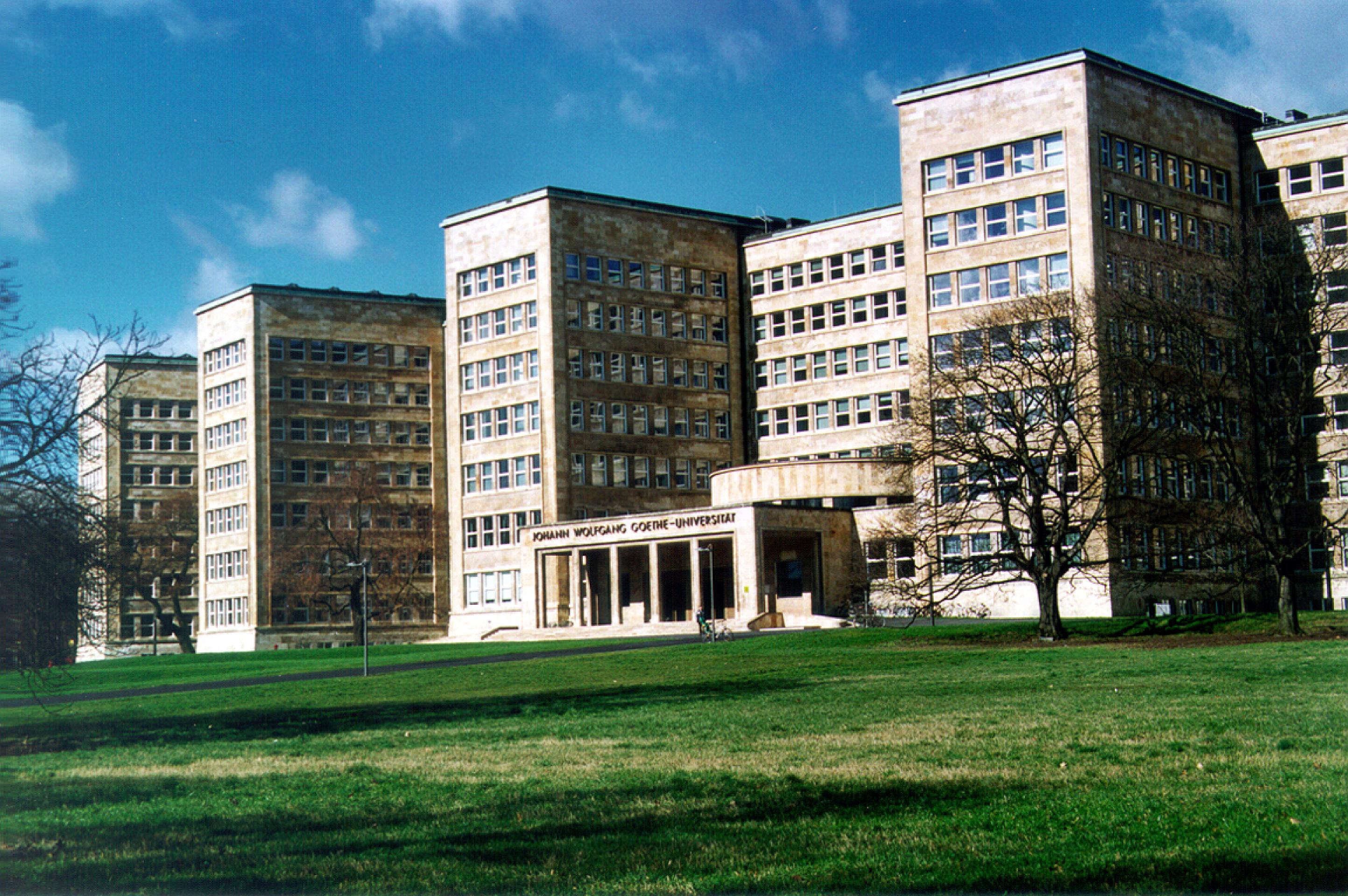
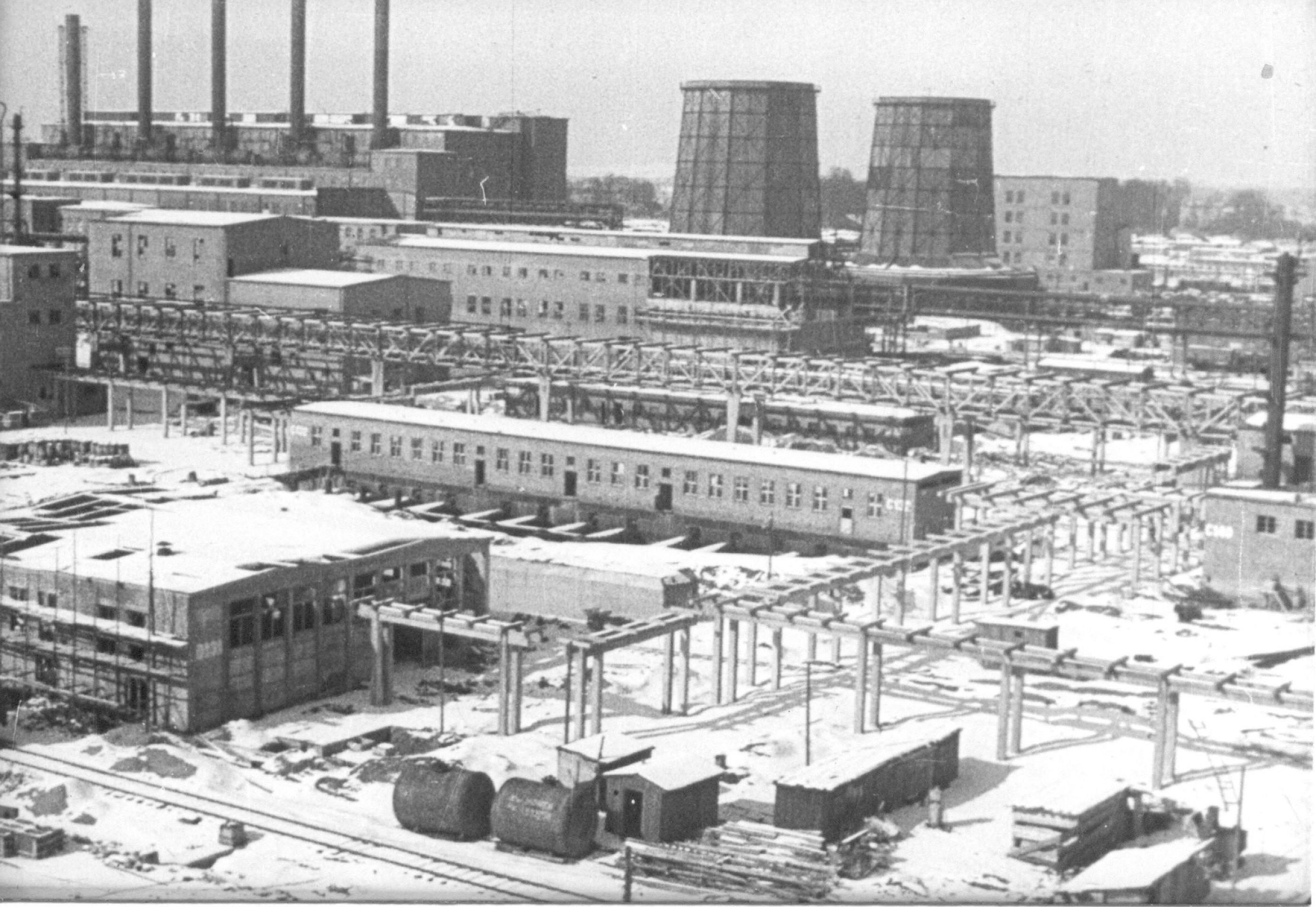
The I.G. Farben trust (»Interessengemeinschaft Farbenindustrie AG«) was established in 1925 by the merger of several chemical companies including Hoechst, BASF and Bayer. As a result the I.G. Farben became one of the world's biggest corporations. In 1928 the I.G. Farben Building, a modern, massive Bauhaus-style building was erected as company headquarters in the Frankfurt Westend. Following the National Socialist's rise to power the new government and the company got closer to each other. I.G. Farben manufactured many products crucial to German war efforts and took part in Germany's military built-up. After the attack on Poland and the beginning of World War II the links with the National Socialist leadership got even closer: In April 1941 I.G. Farben established the I.G. Auschwitz, a chemical factory near the concentration camp. It was planned to become the largest chemical plant in Eastern Europe. Moreover, the company opened a company-owned concentration camp in Auschwitz (Polish: Oświęcim). The Buna/Monowitz camp (also called Auschwitz III) was mainly for forced labourers who had to work on the construction site for the I.G. Auschwitz chemical factory. In winter 1944 about 10,000 people were imprisoned in the Buna/Monowitz camp. With the advance of the Red Army the SS evacuated the camp. Thousands of prisoners were forced on so-called death marches. About 850 sick and feeble prisoners remained in Monowitz. The were liberated by the Red Army on January 27, 1945.
Victims
After the Buna/Monowitz camp was established in October 1942, it was mainly Jewish prisoners who had to conduct forced labour on the construction site for the I.G. Auschwitz chemical factory. A first transport of Jews arrived on October 27, 1942 from Westerbork in Holland. Only 200 men were selected as fit for work by the SS, all others were murdered with poison gas in the gas chambers of the Auschwitz II Birkenau extermination camp. The number of Jewish forced labourers in the Buna/Monowitz camp grew rapidly and steadily, they came from almost every European country. In summer 1944 occupancy levels reached a peak of 11,000 prisoners. Except for approximately 20 Polish women, forced into prostitution with other prisoners by the SS, all prisoners of the camp were male. The death toll can only be estimated, since all prisoner's records had been destroyed by the SS and I.G. Farben employees before the end of war. 10,000 to 30,000 people died on the effects of forced labour. Most prisoners died in accidents on the building site, from hunger and emaciation, from hard work and diseases. Moreover, the SS selected prisoners who were too weak for work and murdered them in the gas chambers of Birkenau.
Remembrance
The I.G. Farben continued producing until 1945. After the occupation of Germany the Allies started to smash the company. Since the I.G. Farben played a decisive role in the German arms production, the separation of the company was supposed to guarantee that Germany wouldn't be able to re-arm again. In fact, however, the trust was only dissolved from 1949 onwards: capital and production facilities returned to the original companies. They evolved into the three largest chemical companies in West Germany: Bayer, BASF and Hoechst. The legal successor for I.G. Farben became the newly established »I.G. Farben in Liquidation«. Several members of the company's senior management stood trial in the Nuremberg Trials of 1947/48, accused of »looting« and »enslavement«. Most of the them were acquitted, some were sentenced to several years in prison. None of the forced labourers received any restitution. This only changed when Norbert Wollheim, who had to conduct forced labour for I.G. Auschwitz from 1943 to 1943, filed a suite for the repayment of his wages and for compensation. In 1957 the »I.G. Farben i.L.« made a one-off payment of 27 million Deutschmarks to the Jewish Claims Conference.
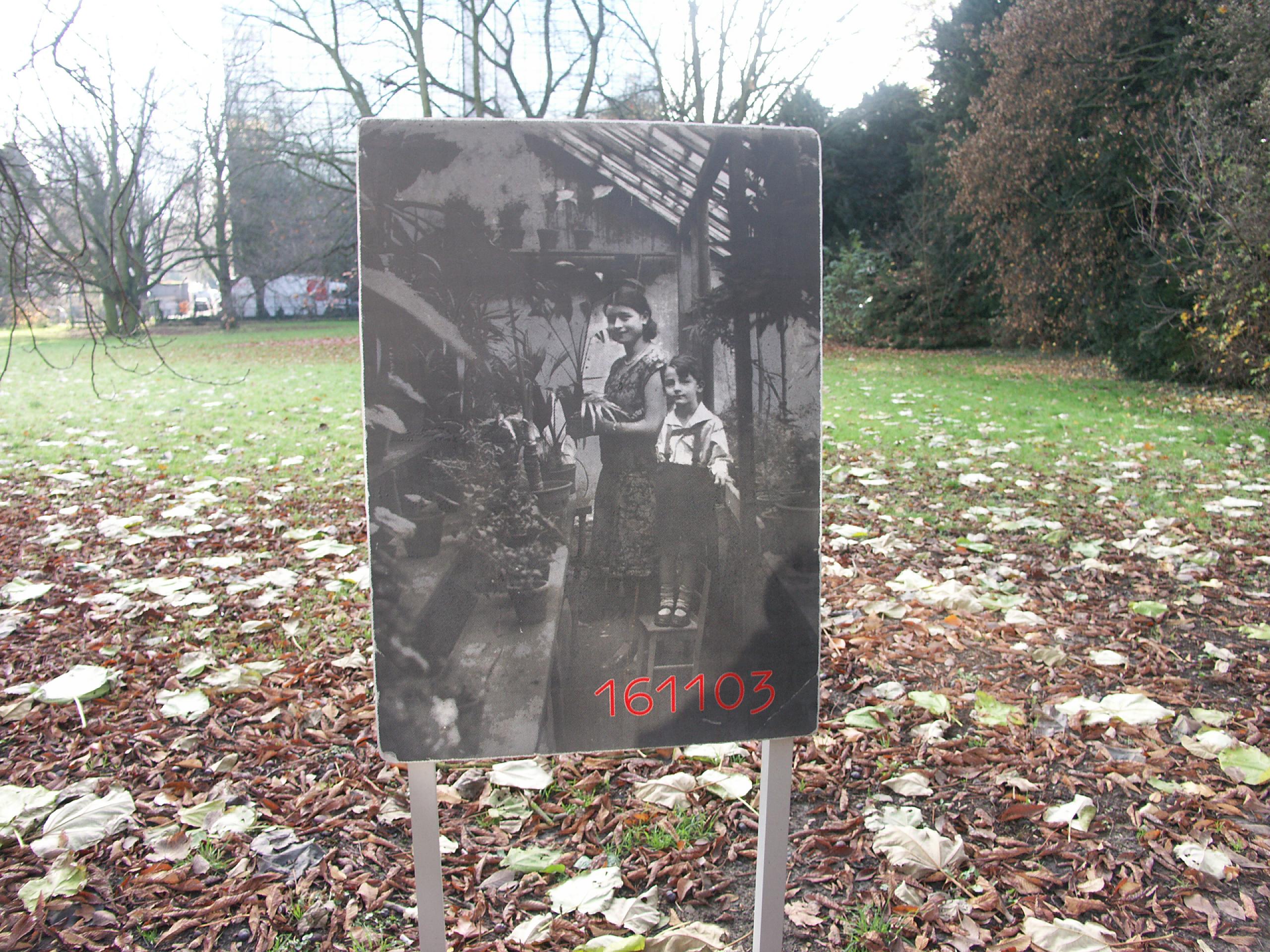
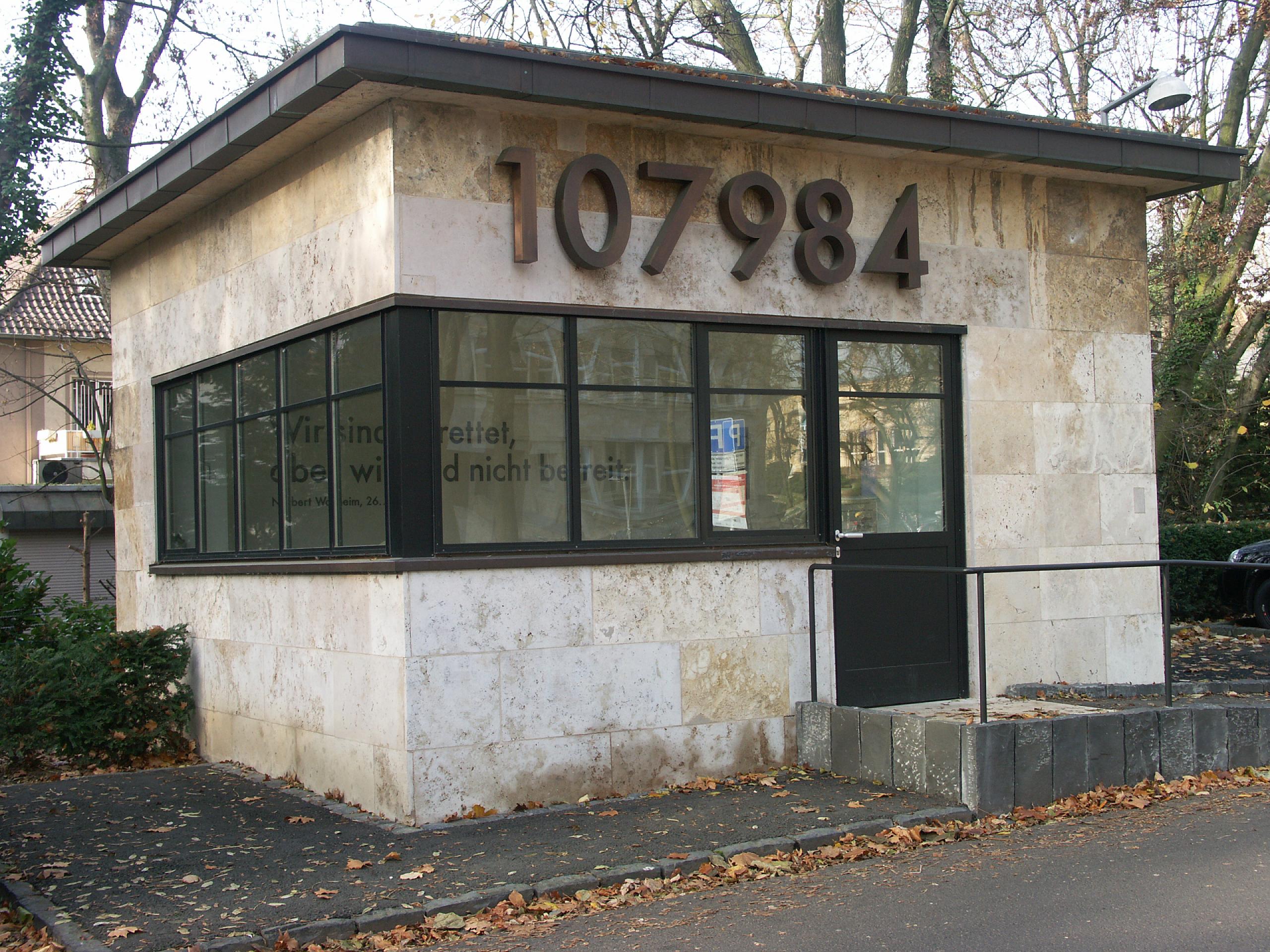
The I.G. Farben Building in Frankfurt am Main served as headquarters for the American troops from 1952 until their withdrawal in 1995. In 2001 the University of Frankfurt opened a humanities department within the building. Survivors of the I.G. Auschwitz and university students initiated the creation of the Wollheim Memorial, which opened in 2008. Several photo panels in the Grüneburgpark refer to the fate of the forced labourers. In a small pavilion designed by the artist Heiner Blum videos of eye witnesses are shown. The outside of the pavilion is labelled with Norbert Wollheim's prison number, inside is a quote by Norbert Wollheim: »Wir sind gerettet, aber wir sind nicht befreit« (English: »We are saved but we are not freed«).
Contact
http://www.wollheim-memorial.de
info@fritz-bauer-institut.de
+49 (0)69 798 322 40
Grüneburgplatz 1
60323 Frankfurt am Main