Oerbke War Cemetery Site »Cemetery of the Nameless«
Kriegsgräberstätte Oerbke »Friedhof der Namenlosen«
The »Cemetery of the Nameless« in the village of Oerbke, which is located in the southern Lüneburg heath, commemorates the approximately 30,000 Soviet prisoners of war who were buried here. Between 1939 and 1945, there were two POW camps situated in Oerbke; over 30,000 people perished in them.
History
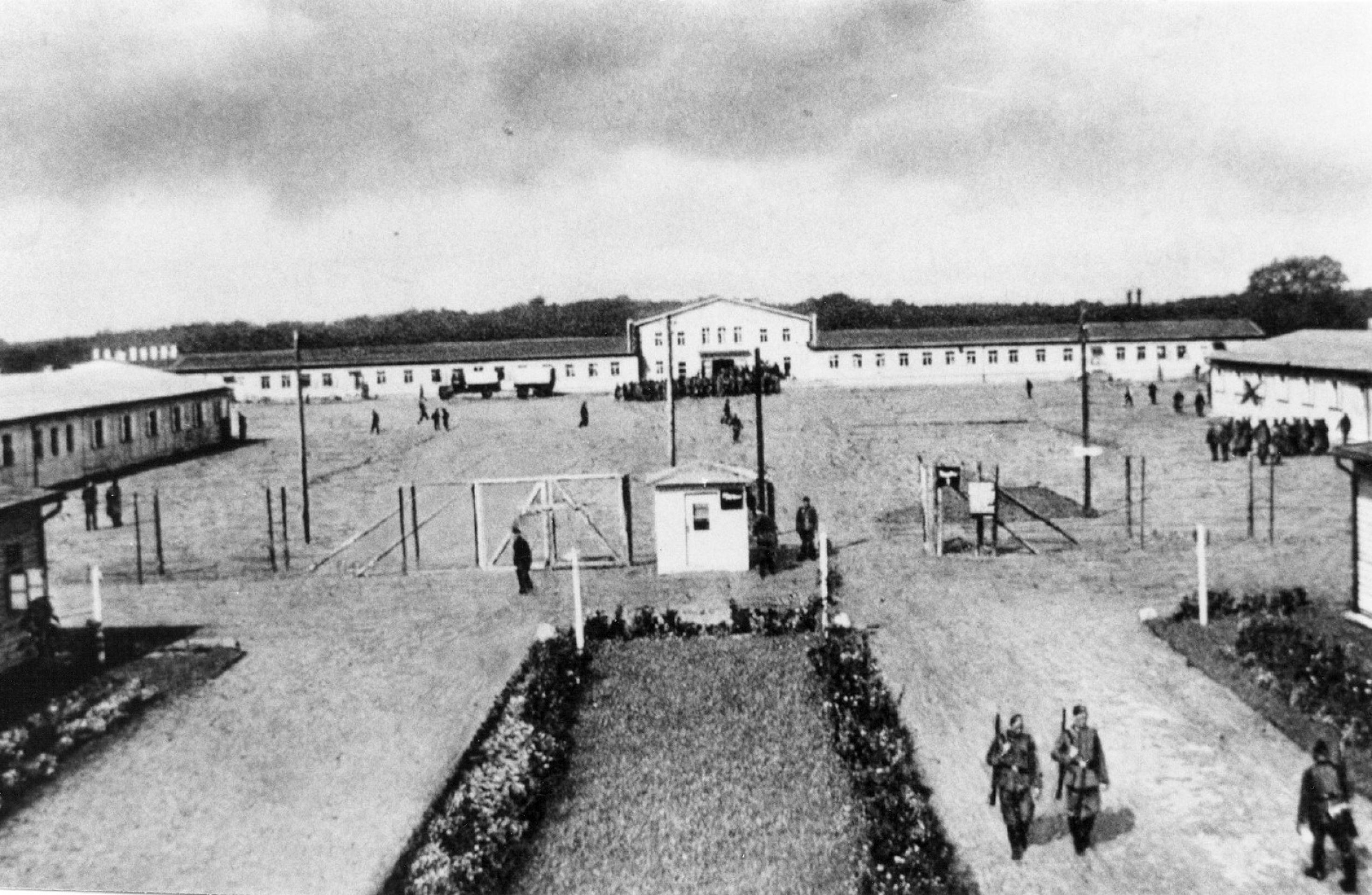
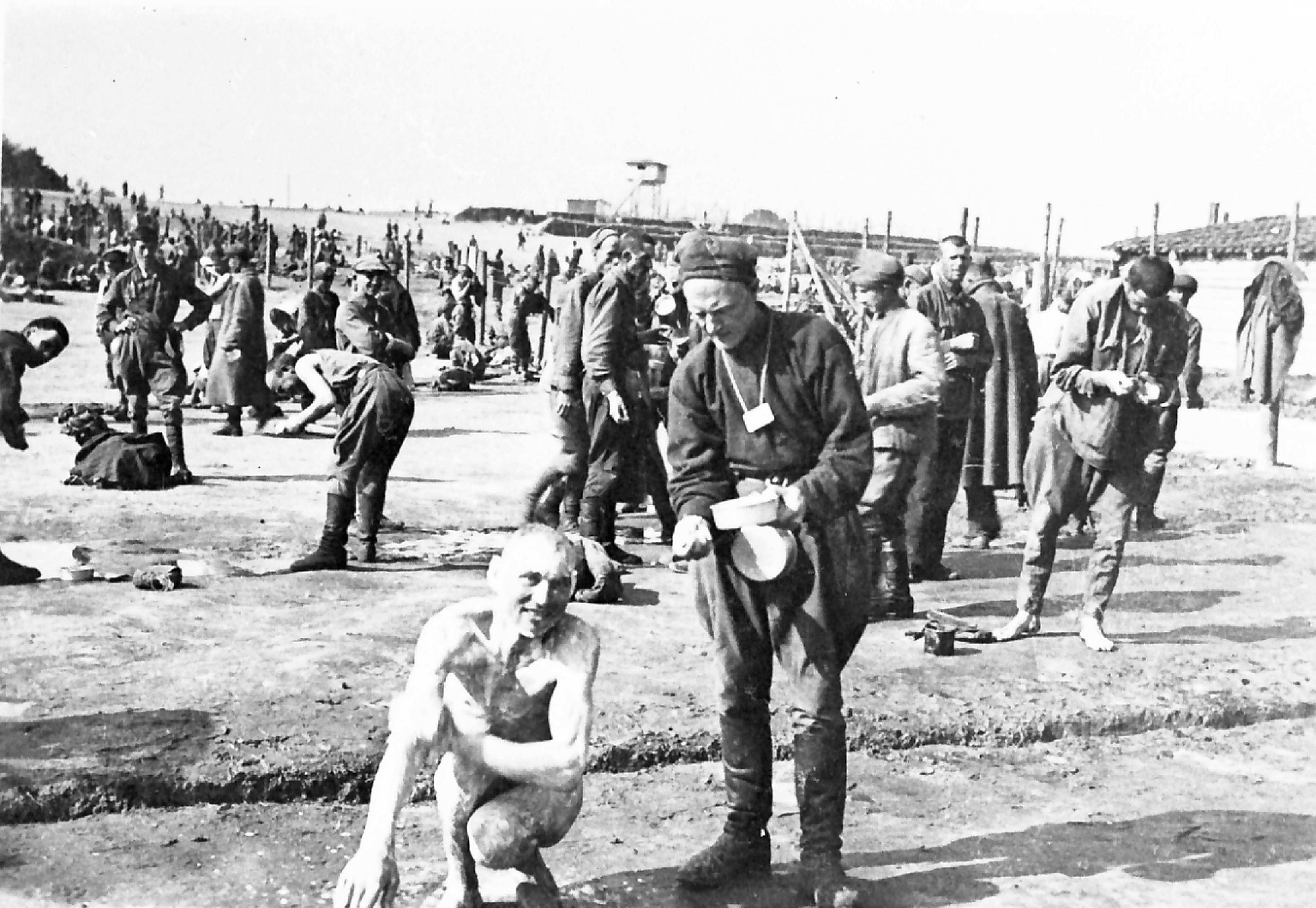
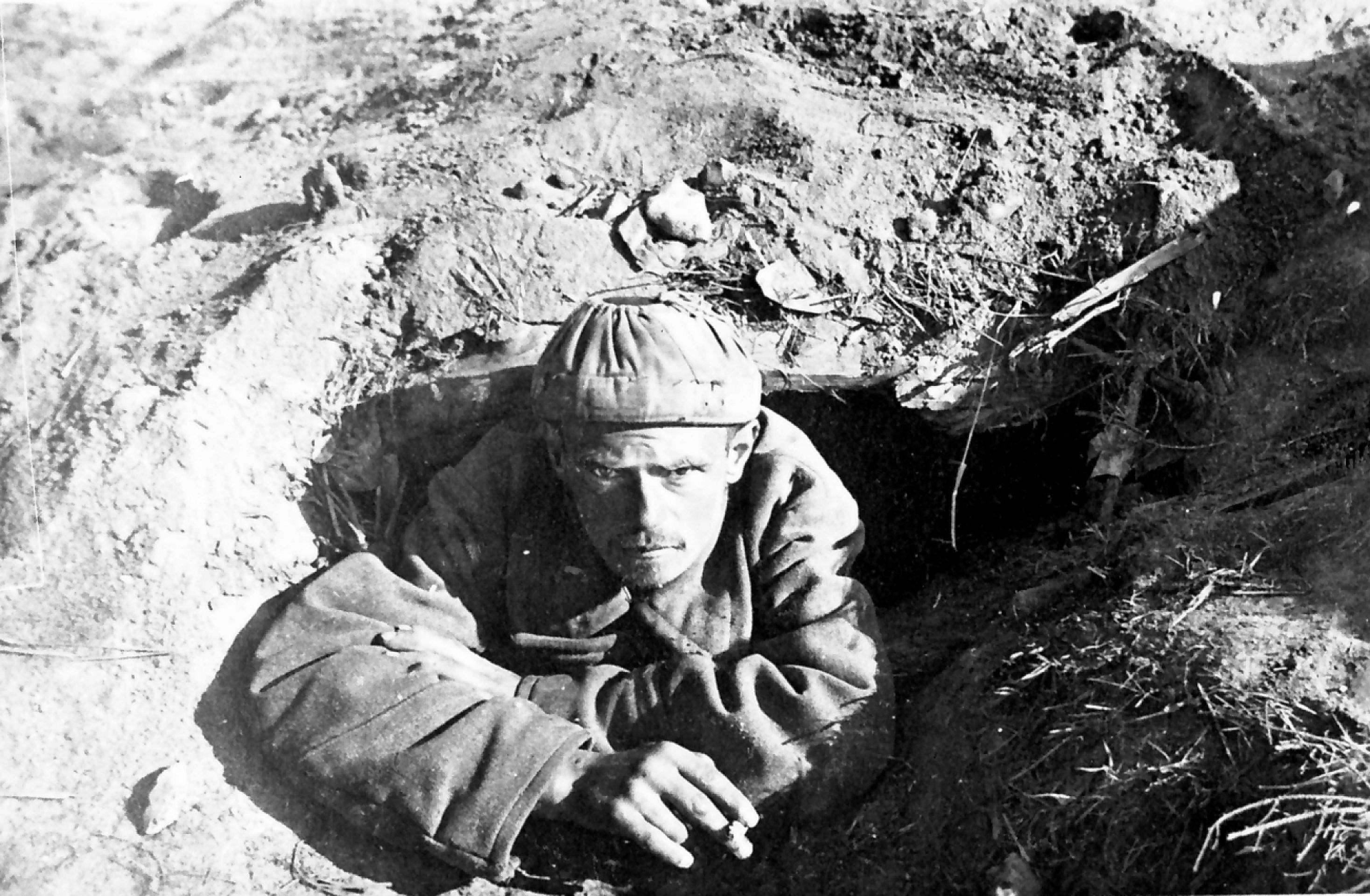
Following the German attack on Poland in 1939, the prisoner of war camp »Stalag XI B Fallingbostel« was established in close vicinity of the town of Fallingbostel. Large numbers of prisoners of war, mostly from Poland, France and Belgium, were imprisoned there. In June 1941, the camp had over 50,000 inmates. Most of them had to perform forced labour outside of Oerbke. Between May and June 1941, shortly before the German invasion of the Soviet Union, the Wehrmacht set up a »Russian camp« in Oerbke, meant solely for Soviet prisoners of war. From July 1941 on, the Wehrmacht brought over 15,000 Soviet POWs to the »Stalag XI D/321«. After having been transported for days, the prisoners arrived in Oerbke exhausted and hungry. They were not provided with housing at the camp; left to themselves, many of the prisoners dug holes to accommodate themselves. The horrific conditions, hunger, cold and diseases led to a high death rate at the camp: in the winter of 1941/42, there were at times as many as a hundred deaths daily. In the spring of 1942, the Wehrmacht merged the camp with the »Stalag XI B« again, and the »Stalag 357« was moved to Oerbke. British troops liberated the two camps on April 16, 1945.
Victims
About 30,000 Soviet prisoners of war, who perished in Oerbke or other POW camps, are buried at the »Cemetery of the Nameless«. Neither the exact number of victims, nor their names are known. Buried here are also the remains of 273 victims from Yugoslavia, Poland, France, Belgium and Slovakia.
The entry to power of the National Socialists in 1933 heralded the state persecution of opponents of the regime, Jews, Roma – who were classed as »gypsies« -, the sick and many other groups. For the first time, anti-semitism became part of the government policy of a modern state and the persecution of all groups was progressively heightened. The process was characterised by the interplay between state regulation, violence from supporters of the regime and rabble-rousing propaganda from the press. The acts of terror against the Jews in November 1938 (»The Night of the Broken Glass«), culminating in around one hundred deaths, marked the prelude to the complete exclusion and murder of the Jewish minority.
With the outbreak of the Second World War in September 1939, large parts of Europe fell under German control. In Eastern Europe in particular a multi-tiered system of camps and extermination sites was established, in which the SS murdered up to six million Jews, among them around 165,000 German Jews. It is estimated that around seven million Germans lost their lives in the war, including almost 3.5 million civilians. Around 28 million residents of the occupied Soviet Union (both soldiers and civilians) and three million non-Jewish Poles met a violent death. These groups are still barely commemorated in Germany.
Germany came under Allied occupation in 1945 and 1949 saw the foundation of the German Democratic Republic (GDR) and the Federal Republic of Germany (FRG), who had very different cultures of remembrance. The GDR profiled itself as an »antifascist« state. The former concentration camps at Buchenwald, Ravensbrück and Sachsenhausen became »National Memorials« and primarily documented the communist resistance during the war.
In the Federal Republic, the dominant memory was initially of the victims of Allied bombing raids and those who had fled or been expelled from their homes in the former territory of the Third Reich. It was left to specific groups to remember Nazi persecution, the Holocaust or the resistance. With the exception of the war crimes trials, there was no public discussion of perpetrators or involvement in crimes. However, the situation was to change in the mid-1960s, when the statute of limitations for murder was lifted following a lengthy debate. Also during this period, memorial sites were established at former concentration camps (1965: Dachau and Neuengamme; 1966: Bergen-Belsen) and the German Resistance Memorial Centre was opened in 1968 in West Berlin. However, it was not until the 1980s that a diverse and often small-scale landscape of memory developed as the result of local initiatives.
Following German unification in 1990, a national memorial site concept was developed and there was a major review of German sites of memory. The Memorial to the Murdered Jews of Europe in Berlin was inaugurated in 2005. The Topography of Terror, a comprehensive documentation of National Socialist crimes and perpetrators, has opened with a new centre in May 2010; the documentation centre »Flight, Expulsion, Reconciliation« followed suit in 2021. In the meantime, central memorials in Berlin have been erected to commemorate further groups of Nazi victims as well: the murdered Sinti and Roma, the patients murdered in the context of the Nazi’s »Euthanasia« killings and the persecuted homosexuals.
The German victims of National Socialist terror in the former Eastern territories of the Third Reich were forgotten by both German states after the end of the war. For decades, memory of these victims was only preserved by West German associations for Germans born in these territories and it mainly excluded the period from 1933 to 1945.
Remembrance
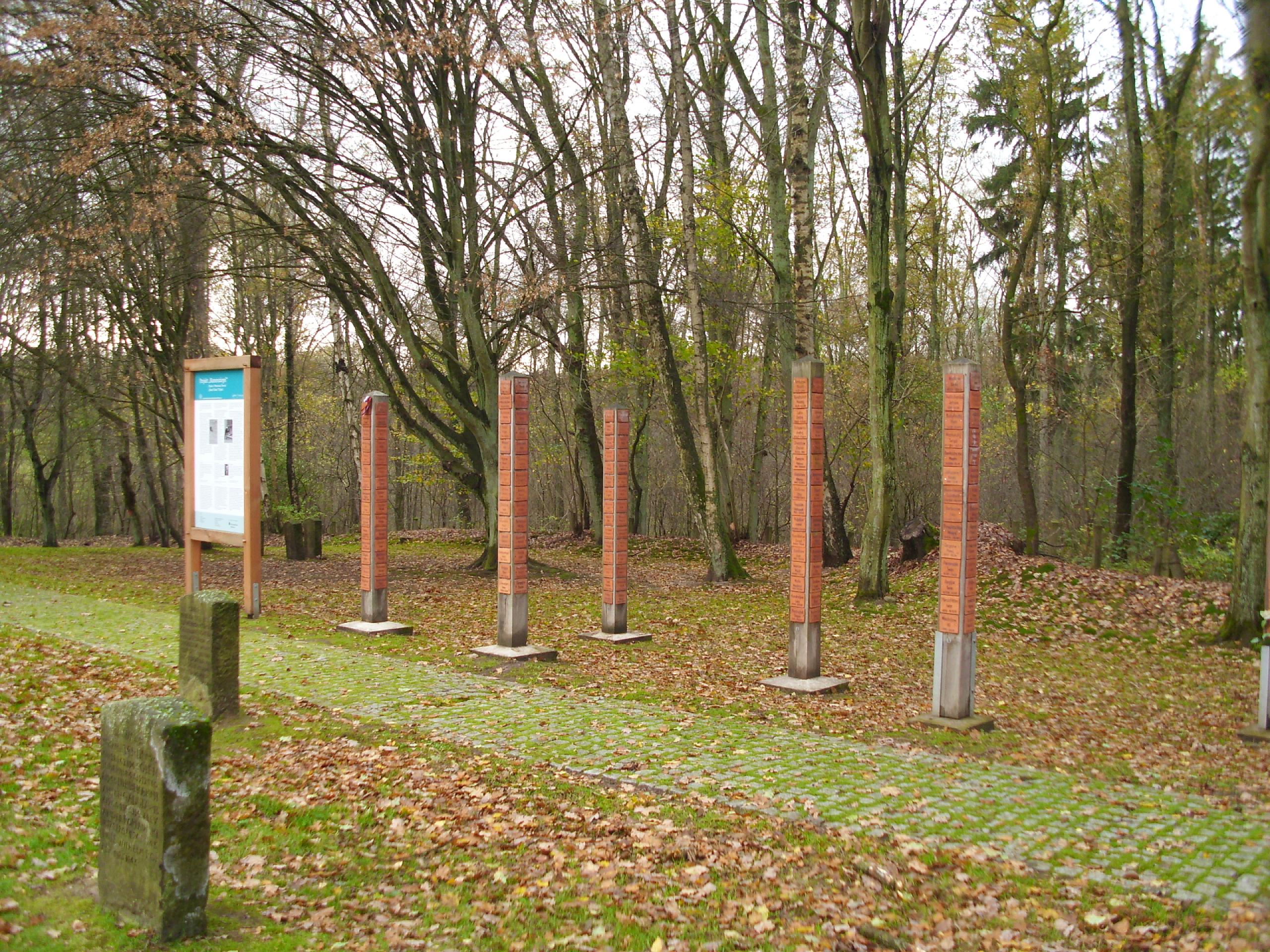
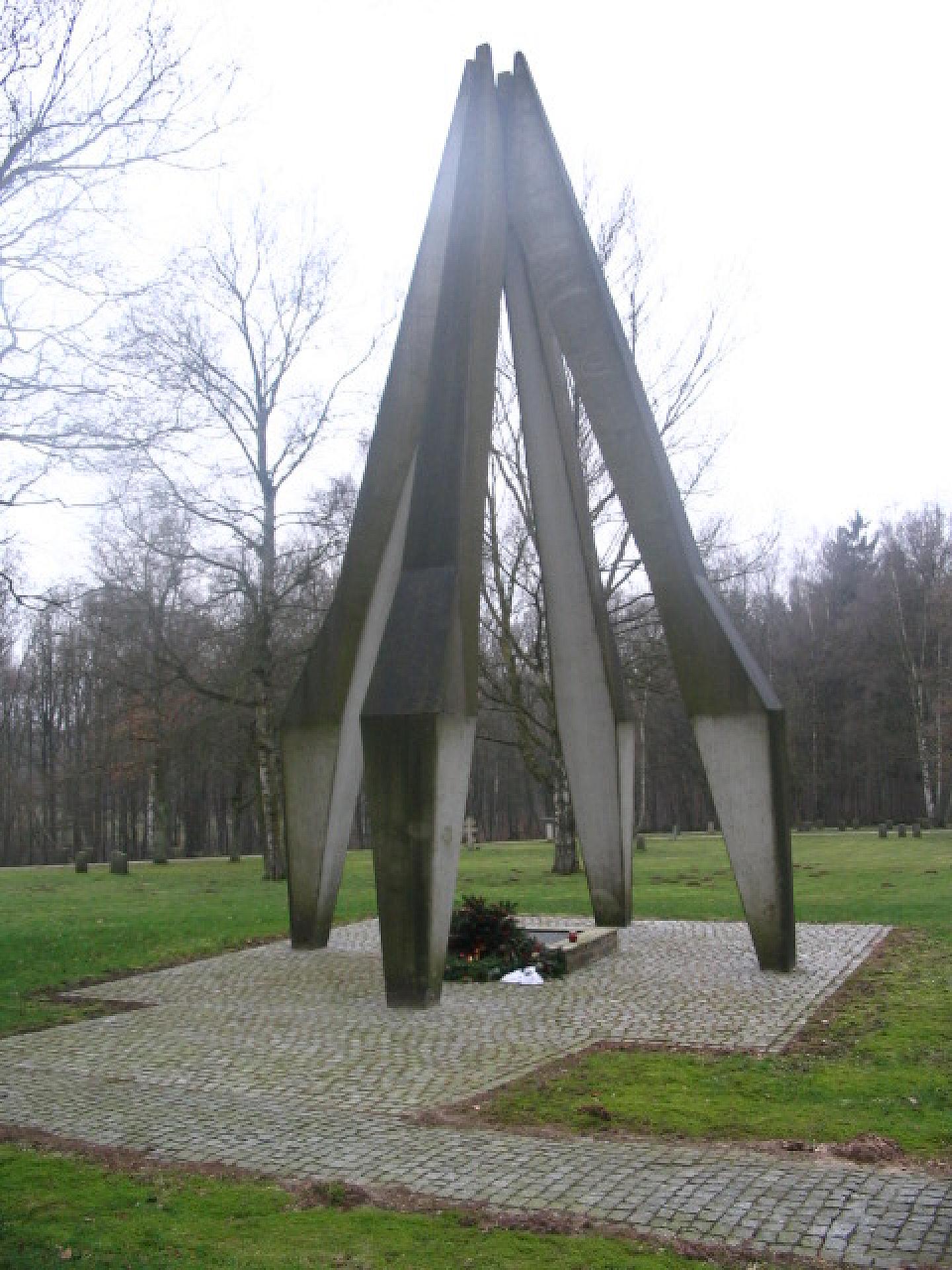
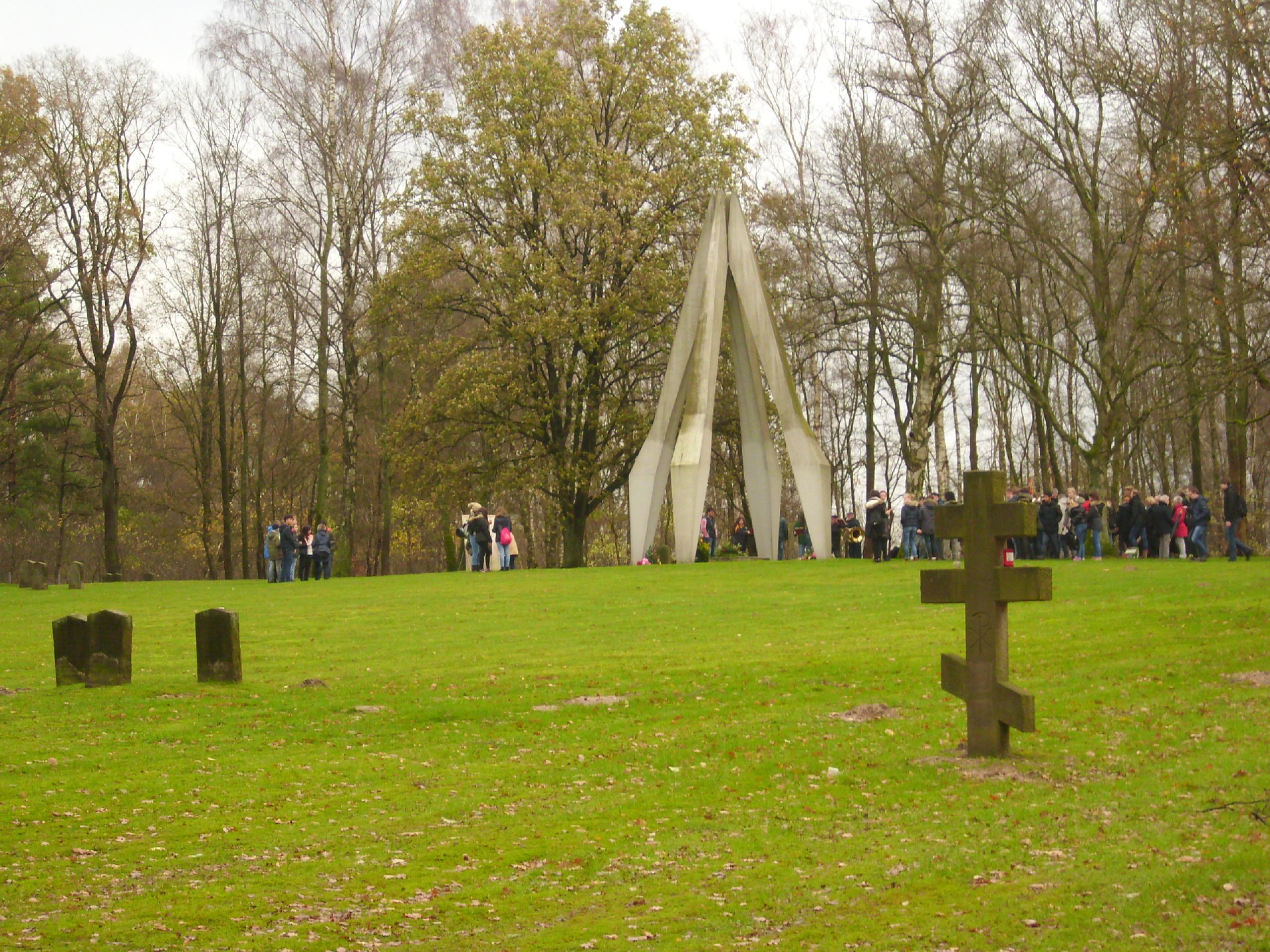
Already in 1945, a Soviet war memorial was set up in Oerbke. In the 1960s, the »Cemetery of the Nameless« was remodelled and the Soviet memorial dismantled. Only a relief remains. In 1964, a new monument, designed by Klaus Seelenmeyer, was erected. There are 109 gravestones containing a total of 920 names at the cemetery. On November 19, 1995, over fifty years after the end of the war, a bronze information plaque and ten wooden crosses containing ten more names were installed at the cemetery.
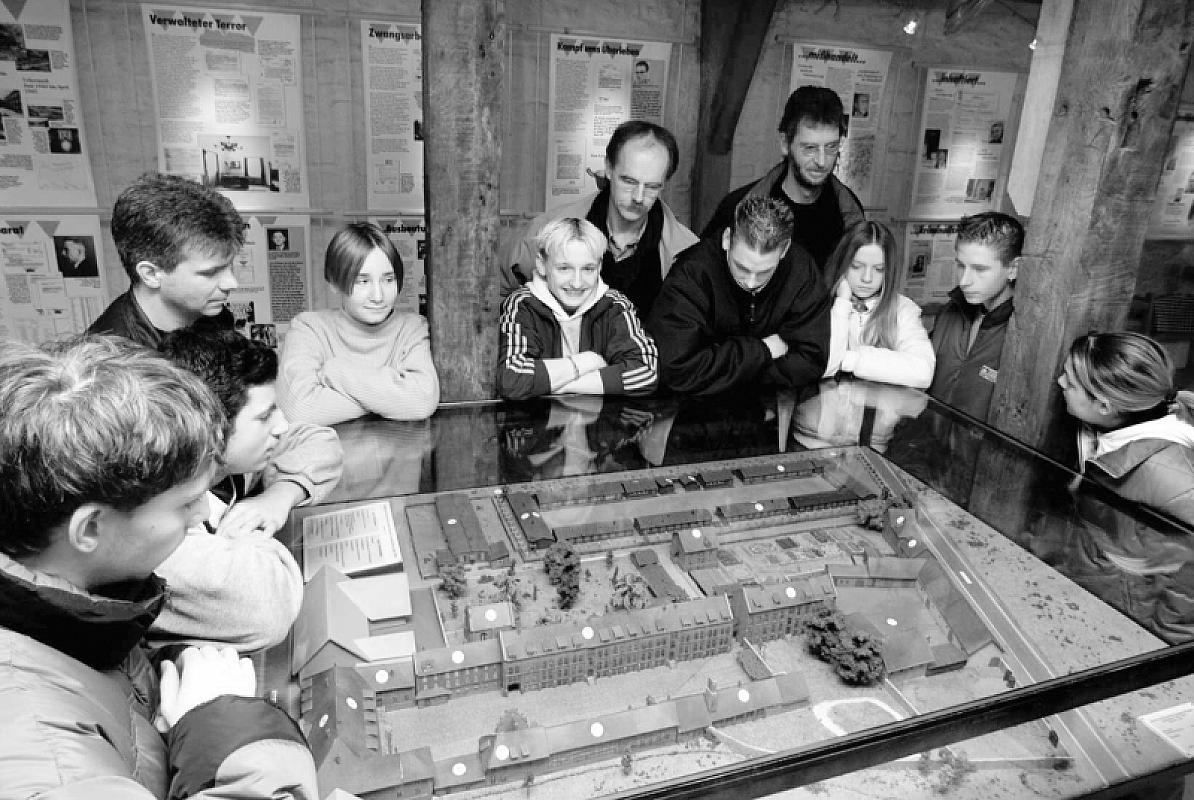
For many years, the Lieth School / Bad Fallingbostel School has played a leading role in honoring the memory of the victims. Since 2007, students of the school, together with other interested individuals, have regularly organized the »March of Remembrance« project on the Day of Repentance and Prayer. During the event, they walk the approximately 4-kilometer route that the prisoners of war were forced to take from the Bad Fallingbostel freight yard to the prisoner-of-war camp. They have also installed clay plaques at the cemetery bearing the names and dates of birth and death of individual victims. The names are read aloud during the memorial service.