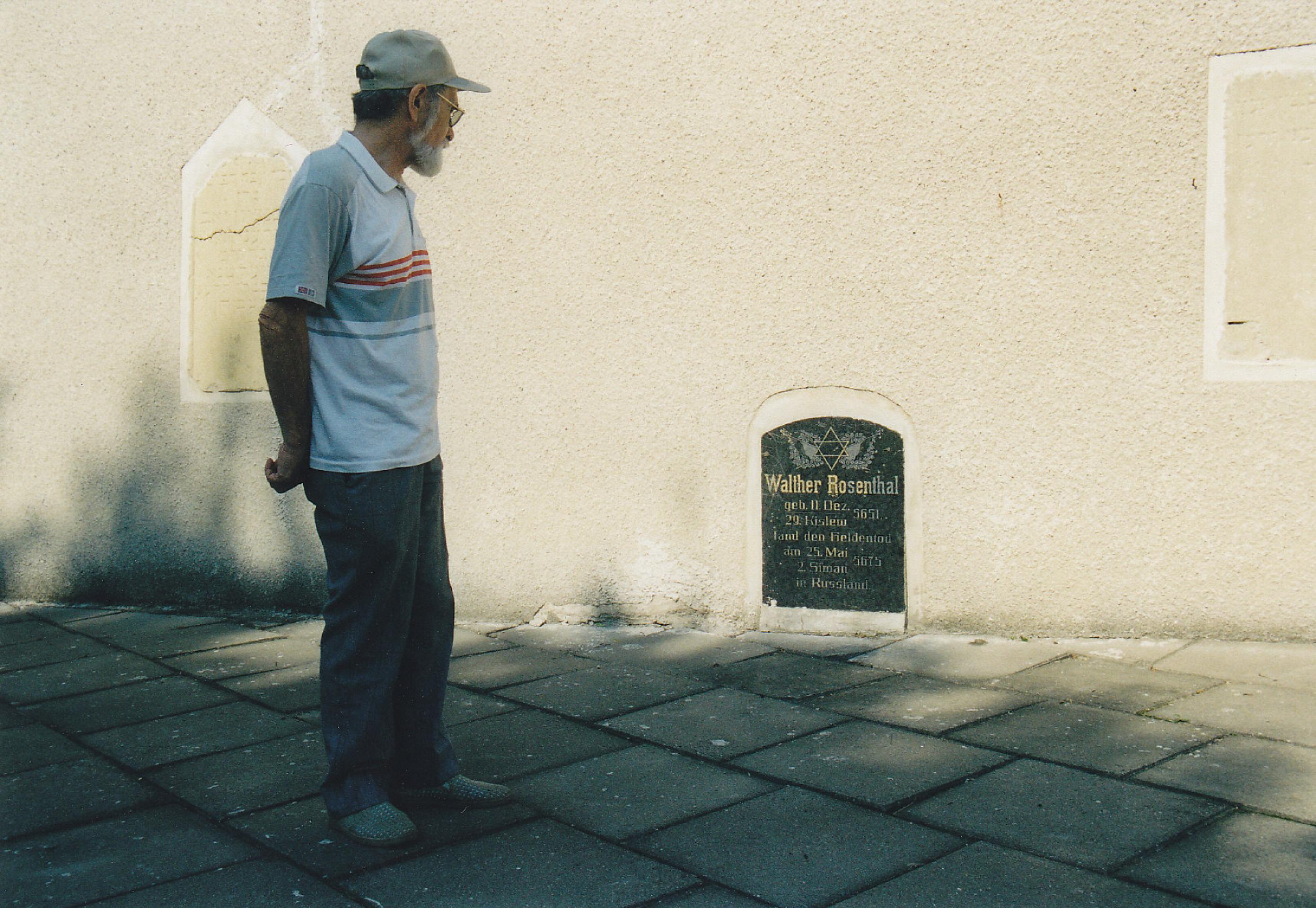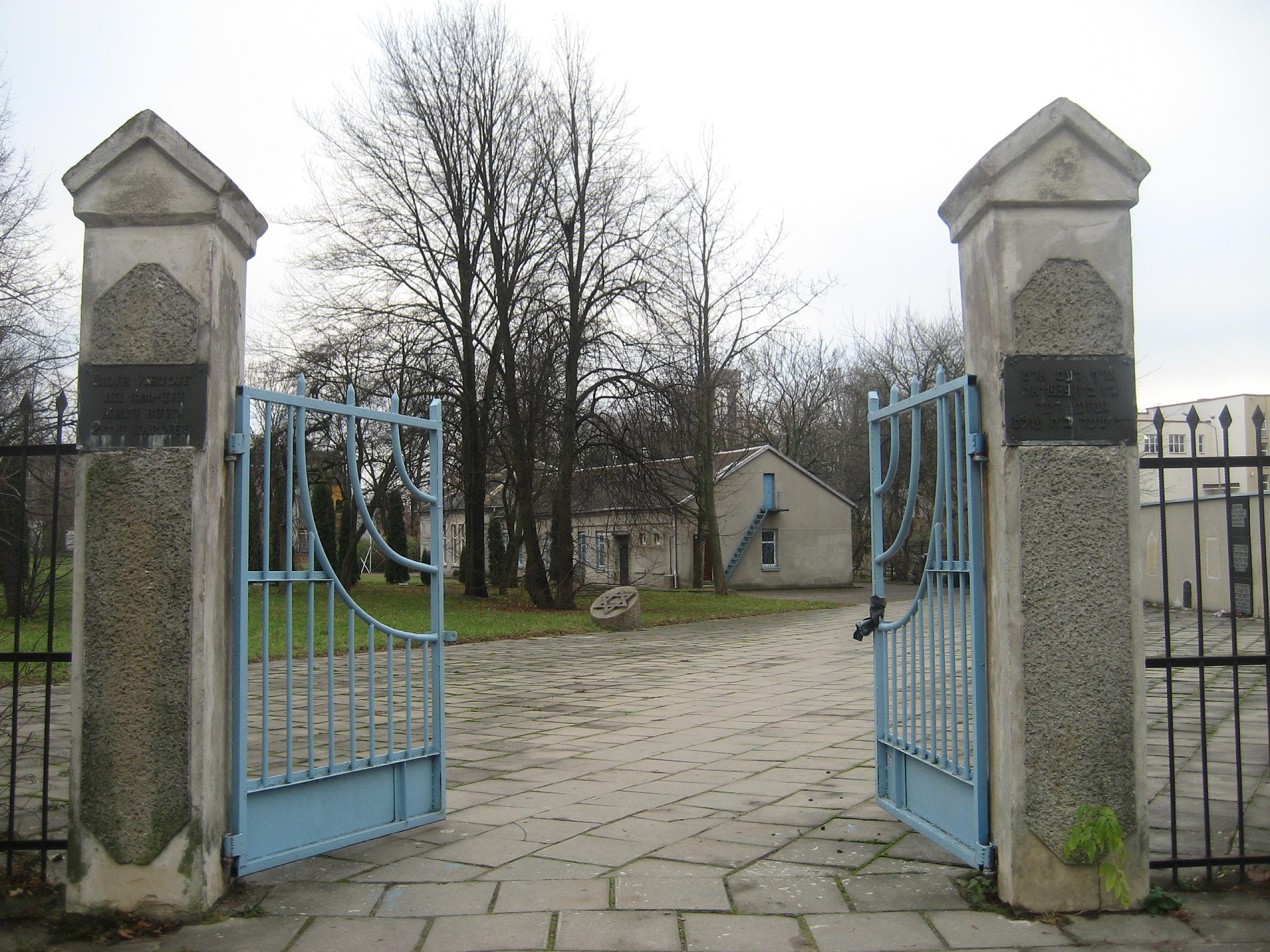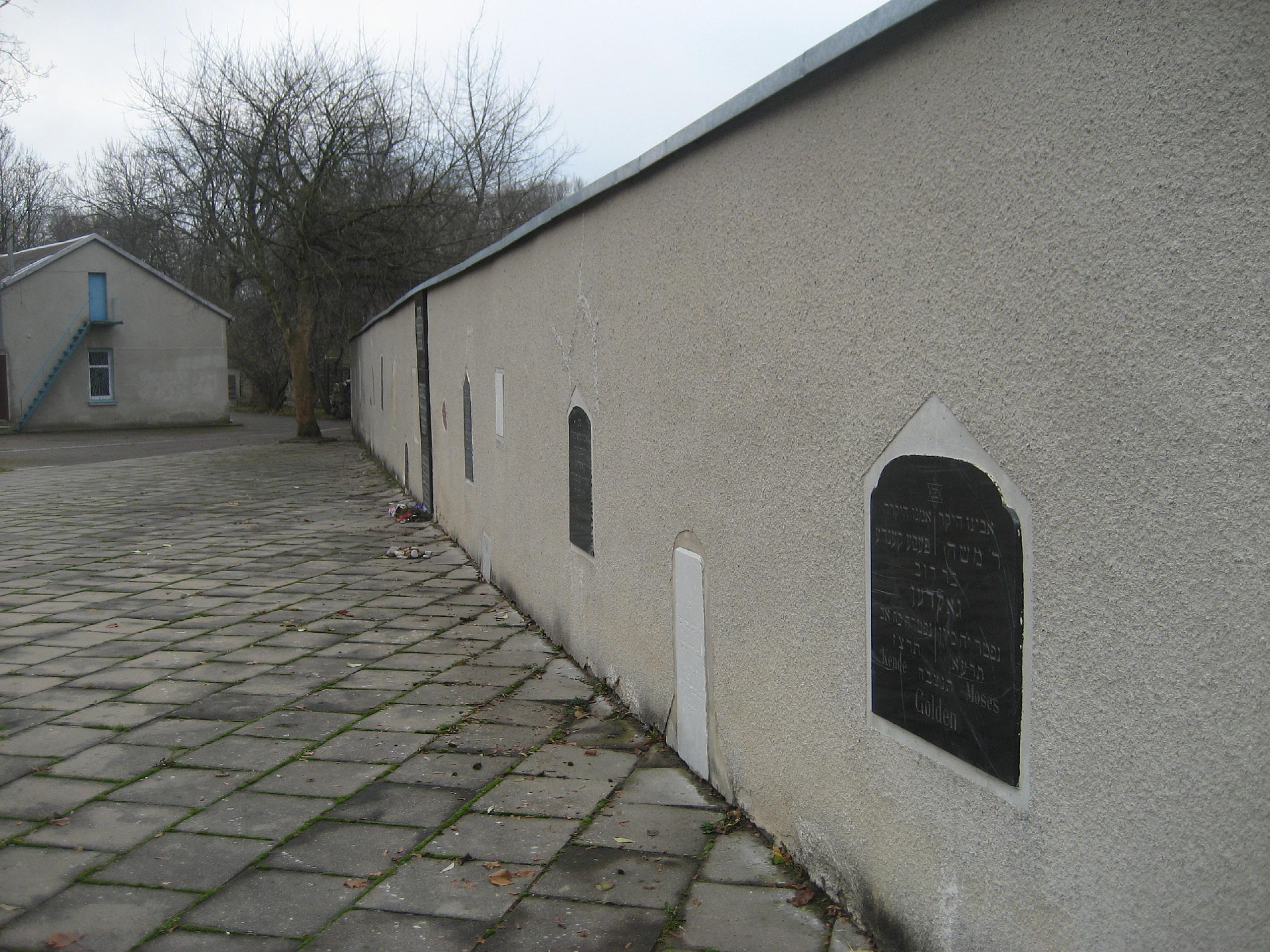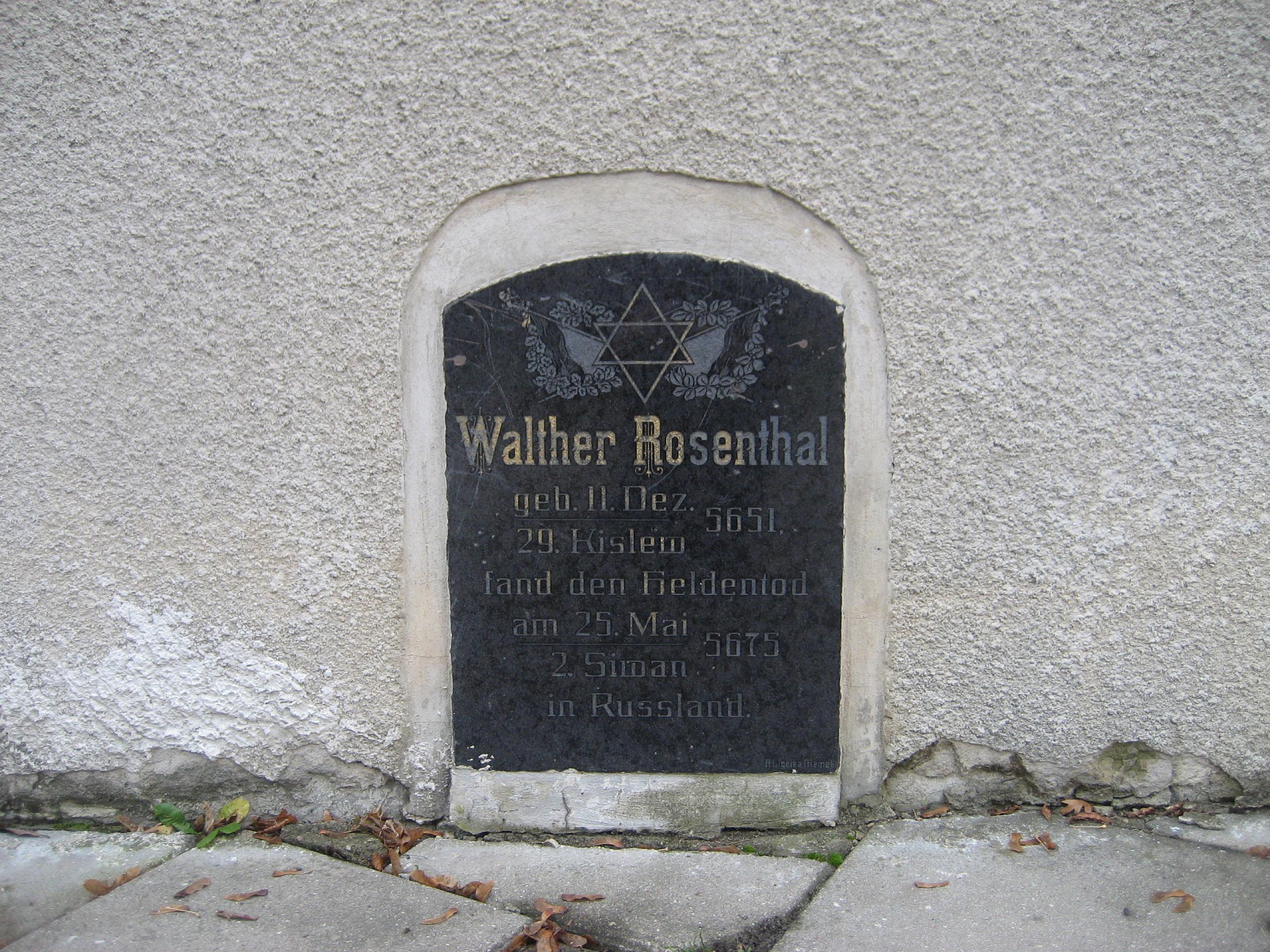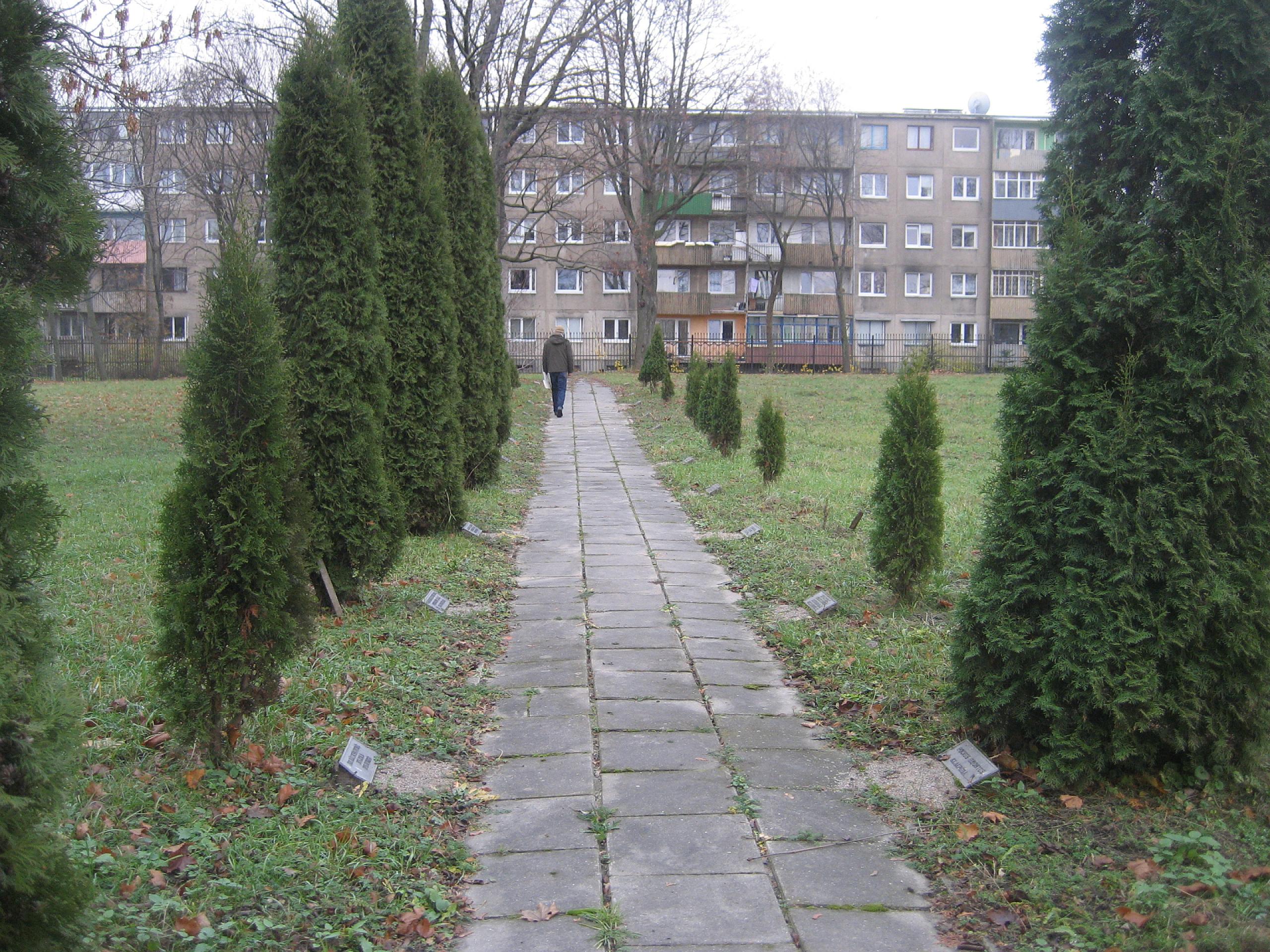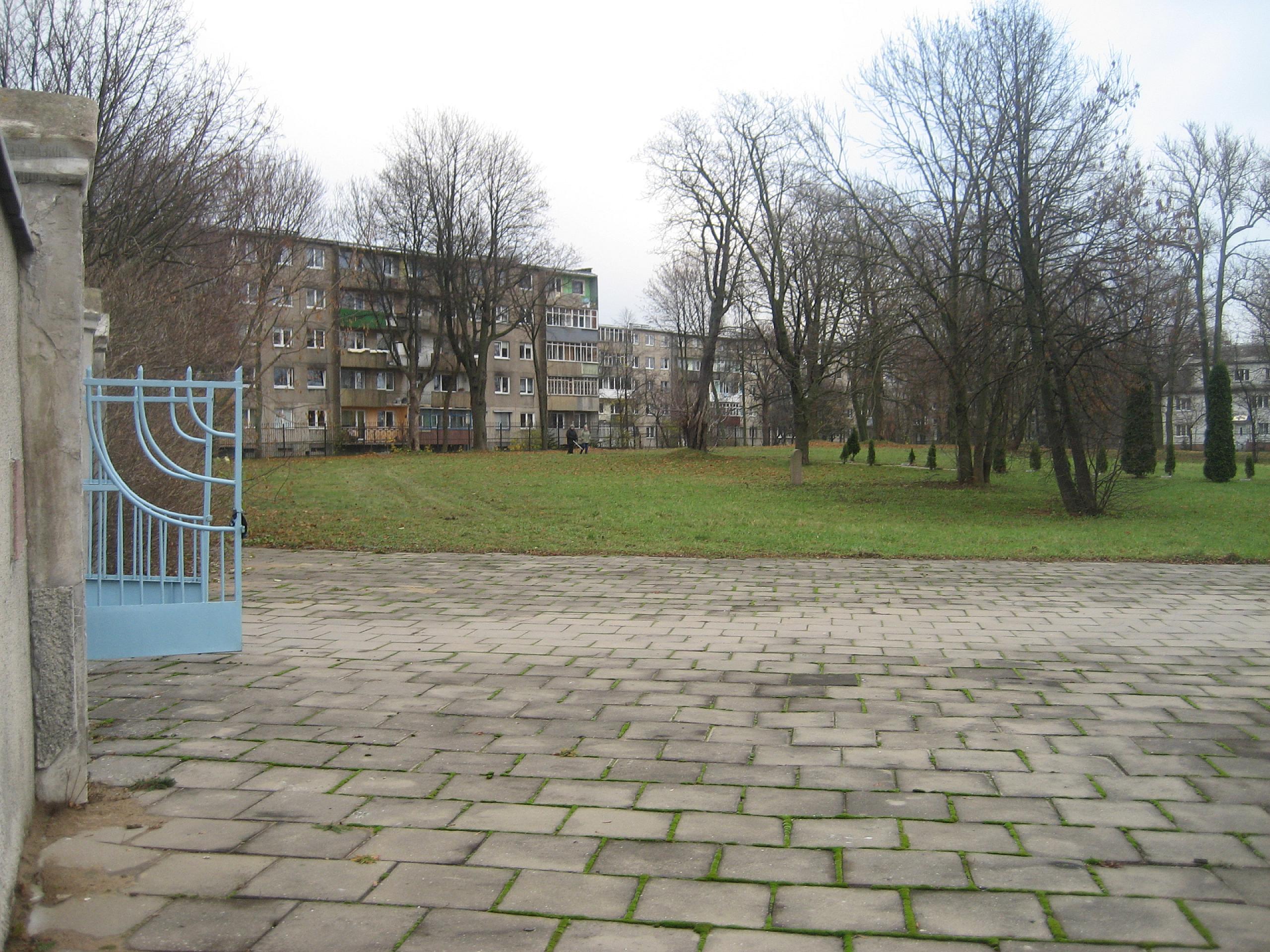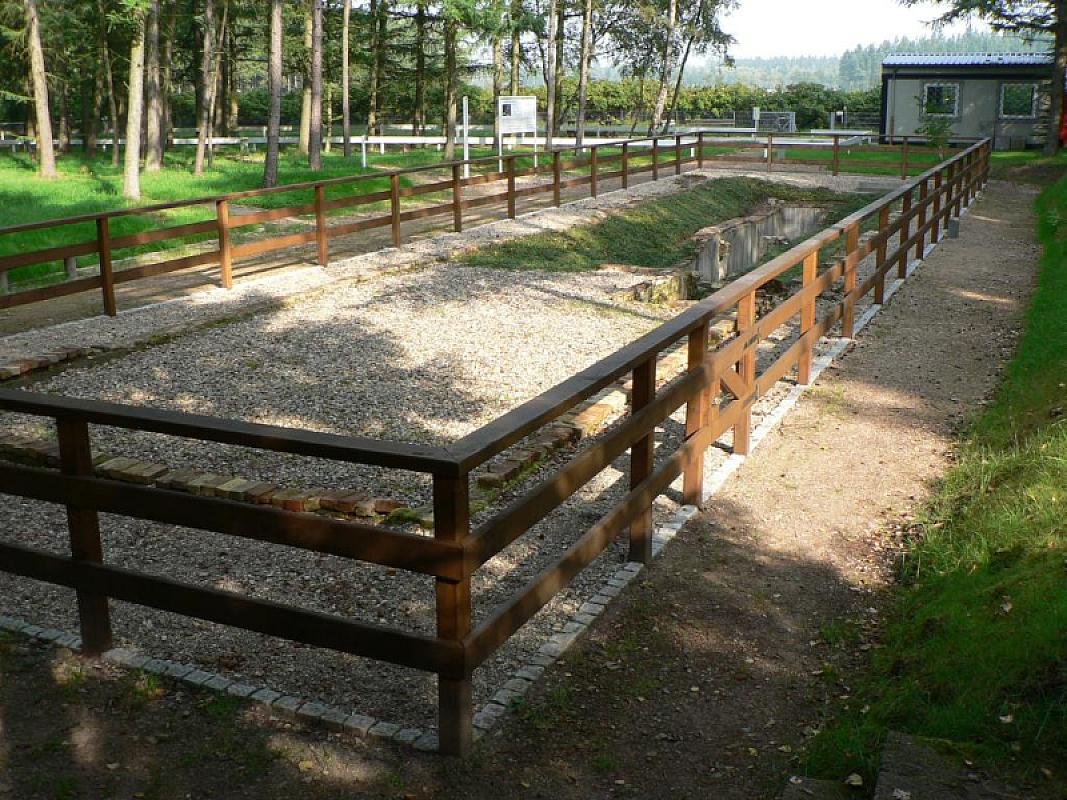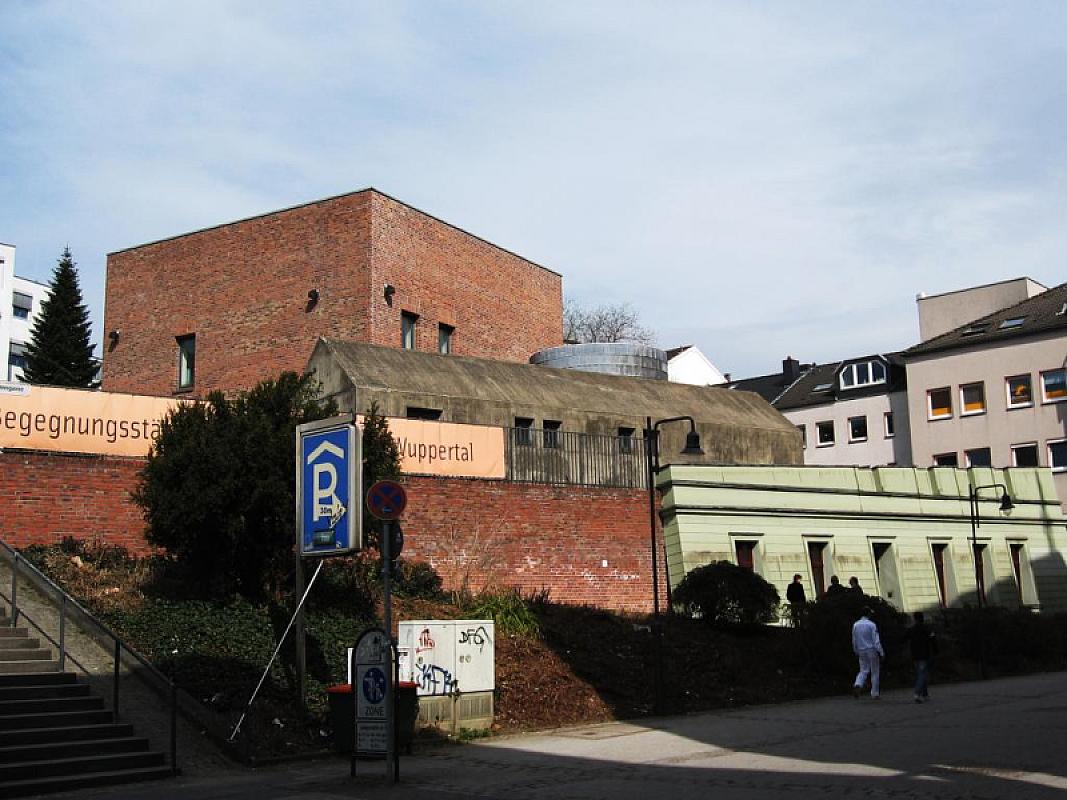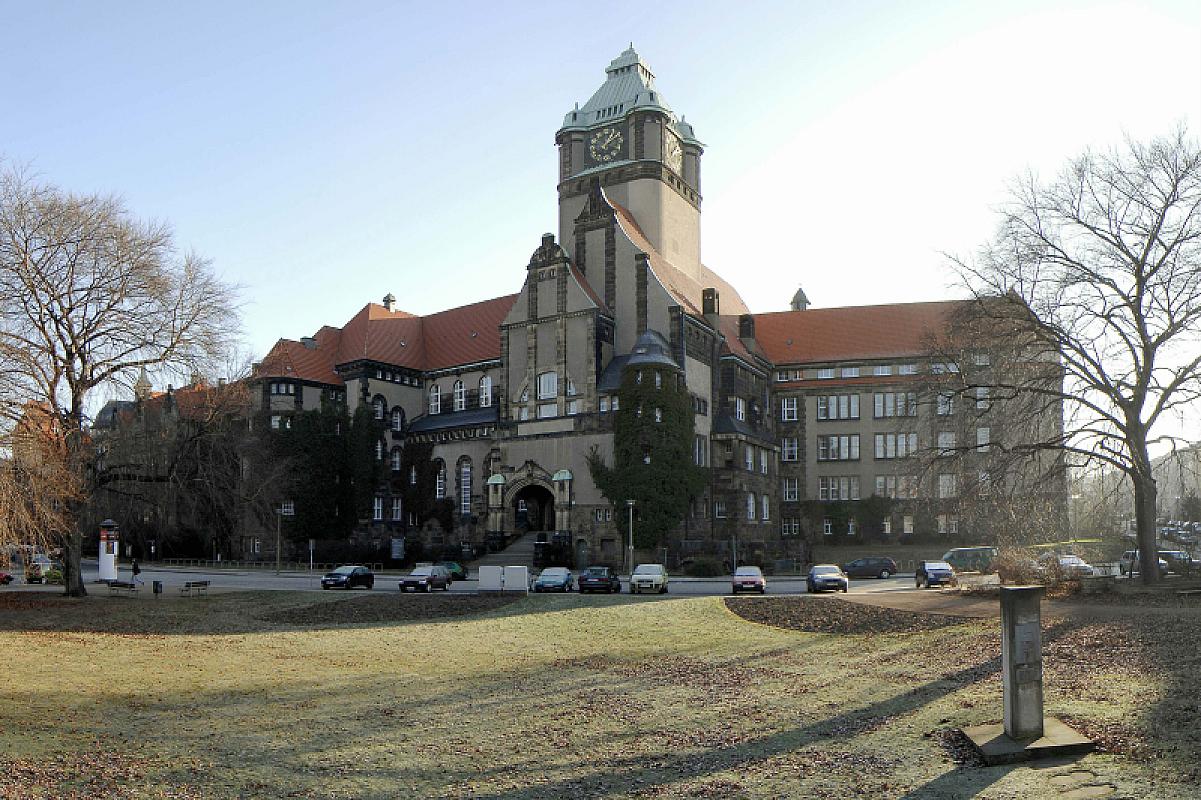
A memorial wall with grave stones on the old Jewish cemetery - originally established under Prussian-German rule - in the port city of Klaipėda commemorate the annihilation of the city's Jewish community under National Socialism and the destruction of the complex by the Soviets after 1945.
History
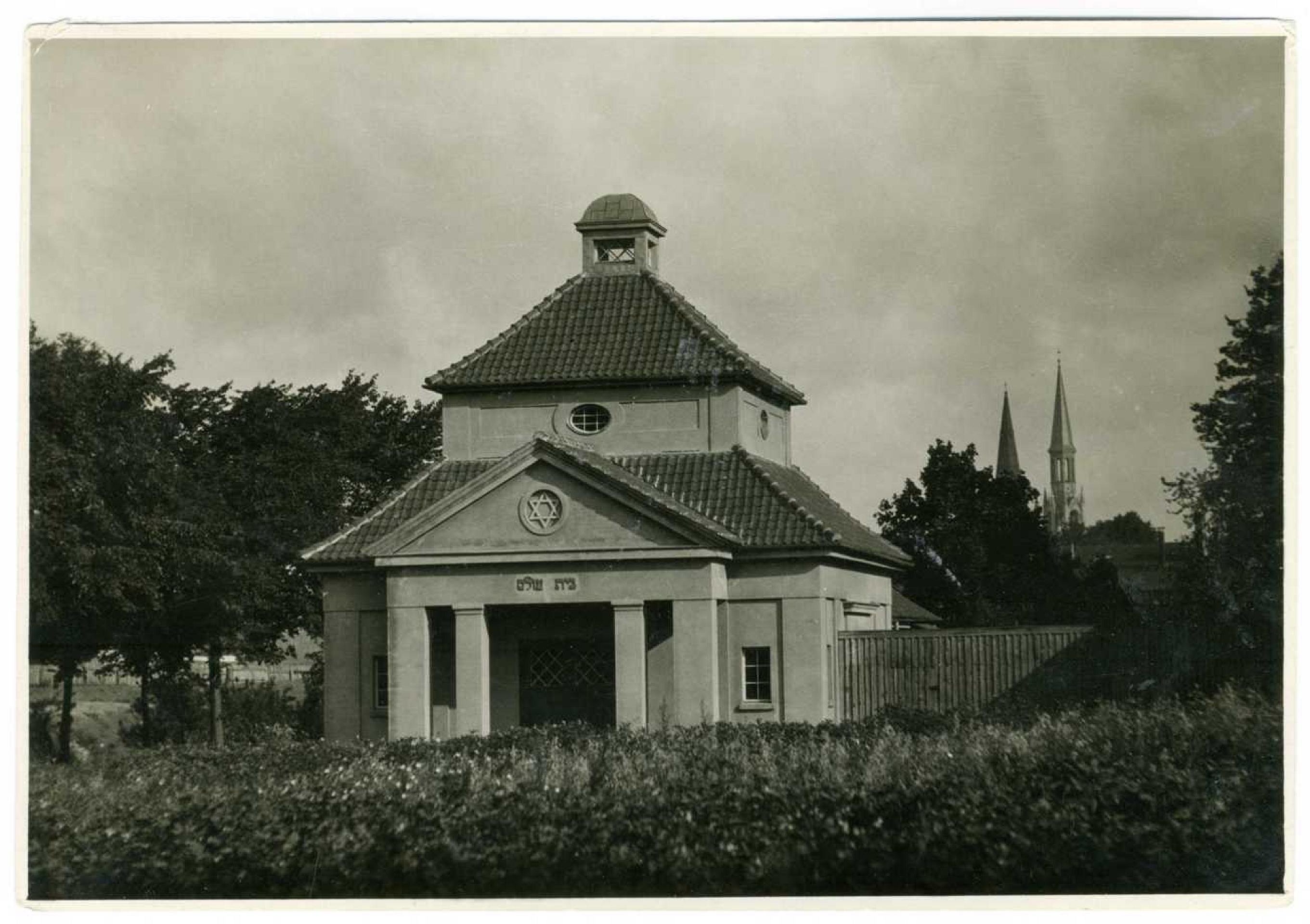
Klaipėda (German: Memel) was founded in 1252. It was the oldest city in East Prussia and the northernmost city in the German Reich. Jewish life began to blossom at the beginning of the 19th century, in part due to the immigration from neighbouring tsarist Russia. In 1910, the Jewish community had 900 members. When the Treaty of Versailles came into effect in January 1920, Memel and the Memel Territory (Klaipėdos kraštas) were separated from the German Reich. At first administered by France, the city was occupied by Lithuanian troops - after a feigned uprising by Lithuanian nationalists - on January 10, 1923. The annexation to the Republic of Lithuania was internationally recognised, and in effect the number of Jews in Klaipėda rose to 4,000 due to migration from other parts of the country. At the beginning of the 1930s, there were several synagogues in the city, a Jewish hospital and a Jewish school; a quarter of all businesses and factories was owned by Jews. The Jewish community of Klaipėda had a cemetery and mortuary in the former Wallstraße.
The rise of the National Socialists in Germany led to increased support for the German nationalist movement also in the Klaipėda Region. Under severe pressure by the government in Berlin, the Lithuanian authorities were forced to return the Klaipėda Region to the German Reich. Many Jews left the area in panic, heading mostly for Lithuania. Jewish property was devastated in Memel (Klaipėda) and the cemetery transferred to the German National Trust.
In October 1944, the authorities evacuated the all civilians due to the approaching Red Army; in early 1945, the Wehrmacht surrendered the city. Soviet troops took the city on January 19, 1945, and the Klaipėda Region was incorporated into the Lithuanian Soviet Republic; the practically empty and severely damaged city was settled anew. The new authorities destroyed the German cemeteries in the area; the Jewish cemetery of Klaipėda was levelled and a jamming station built on the site.
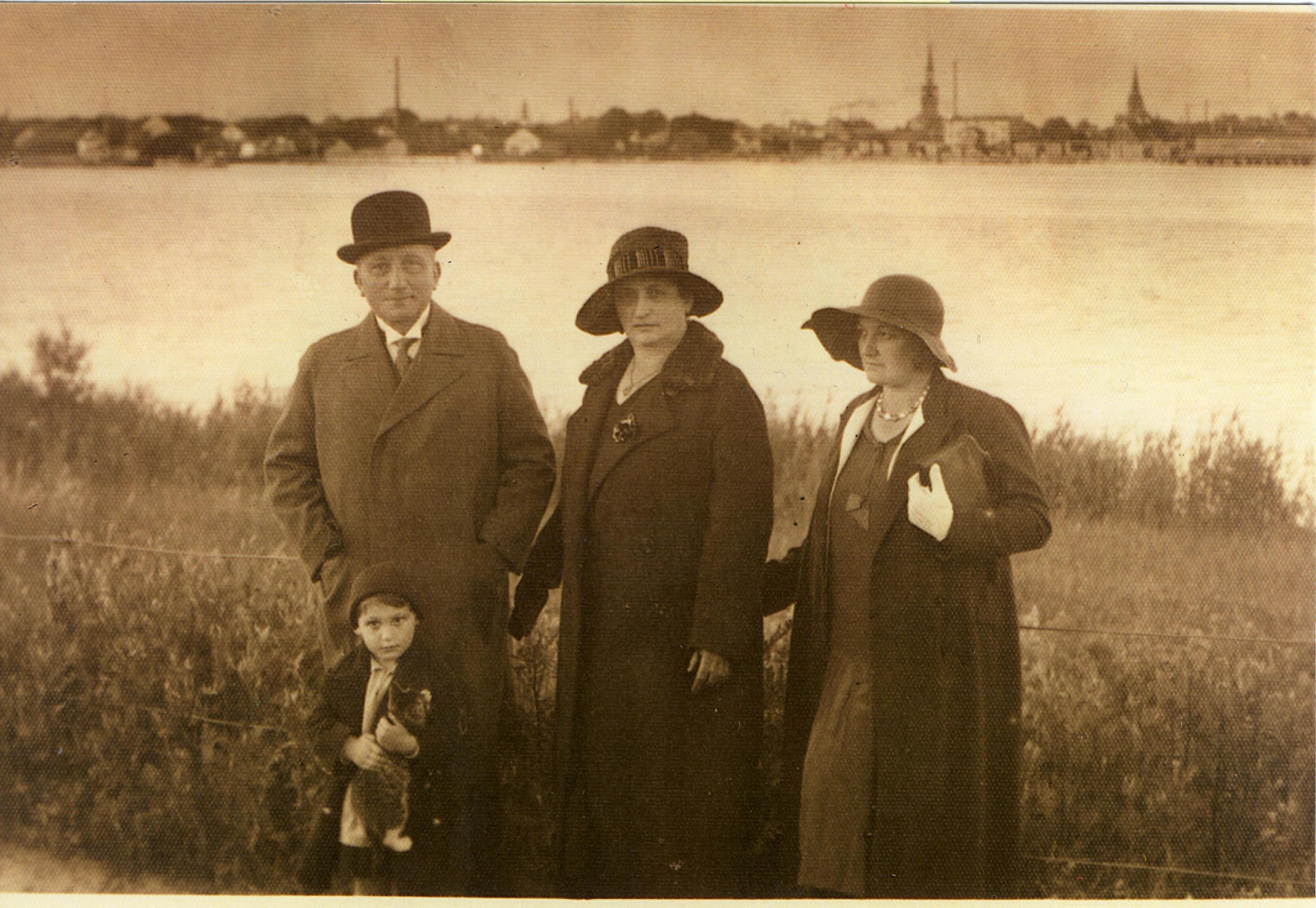
Victims
A memorial wall and a park complex on the old Jewish cemetery in Klaipėda honour the expelled, missing and murdered Jews of the German-Jewish community of Memel and commemorate the annihilation of Jewish communities in Lithuania under National Socialism; they also recall the destruction of graves and buildings by the Soviets after the end of the war.
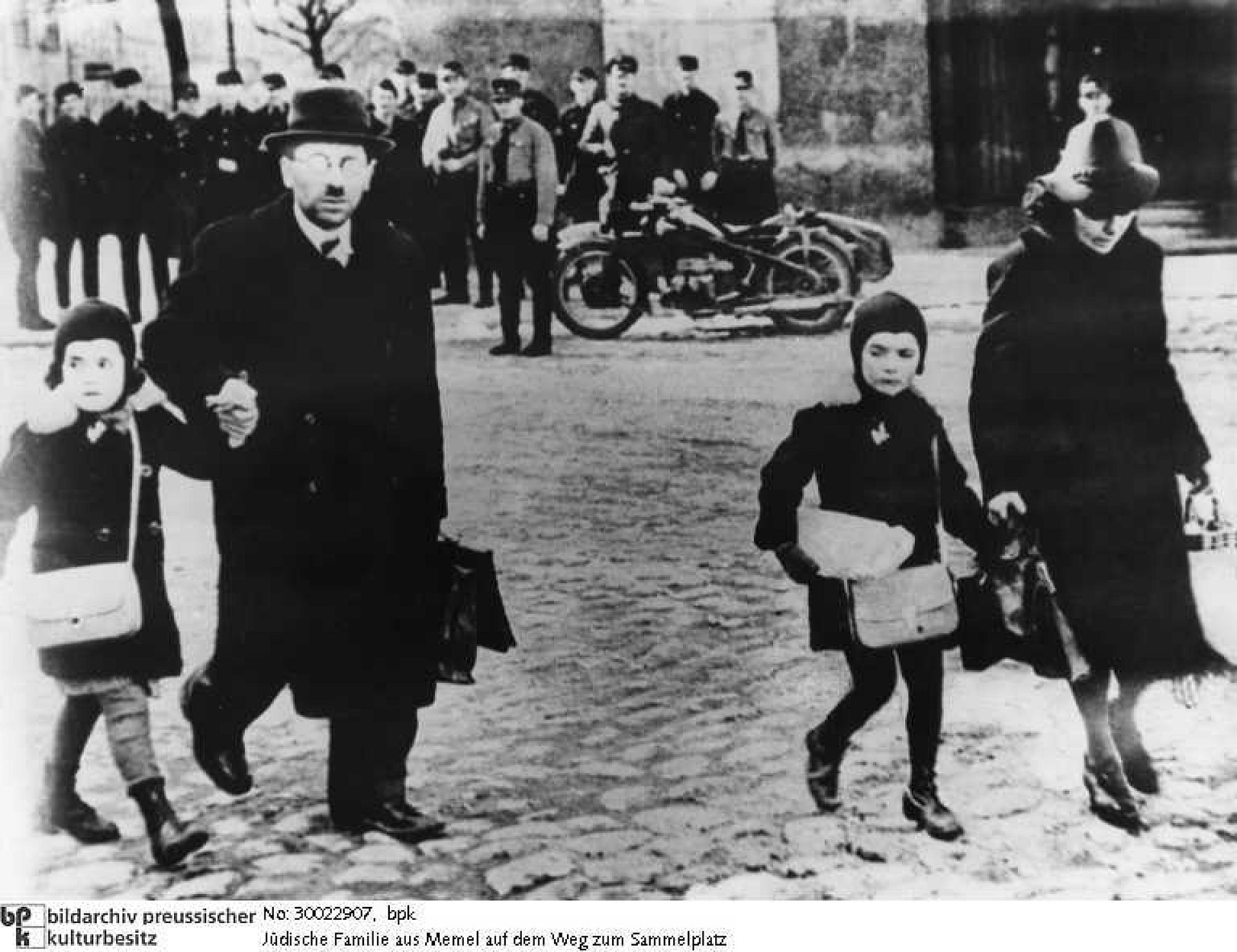
One of the photographic icons of the Holocaust was taken in Memel: It depicts print shop owner Aron Puhn with his wife Ella and their daughters Civa and Aviva fleeing from Memel, probably on March 23, 1939. In the background are grinning SA paramilitaries. The Puhn familiy escaped to the Lithuanian city of Šiauliai and later perished there.
Remembrance
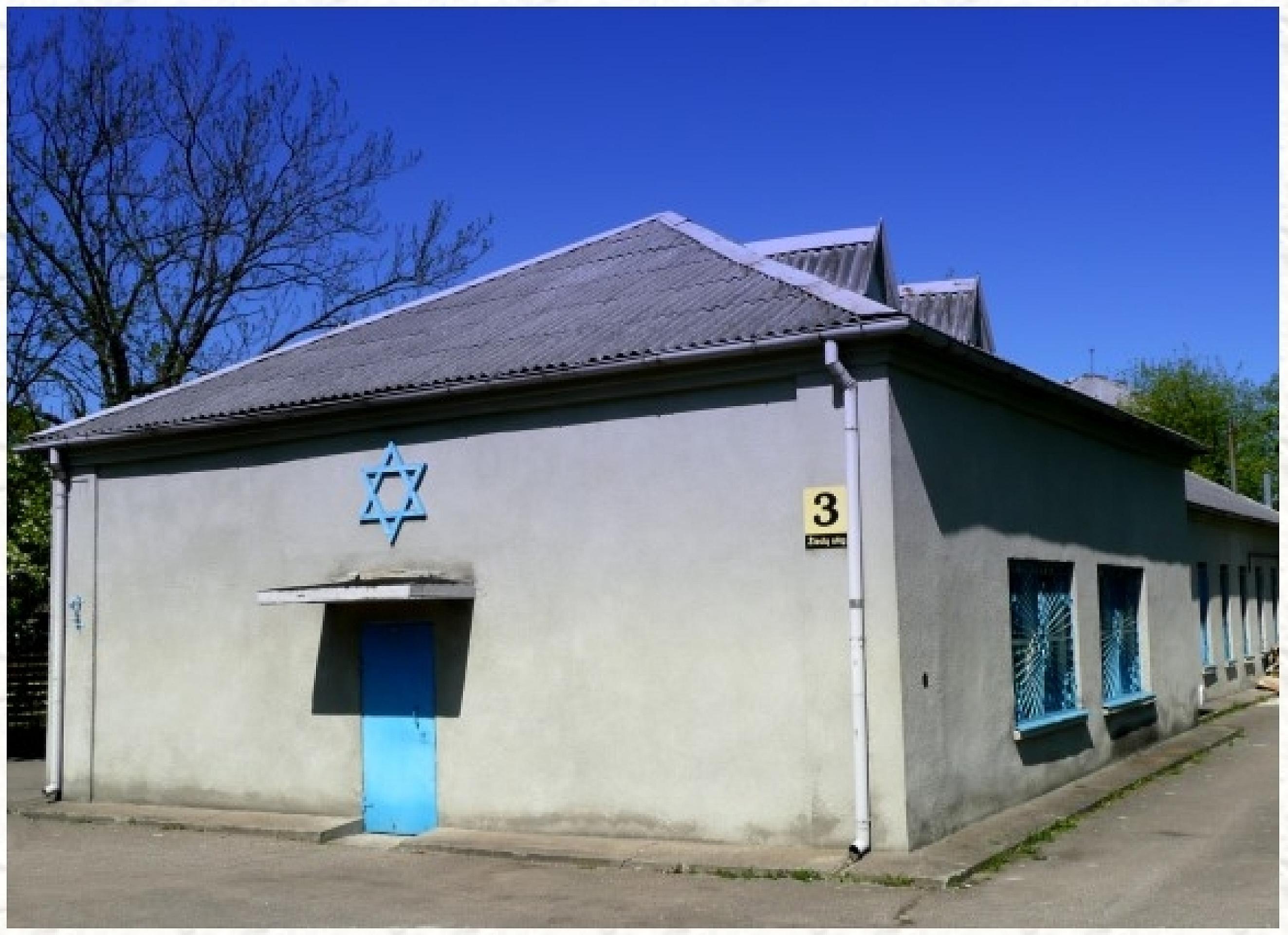
Klaipėda is today the third-largest city in Lithuania. In May 1989, still under Soviet rule, a small Jewish cultural association was founded on the initiative of Jakob Rikler. When Lithuania regained its independence, the old German-Jewish cemetery came under the care of this association. The area was henceforth remodelled as a park. The association has set up its community centre in the former administrative building of the jamming station - on the site where the mortuary once stood - which it uses for prayer and other religious ceremonies. Commemorative ceremonies are held annually.
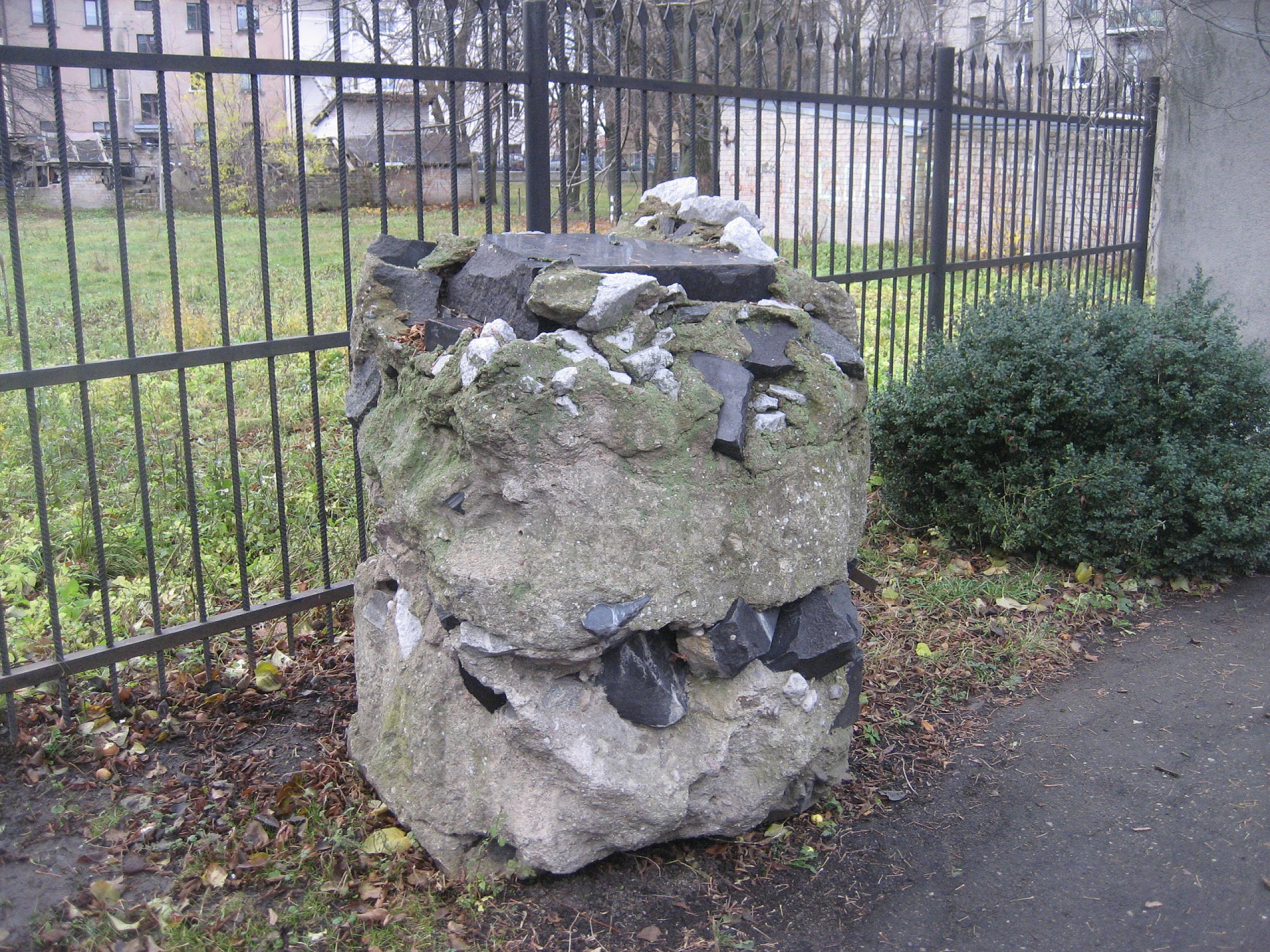
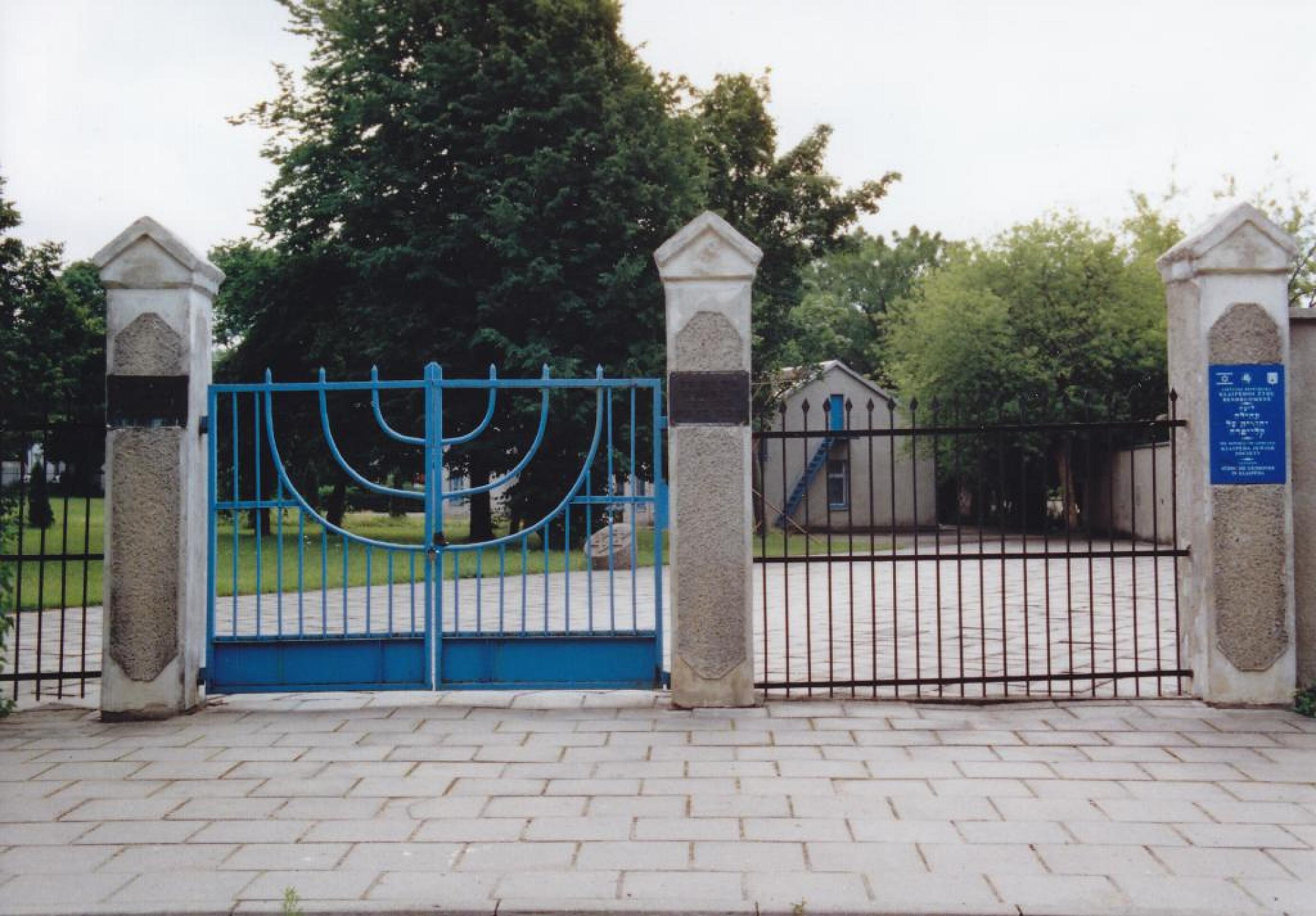
The memorial wall, which was erected in the 1990s, consists of flush-mounted German gravestones on which the inscriptions can still be read. The base of the jamming station mast with embedded grave slabs has also been preserved. On the premises, an avenue of trees has been planted for Lithuanian Righteous Among Nations who saved Jews during the Holocaust. Affixed at the entrance to the fenced-in complex is a memorial plaque with the following inscription in Lithuanian, Hebrew and English: »Located on these premises until 1939 was a Jewish cemetery.«
Open
The cemetery is accessible at all times.
Contact
lavana@takas.lt
+37 (0)46 493 758
Žiedų skersgatvis 3
91227 Klaipėda