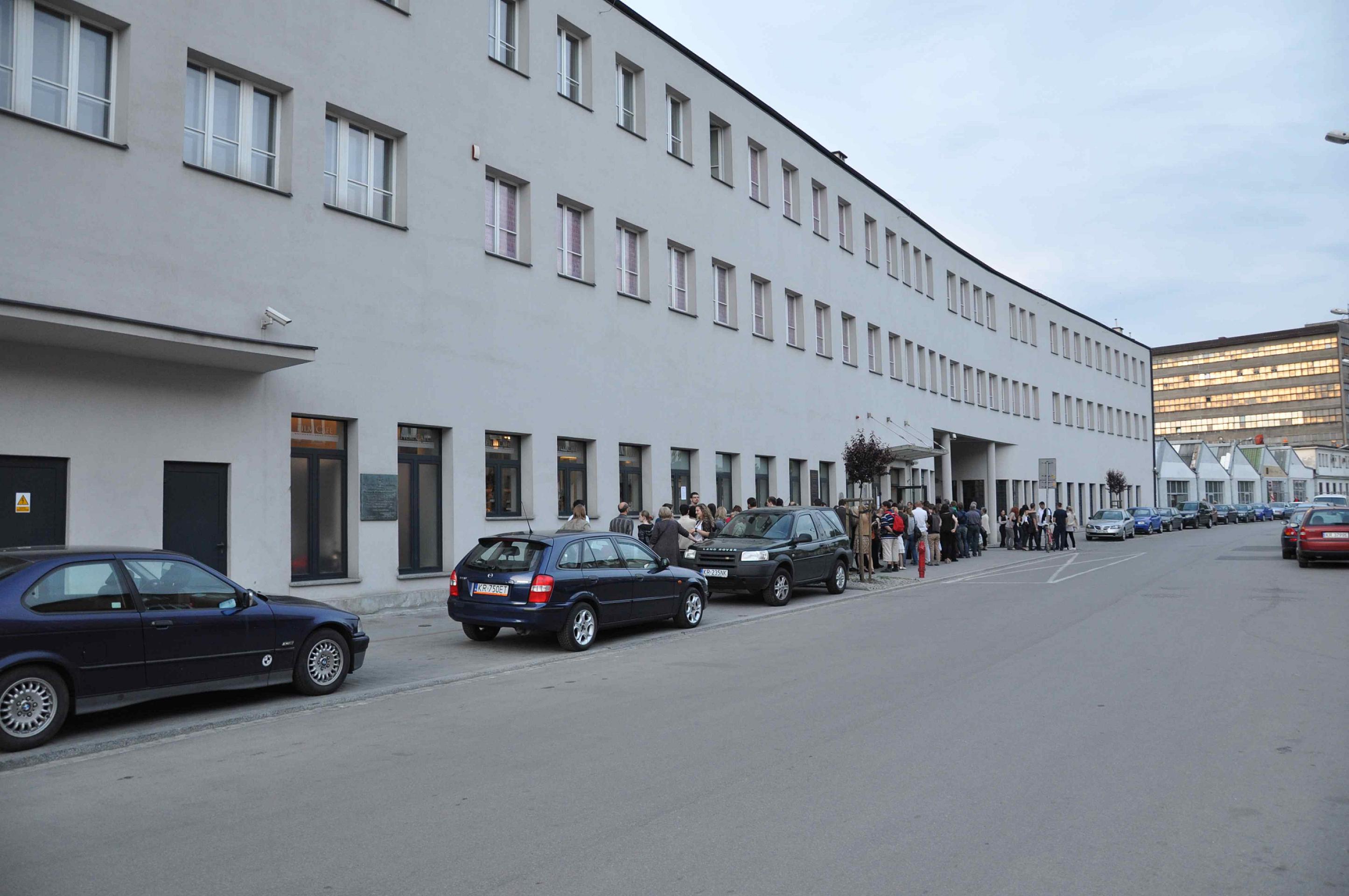
The museum »Oskar Schindler's Enamel Factory«, short Schindler's factory, opened in 2010 and provides information on the time of the German occupation of Cracow 1939-1945 as well as on the saving of more than 1,000 Jews by the entrepreneur Oskar Schindler (1908–1974).
History
Until 1596 Cracow (Polish: Kraków) was the capital of the Kingdom of Poland. Jews lived there since the 12th century. In addition many Jews lived in the town of Kazimierz which was incorporated into Cracow in 1867. At that time Cracow was part of Austria-Hungary but was considered to be the centre of the Polish independence movement. In 1918, Cracow became part of the independent Polish Republic.
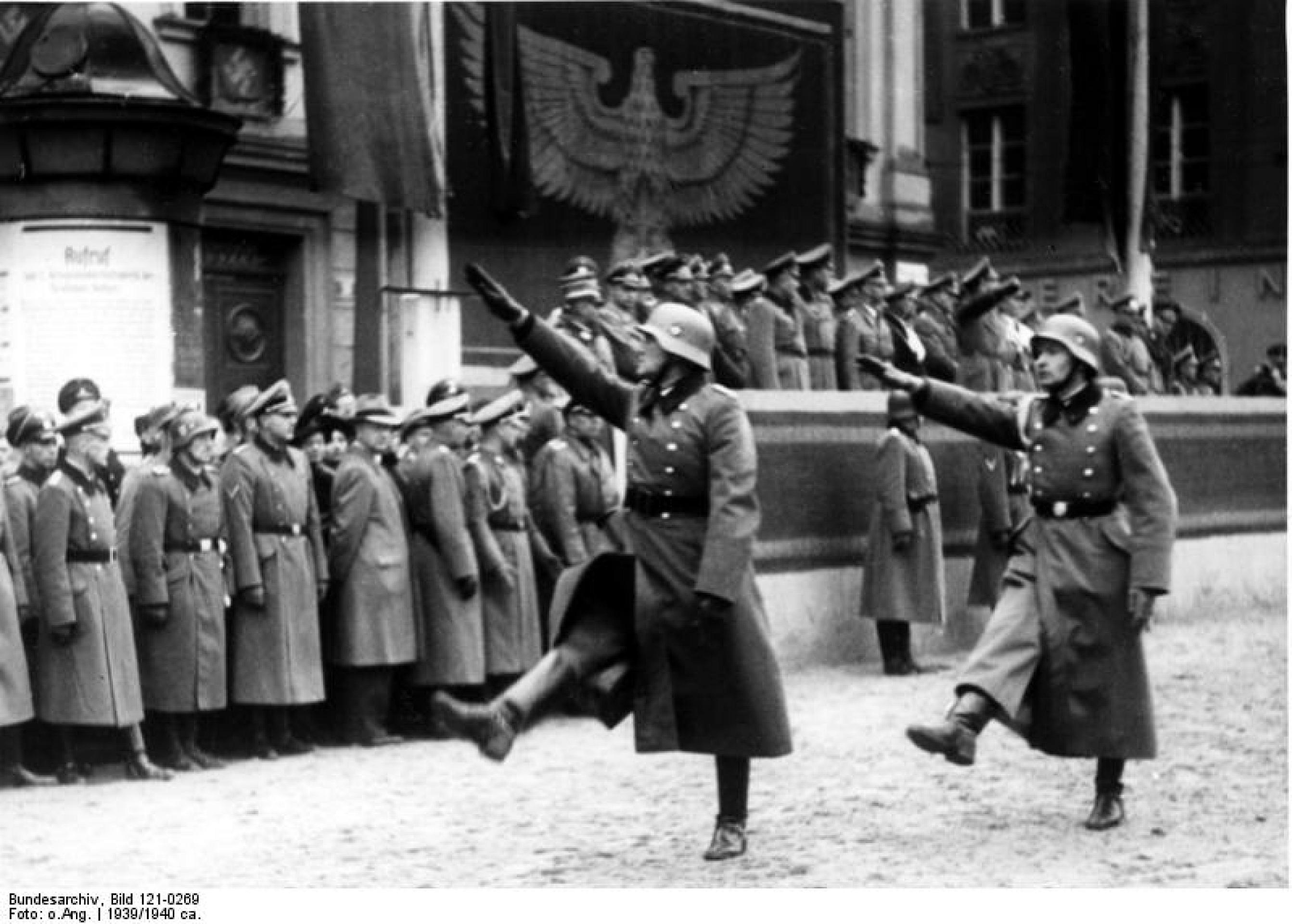
After the German attack on Poland Cracow was occupied on September 6, 1939. In October the occupants installed the General Government (German: Generalgouvernement) in central Poland, practically a colony of the Third Reich, iand chose Cracow instead of Warsaw as its capital. Governor-General Hans Frank set up his headquarters in the Wawel complex, once the royal castle.
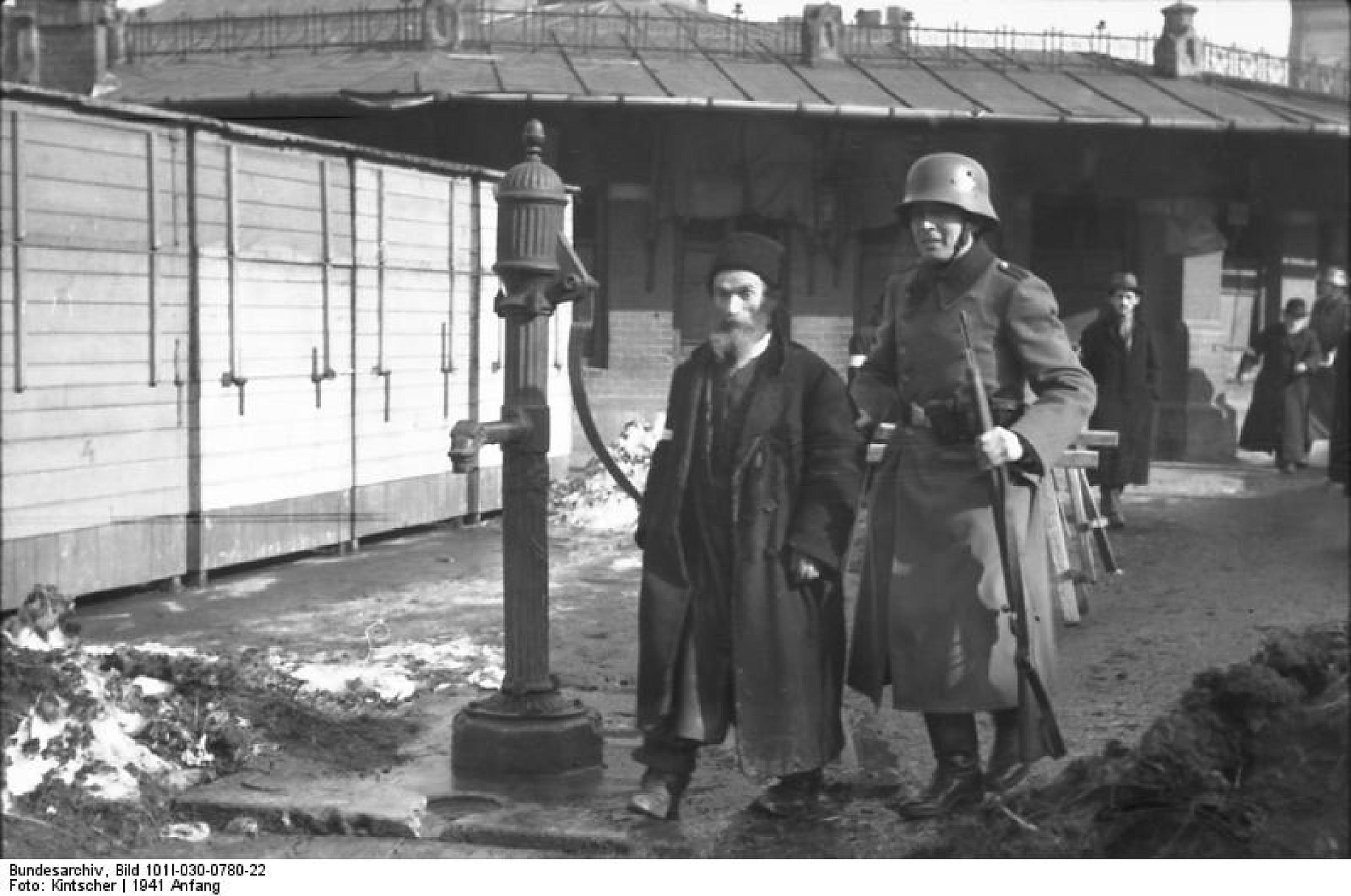
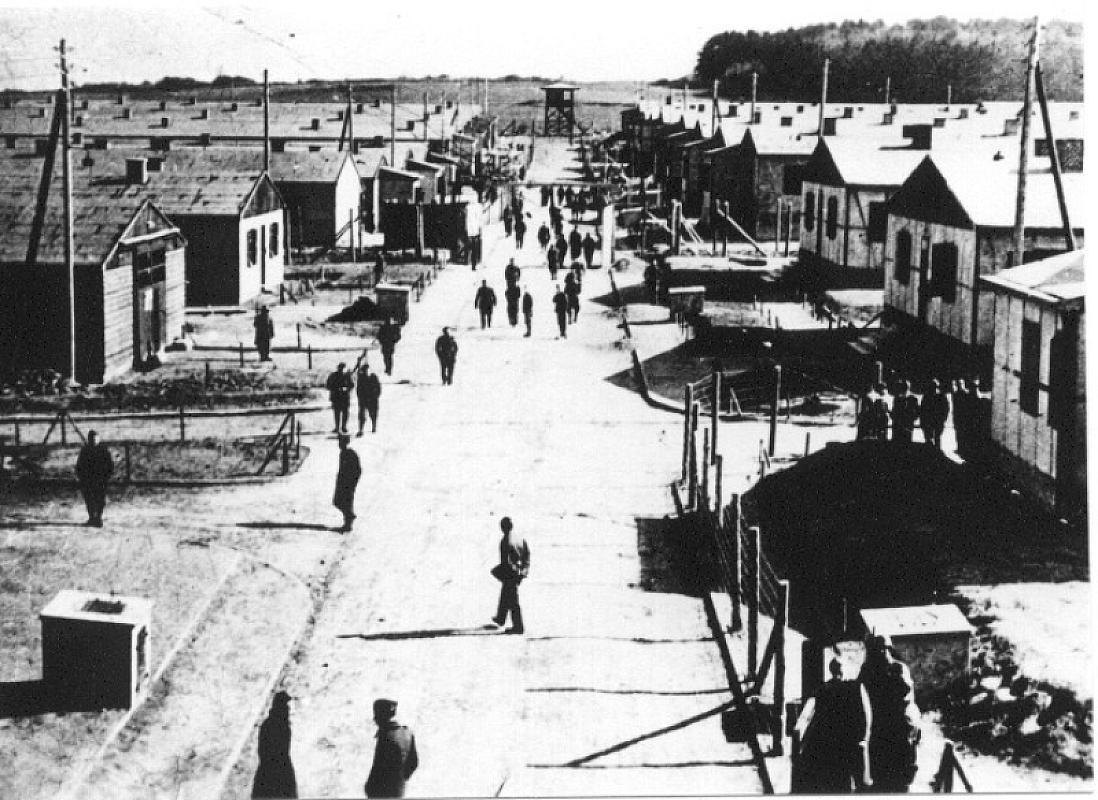
From the start Jews were persecuted. Of the approximately 60,000 Jews of Cracow Frank expelled about 43,000 in 1940. In March of 1941 the Jews had to move to a ghetto in the borough of Podgórze. The living conditions there were catastrophic. In 1942 the SS murdered more than 10,000 Jews from the ghetto in the Bełżec extermination camp with poison gas during various »Aktionen«. In March 1943 the ghetto was liquidated: part of its population was murdered by the SS in Auschwitz, those fit for work were deported to the nearby concentration camp of Płaszów.
The entrepreneur Oskar Schindler came to Cracow in 1939 and bought an enamel factory. There he employed Jewish forced labourers but treated them humane. On the site of the factory he arranged for the construction of a satellite camp of the Płaszów concentration camp. With tricks and bribery he managed to save several hundred Jews. When in 1944 it became clear that all the remaining Jews of Cracow were to be murdered, Schindler moved his factory to Brünnlitz (Czech: Brněnec) in Bohemia. To save as many lives as possible he entered many false data into the transport list. Thus more than 1,100 escaped death, among them elderly and children.
Victims
During the war Cracow was by and large spared from combat operations but the loss of human life was nevertheless enormous. Hans Frank established a murderous terror regime. Cracow was to become a German city, for that Poles were to be suppressed and exploited and Jews were destined to be annihilated. Almost all of the 60,000 Jews of Cracow were murdered by the German occupants, thousands of Poles, particularly members of the elite were executed or transferred to concentration camps. As early as November 1939 Frank had 183 professors of Cracow arrested and deported to the concentration camps of Sachsenhausen and Dachau. Also the loss of property in Cracow was very high, many of the looted cultural assets remain lost to the present.
In the autumn of 1944 Oskar Schindler managed to put 801 men and 297 women on his list and to transfer them to Brünnlitz (Czech: Brněnec). They were liberated there by the Red Army in May 1945.
Remembrance
After the war the Jews saved by Oskar Schindler supported the public recognition of Oskar Schindler as a lifesaver. In 1962 Schindler was honoured in the Jerusalem memorial Yad Vashem while in Germany he remained largely unknown and had financial difficulties. After his death in 1974 he was buried in Israel. In 1993 the story of the saving of the »Schindler Jews« became famous worldwide thanks to Steven Spielberg's film »Schindler's List«. The film triggered a tourism boom to Cracow: Since then hundreds of thousands of visitors want to discover the traces of Jewish life in Cracow each year, especially in the borough of Kazimierz.
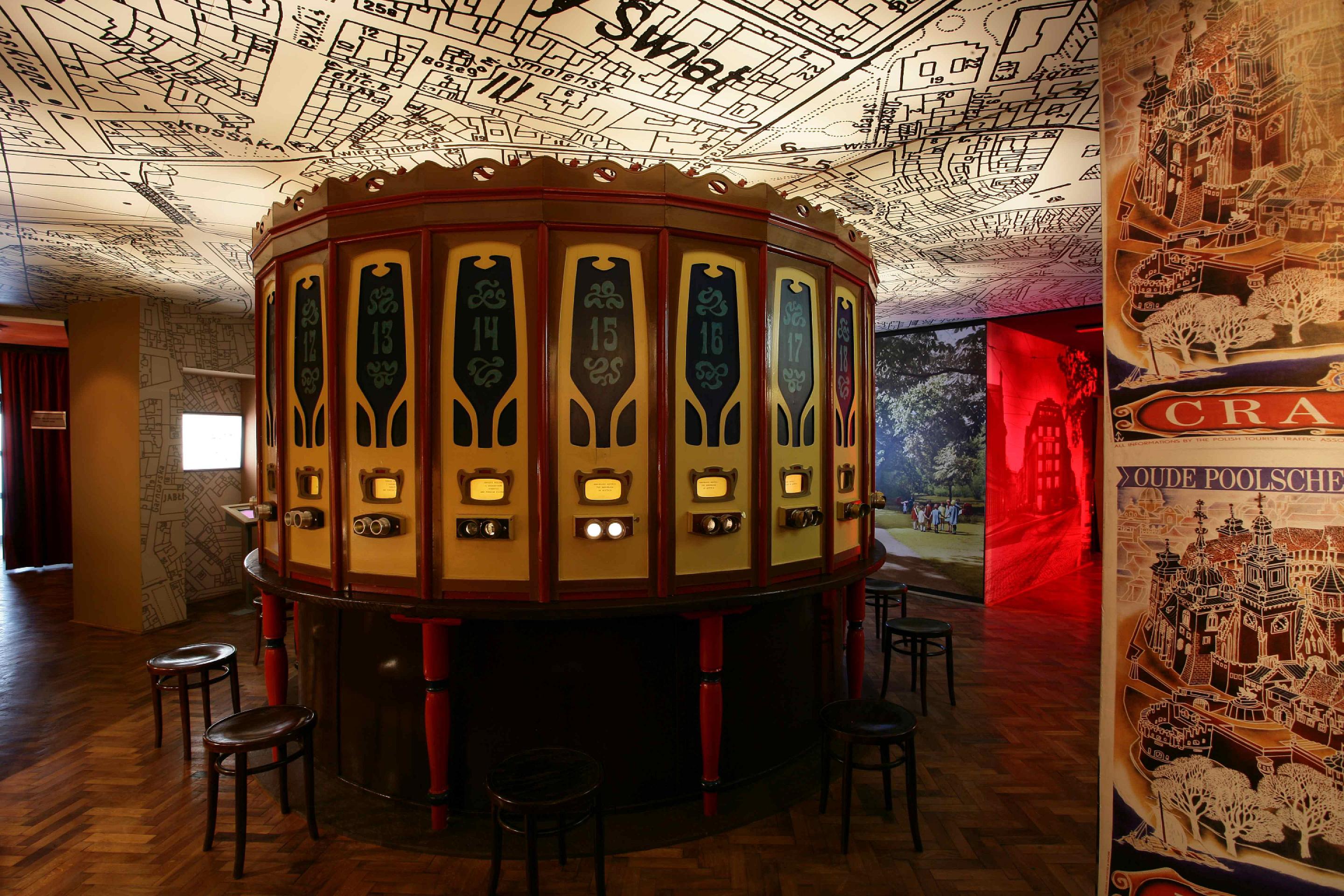
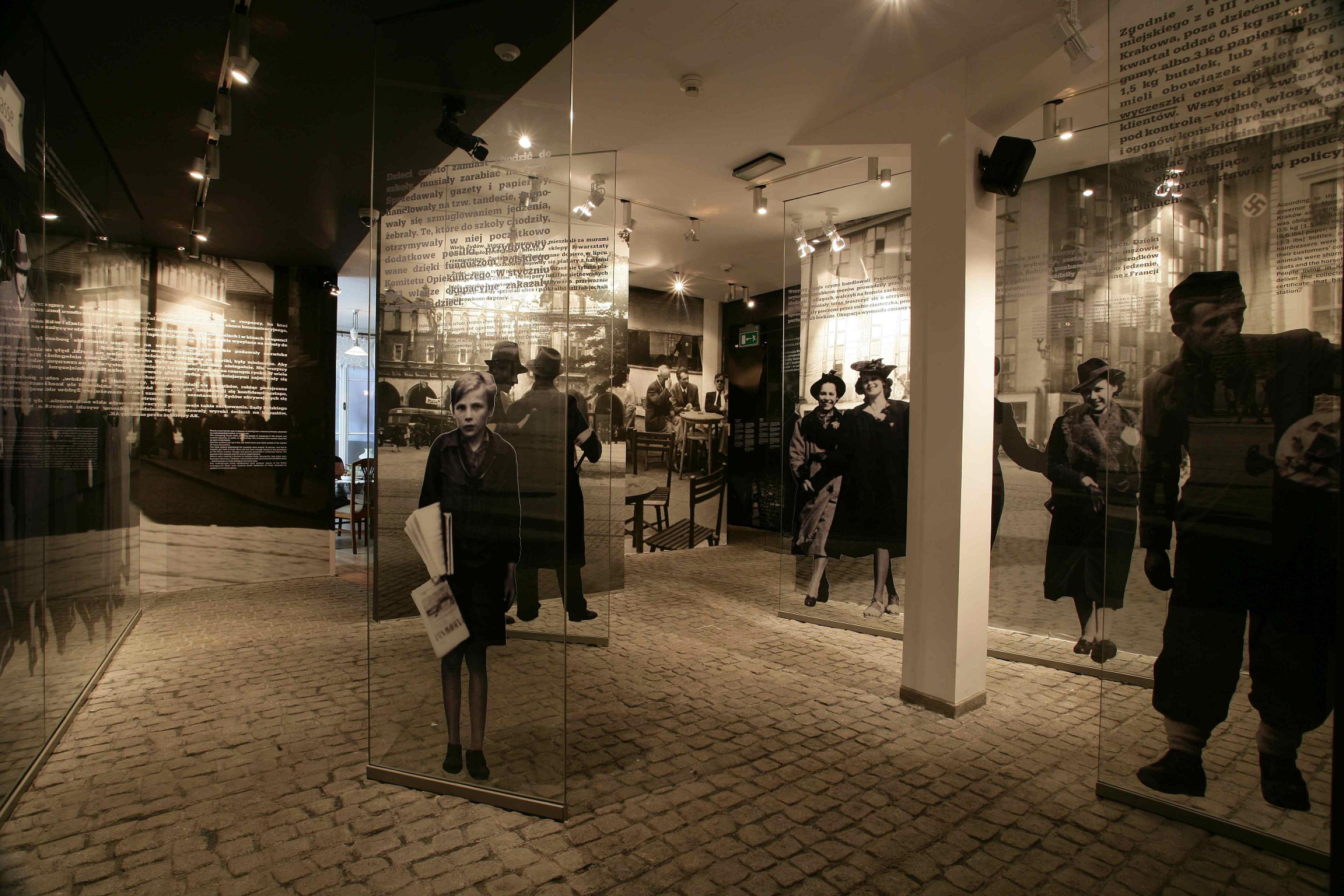
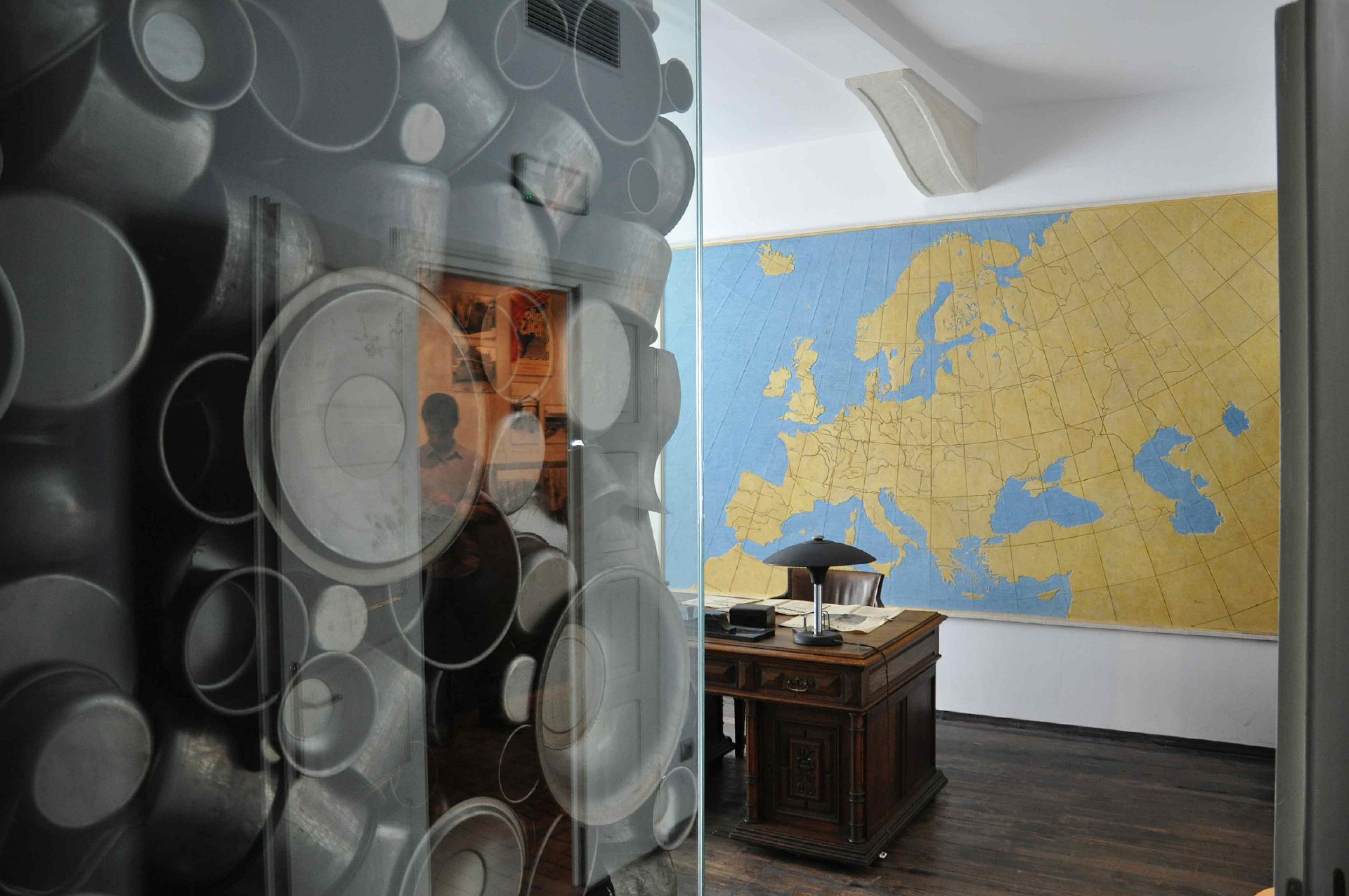
In 2005 the city of Cracow purchased the site of the former enamel factory of Oskar Schindler. The three-storey administration building in the borough of Podgórze survived, unlike the satellite camp. In 2010 the museum »Oskar Schindler's Enamel Factory« opened, a branch of the Historical Museum of the City of Cracow. The interactive multimedia permanent exhibition does not mainly address the story of Oskar Schindler but the German occupation of Cracow 1939-1945 in general. The visitors get an impression of everyday life during the war, including that of the Polish population as well as that of the Jews locked into the ghetto. Among the further subjects of the exhibition are the Polish resistance movement, the Płaszów concentration camp and the city's liberation in January 1945.
Possibilities
Permanent exhibition, special exhibitions, guided tours for groups and individuals, thematic guided tours and walks, readings, workshops
Open
November to March: Monday 10a.m. to 2 p.m., Tuesday to Sunday 10 a.m. to 6 p.m.;
April to October: Monday 10 a.m. to 4 p.m. (first Monday of the month to 2 p.m.), Tuesday to Sunday 9 a.m. to 8 p.m.
Contact
https://muzeumkrakowa.pl/oddzialy/fabryka-emalia-oskara-schindlera
fabrykaschindlera@muzeumkrakowa.pl
+48 (0)12 257 00 96
ul. Lipowa 4
30-702 Kraków