Skip to content

»Passages« – An Homage to Walter Benjamin

»Passages« – El Memorial Walter Benjamin a Portbou


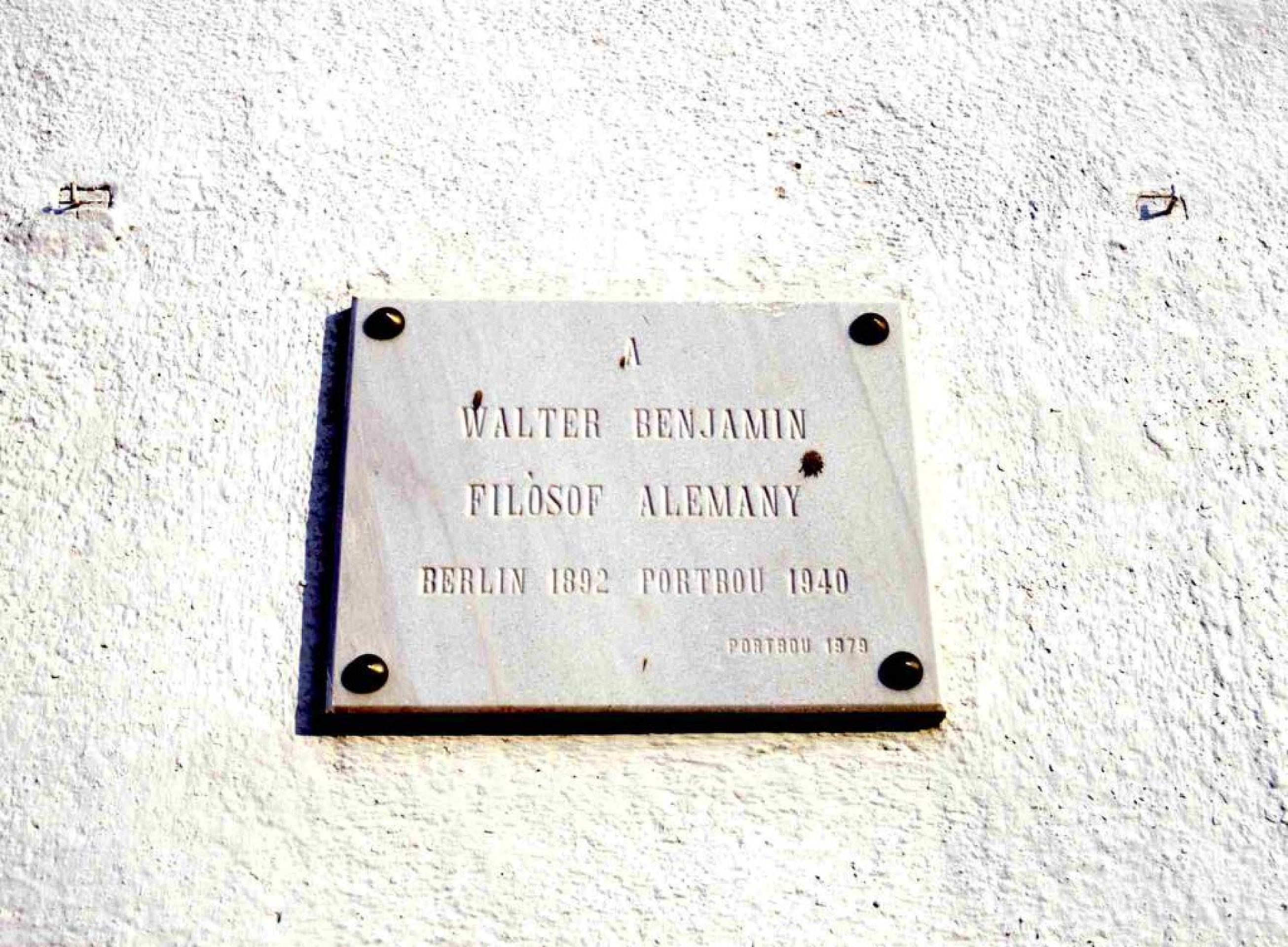
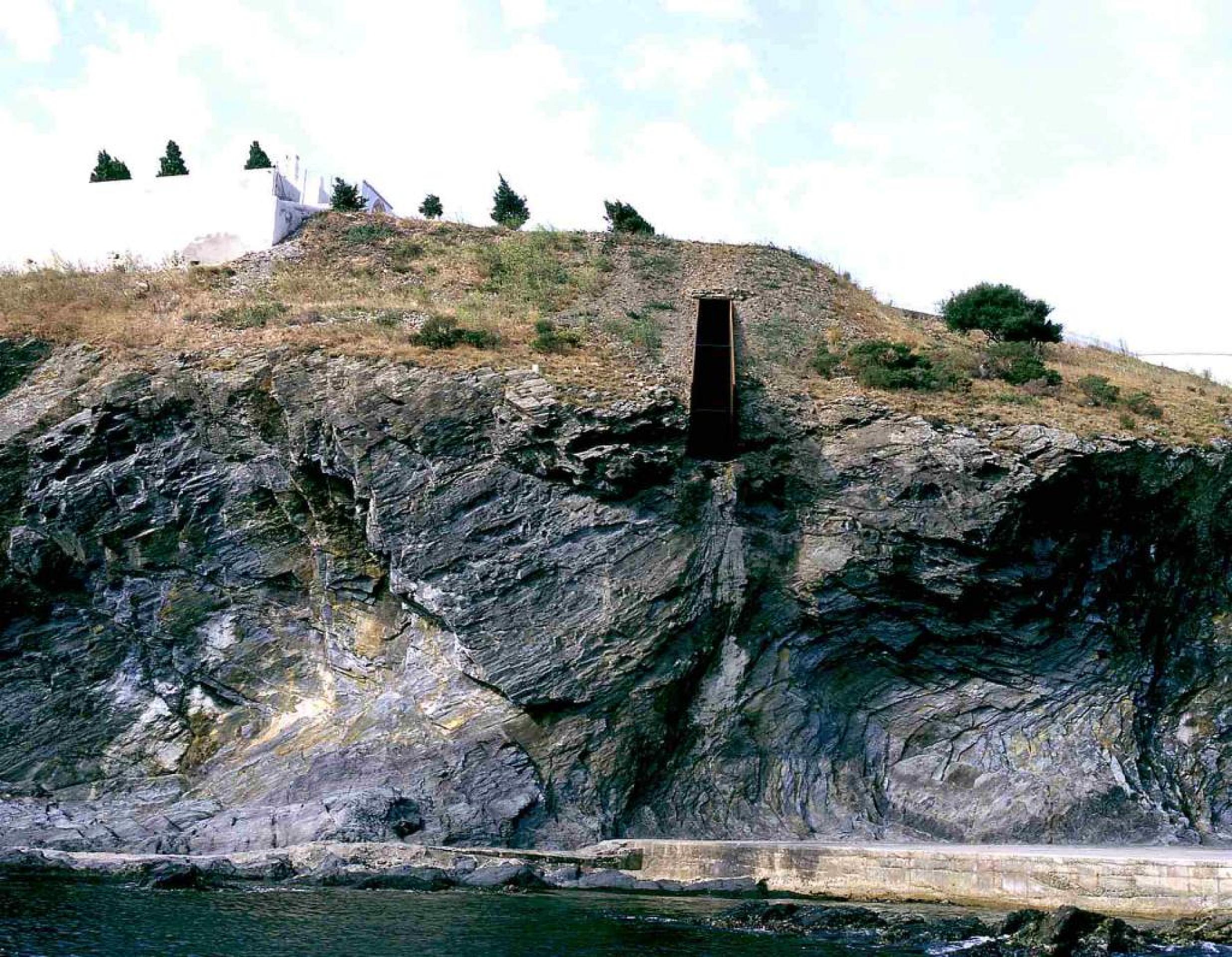
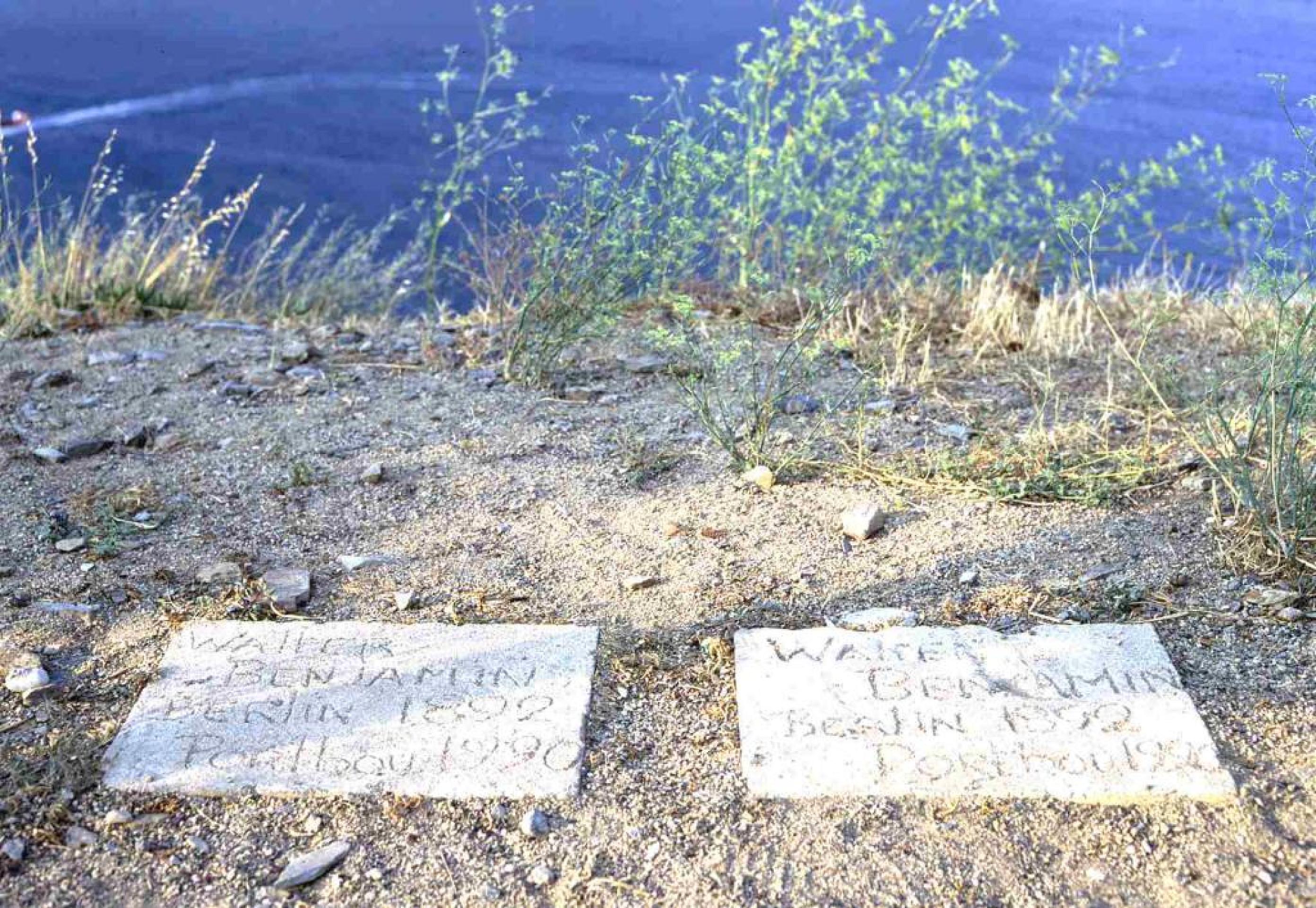
The memorial »Passages« of the Israeli artist Dani Karavan, opened in 1994 in Portbou in Catalonia, commemorates the German-Jewish philosopher Walter Benjamin (1892–1940) who, as a refugee from the Nazis, chose to end his life here.

History

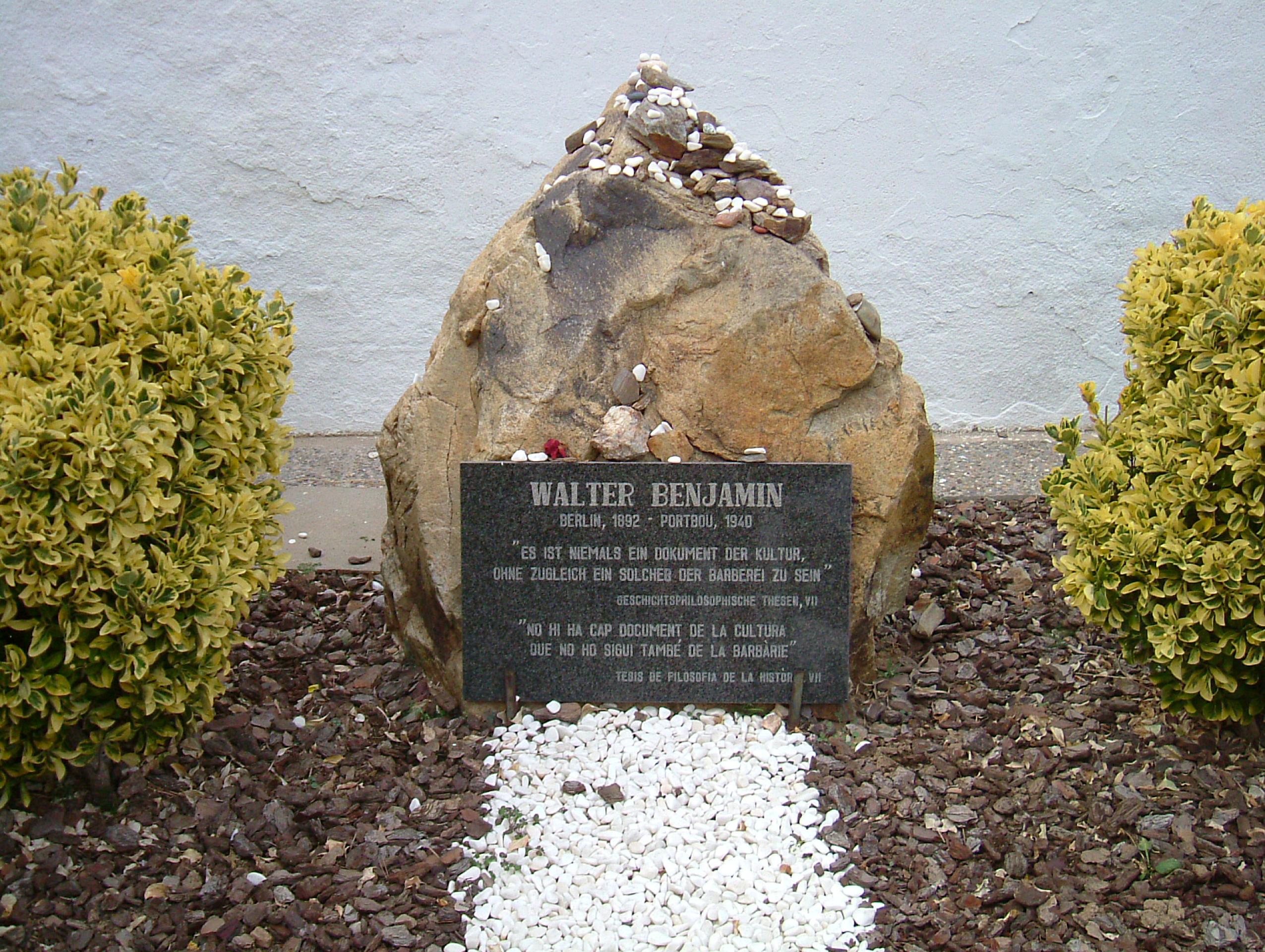
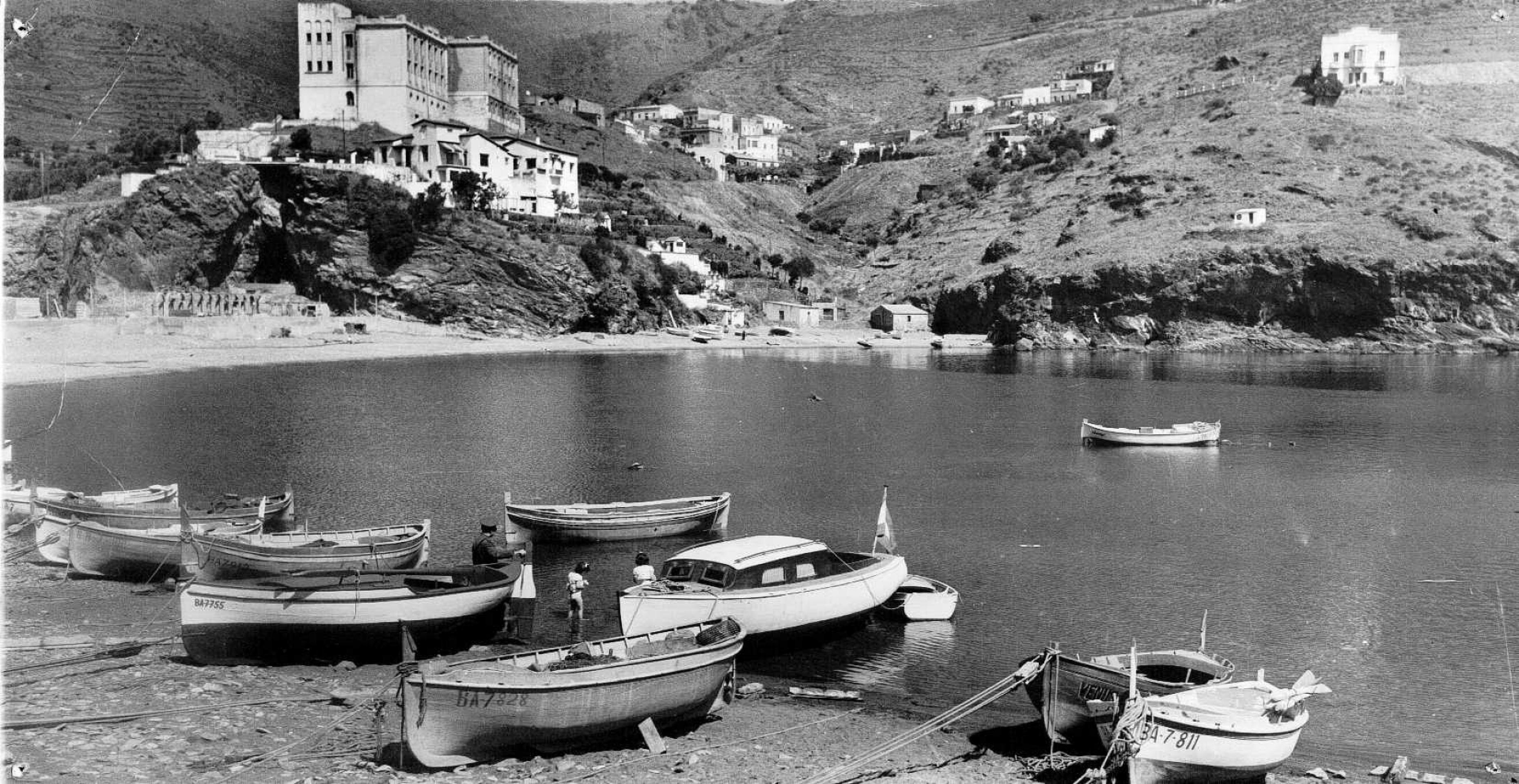
Between 1934 and 1944, the coastal town of Portbou on the Costa Brava near the French border was an important meeting point for emigrants from France and Germany. The German philosopher and literary critic Walter Benjamin arrived as a refugee in Portbou after crossing the Pyrenees Mountains led by Lisa (1909–2005) and Hans (1903–1960) Fittko on September 25 and 26, 1940. From there, Benjamin wanted to travel on to Lisbon and from there to the United States for which he had a valid visa. The Spanish authorities, however, refused him entry and decided to send him back to France where he was most likely to be arrested by the Gestapo. In the night before his deportation, from September 26 to 27, Benjamin took his own life in the Hotel »Francia de Portbou« by overdosing morphine. His body is buried in the local cemetery.
Victims

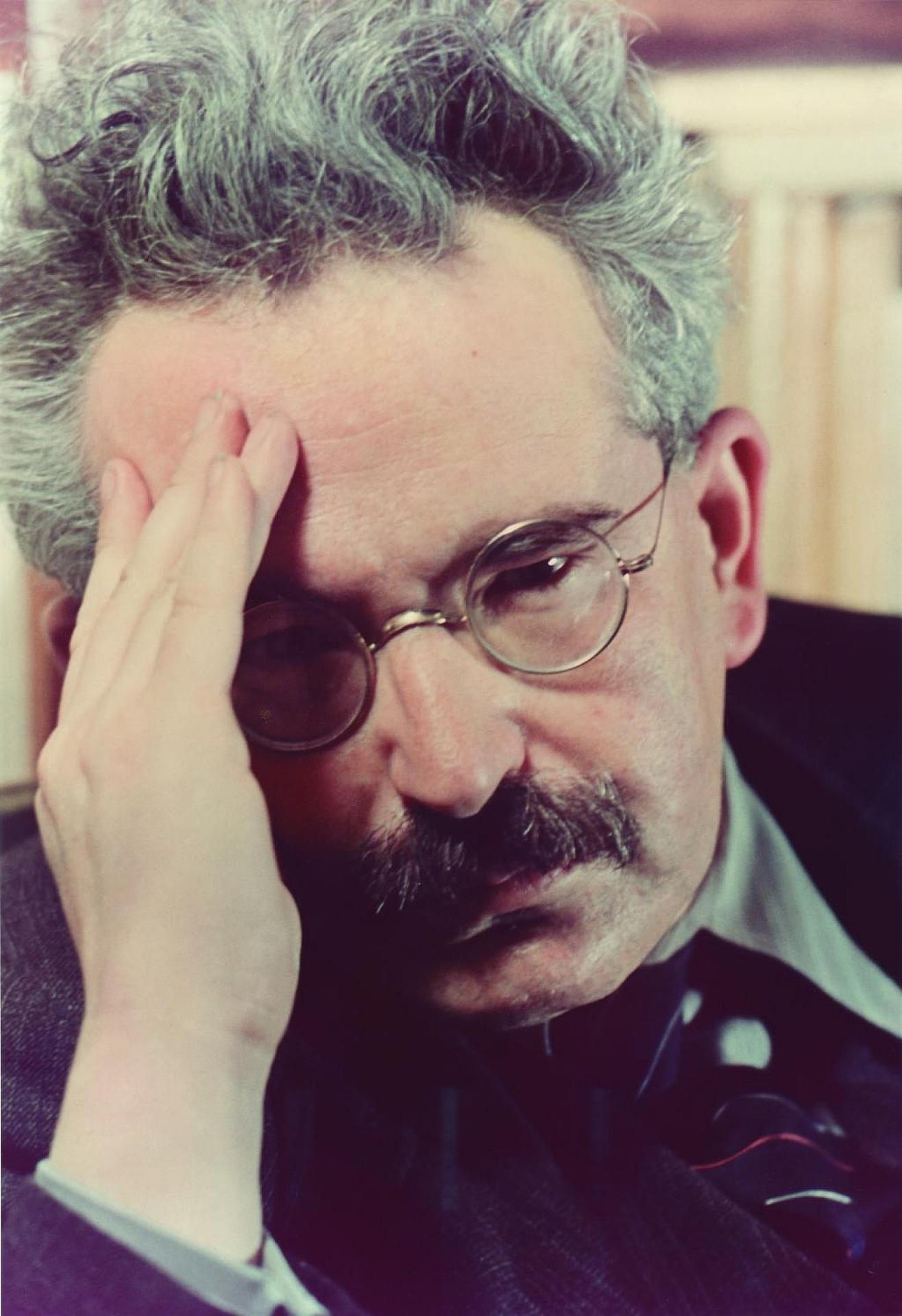
The Geman-Jewish philosopher, cultural and literary critic, translator and refugee Walter Benjamin (1892–1940) ended his own life in the night of 26 to 27 September 1940 in Portbou. His best known works are »The Work of Art in the Age of Mechanical Reproduction« from 1935 and his unfinished »Passagen-Werk« (»The Arcades Project«).

At the beginning of the 1930s, Spain was marked by deep divisions between republicans - including the socialists - and monarchists supporting a traditional, Catholic society. The country was also unsettled by the independence campaigns of various regions, including the Basque region and Catalonia. In 1936, the political violence that had been brewing in Spain since the mid 19th century spilled over into a bloody civil war of international dimensions following the election victory of the »Frente Popular« (People’s Front) composed of socialists, left-liberals and communists. Nazi Germany and the Italian fascist regime supported the anti-republican forces during the Spanish Civil War, which were led by General Francisco Franco (1892–1975) from October 1936 onwards. The »Condor Legion« of the German Luftwaffe provided military support and bombed a number of towns. In turn, the republican government troops were supported by the International Brigades, which were volunteer corps of foreign communists and left-wing socialists. Franco announced his victory on April 1, 1939. Following the outbreak of World War Two, thousands of republican refugees entered the sphere of influence of Nazi Germany in neighbouring occupied France and were deported to concentration camps. Over 5,000 Spaniards died in the camps. Spain was not involved in the Second World War. However, volunteers and army members fought on the side of the Wehrmacht as »División Azul« (Blue Division) during the campaign in Russia. The Franco regime pursued a contradictory policy towards the Jews. Jews, like Protestants and other non-Catholics, were not allowed to practise their religion once Franco had come to power. At the same time, Spain permitted between 20,000 and 35,000 Jewish refugees from abroad to cross the country in order to leave Europe. In 1944 some 3,500 Jews from the Hungarian capital Budapest were spared deportation by the German occupiers thanks to generous Spanish provisions granting safe passage. Franco remained in power until 1975. His regime was initially ostracised by the international community but later brought into the western community of states. Whilst the regime lasted it was impossible to confront the persecution of republicans in Spain and in the German sphere of influence. Attempts to establish small sites of memory at places associated with the Civil War were partly tolerated and partly blocked by officials. A critical national confrontation with the 1936-39 Civil War only started to emerge in the 1990s. A memorial centre was established in 1998 in Guernica, which had been completely destroyed in bombing raids by the »Condor Legion« in 1937. In 2005 José Luis Rodríguez Zapatero (*1960) became the first Spanish Prime Minister to visit a concentration camp memorial site when he commemorated the Spanish political prisoners who died at Mauthausen. In December 2006 the »Memory Law« was passed to rehabilitate the victims. This law officially denounces the dictatorial regime, which was responsible for countless executions and hundreds of thousands of expulsions. A national memorial dedicated to the »memory of the Jews, Spaniards, gypsies and other groups murdered in the extermination camps« was unveiled in Madrid in 2007.

Remembrance

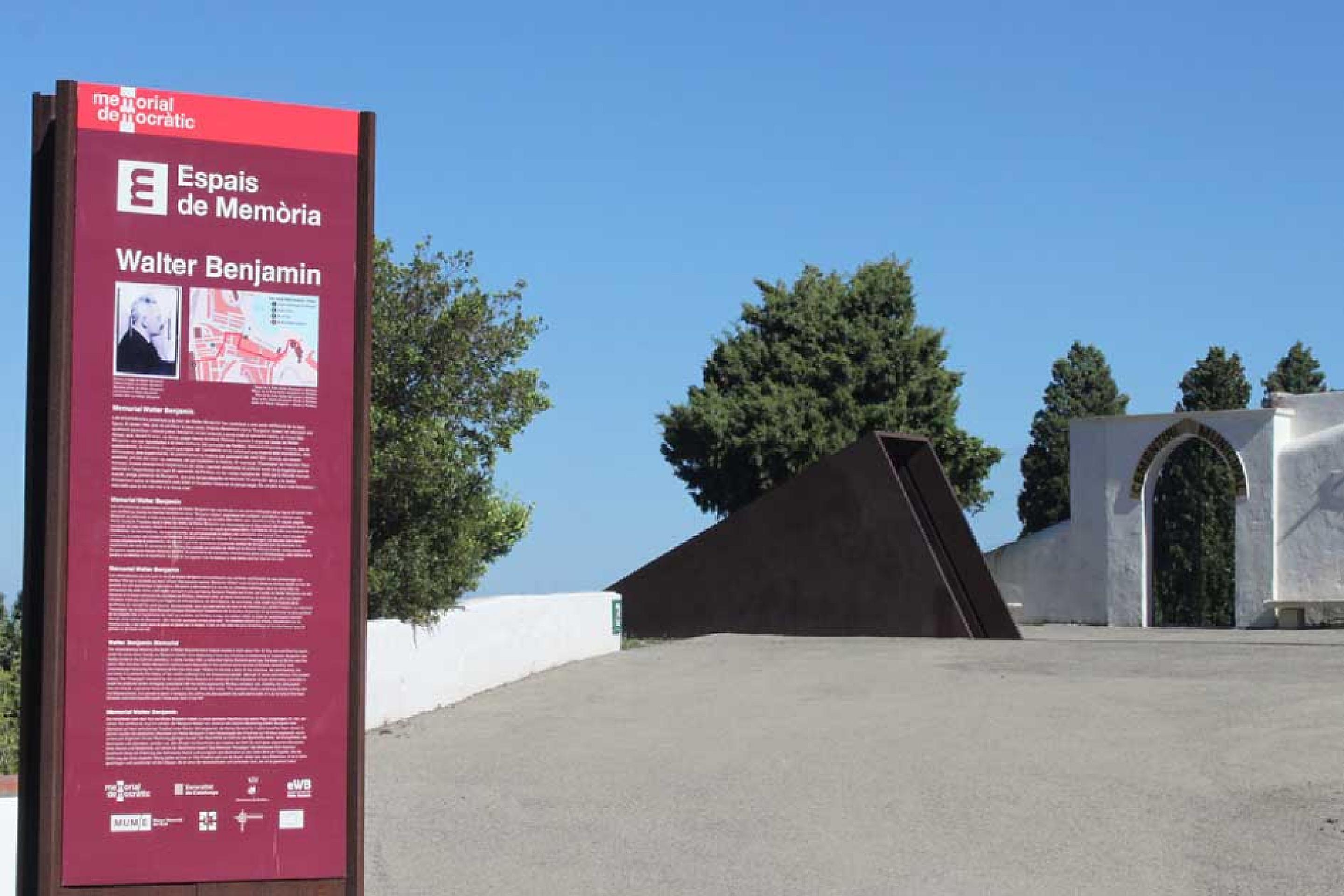
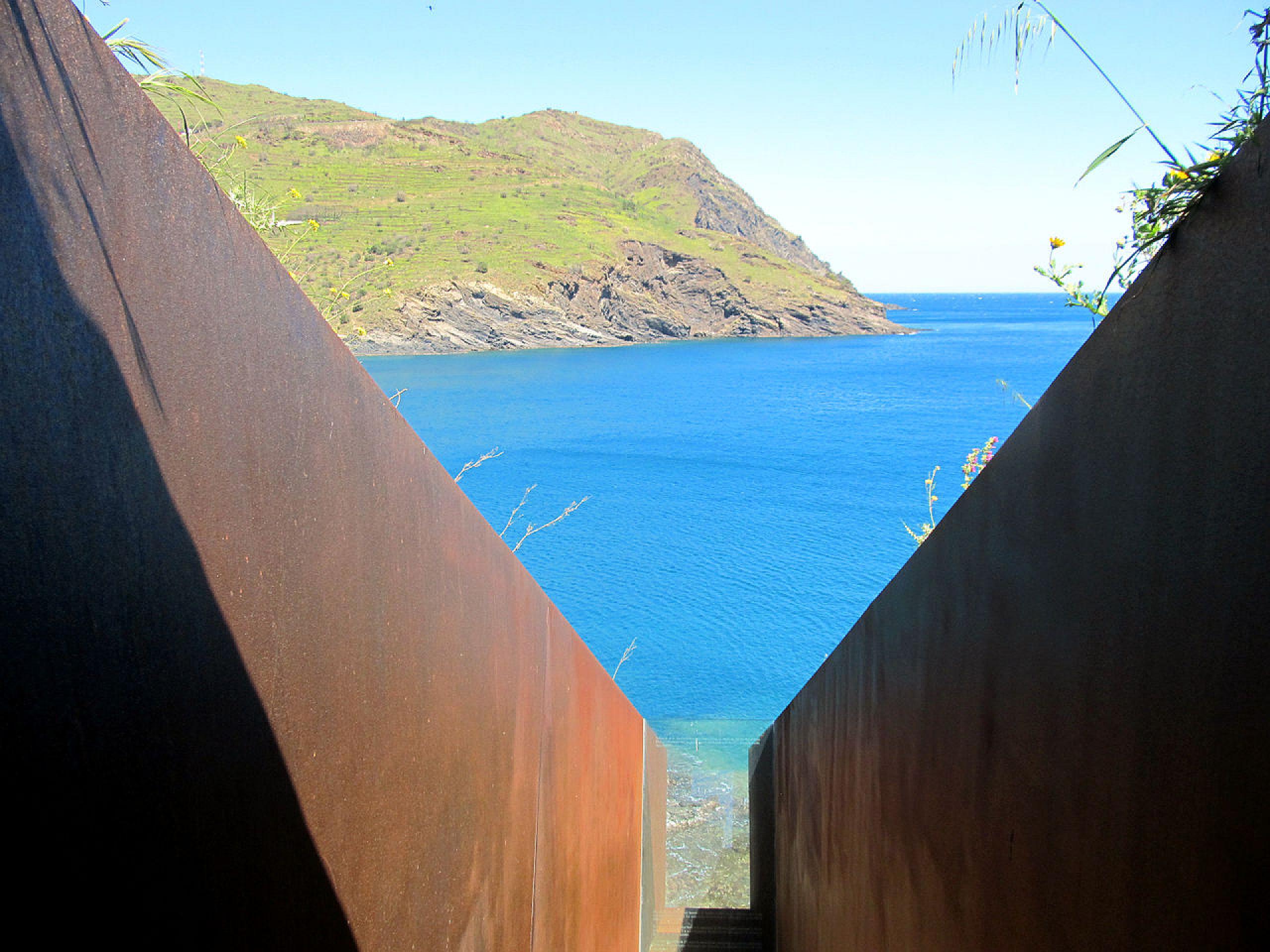
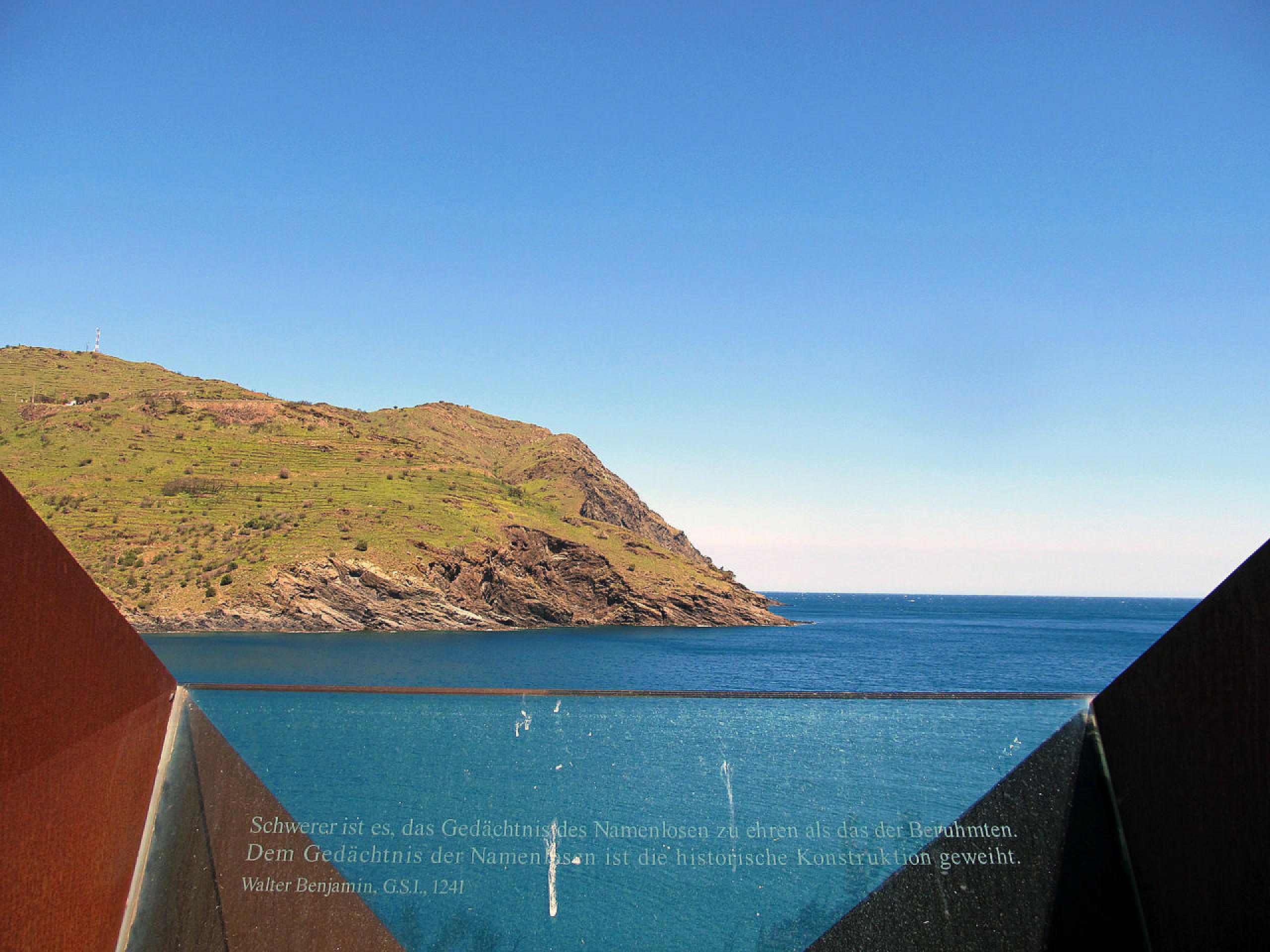
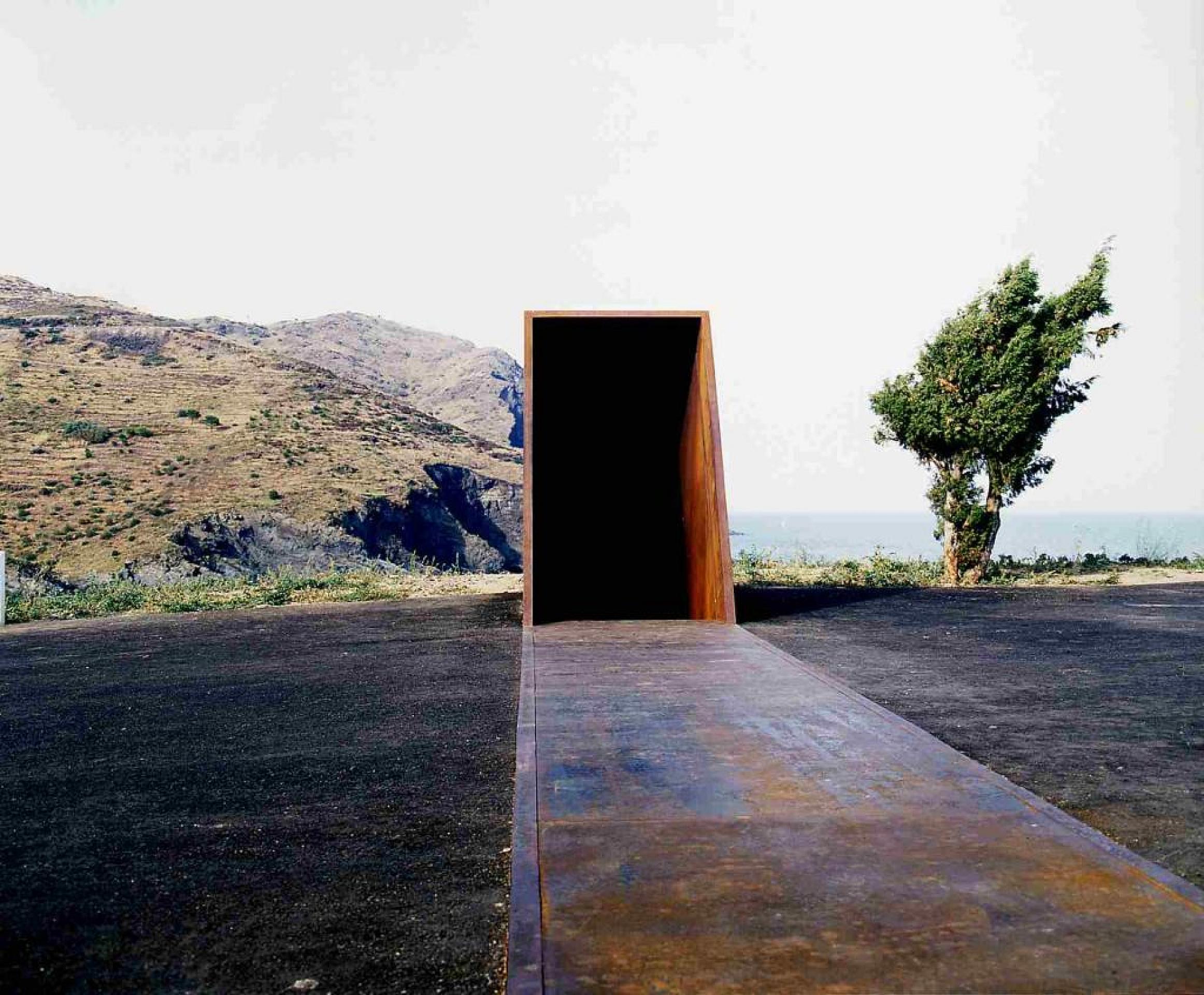
The idea for the memorial came from German President Richard von Weizsäcker (1920–2015). It is situated in front of the entrance of the cemetery of Portbou where Walter Benjamin is buried. The environmental sculpture »Passages« which can be entered and crossed on foot was designed by the Israeli artist Dani Karavan (1930–2021) and inaugurated on May 15, 1994 in the presence of Lisa Fittko. She was an Austrian resistance fighter who had helped Walter Benjamin cross the Pyrenees to Spain. »Passages« consists of different elements made of steel spread across the landscape. At the end of the corridor that leads to the Mediterranean Sea, there is the German quote: »It is harder to honour the memory of the nameless than that of the famous. Historical construction is dedicated to the memory of the nameless. Walter Benjamin, G. S. I, 1241«. It is a quote from his last essay »On the Concept of History«, written in 1939.
Since September 2007, there is a tourist path from Banyuls-sur-Mer to Portbou, following the exact route that Lisa and Hans Fittko used to help refugees get to Spain. It bears the name »Ruta / Chemin Walter Benjamin«.
Possibilities

Annual memorial ceremony on 11 September; programs are posted on the city’s official website

Open

The memorial is accessible at all times.

Contact

https://www.fundacioangelusnovus.org/en/memorial/

info@fundacioangelusnovus.org

+34 (0)972 390 284

Pujada del Mirador
17497 Portbou