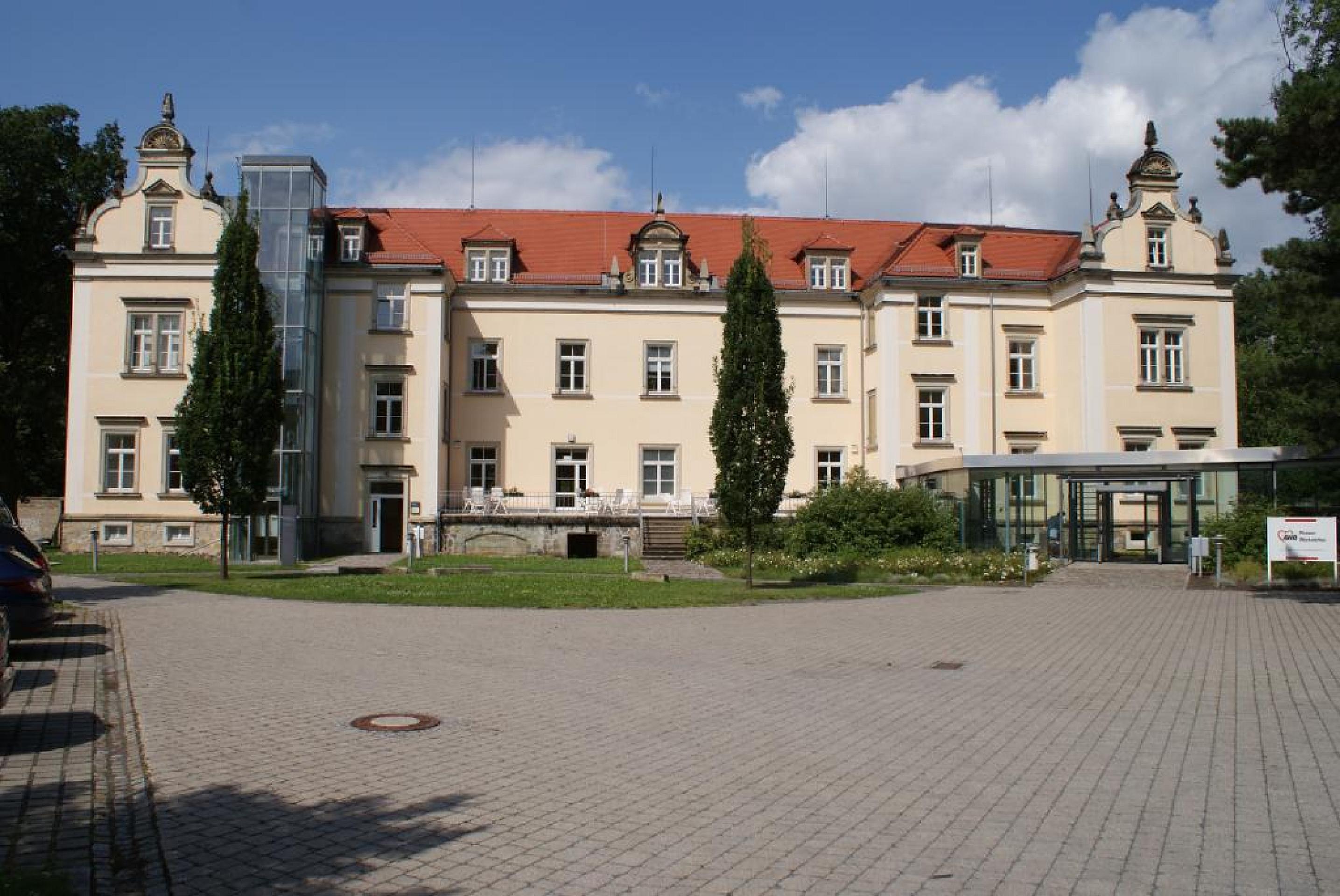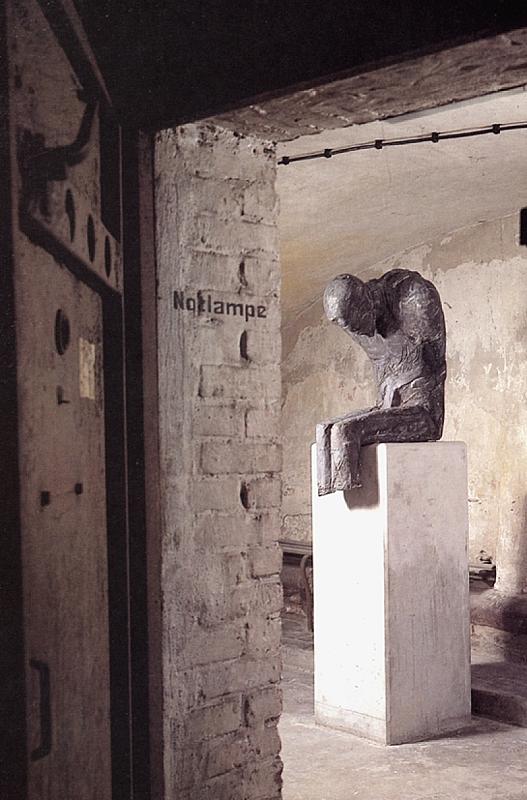
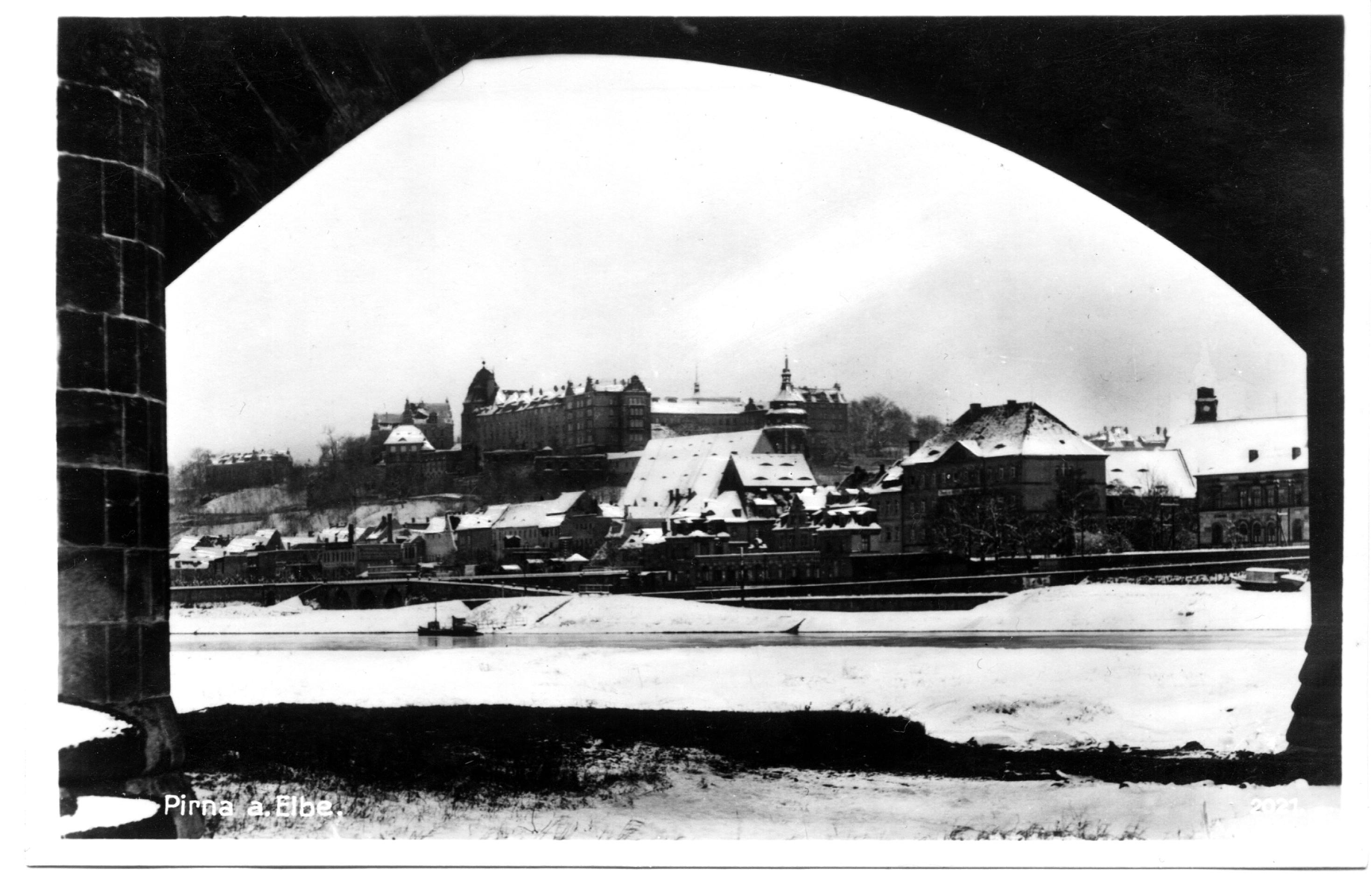
Located in the former mental hospital was one the German Reich's six »euthanasia killing centres«. Here, the National Socialist regime had 13,720 mentally ill and mentally handicapped people as well as over 1,000 concentration camp prisoners murdered within a time frame of 15 months. A memorial was opened in 2000. It honours the memory of the victims, which for a long time was buried in oblivion.
History
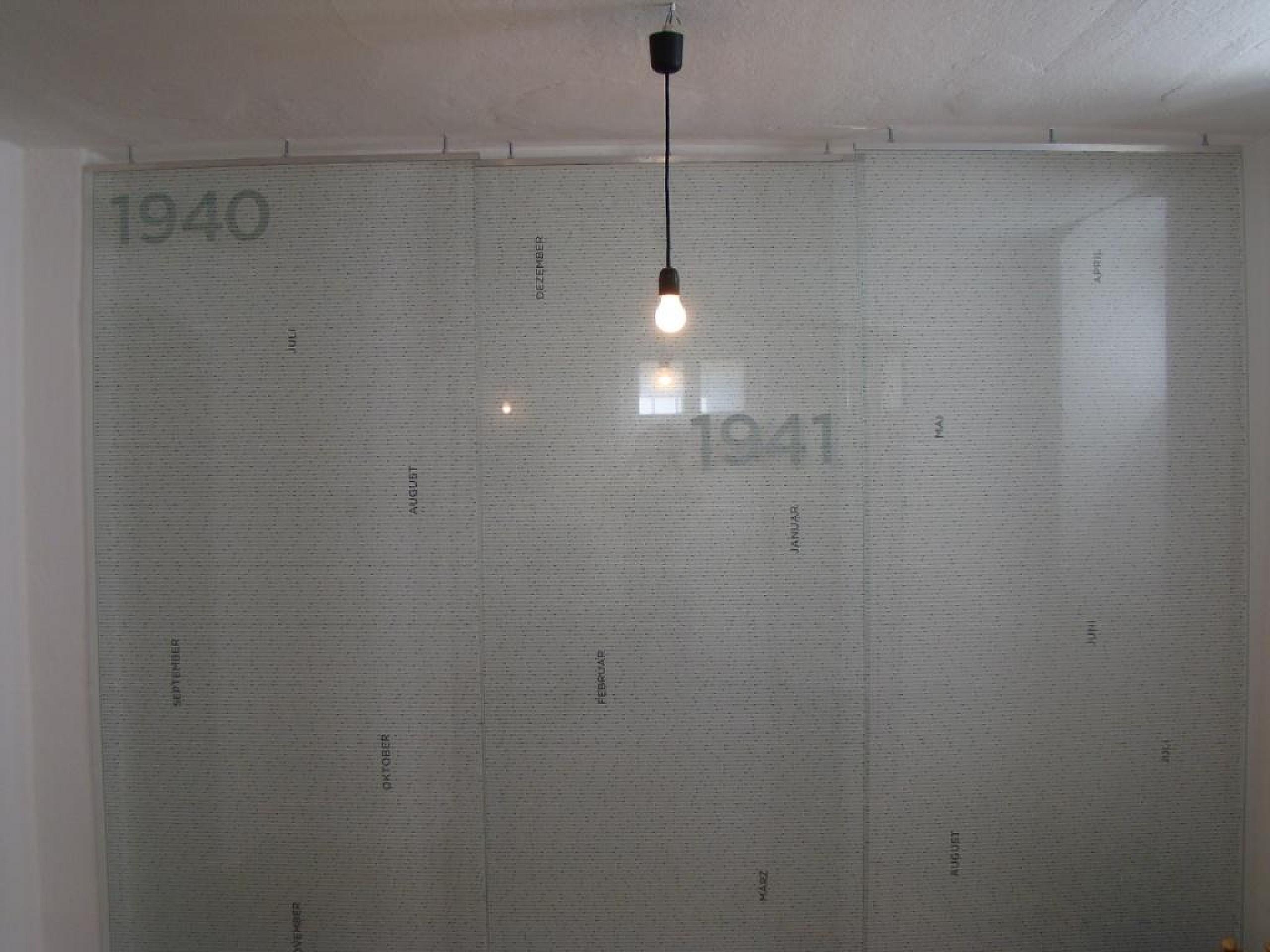
Under the National Socialist regime the term »euthanasia« stood for the murder of thousands of mentally and physically handicapped people. The murder was planned and organised by a central office which directly reported to Adolf Hitler. The office was code named »T4« in reference to its postal address in Berlin's Tiergartenstraße. At first, toddlers up to the age of three fell victim to »euthanasia«, later older children and youths were affected. Beginning 1940, handicapped adults and ill people were included in the scheme under the new code »Action T4«. During the initial phase, people were killed by malnourishment, poison or medications. From January 1940, more and more »T4« killing centres began operating their own gas chambers. From 1941, the SS also used the »Action T4« hospitals to murder concentration camp prisoners who were no longer able to work or were deemed undesirable. The mass killings of camp inmates were referred to as »Sonderbehandlung 14f13« (»Special treatment 14f13«) by the National Socialists. Upon decision of the »T4« office, a part of the former psychiatric hospital at Sonnenstein was converted to a »euthanasia killing centre« in 1940. This involved the construction of a crematorium, the installation of a gas chamber as well as fencing in the premises. These measures were meant to keep what was happening hidden from the outside world. Between June 1940 and August 1941, doctors and nursing personnel from the psychiatric hospital in Pirna murdered mostly mentally ill and mentally handicapped people, however, their victims also included patients from nursing and old age homes. Following a medical examination, the patients were led in groups to the basement of House C16. Located here were a gas chamber - disguised as a shower room - and a crematorium.
Victims
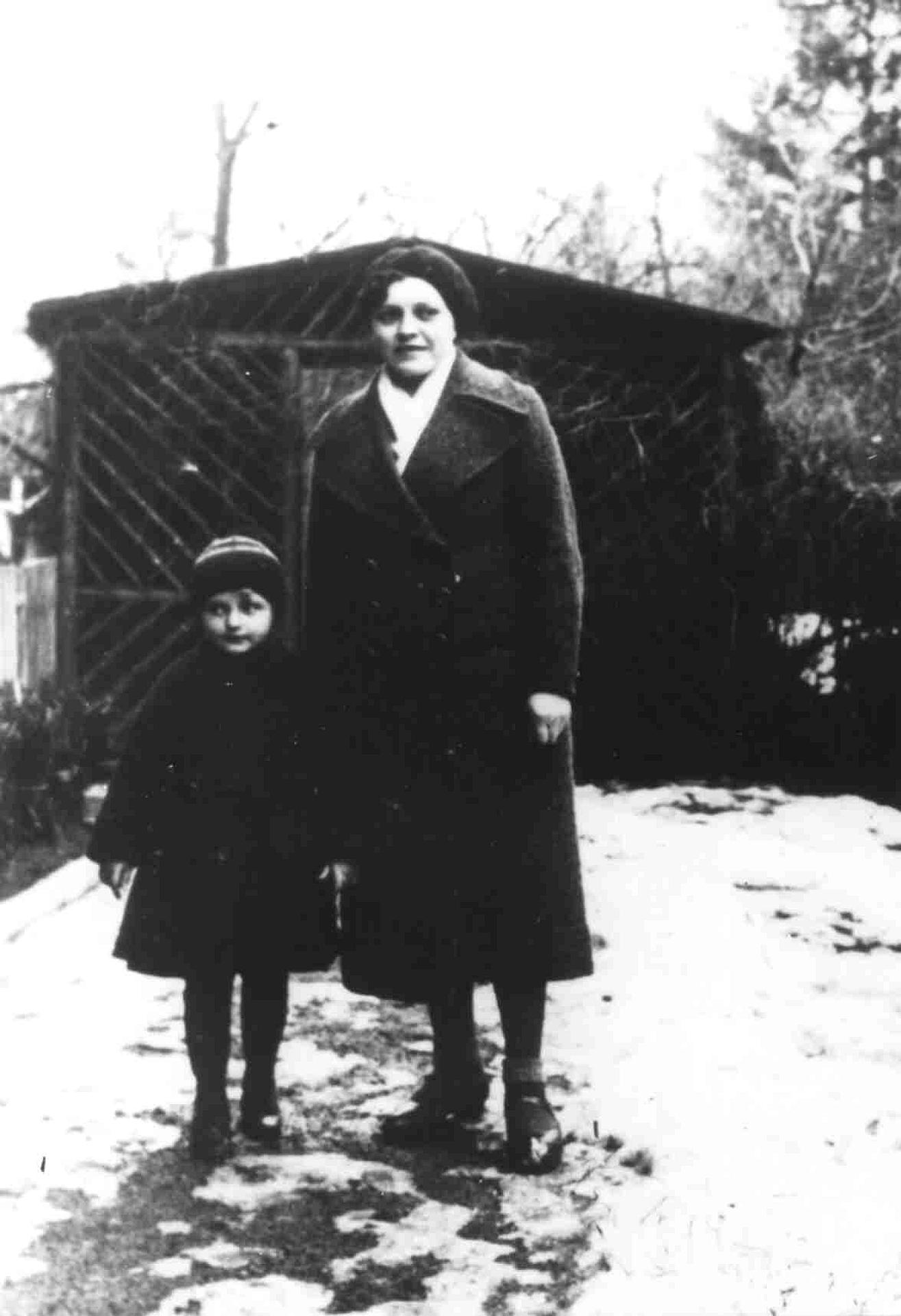
13,720 people - stemming from Saxony, Thuringia, Franconia, the Sudetenland, Silesia as well as Eastern and Western Prussia - were murdered at Sonnenstein. In the summer of 1941, over 1,000 concentration camp prisoners who were ill or unable to work were murdered here as part of the »Aktion 14f13«.
Remembrance
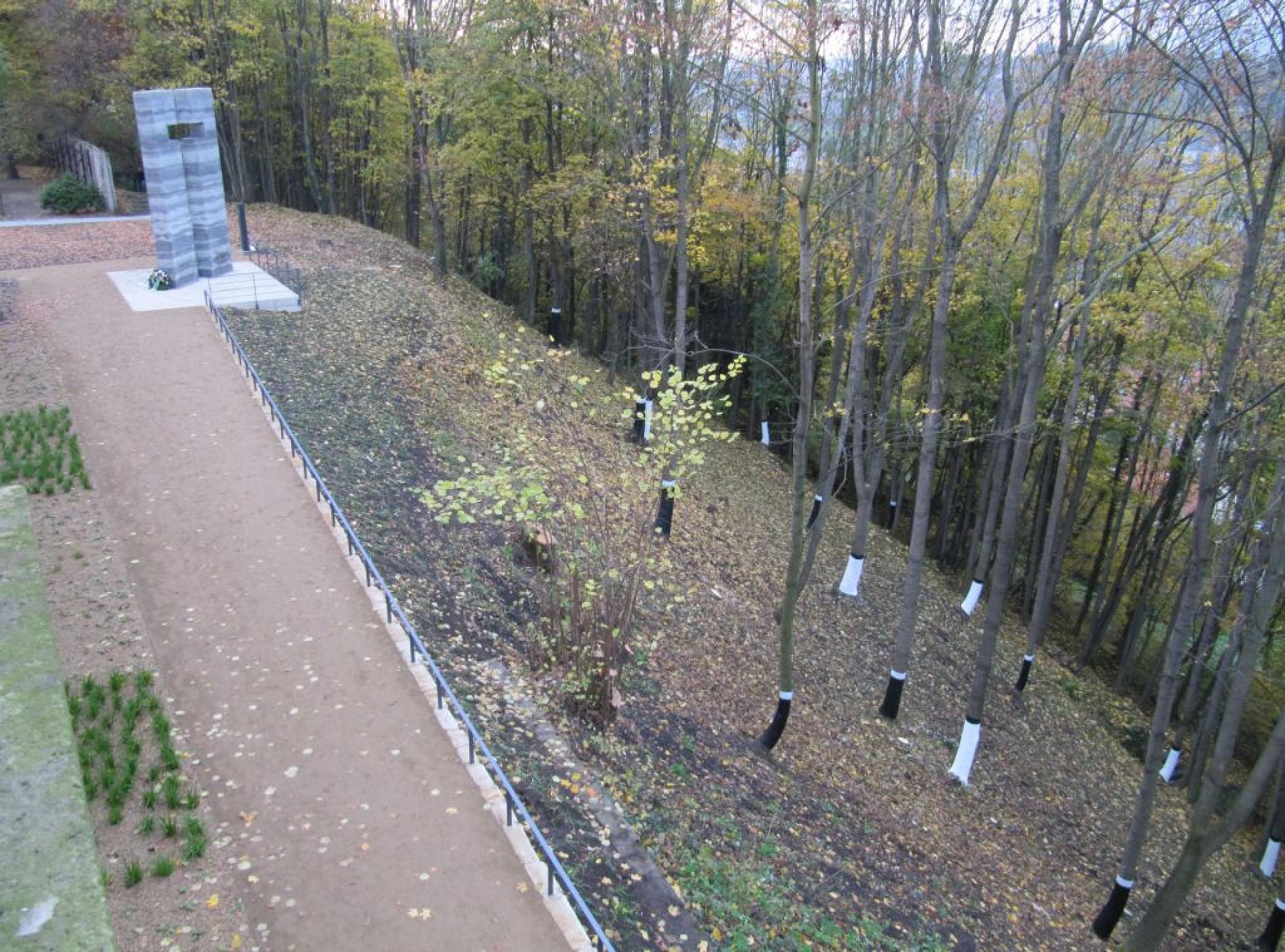
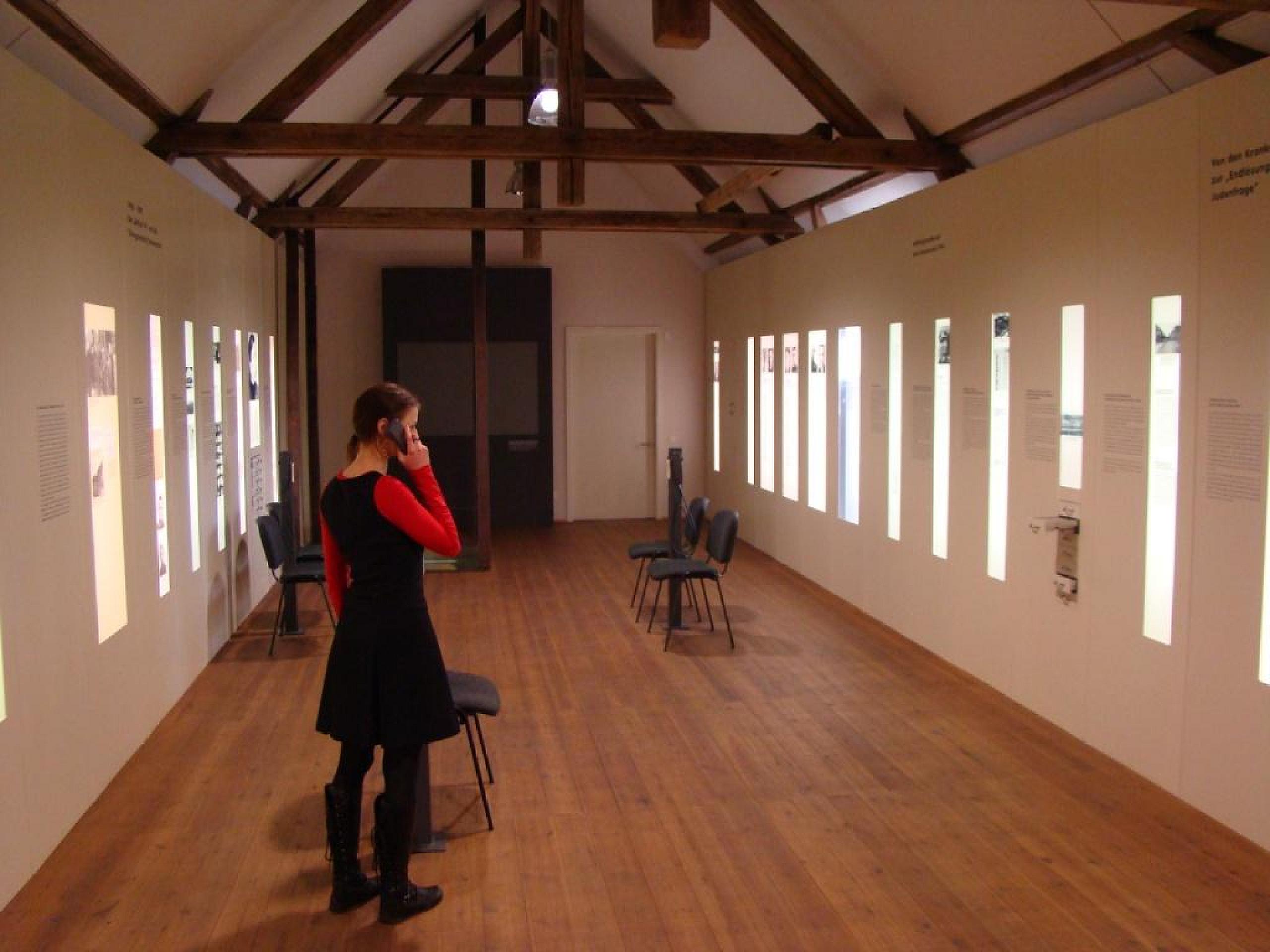
When the »euthanasia« campaign was brought to a halt, those responsible had all facilities connected with the crimes that had been committed disassembled. In the summer of 1947, a number of doctors and nurses involved in the murders were called to account in the so-called »Dresden Doctors Trial« and sentenced to death. In the decades that followed, the crimes committed at Sonnenstein were suppressed by the residents of Pirna or, for the most part, kept secret. Only at the end of the 1980s did citizens of Pirna and relatives of victims jointly begin to openly confront the site's history. In 1991, they founded the »Kuratorium Gedenkstätte Sonnenstein e.V.« (»Trustees of the Sonnenstein Memorial«) and began lobbying for the establishment of a memorial. Between 1992 and 1994, the cellars where the murders had been carried out were reconstructed. The memorial was unveiled at the historic location in June 2000. It is maintained by the Saxon Memorial Foundation. In addition, in November 2011 a memorial cross and a grave field have been unveiled on the former disposal site of the psychiatric hospital of Pirna-Sonnenstein. Employees of the killing centre had thrown the bodies of many of the victims there.
Possibilities
Educational programme, workshops for educators, travelling exhibitions, gathering and providing information on the fates of individual victims, events, lectures
Open
Monday to Friday: 9.00 a.m. to 4.00 p.m.,
Saturday, Sunday and holidays 11.00 a.m. to 5.00. p.m.
Closed on December 24, 25, 26 and 31 and on January 1
Contact
http://www.pirna-sonnenstein.de
gedenkstaette.pirna@stsg.de
+49 (0)3501 710 960
Schlosspark 11
01796 Pirna